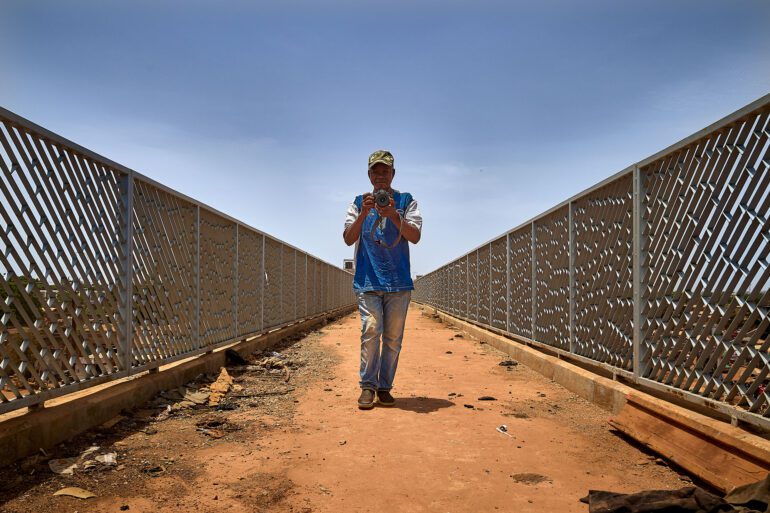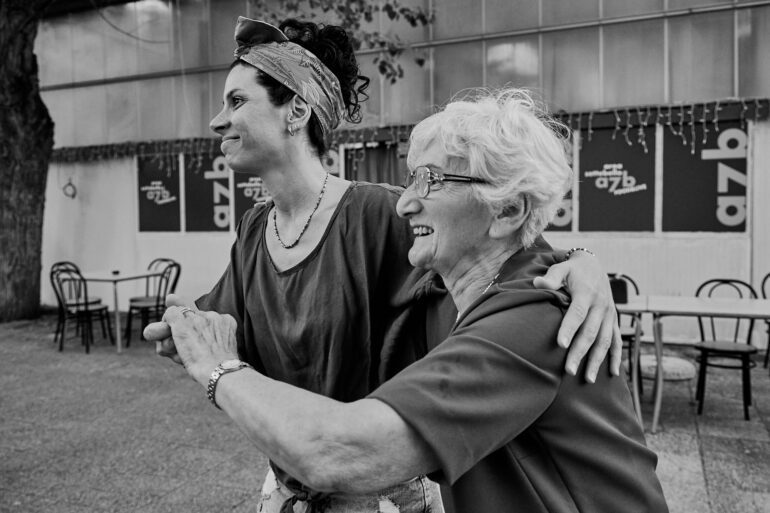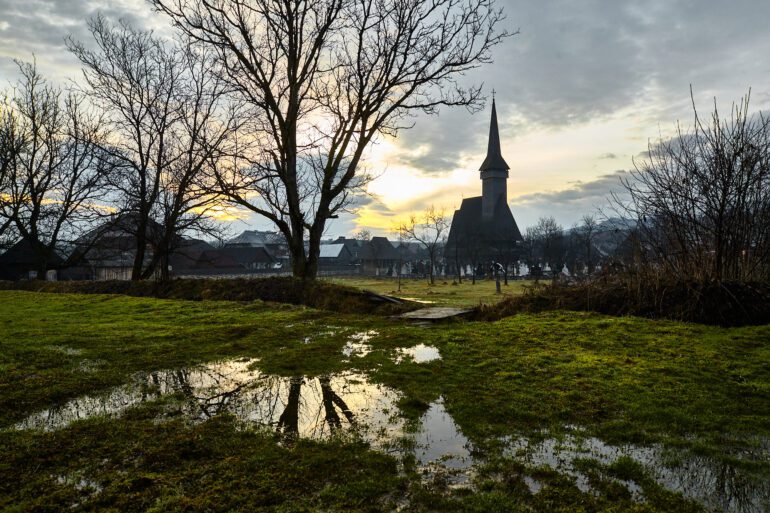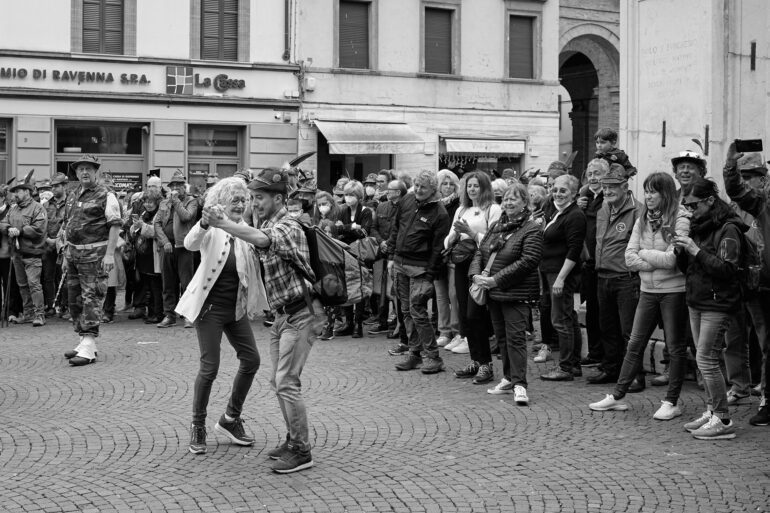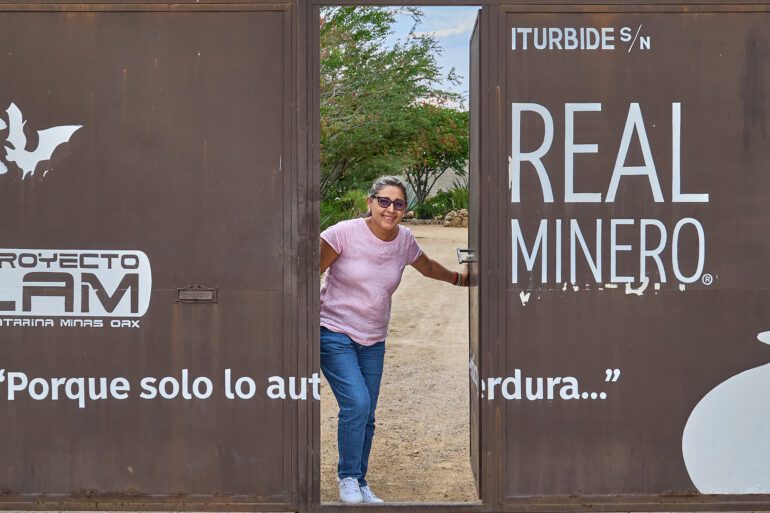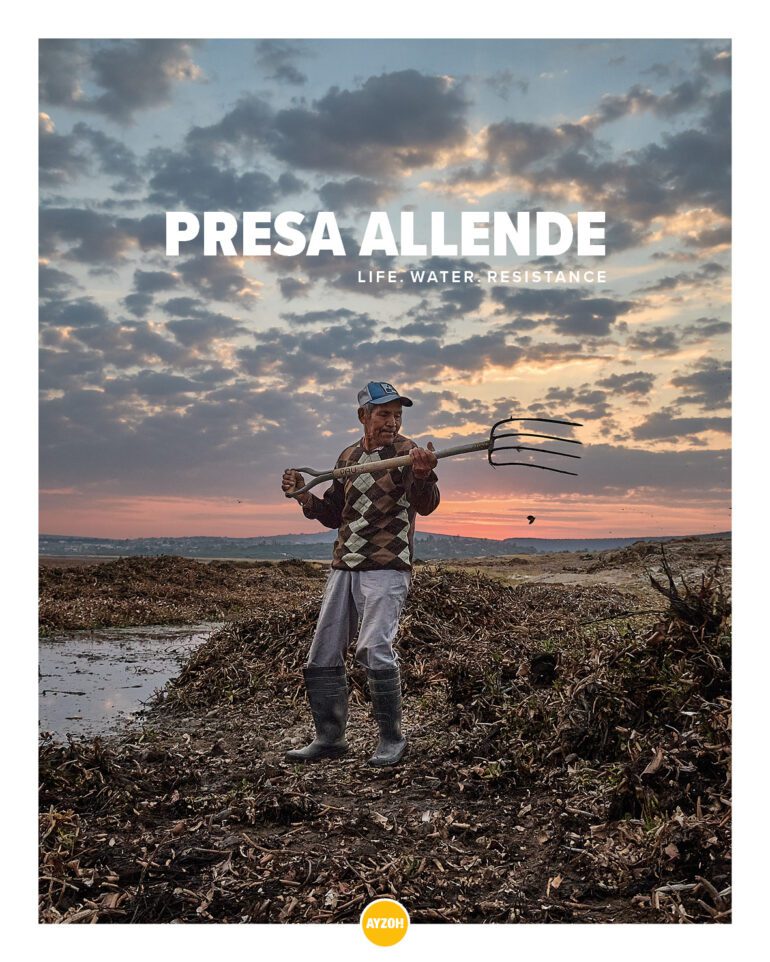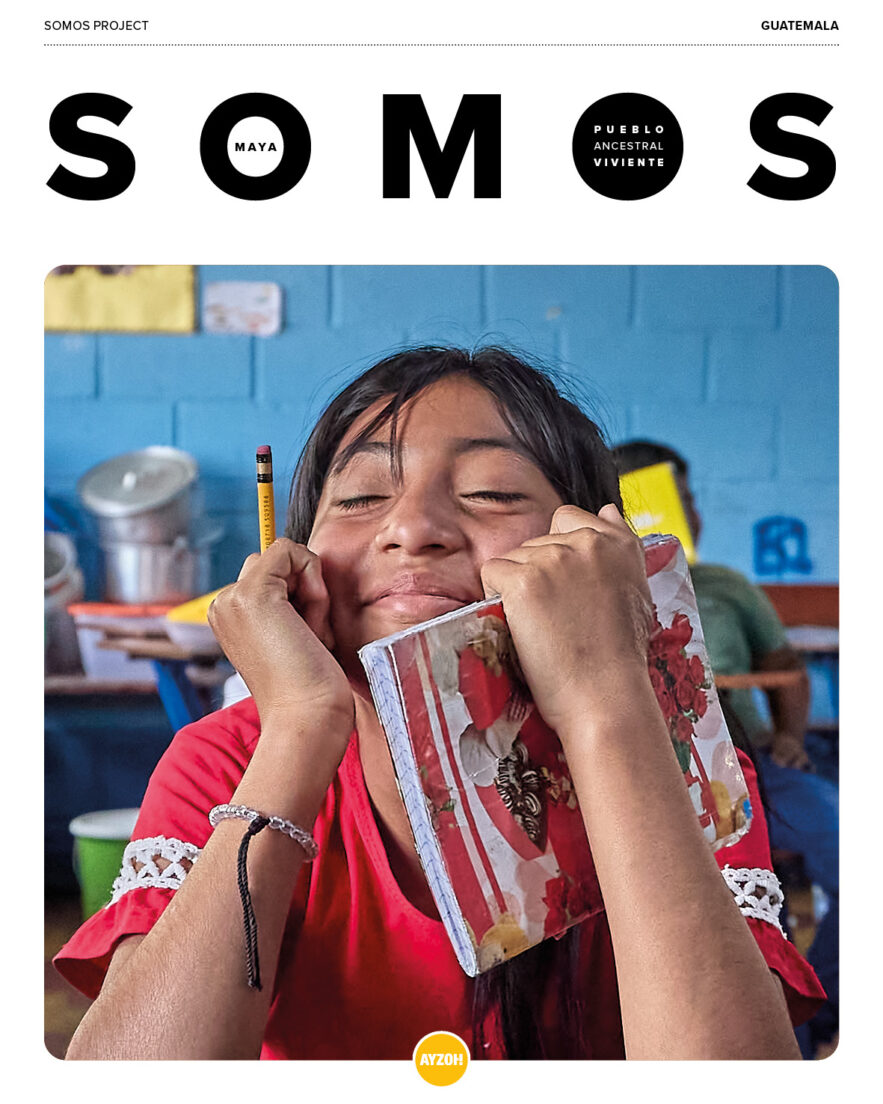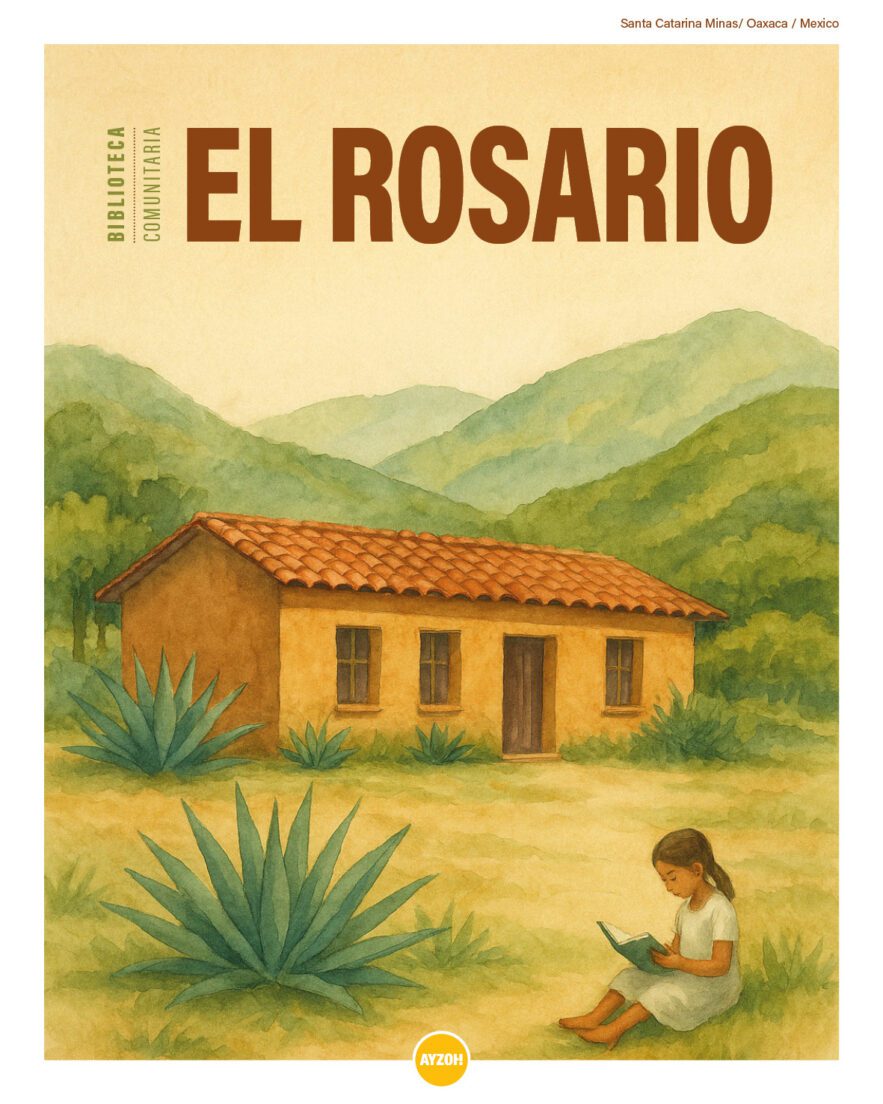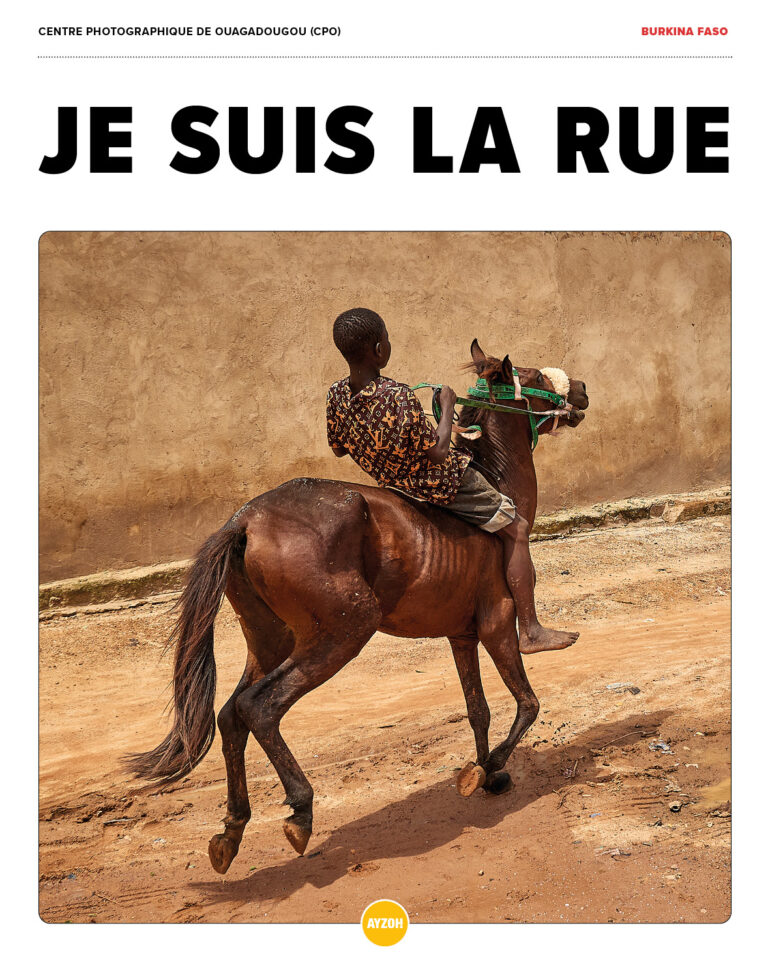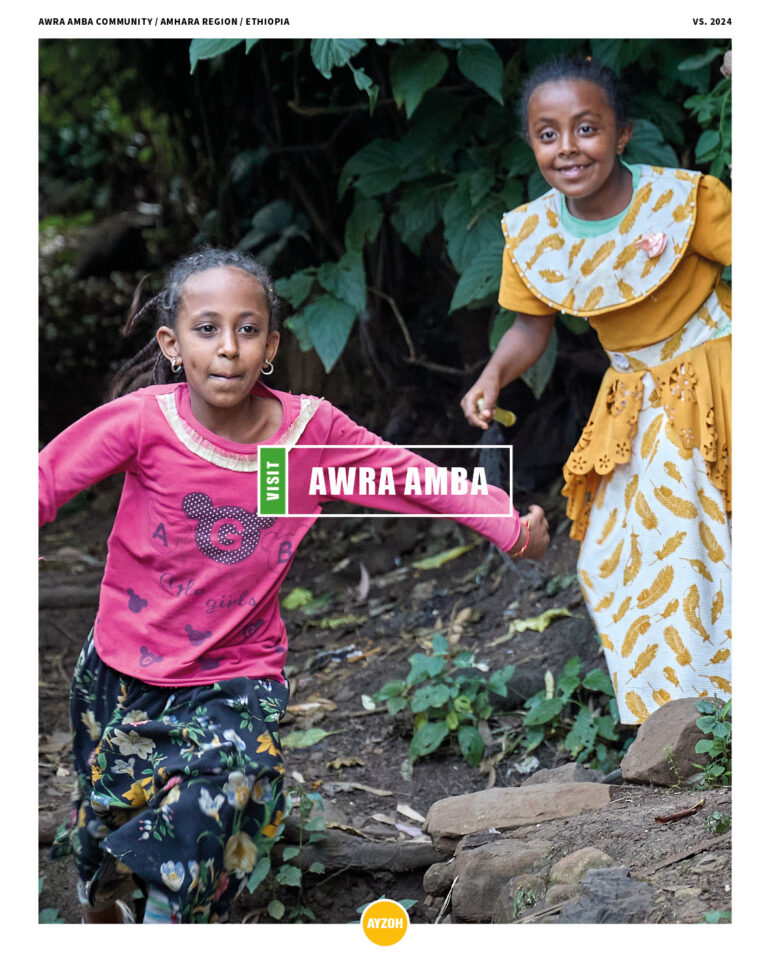
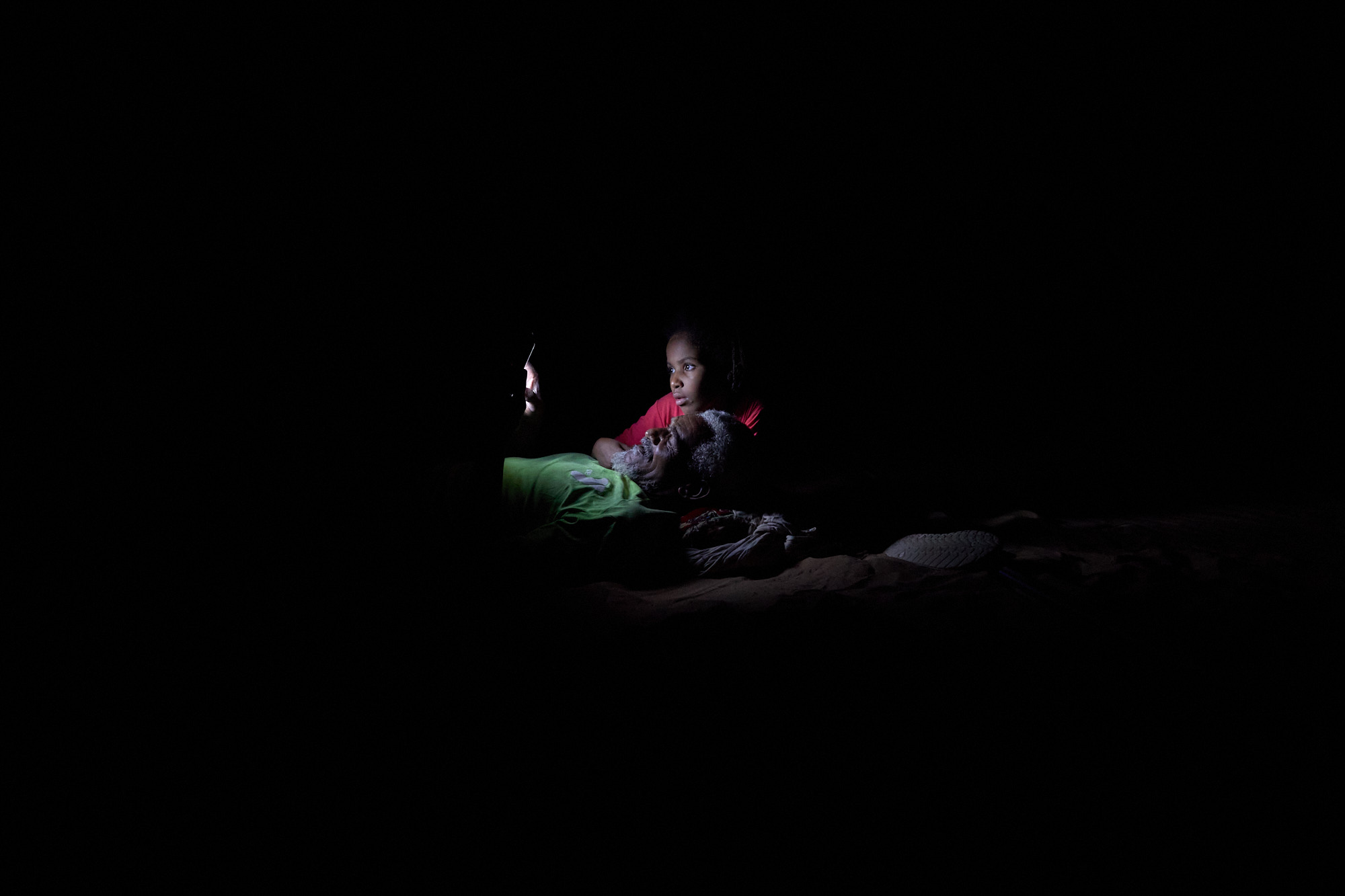
A Bag of Stories began as a magazine, but the idea behind it is larger: to create a place where photographs, encounters and questions can continue after a project ends. From these pages, Ayzoh! is developing a wider body of work around The Ethics of Looking: writing, books, exhibitions and public conversations about what it means to look at another human being responsibly.
There is always a moment when a photographic project appears to be finished. The journey ends; the cameras are put away; the photographs are edited, printed, exhibited or published; a book reaches the shelf and, from the outside, the story seems complete. For us, that moment has rarely felt like an ending.
Years later, certain photographs continue to ask questions. We remember the circumstances in which they were made, the people who allowed us into their homes or workplaces, the conversations that happened before and after the shutter was released; we remember images we chose not to publish, others we returned to the people portrayed, and moments when putting the camera down seemed more important than making a photograph.
The archive grows, but so does the uncertainty. What happens to a photograph after it leaves the place where it was made? What remains of the relationship between photographer and photographed once the image begins circulating elsewhere? When does beauty help us look more carefully, and when does it turn hardship into spectacle? What does consent mean when an image may travel for decades? How much context can a caption carry? When should a photographer decide not to take the picture at all? These questions existed long before A Bag of Stories. The magazine gave them a place to continue.
A place between projects
A Bag of Stories was created by AFAR and Ayzoh! as an international magazine and cultural platform about travel, materials, communities and the relationships that form around them; from the beginning, however, we were interested in something wider than a sequence of articles.
We wanted a place in which different kinds of knowledge could meet without being forced into separate rooms: documentary photography beside design; craftsmanship beside economics; travel beside ethics; architecture beside memory; objects beside the people who make, repair, carry and inherit them.
The subjects may appear distant from one another, but the question underneath them is often the same: how do we enter a place, a story or another person’s experience without immediately reducing it to what we already know?
Travel has taught us how easily this reduction happens. A village becomes “timeless”; a neighborhood becomes “poor”; a craft becomes “tradition”; a community becomes “resilient”; a person becomes an example of something we have decided before meeting them.
Photography can do the same thing with extraordinary efficiency. One frame can simplify a life; one expression can become an identity; one beautiful composition can hide the historical, political or economic forces that made the scene possible.
Writing is no safer. Words arrive carrying their own habits, and sometimes the adjective has already decided what we are going to see before we have properly looked.
For this reason, A Bag of Stories gradually became something we had needed for a long time: a place between projects, where the questions raised in the field could survive beyond the assignment, the exhibition, the campaign or the journey.
The world outside the frame
Much of contemporary communication asks us to react quickly; images arrive, judgments follow, positions harden, and complexity becomes inconvenient. Documentary work asks for almost the opposite: it asks us to remain.
To notice contradiction; to understand that a person can inhabit several identities at once; to accept that a community may contain disagreement, ambition, memory, conflict, humor and boredom alongside whatever brought the photographer there in the first place. This is particularly important when working across cultures.
For a long time, photography has helped construct a visual geography of the world in which some people were allowed complexity while others were repeatedly reduced to categories: poverty, exoticism, conflict, tradition, vulnerability, difference. Changing that geography does not simply mean producing kinder images. It requires a different relationship with looking itself.
Who is doing the looking? From where? With what assumptions? Who will eventually see the image? What information has been included, and what remains outside the frame? What power exists between the person holding the camera and the person standing before it?
These are not theoretical questions for us; they emerge from the ordinary practice of documentary work, often at the moment when there is no perfect answer. That is where The Ethics of Looking began.
The Ethics of Looking
We initially imagined The Ethics of Looking as a series of essays within A Bag of Stories, each approaching one practical question that photographers, writers and visual storytellers eventually encounter: photographing poverty and identity; working with children; the limits of permission; rituals and private spaces; captions and context; geolocation; Indigenous communities; the aesthetics of hardship; gifts, money and relationships; what happens after publication; returning photographs; the loss of context on social media; the moments when the most responsible decision may be not to photograph.
Together, these questions began to form something larger. They point toward a simple problem with no simple solution: what does it mean to look at another human being responsibly?
The word ethics can sometimes make a conversation sound like a collection of rules, but rules alone are not what interest us. Documentary work happens inside circumstances that change constantly; intentions may be good and consequences unexpected, consent may be genuine and still incomplete, an image may be respectful in one context and harmful in another.
What matters, therefore, is not the construction of a new code telling photographers where they may or may not stand; it is the development of attention, judgment and responsibility.
We are interested in the photograph before it is taken, while it is being made and long after it has entered the world. We are interested in the person behind the camera, but equally in the person standing before it. And we are interested in the audience, because looking is not something photographers do alone. Every viewer completes the image through experience, expectation, culture and memory.
From pages to rooms
A magazine is a useful place to begin this conversation, but some conversations eventually need a physical space.
For this reason, The Ethics of Looking is gradually moving beyond the screen. The essays are forming the basis of a book; photographs accumulated through years of documentary work can become an exhibition; the questions themselves can become public conversations, encounters with photographers, students, writers, communities and people whose experience complicates the usual relationship between those who represent and those who are represented.
We are interested in what happens when photographs return to a room and people gather around them. An exhibition can slow down an image that would otherwise disappear in seconds on a screen; a conversation can introduce disagreement, memory and experience that no wall text could contain; a book can hold ideas long enough for the reader to return to them; a workshop can move the discussion from abstract ethics to the moment when someone actually raises a camera and must decide what to do.
These forms are different, but they belong to the same inquiry. None of them is intended to establish Ayzoh! as an authority handing down rules from outside; our own photographs, choices, uncertainties and mistakes belong inside the discussion. After years of documentary work, perhaps the most useful position is not the one from which we claim to have found the answer, but the one from which we can formulate the question more precisely and invite others to examine it with us.
This also changes the meaning of an exhibition: photographs no longer need to function only as finished works presented for admiration; they can become evidence, questions, points of disagreement, fragments of relationships, occasions for examining how an image was made and what happened afterwards. The wall becomes part of a conversation rather than its conclusion.
What comes after looking
There is another reason this project matters to us. Photography is changing quickly. Images are produced, manipulated, generated, distributed and consumed on a scale that would have been difficult to imagine only a few years ago; the distinction between witnessing and fabrication is becoming increasingly fragile, while the speed with which photographs circulate leaves less and less room for context.
In such a moment, the ethics of looking cannot concern photographers alone. It concerns anyone who makes, publishes, shares or receives images. Perhaps this is why we keep returning to something very simple: the responsibility to look carefully before deciding what we have seen.
Careful looking requires time; it also requires curiosity, because curiosity admits that another person may not correspond to the story we had prepared for them. It requires humility, because the world does not exist in order to complete our photographs.
And it requires courage, though perhaps not the spectacular kind. Sometimes courage means entering a place we do not understand and remaining there long enough to question our assumptions; sometimes it means challenging the image expected by an editor, an audience or a market; sometimes it means returning an image to the person who made it possible; sometimes it means leaving the camera in the bag.
A Bag of Stories gives us a place to explore these questions through journalism, photography, travel, materials, communities and ordinary encounters.
The book, the exhibition and the conversations that will grow from The Ethics of Looking will allow us to continue them elsewhere, with other people and in other forms.
Because a photograph may be made in a fraction of a second, but our responsibility toward what it contains can last much longer. The magazine is where we have decided to begin.