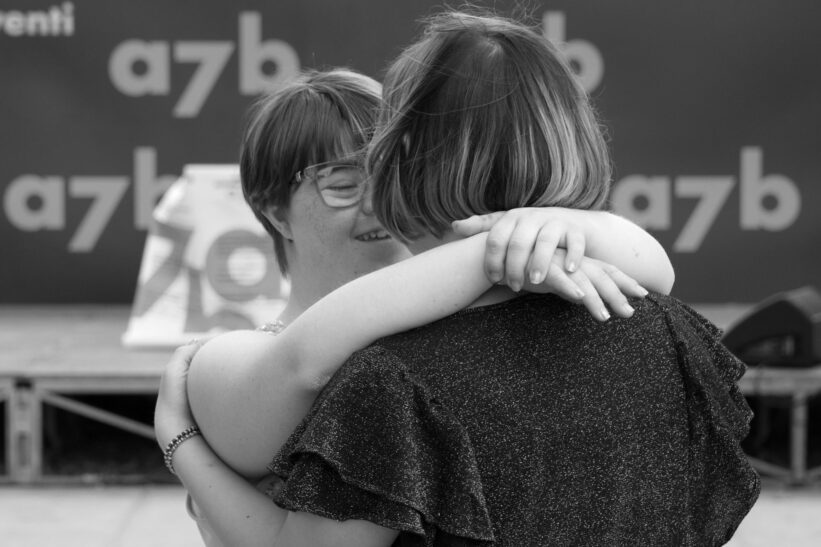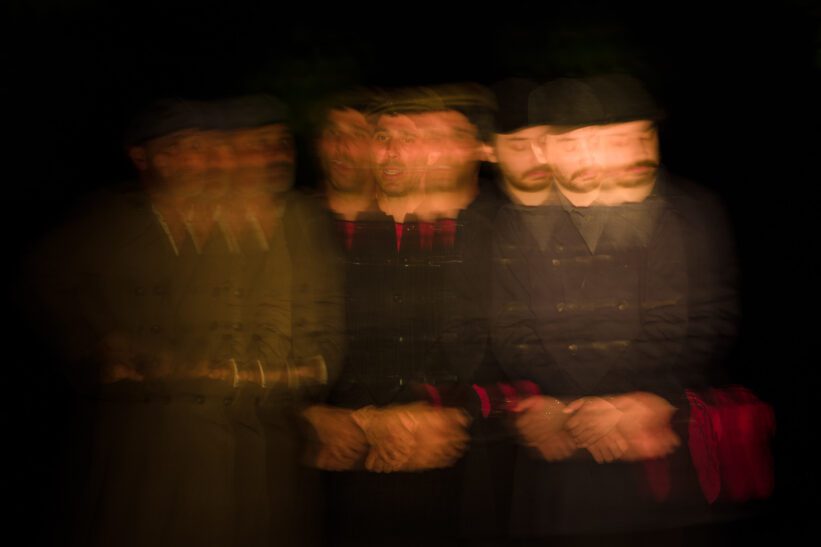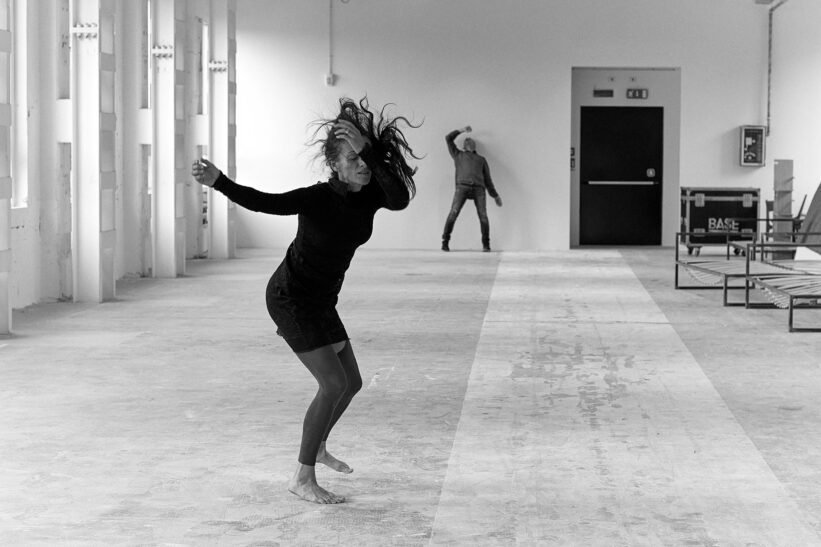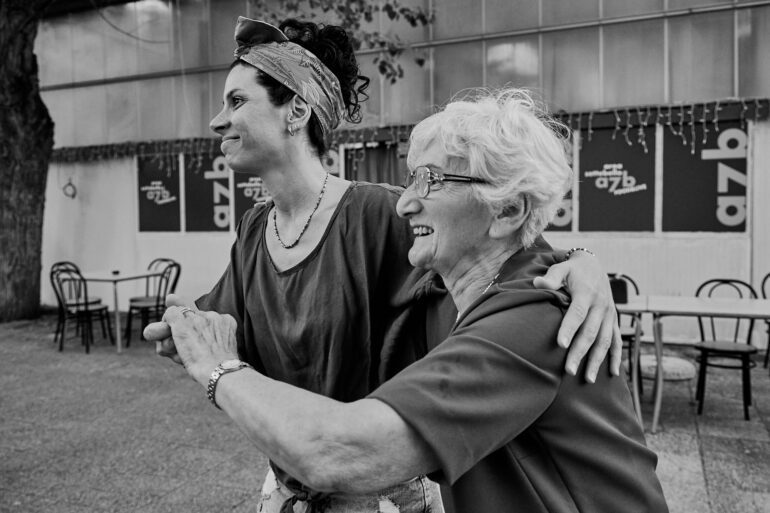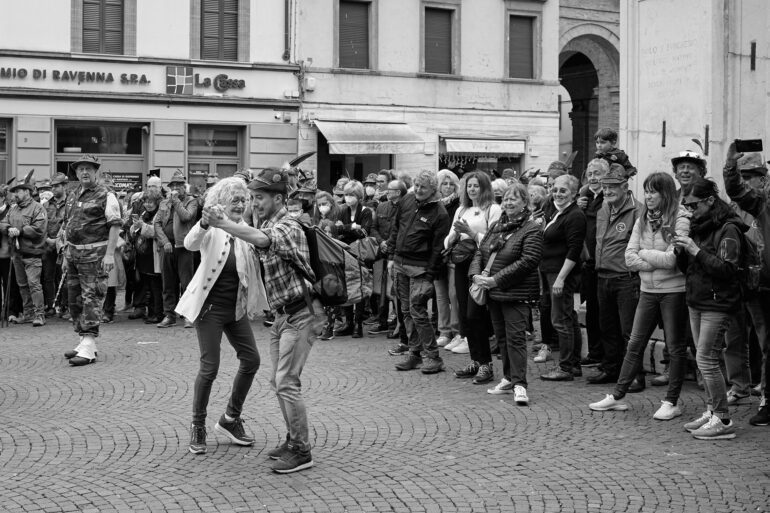
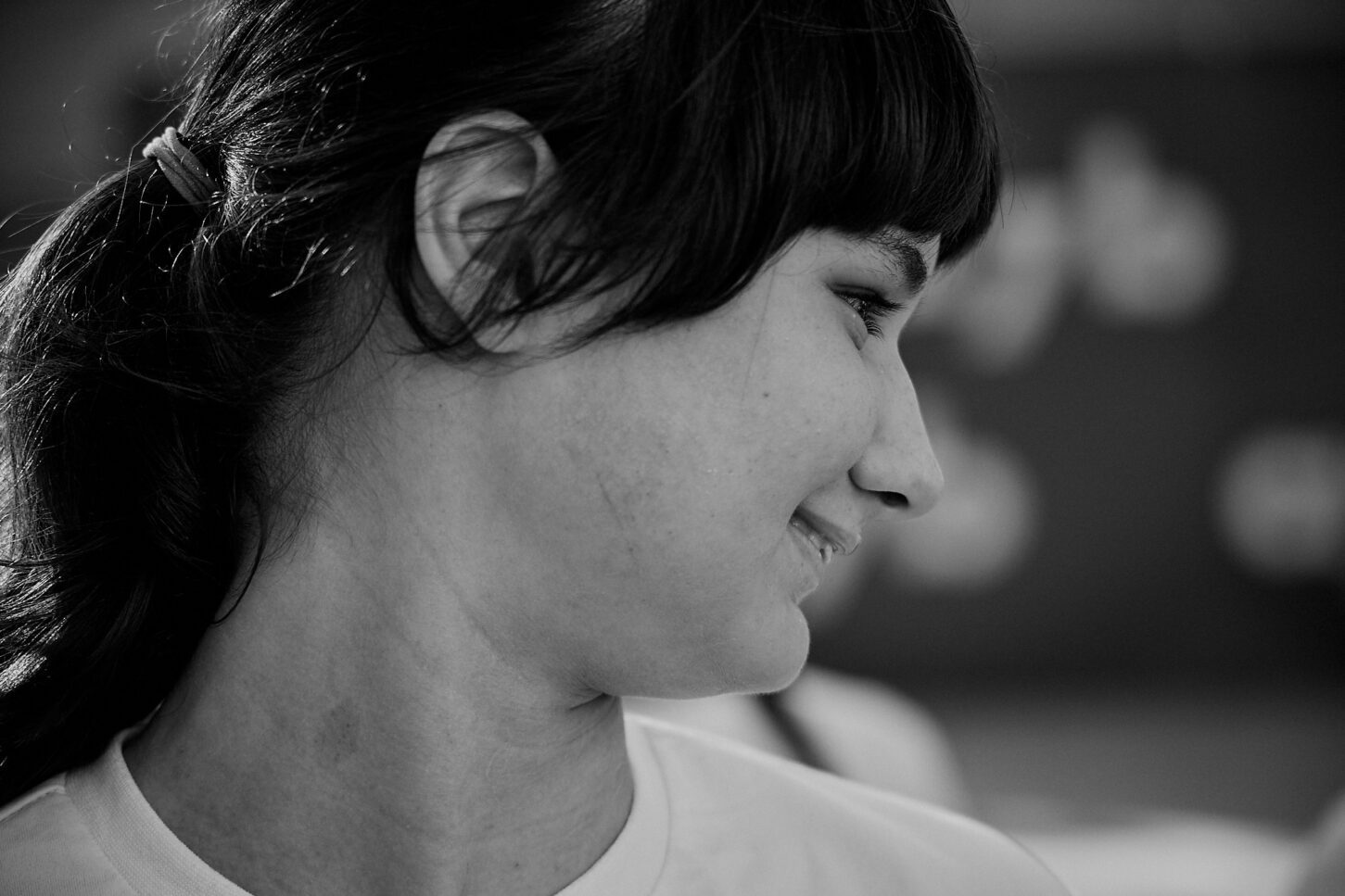
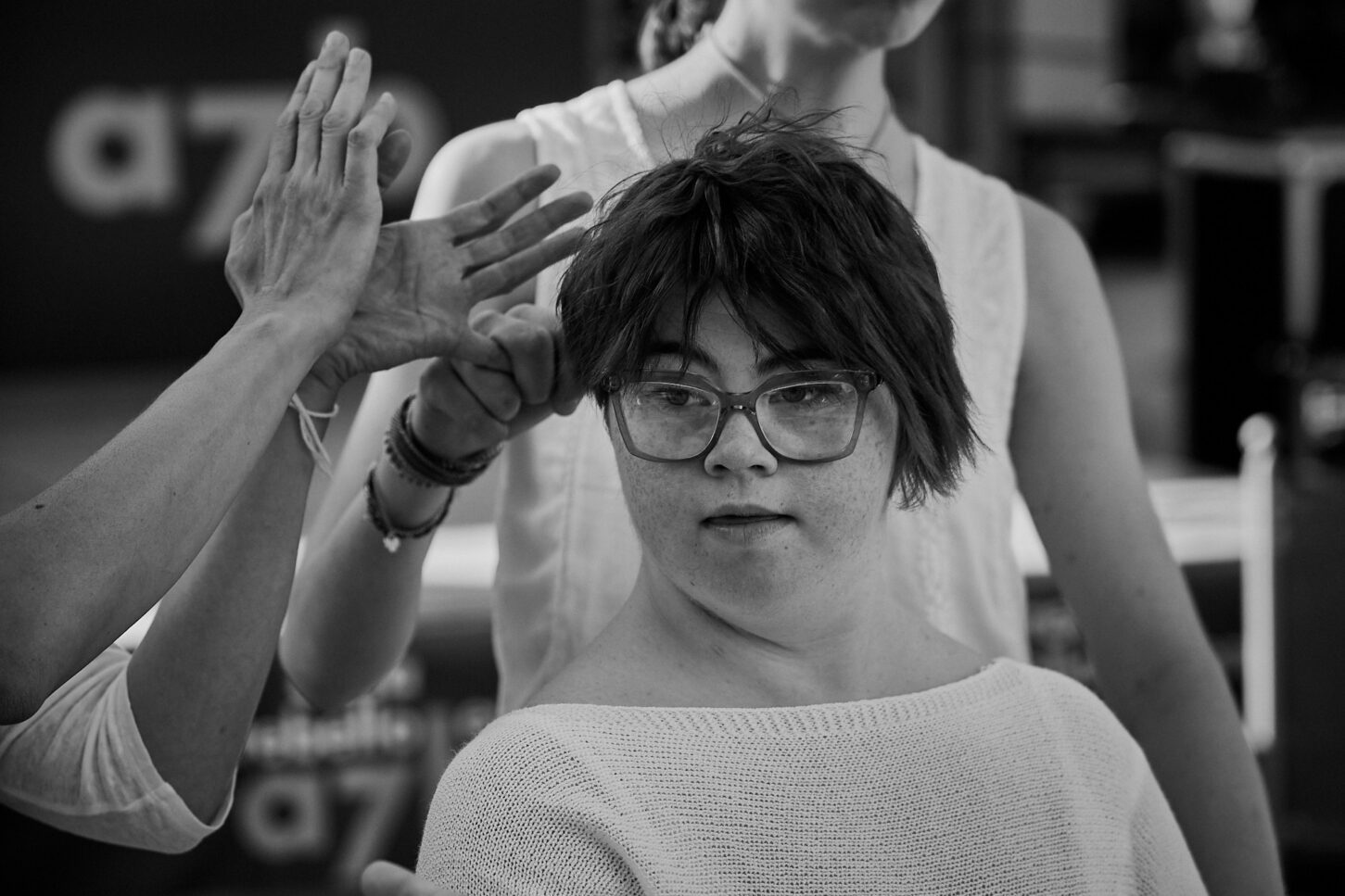
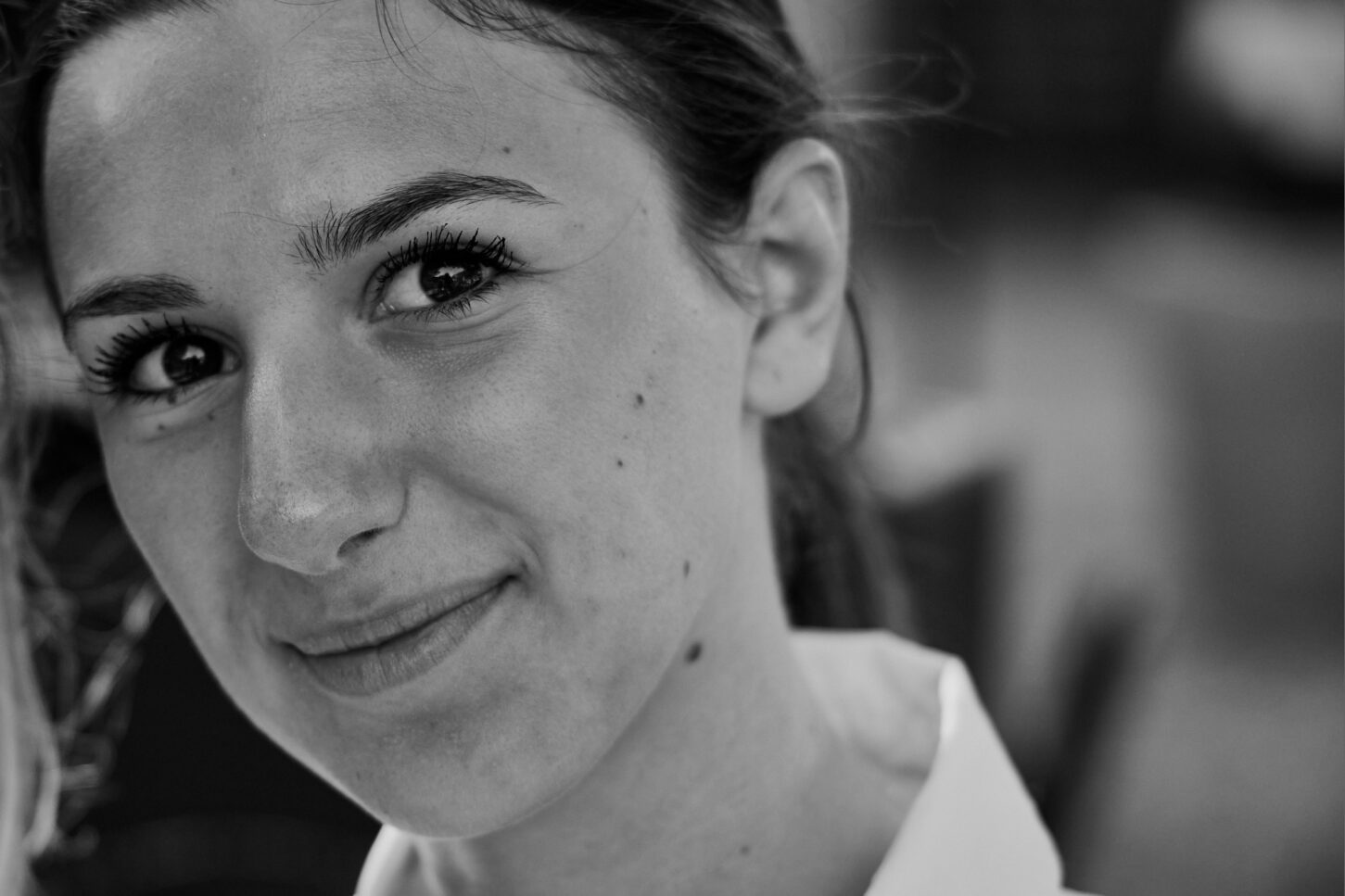
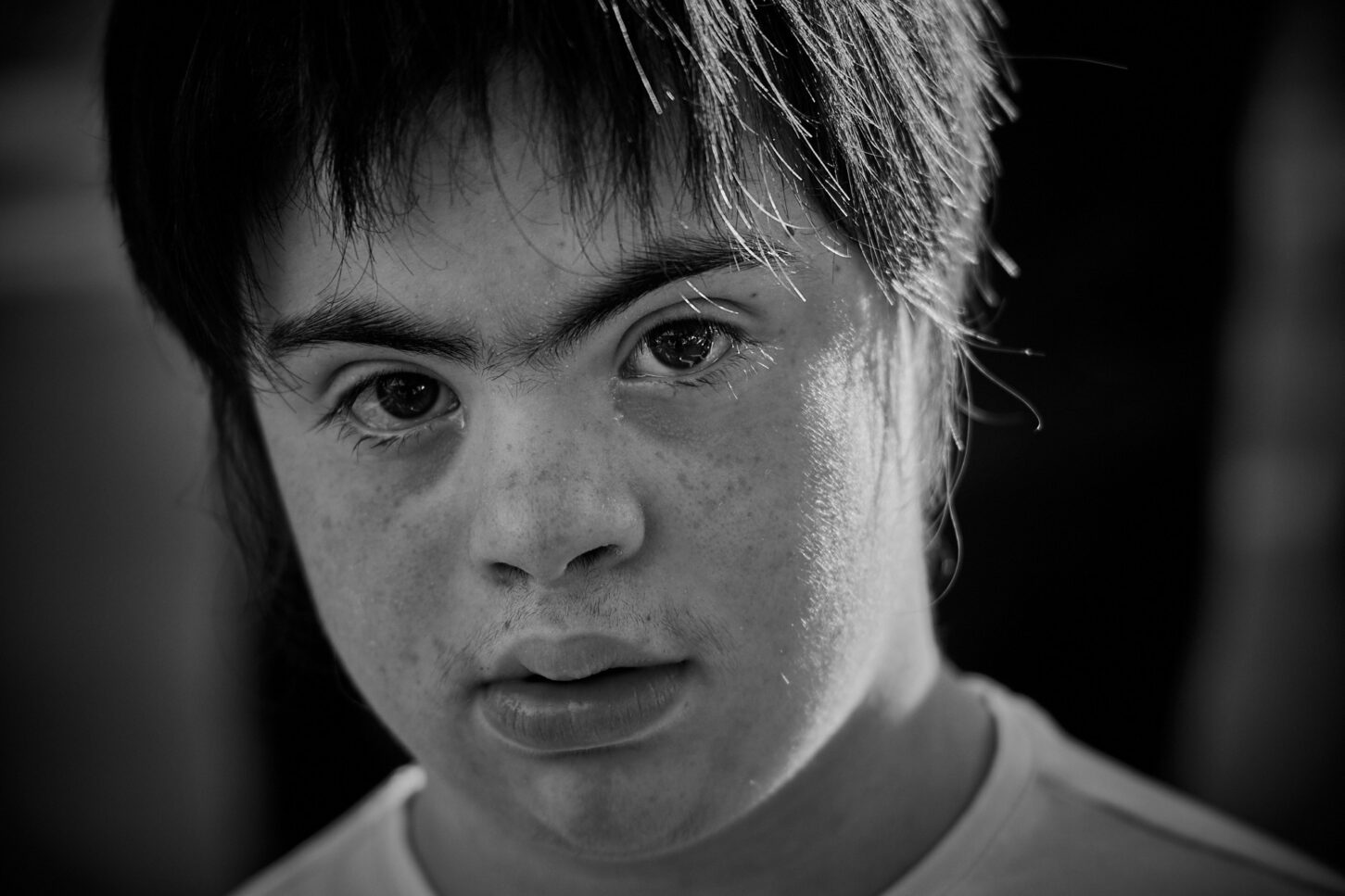
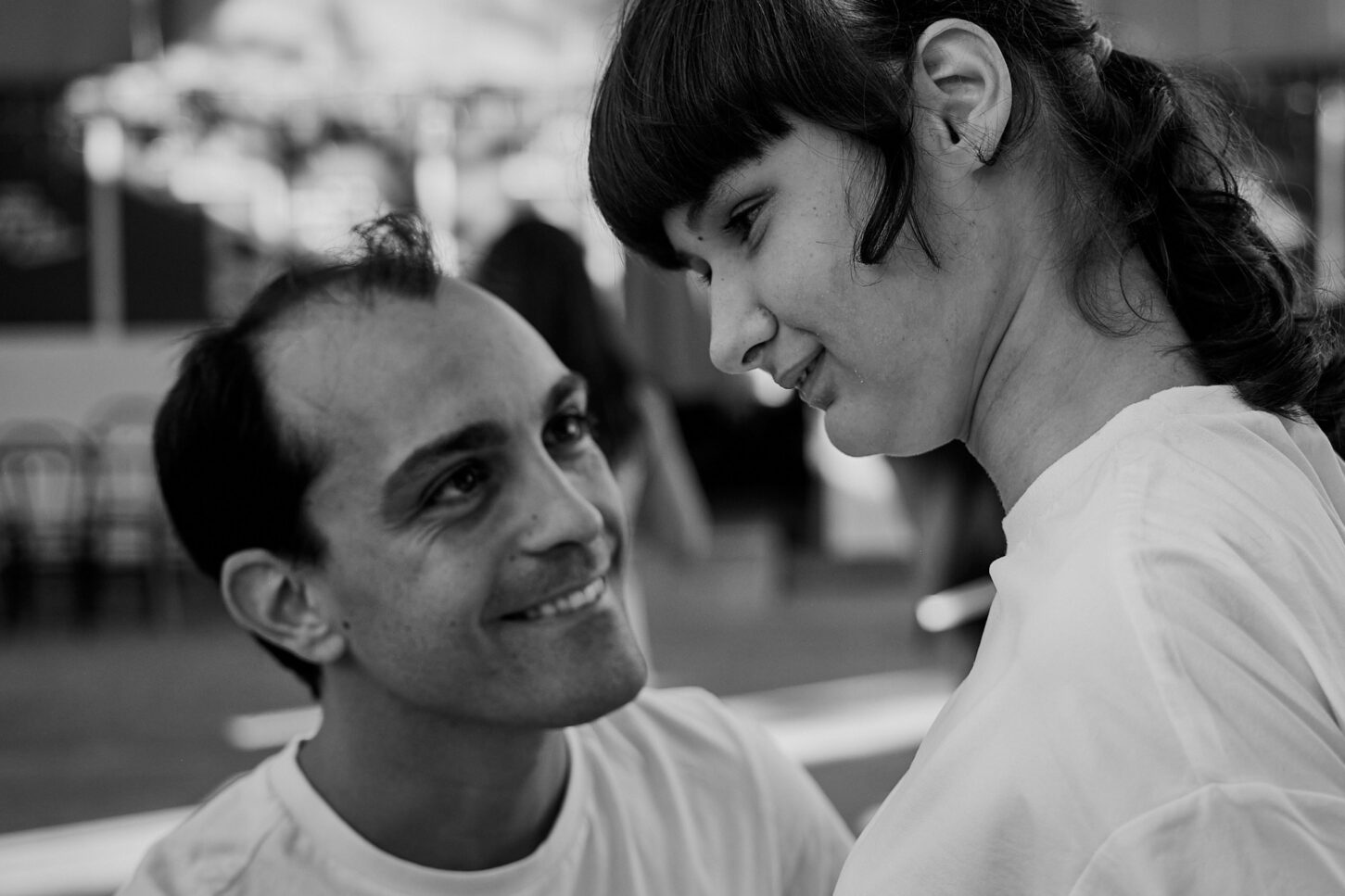
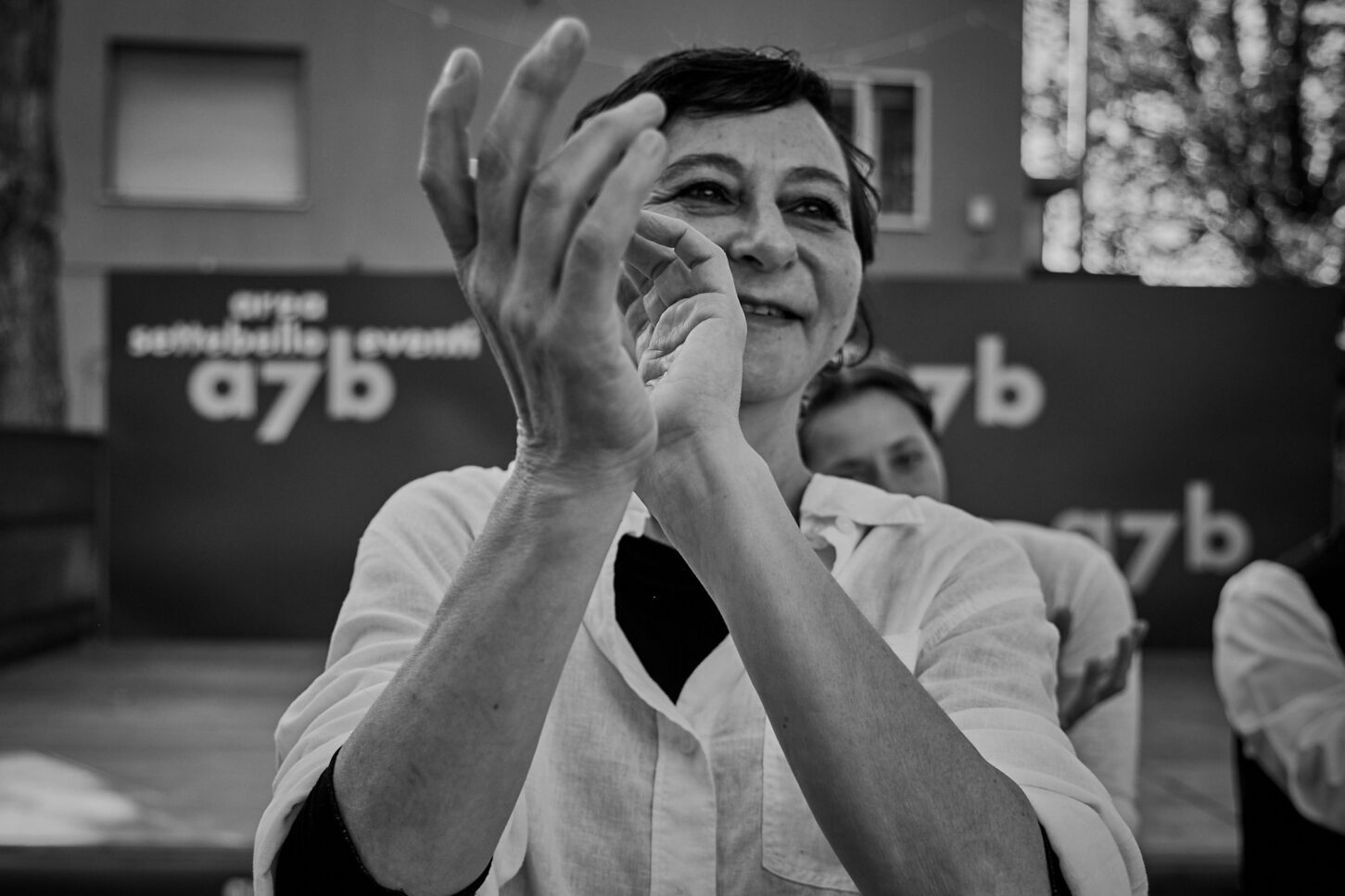
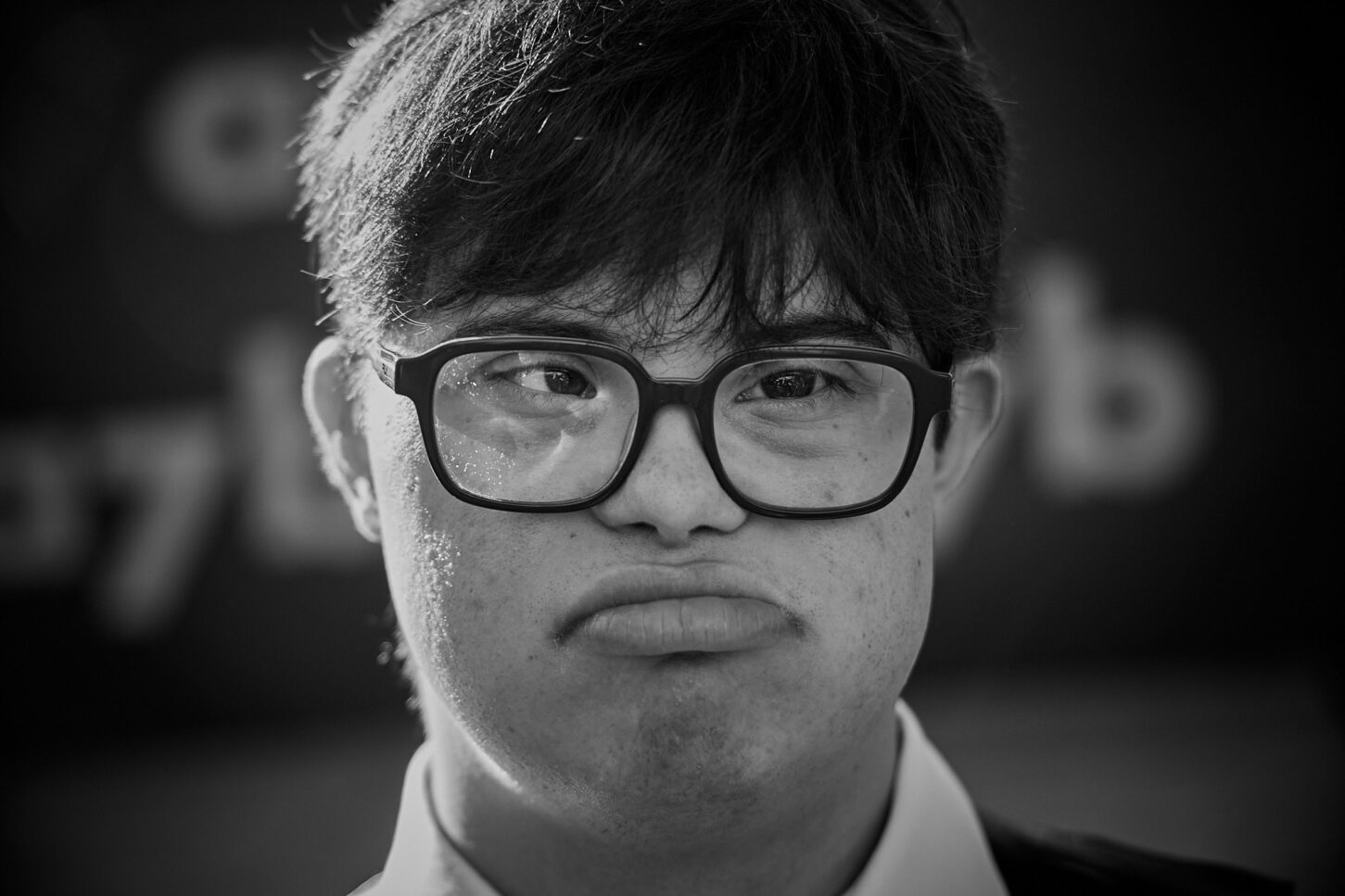
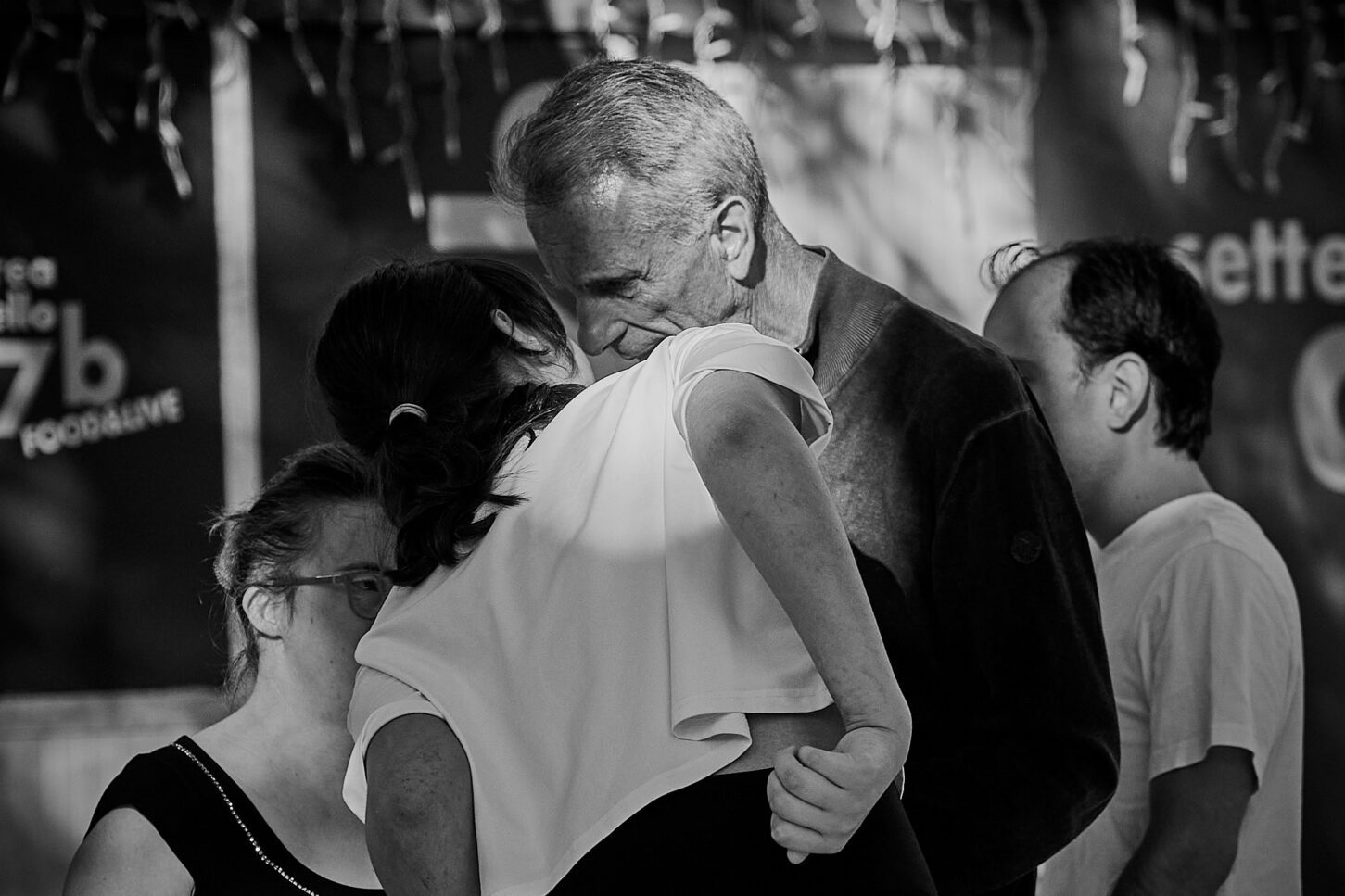
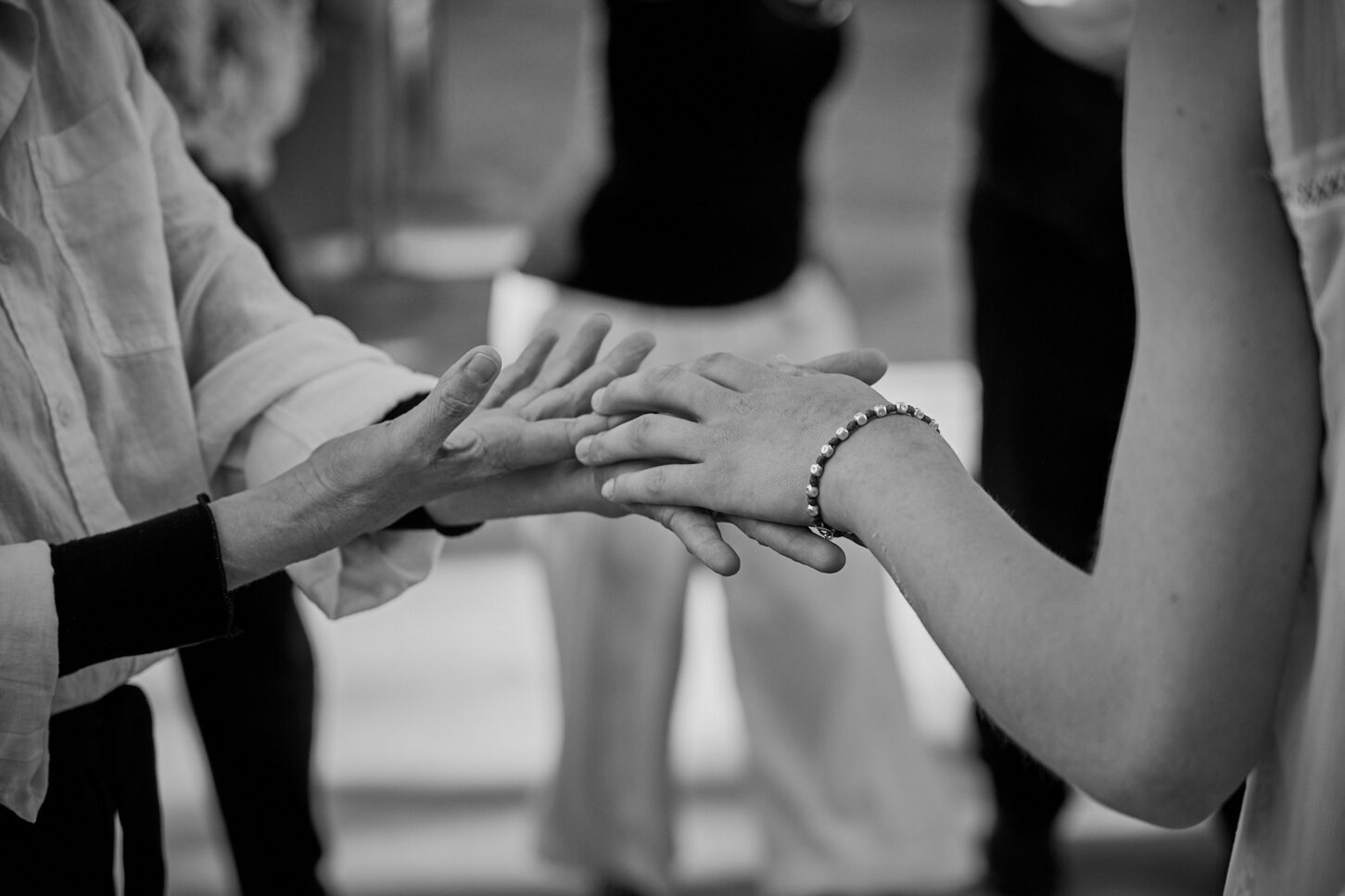
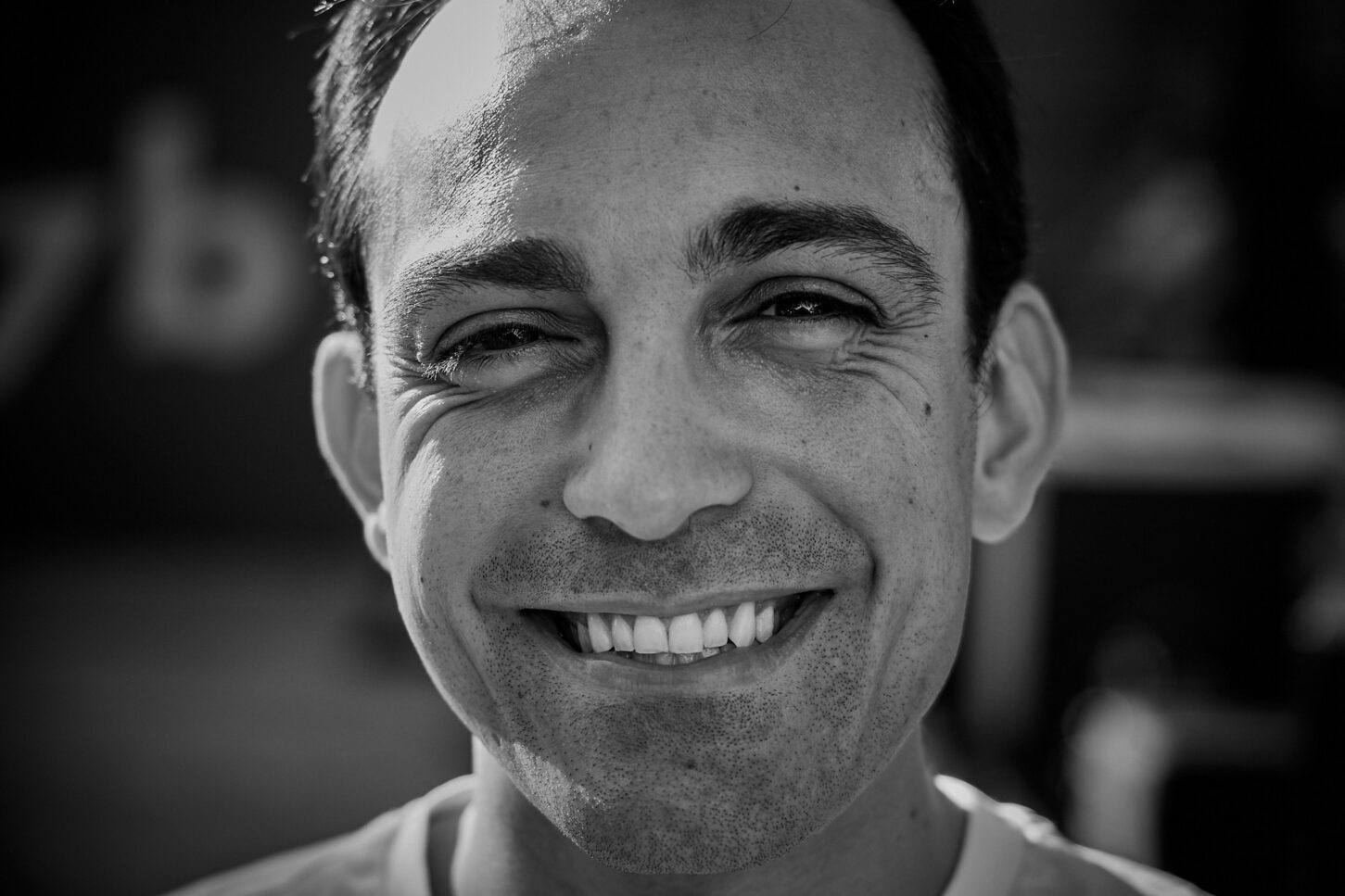
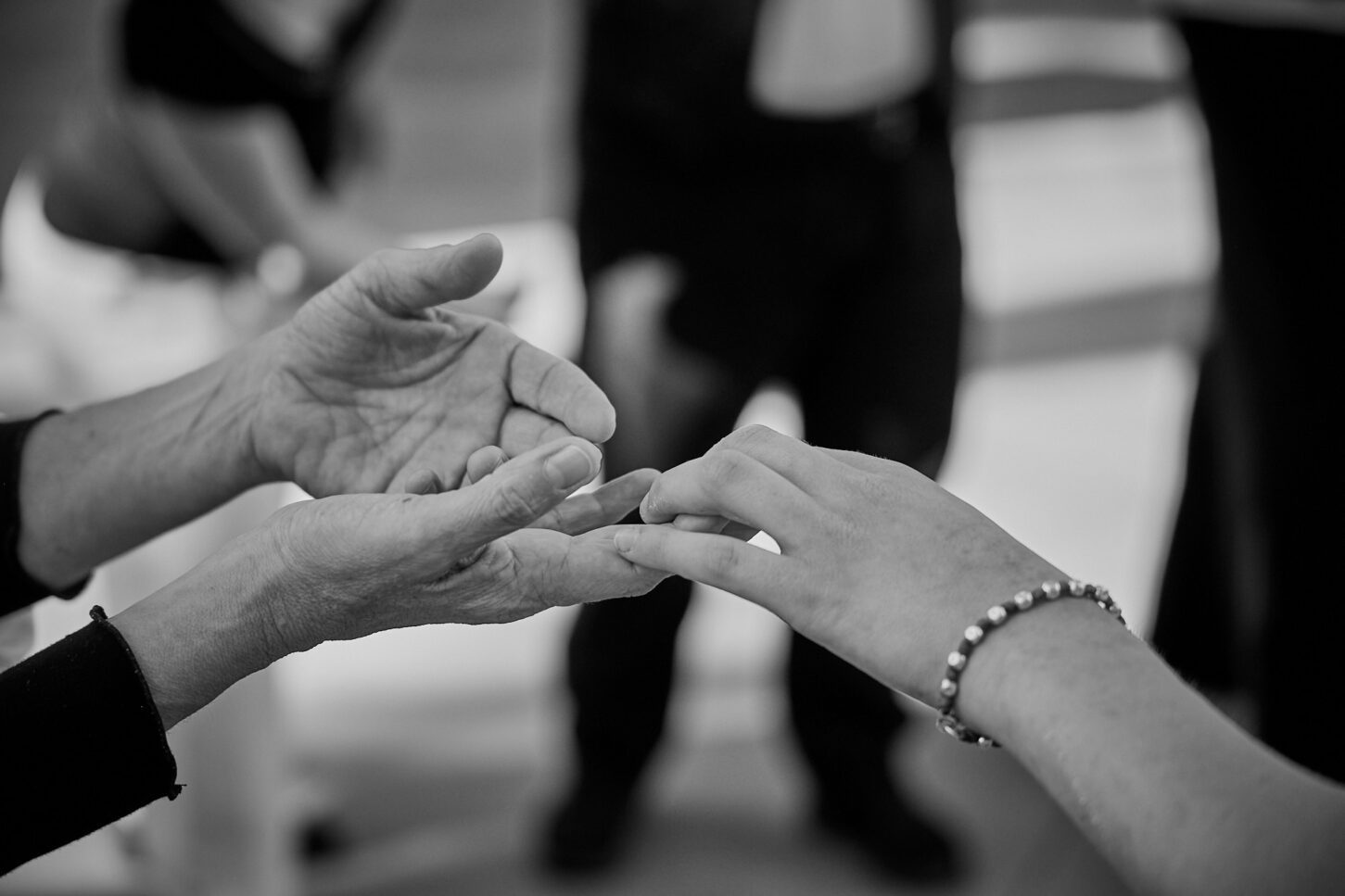
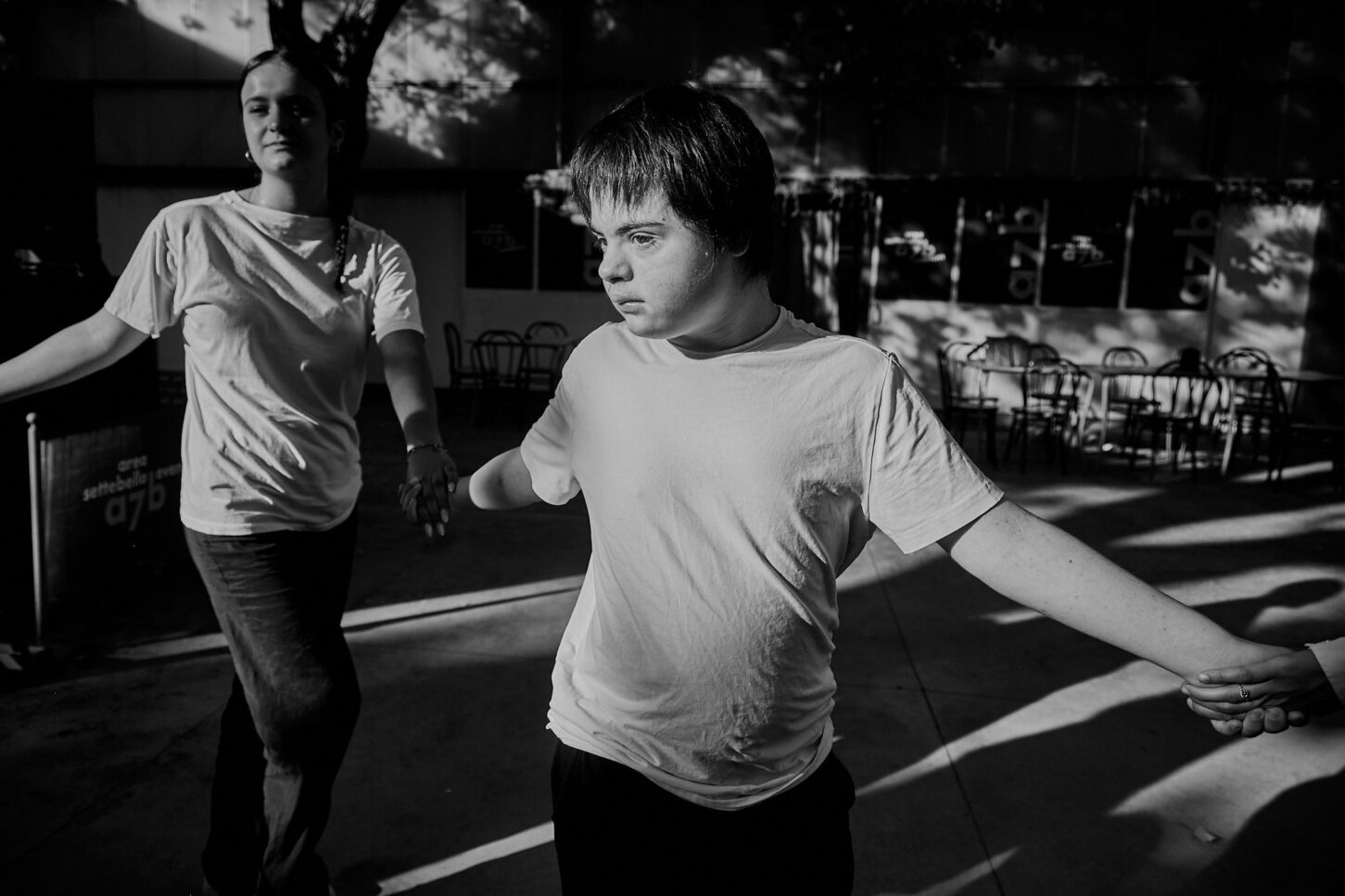
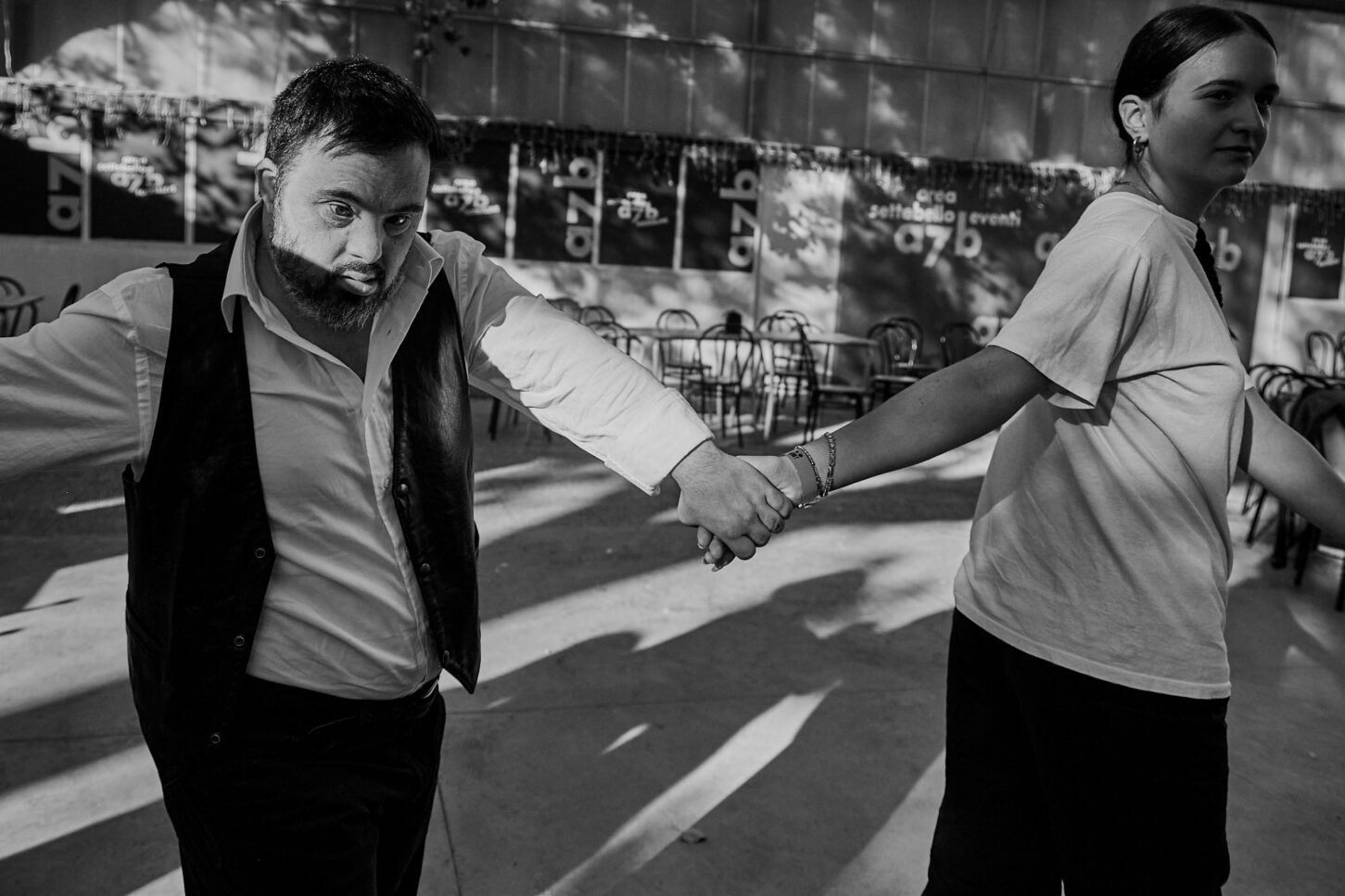
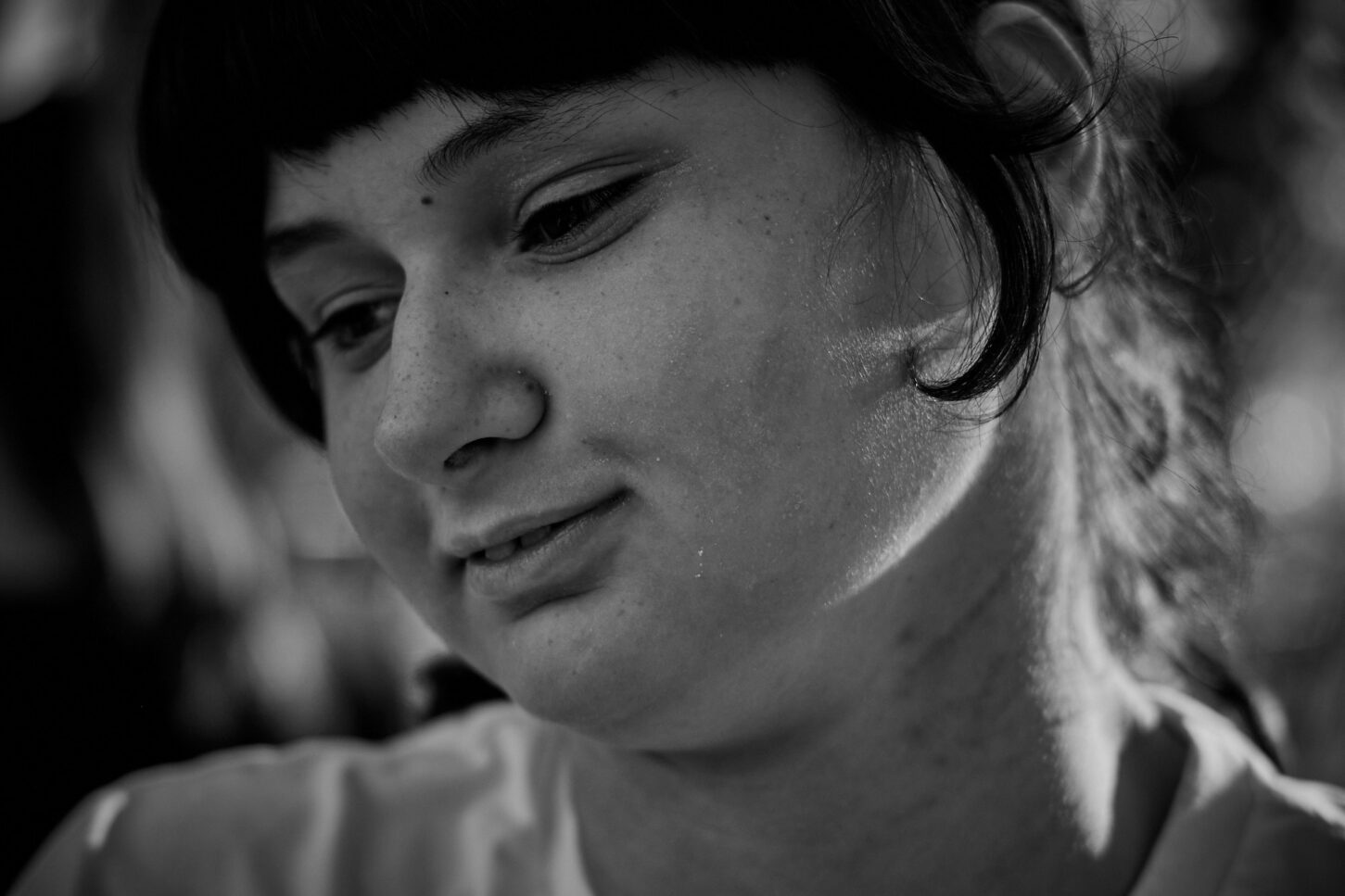
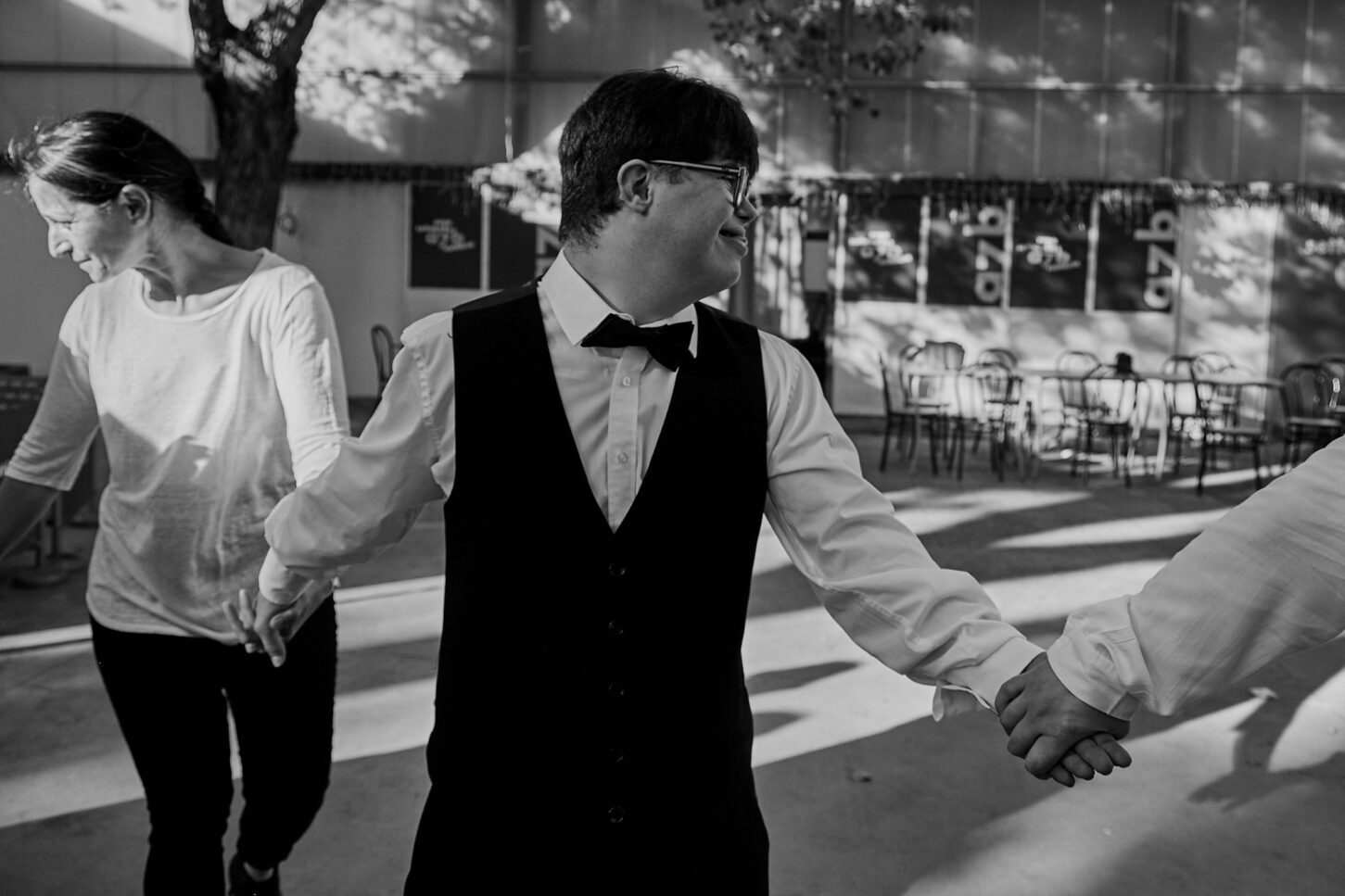
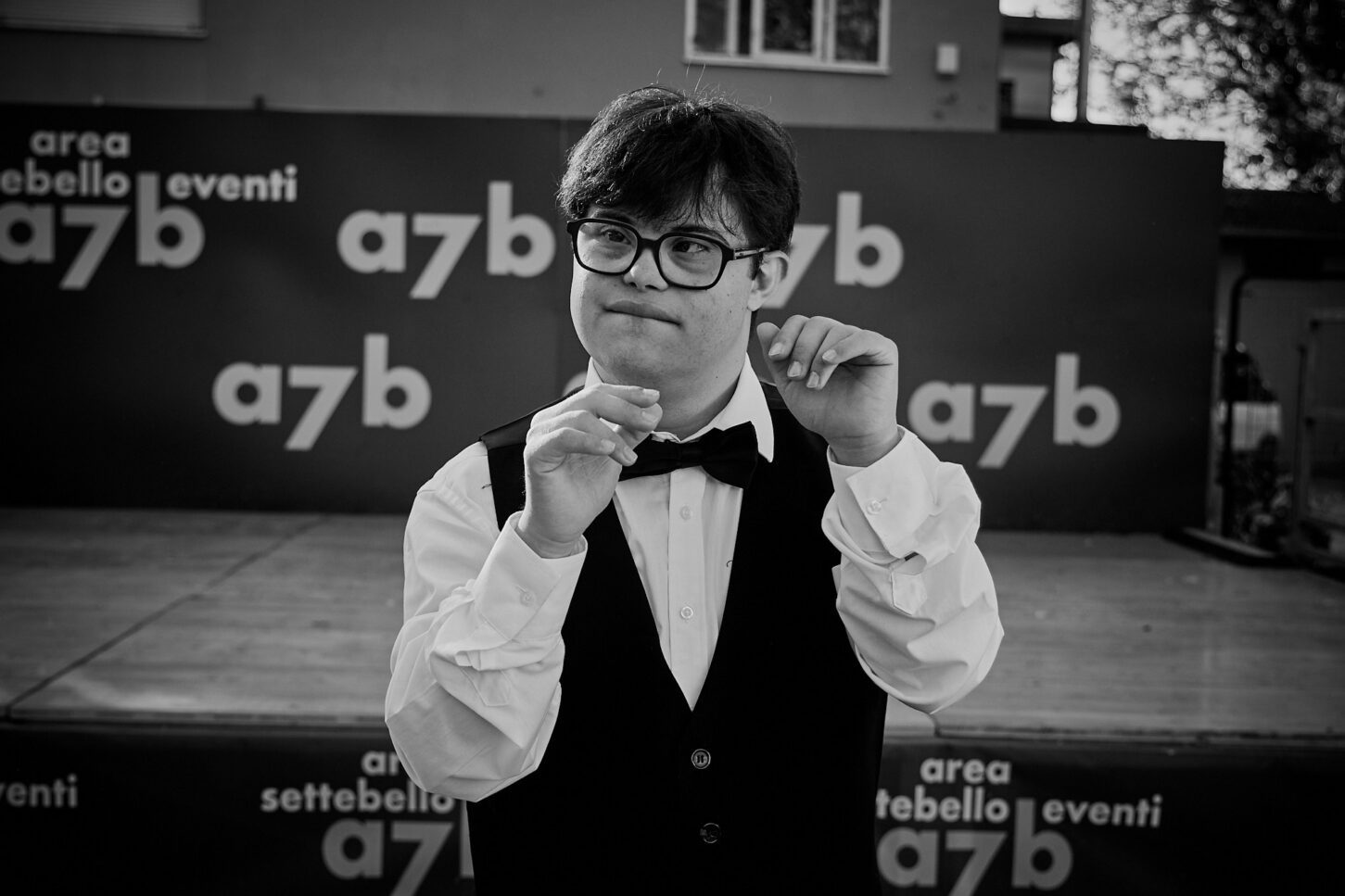
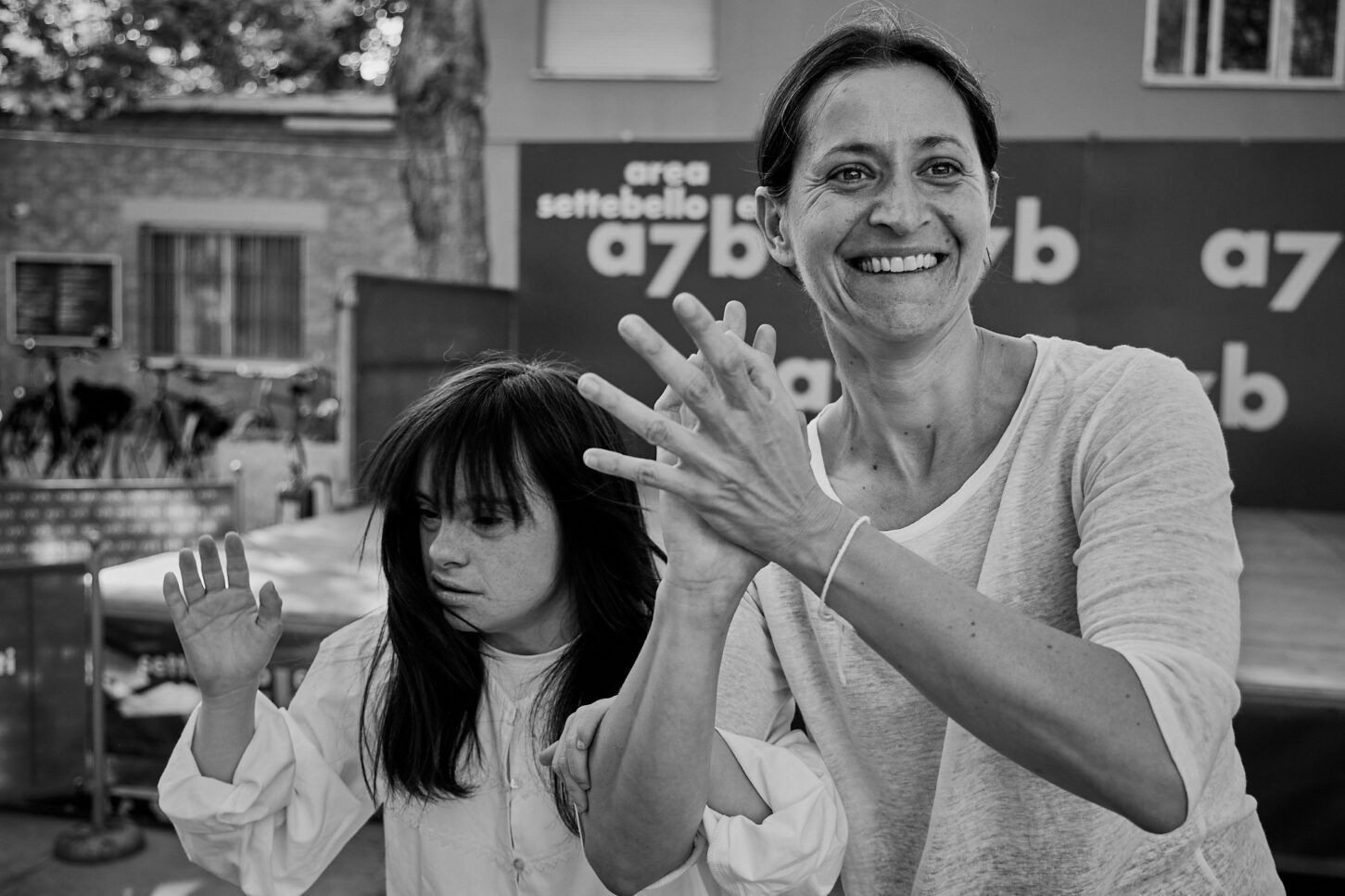
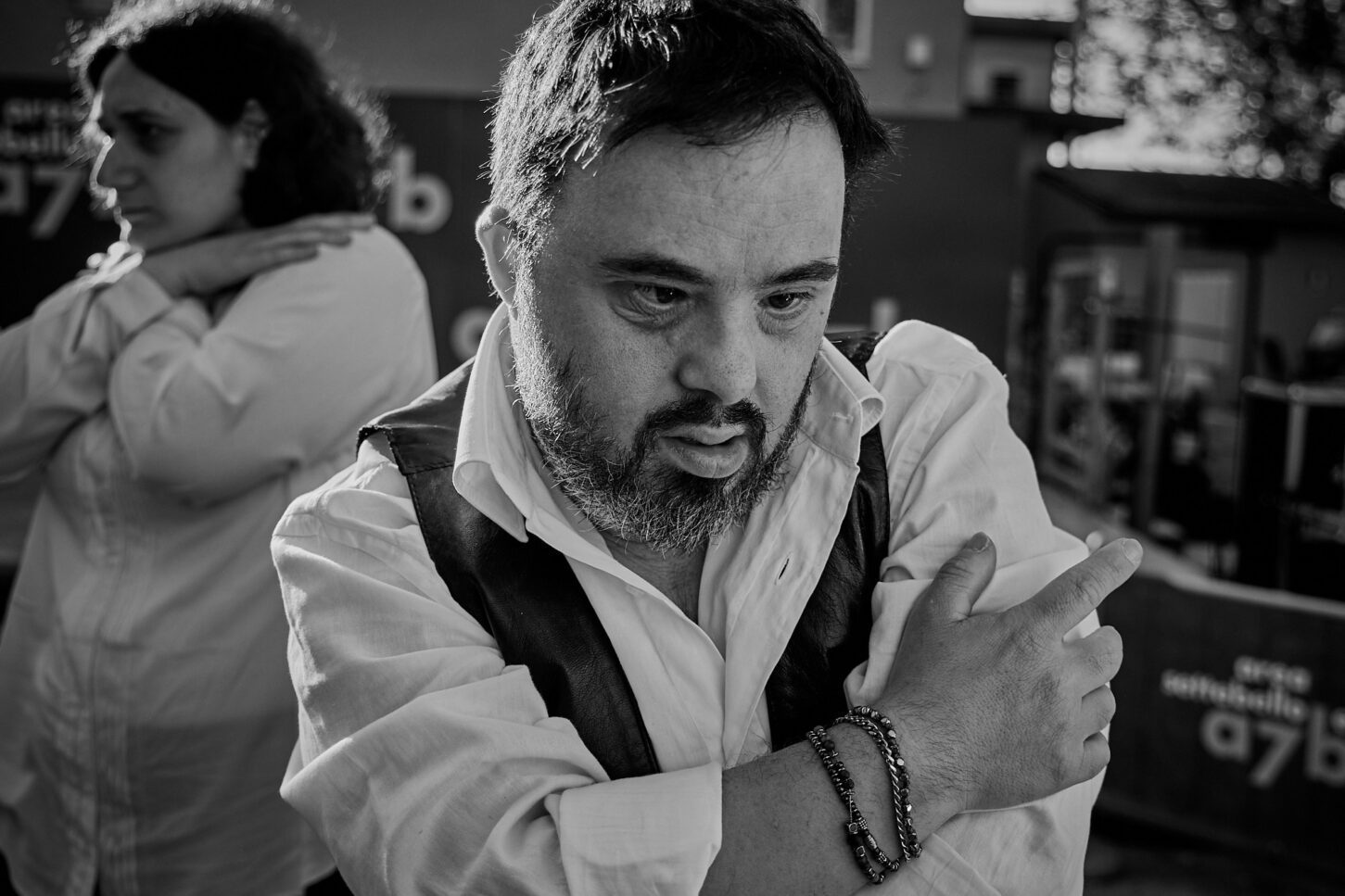
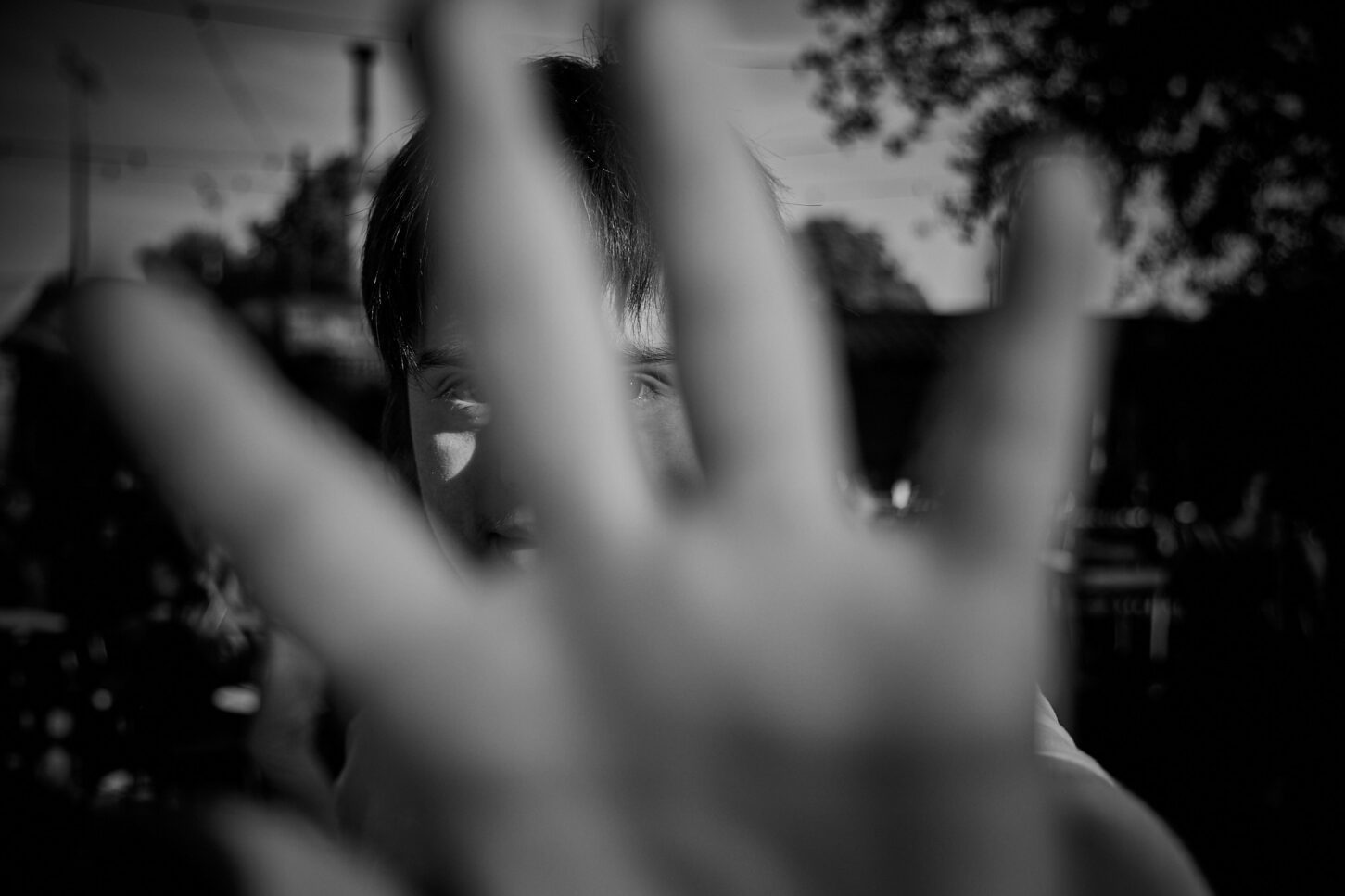
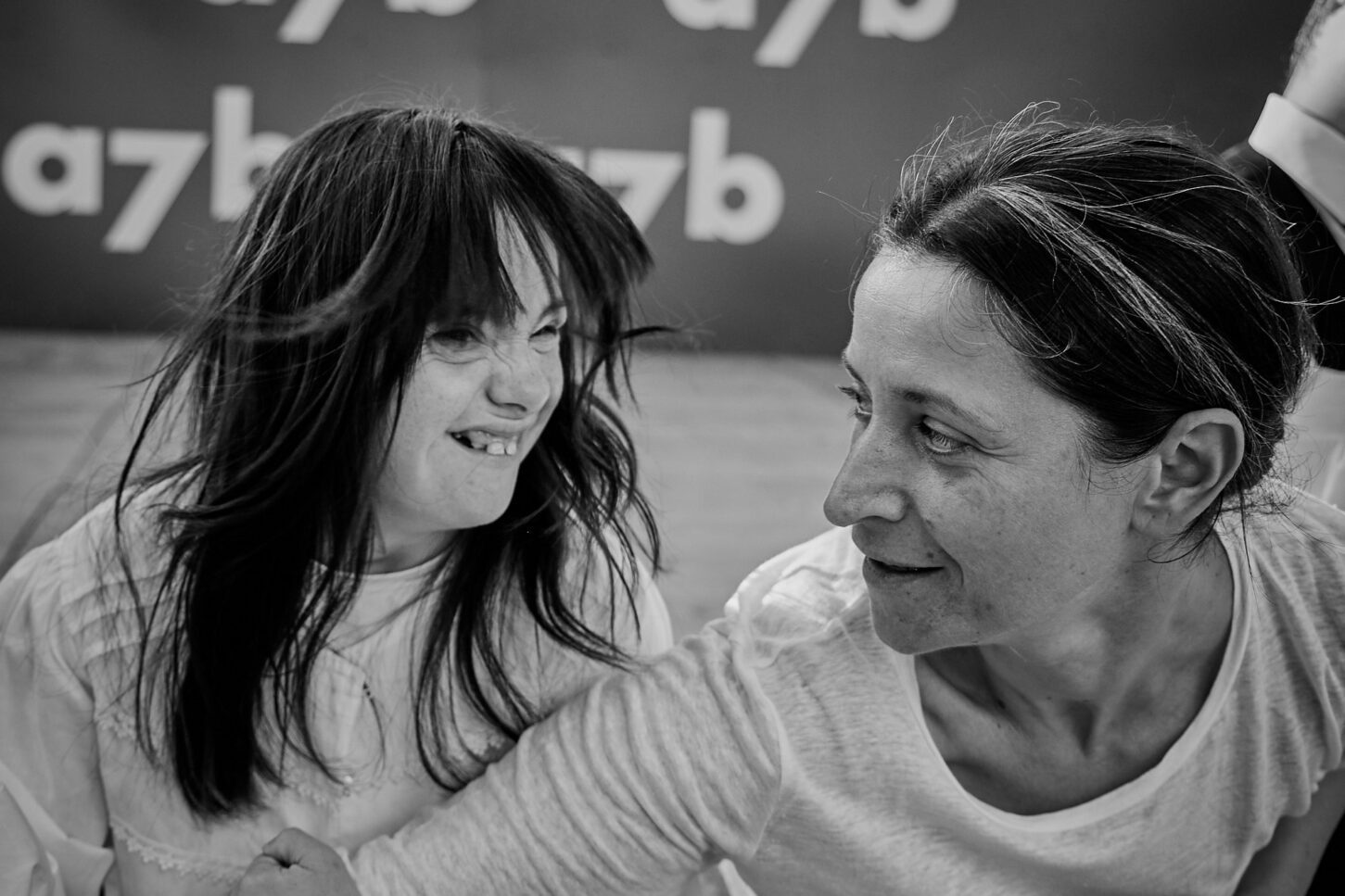
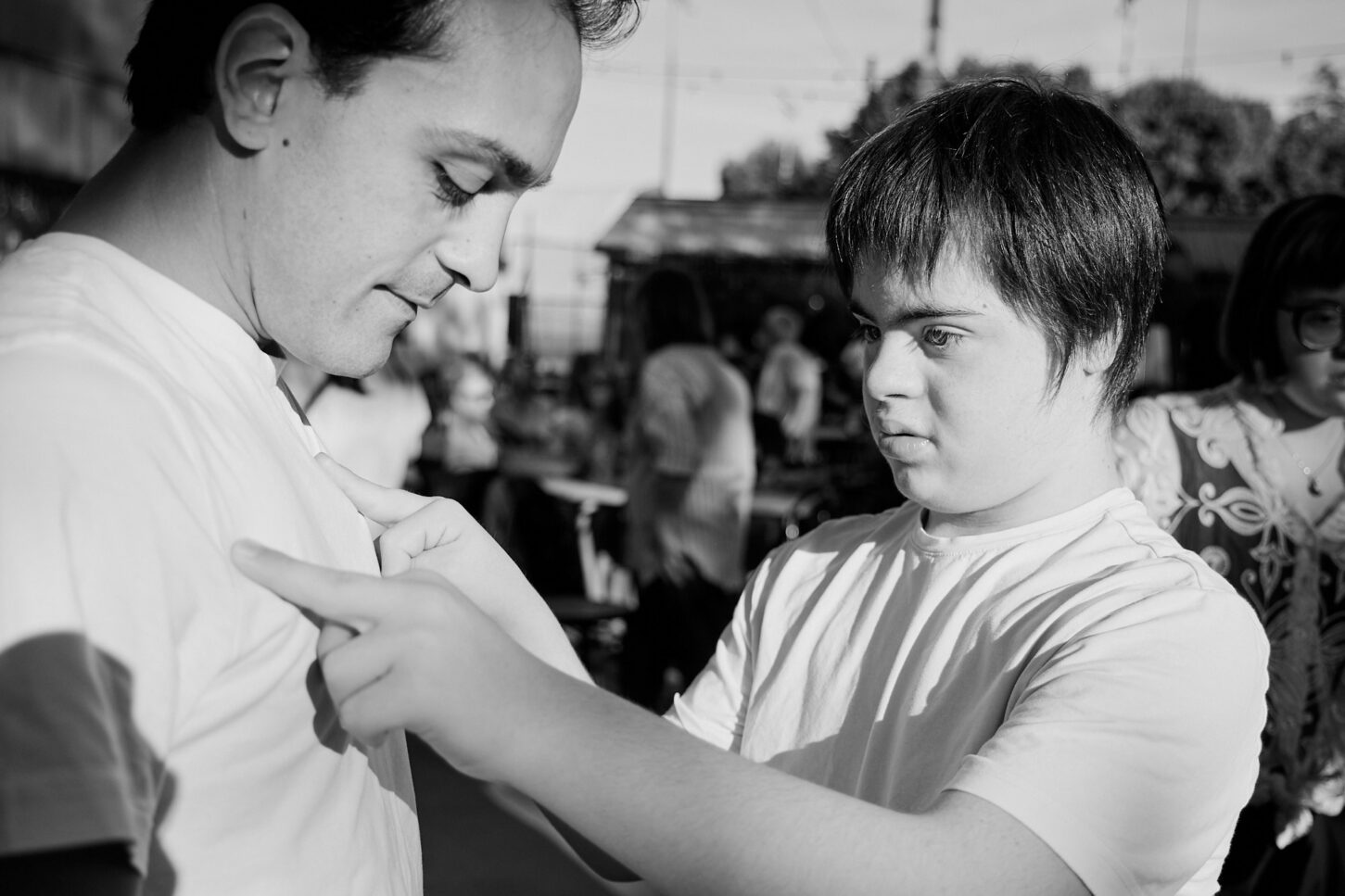
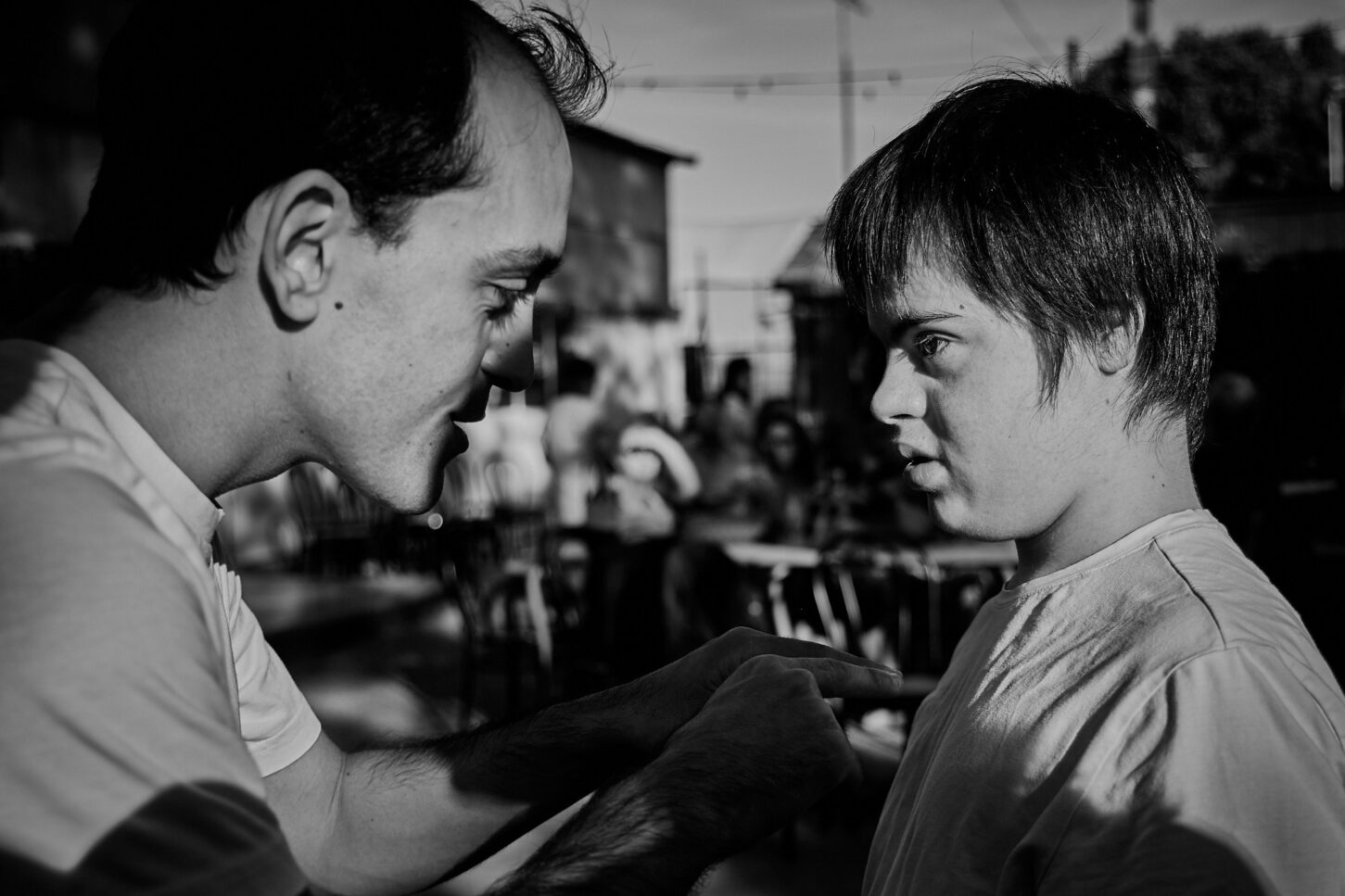
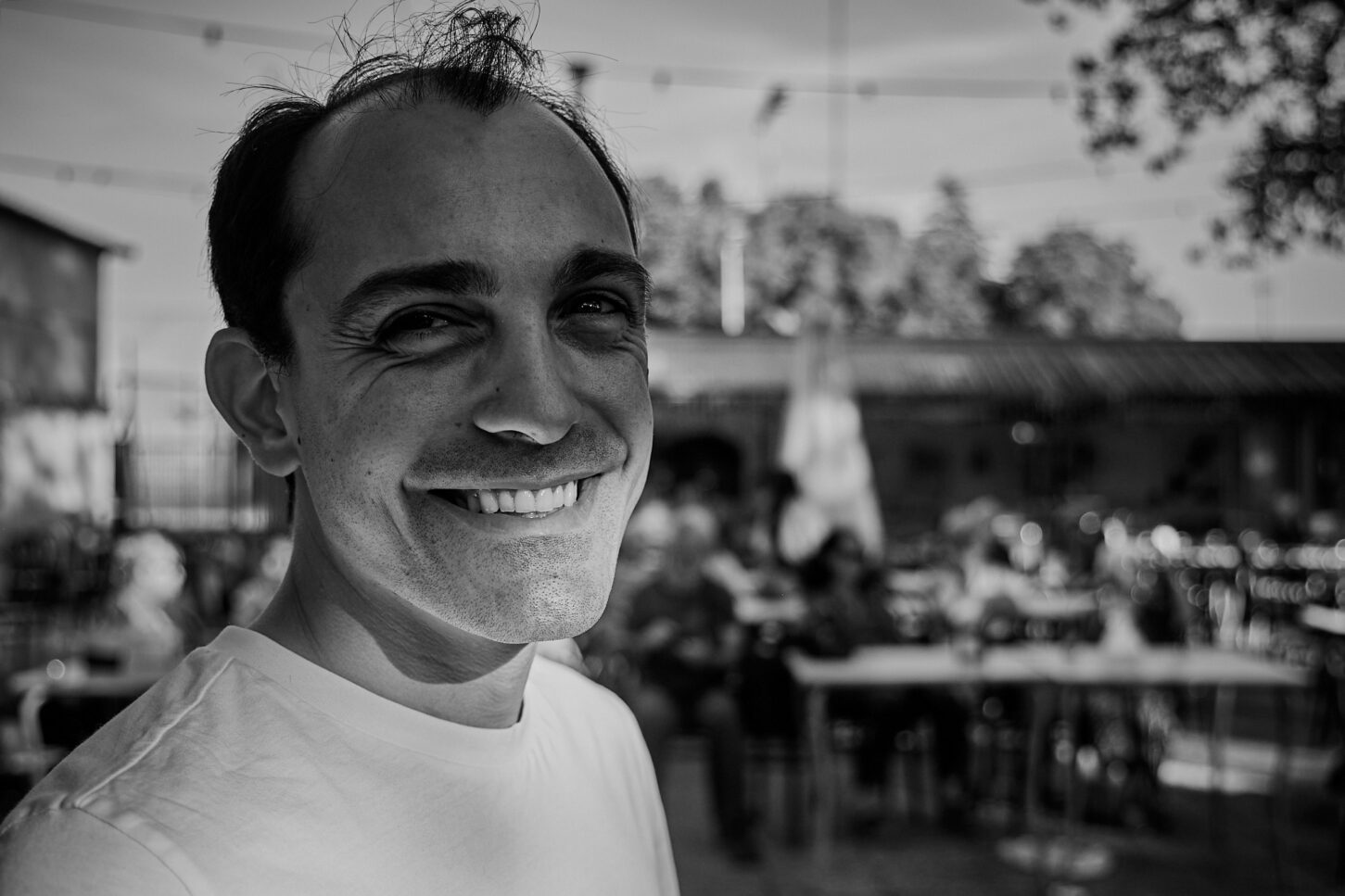
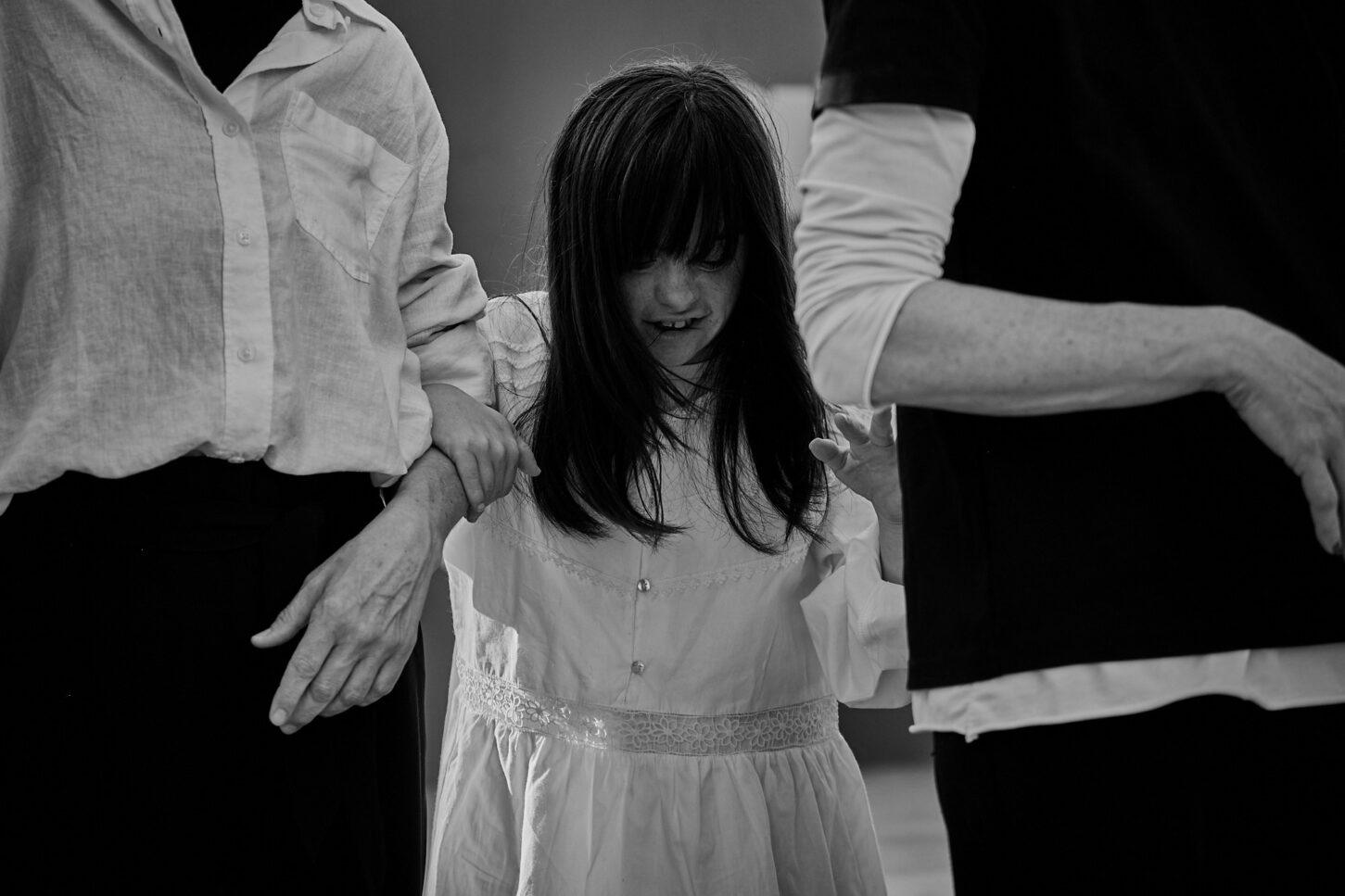
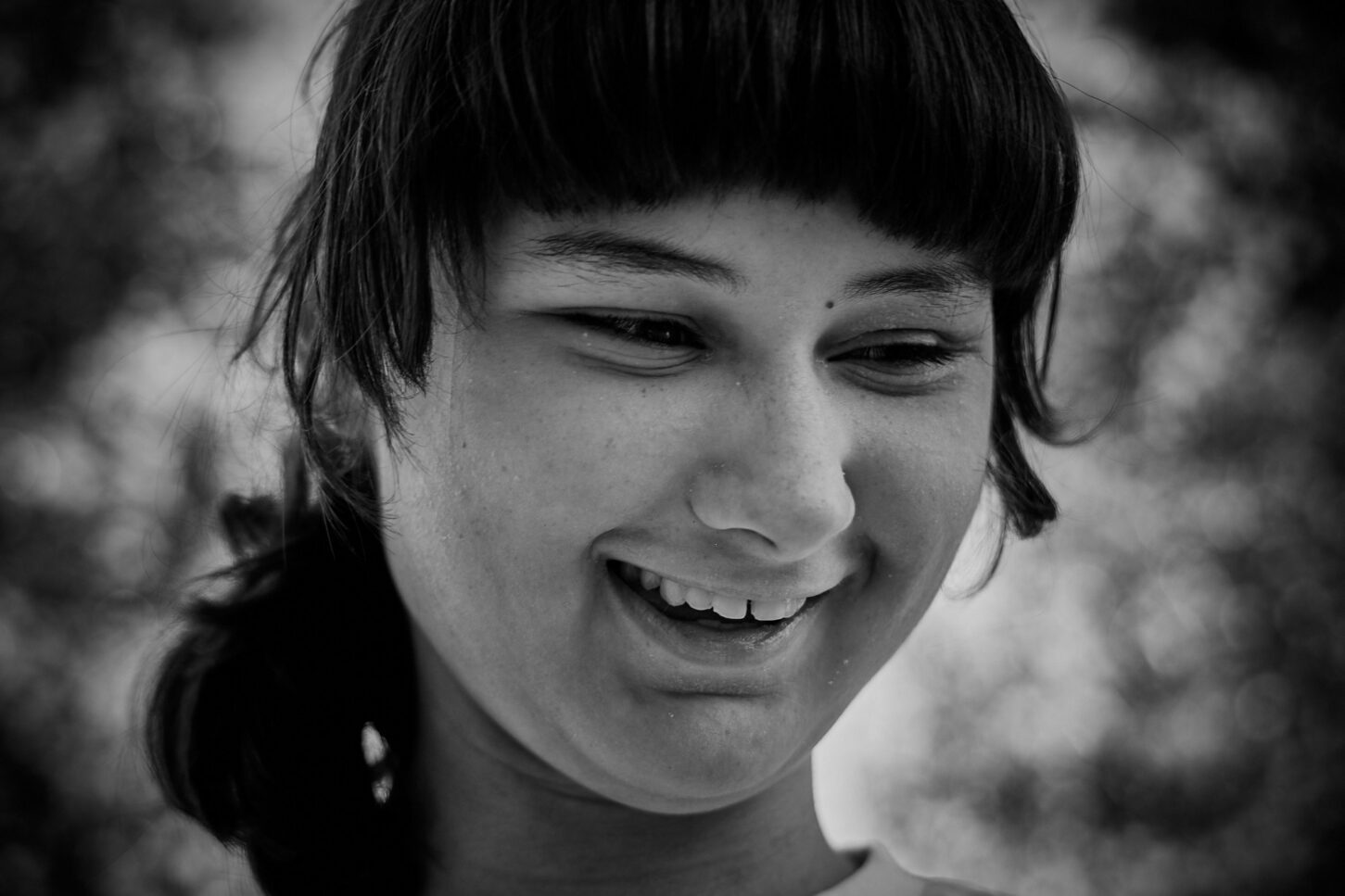
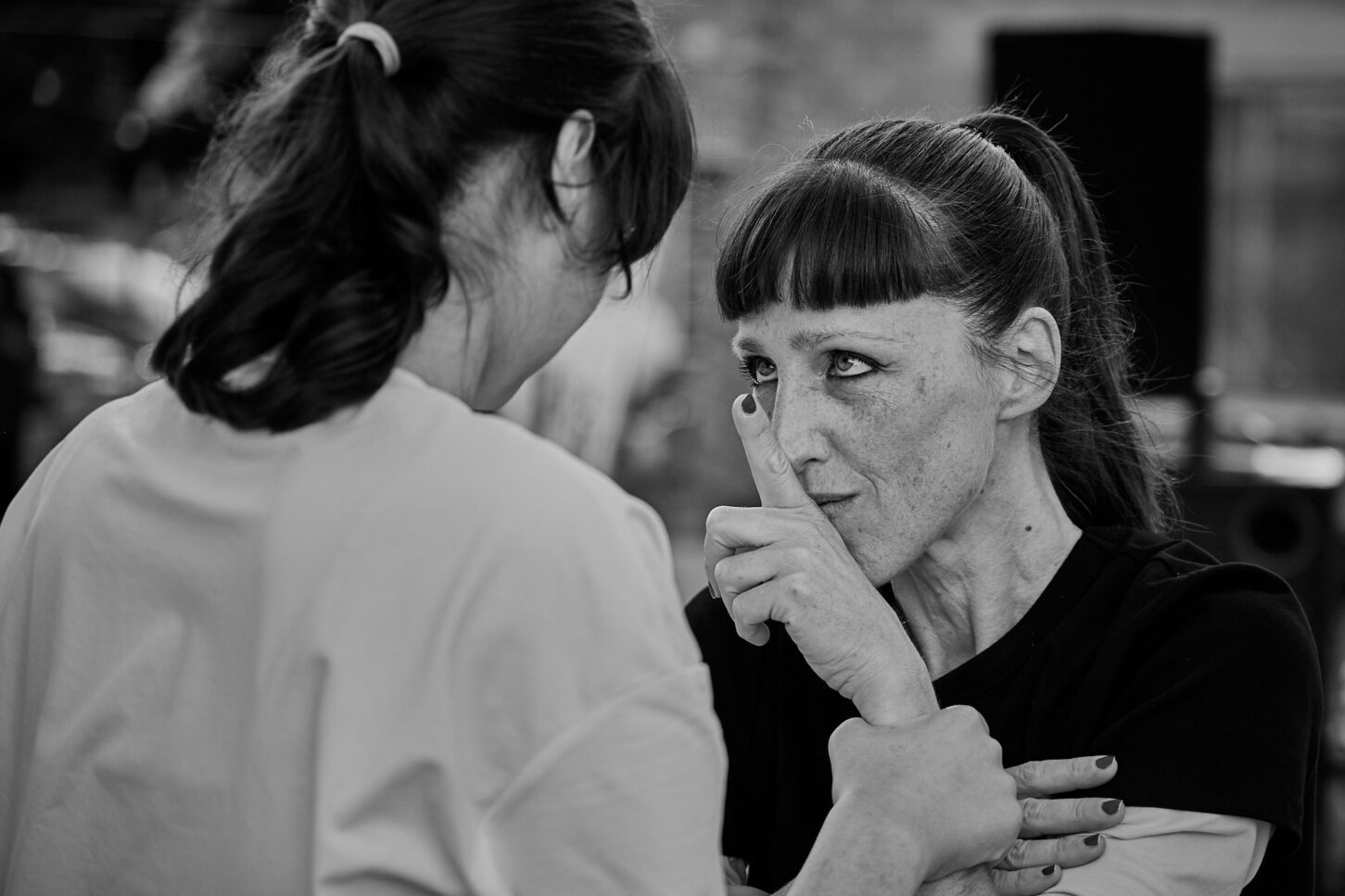
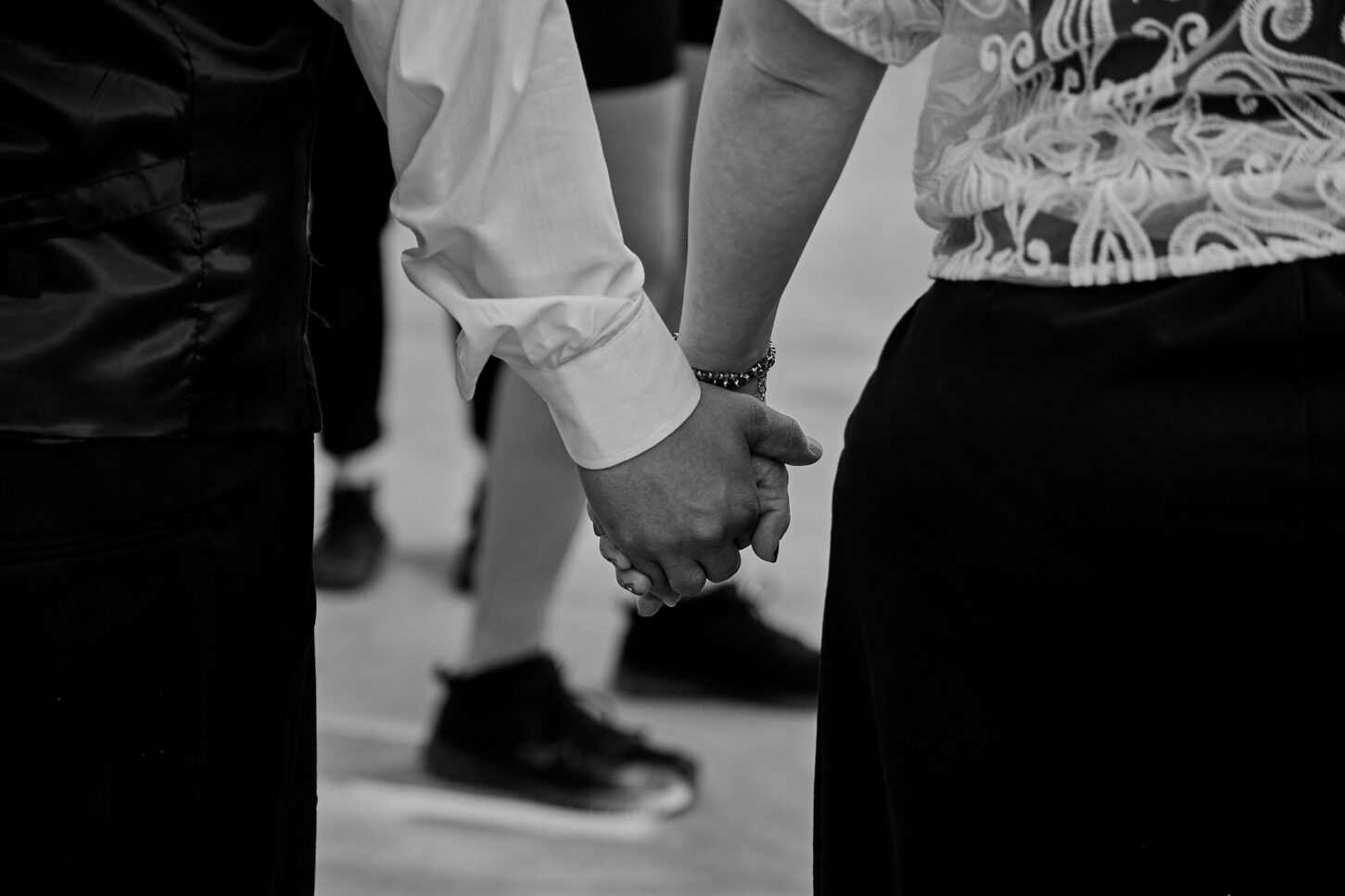
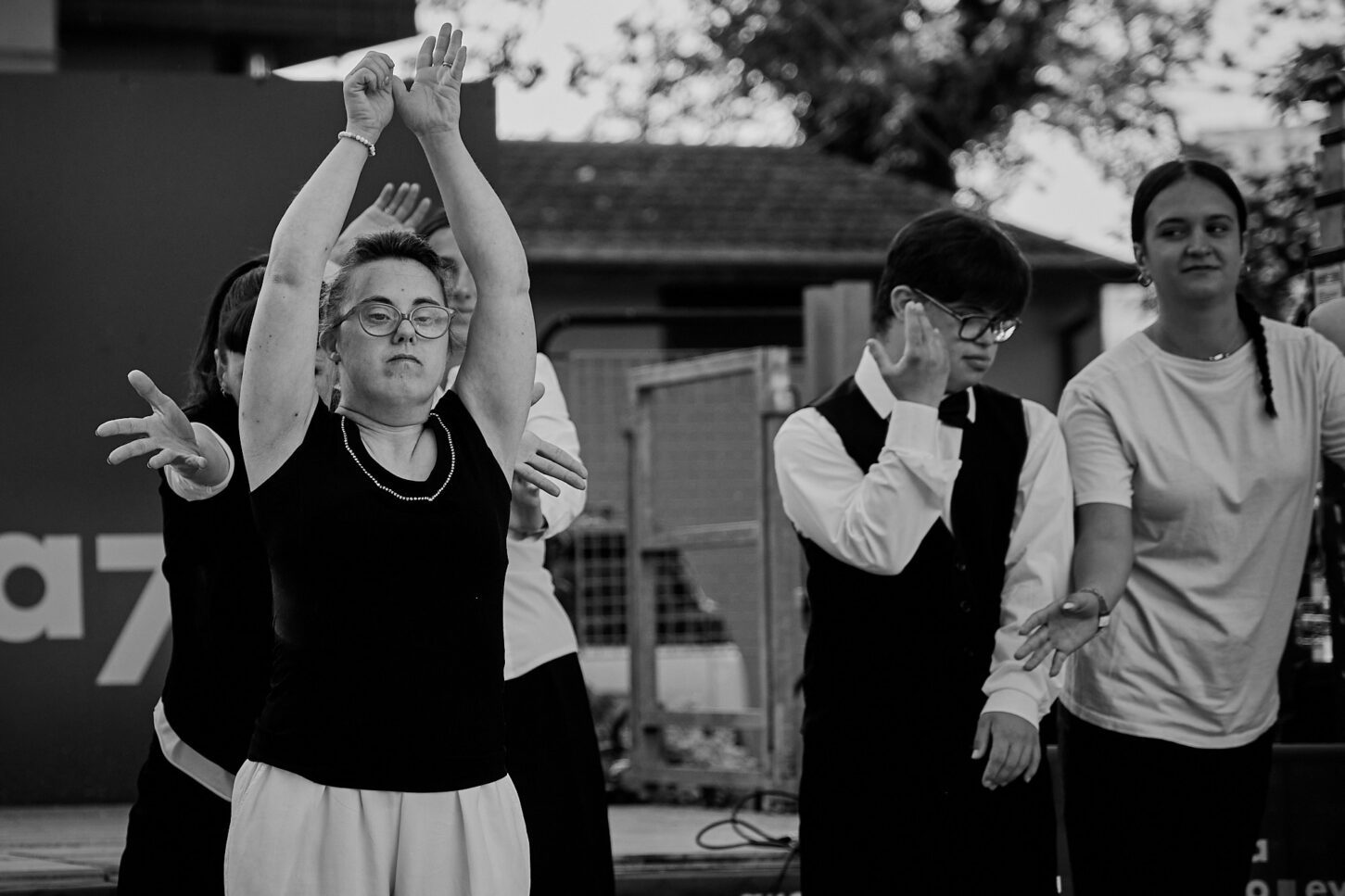
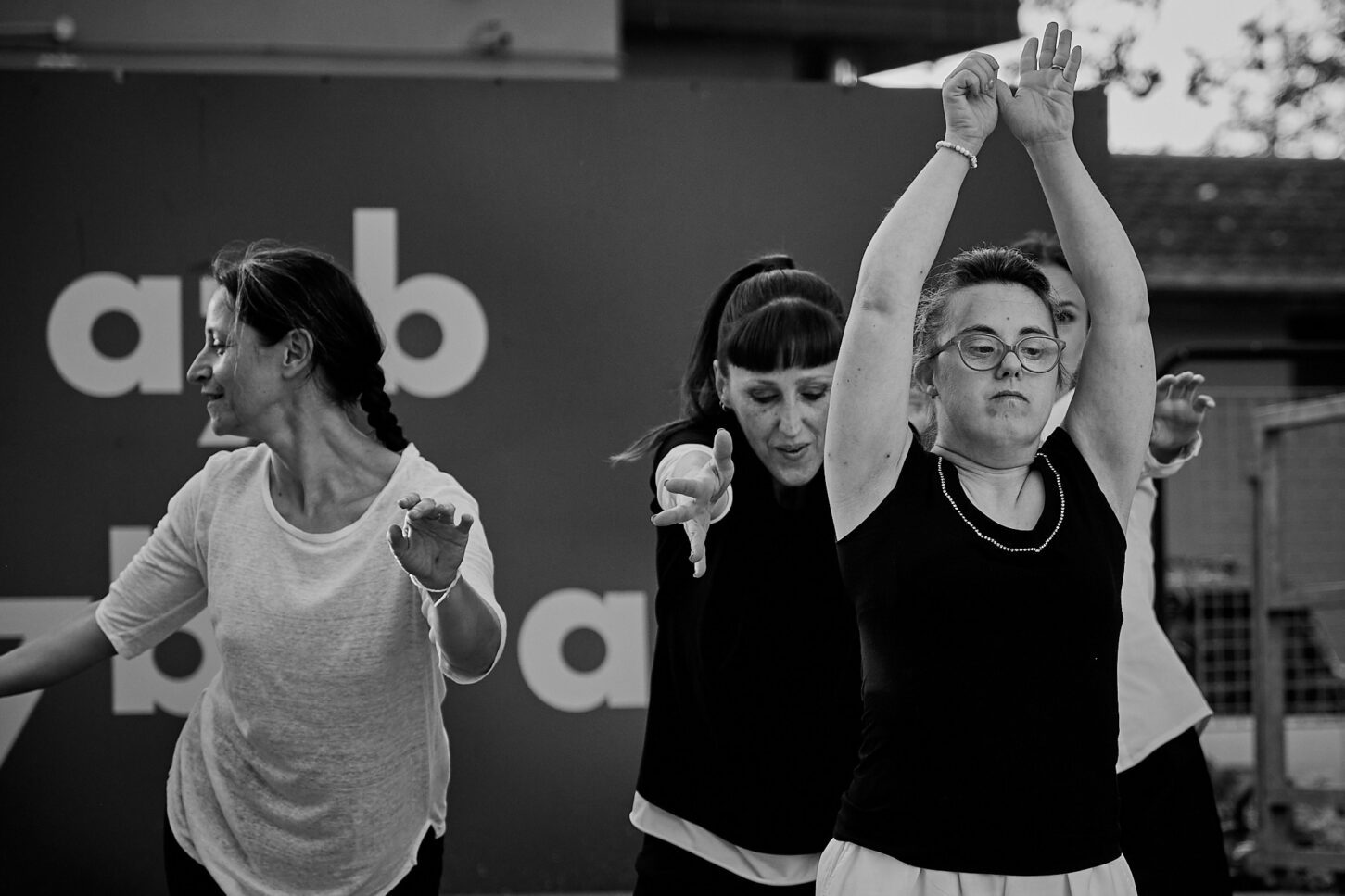
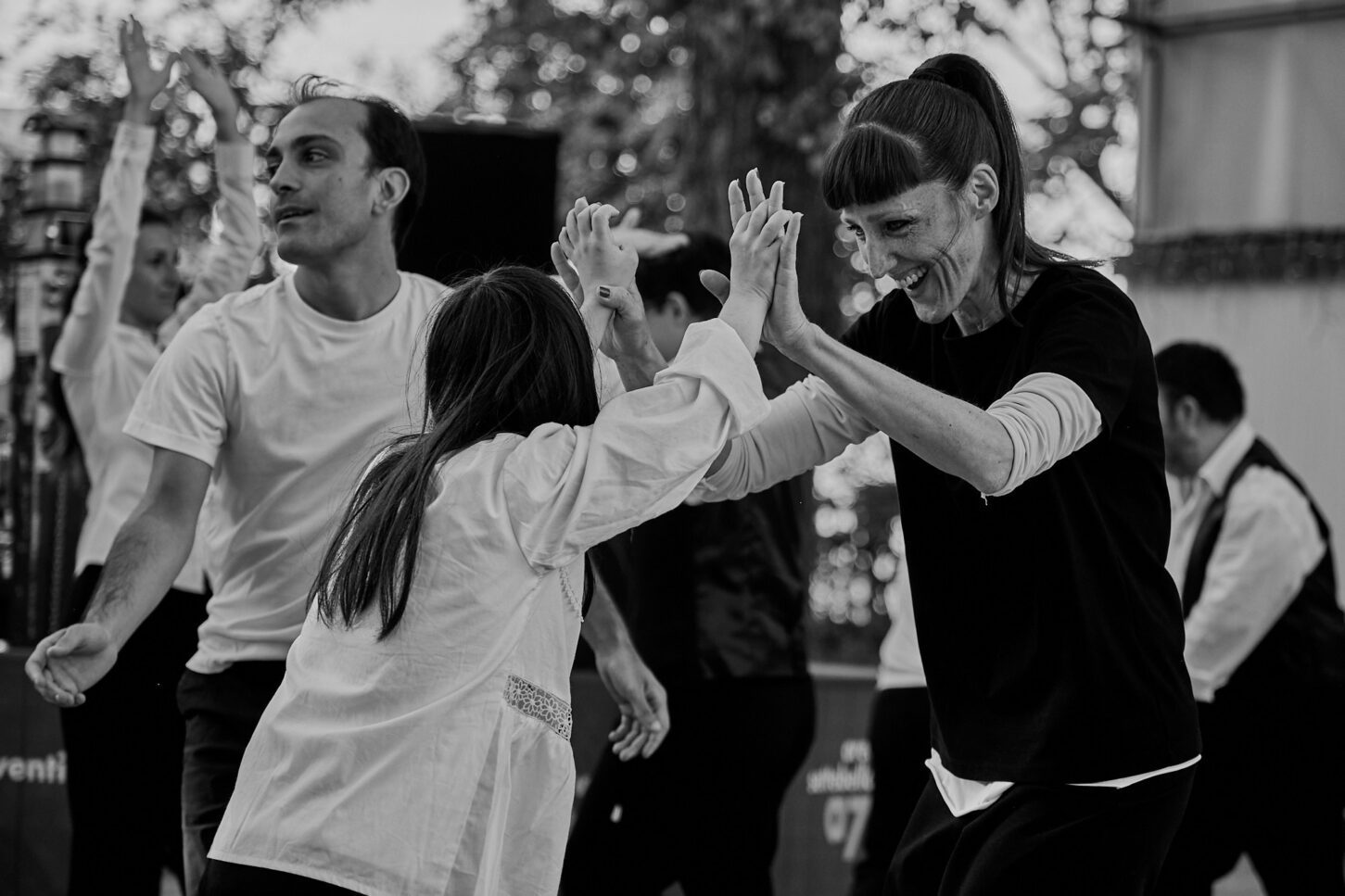
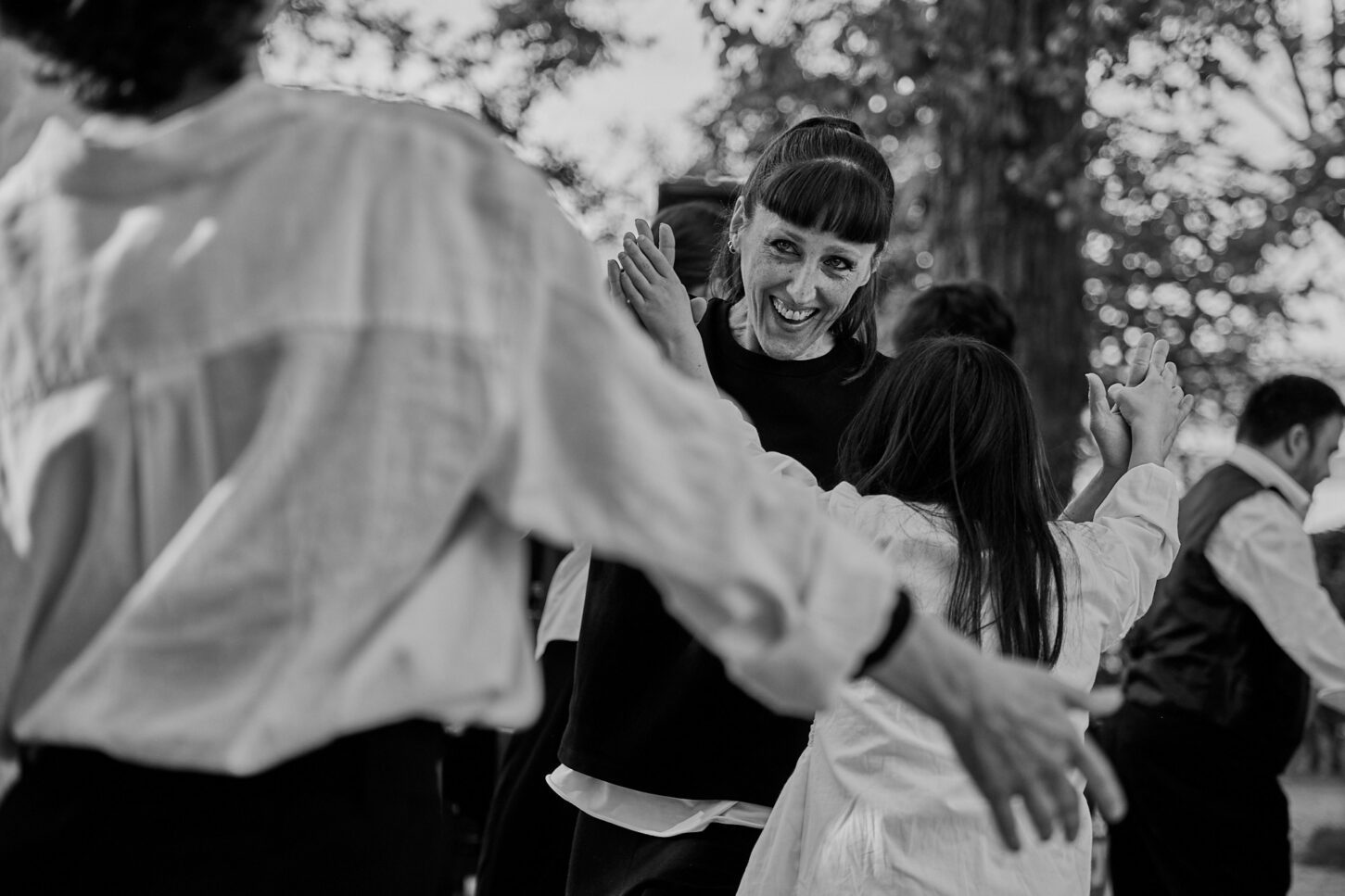
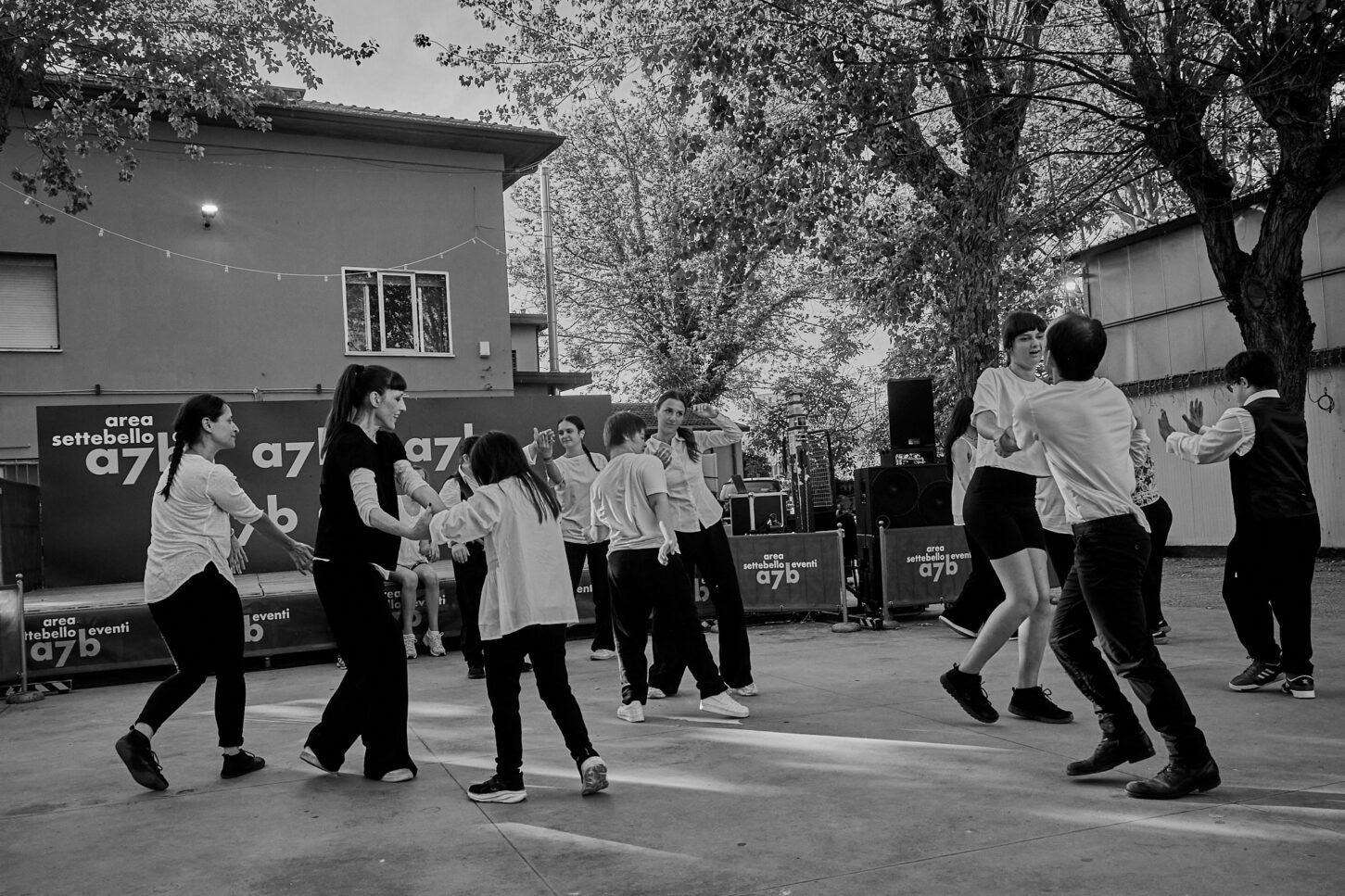
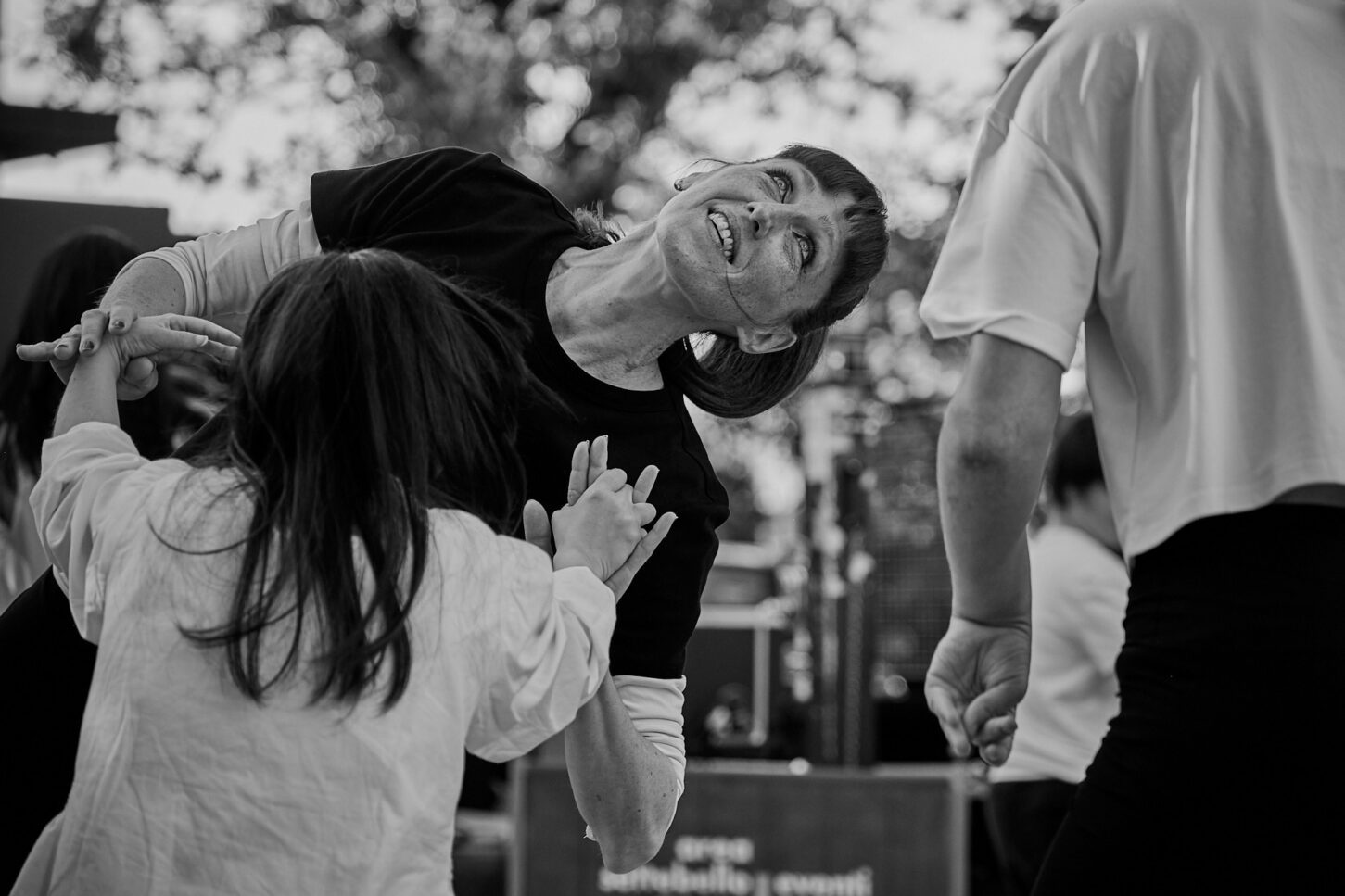
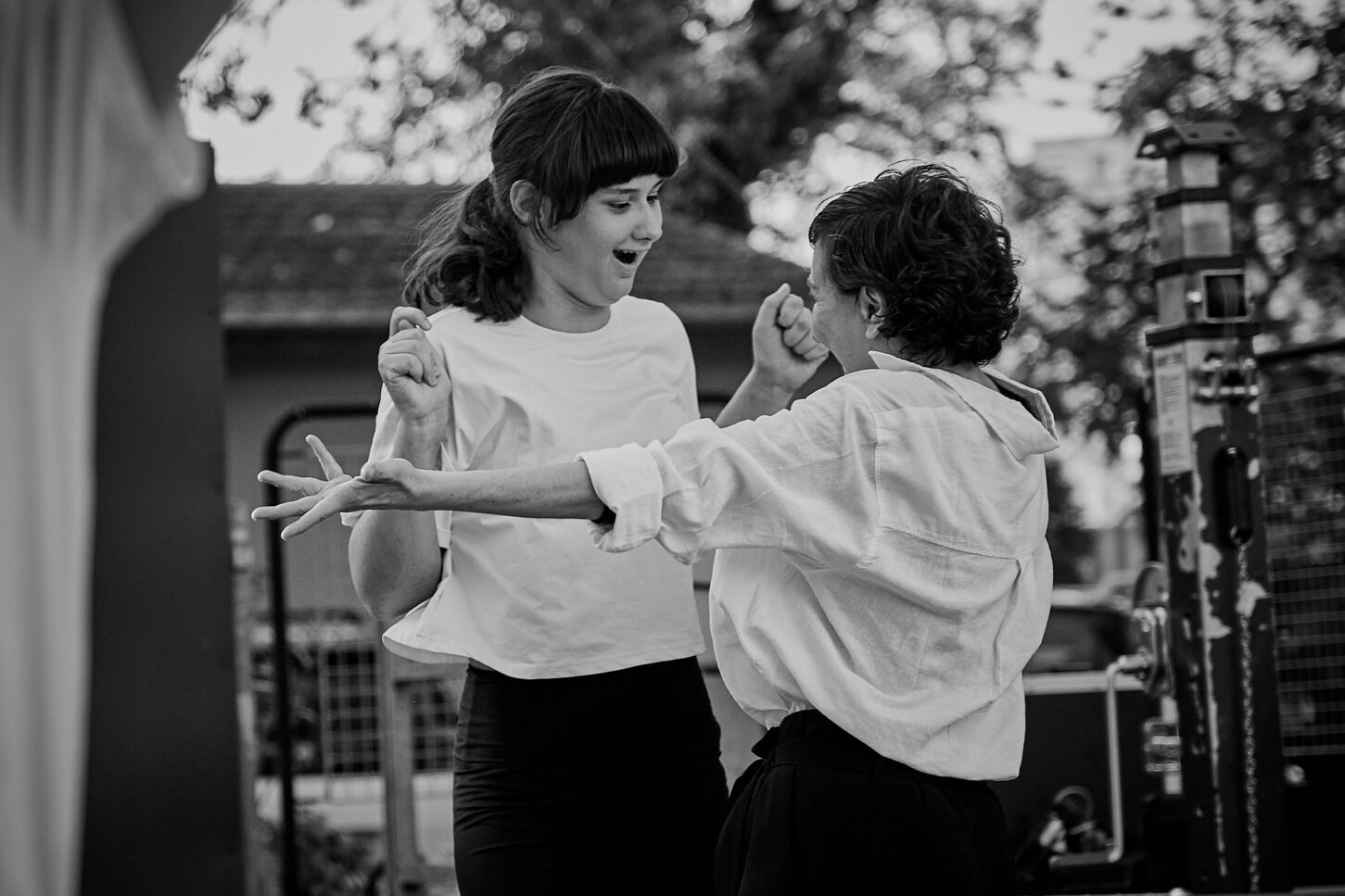
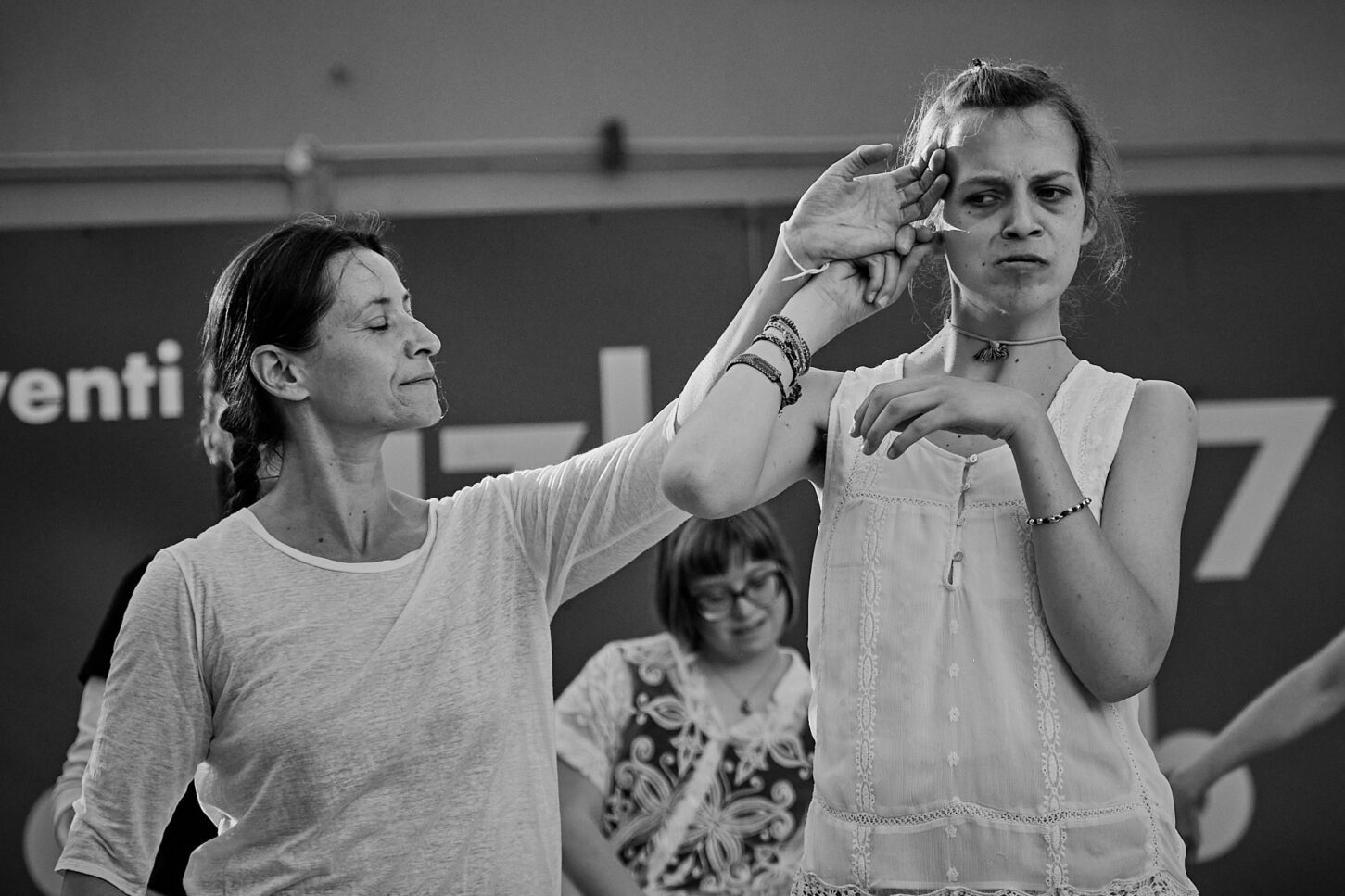

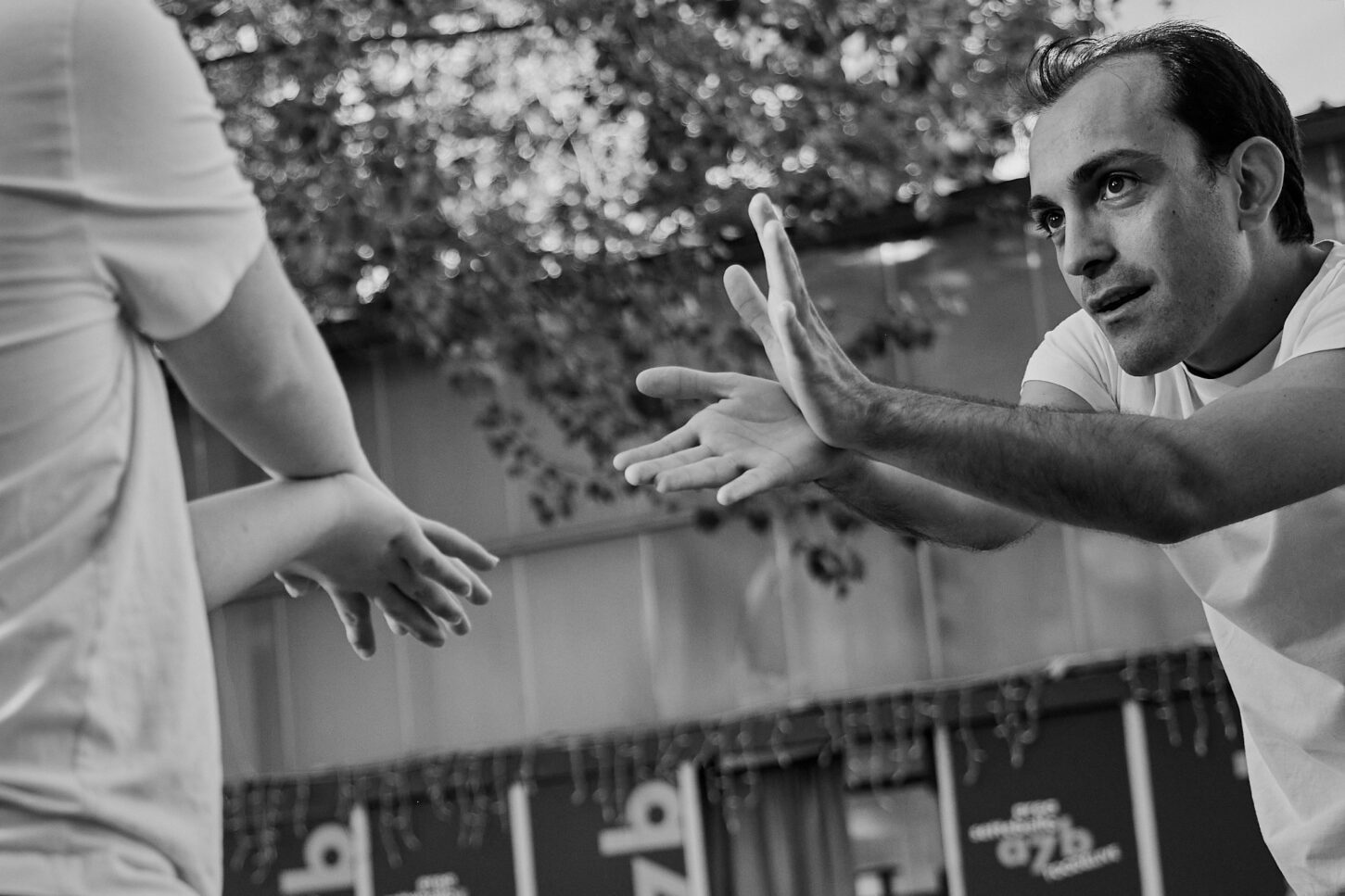
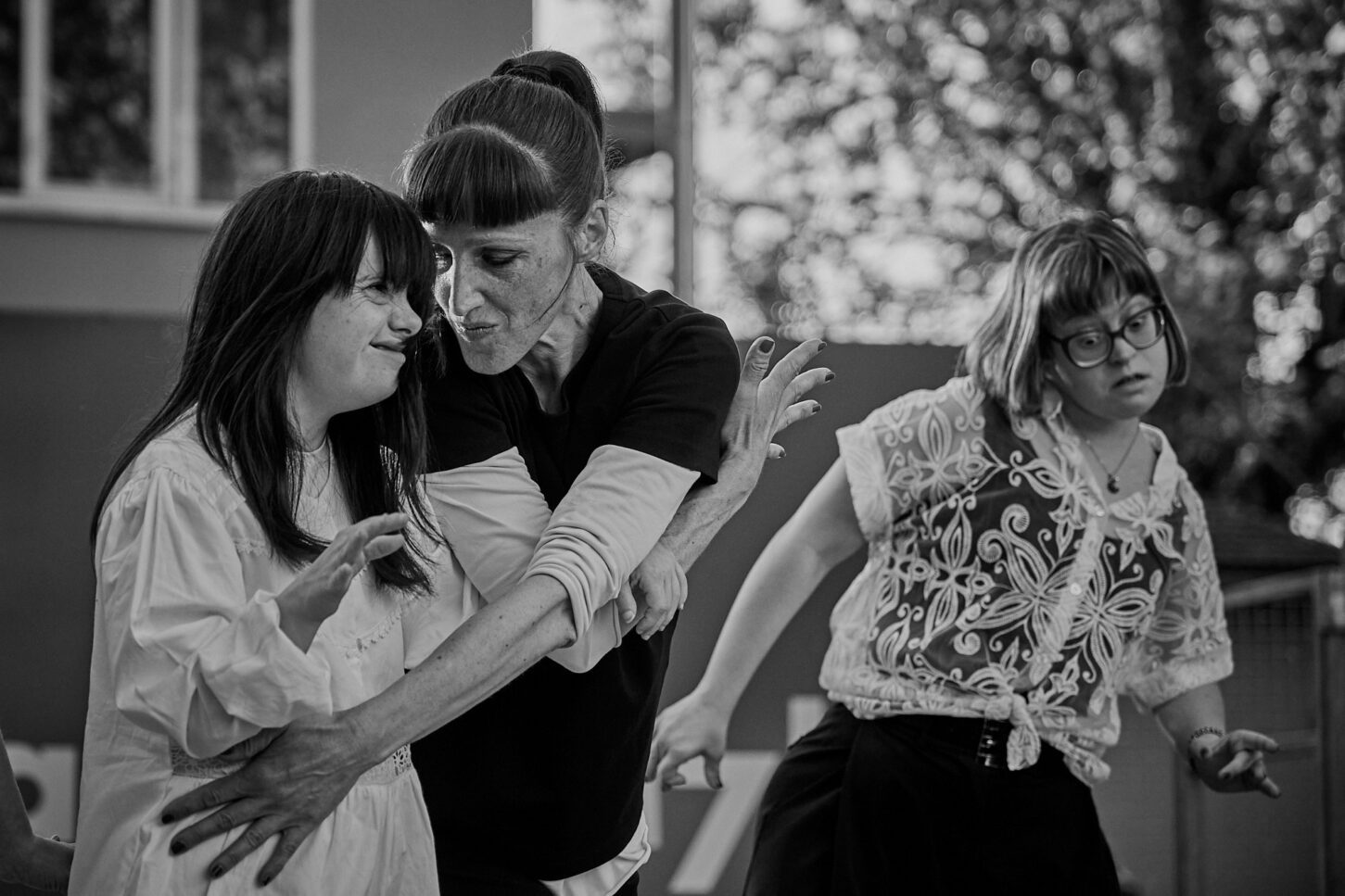
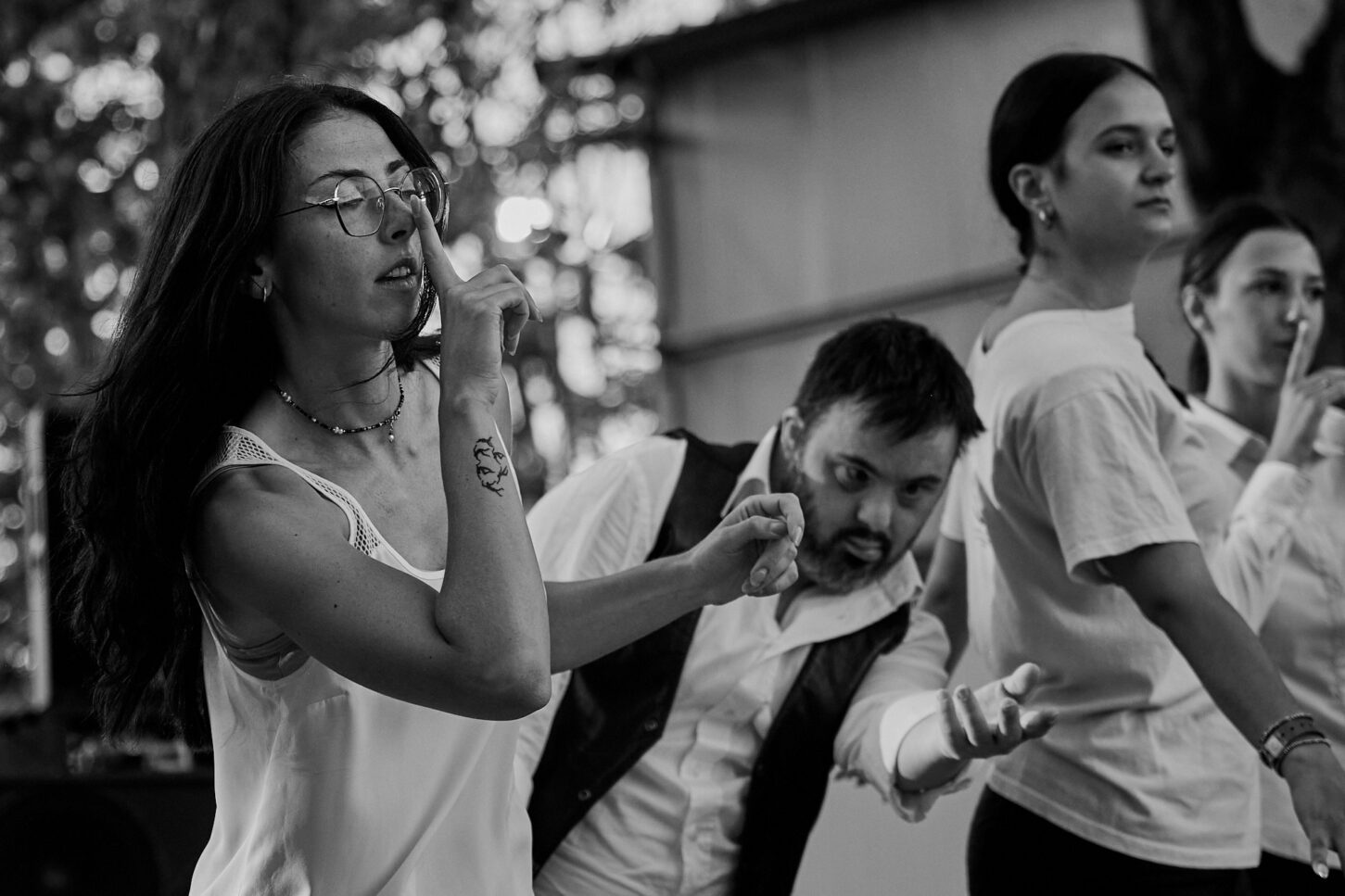
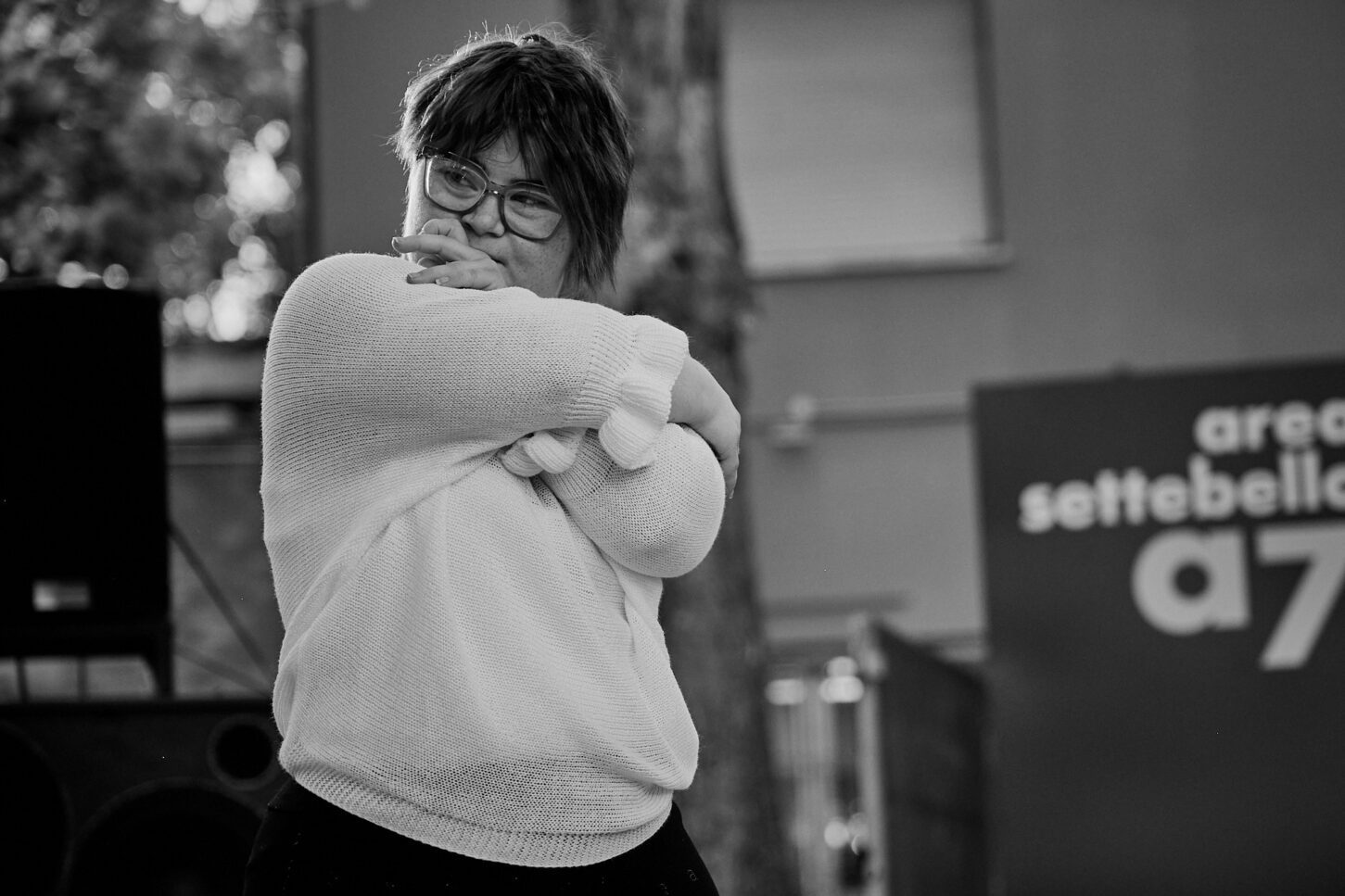
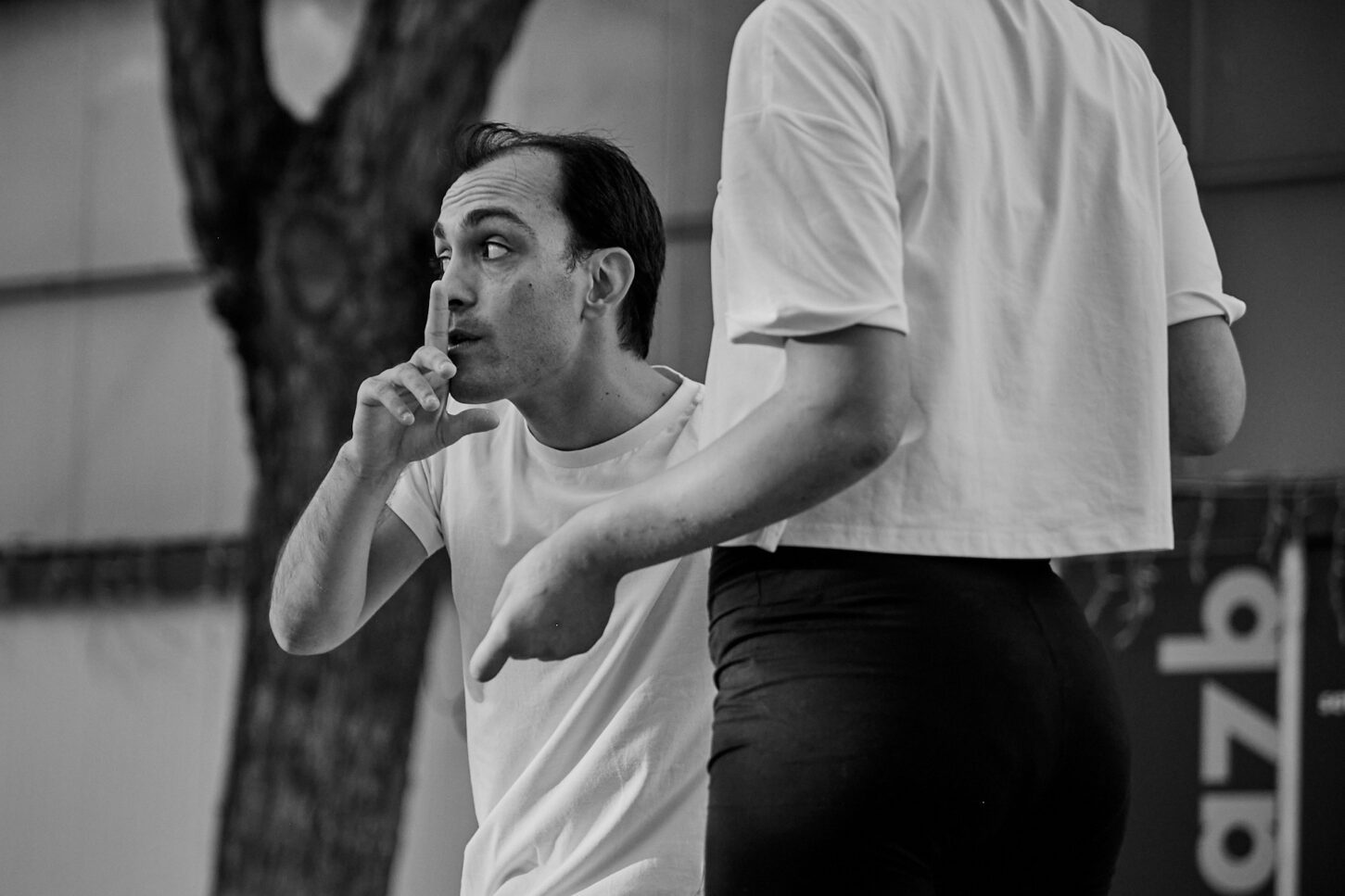
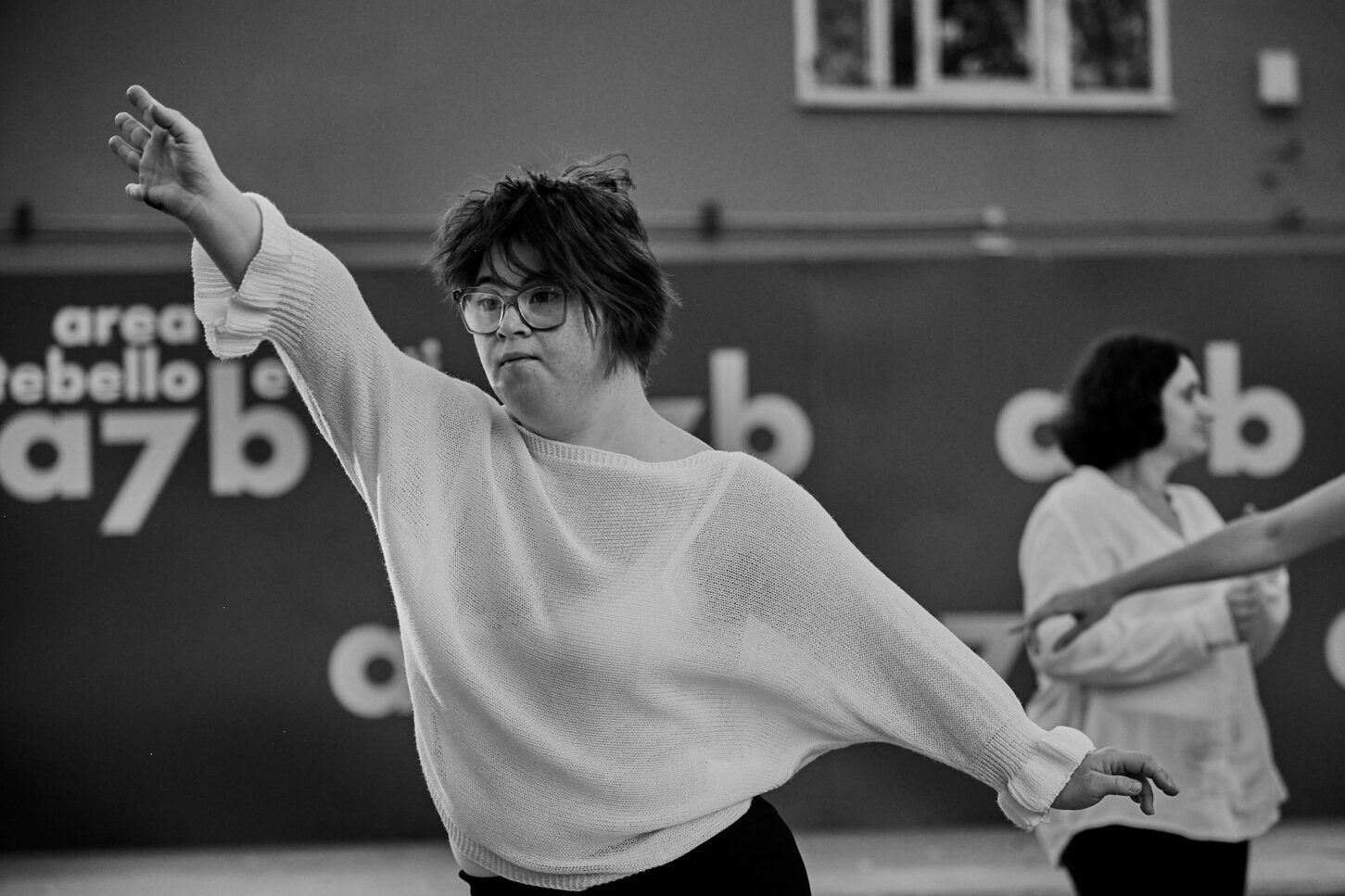
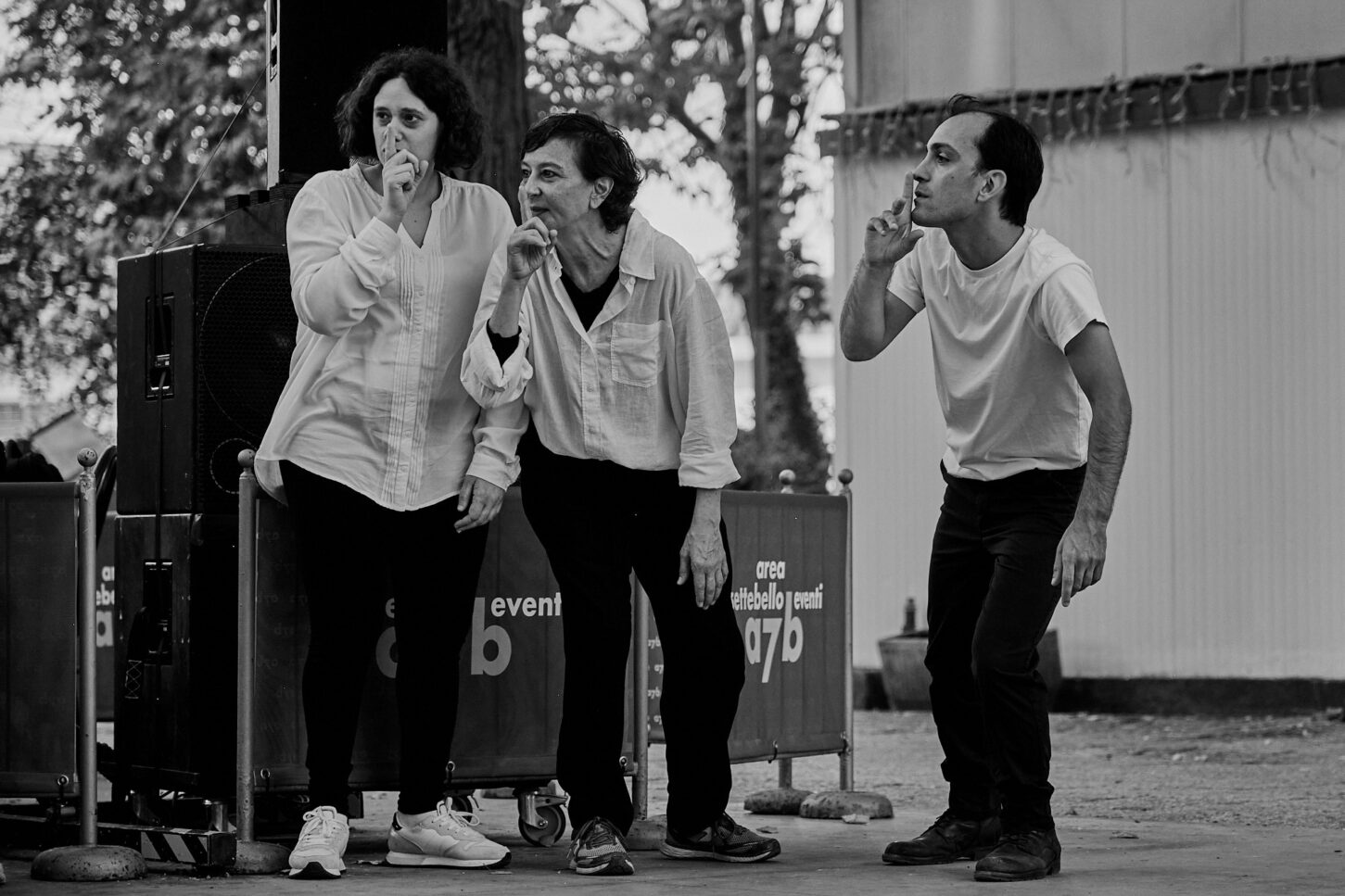
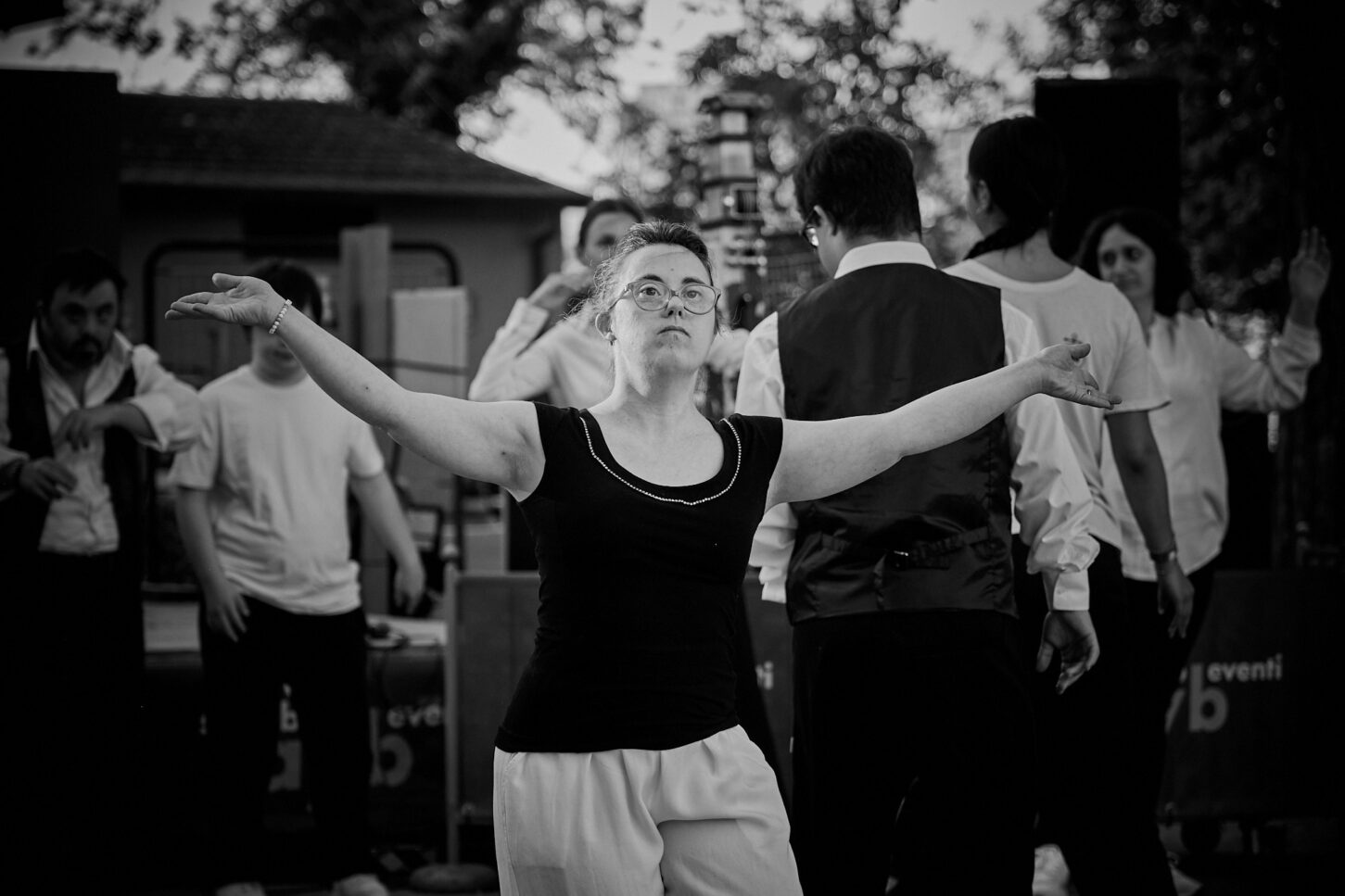
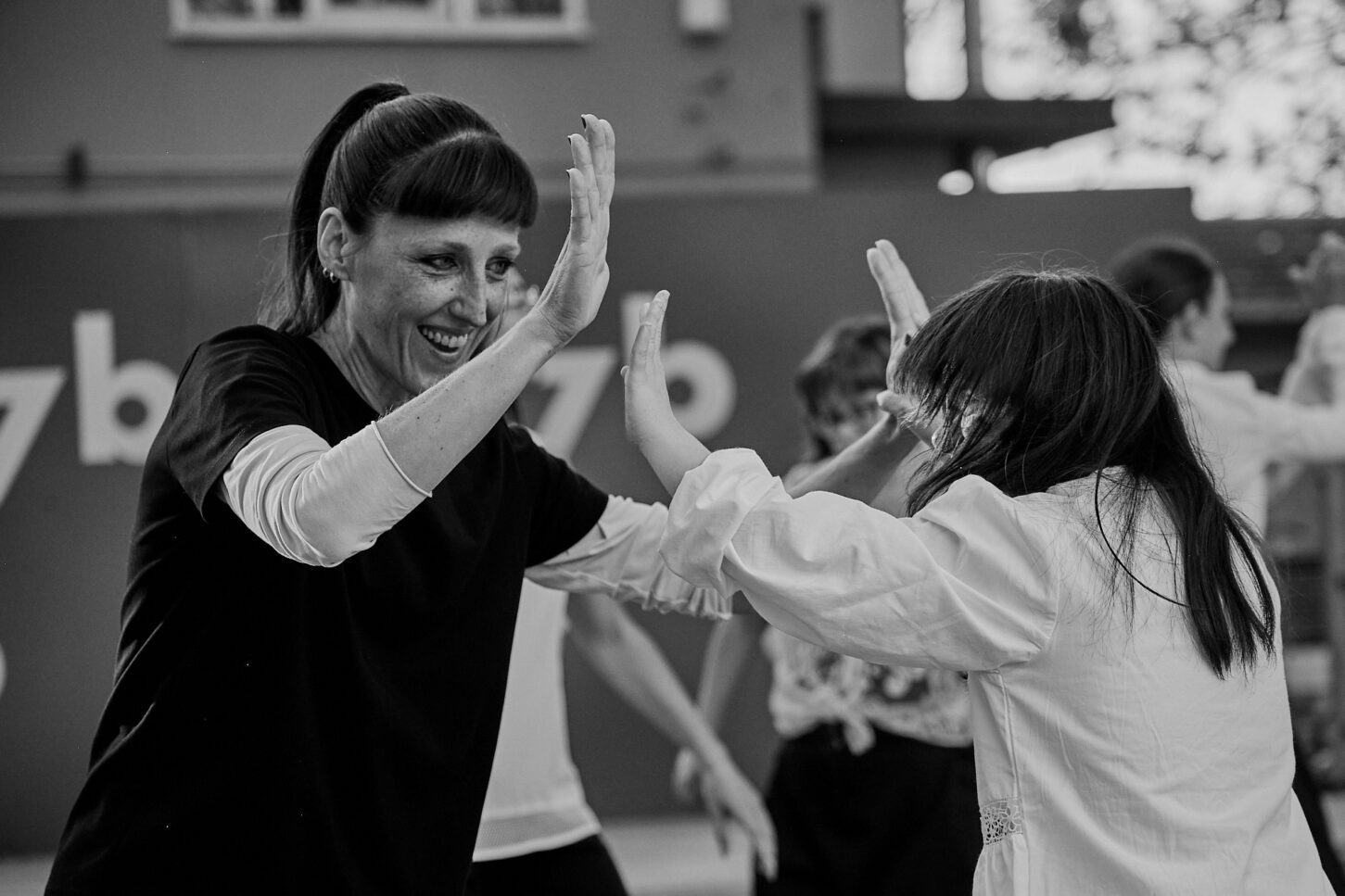
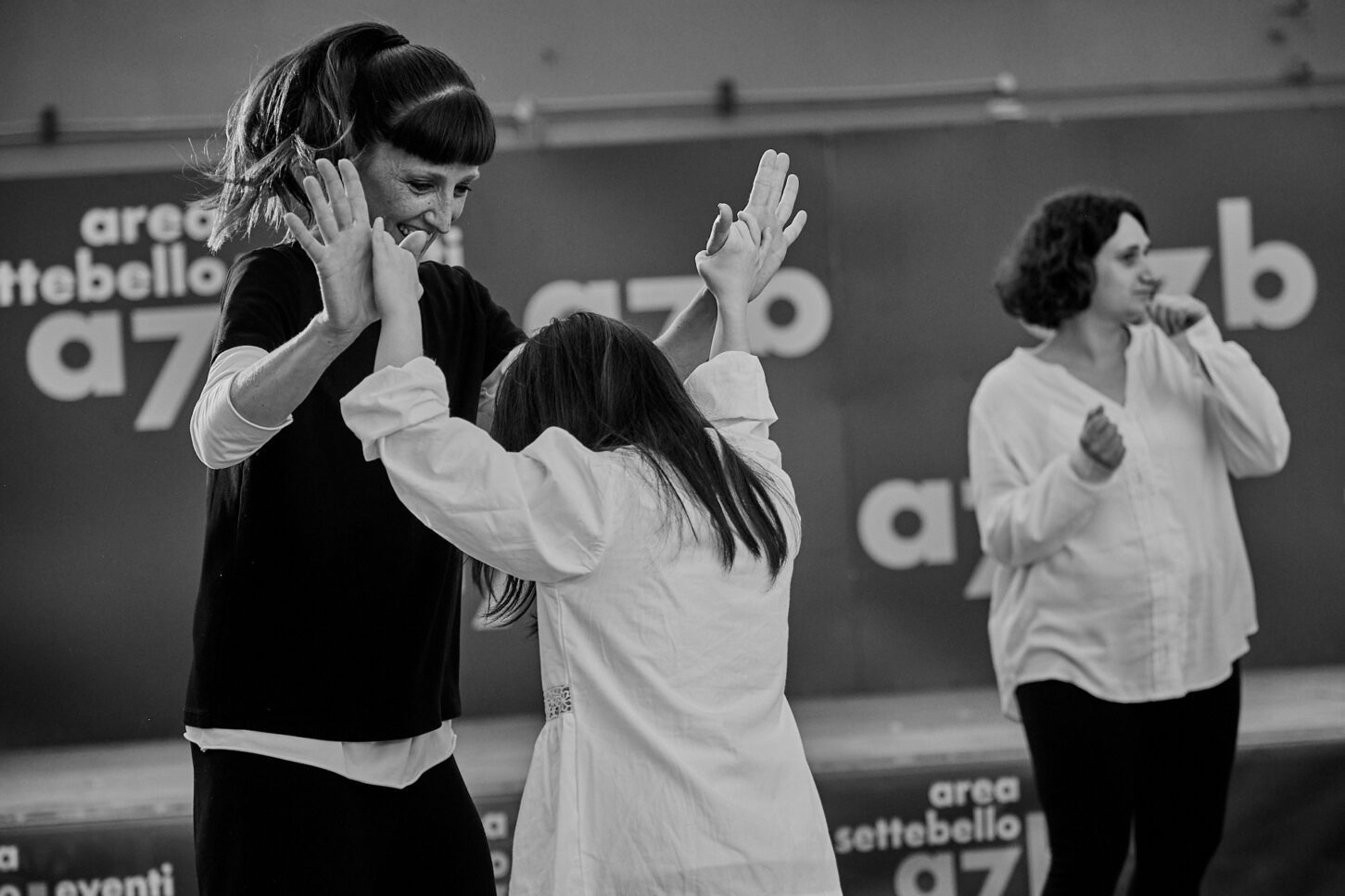
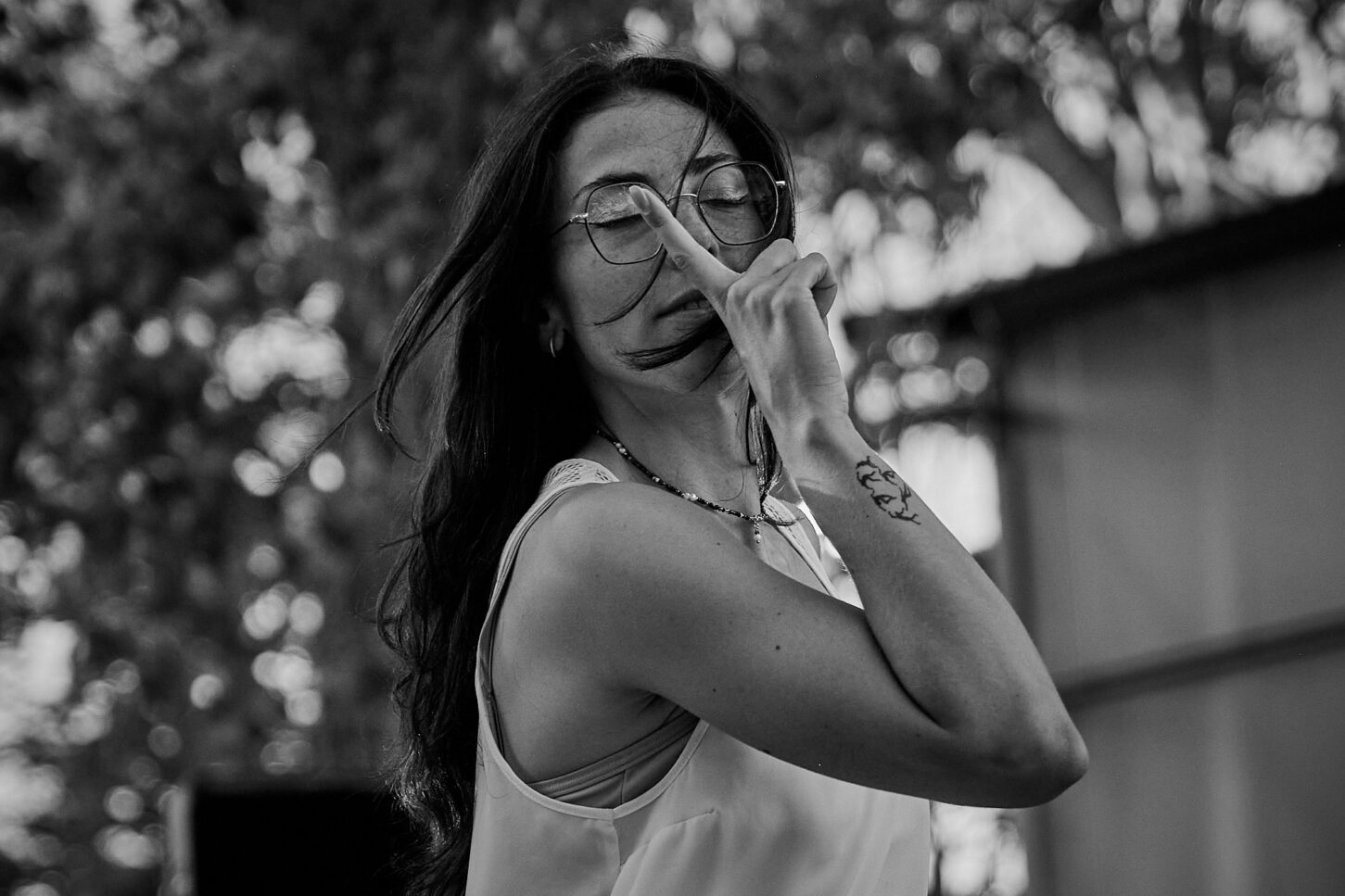
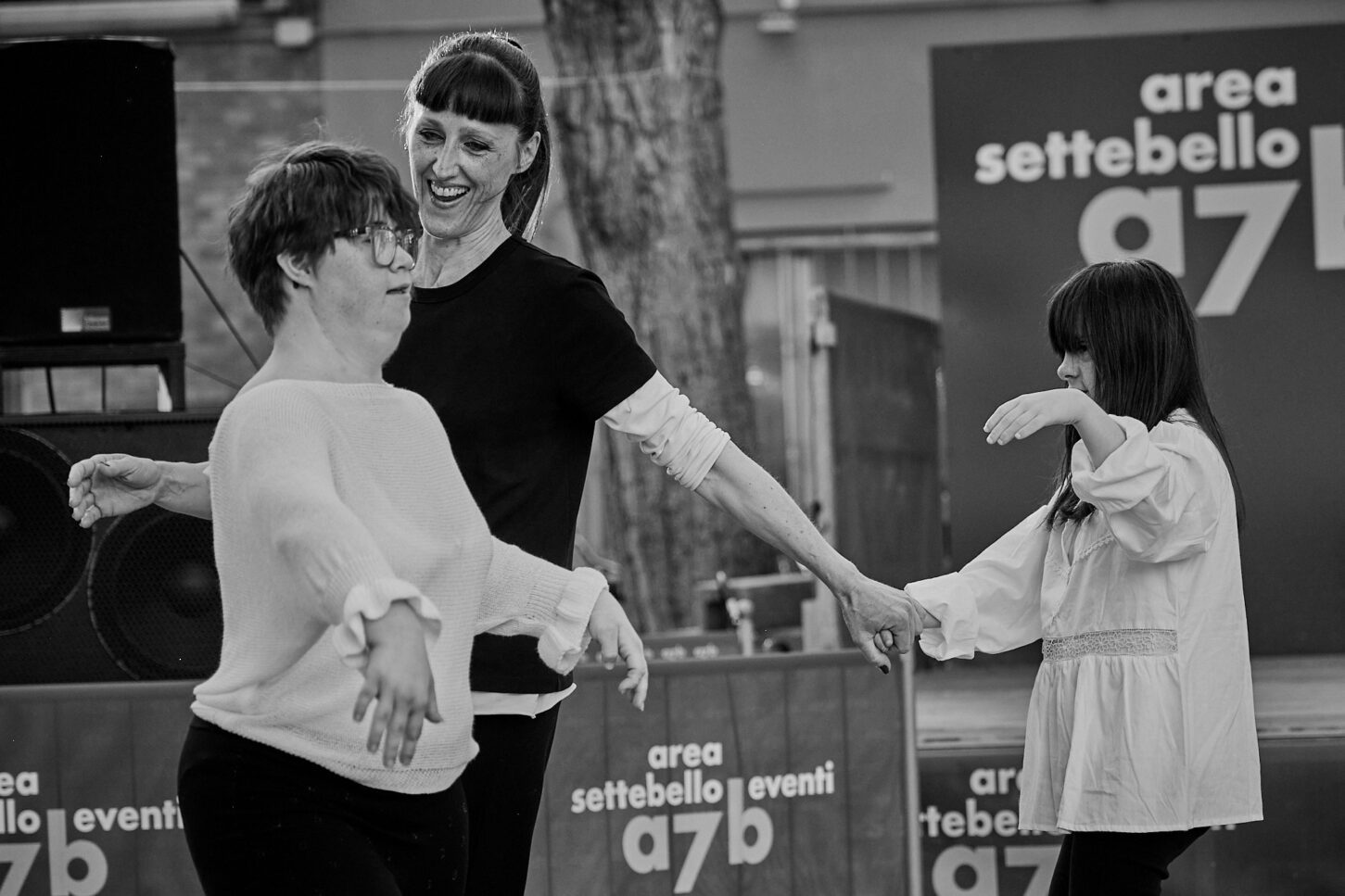
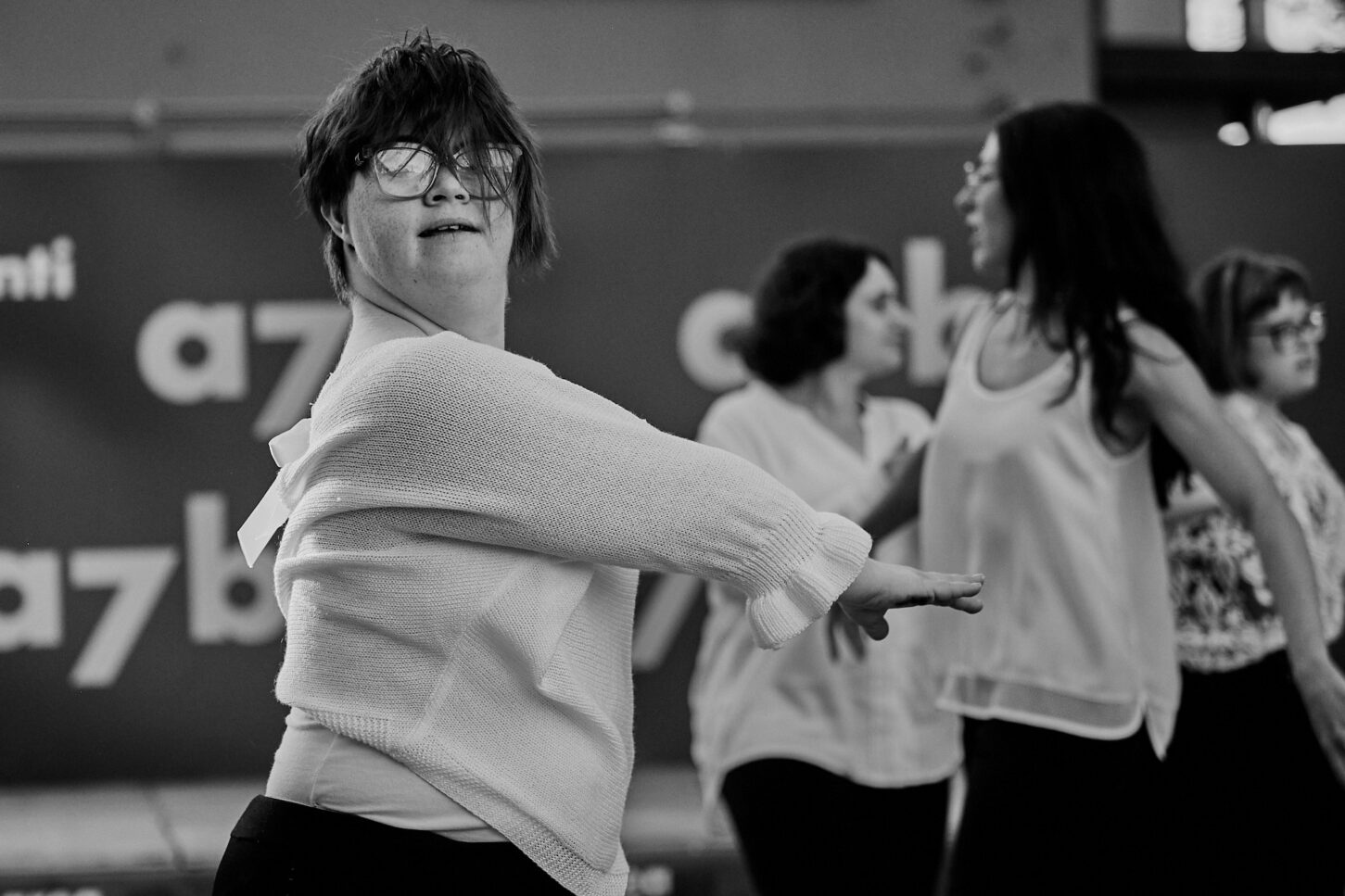
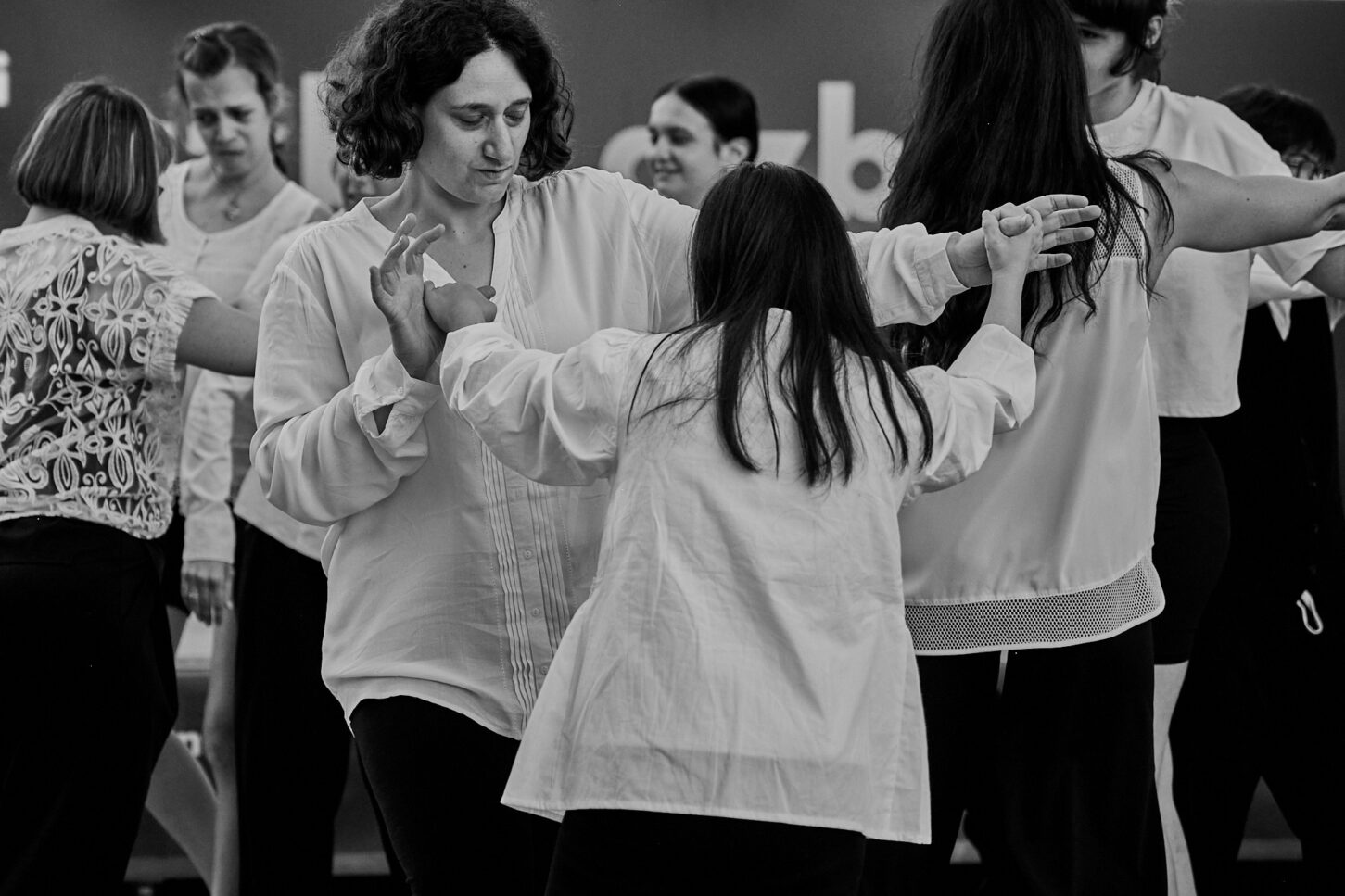
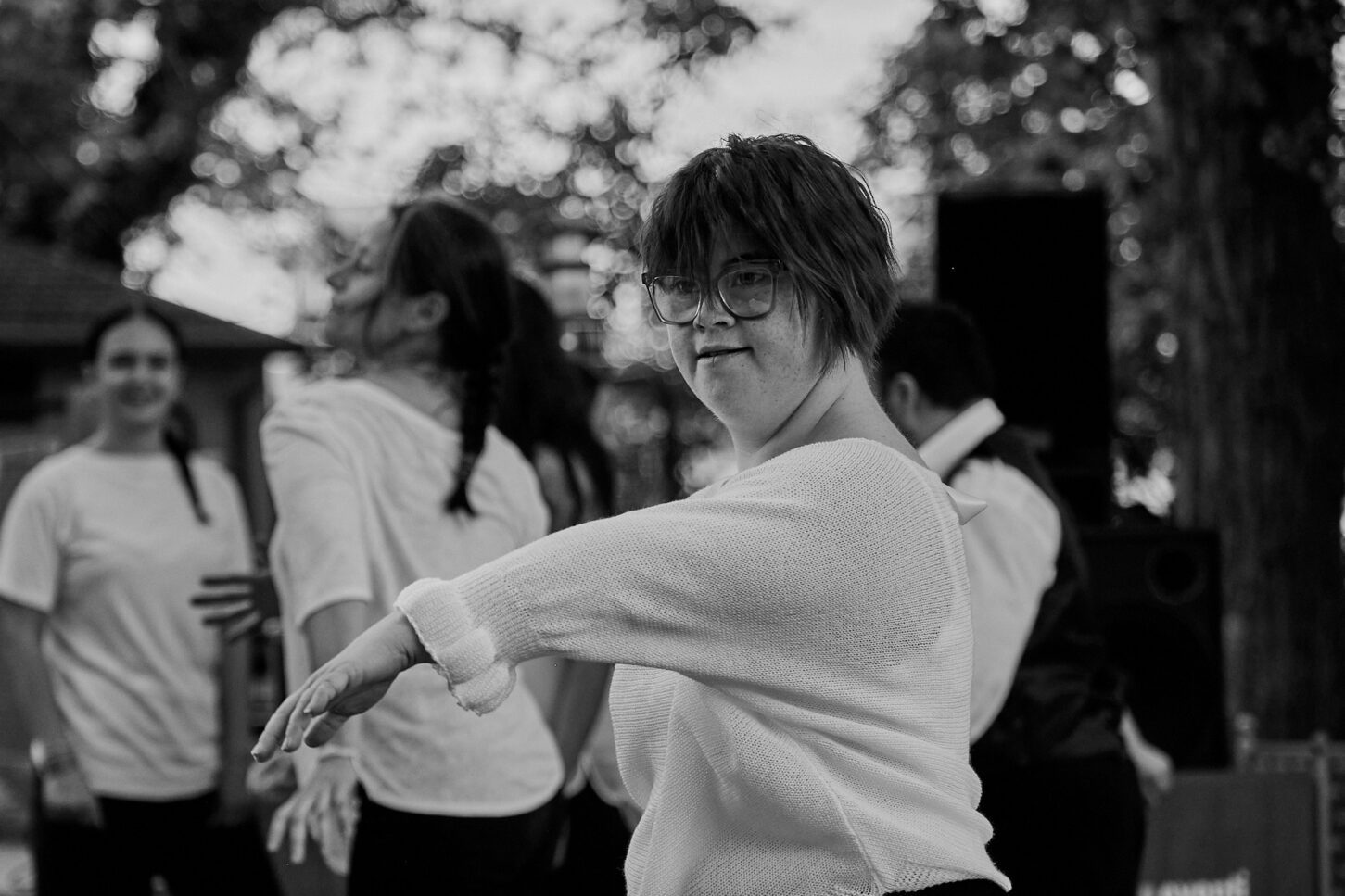
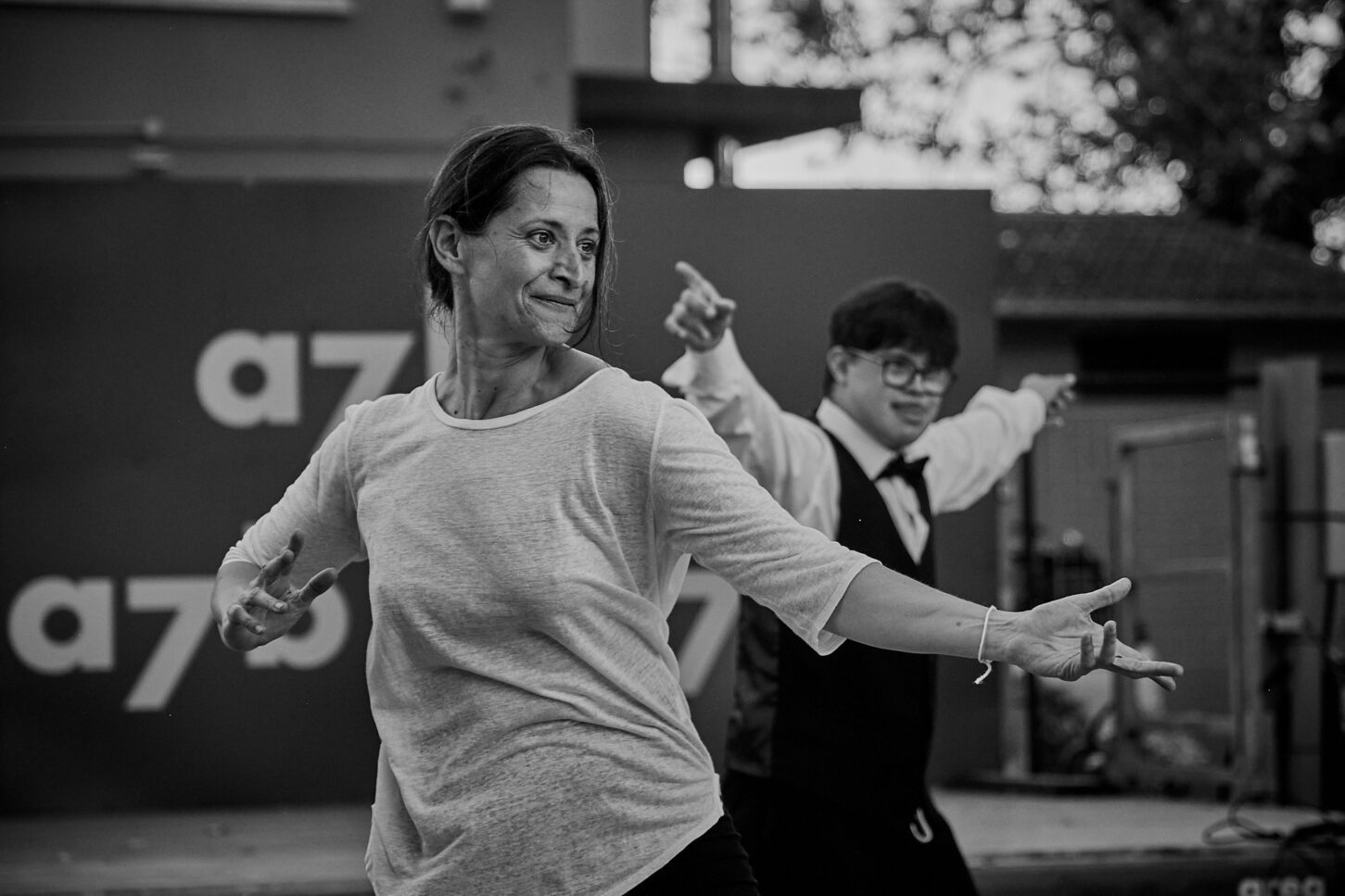
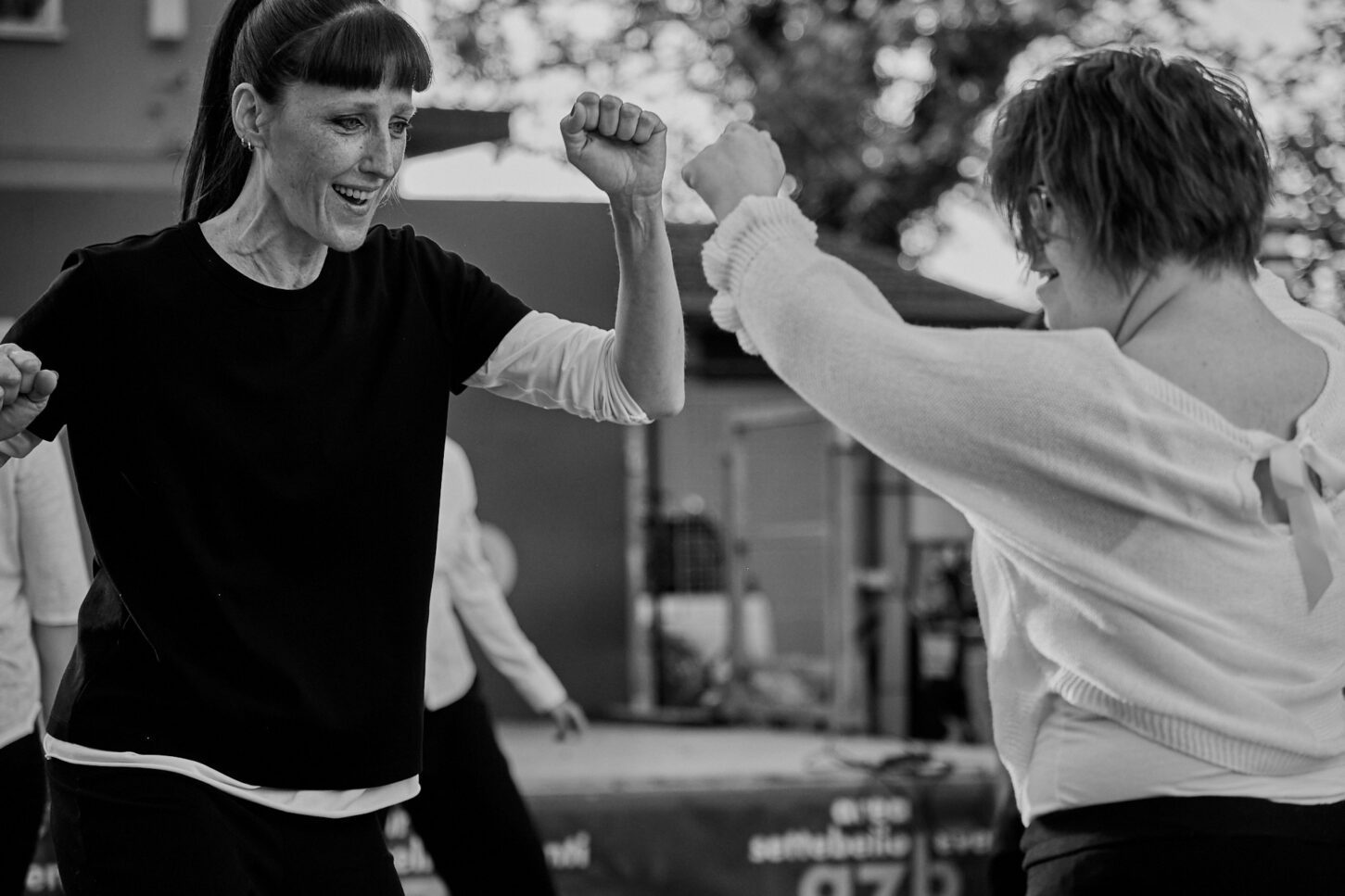
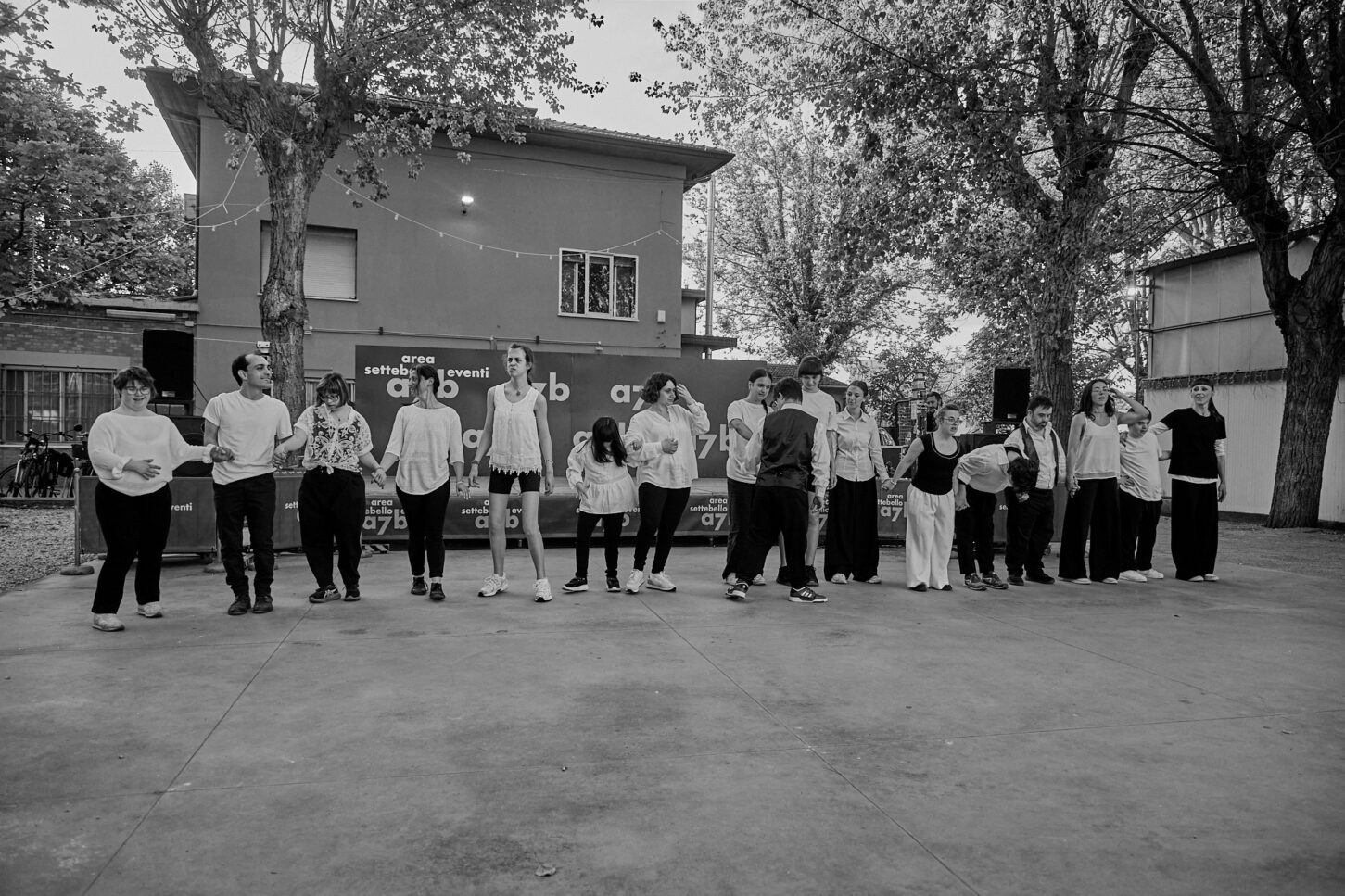
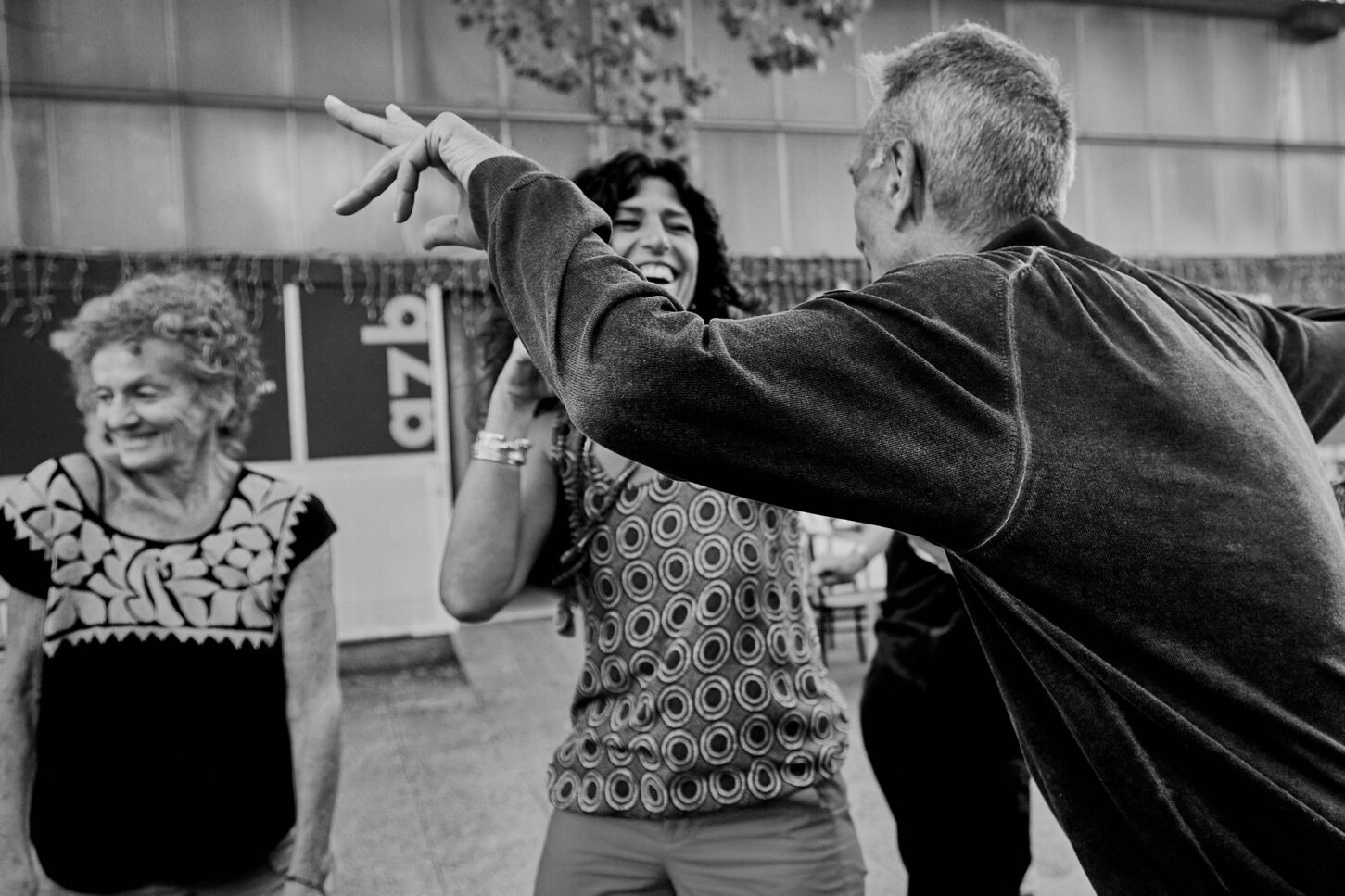
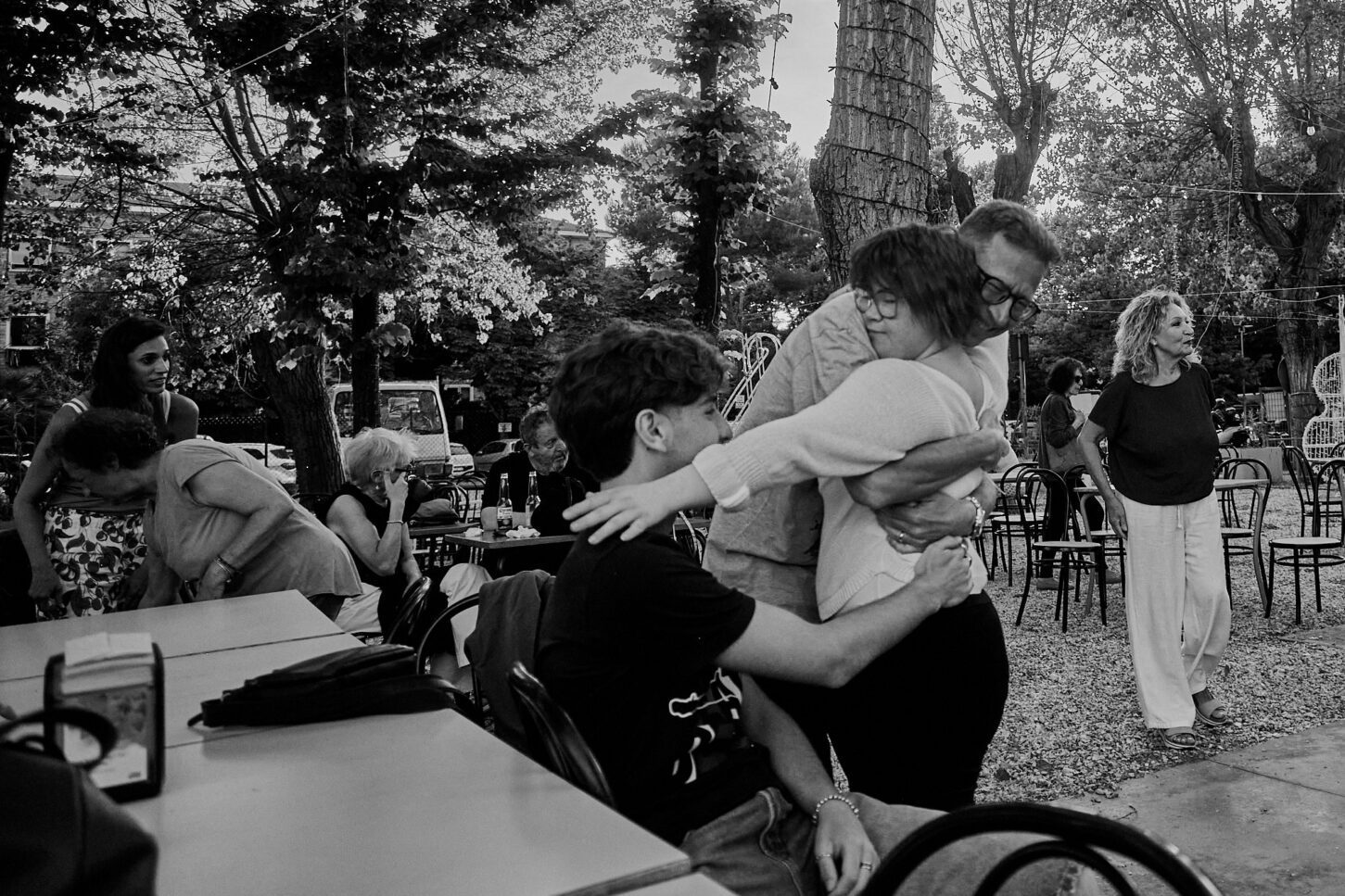
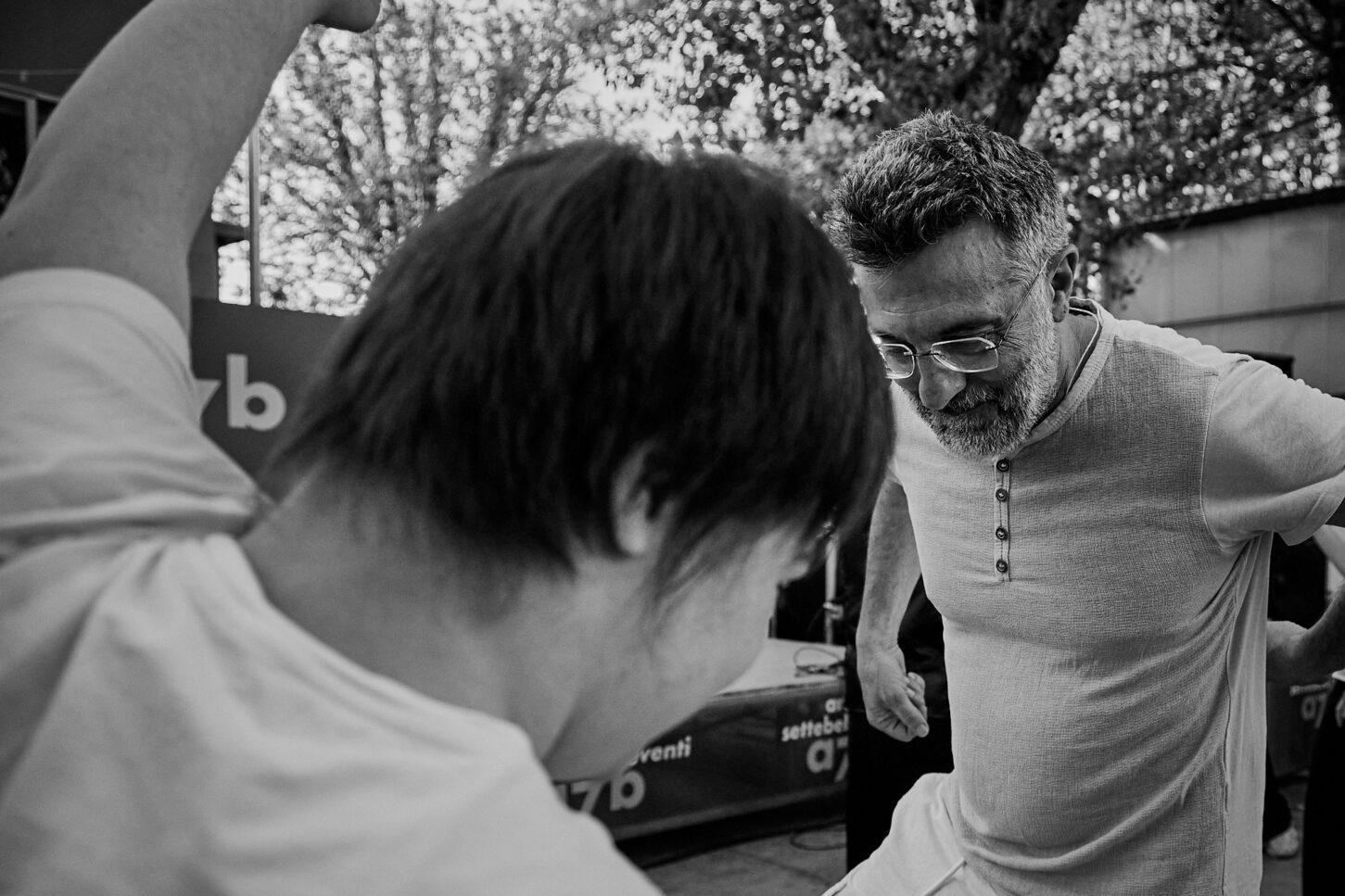
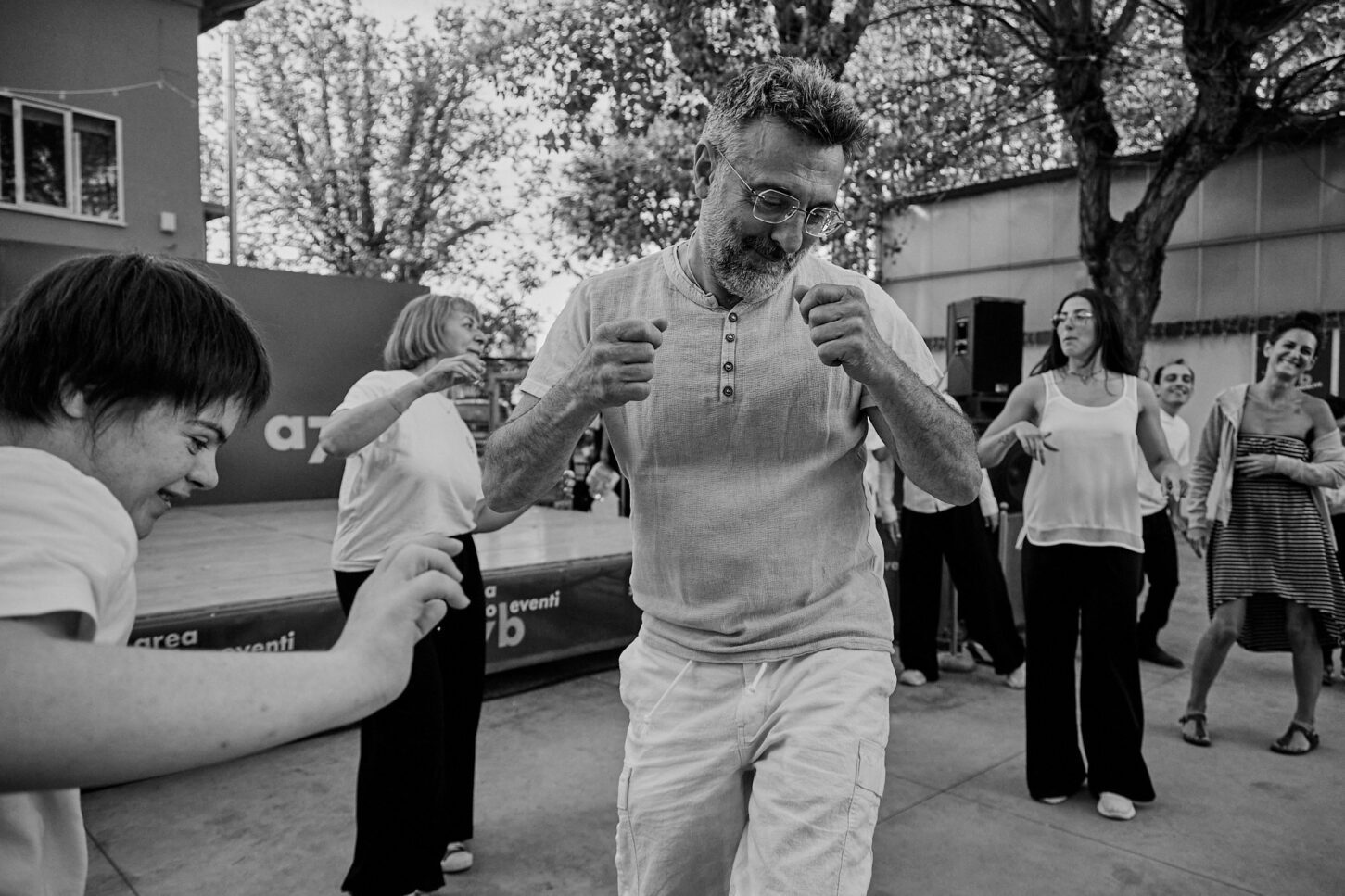
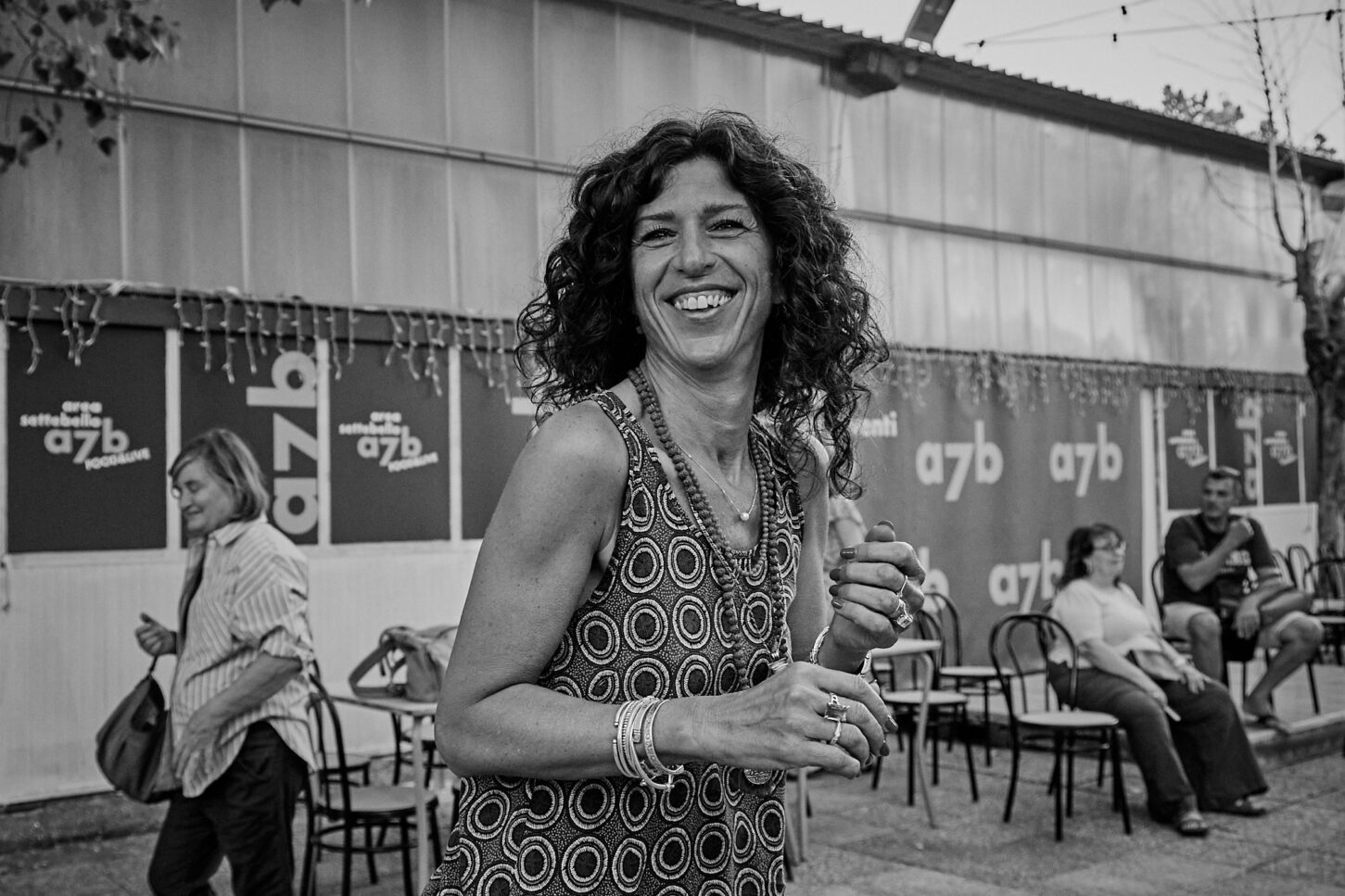
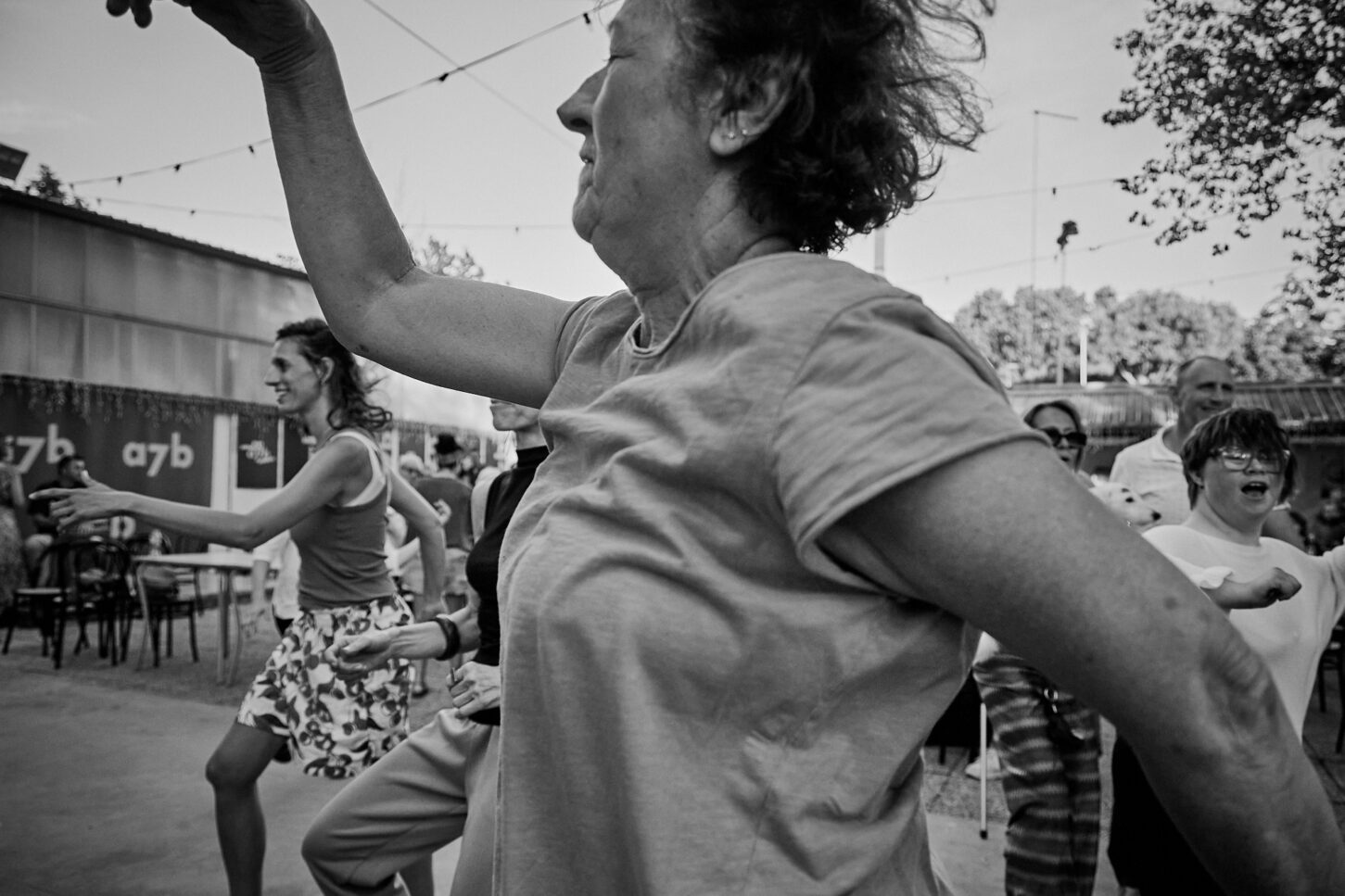
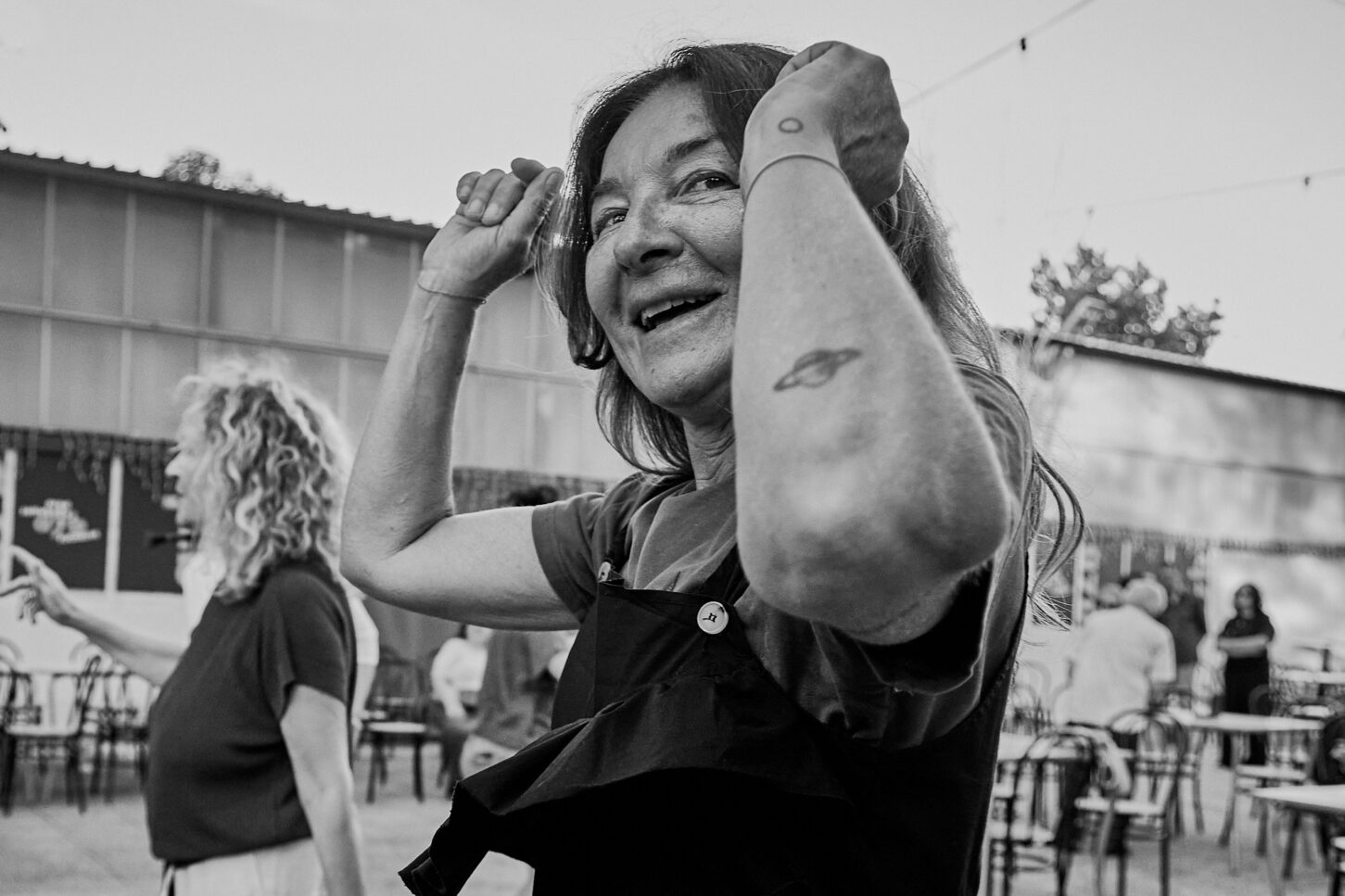
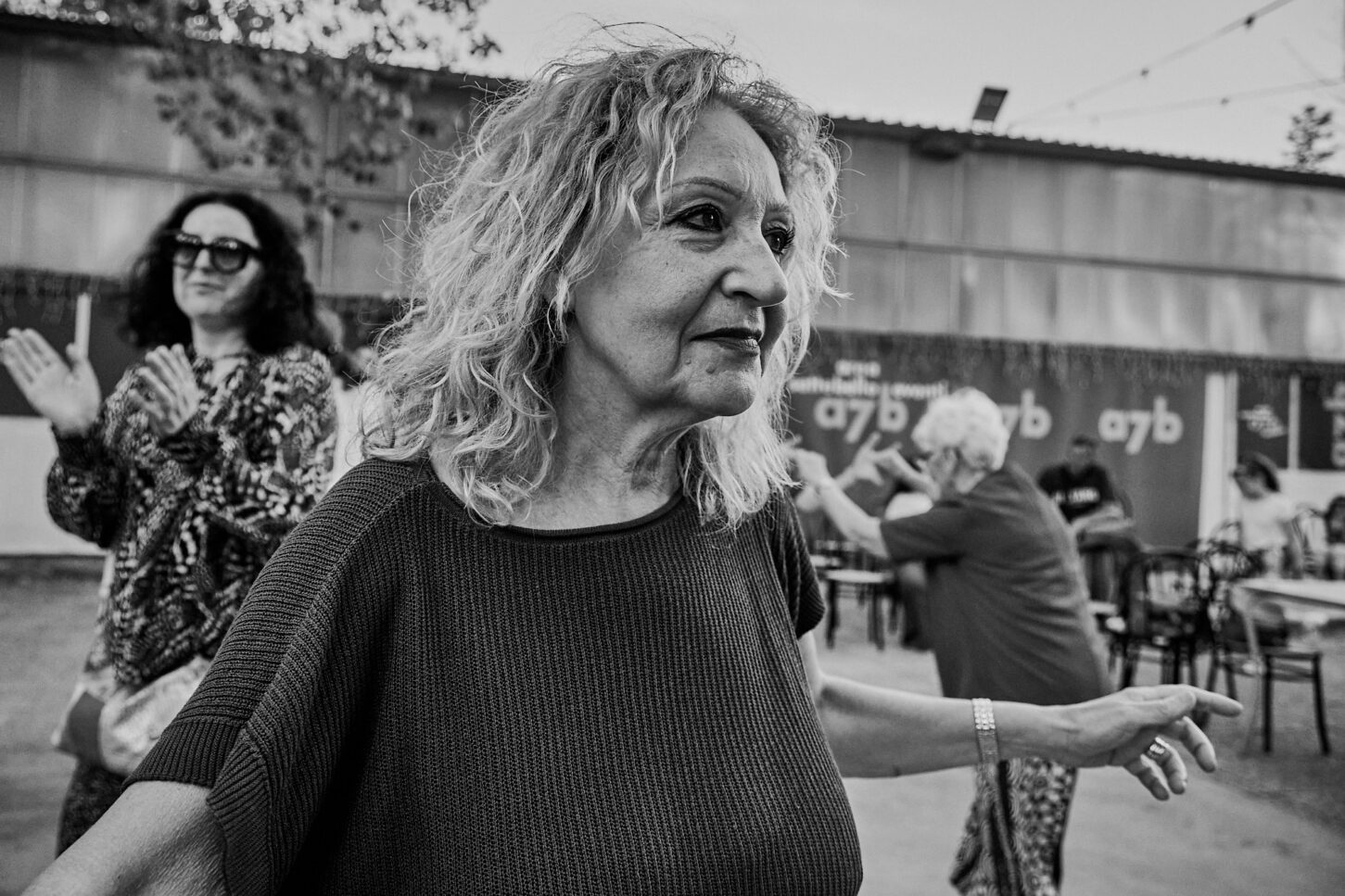
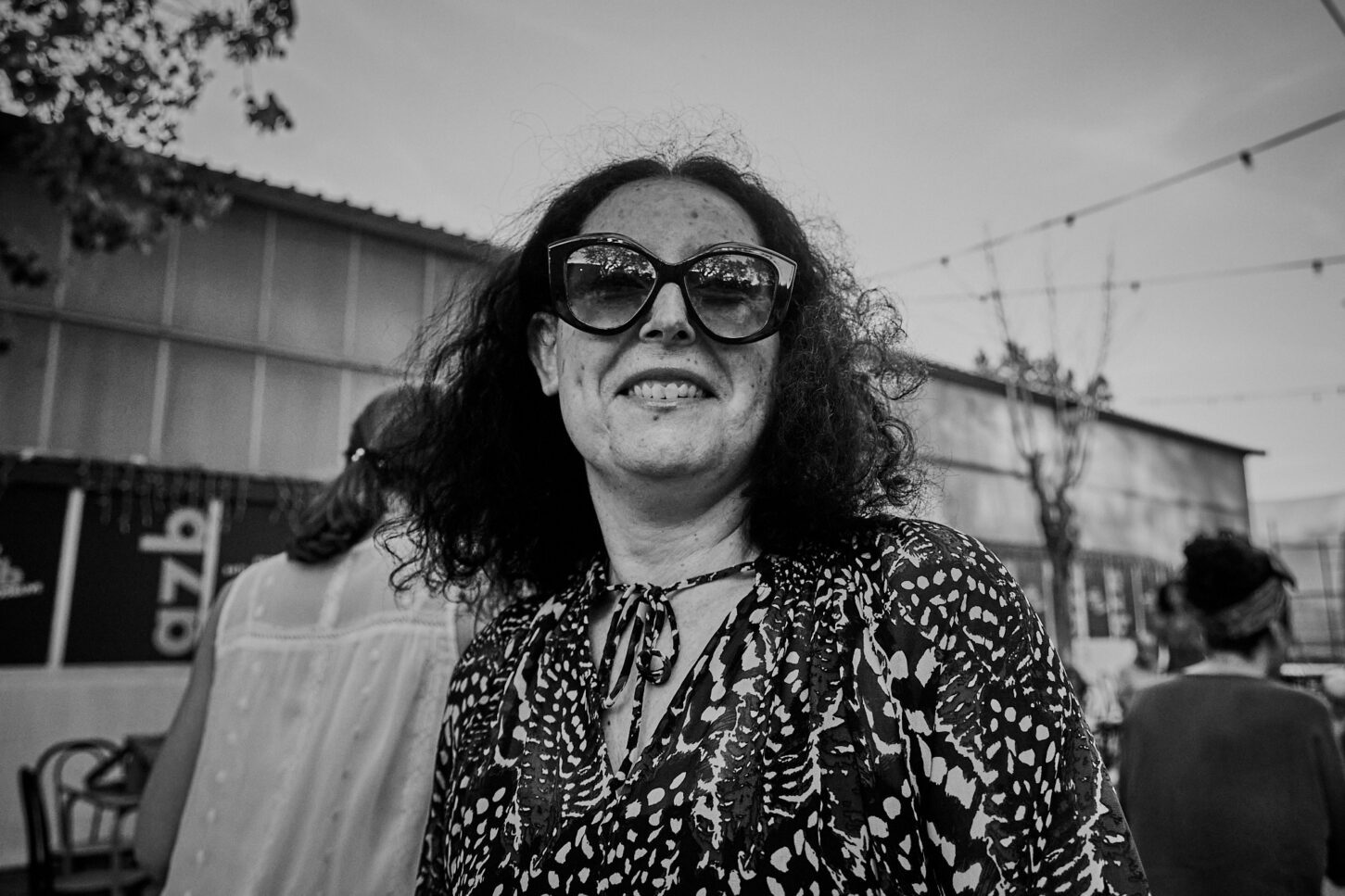
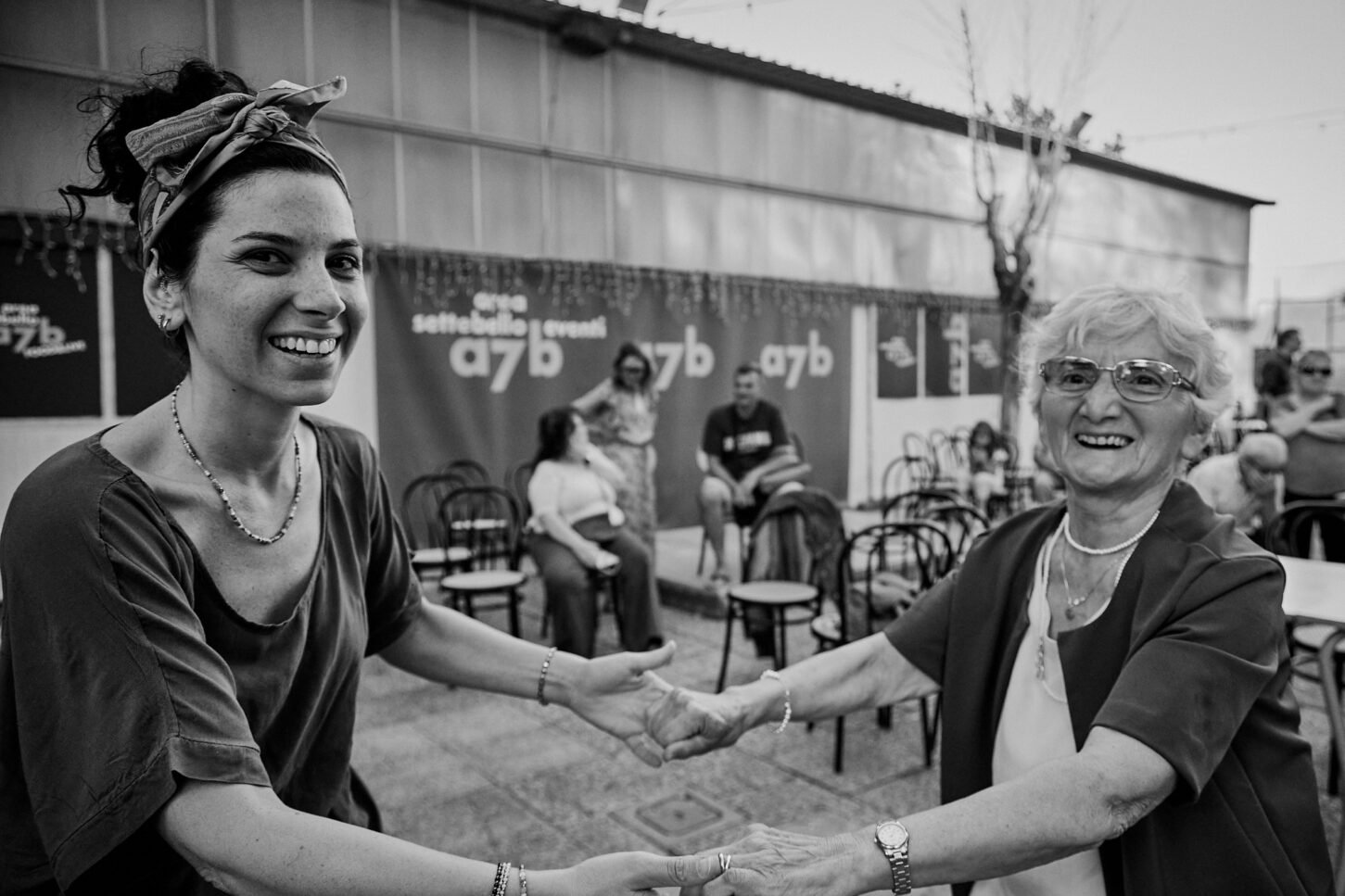
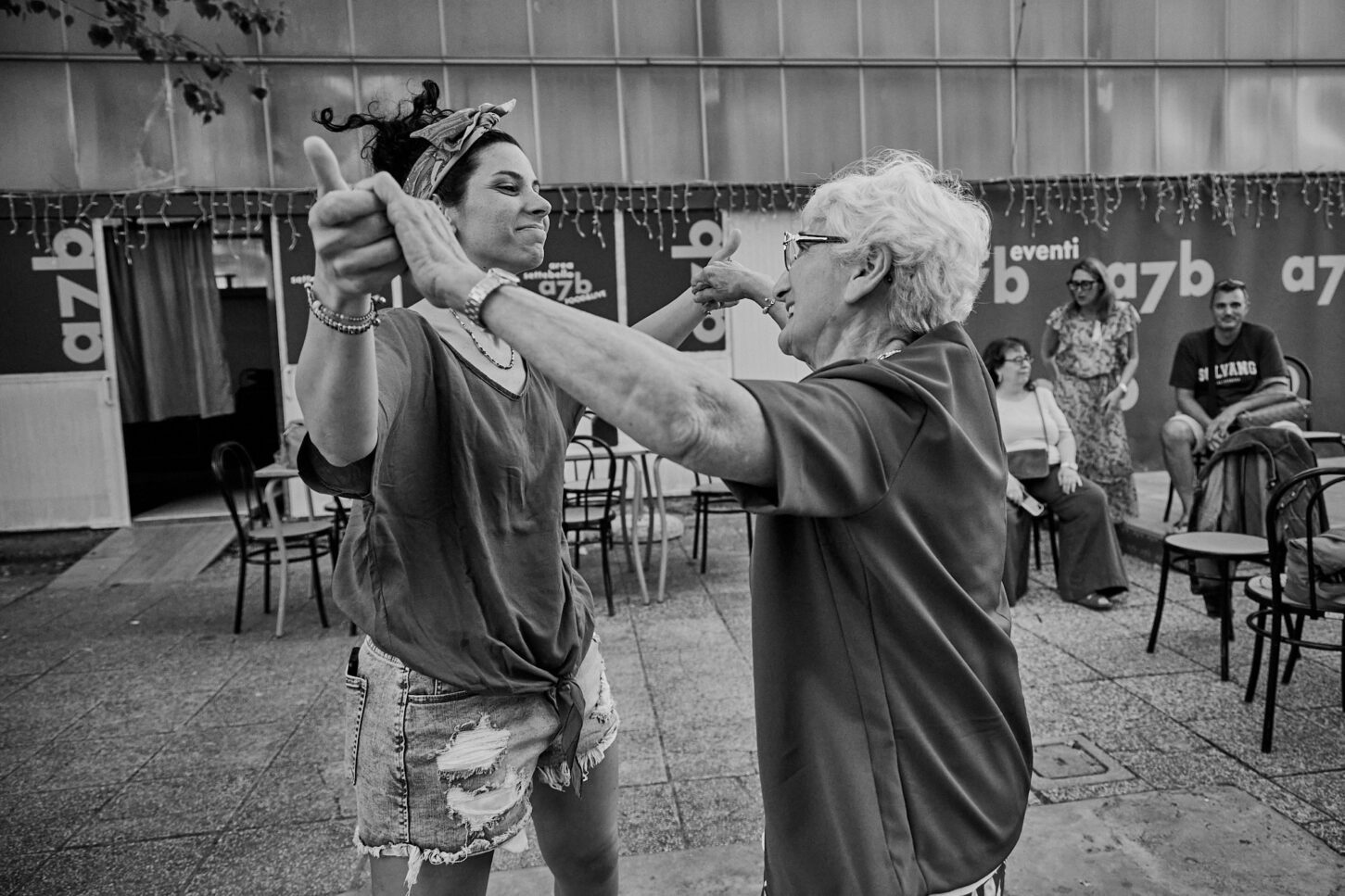
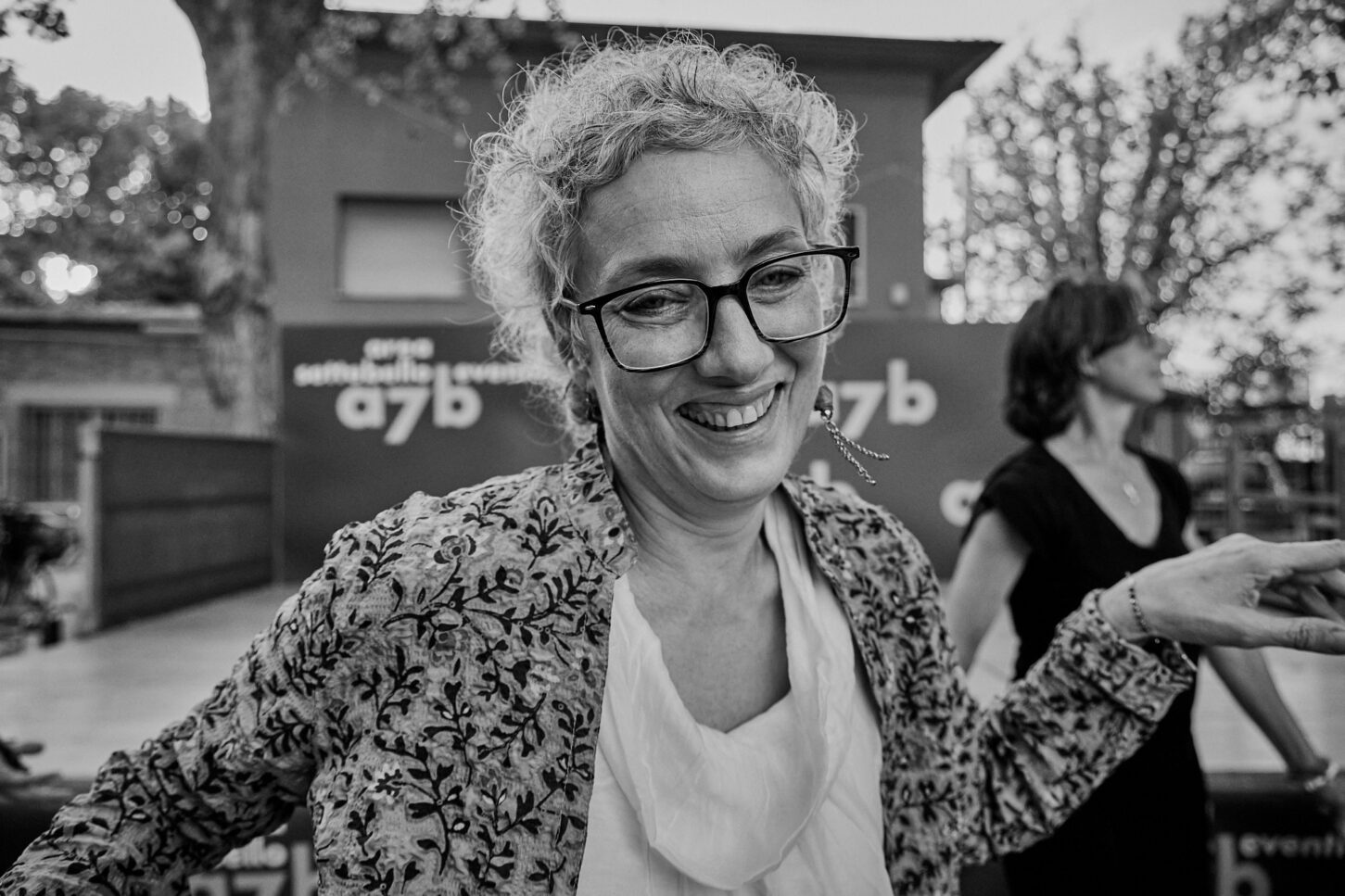
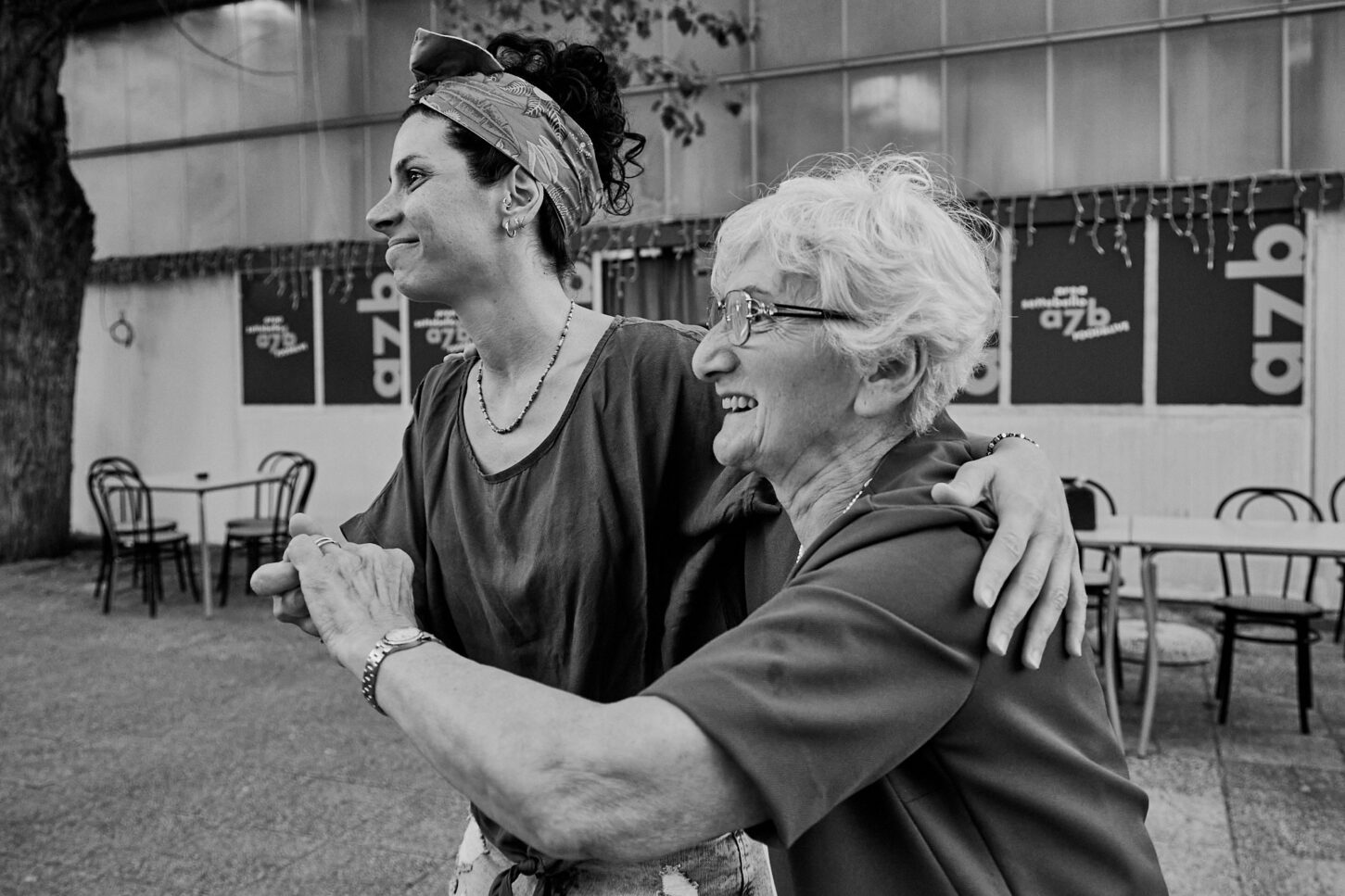
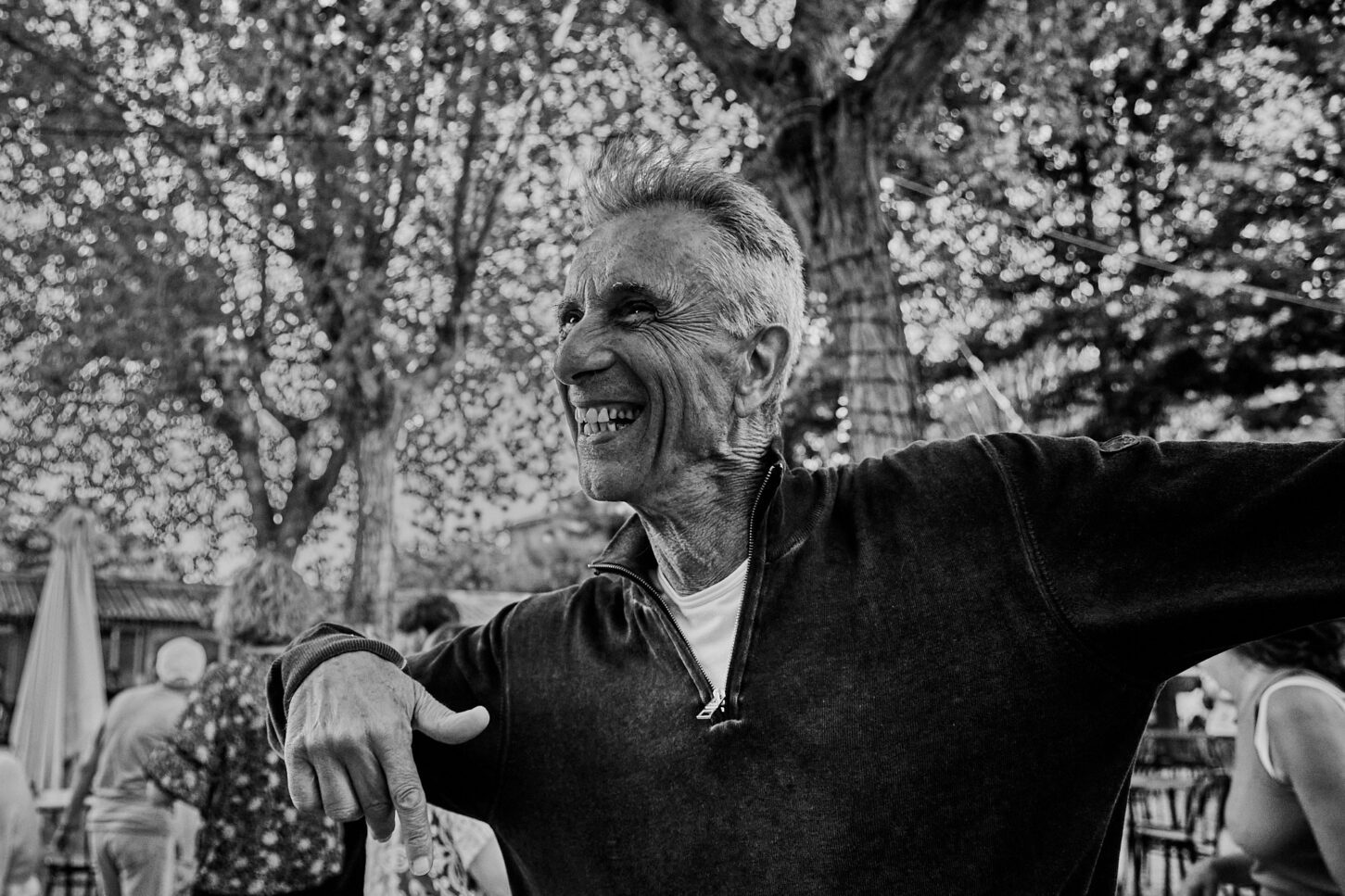
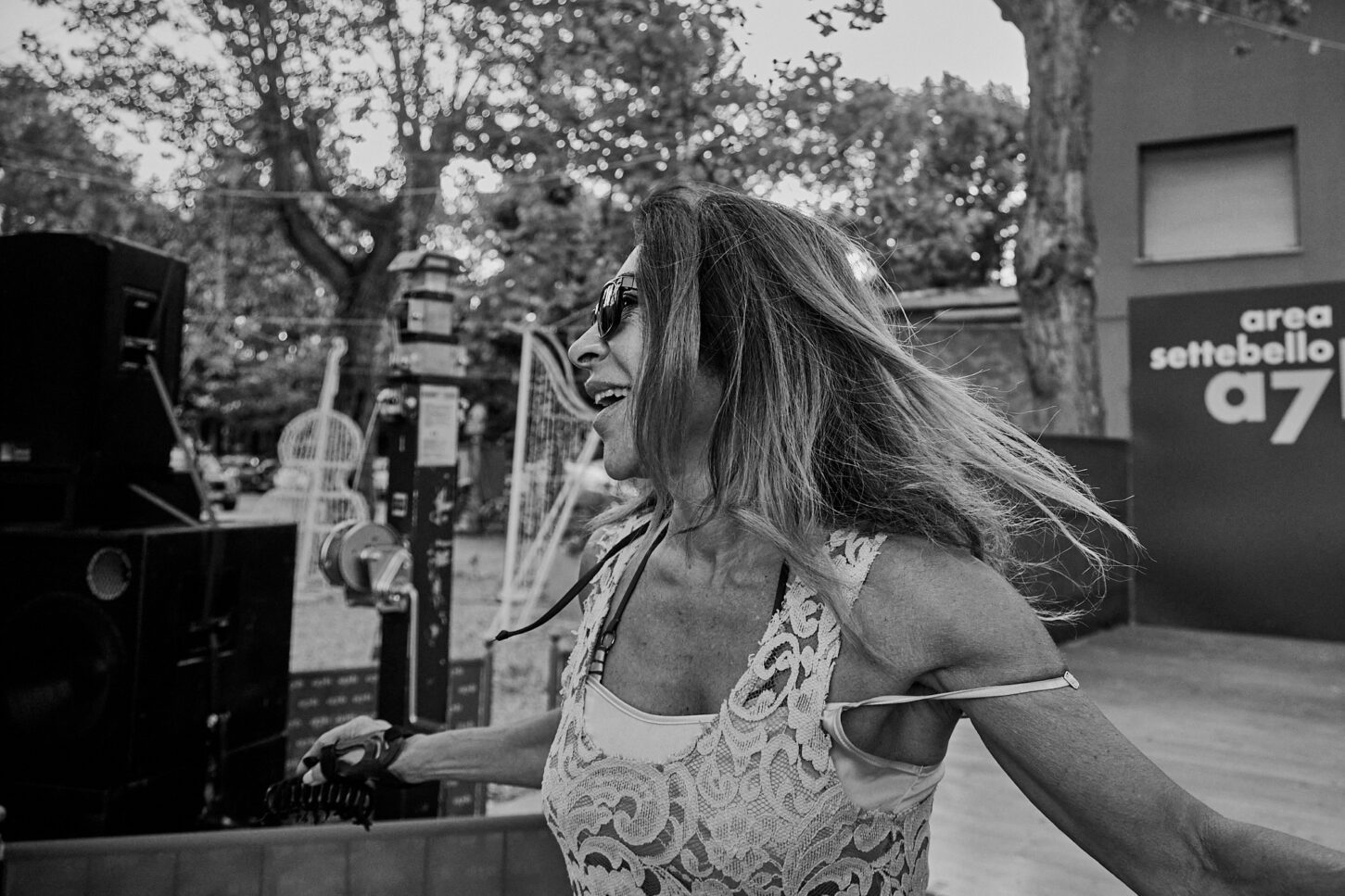
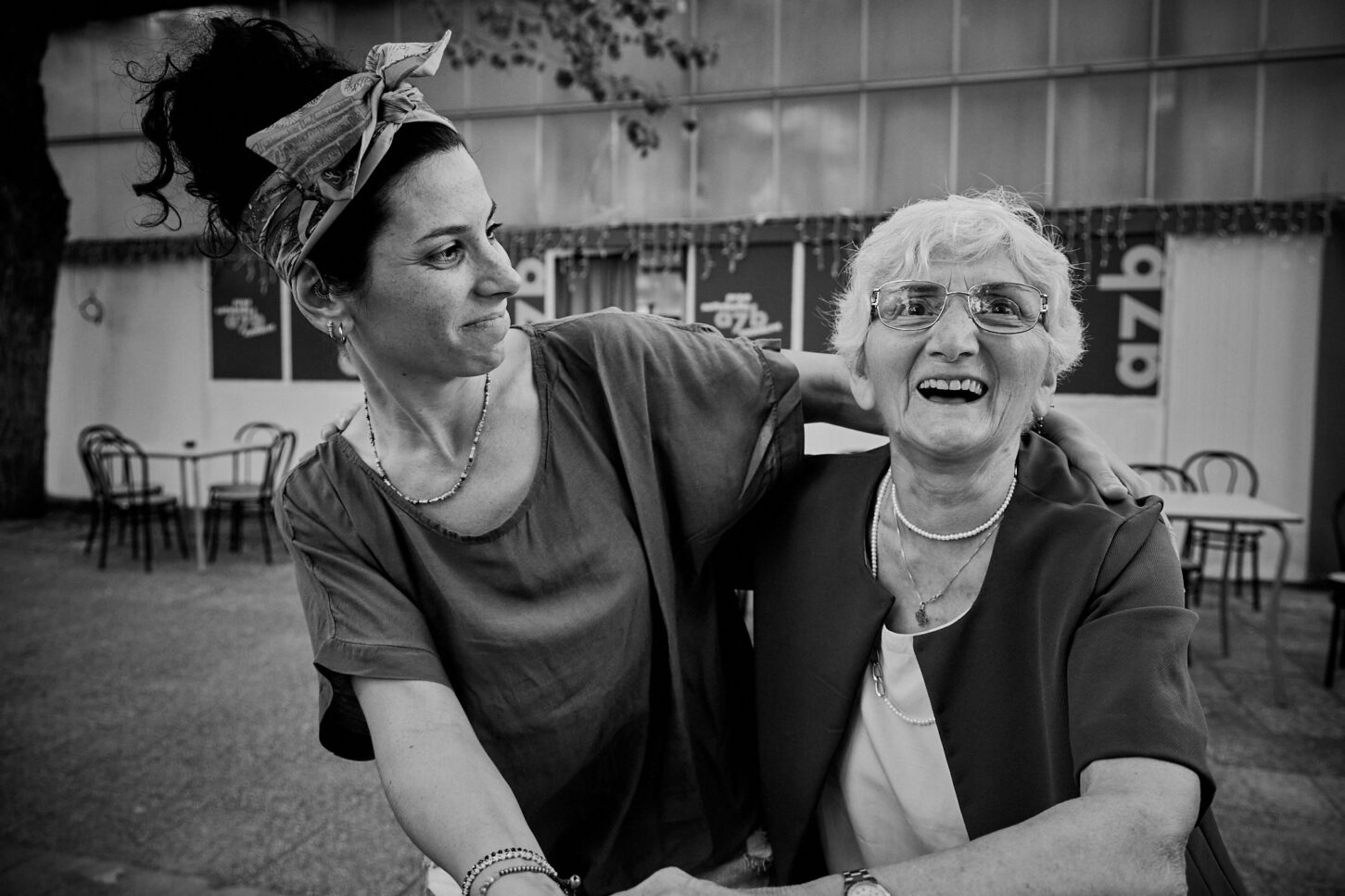
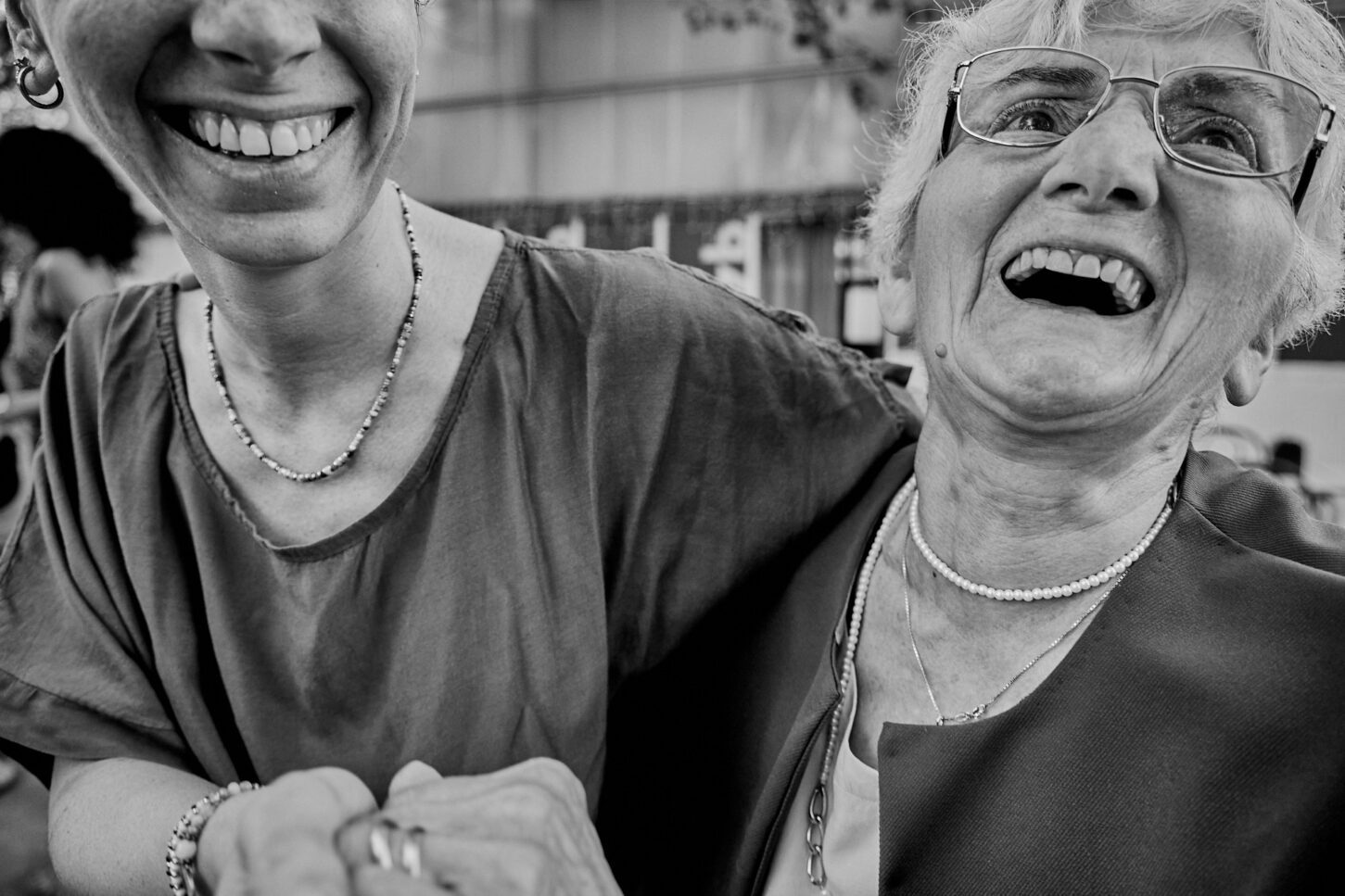
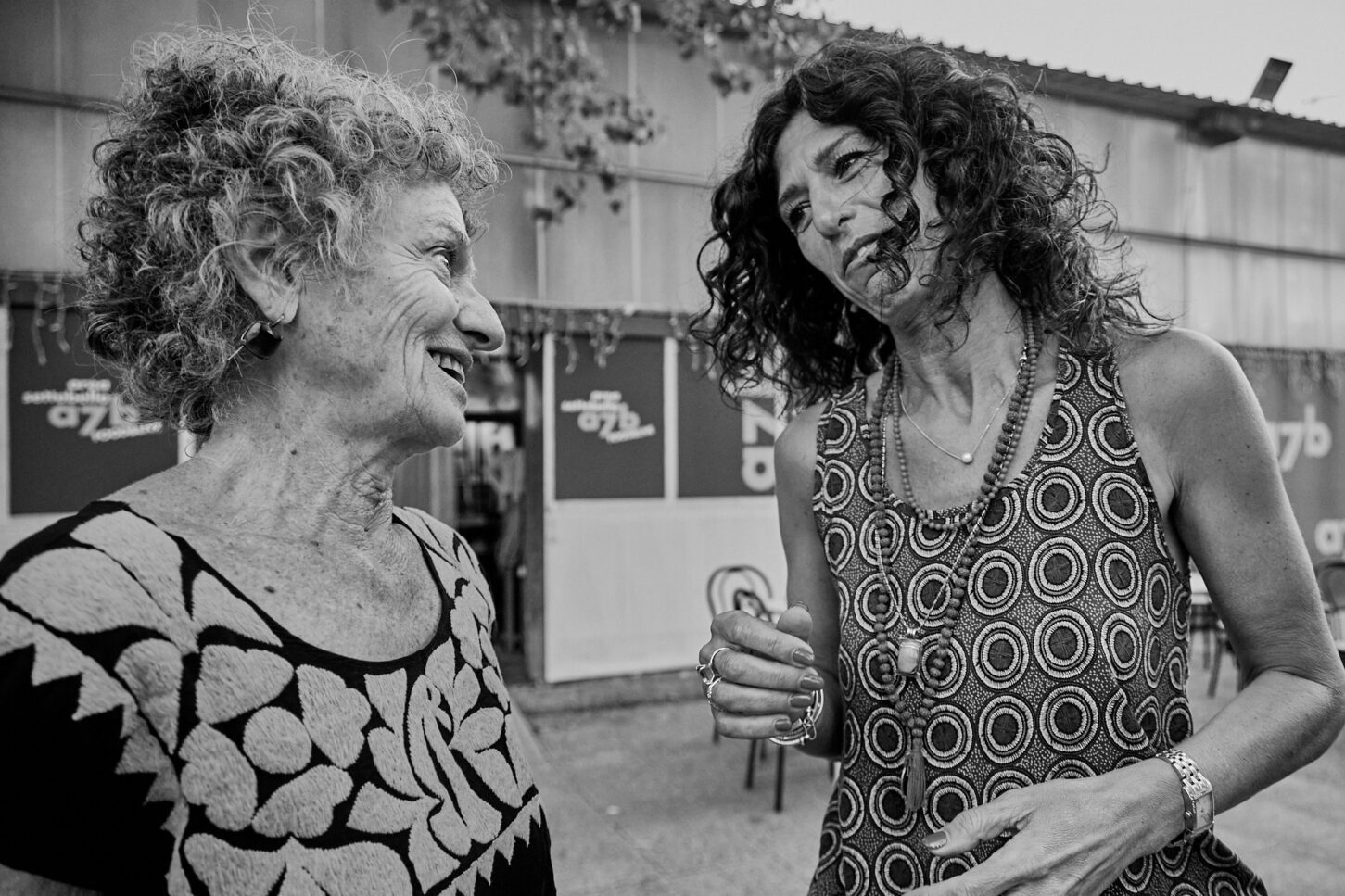
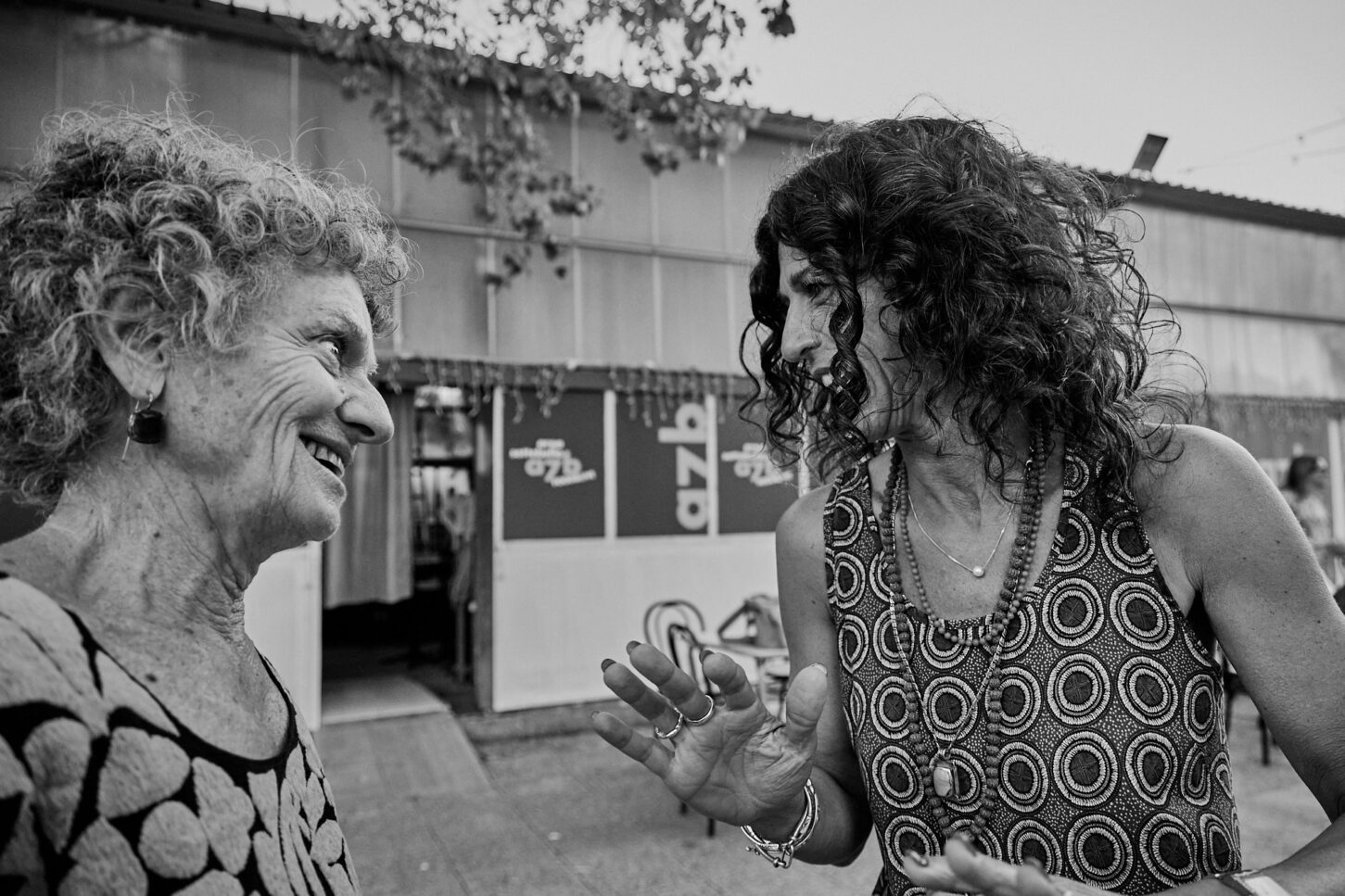
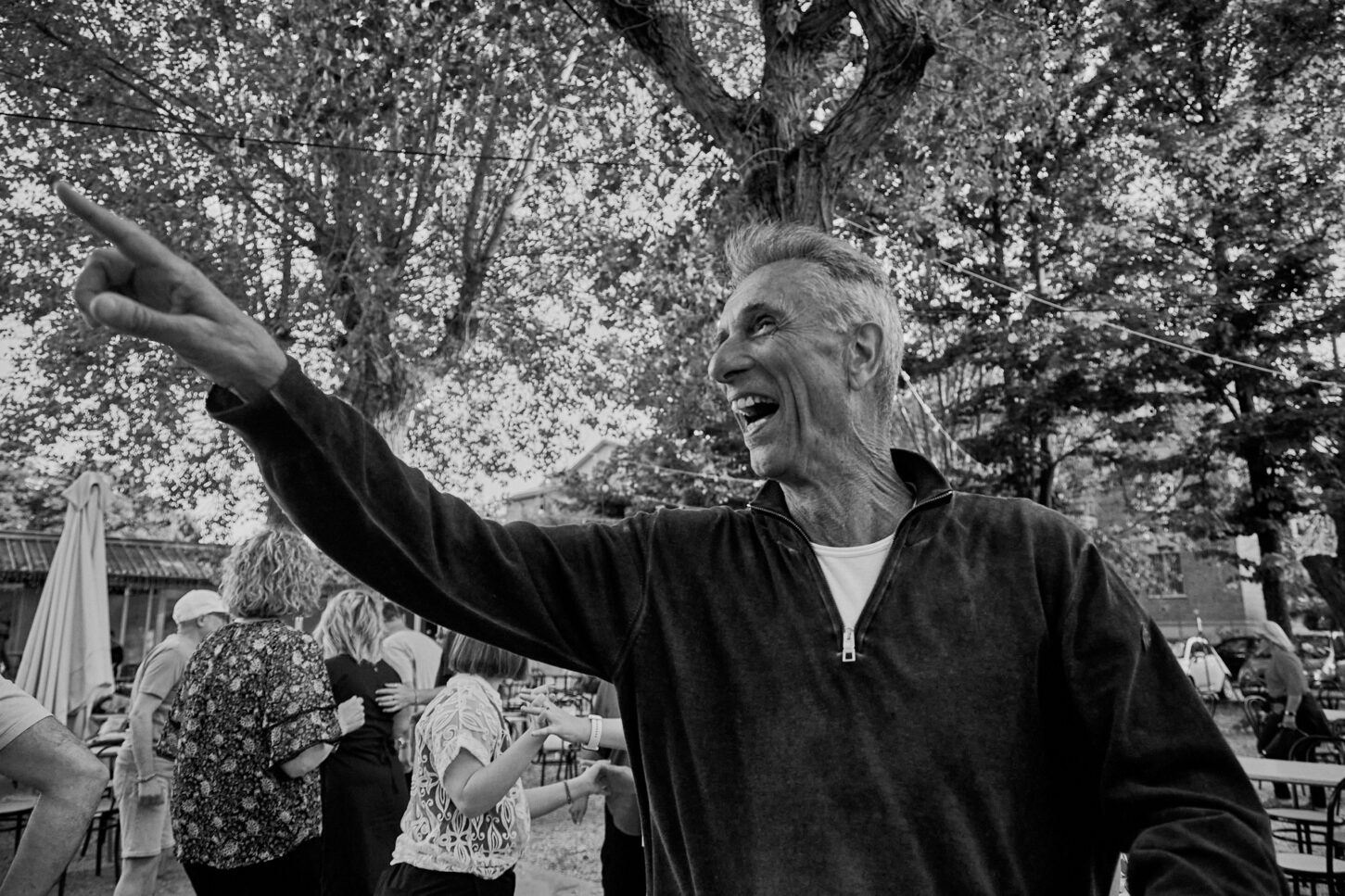
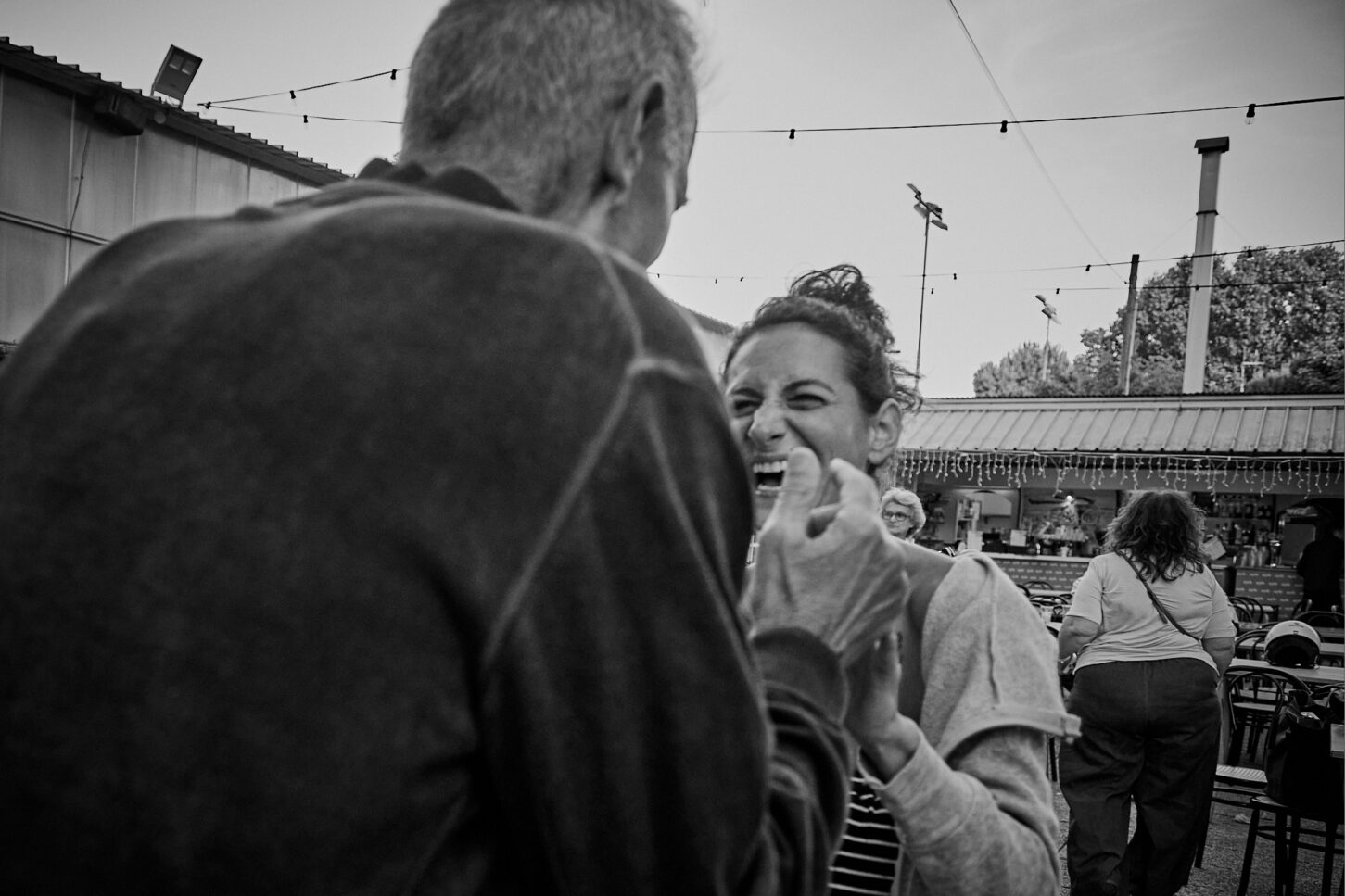
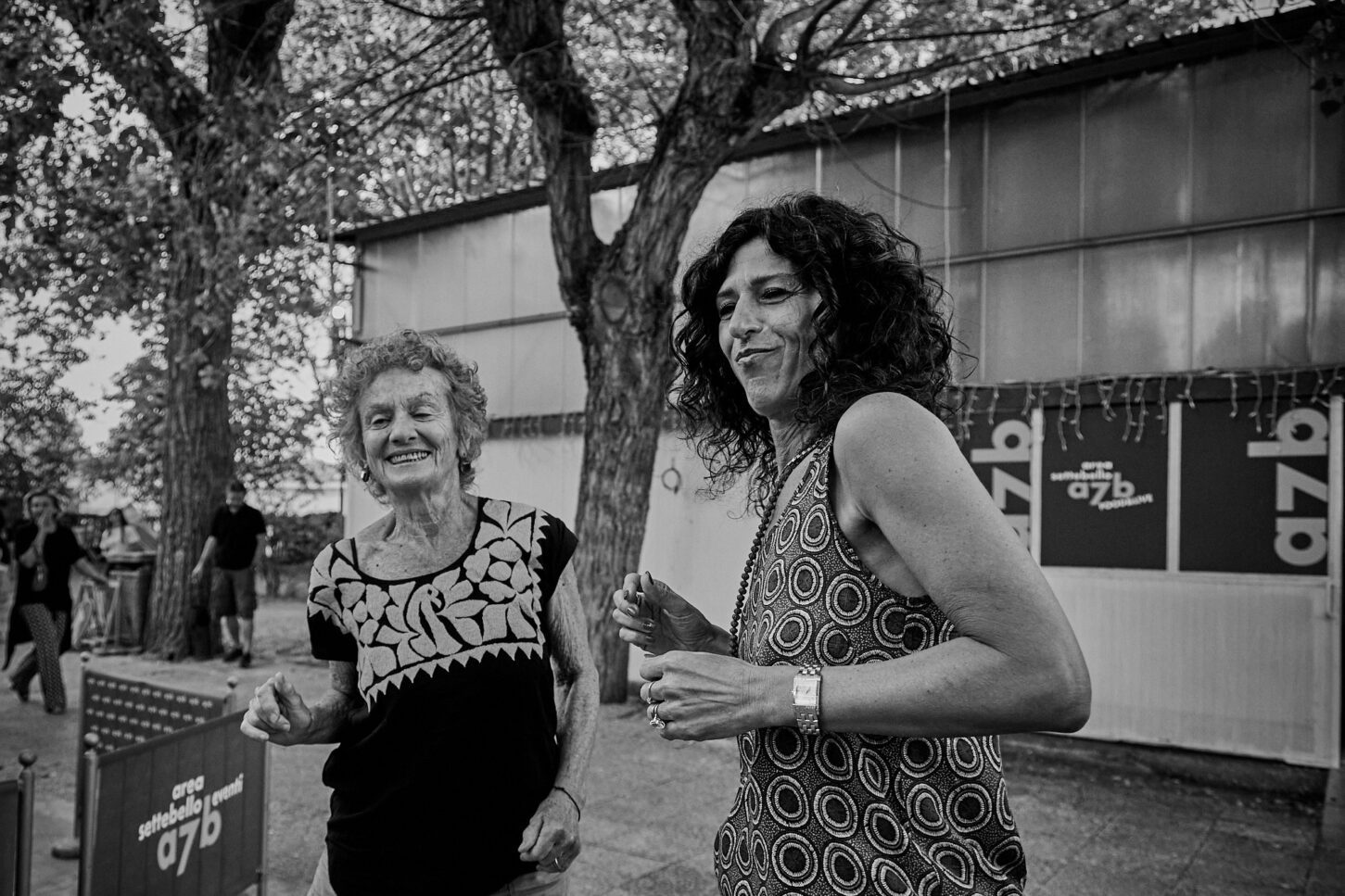
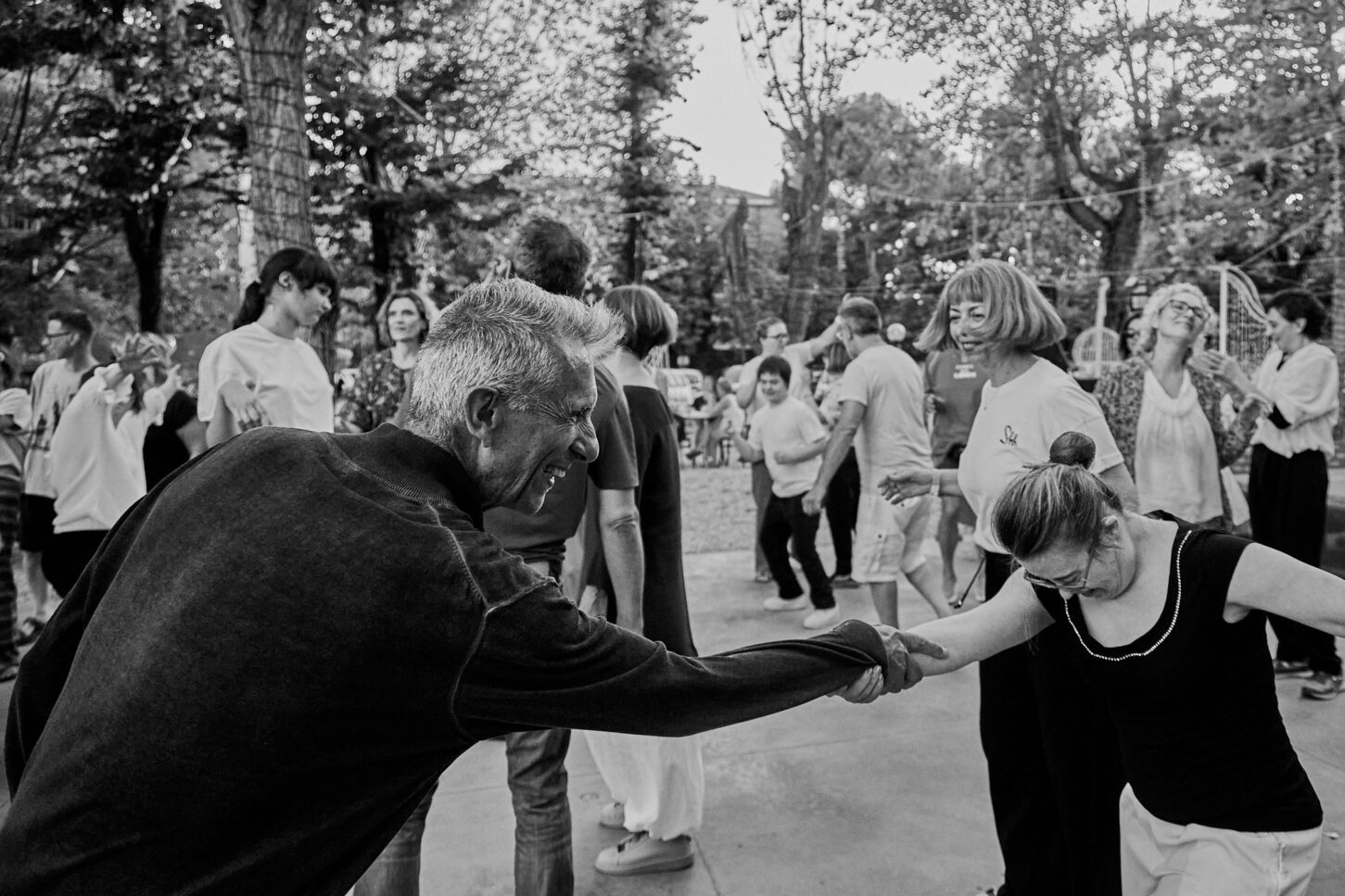
At Rimini’s Area Settebello, Movimento Centrale presented a study-performance with Collettivo Diversamente Danzanti. The work moves beyond the worn-out language of inclusion and asks for something more demanding: real participation. A shared space where bodies are not welcomed as exceptions, corrected into form, or displayed as symbols, but allowed to speak through movement, presence, and relationship.
The choice to perform without special effects — without lights, sets, video, or objects — reveals, more clearly than words could, our intention to place the body at the center. Not the body as an icon to be displayed, but the body in its essential truth.
For Peter Brook, the actor’s body is the original channel through which the invisible takes shape in the empty space of the stage. Our own research, with all due humility, grows from the same conviction. We observe movement and energy in order to free action from ornament, until only what is necessary and alive remains.
The experience with Collettivo Diversamente Danzanti follows this path toward essentiality. It is a constant challenge, because the encounter with the body that has been disabled — I choose this wording carefully — forces us to let go of definitions, categories, and established languages. It asks us to abandon the pronouns “we” and “they,” and to inhabit a common space where no one is excluded and no one is included through an act of assistance.
We want to dream with our eyes open, to make the impossible possible and the invisible visible. We need everything that a utilitarian mindset considers useless. We do not always succeed. Sometimes the path is clear; other times we stumble. But we continue to search.
For us, dance is not therapy. It is art
In the Hobart® Method dance movement workshops, people can move without having to answer to dominant aesthetic conventions. They can listen to their own bodily language and discover expressive possibilities they often did not know they had. From this apparent anarchy emerge unpredictable, necessary, unrepeatable dances: what Gillian Hobart called a “new aesthetic.”
In the laboratory practice, the creative process is the beating heart of the research. The performance comes later. In fact, it is the last thing. It is not a goal to be reached, but the inevitable consequence of a path traveled together.
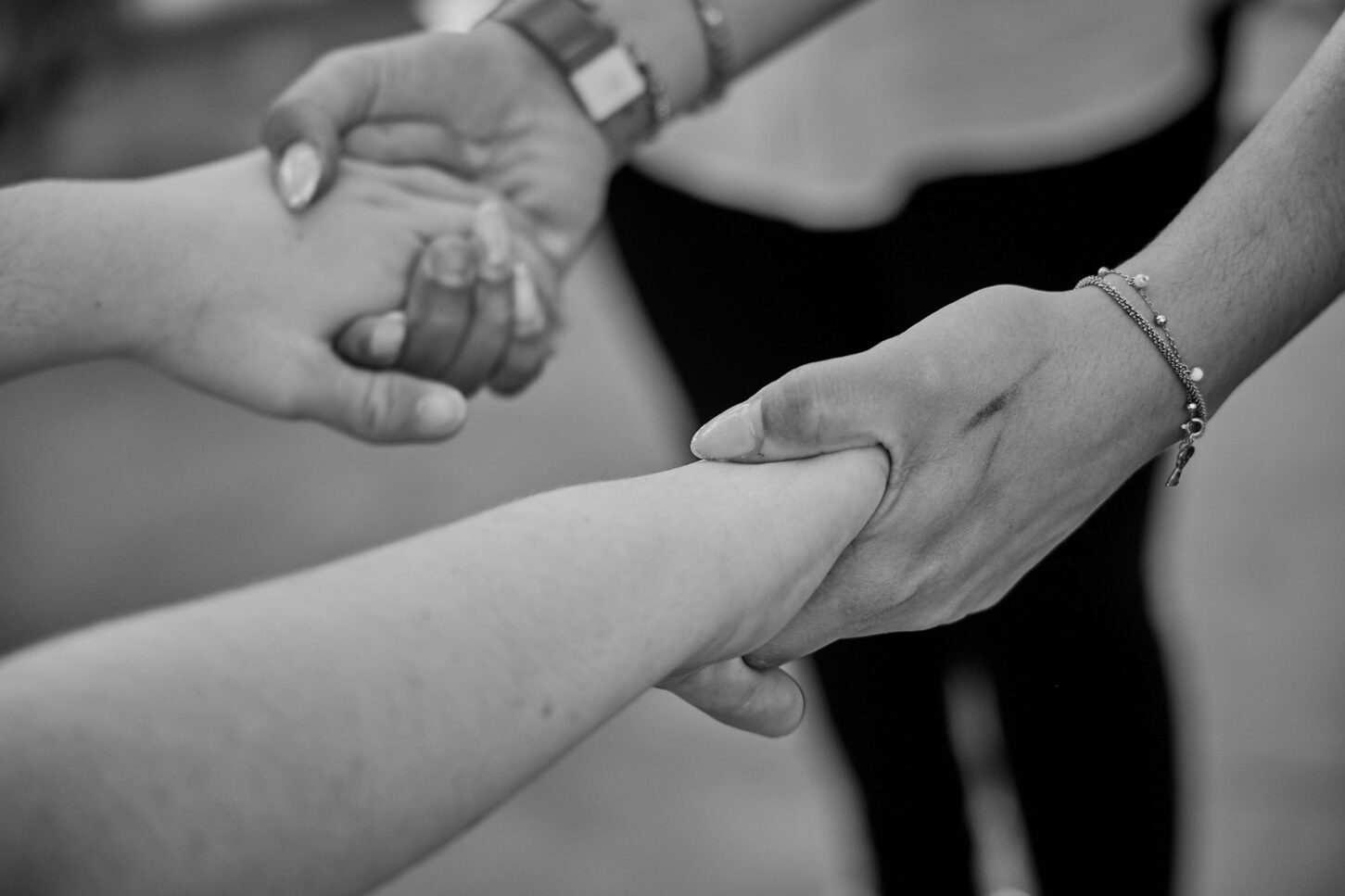
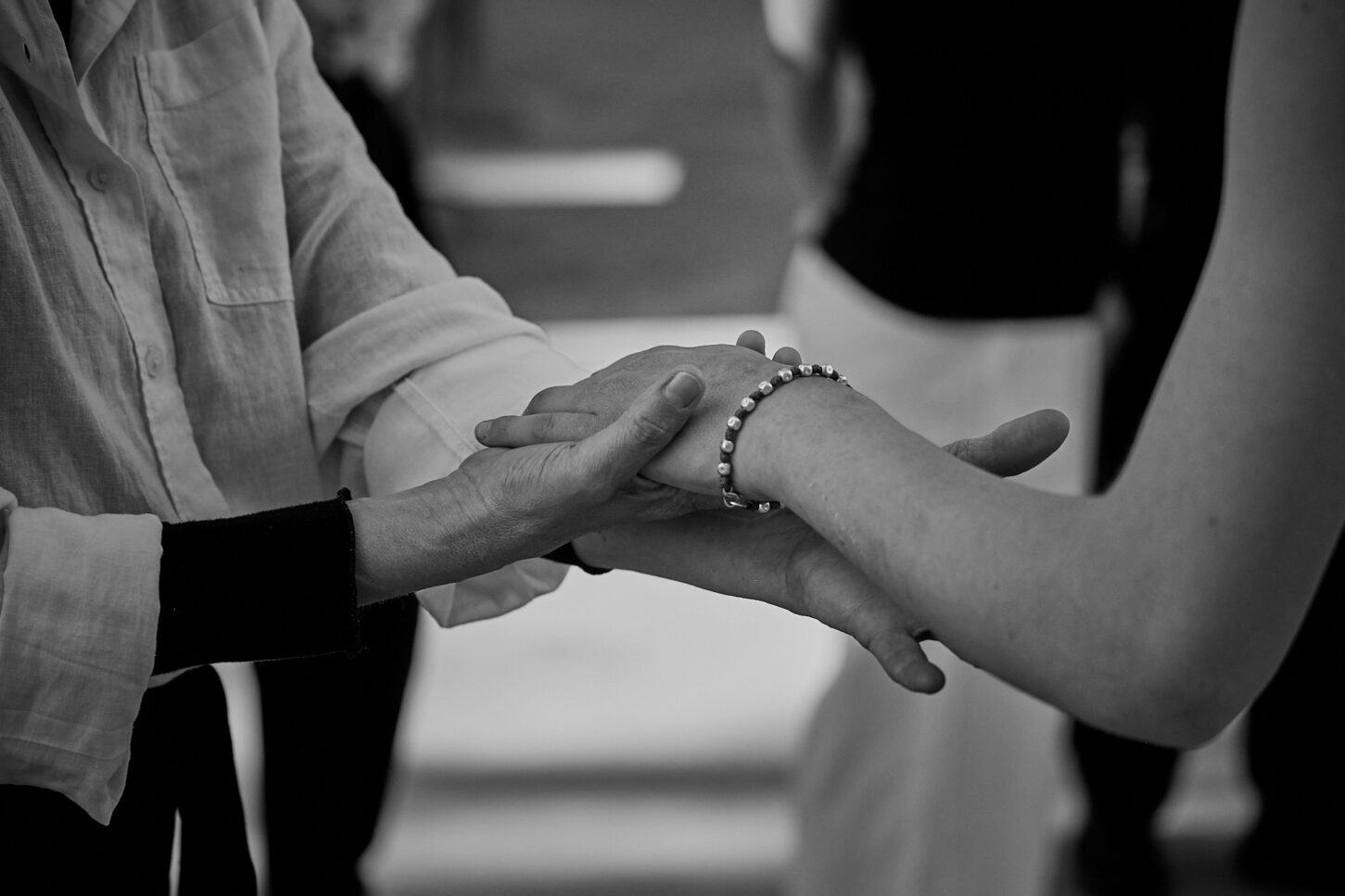
The Hobart® Method places human communication at the center, not as a charitable gesture, but as a shared experience, as a concrete possibility of standing beside fragility without separating it from life.
The performance thus becomes the visible form of an invisible journey. It is an opportunity to share the experience with friends, families, citizens, and professionals; to learn and to be transformed together. This is why we prefer to call it a study-performance: because it preserves the open nature of the research and the living character of the process.
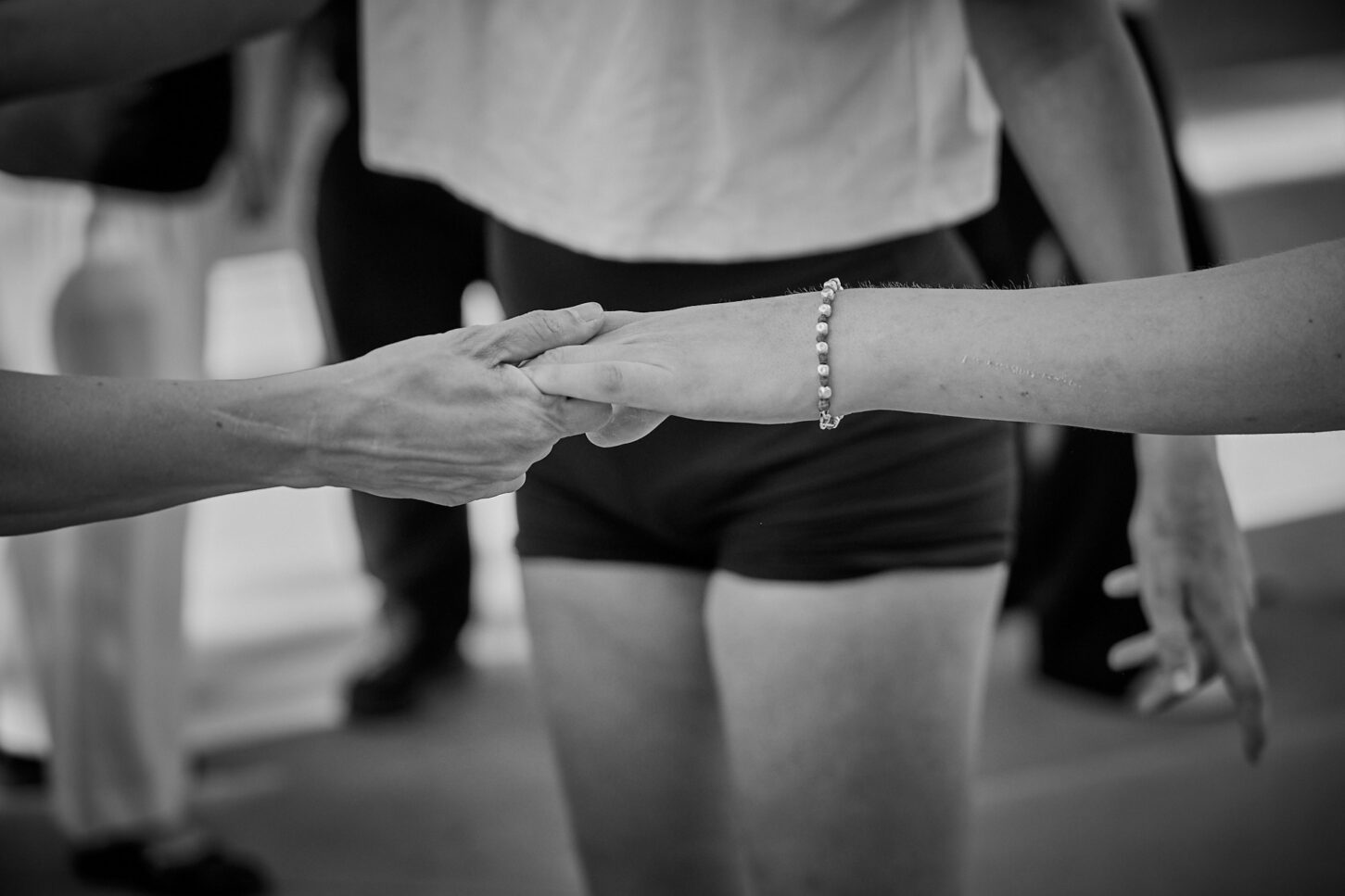
This year, the creative work moved through several proposals before arriving at that “invisible thread” that keeps us united in our shared belonging to the human. A thread both fragile and strong, passing through bodies, differences, fears, and desires.
Annachiara Cipriani and Chiara Fabbri performed a true act of trust toward dance. They placed themselves at the service of other bodies, not to guide or correct them, but to allow them to emerge. They chose listening instead of control, relationship instead of representation.
And there, in the space of Area Settebello, something simple and rare took place: every body found its own voice. And everyone, without exception, became a soloist.