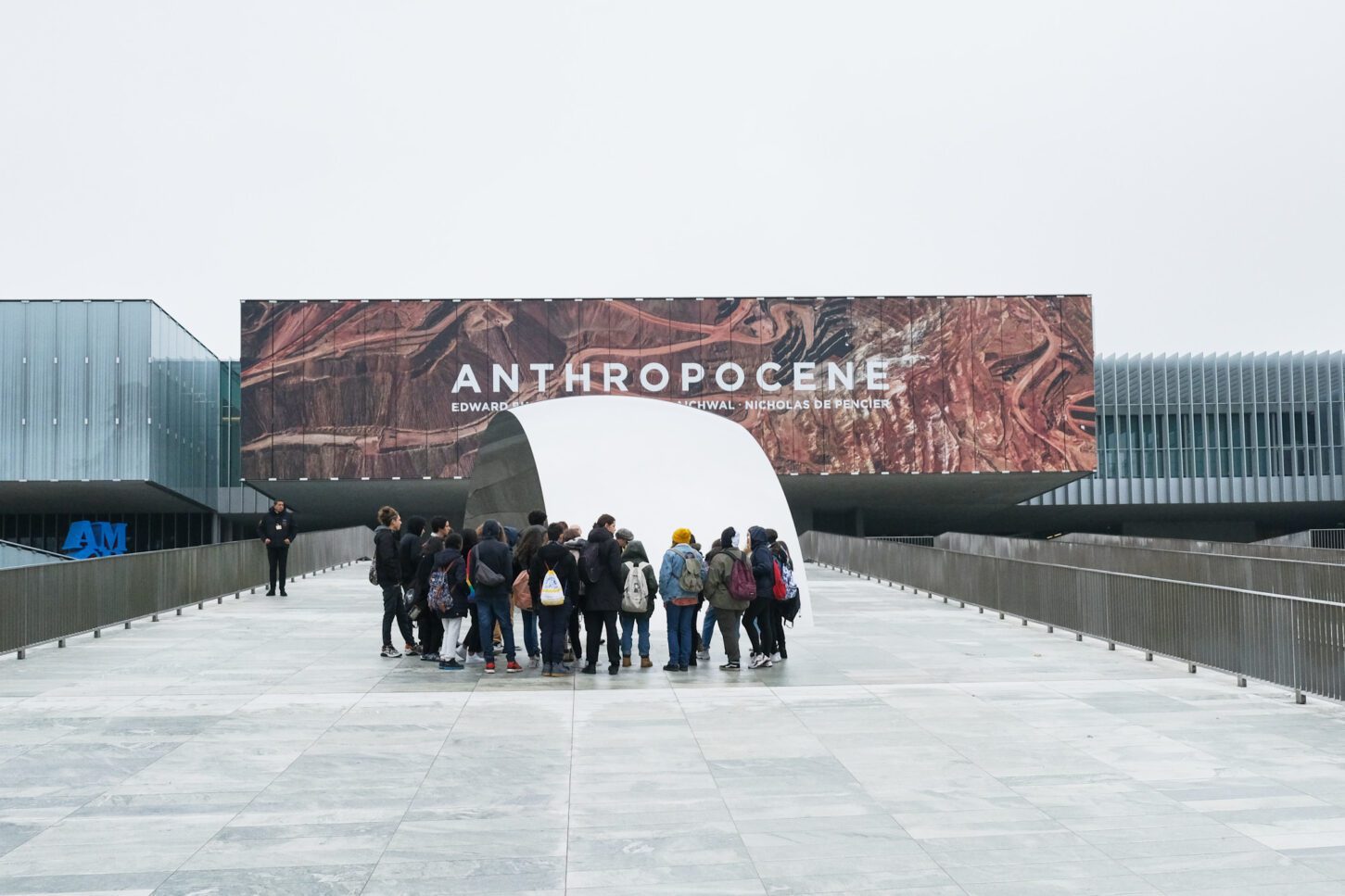

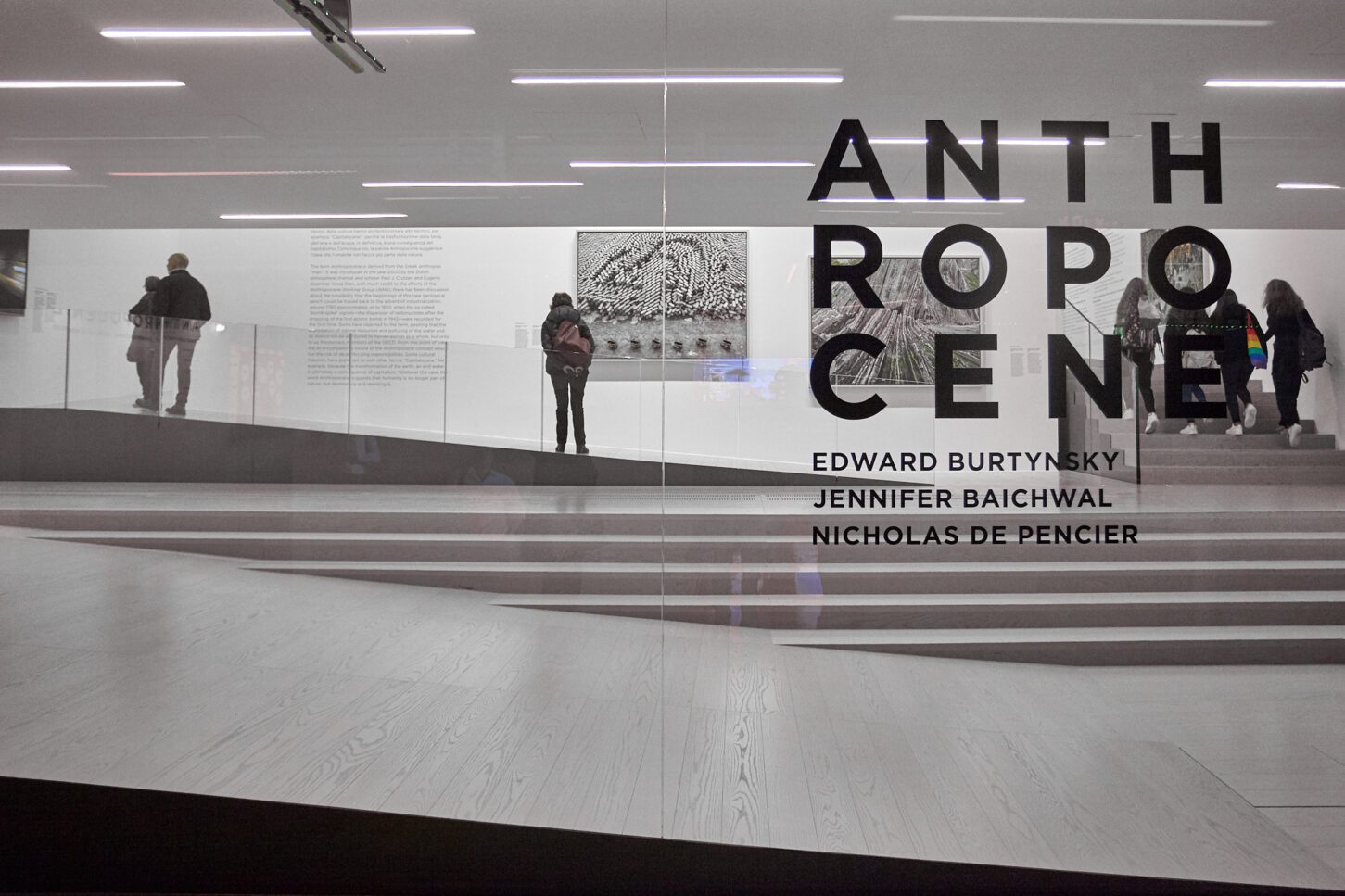

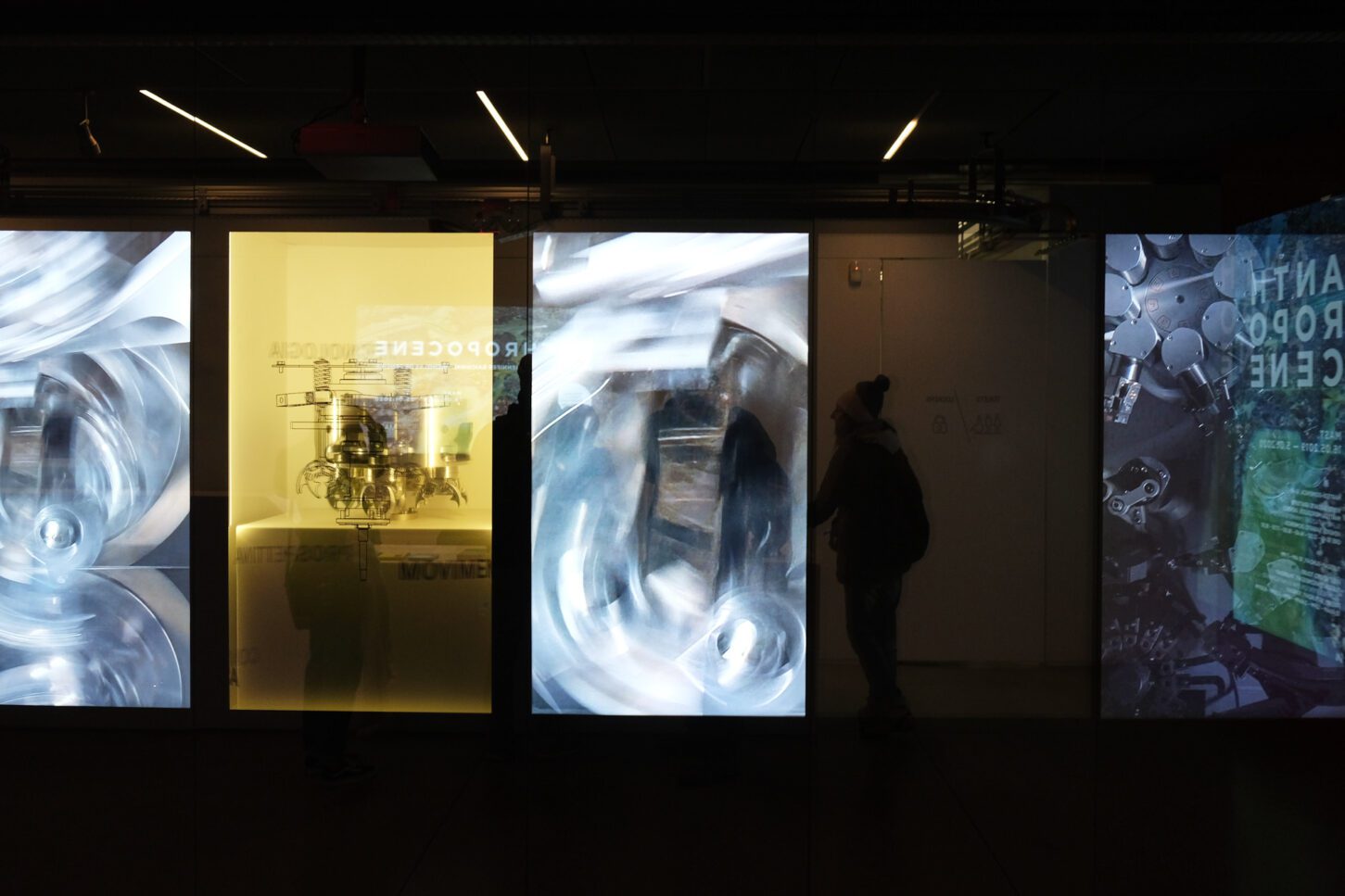
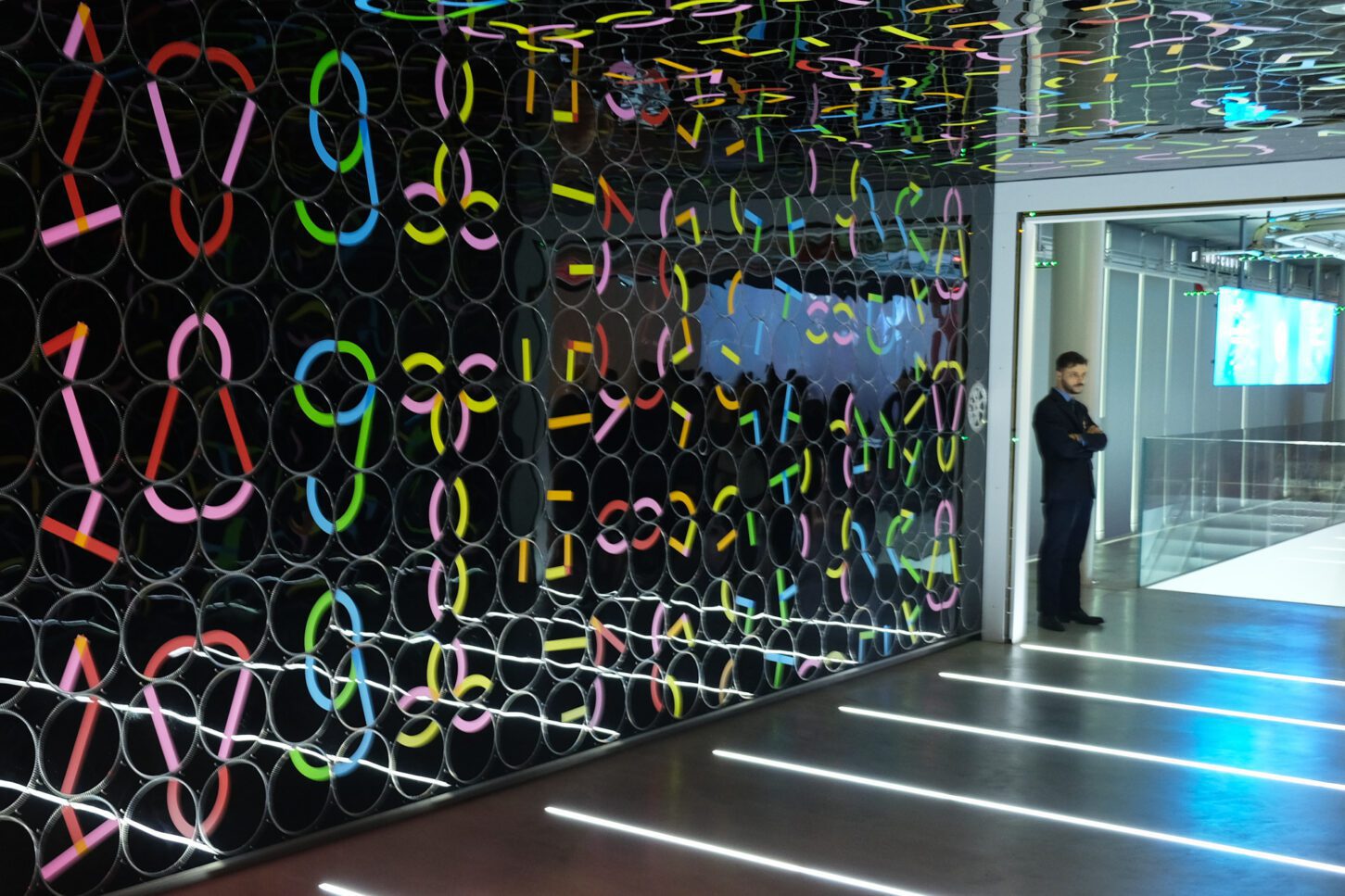

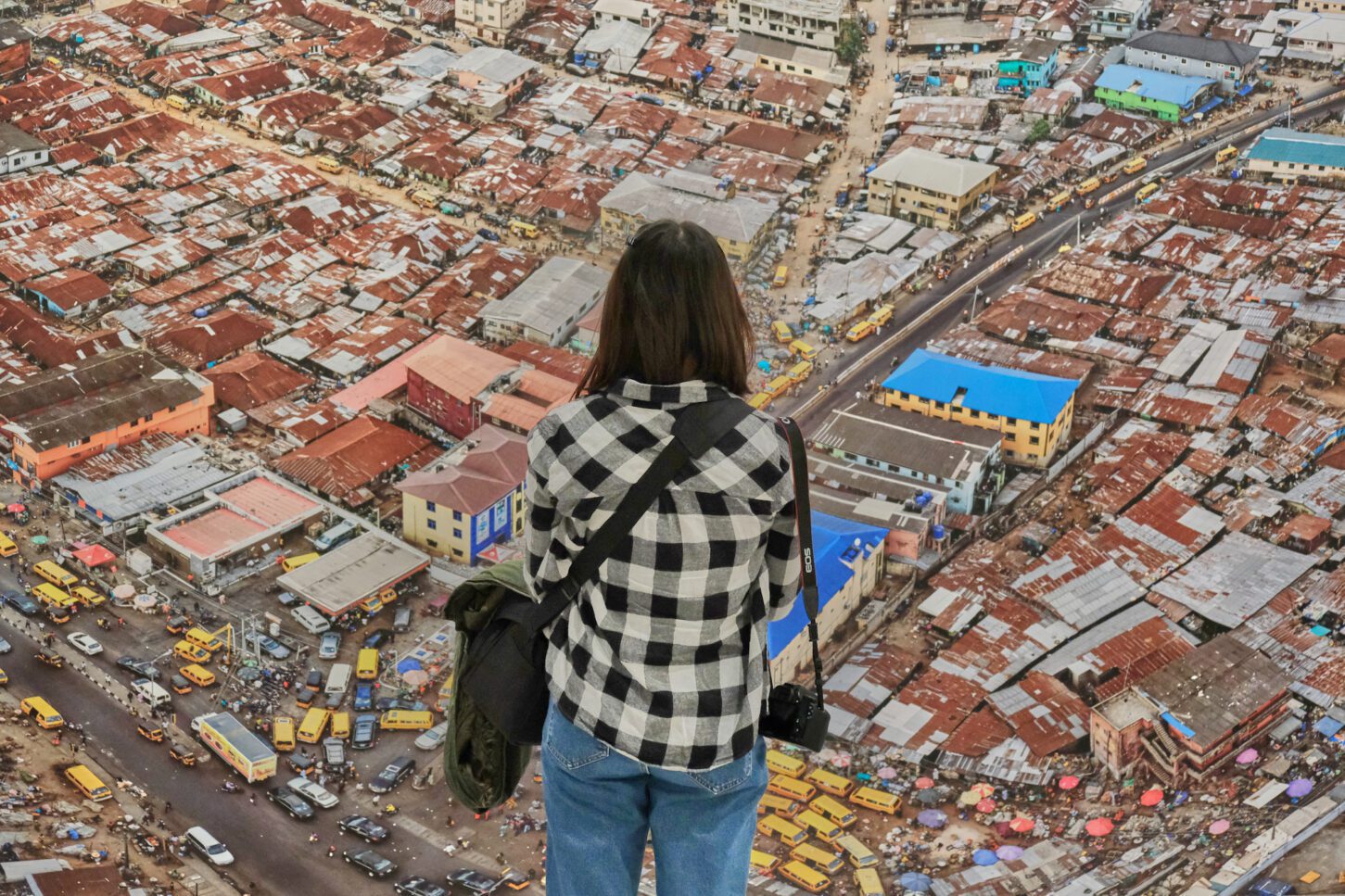
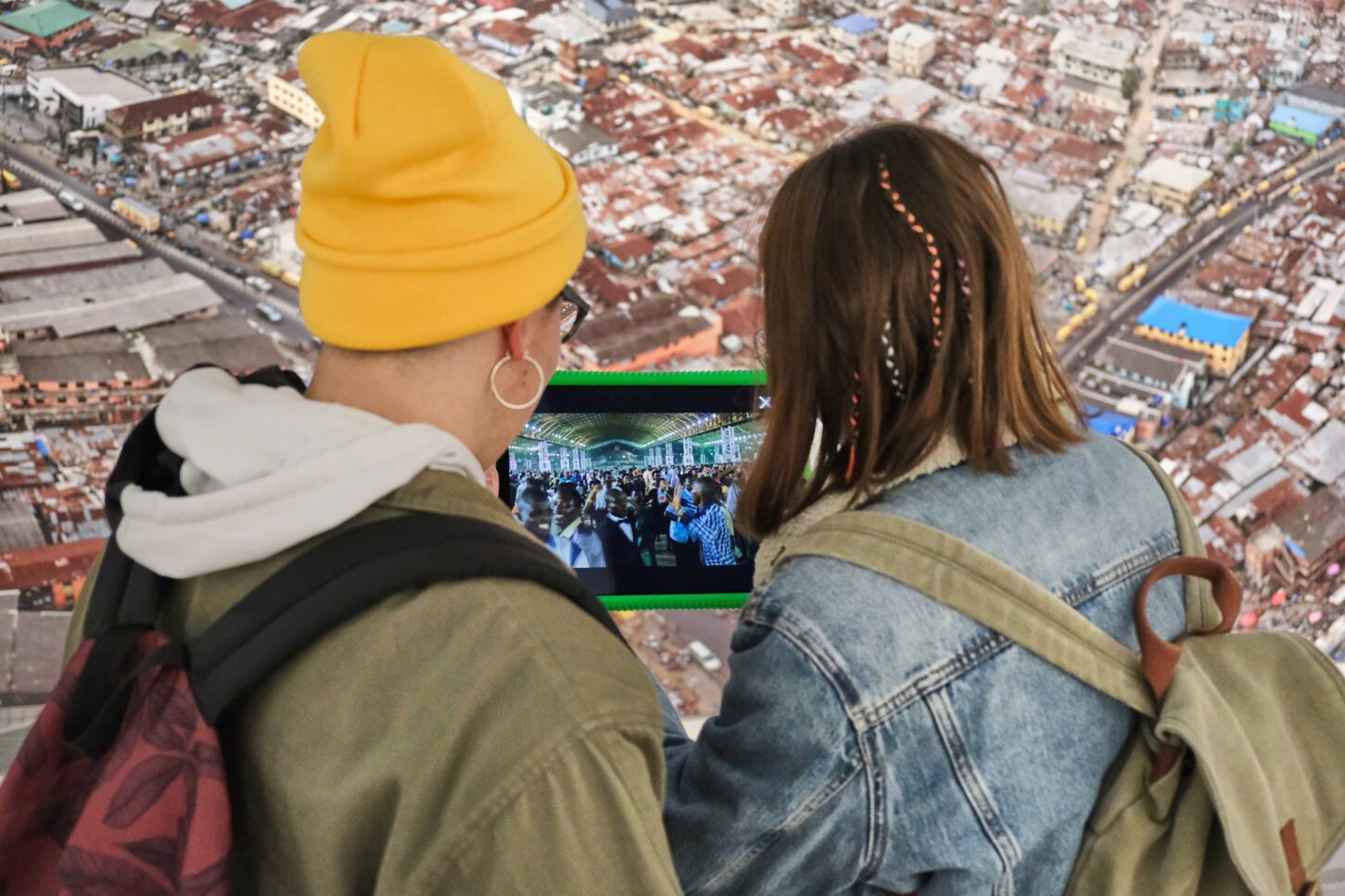





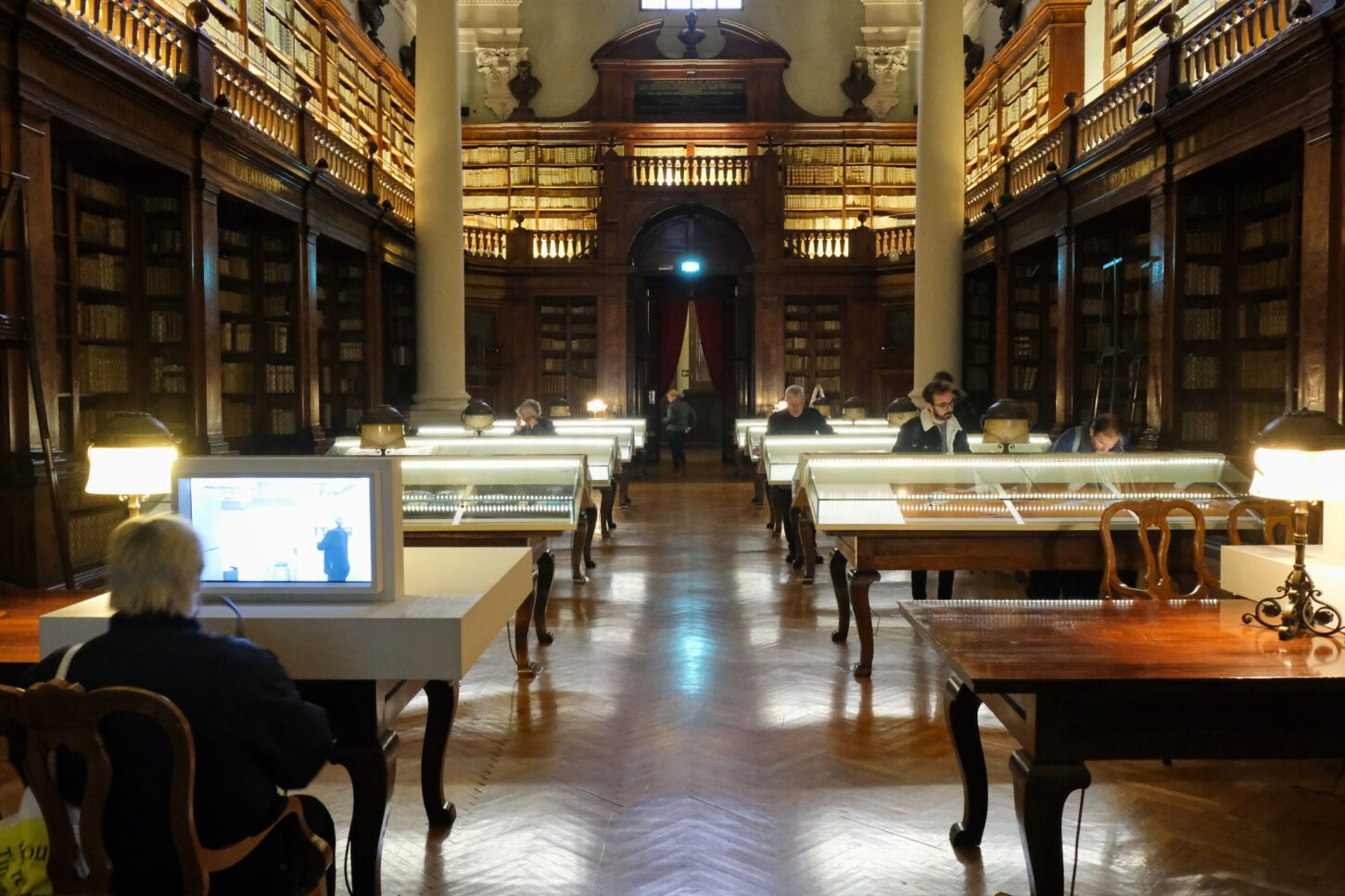
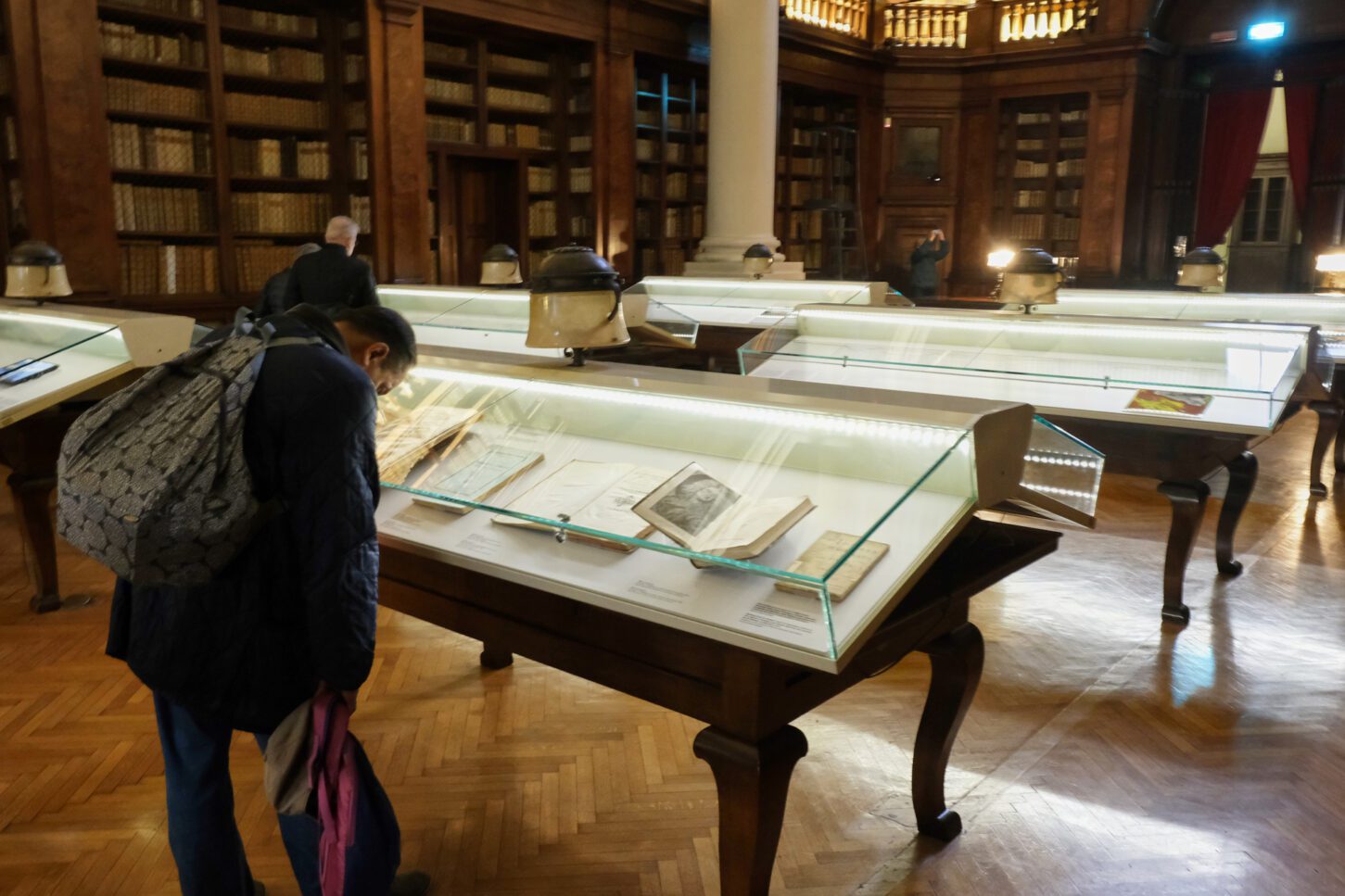
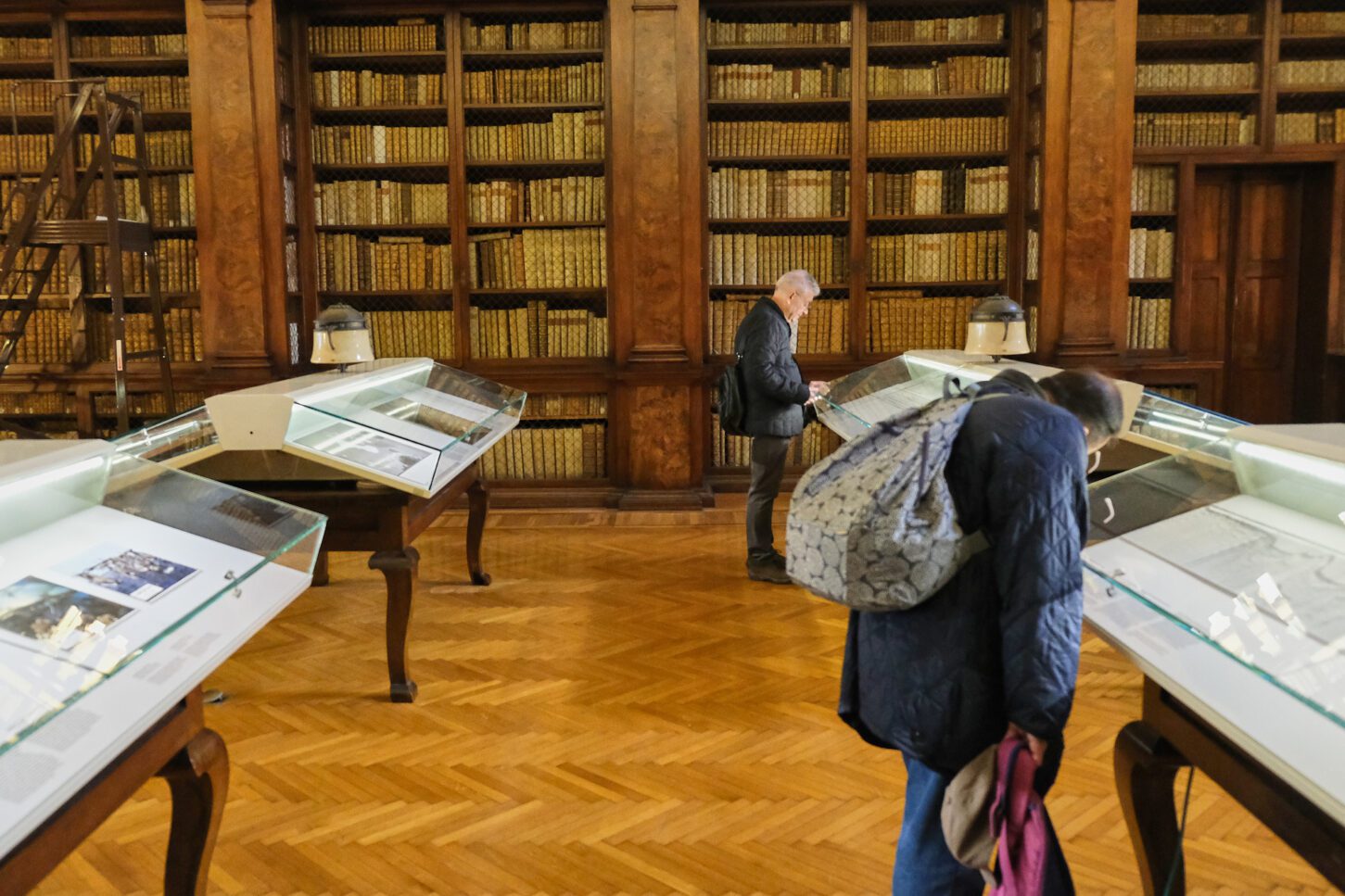

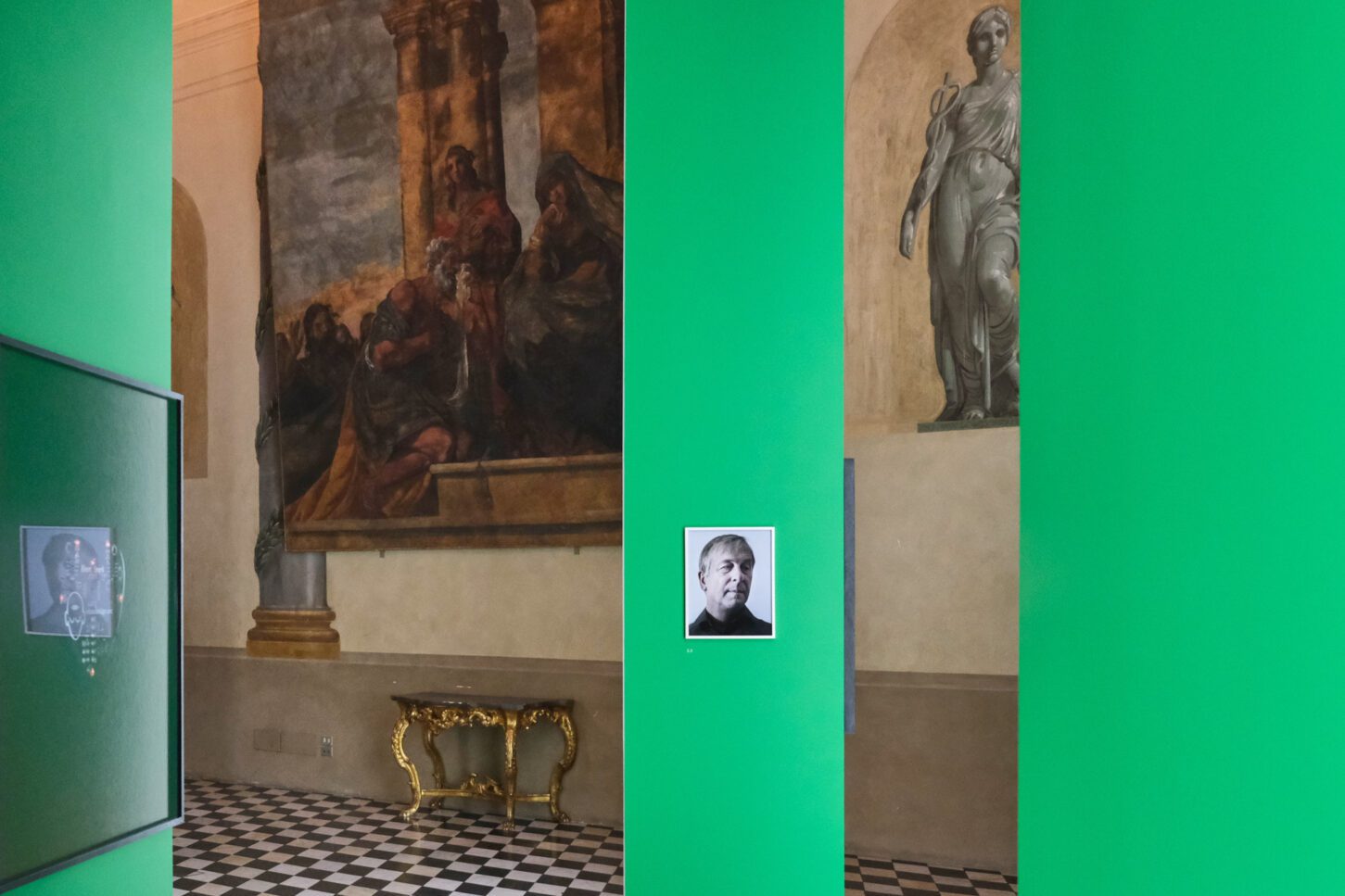
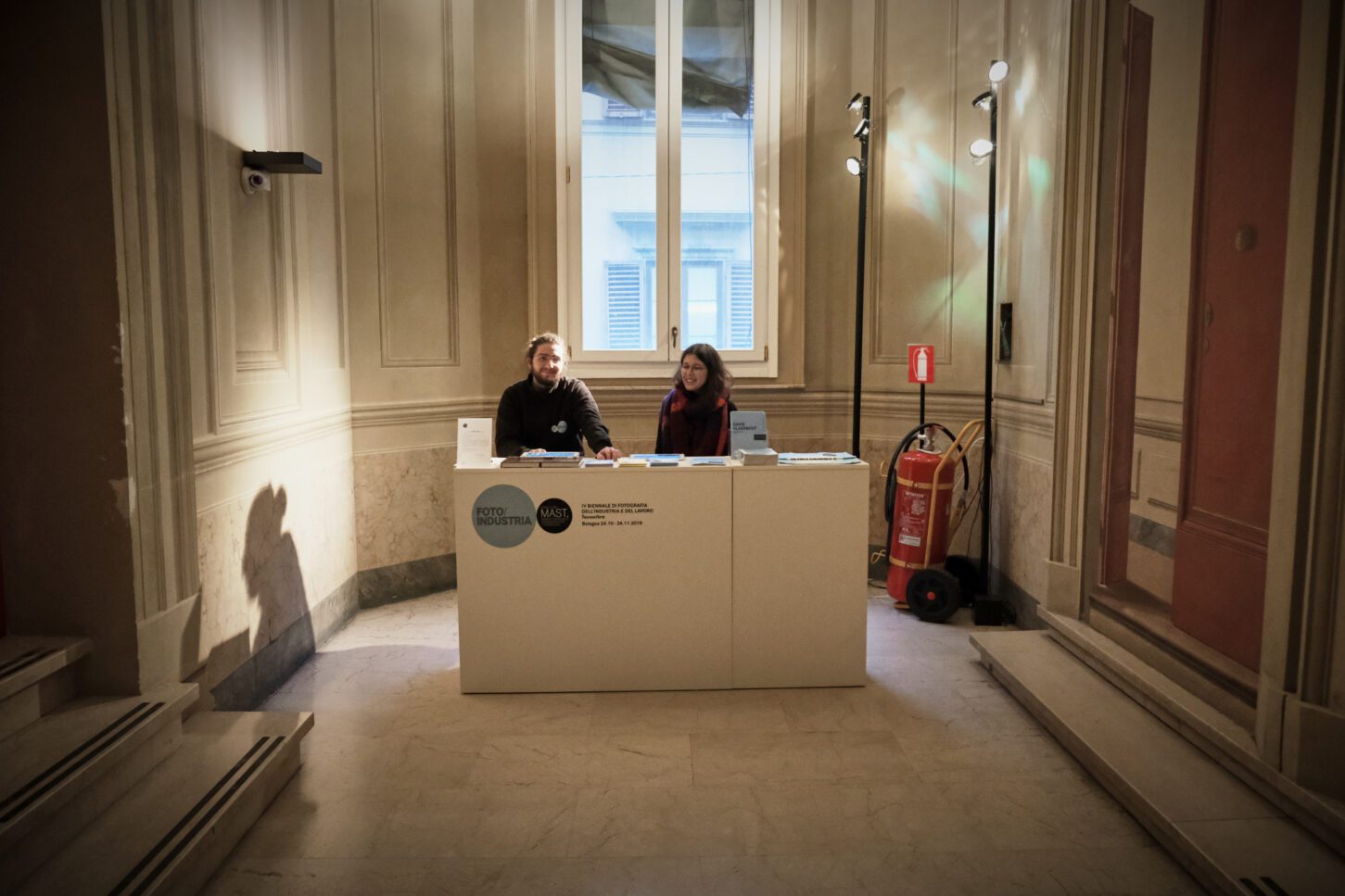
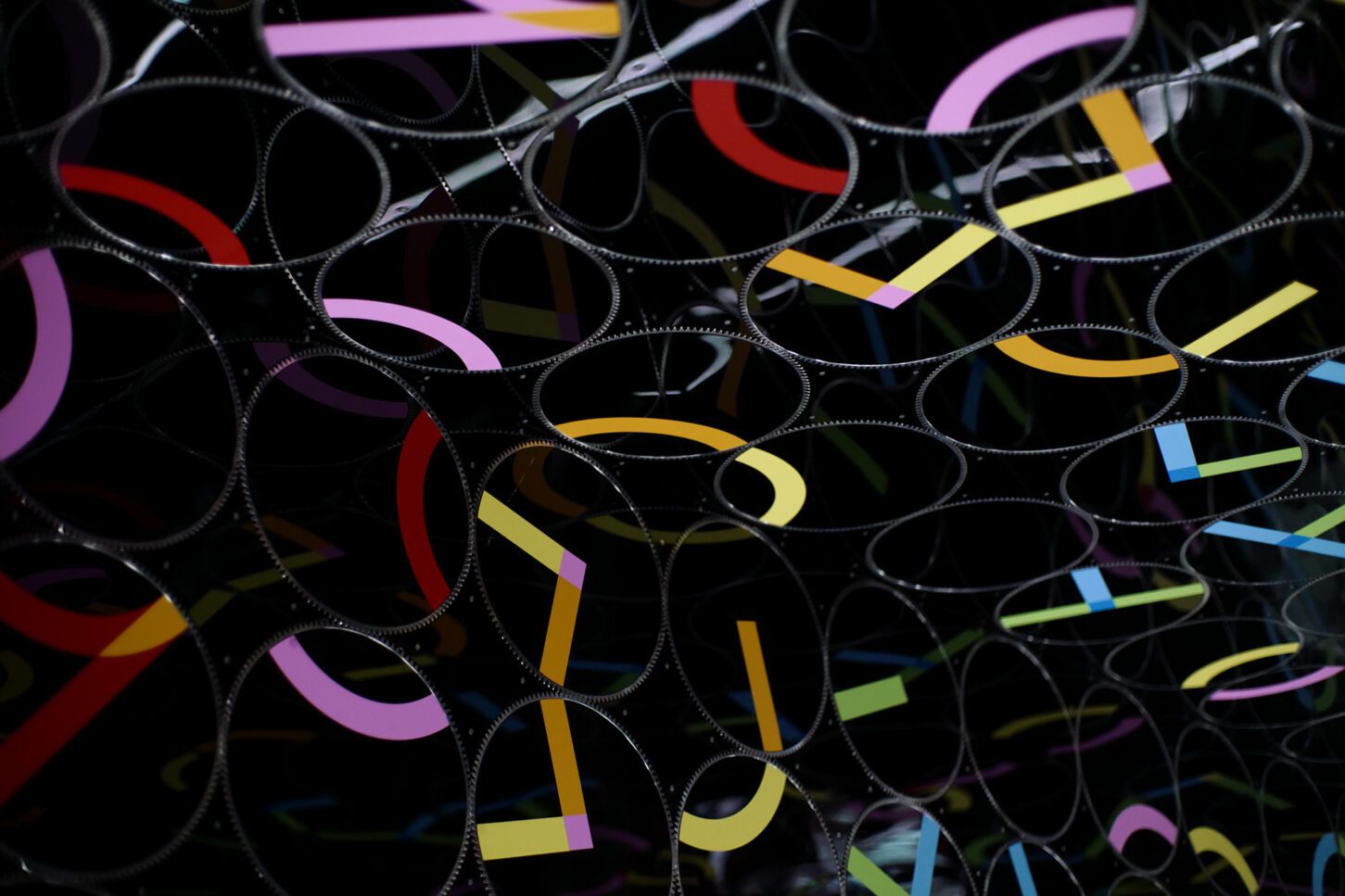


There are exhibitions you visit with curiosity. Others, you carry with you. Foto/Industria 2019, held across Bologna and curated by the Fondazione MAST, belongs to the latter.
For those of us who live photography as a way of listening — to people, to space, to history — this biennial wasn’t just about industry. It was about how the world is built. And by whom.
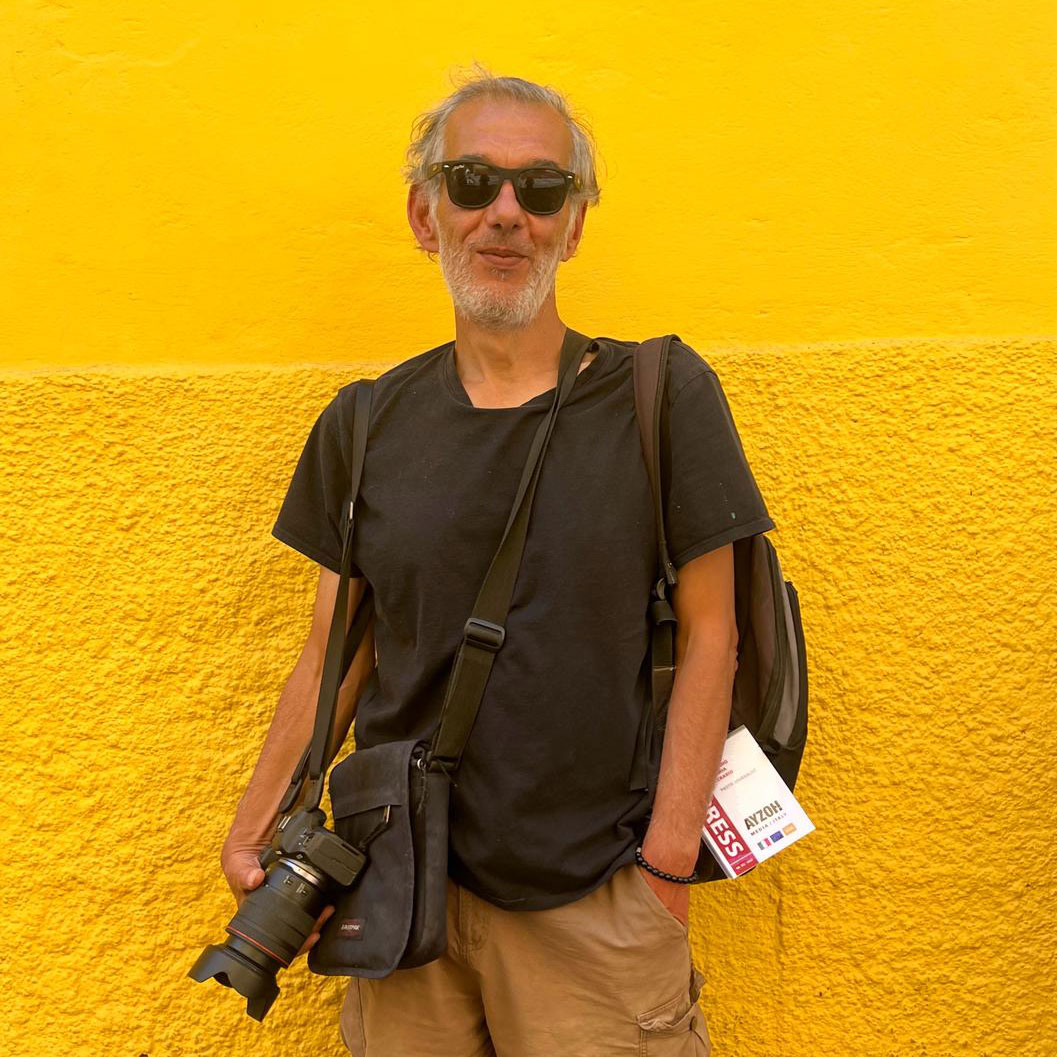
Four photographers from Ayzoh! — Elisa Amati, Dorin Mihai, Giulia Zhang, and myself — were present. Not by design, but by necessity. This was an exhibition about why we photograph.
The Technosphere: What We Build Around Ourselves
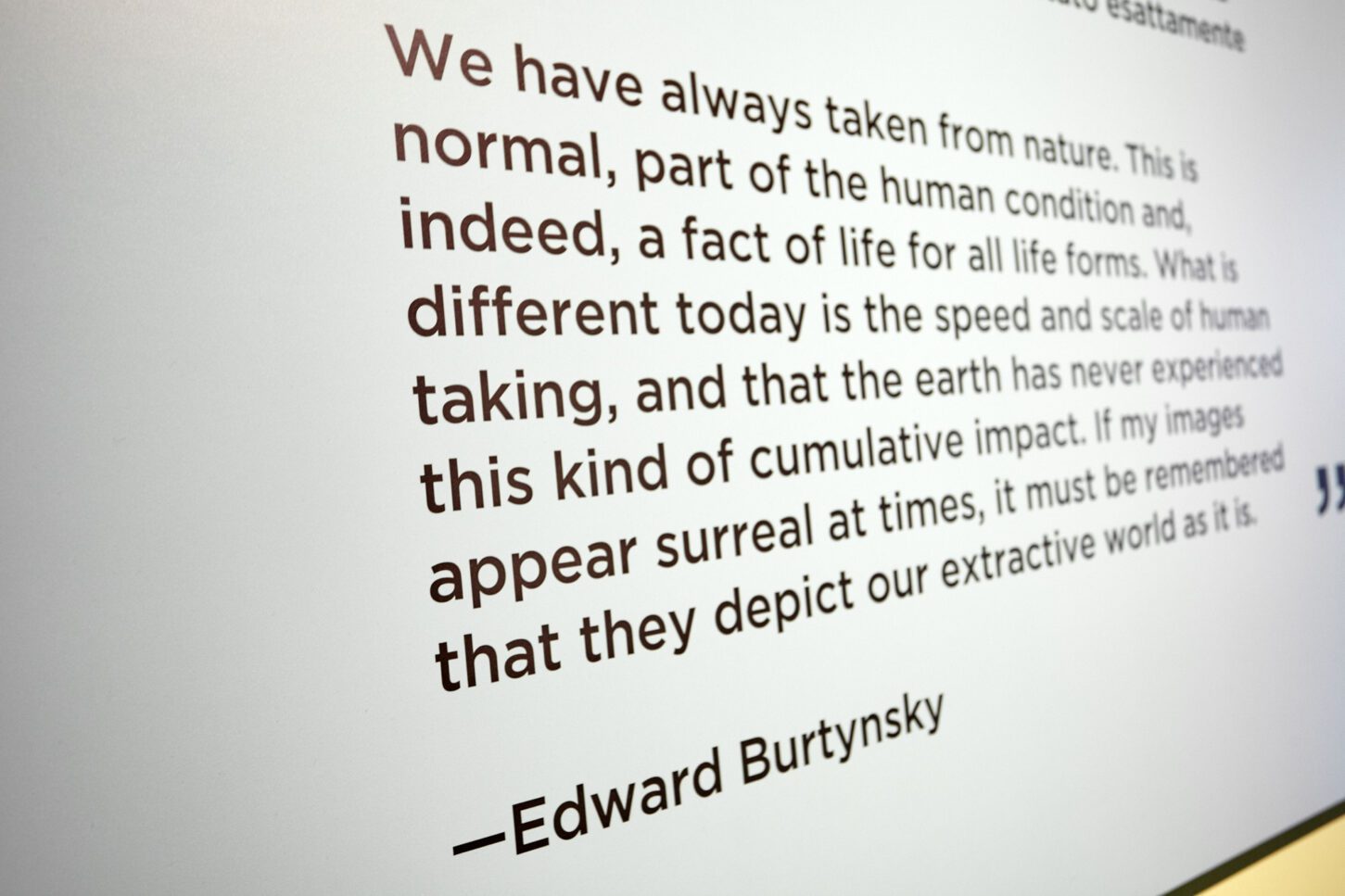
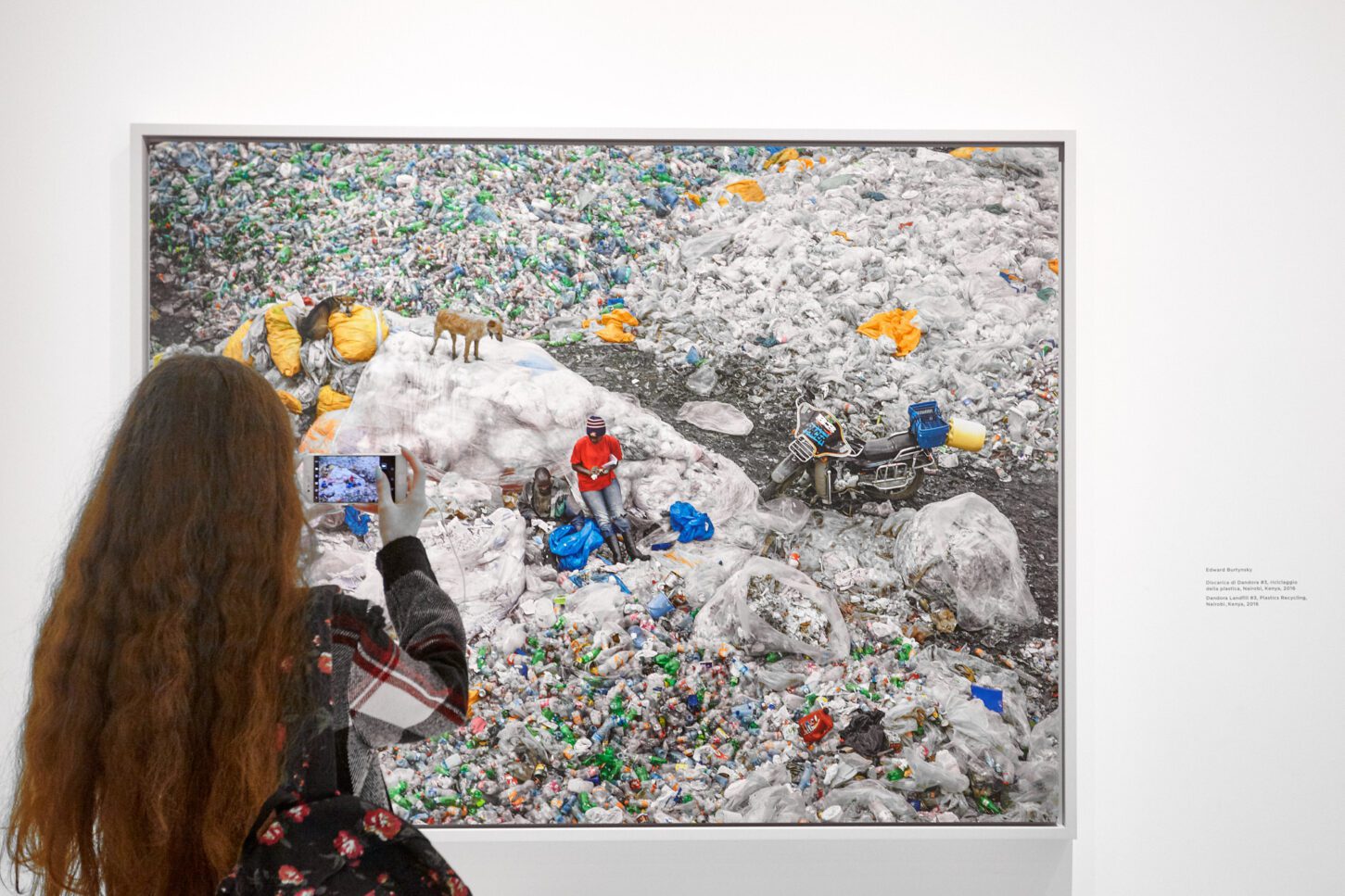
The theme was “Technosphere” — a term coined by geologist Peter Haff to describe the artificial layer humanity has constructed around the Earth: cities, factories, infrastructures, data centers, walls.
A trillion tons of steel, concrete, glass and code. A planetary crust of human intention.
Foto/Industria invited photographers from different generations to interrogate this architecture of survival. Not to romanticize it. Not to demonize it. But to observe it, as only photography can: through light, form, and silence.
Structures and Visions
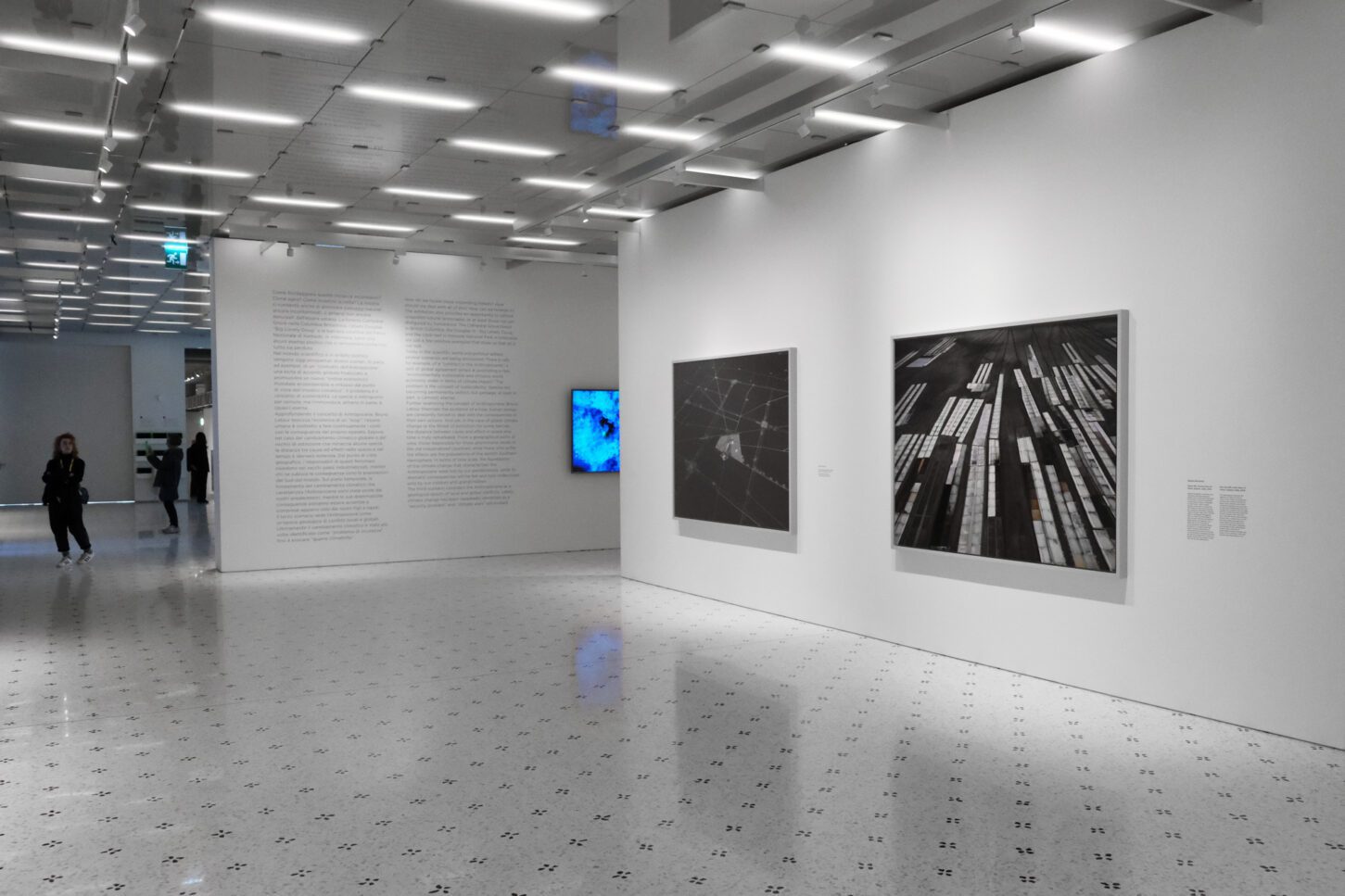
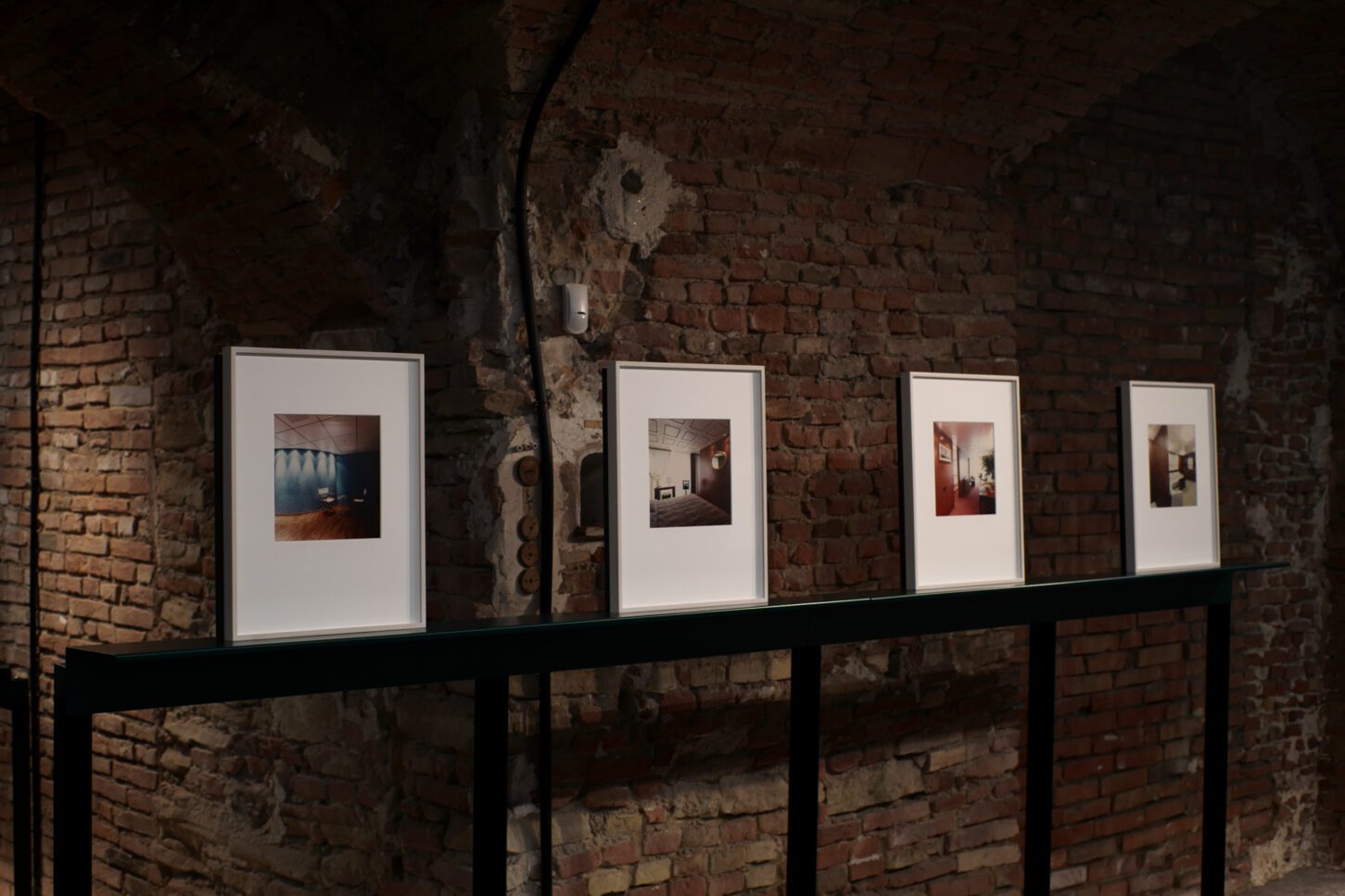
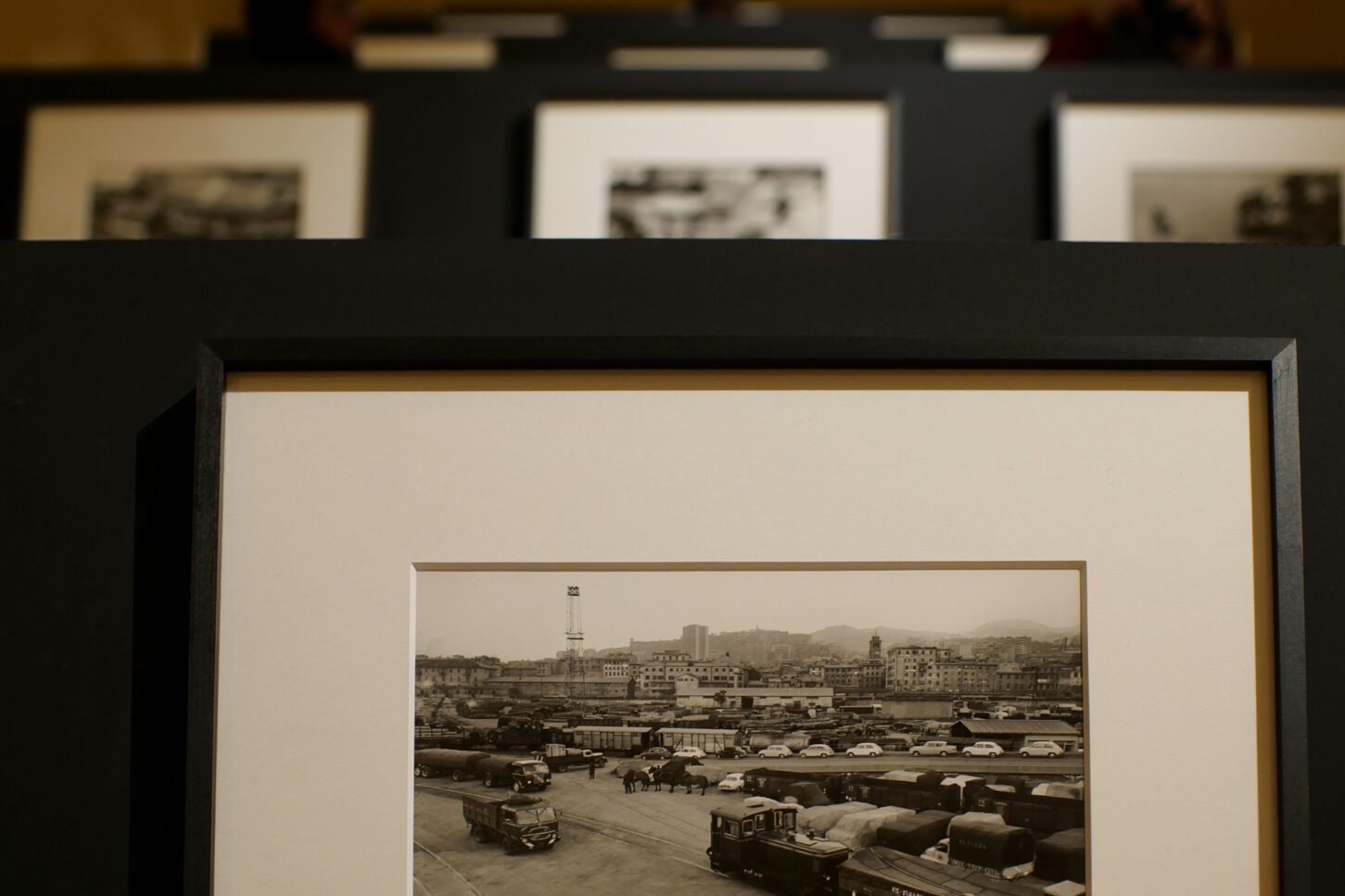
Walking through the exhibition meant crossing time. From Albert Renger-Patzsch’s Neue Sachlichkeit to Armin Linke’s hybrid archives, from André Kertész’s early geometry to Lisetta Carmi’s poetic labor portraits, from Luigi Ghirri’s saturated surfaces to Stephanie Syjuco’s speculative materialism — this was a cartography of how the built world looks, and feels.
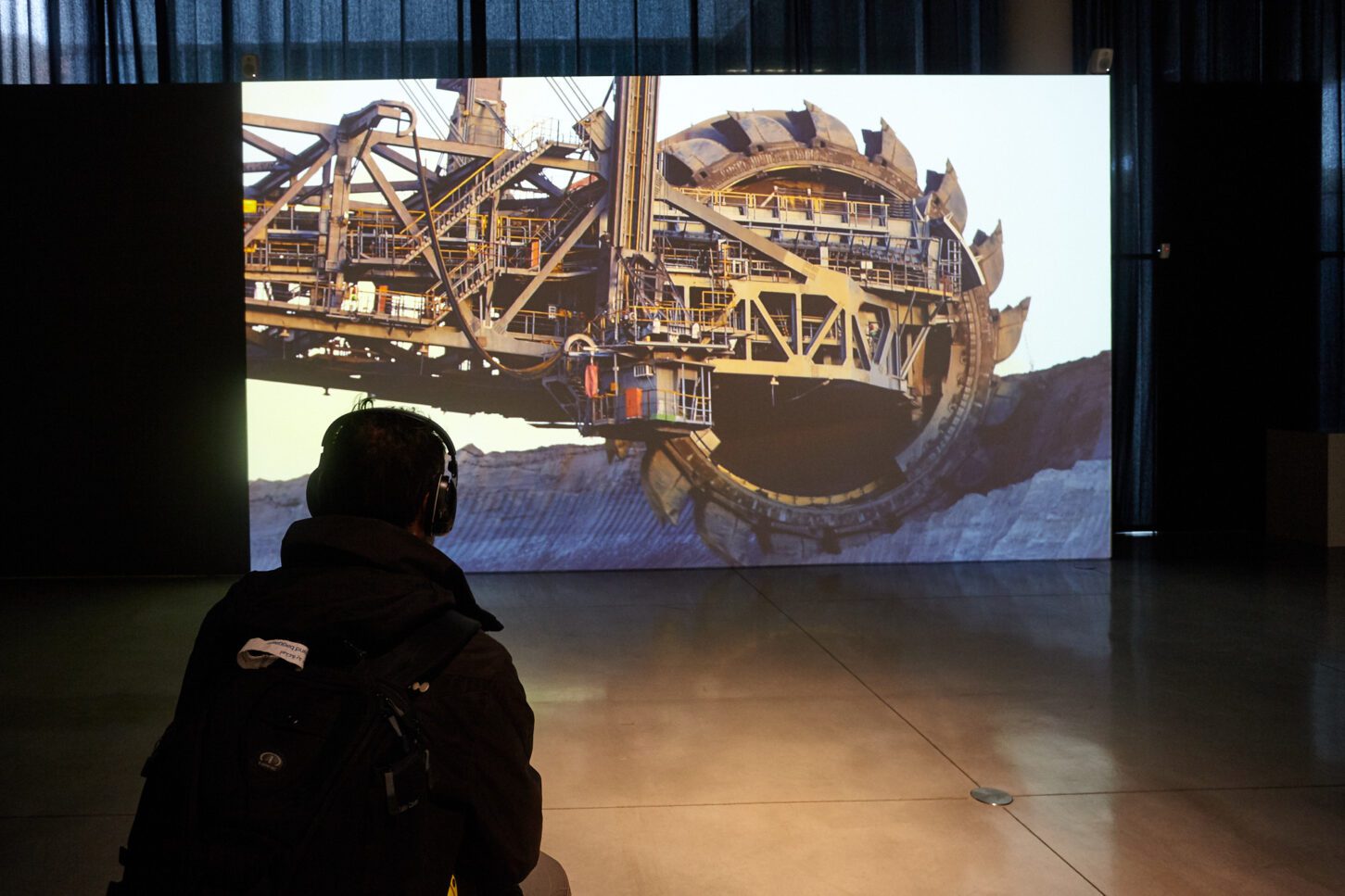
Industry, here, was not just a setting. It was a narrative. It was the echo of millions of hands shaping, assembling, extracting, erasing.
Ayzoh!’s Perspective: Observing the Observers
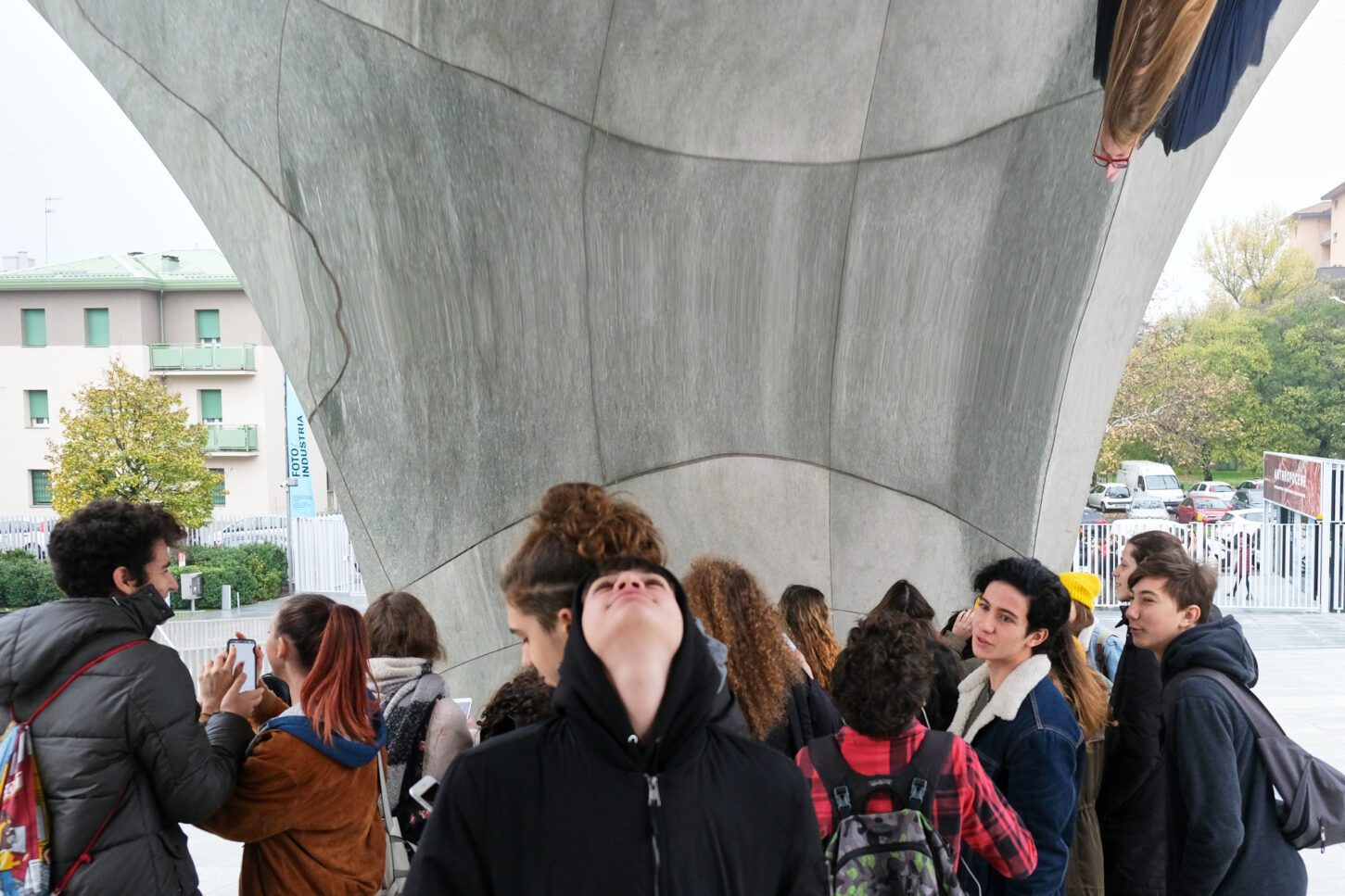
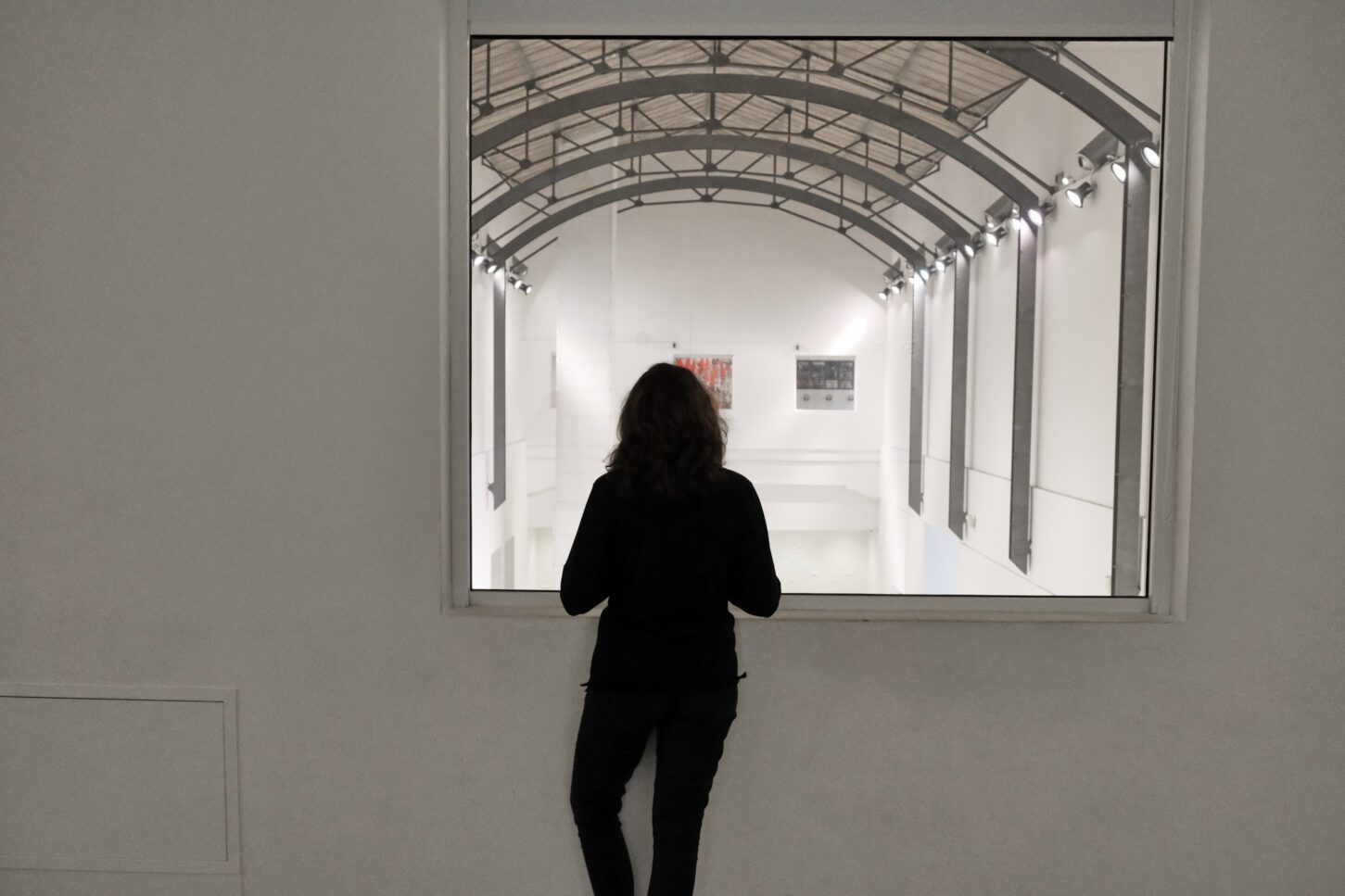
Our presence at Foto/Industria was not institutional. It was instinctive. We moved through the spaces not as visitors, but as witnesses.
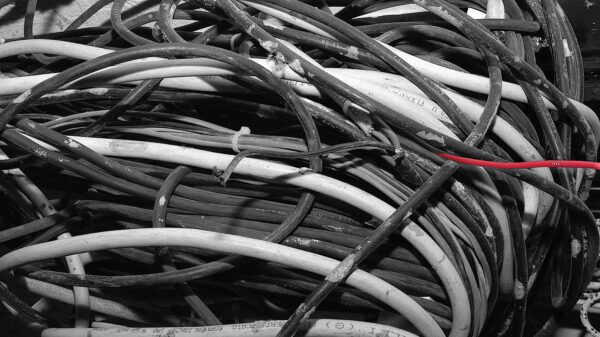
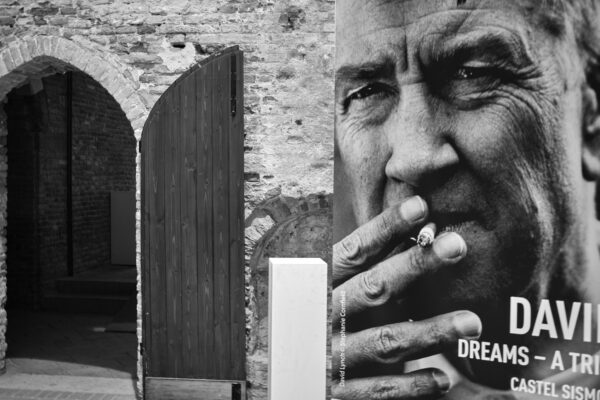
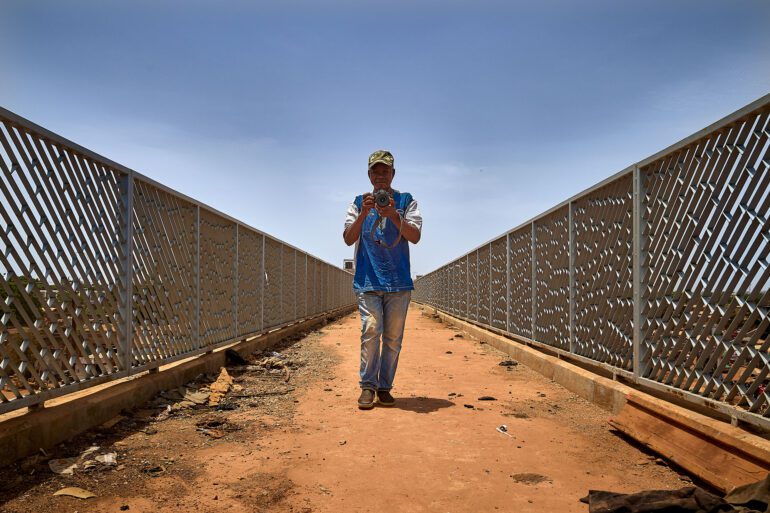
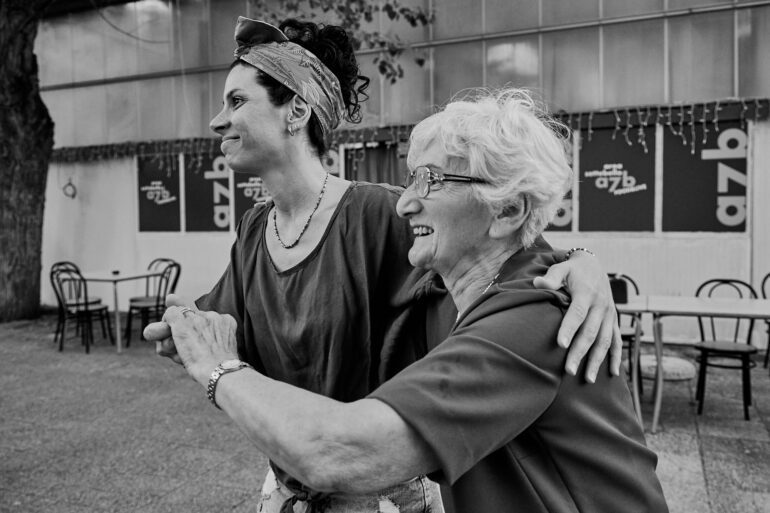
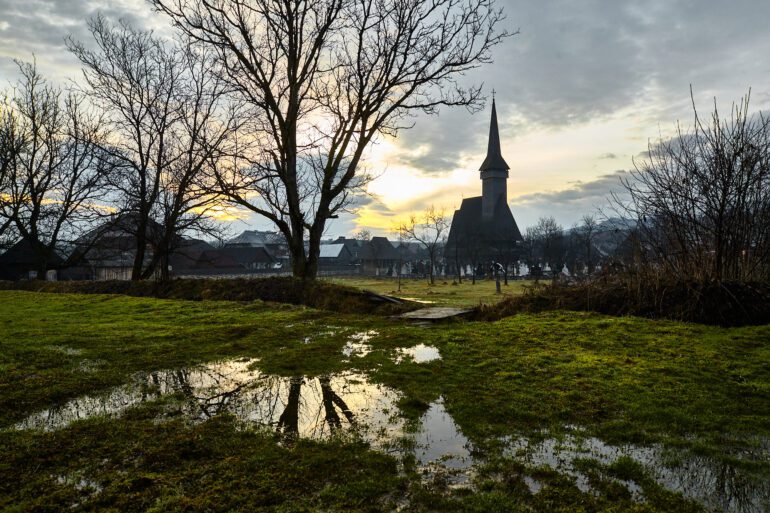
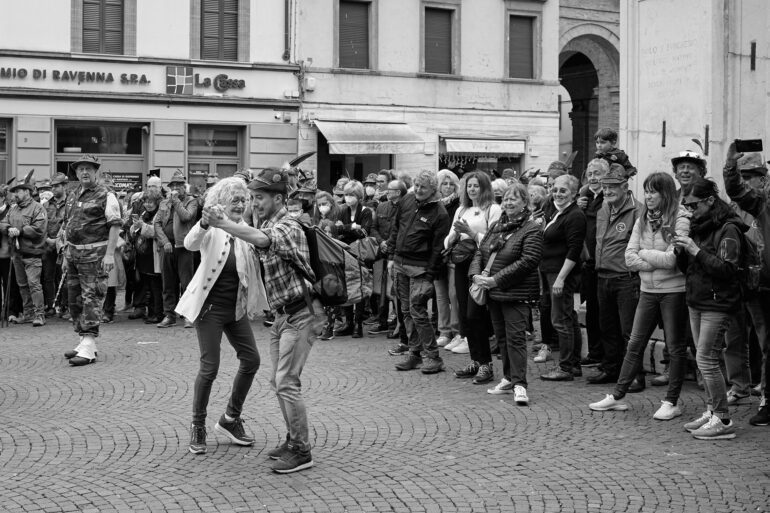
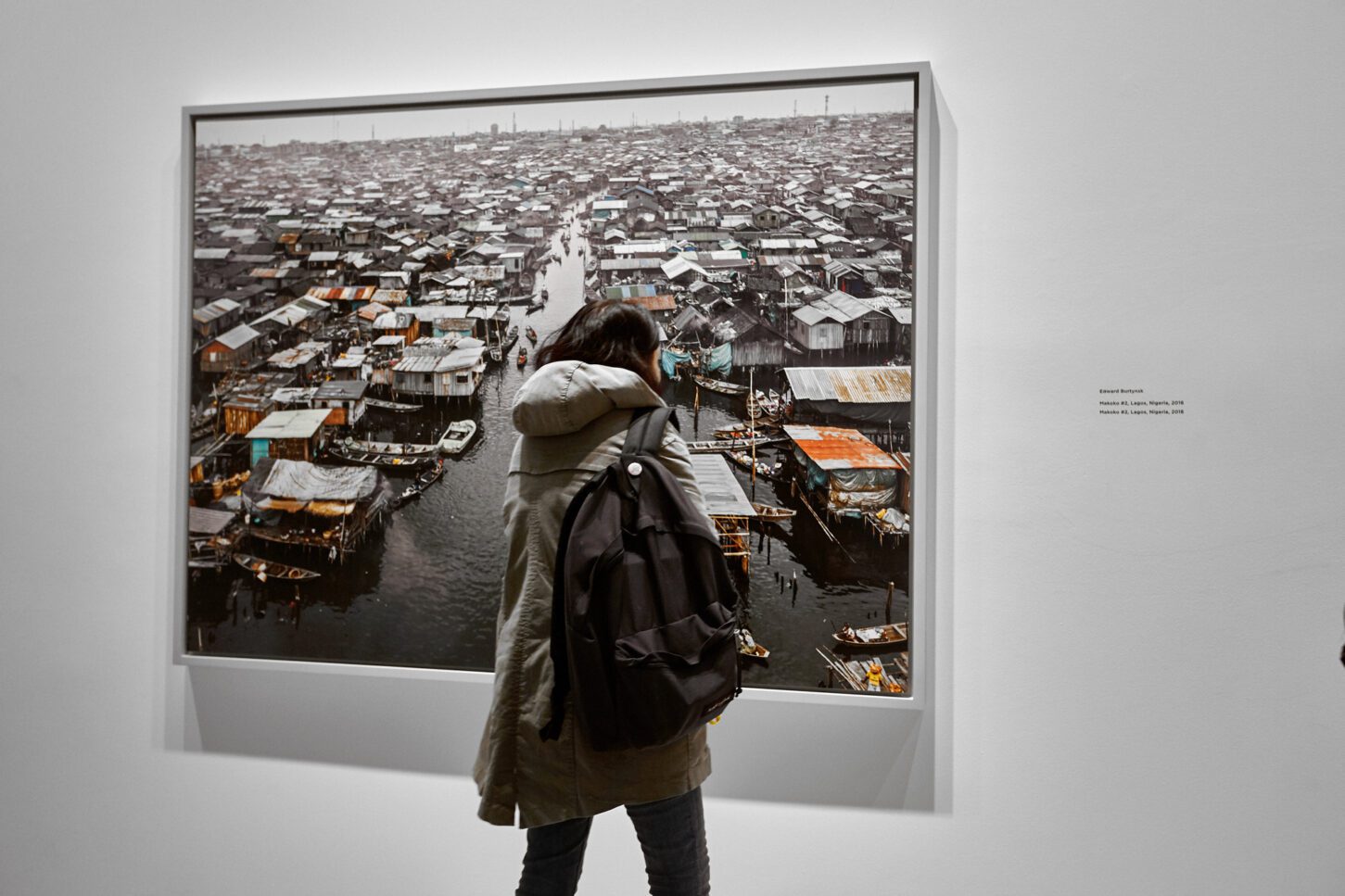
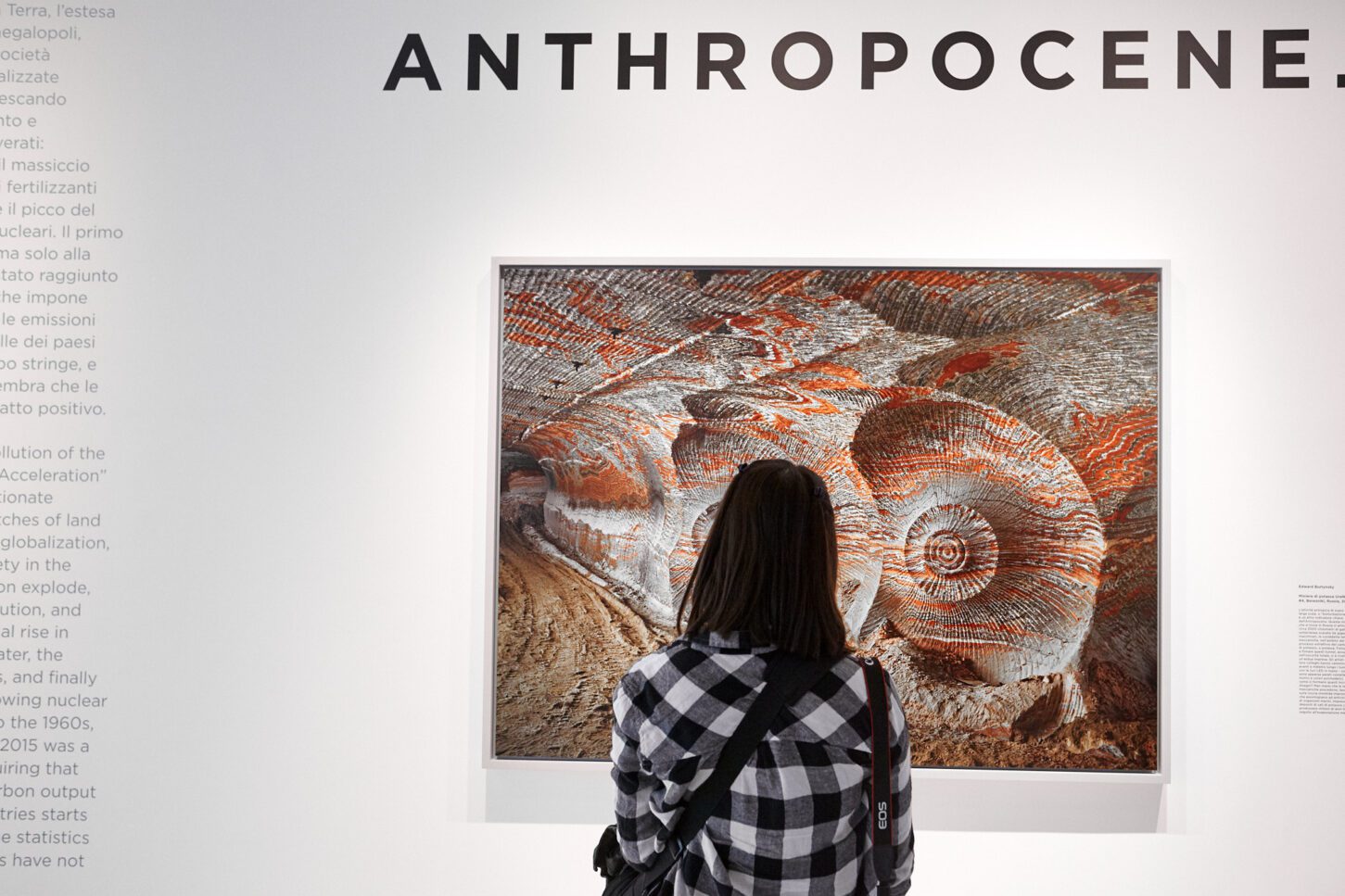
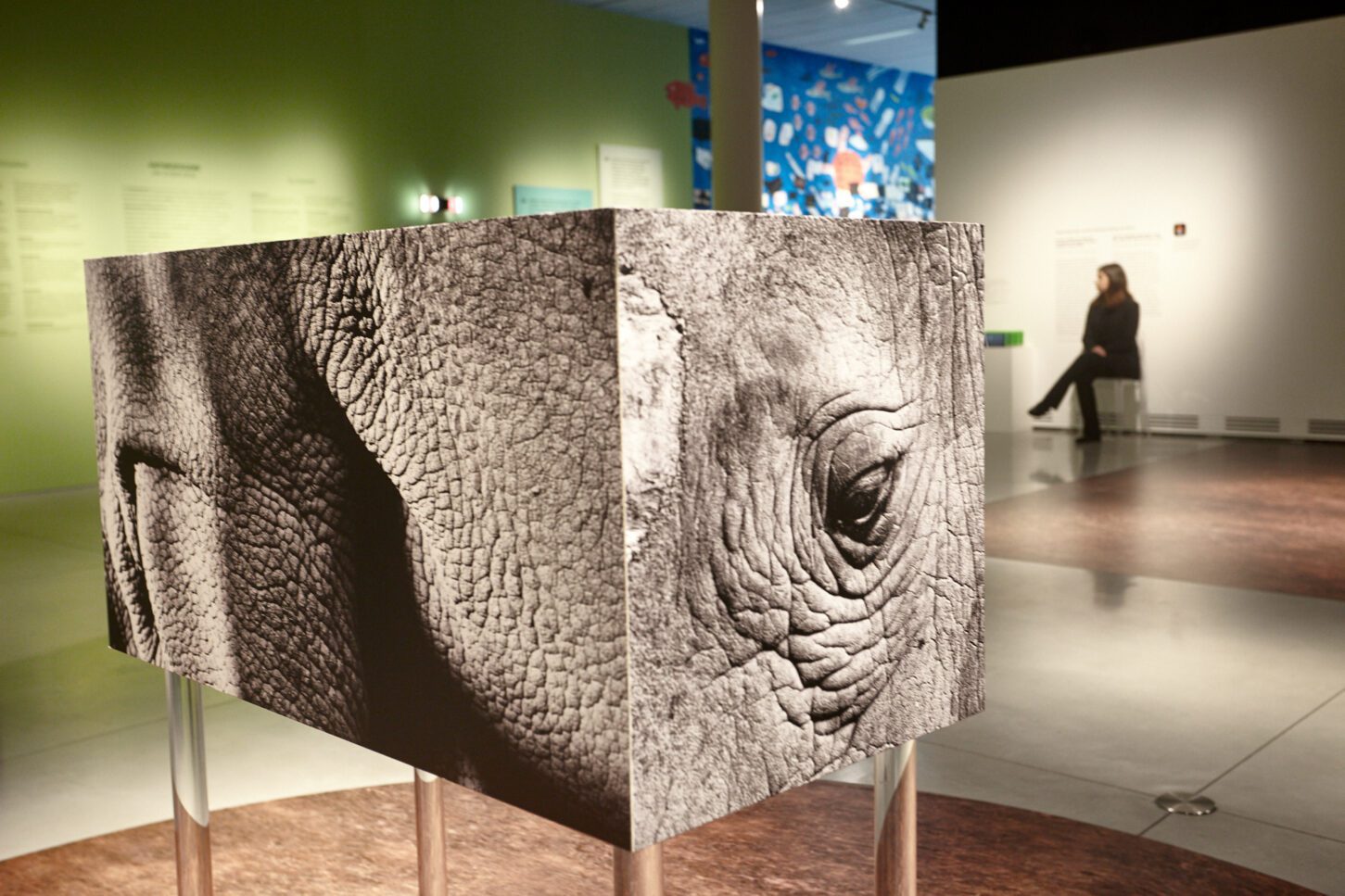
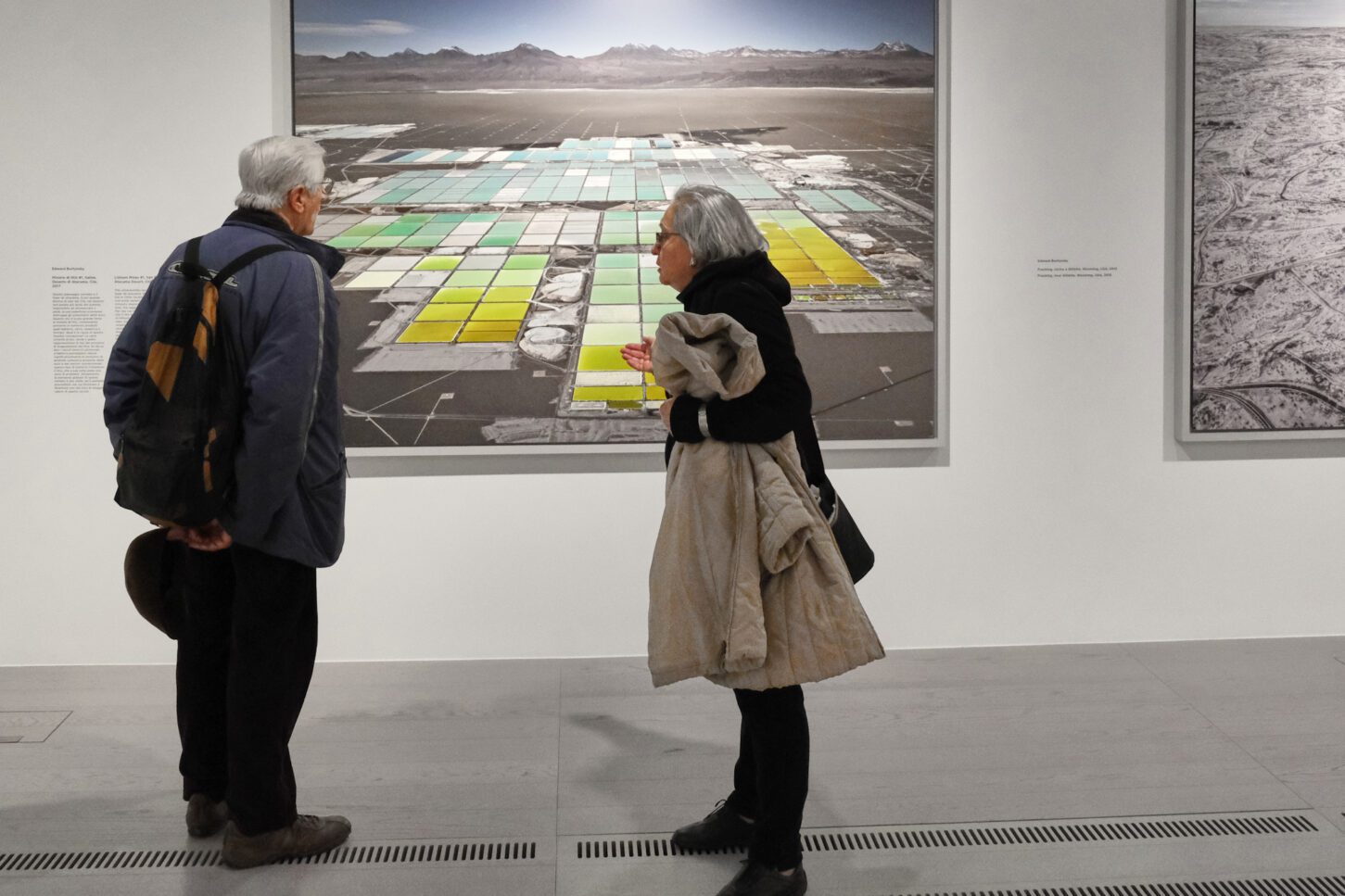
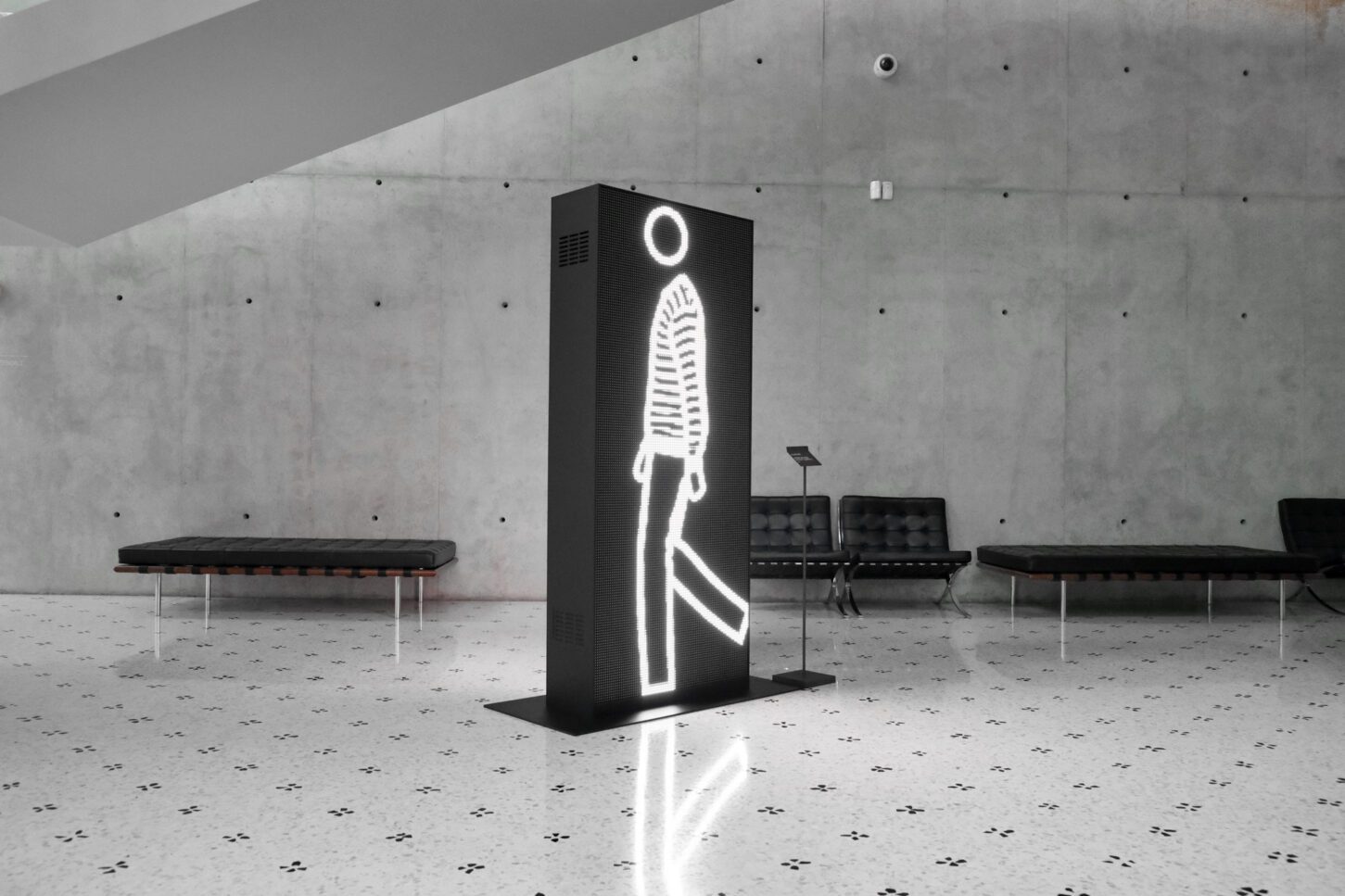
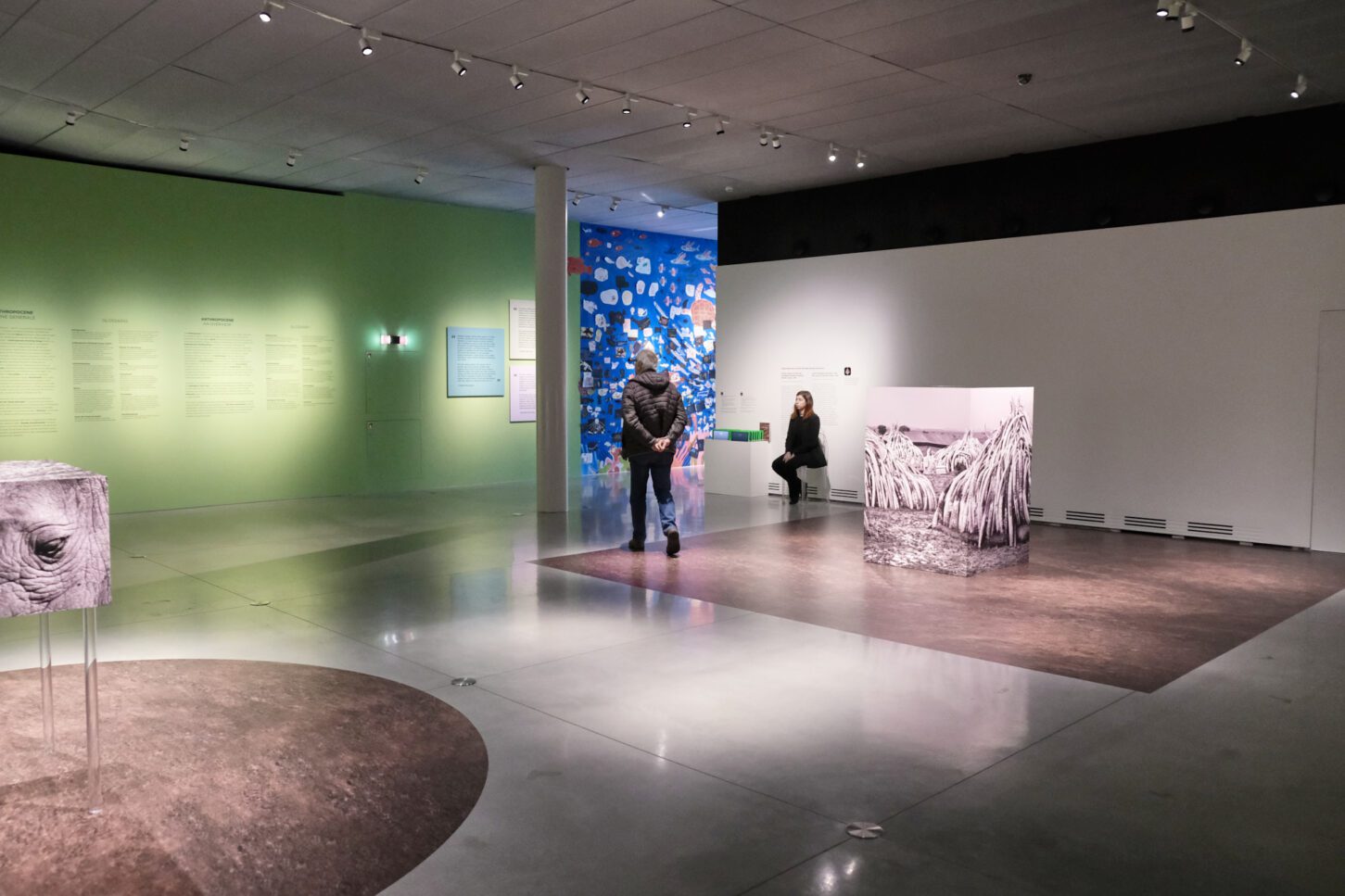
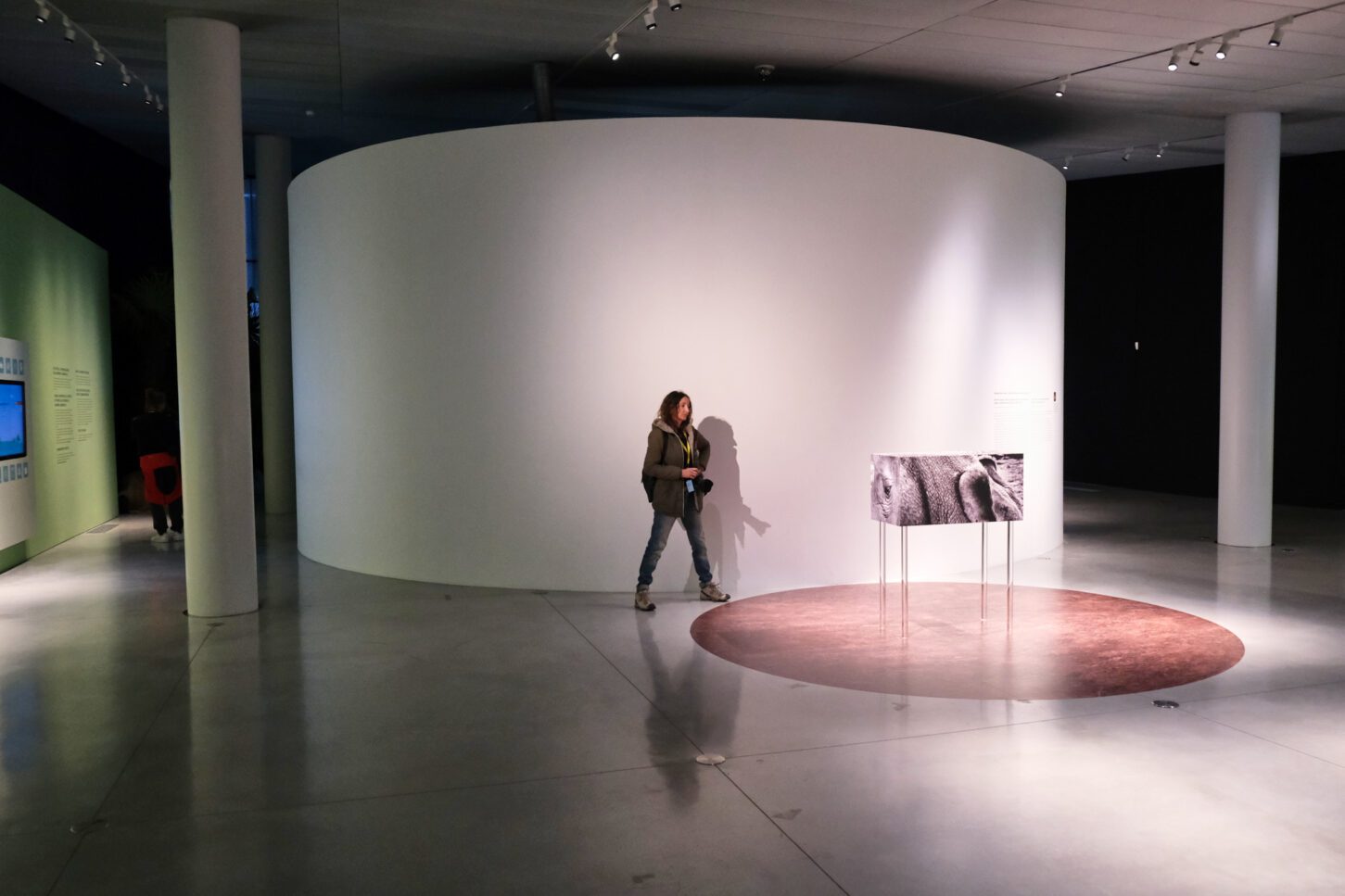
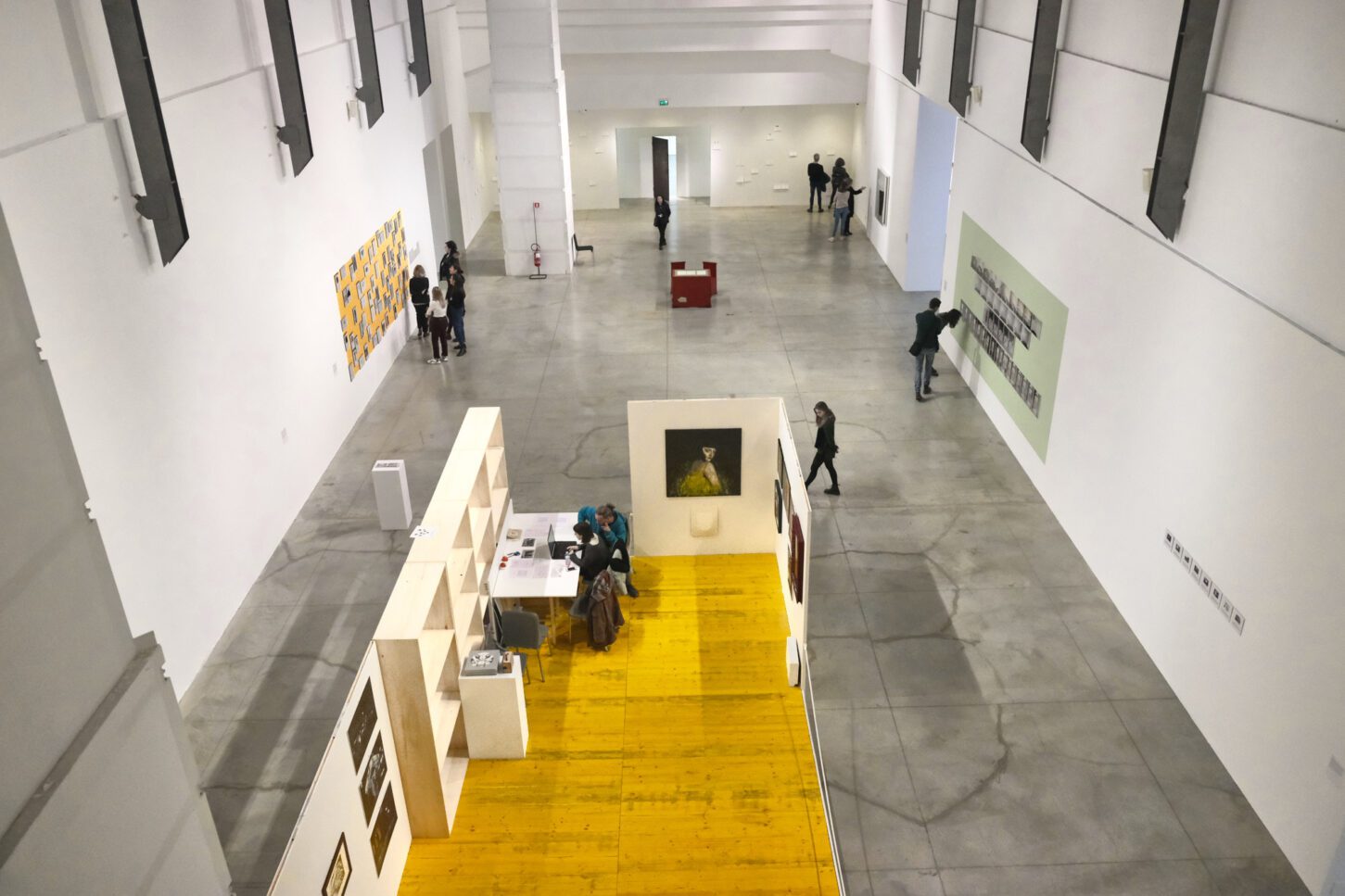
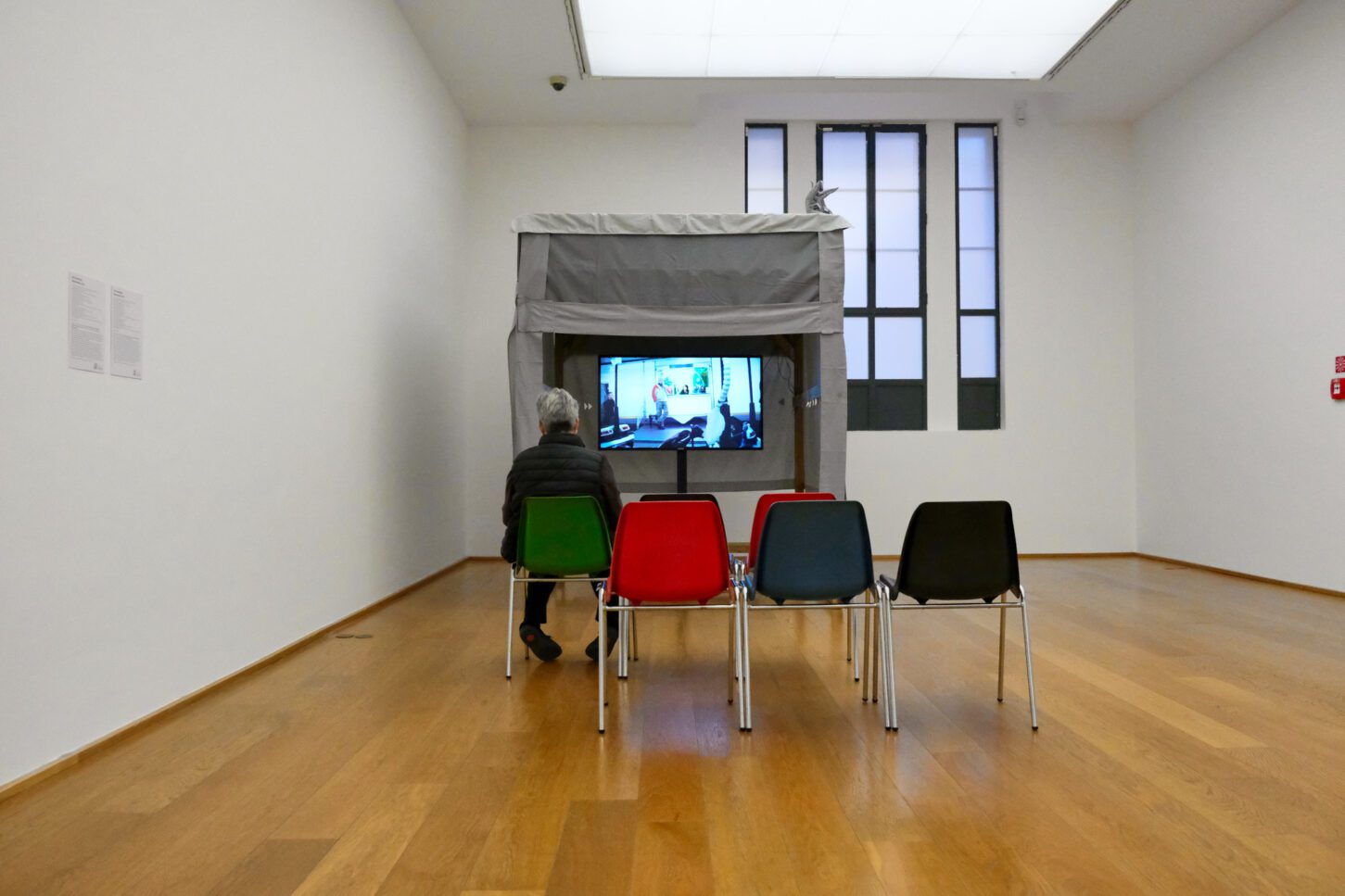
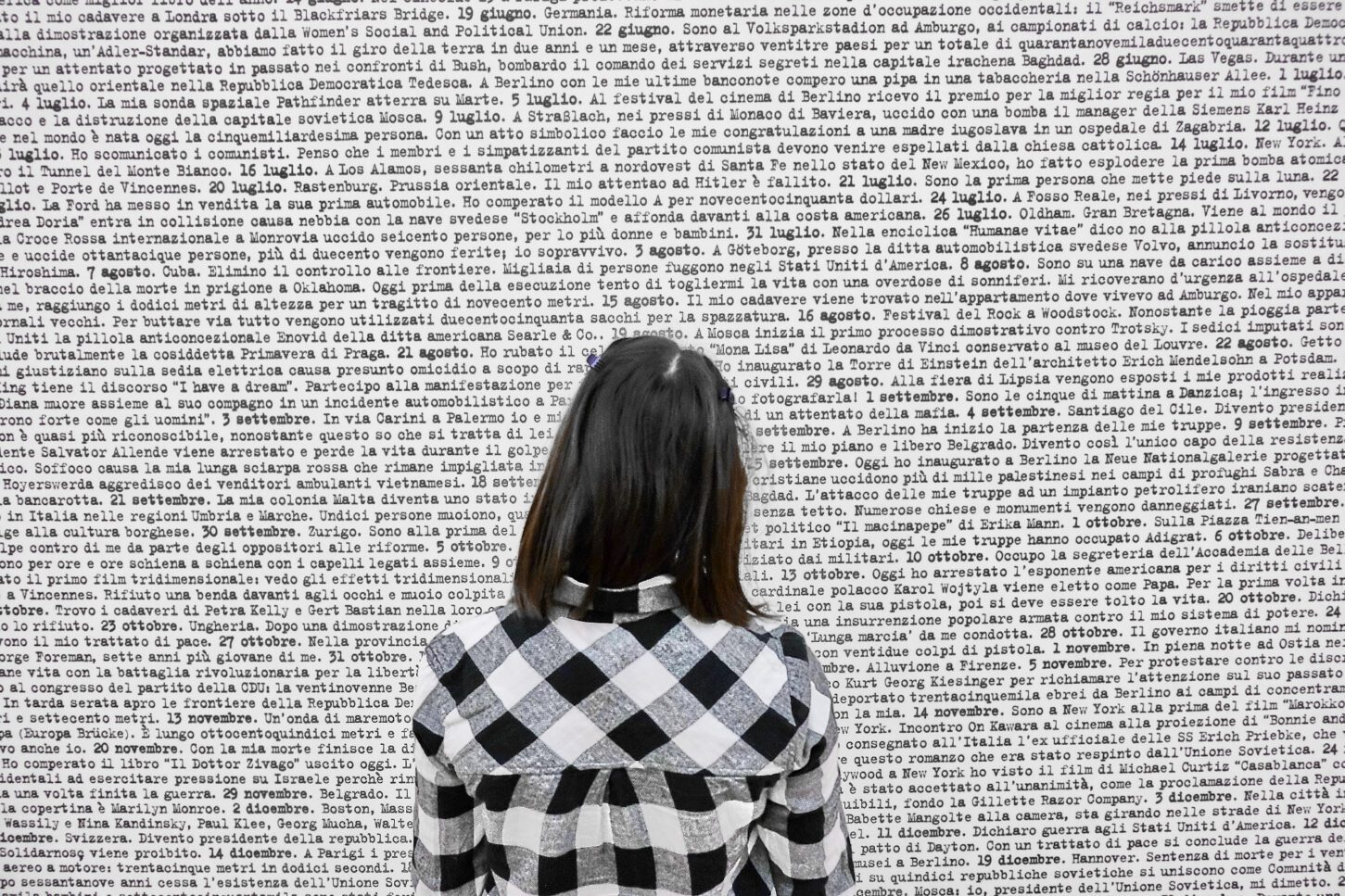
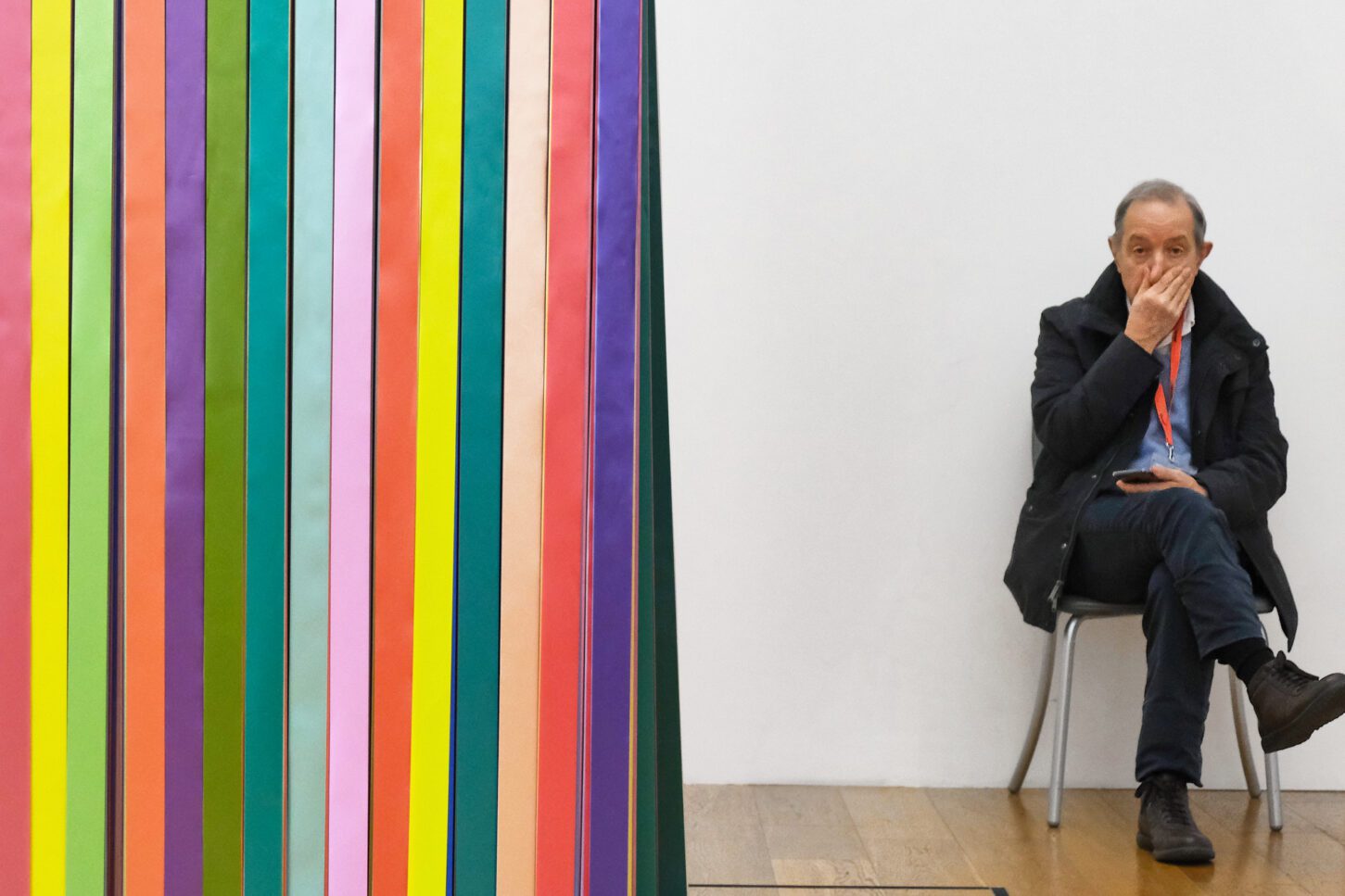
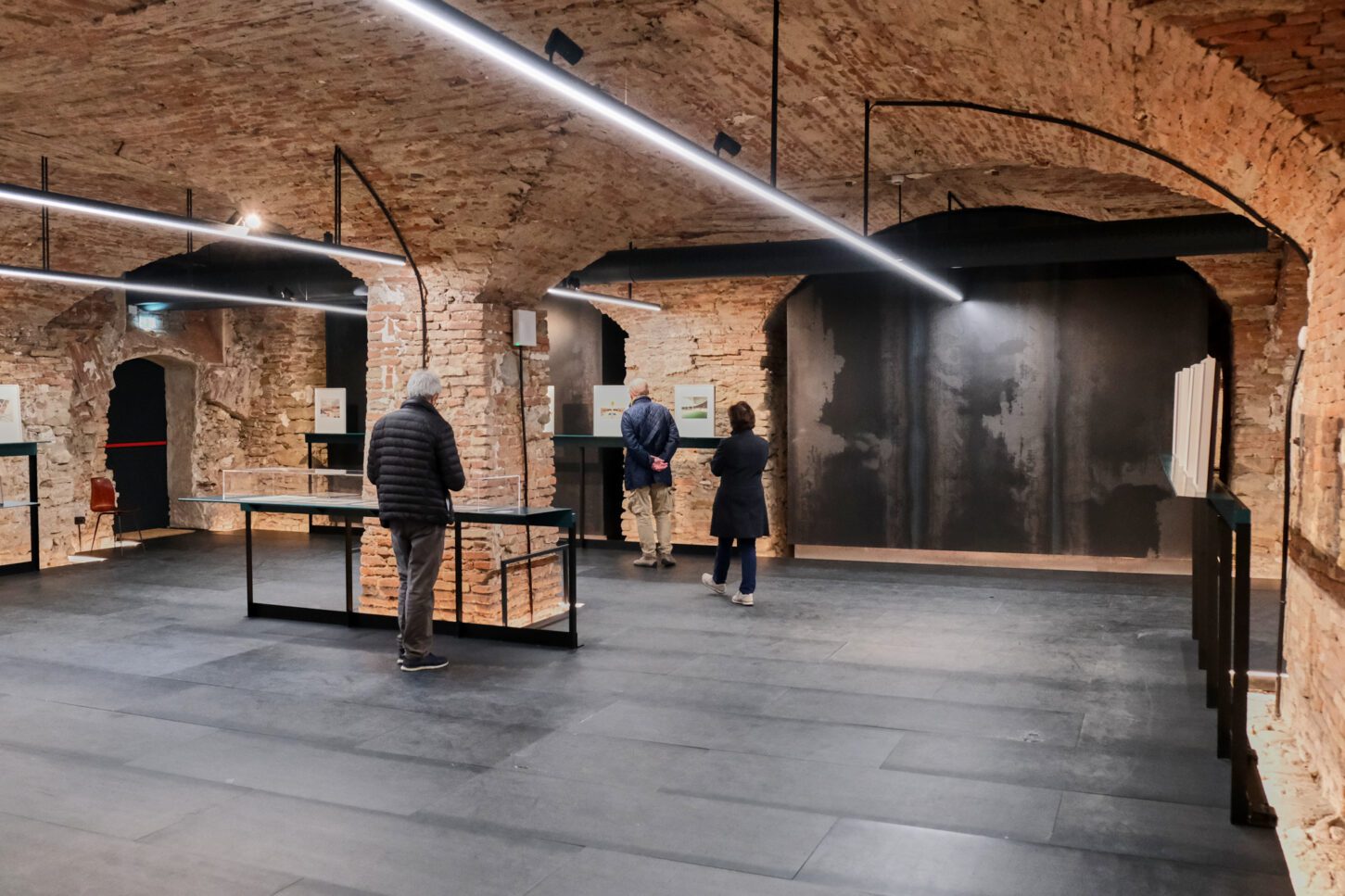
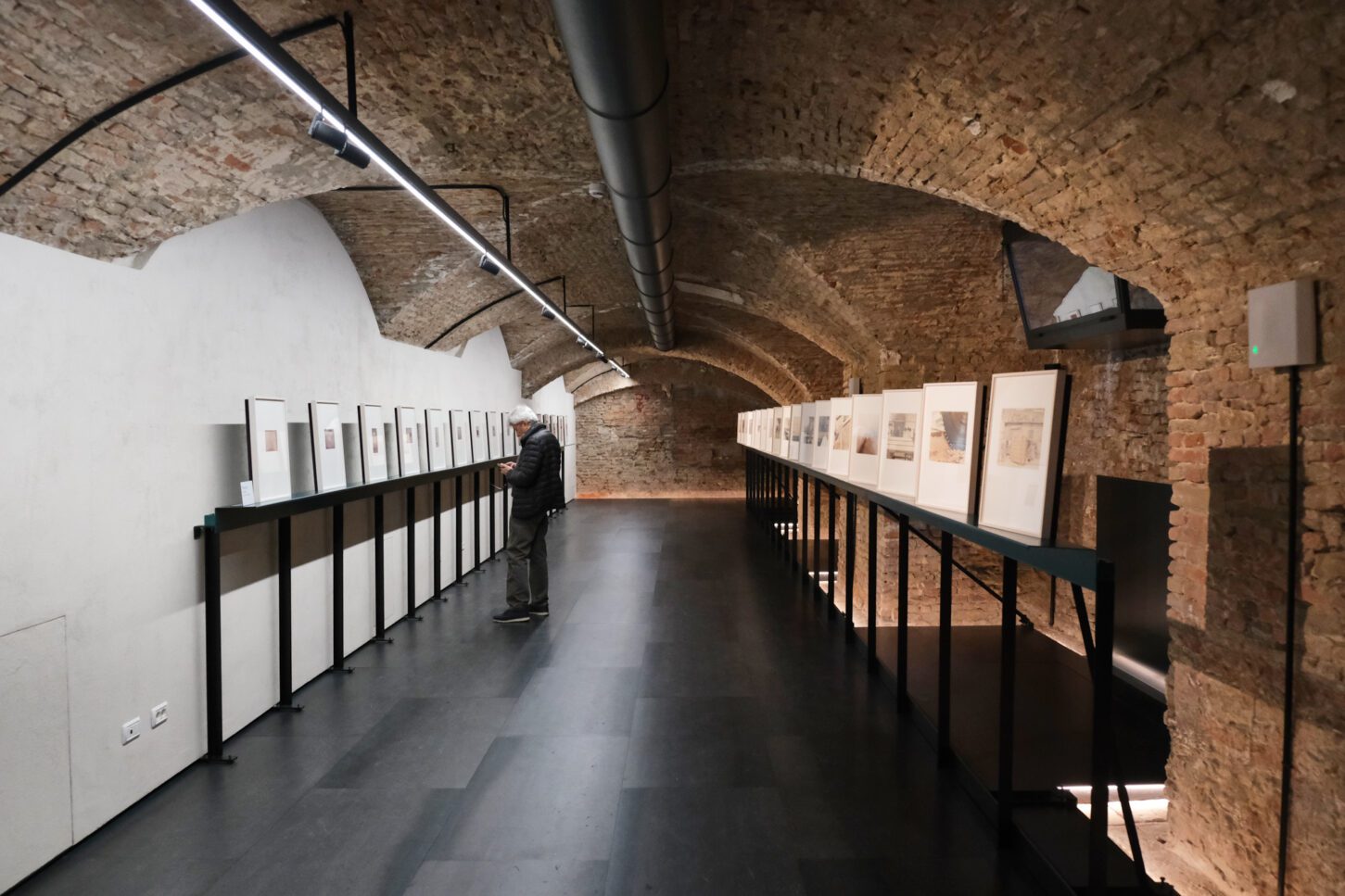
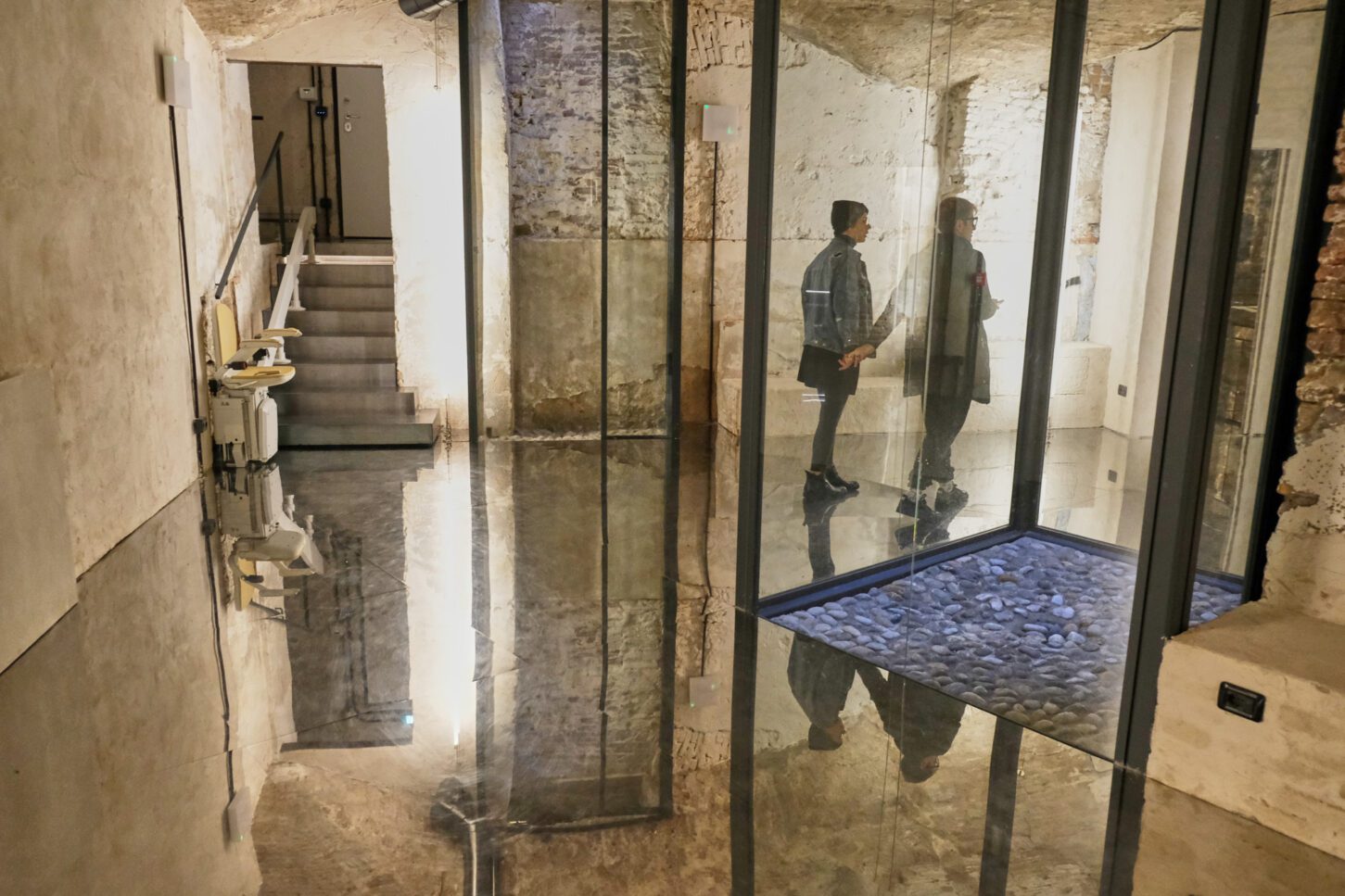
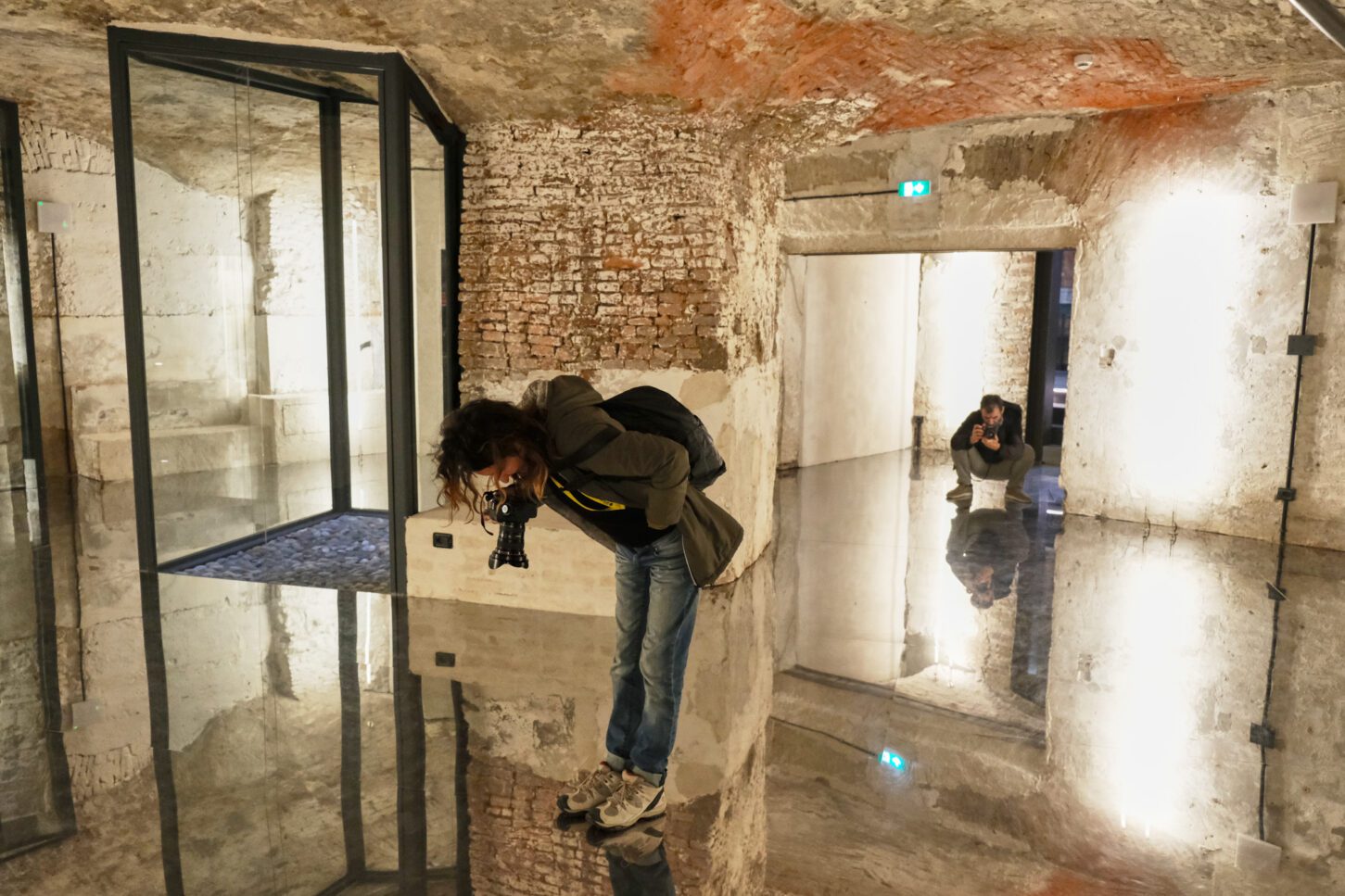
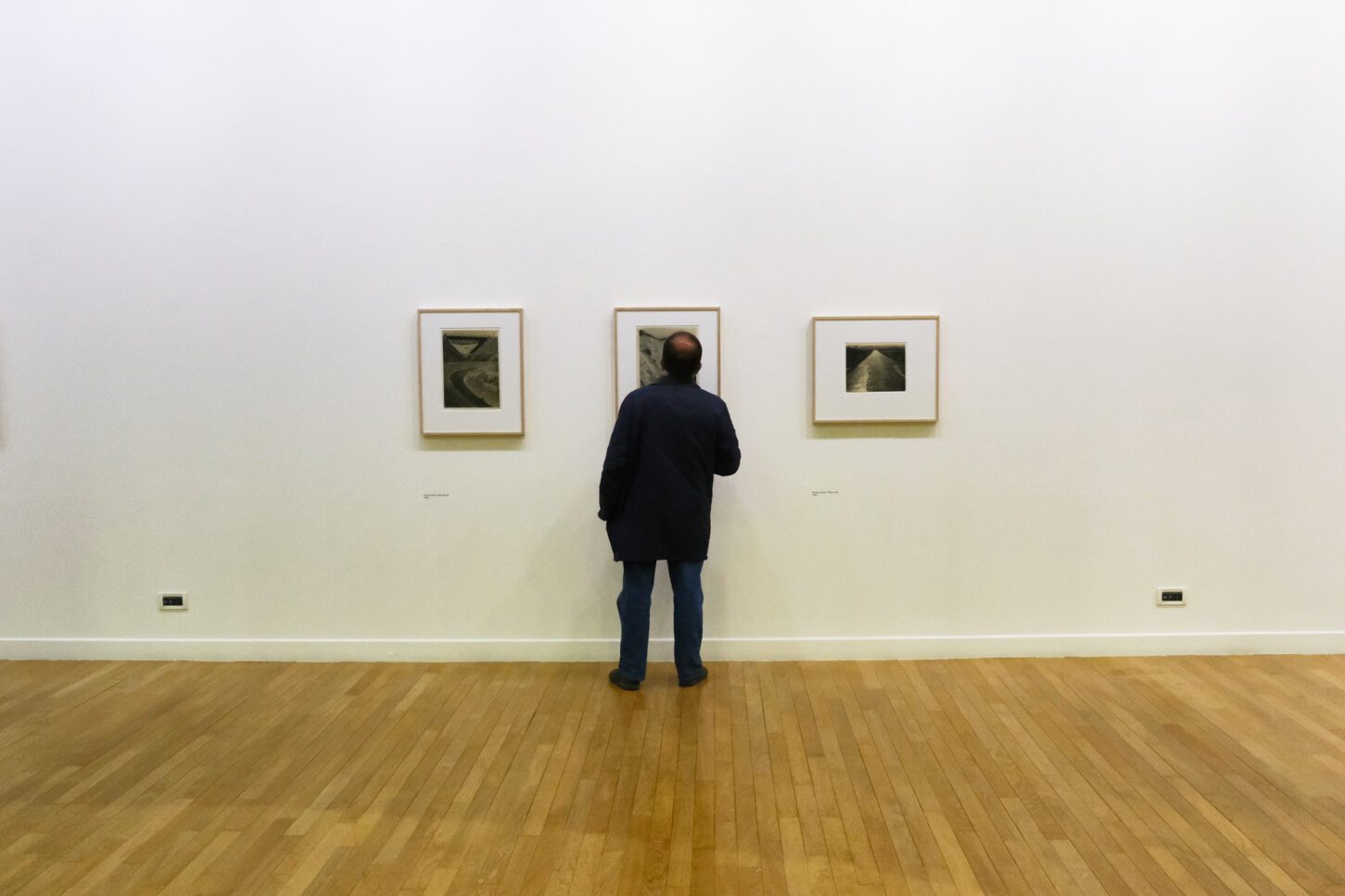
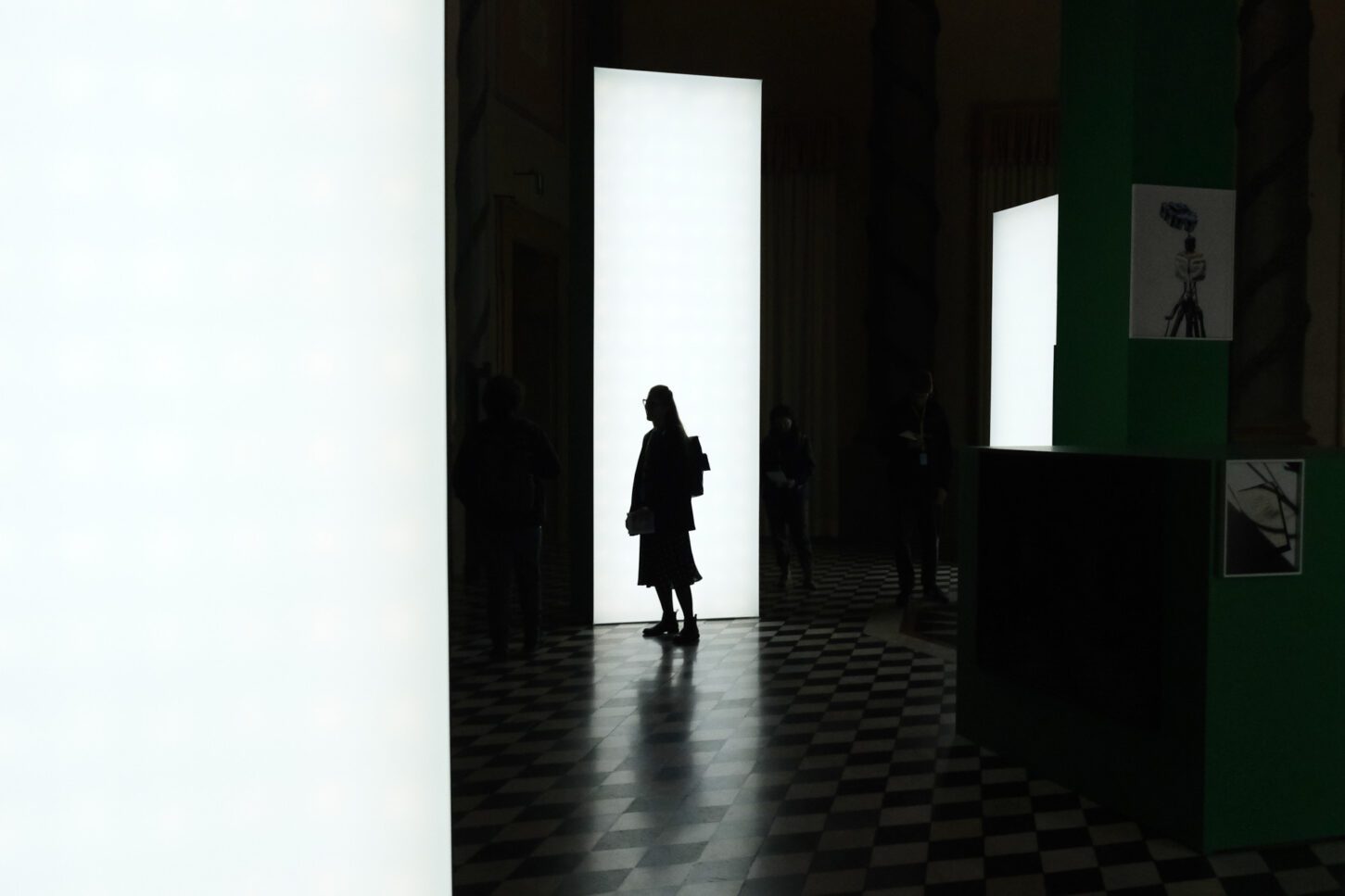
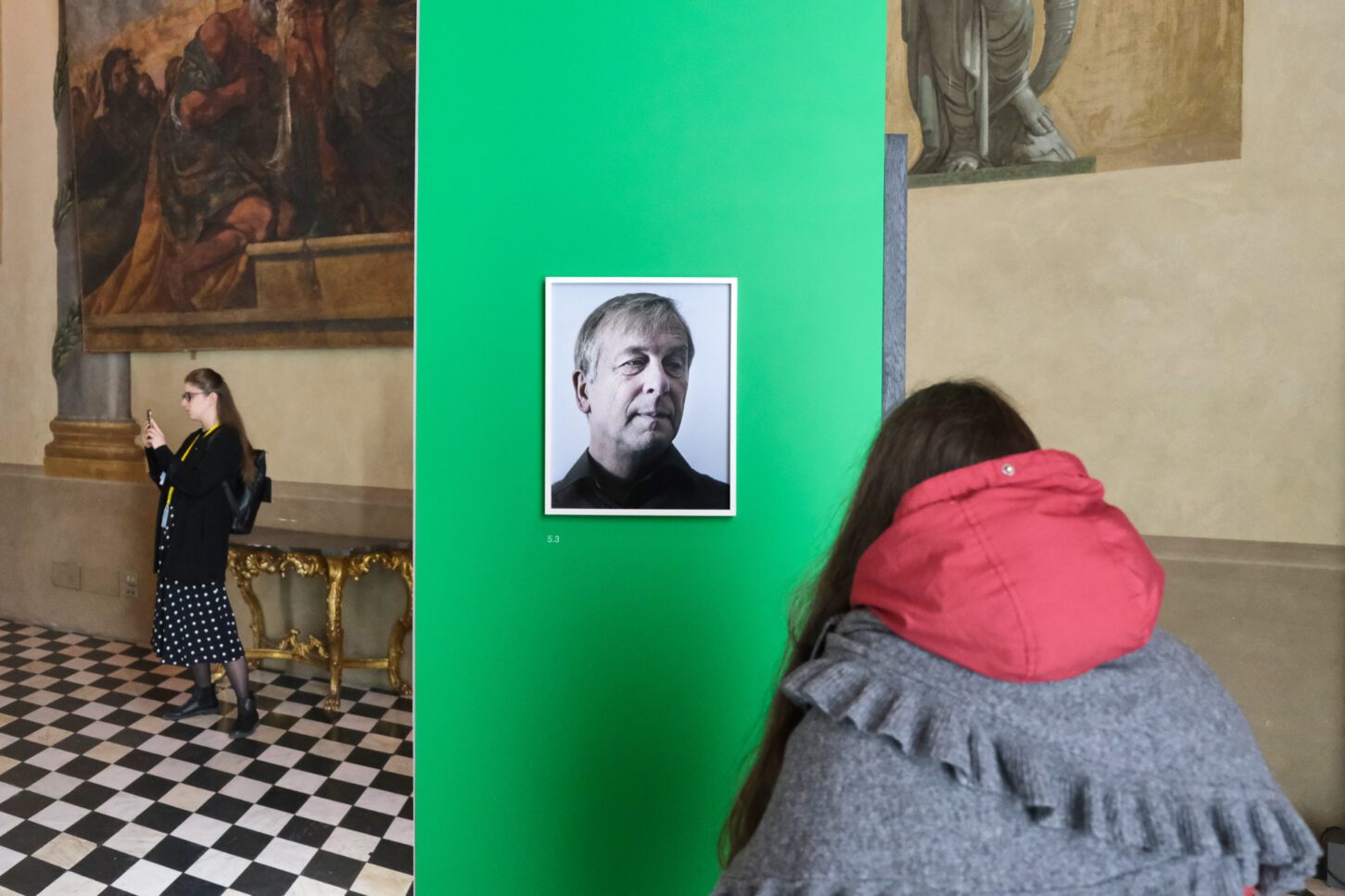
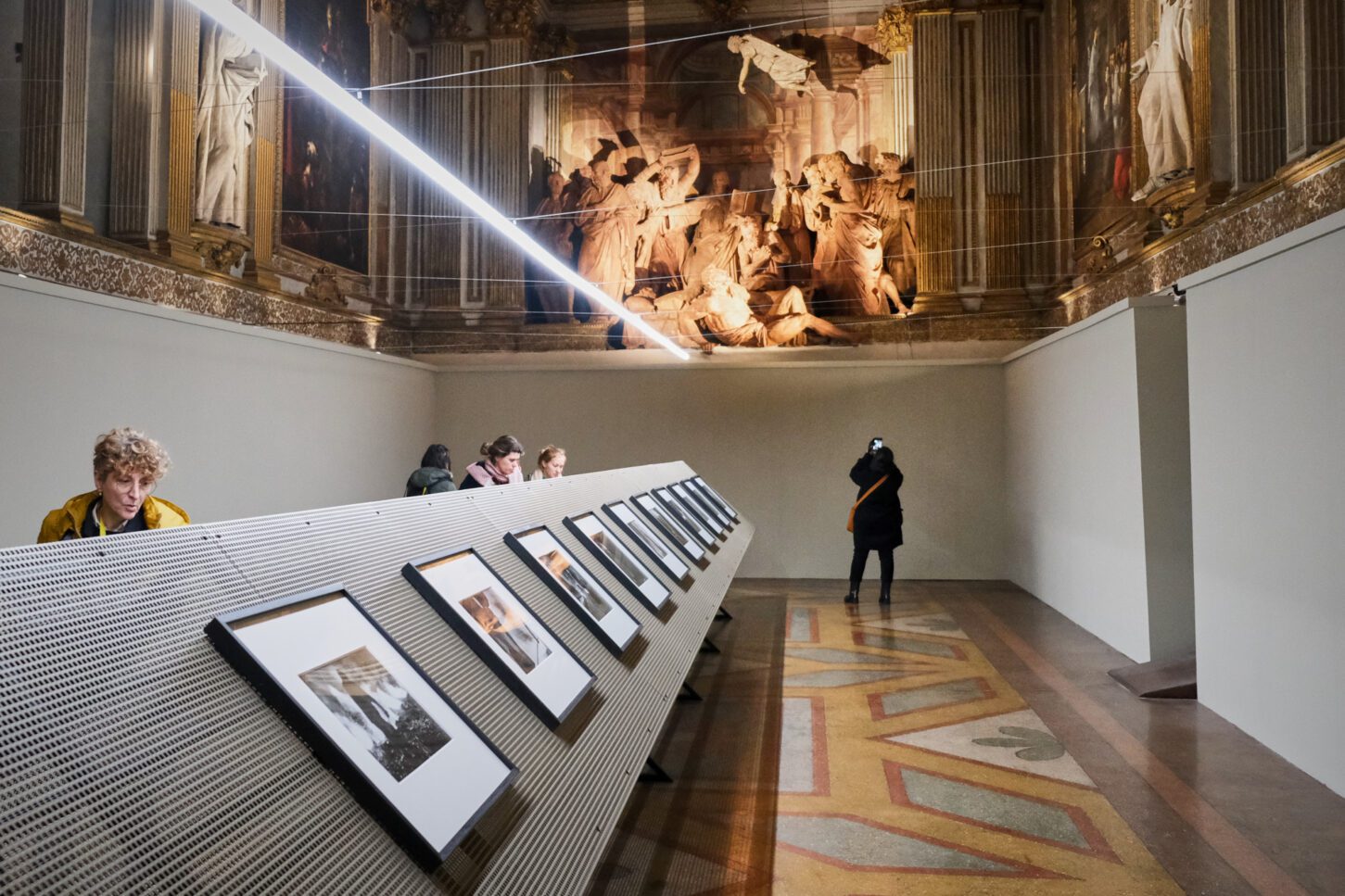
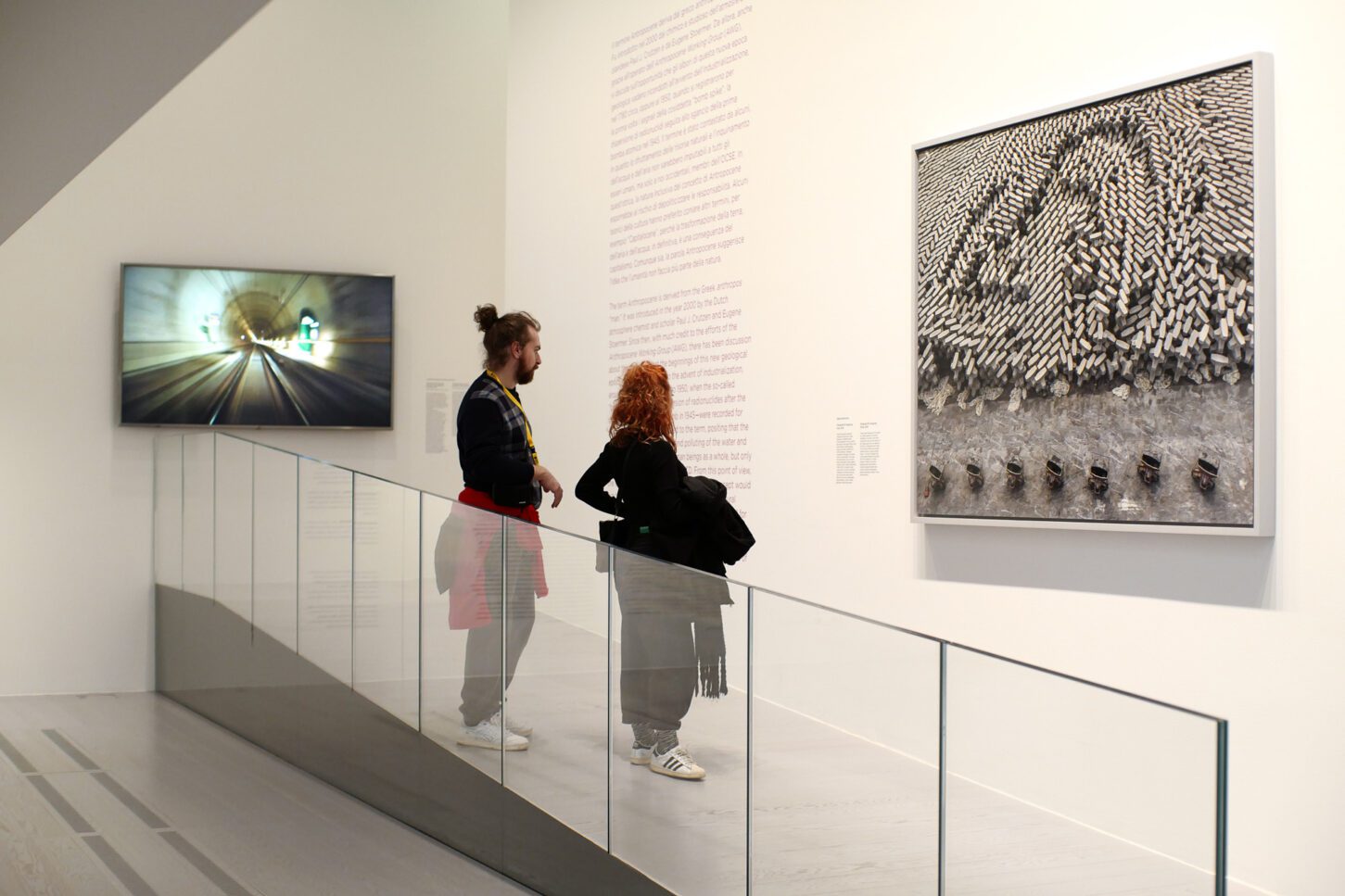
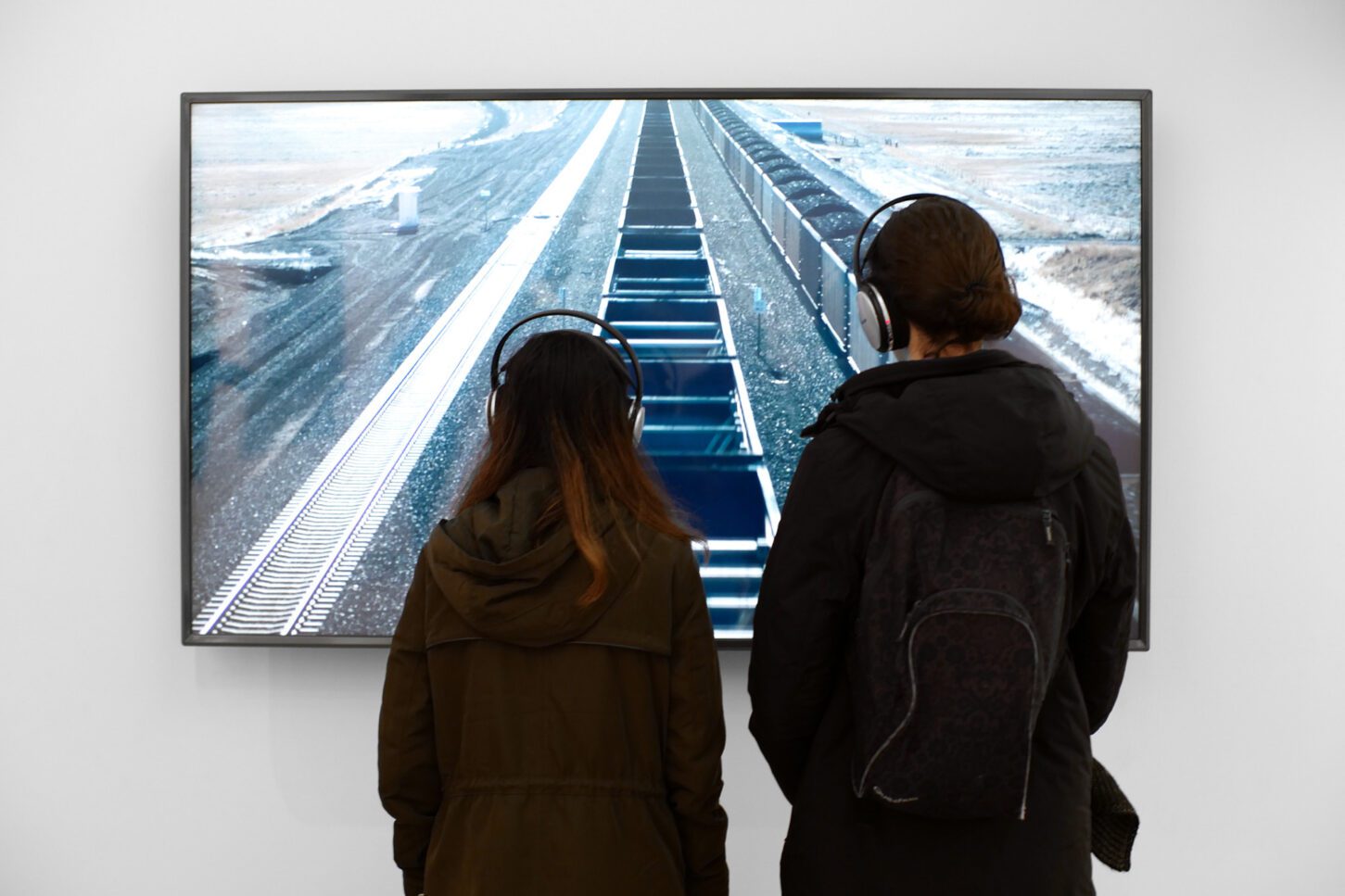
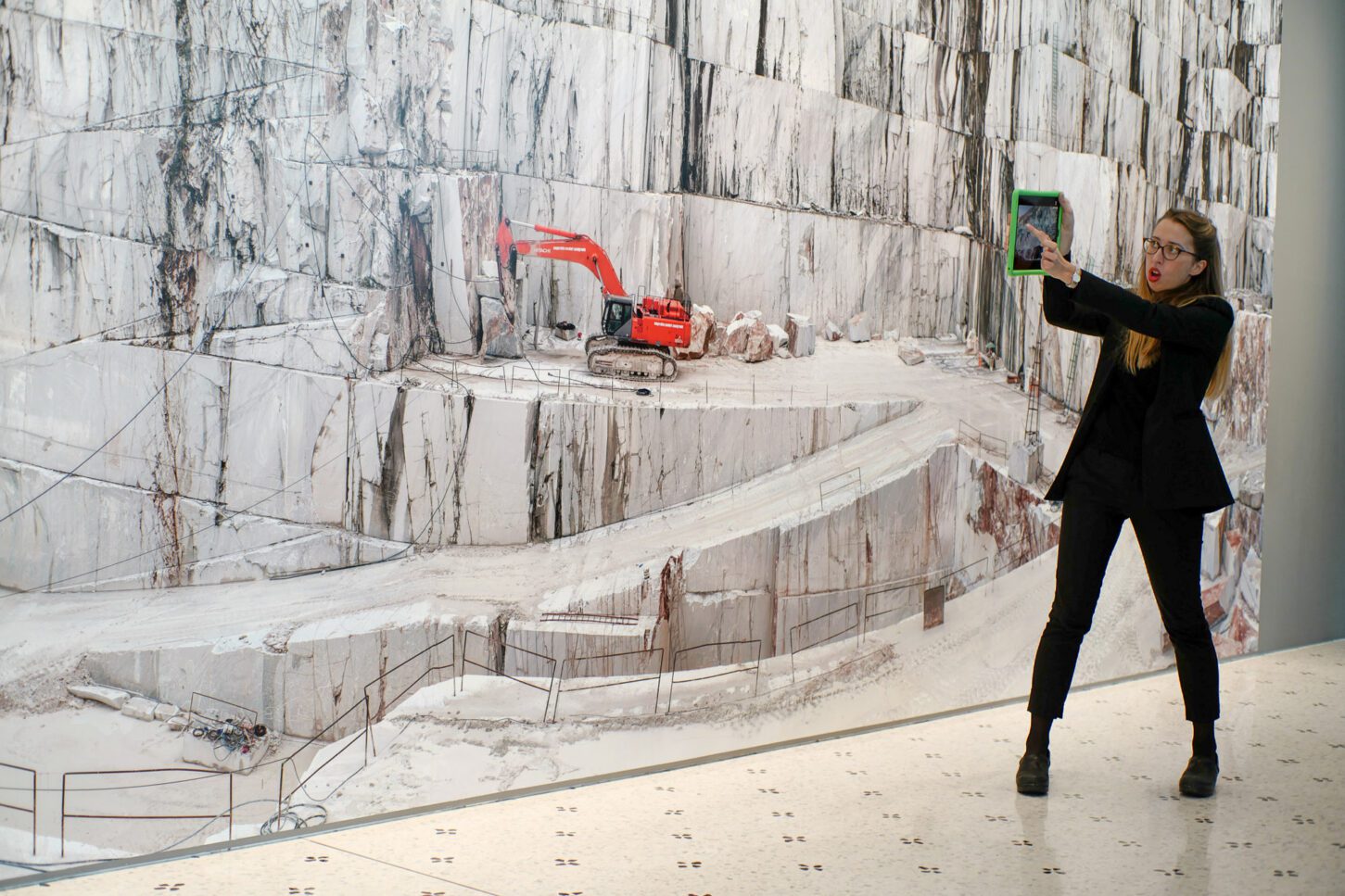
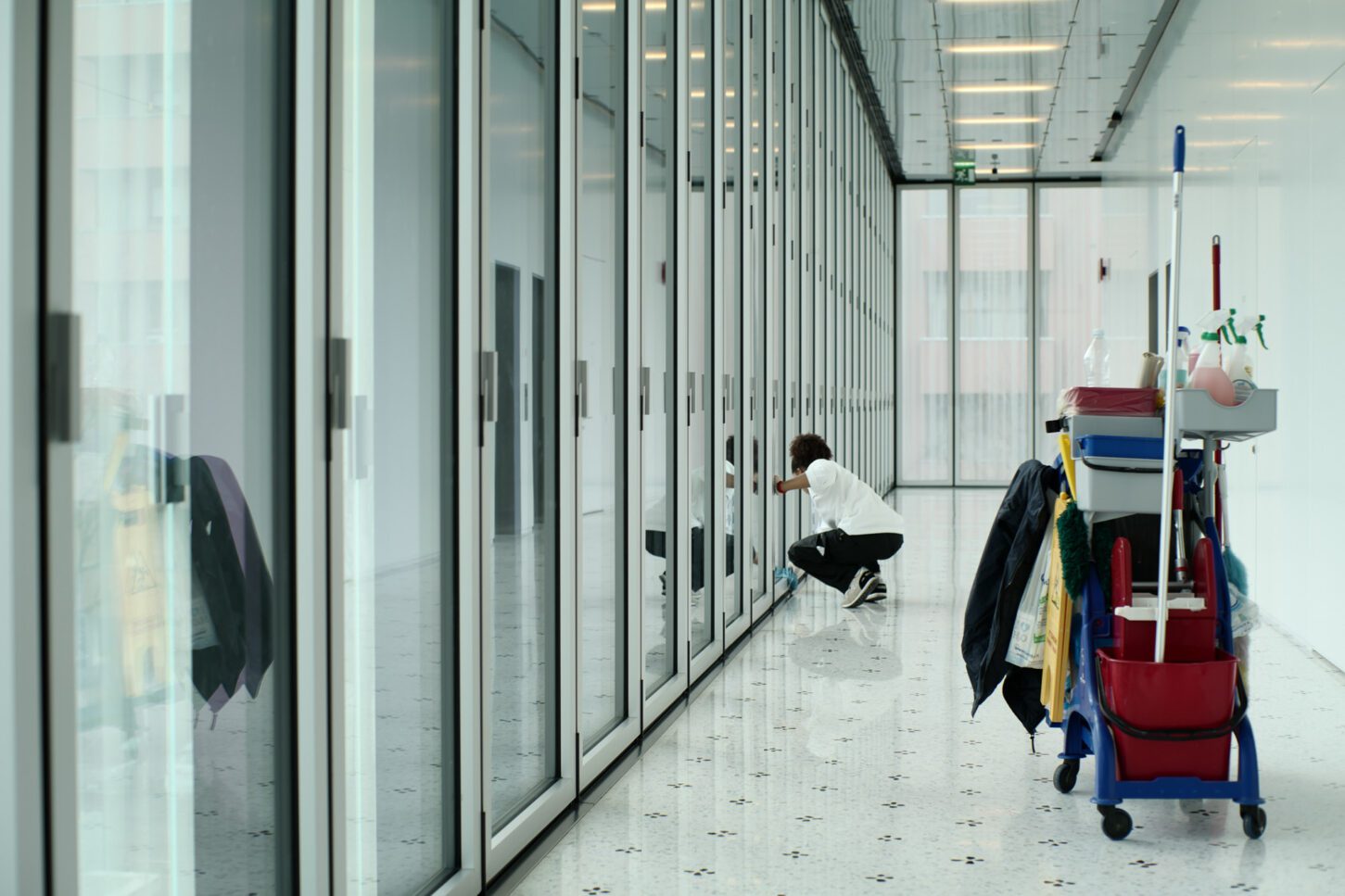
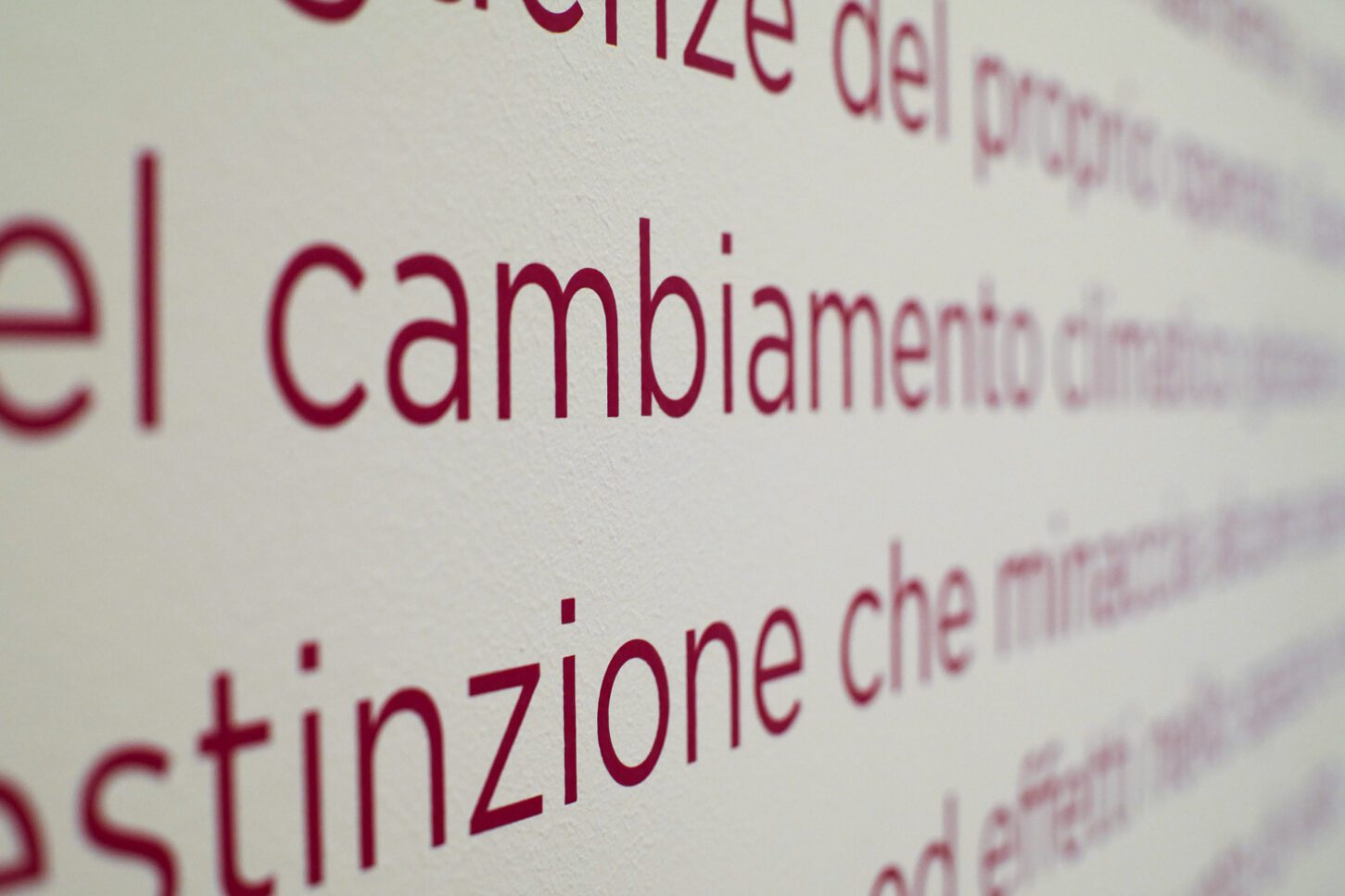
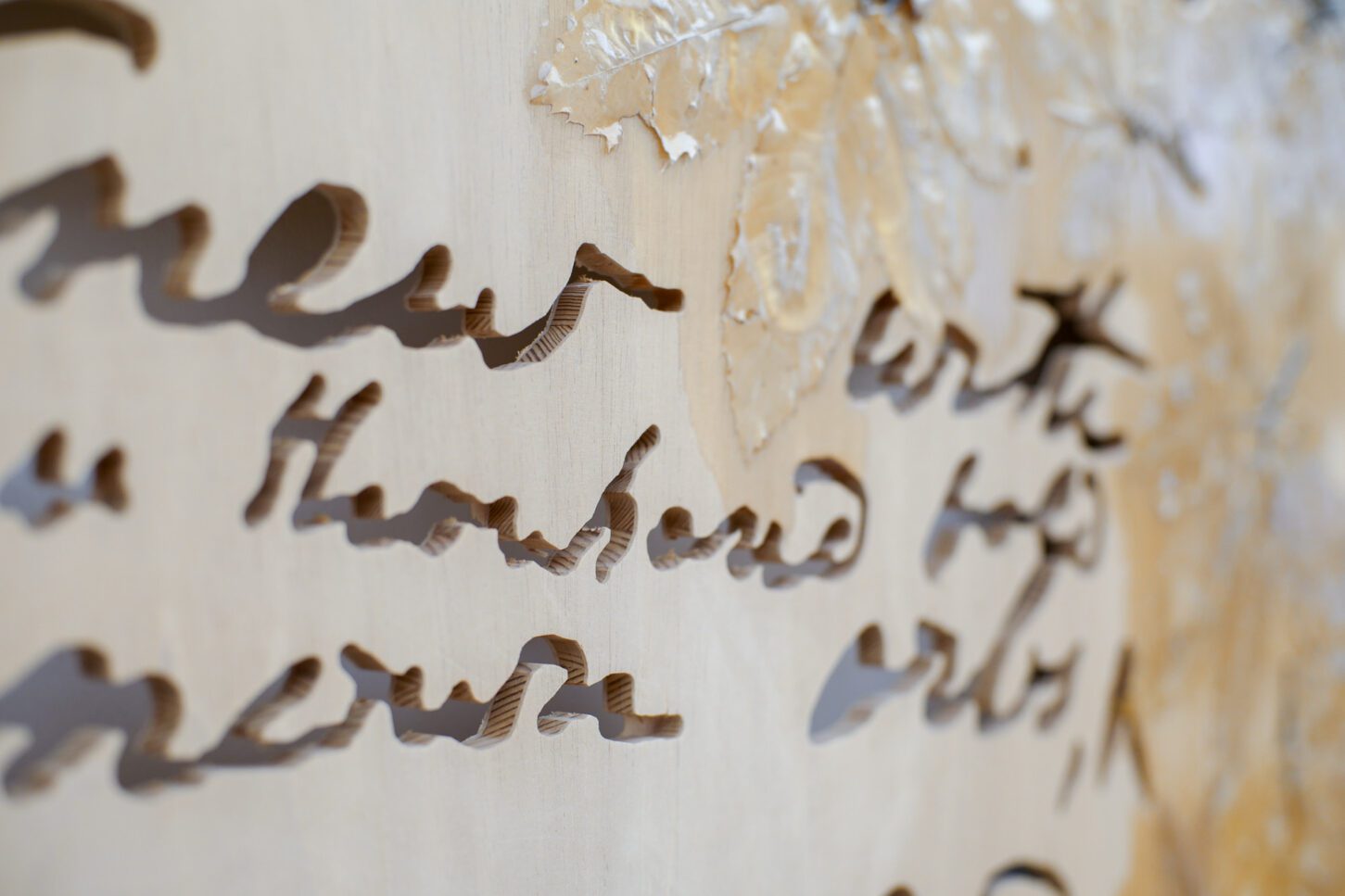
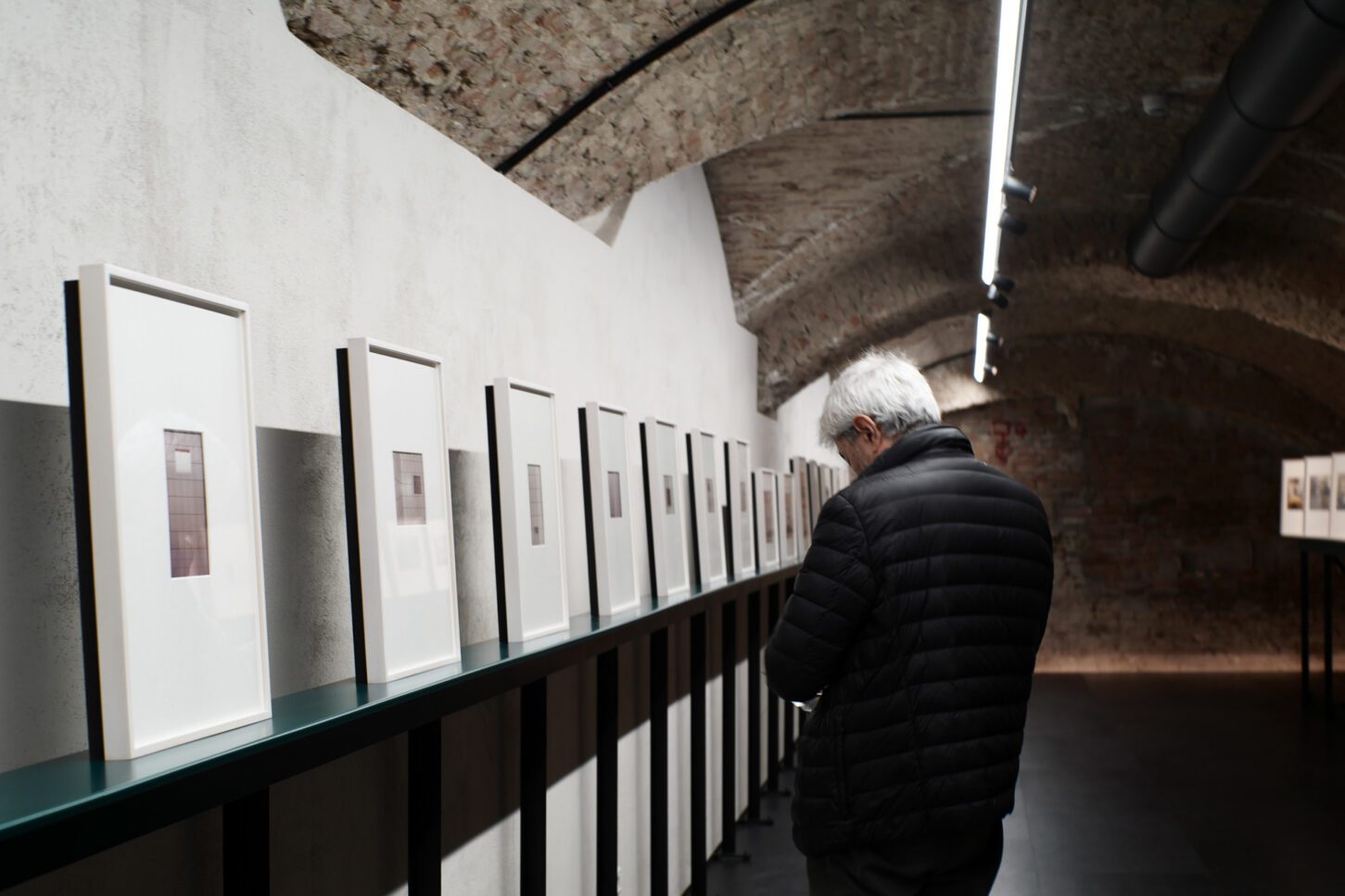
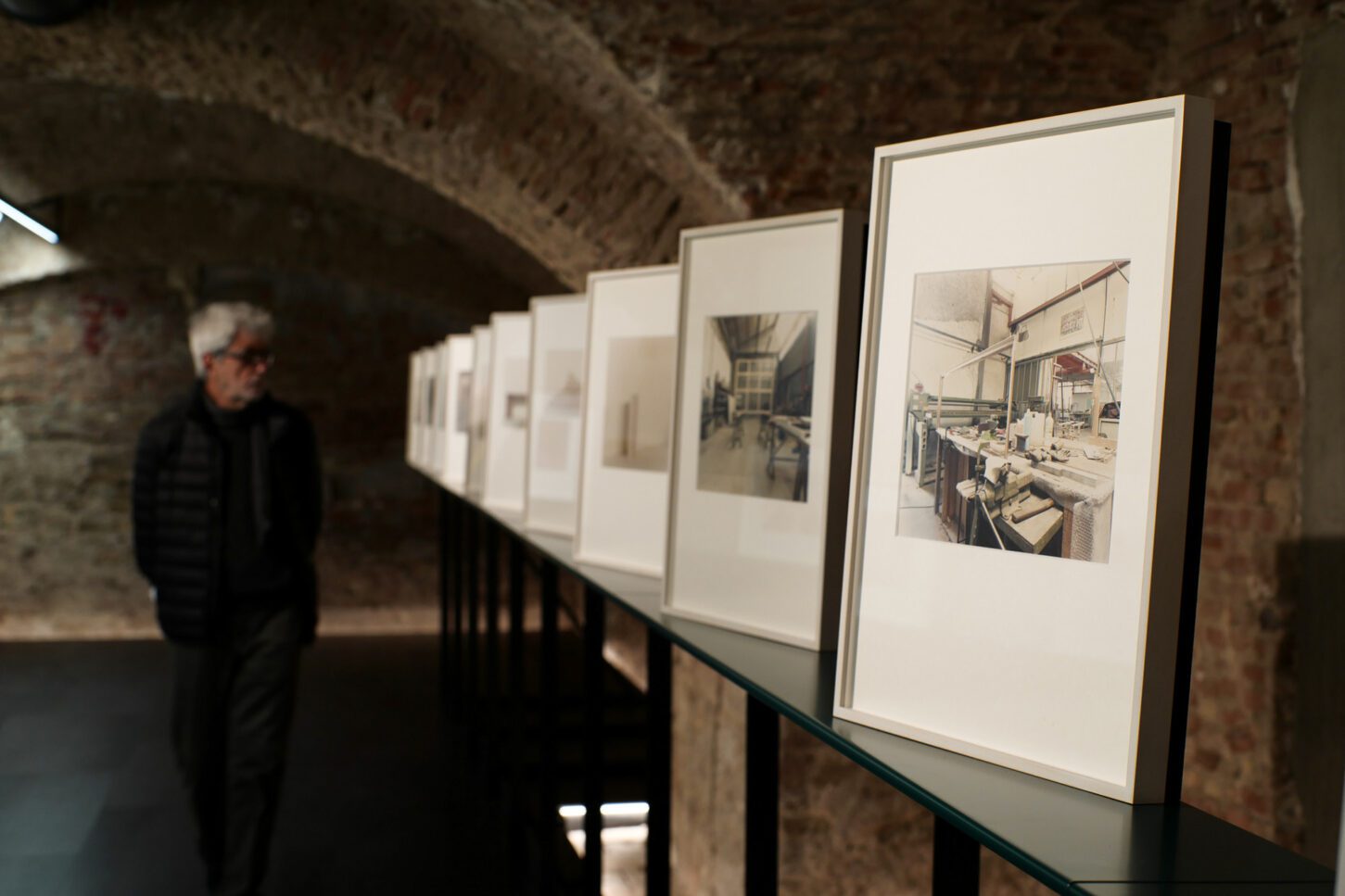
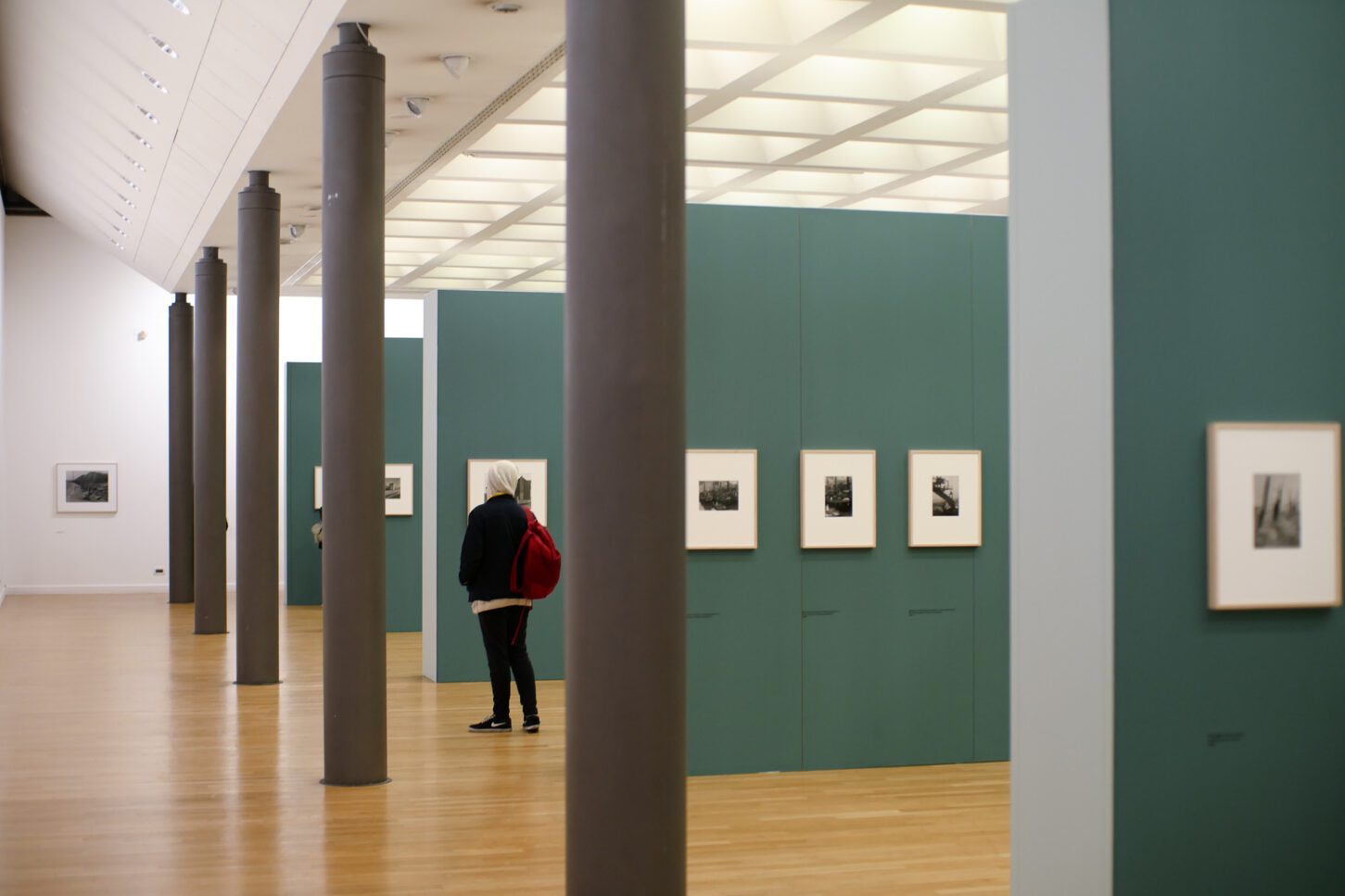
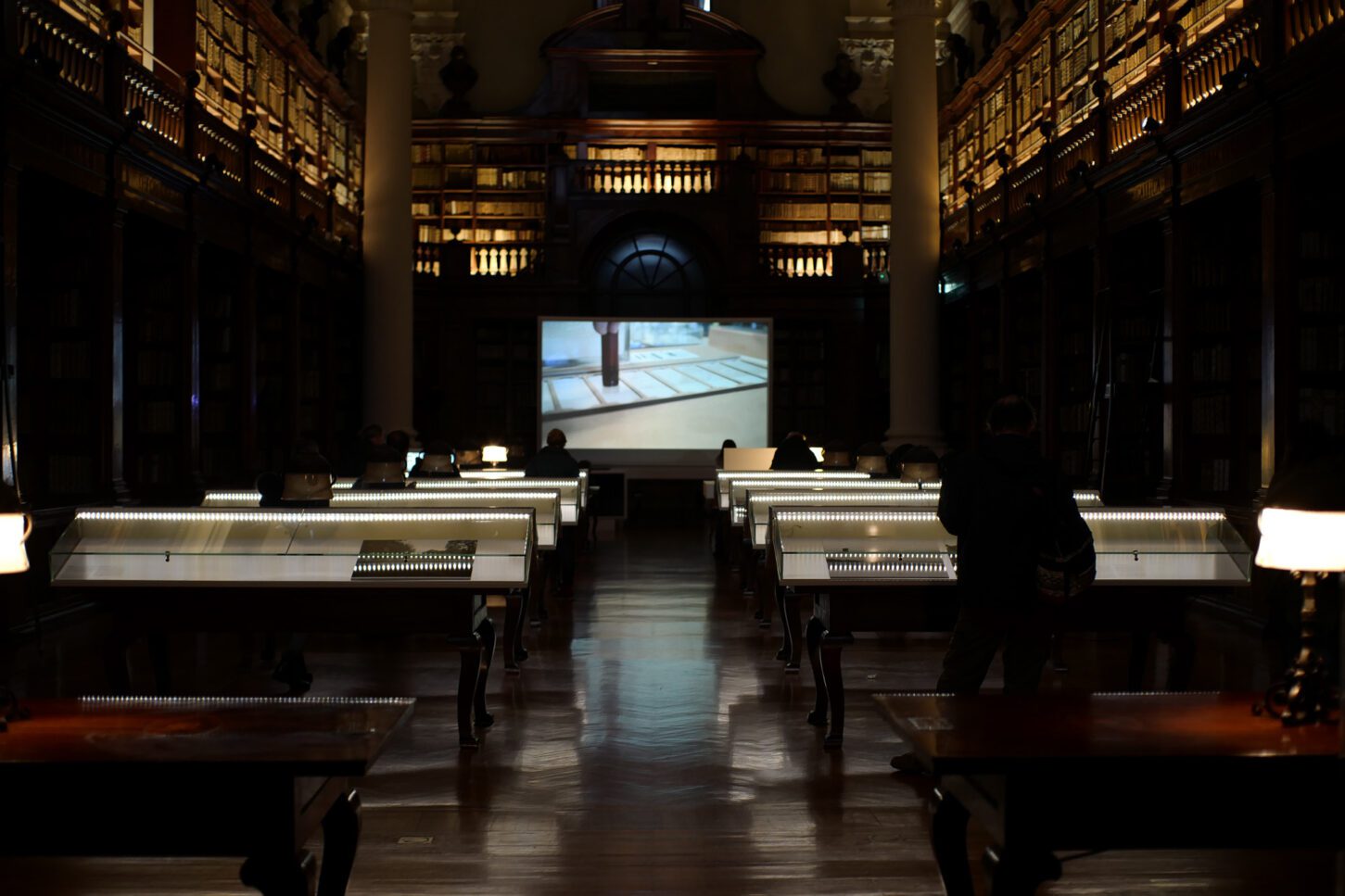
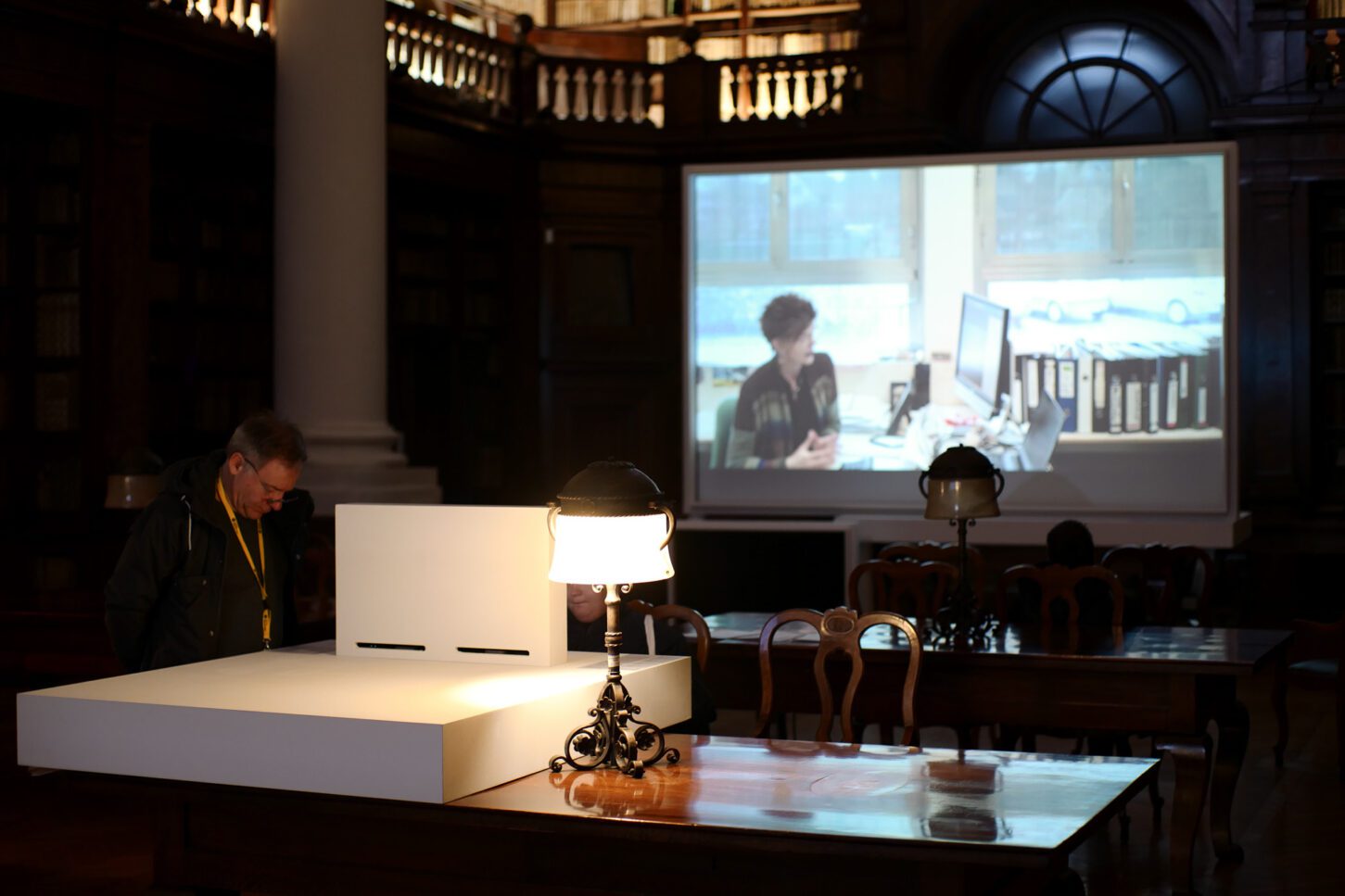
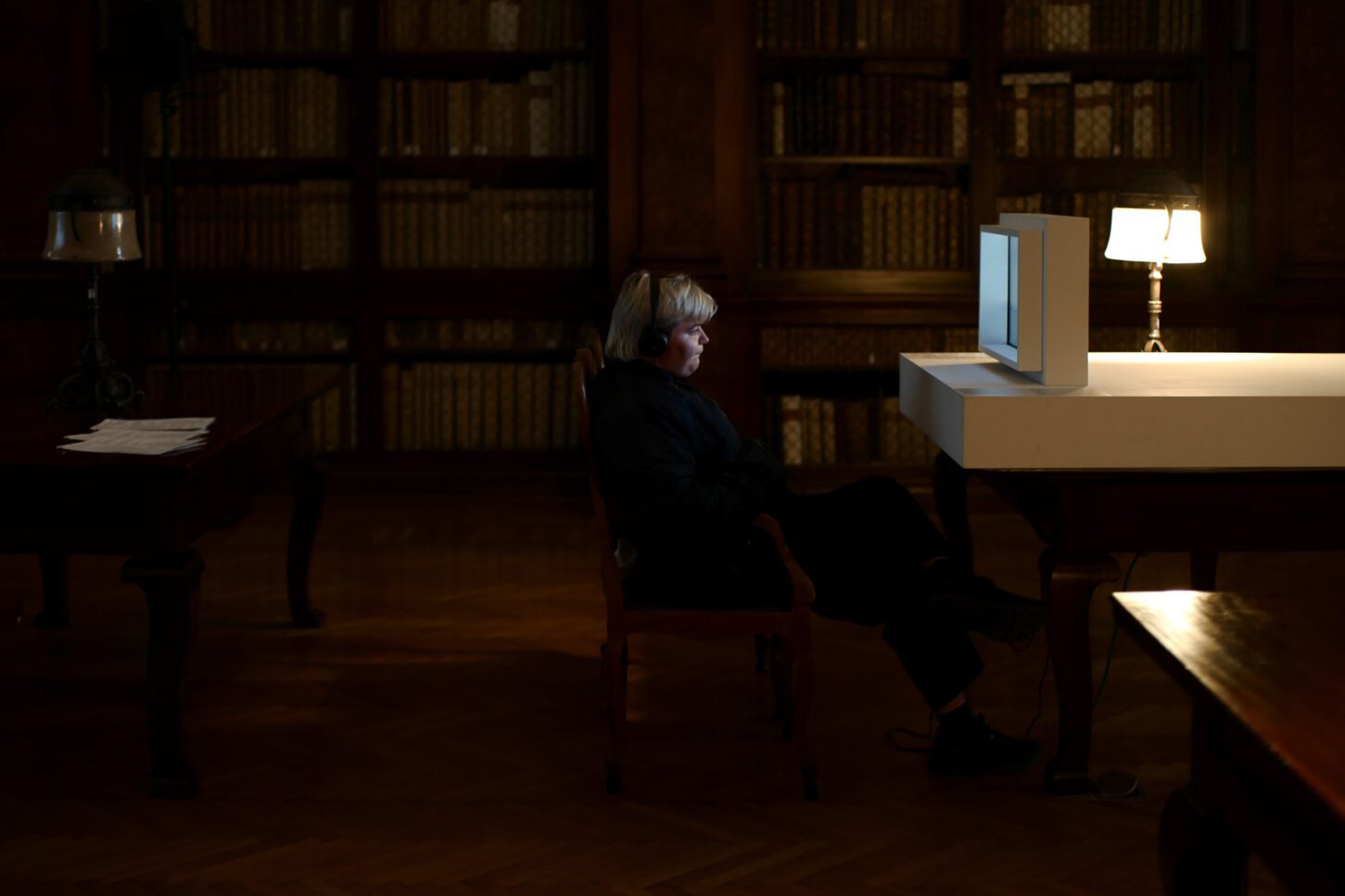
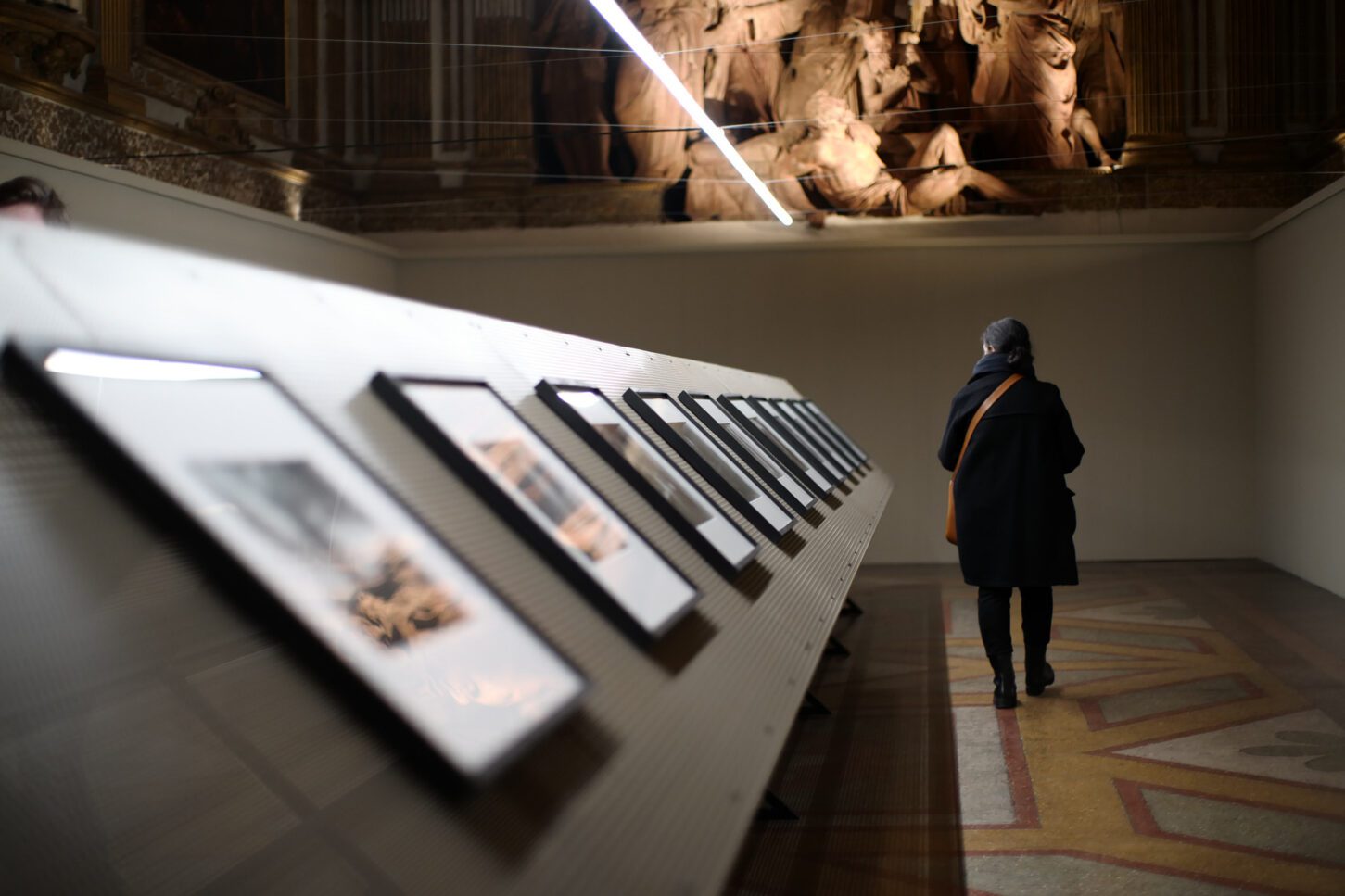
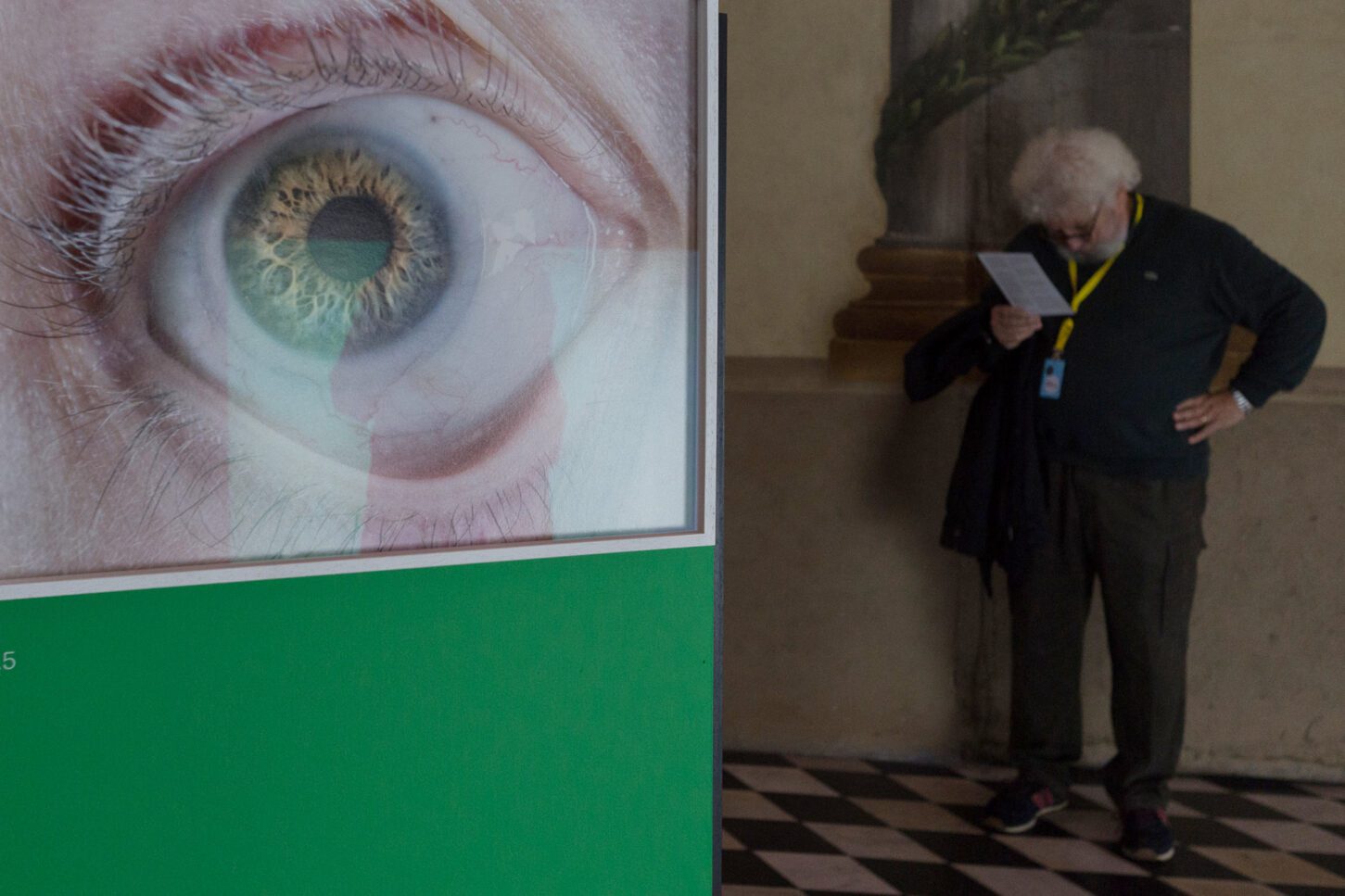
Each of us, in our own way, responded to the exhibition with cameras in hand — not to document the artworks, but to reflect on their context. The architecture, the people, the temporary landscapes created by the act of exhibiting industry.
What we captured was not the show itself, but the friction between the images and their environment. Between memory and performance. Between past labor and present aesthetics.
Fondazione MAST: Industry as Concept and Canvas
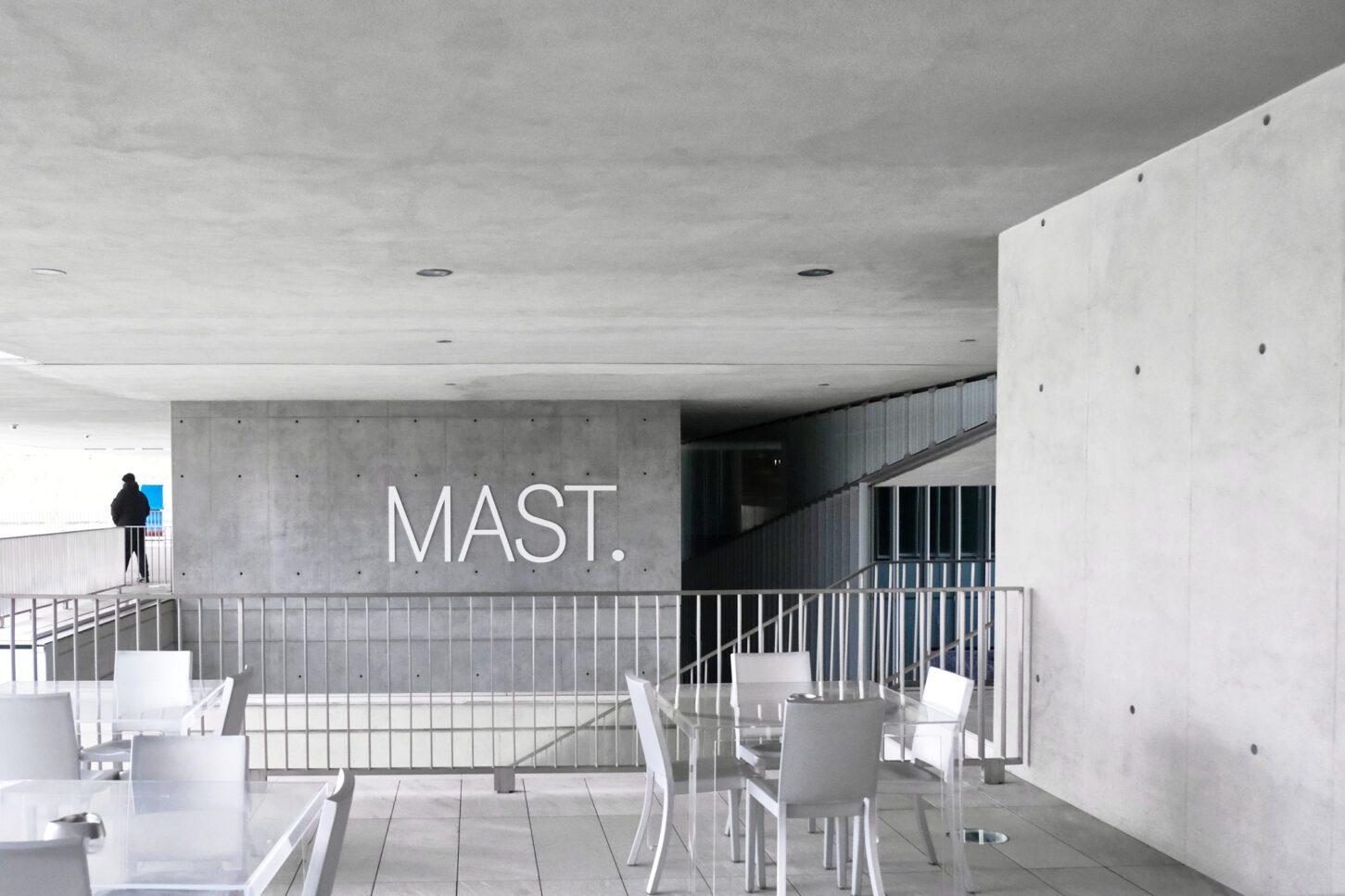
The MAST Foundation — host and co-creator of Foto/Industria — represents a unique convergence of culture, technology, and critical reflection. It doesn’t merely present images of industry. It curates its aura.
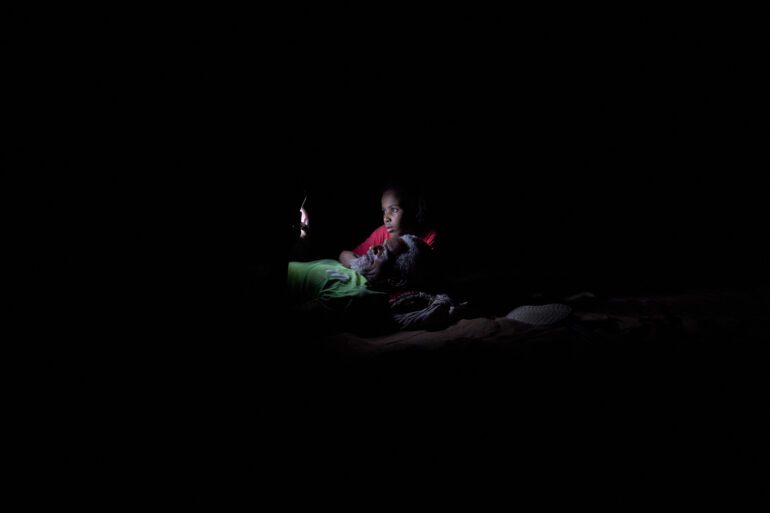
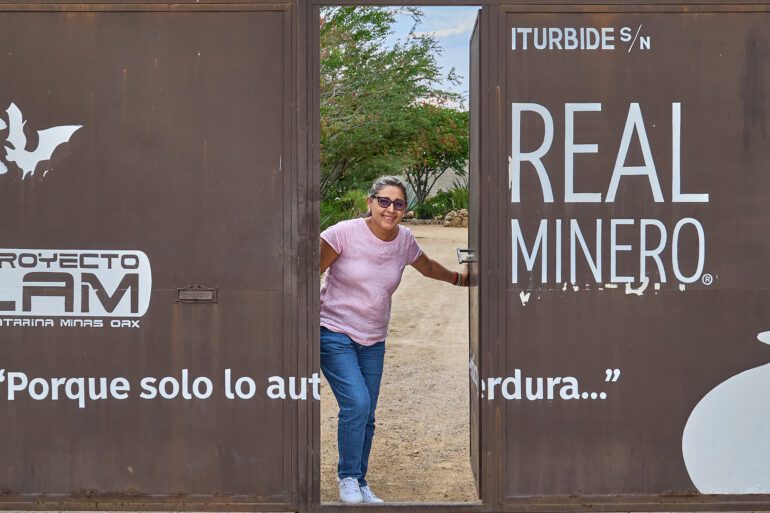
As photographers who work with communities shaped by invisible economies — informal mining, underground trade, undocumented labor — we found ourselves both inspired and provoked. Here, industry is clean, symmetrical, curated. There, it is chaotic, embodied, often denied the status of “work.”
That tension is productive. It forces questions. Who gets to define labor? Who controls its image?
Why Foto/Industria Matters
Foto/Industria 2019 speaks. Not because of nostalgia. But because the themes it raised are more urgent than ever. As we face environmental collapse, mass displacement, and new forms of digital exploitation, the Technosphere is no longer a metaphor. It is our habitat. Our prison. Our stage.
For Ayzoh!, the exhibition reaffirmed a simple, radical idea: photography must remain close to the ground. Close to the workers. Close to the landscapes they alter and inhabit. Close to the contradictions that institutions often smooth out.
We don’t photograph machines because they are beautiful. We photograph them because they leave scars. Because they replace bodies. Because they tell us something about where we’re headed — and where we refuse to go.
Our work in indigenous villages, informal economies, and post-industrial ruins is part of the same conversation started in Bologna. But we bring a different language. One shaped by encounter, by time, by discomfort. And above all, by care.
Foto/Industria reminded us that photography can still ask the right questions. That it can interrogate systems without fetishizing them. That it can open a space between what is shown and what is lived.
This, for Ayzoh!, is where photography begins. Not in the studio. Not in the gallery. But in the broken and unfinished places where the human and the industrial meet — not as opposites, but as entangled destinies.