Amazônia / Sebastião Salgado

They are us and we are them

The works of Sebastião Salgado, the renowned Brazilian photographer, played a significant role in my decision to become a photographer. Yesterday, after years of studying his photographs in books, I finally had the opportunity to visit one of his major exhibitions: “Amazônia,” currently held at the MAXXI in Rome, curated and set up by his wife, Lélia Wanick Salgado.

In “Amazônia,” much like in the eponymous book published by Taschen, the over 200 exhibited photographs, captured over eight years, narrate his 48 journeys through the Amazon rainforest – the “Green Lung” of the world – in search of communities maintaining a strong connection with Mother Earth.

My expectations were not disappointed. What Sebastião Salgado presents is a true immersion into something reminiscent of earthly paradise, the beginning of humanity and life. Jean-Michel Jarre’s musical landscape, accompanying visitors along the exhibition, plays a crucial role, allowing spectators to engage with the forest through all their senses: the atmosphere evokes the smell of pipe smoke, the taste of fish, and the freshness of river water.

Then there are the portraits of those who inhabit, care for, and venerate the forest. Despite the linguistic and cultural barriers that separate them (which initially intimidated him), Sebastião Salgado manages to capture their strength and dignity without falling into the clichés of “poverty porn.” He communicates with them, revealing what unites us: our emotions are the same, we love in the same way, they are us and we are them.

Every detail in “Amazônia” seems designed to make us relive what has been lost in other parts of the world over the centuries: the sanctity of the union between Man and Nature. Simultaneously, the exhibition resonates as a warning and a cry for help: the beauty of this planet must be preserved, not destroyed, exploited, or burned.

However, due to the beauty emanating from each image, Sebastião Salgado has been criticized for years. He is labeled an aesthete, too focused on an aesthetic search that numbs the pain and issues he denounces. “Amazônia” has even been called “a mere exercise in style,” using strongly emotional black and white photography that creates a “spectacularization of nature.” Critics argue that this “questions the ethical and anthropological value of his entire body of work.”

While I don’t fully agree with these criticisms, I, too, sensed a missing piece in the exhibition: the devastation and issues caused by deforestation are described through texts and local testimonies, but not visually through photography.

I believe the role of the inhabitants of these paradisiacal places – the people most affected by the ongoing devastation – is somewhat marginal. There are only 109 photos for ten populations, compared to the 95 dedicated to landscapes. The sizes of the prints dedicated to them are also considerably smaller than those of a more landscape nature.

Additionally, the choice to draw the viewer’s attention using black backgrounds in the portraits left me somewhat perplexed. While the expressiveness and strength of indigenous populations are powerfully imprinted in memory, the removal of the natural context can be perceived as a lack, as it is a fundamental part of their identity.

Sebastião Salgado has justified his choices in numerous interviews: as he also claims in “Genesis” – his previous project – nature is not contemplative. Nor is it indifferent to humans. Nature is a living and suffering organism, whose connection with humans can never be completely severed.

He is not interested in fueling media hunger with yet another set of tear-inducing or catastrophic images. He wants to contribute to healing the bond between humans and nature through the awe generated in those who observe his photographs. He wants to convince us that there is a paradise to protect. That paradise is called Earth.

Stories from the magazine

CML 5703
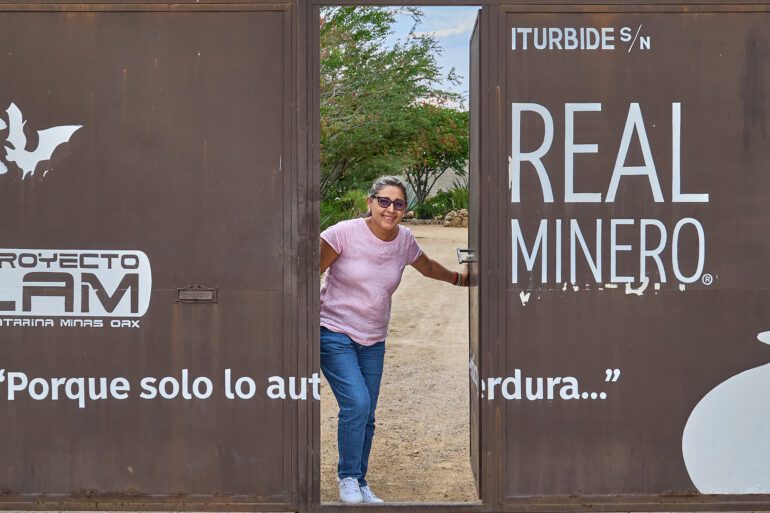
Real Minero: because only the authentic endures
In Santa Catarina Minas, Real Minero keeps a family practice of agave distillation alive and helps sustain Biblioteca El Rosario, a community space where knowledge returns to the town. In Santa Catarina Minas, Oaxaca, mezcal begins before the bottle....
CML 7527
The Tianguis de Domingo de Ramos
Every Holy Week, Uruapan becomes a meeting place for the artisans of Michoacán: clay, copper, lacquer, textiles, wood, fiber, food, music, and memory gathered in the streets. The Tianguis Artesanal de Domingo de Ramos takes place every year in Uruapan,...
Tetff Flour Arba Minch007
Teff: what the flour carries
Originally published in A Bag of Stories, the magazine produced and curated by Ayzoh! for Afar Textiles / African Cottons, this story begins in Arba Minch, where teff moves through hands, wooden sieves, plastic trays, shade, dust, and morning light. In...
CML 9996
Niñas Sabias, San Miguel de Allende, Mexico
Niñas Sabias, also known as Wise Girls, is a nonprofit organization working with girls, women teachers, schools, and local communities in Mexico and Costa Rica. Its work begins with a simple fact that still shapes the lives of many girls: menstruation...
CML 1100
Biblioteca Pública de San Miguel de Allende, Mexico
In San Miguel de Allende, the Biblioteca Pública brings books, scholarships, performances, workshops, and daily encounters into one shared civic space. The Biblioteca Pública de San Miguel de Allende is one of the city’s most active cultural institutions....
Land Grabbing A 0001
This is colonization by invitation
Text by Fikre Tolossa / In the un-glorious past, European colonizers grabbed by force any African lands they had their eyes set on and did whatever they desired to do with the lands. Not only did they exploit the lands, but also the natives by paying...

Latest Publications

Presa Allende 005 0101
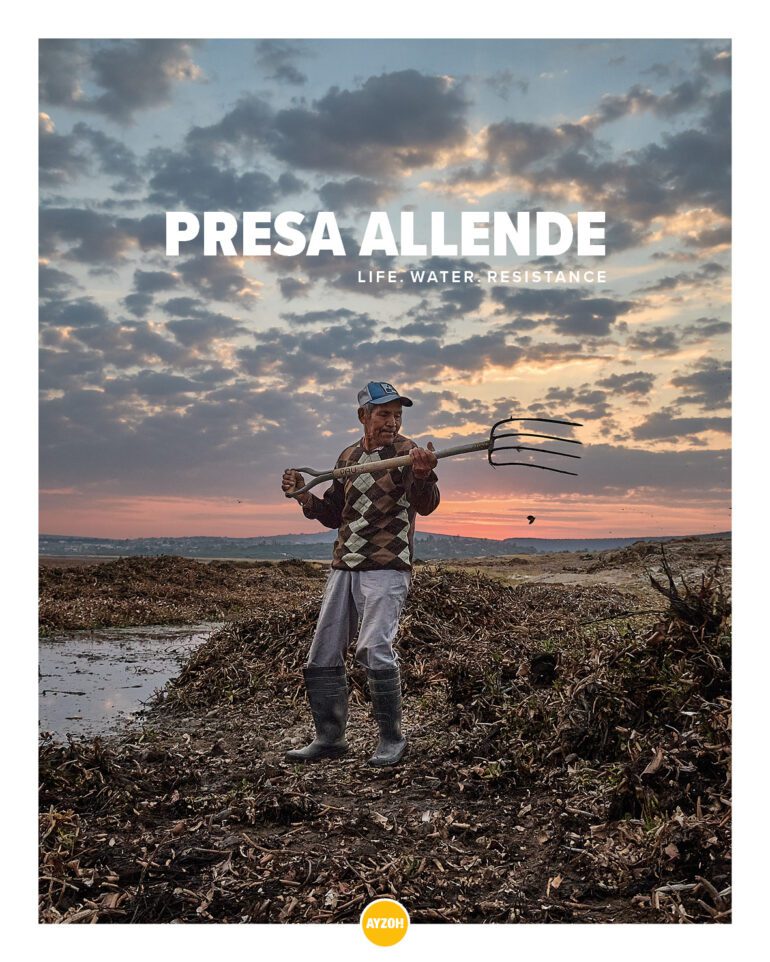
Presa Allende
Presa Allende is a reservoir, a landscape and a community under pressure. You see contamination, invasive plants, lost jobs and migration. You also see dignity, responsibility and a long tradition of people who act when institutions fail. This book shows...
Somos Guatemala 01
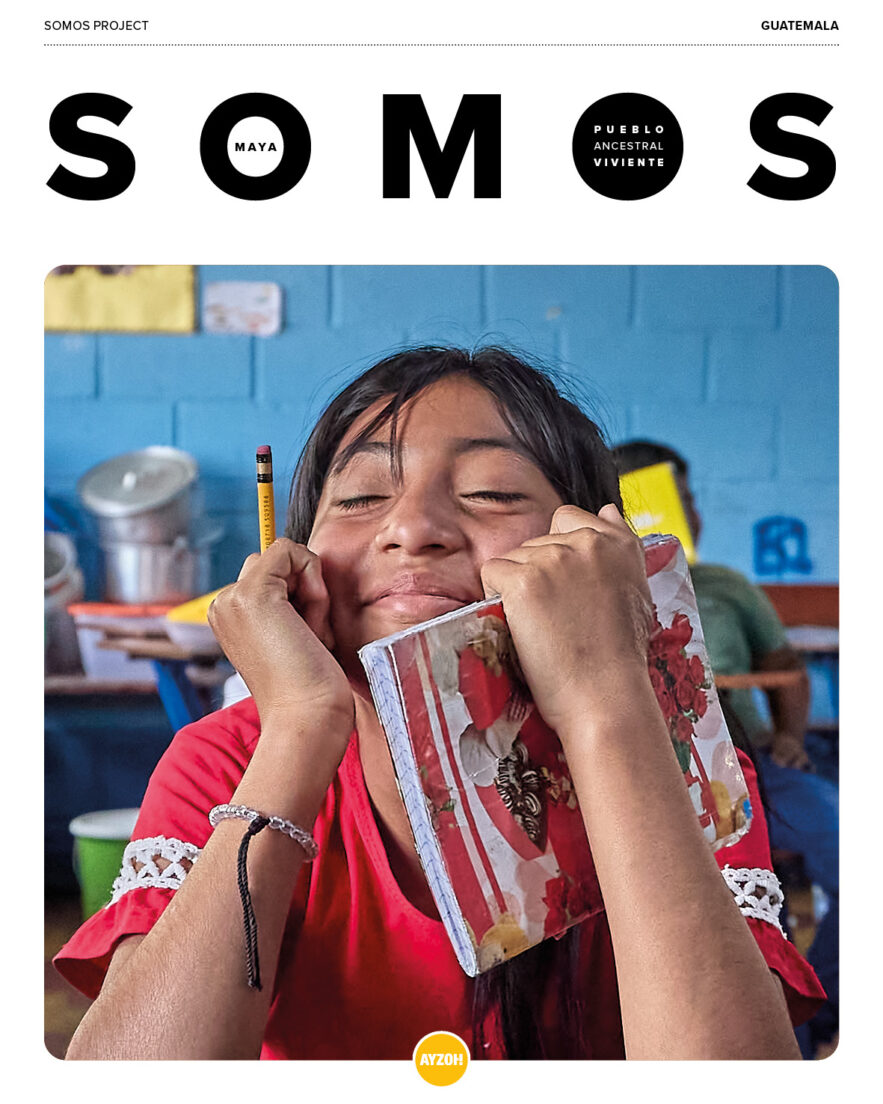
Somos / Pueblo Ancestral Viviente
"Somos" is a call to listen, to witness, and to act. Created in deep collaboration with Maya communities across Guatemala, this project amplifies ancestral voices that have long been silenced, distorted, or ignored. At its heart lies the Popol Wuj, the...
El Rosario 001 01
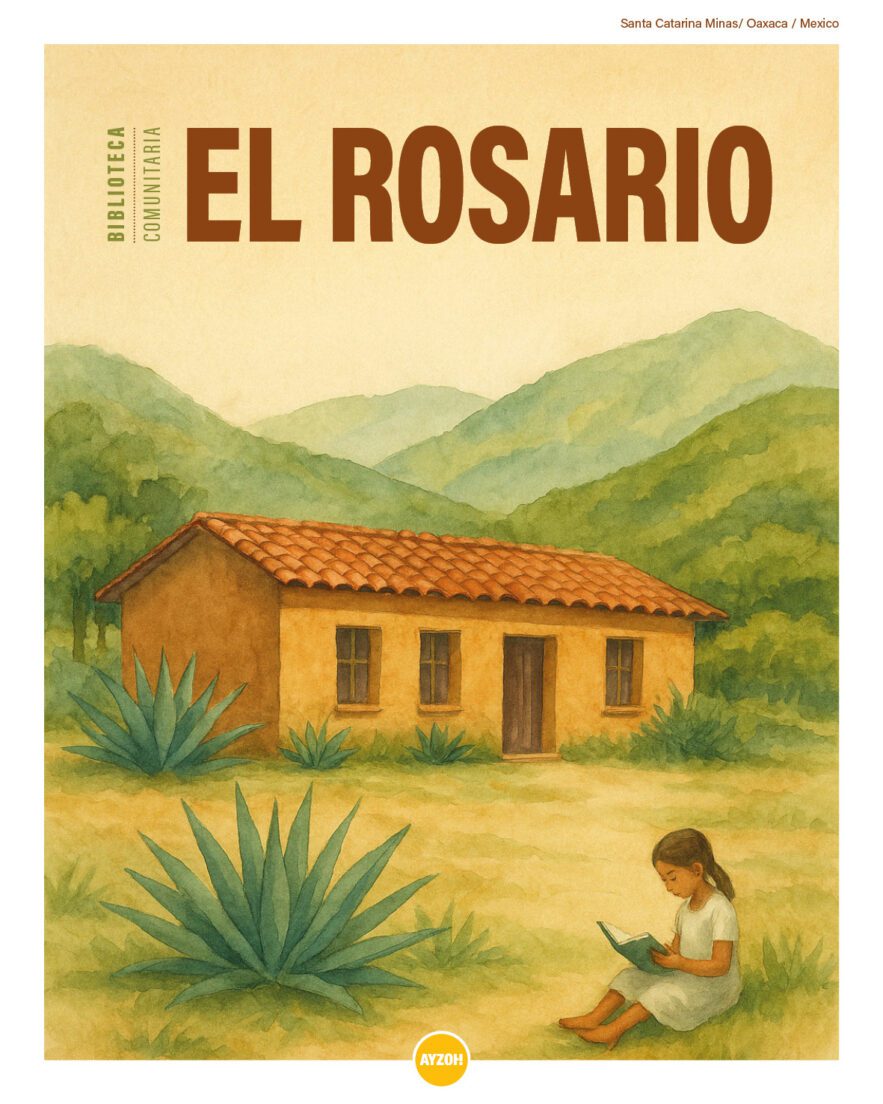
Biblioteca Comunitaria El Rosario
El Rosario is a photo book and a tribute to a grassroots library in Oaxaca, Mexico. Created with the community of Santa Catarina Minas, it celebrates literacy, biodiversity, and collective imagination. All proceeds support the library and its partner...
Je-suis-la-rue-0001-b-01
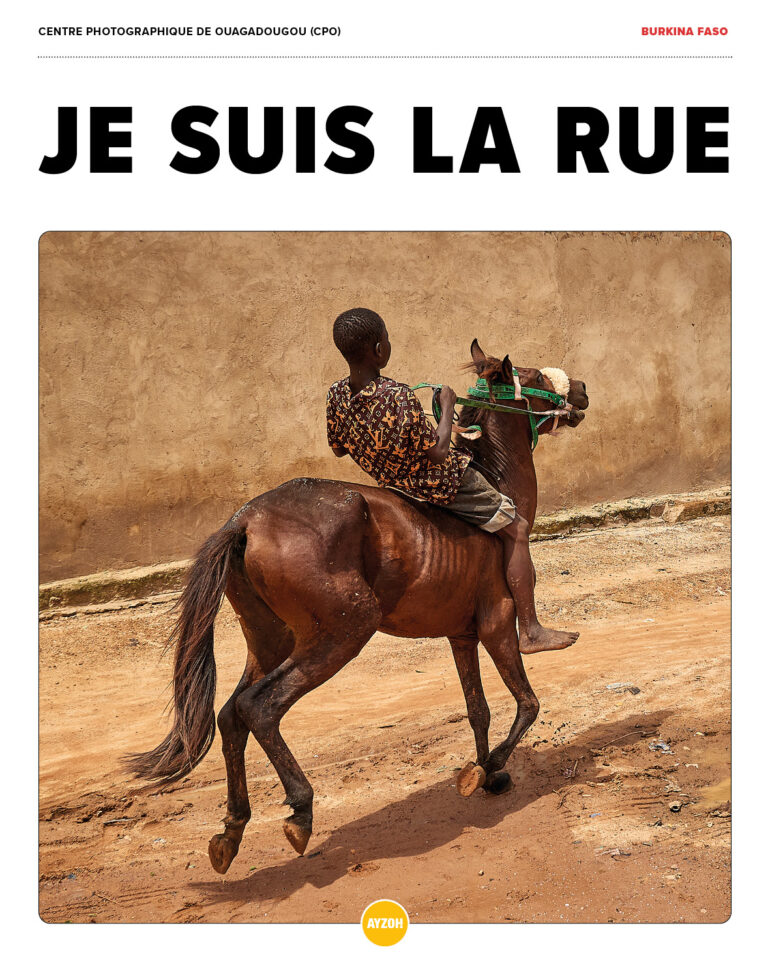
Je Suis la Rue
Discover the vibrant streets of Ouagadougou, Burkina Faso, through the eyes of talented youth who transform urban spaces into creative playgrounds. Ayzoh! established the Centre Photographique de Ouagadougou (CPO), an inclusive photography center empowering...
Visit-Awra-Amba-_01
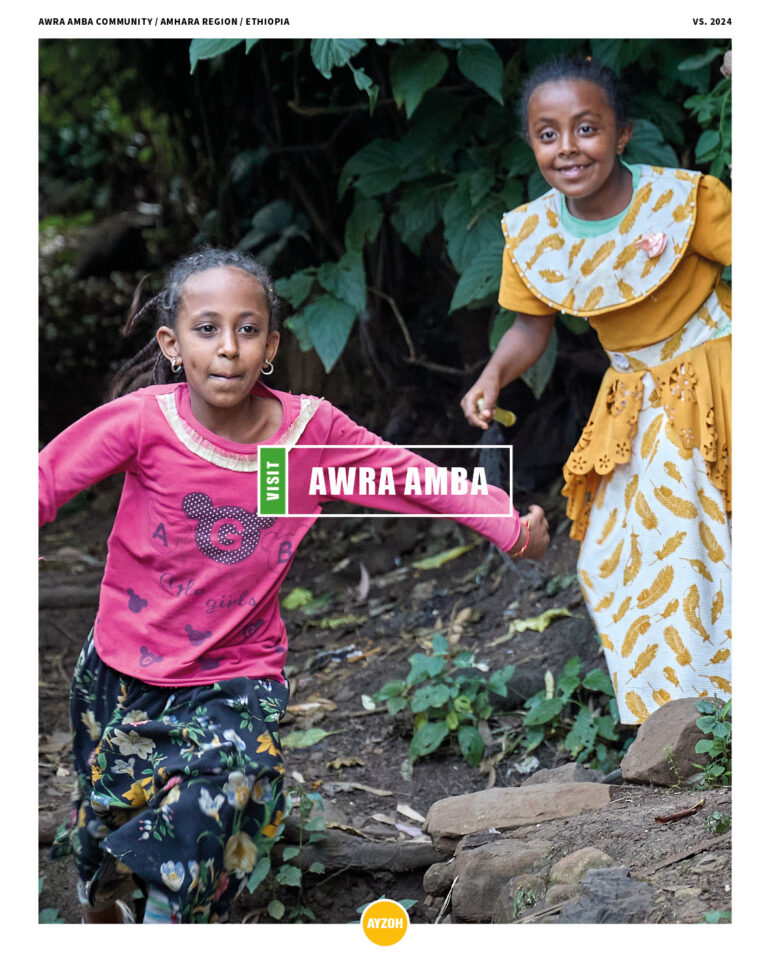
Visit Awra Amba
Awra Amba, a visionary community in Ethiopia, challenges conventional norms by promoting equality, peace, and sustainability. As global ambassadors, Ayzoh! shares their inspiring story through an illuminating photographic book and dedicated website, highlighting...
Isegran-01
Isegran
An intimate homage to the maritime community of Isegran, Norway, this book celebrates the profound connection between humans and the sea. Explore themes of love, tradition, craftsmanship, and passion, reflecting on the sea’s timeless ability to unite...

Stay close to the stories that matter

Once a month, we share new essays, photo reports, behind-the-scenes insights, and early access to our workshops and events. No fluff—just real voices, powerful images, and the people who move us. Join our newsletter. It’s free, and it’s made with care.

No spam. Unsubscribe anytime.