Flames, Memory, and Youth: A Workshop During La Fogheraccia in Rimini

Photography and video course with the students of Einstein High School

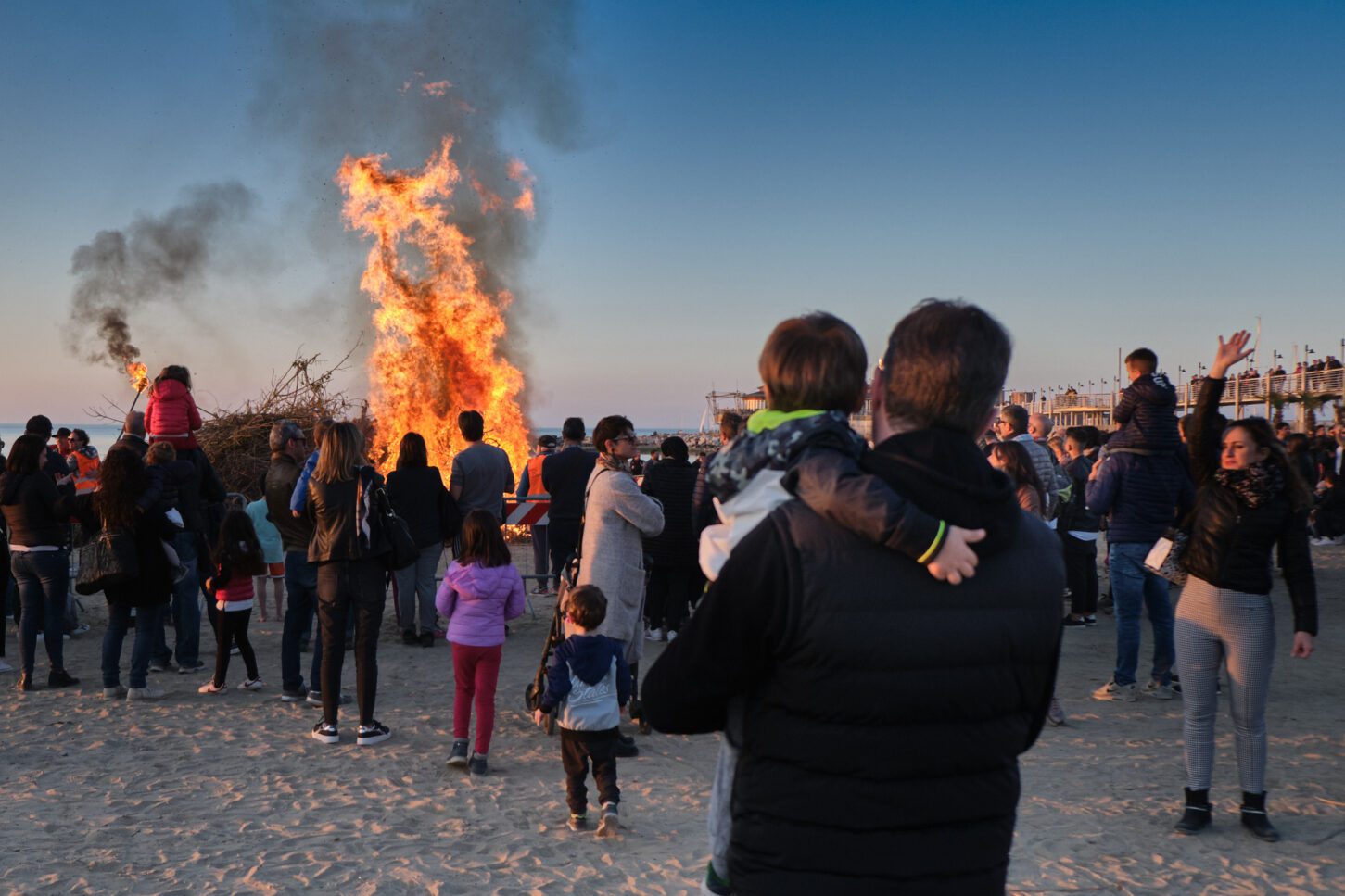
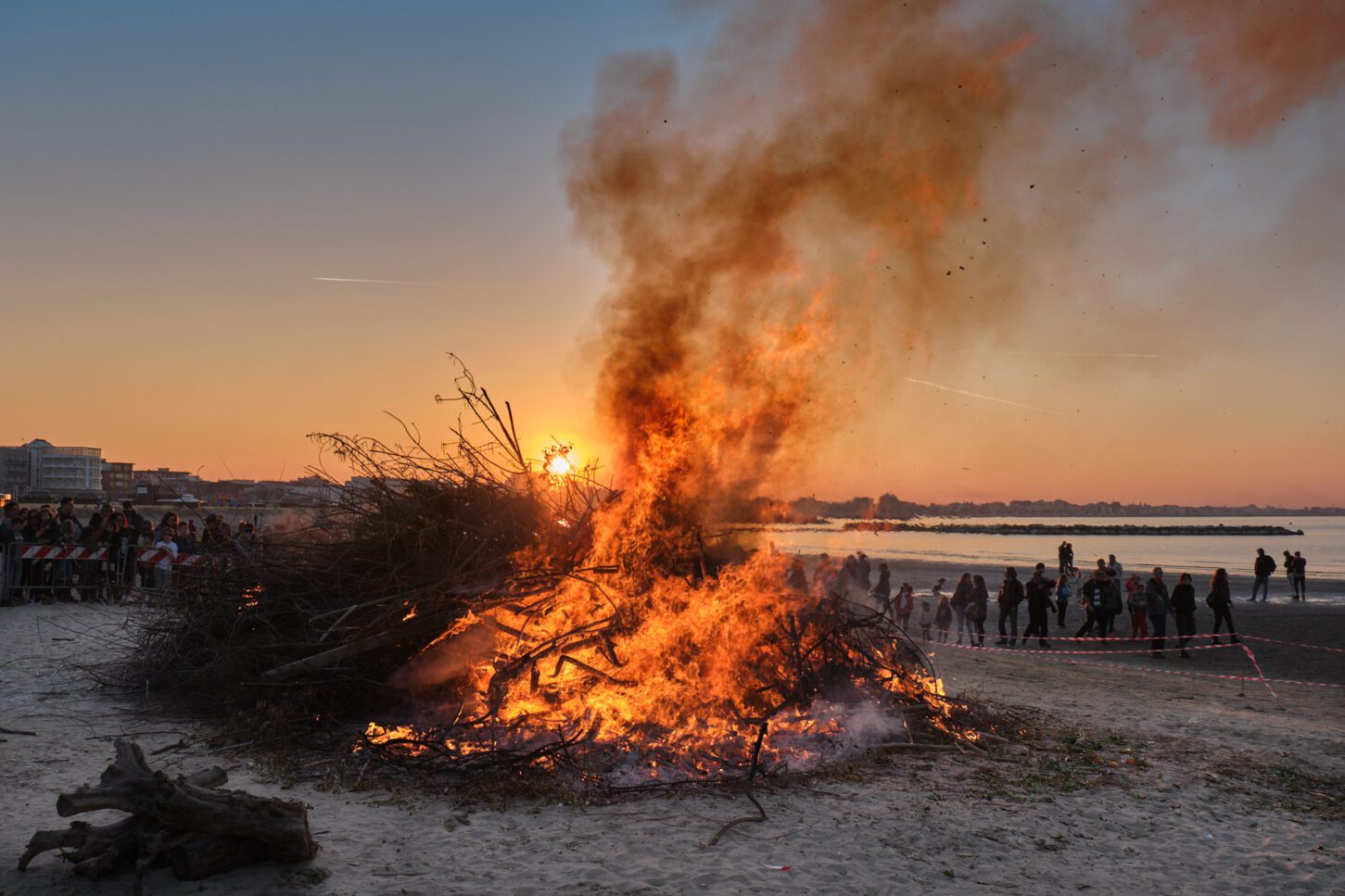
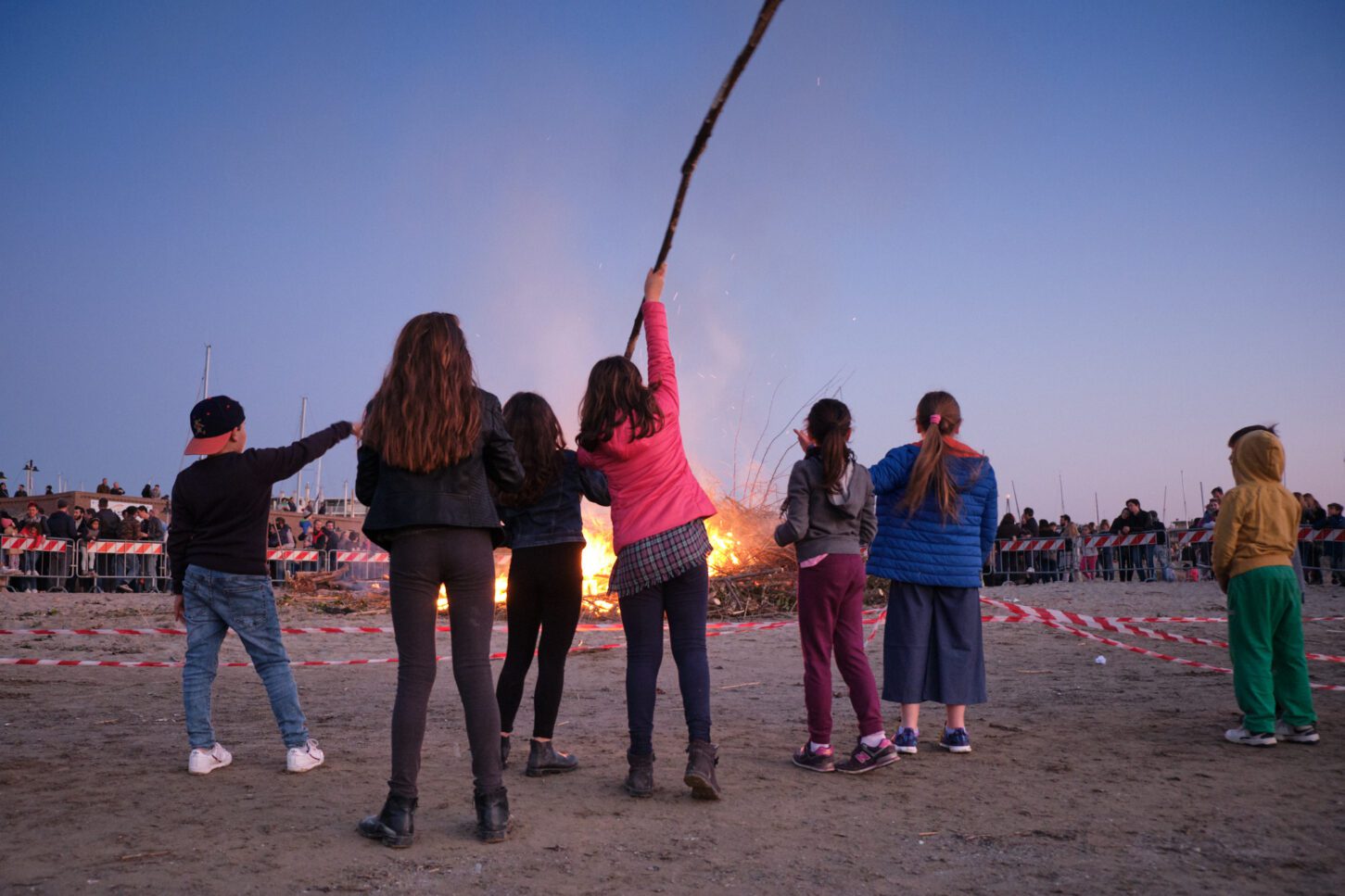
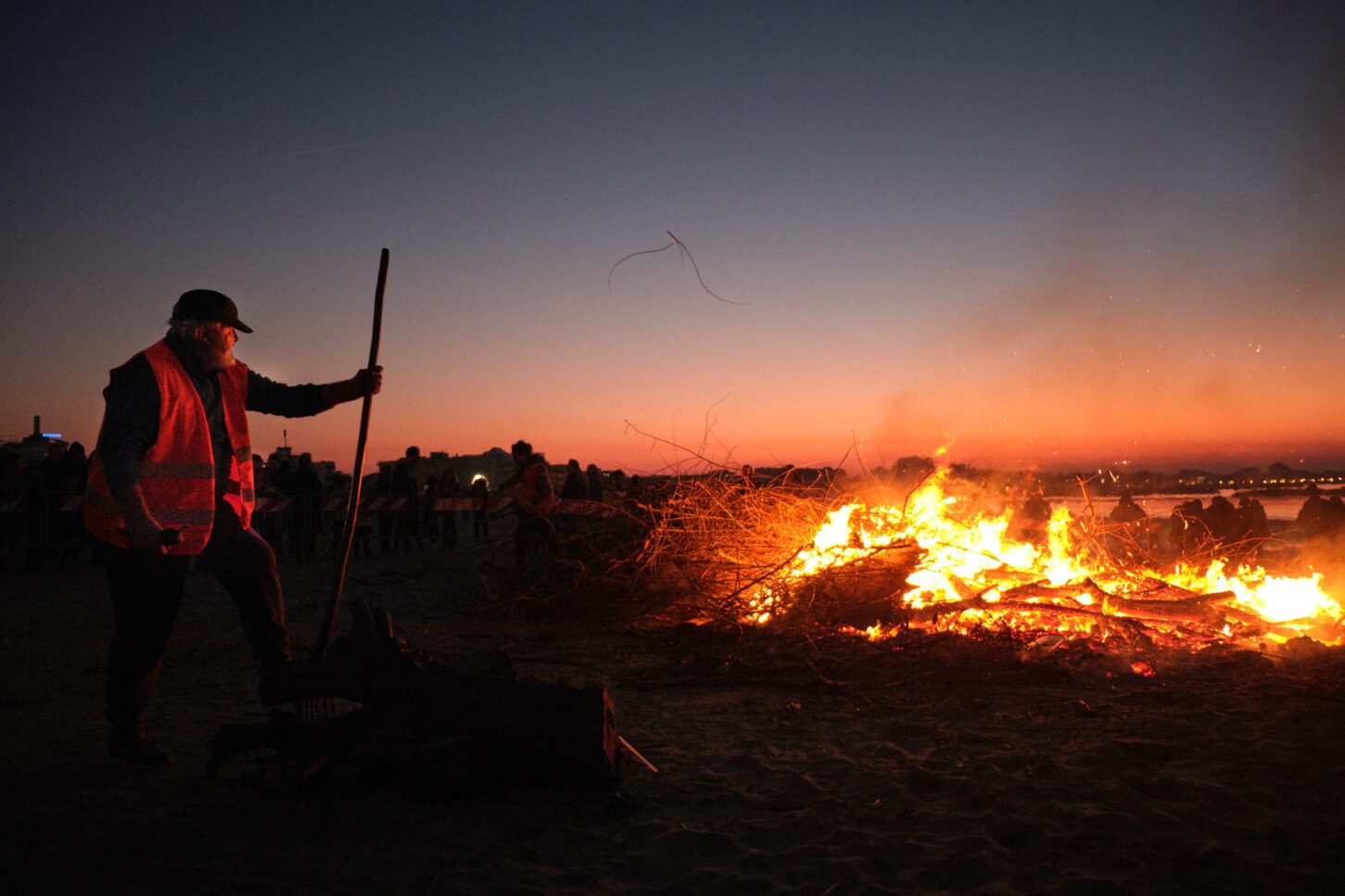
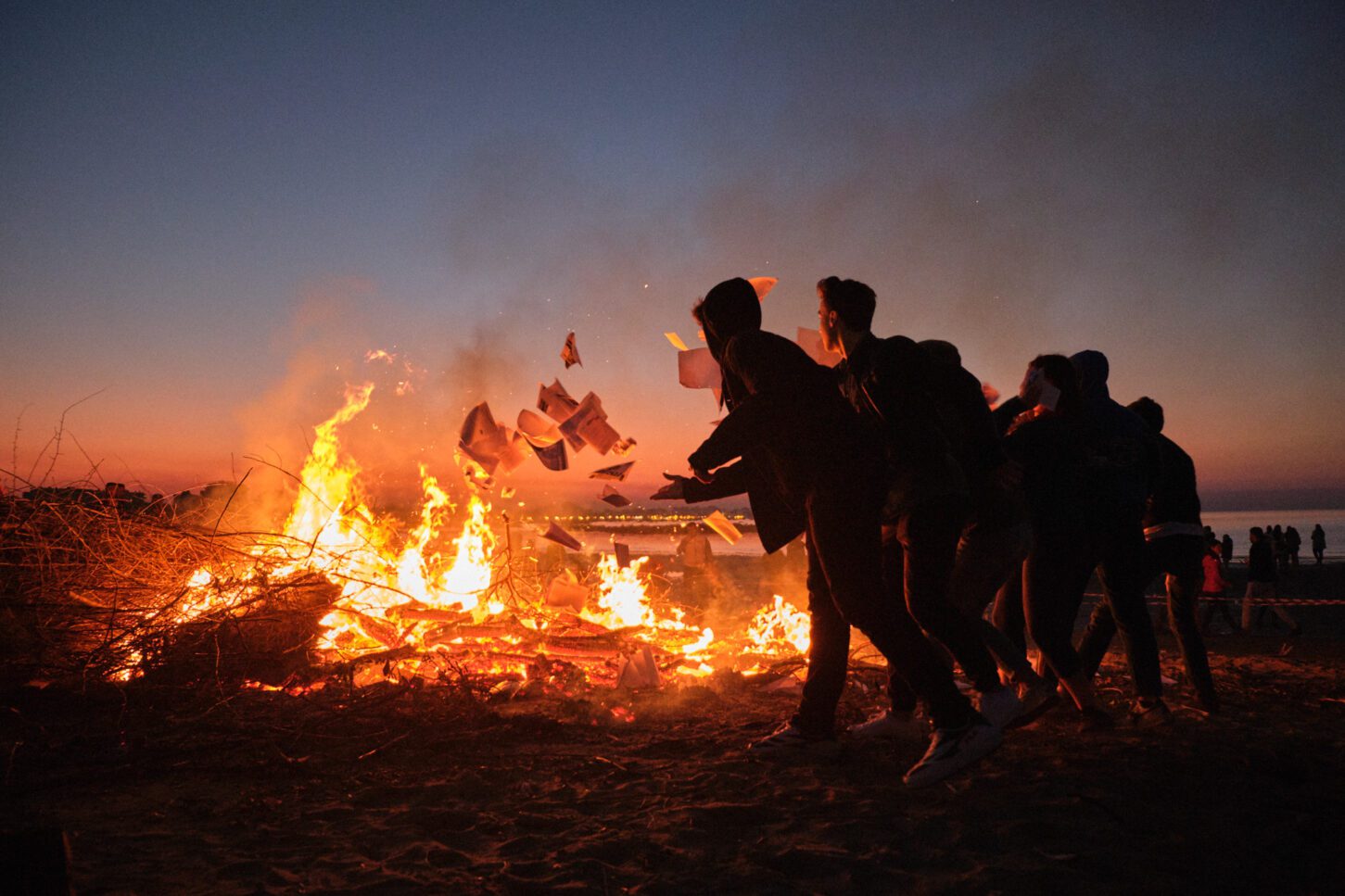
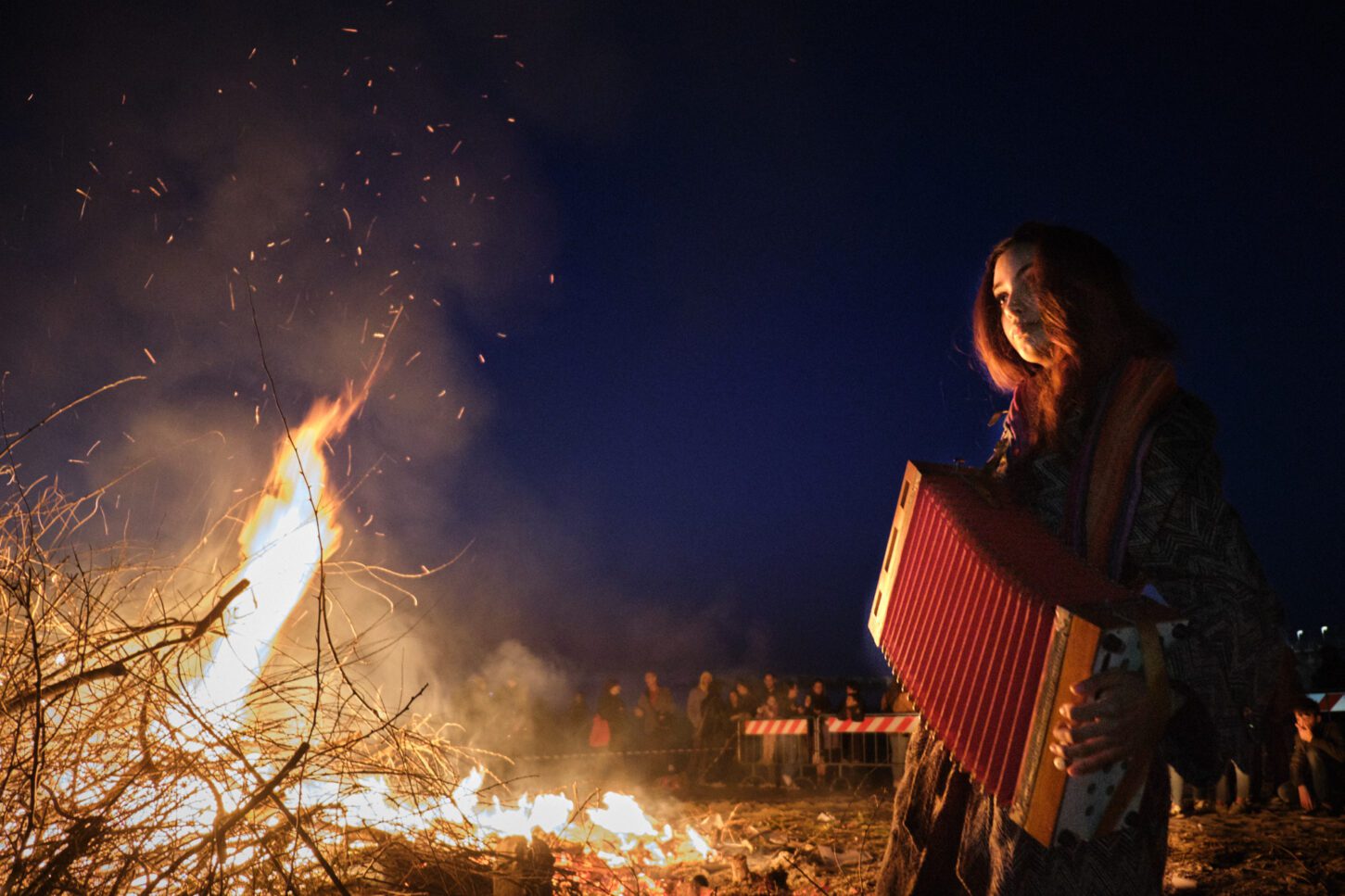
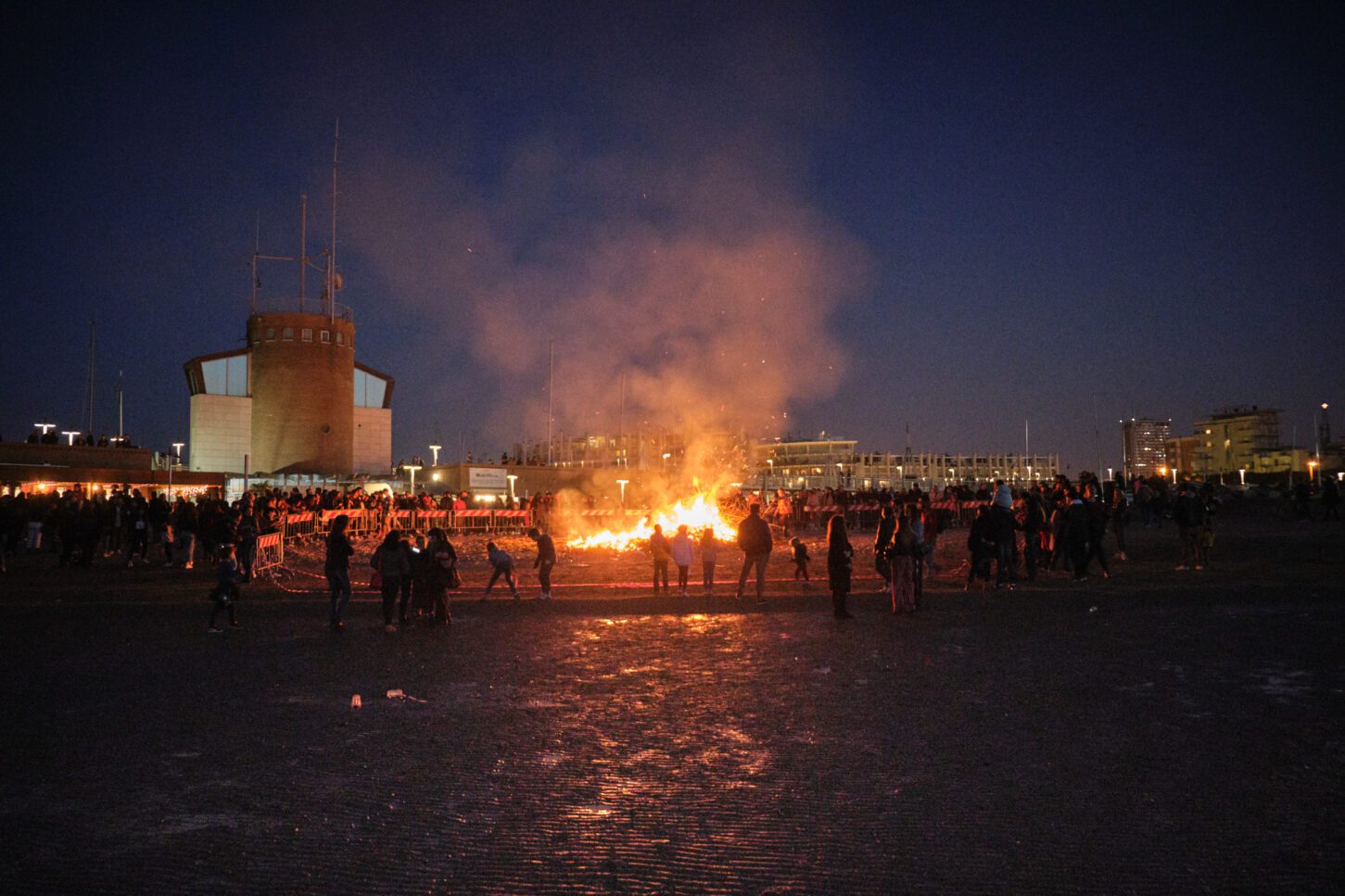
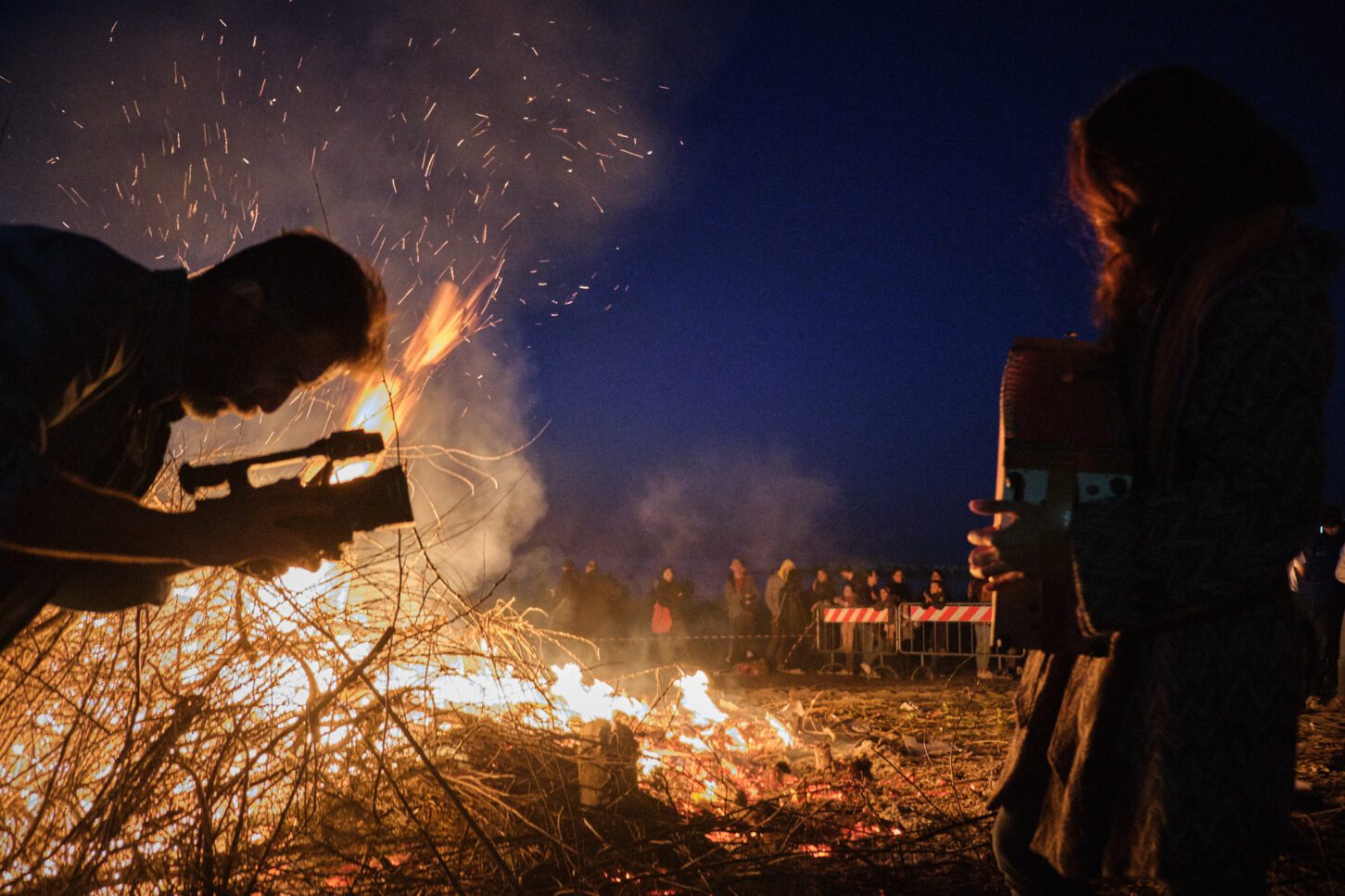
Every year, on the night of January 16, the city of Rimini lights up with the flames of La Fogheraccia — an ancient ritual celebrated on the eve of Saint Anthony the Abbot, protector of animals and guardian of rural life.

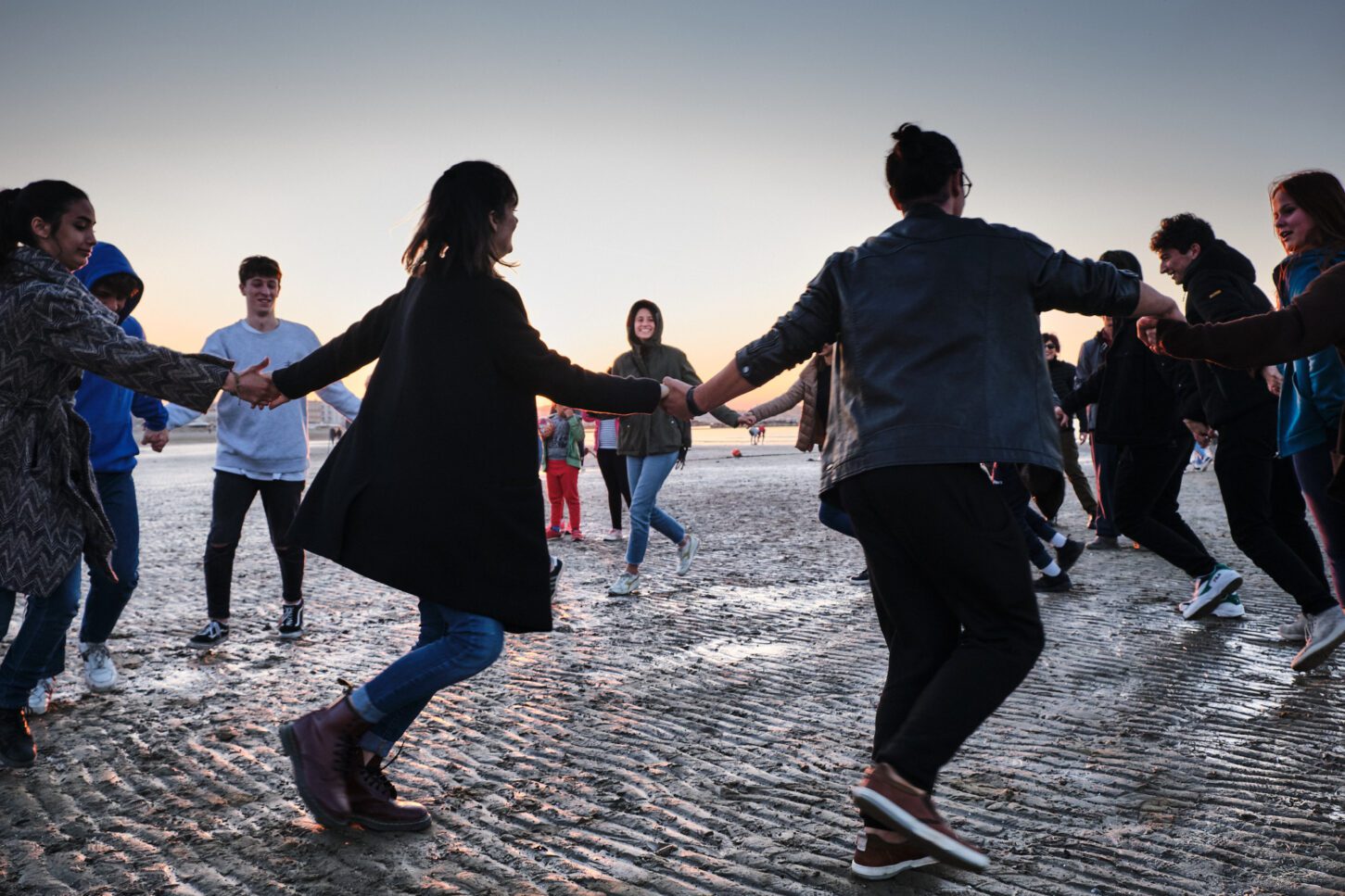
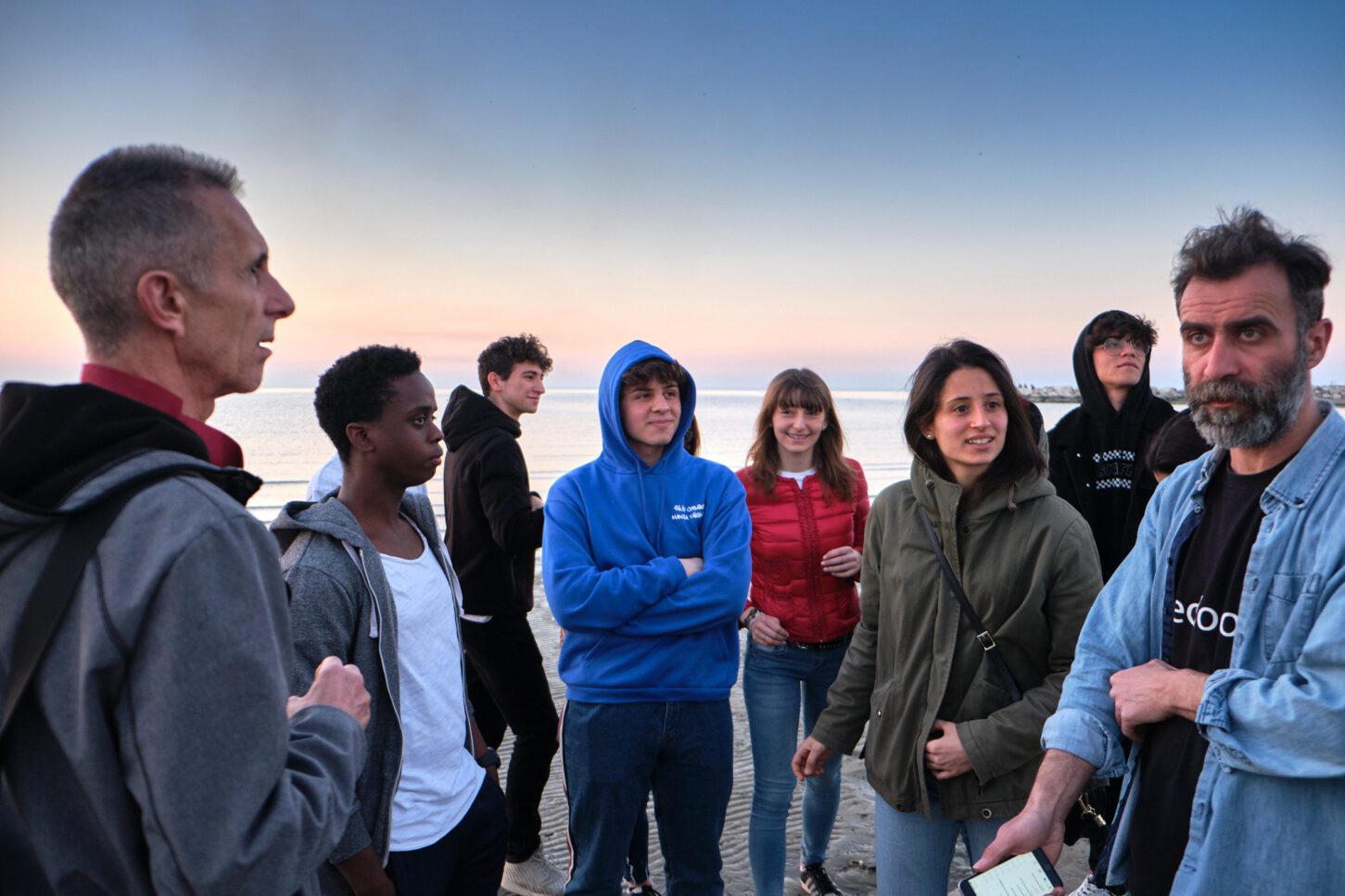
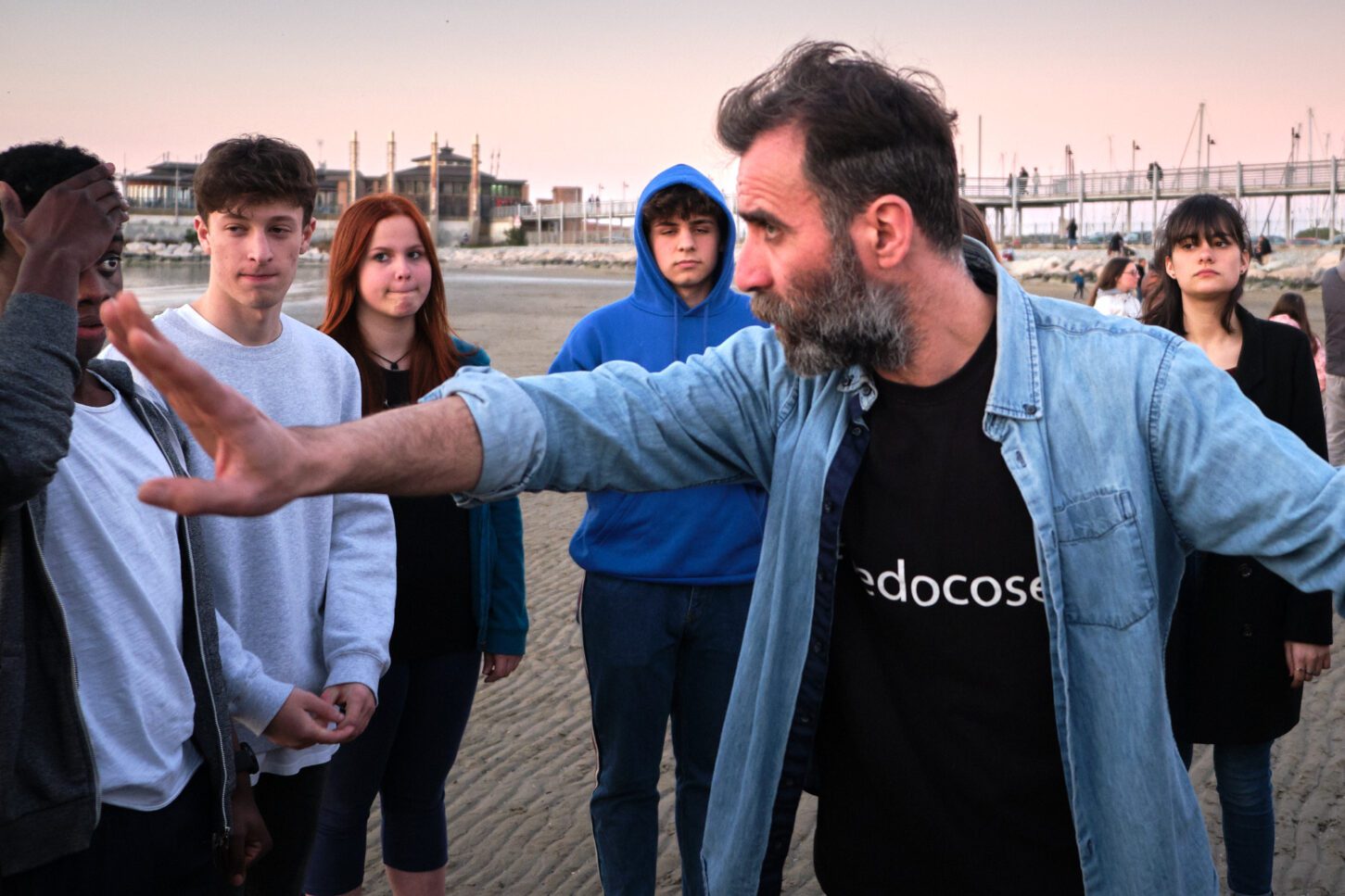
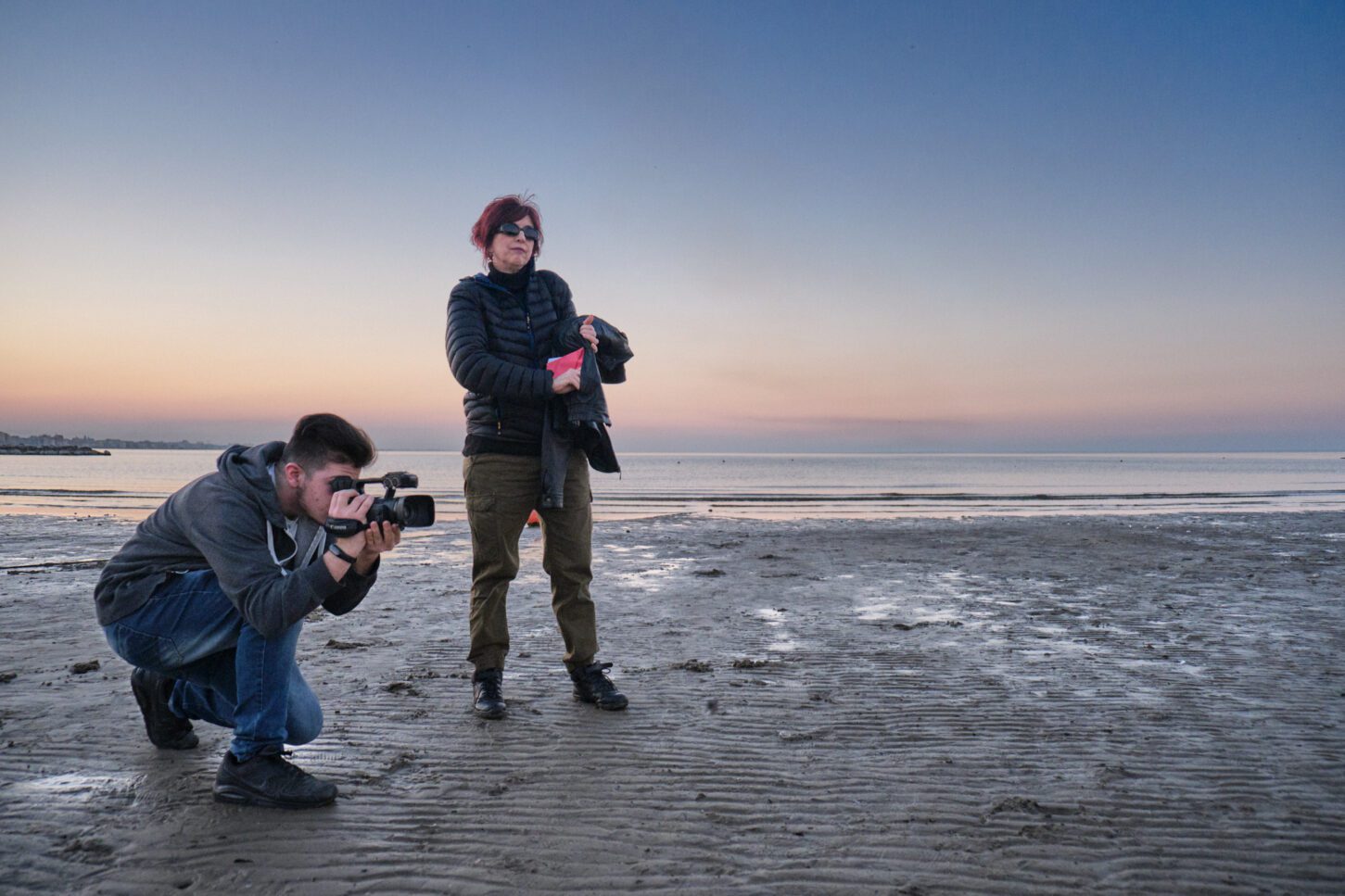
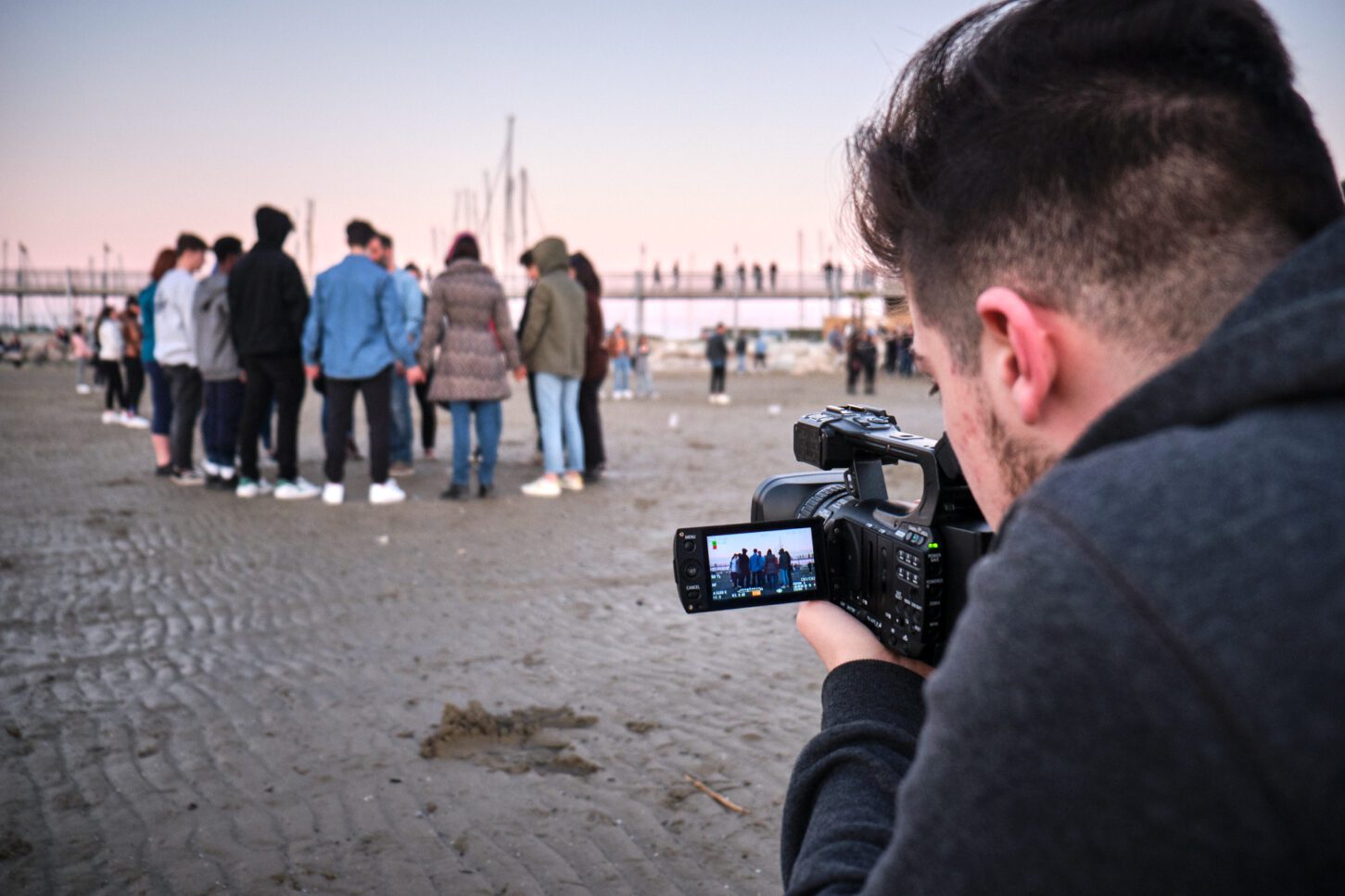
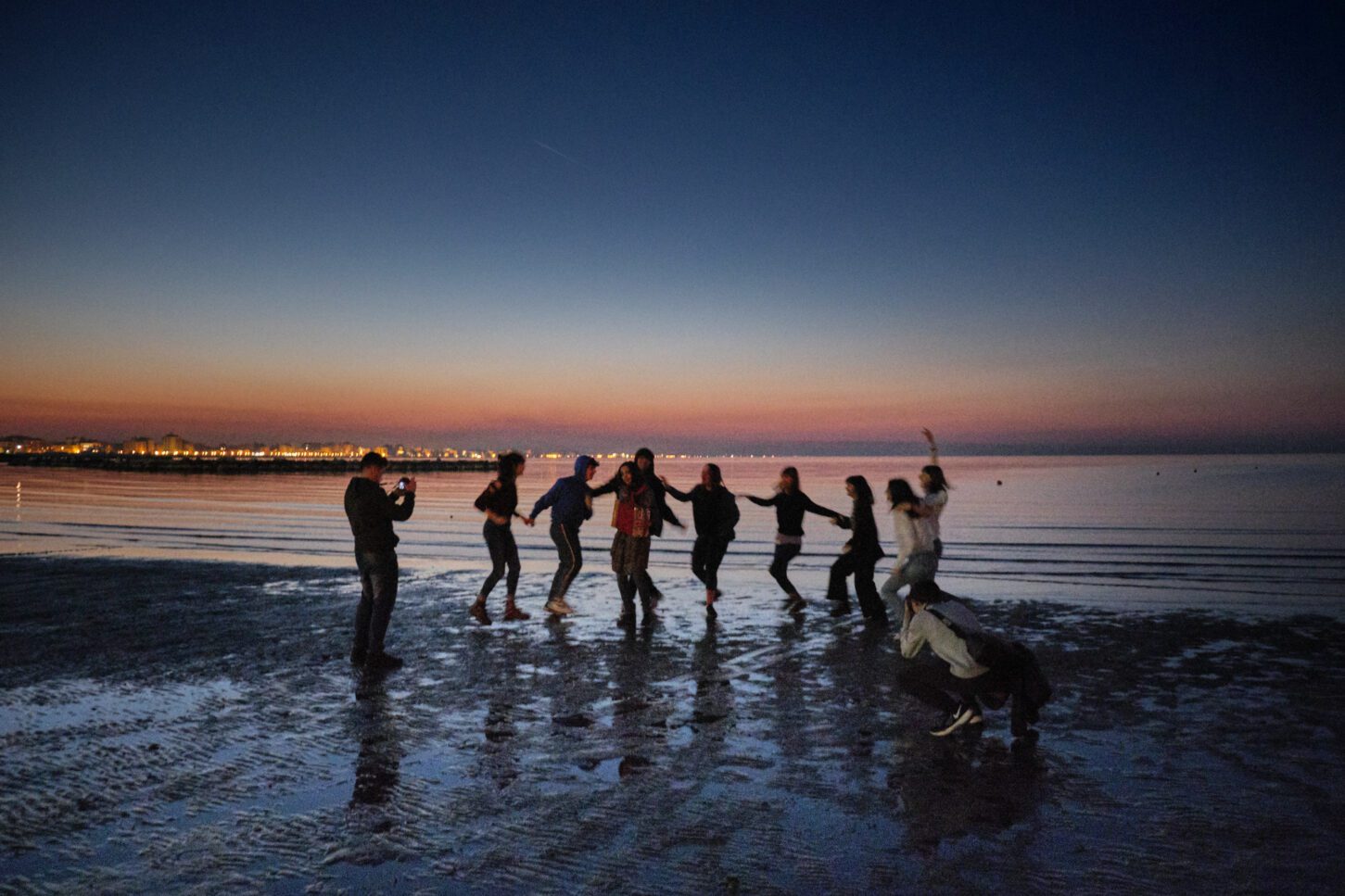
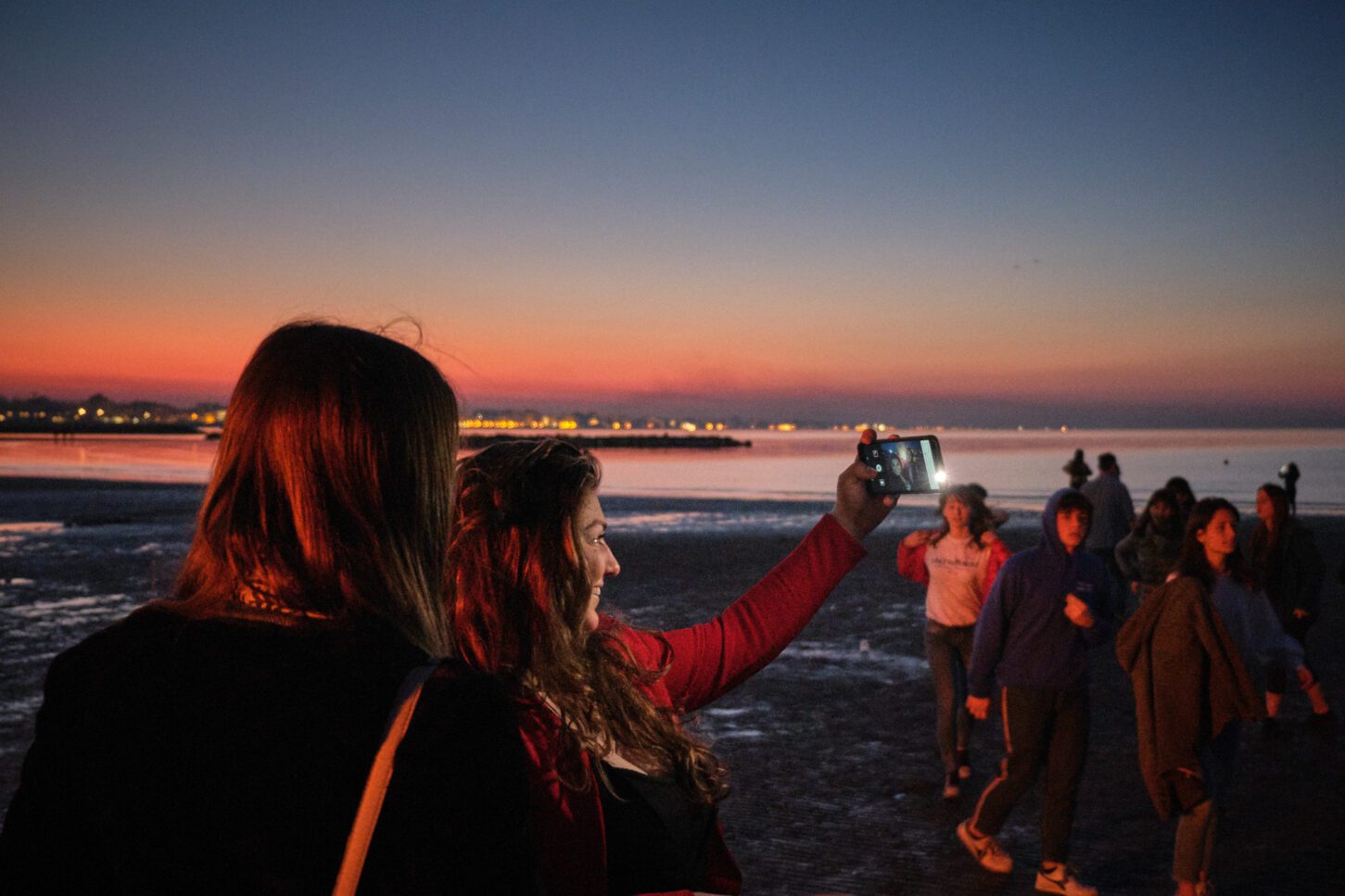
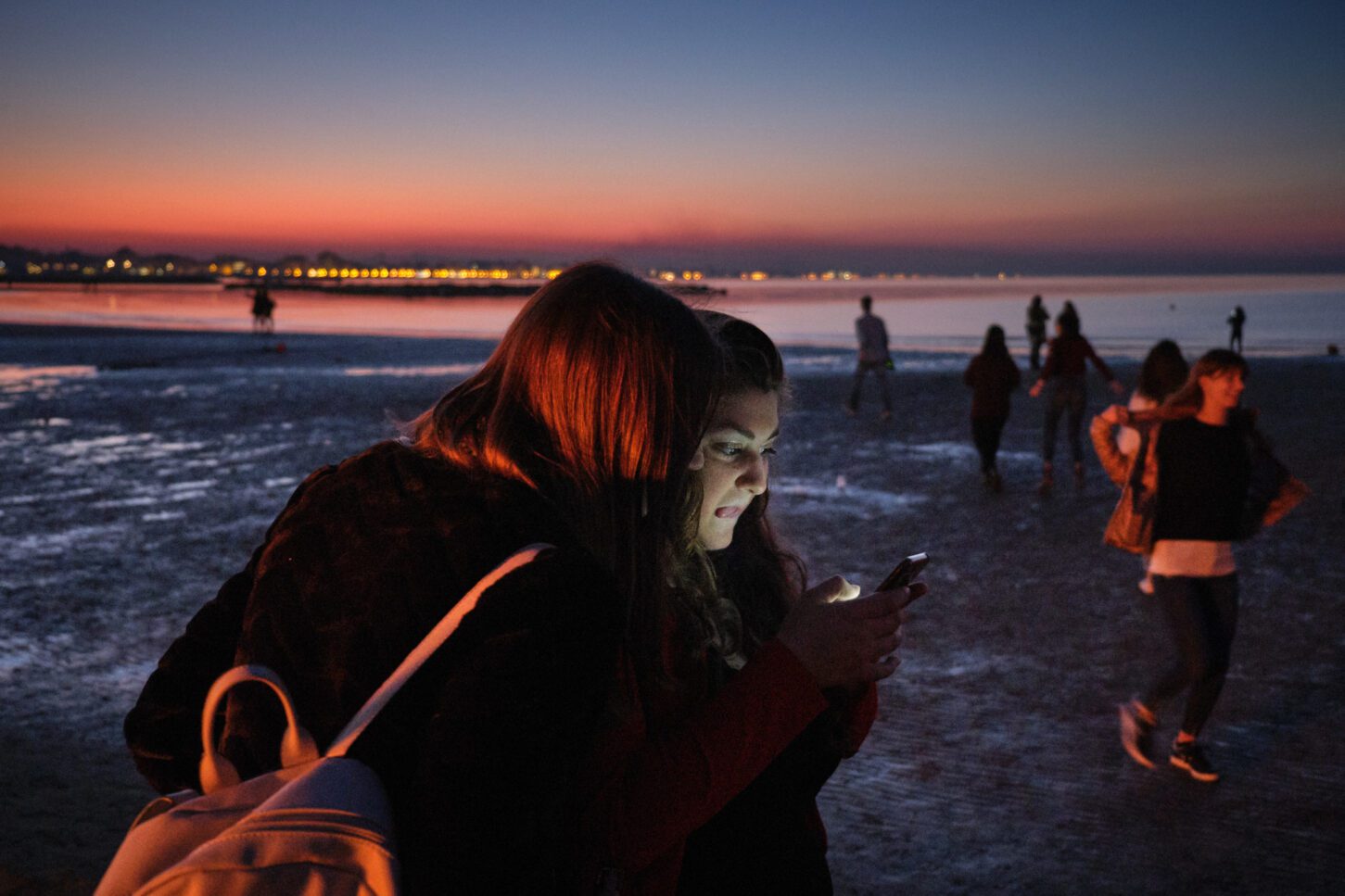
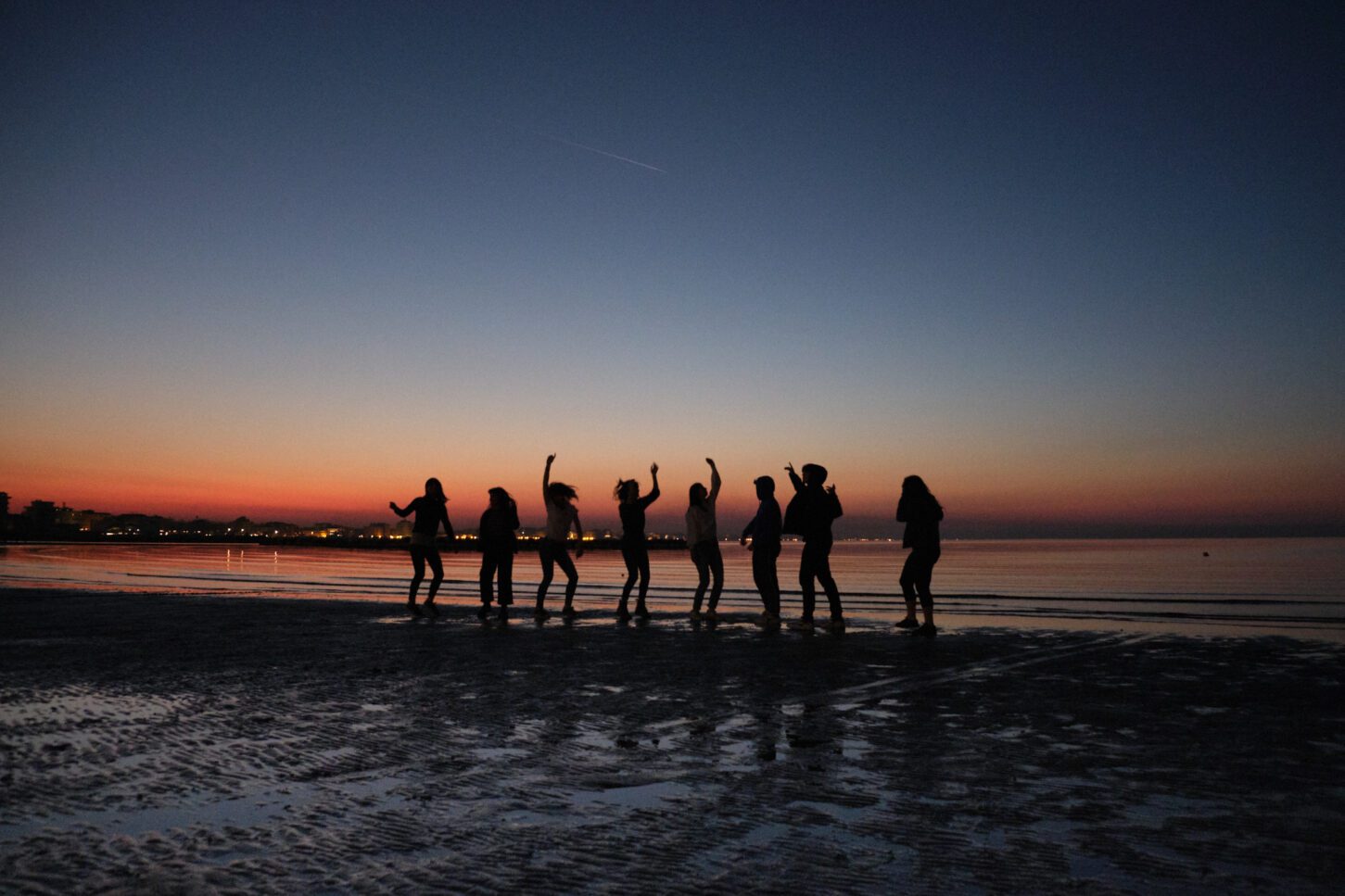
For the students of the Einstein High School, this year’s Fogheraccia became something more than a tradition to watch. Through a photography and video workshop organized by Ayzoh!, they were invited to observe, document, and interpret this ritual with fresh eyes — transforming a familiar event into a field of storytelling, reflection, and creative expression.

A Fire Older Than the Saint

Although officially linked to the Christian feast of Sant’Antonio Abate, the origins of La Fogheraccia go much further back in time. Bonfires in mid-January have long been part of pre-Christian agrarian rituals found across Europe, especially in the Mediterranean and Alpine regions, where the natural calendar — the passing of the solstice, the return of light, the preparation for sowing — shaped the rhythm of community life.

These fires marked the symbolic end of winter, the cleansing of the old, and the invocation of fertility for the year to come. The burning of wood, often gathered communally, was an act of purification and protection, believed to ward off disease, bad luck, and the lingering cold of the darker months.

With the spread of Christianity, many of these seasonal rites were absorbed into the liturgical calendar. Saint Anthony, with his association to animals, earth, and monastic simplicity, became the perfect patron to stand at the threshold between pagan past and Christian present. His figure still appears in rural Italy with a pig by his side — an ancient symbol of abundance and domesticated nature.

Rituals of Light and Community

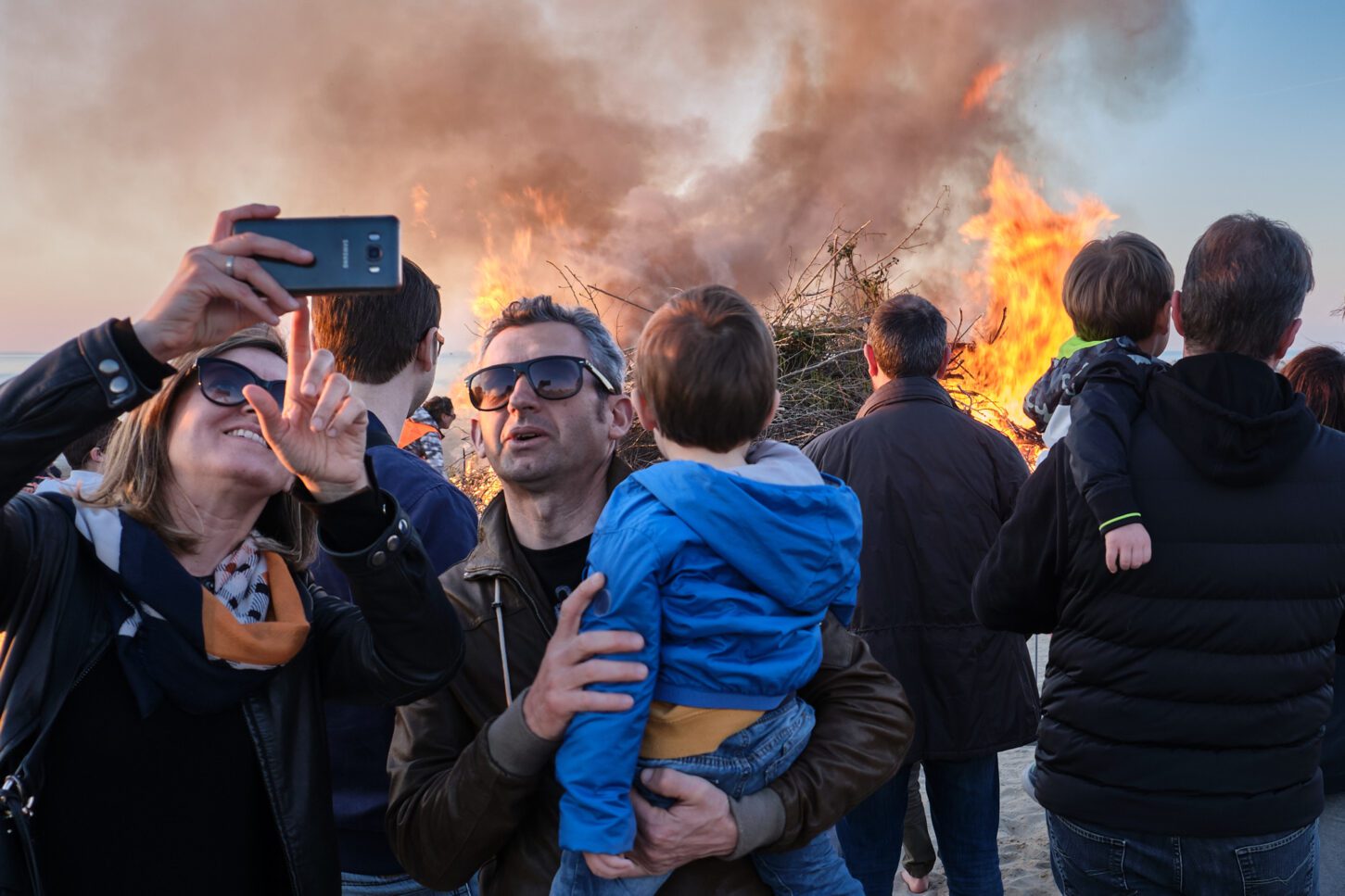
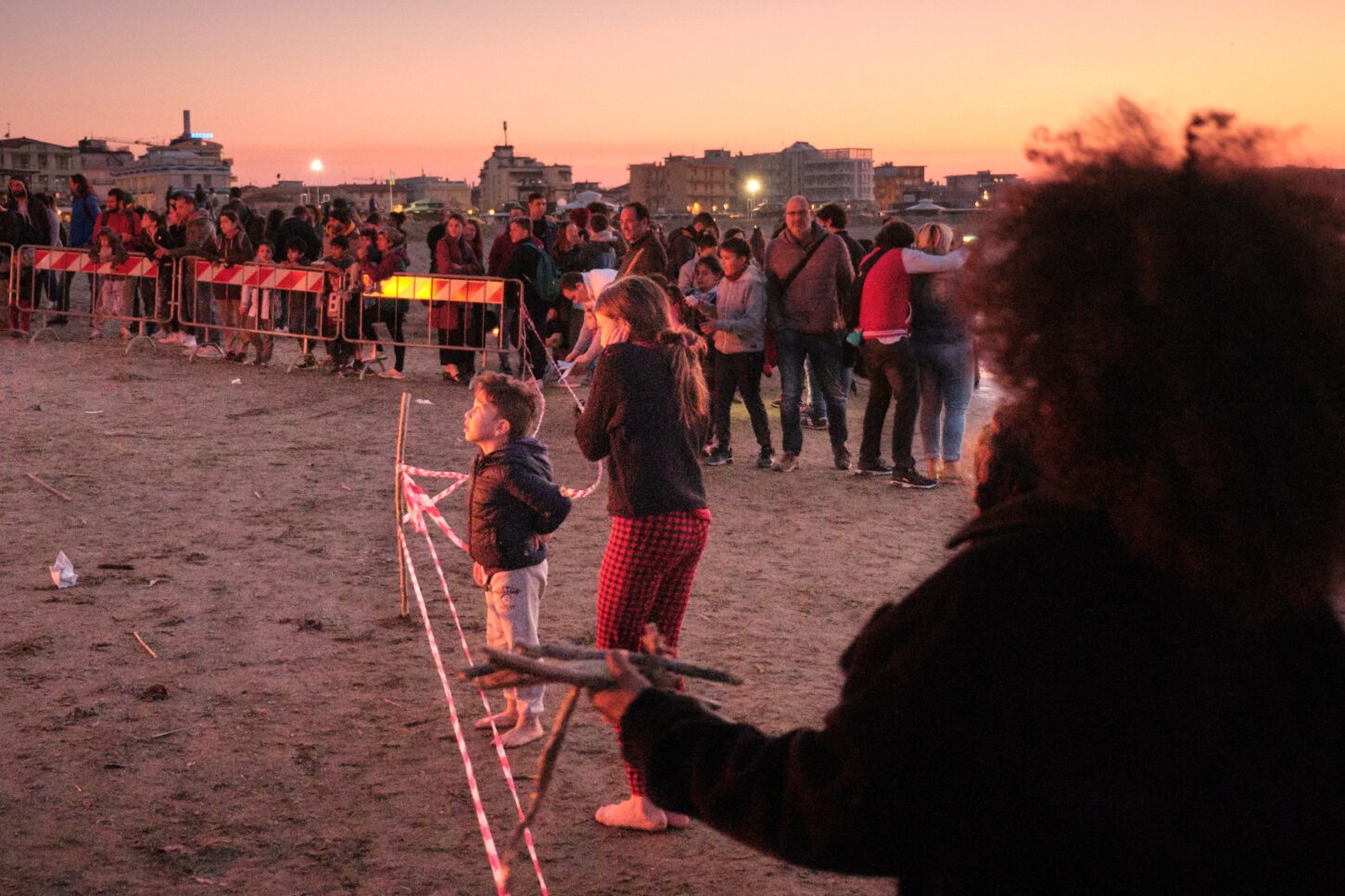
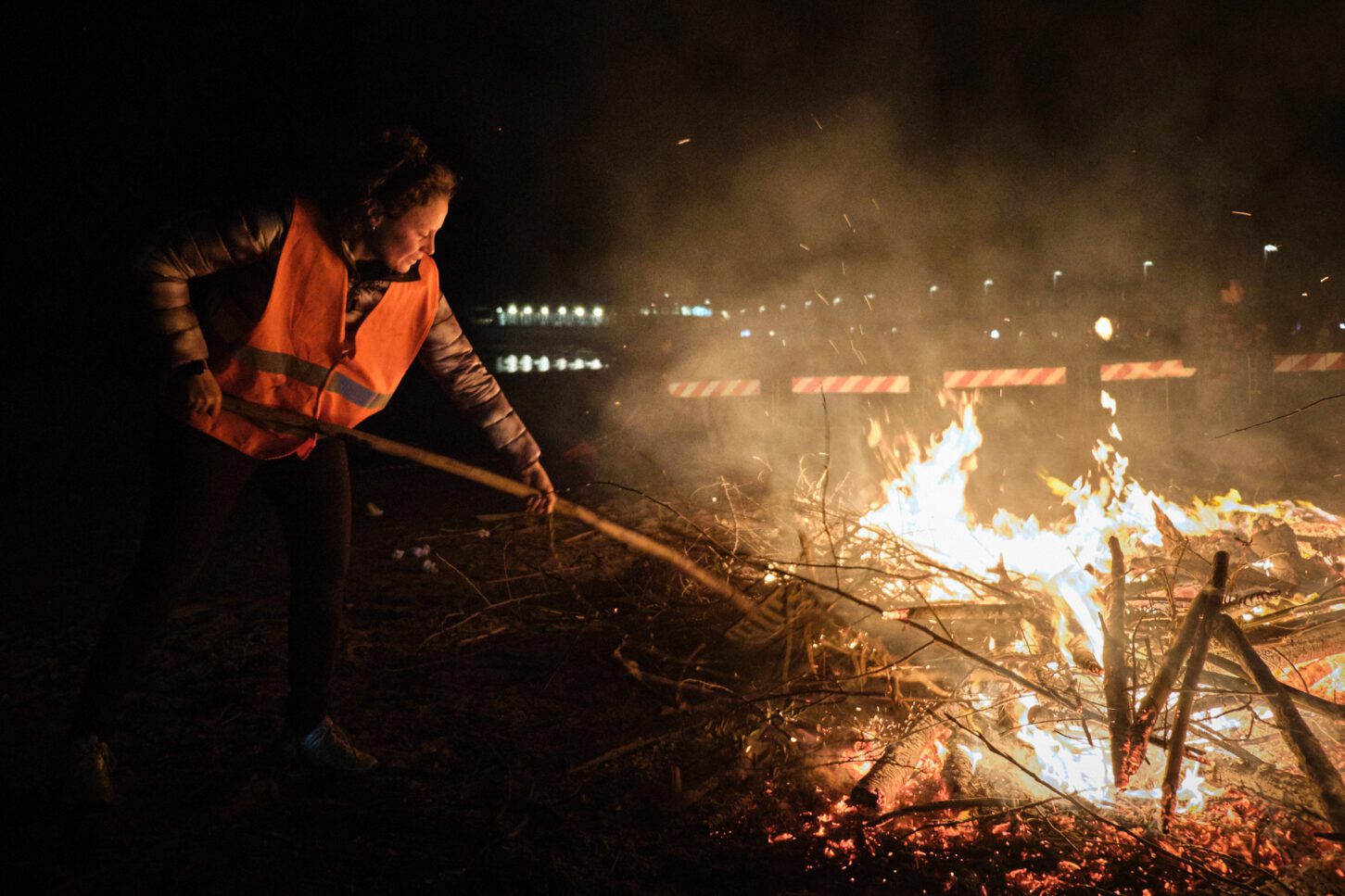
Today in Rimini, La Fogheraccia continues to serve as a moment of gathering. Entire neighborhoods participate in building the fire, sharing stories, food, and warmth. The event is both festive and symbolic — a point of intergenerational continuity where elders pass on memories and young people imprint new meanings.

A lesser-known but deeply rooted tradition on this night is the blessing of animals. People bring dogs, cats, horses, and even chickens to be blessed by a priest. In rural cosmologies, this act ensures the health and fertility of the animals for the year ahead. It’s a rare moment where animals, humans, fire, and faith all come together in a shared space of care and recognition.

The Role of the Workshop

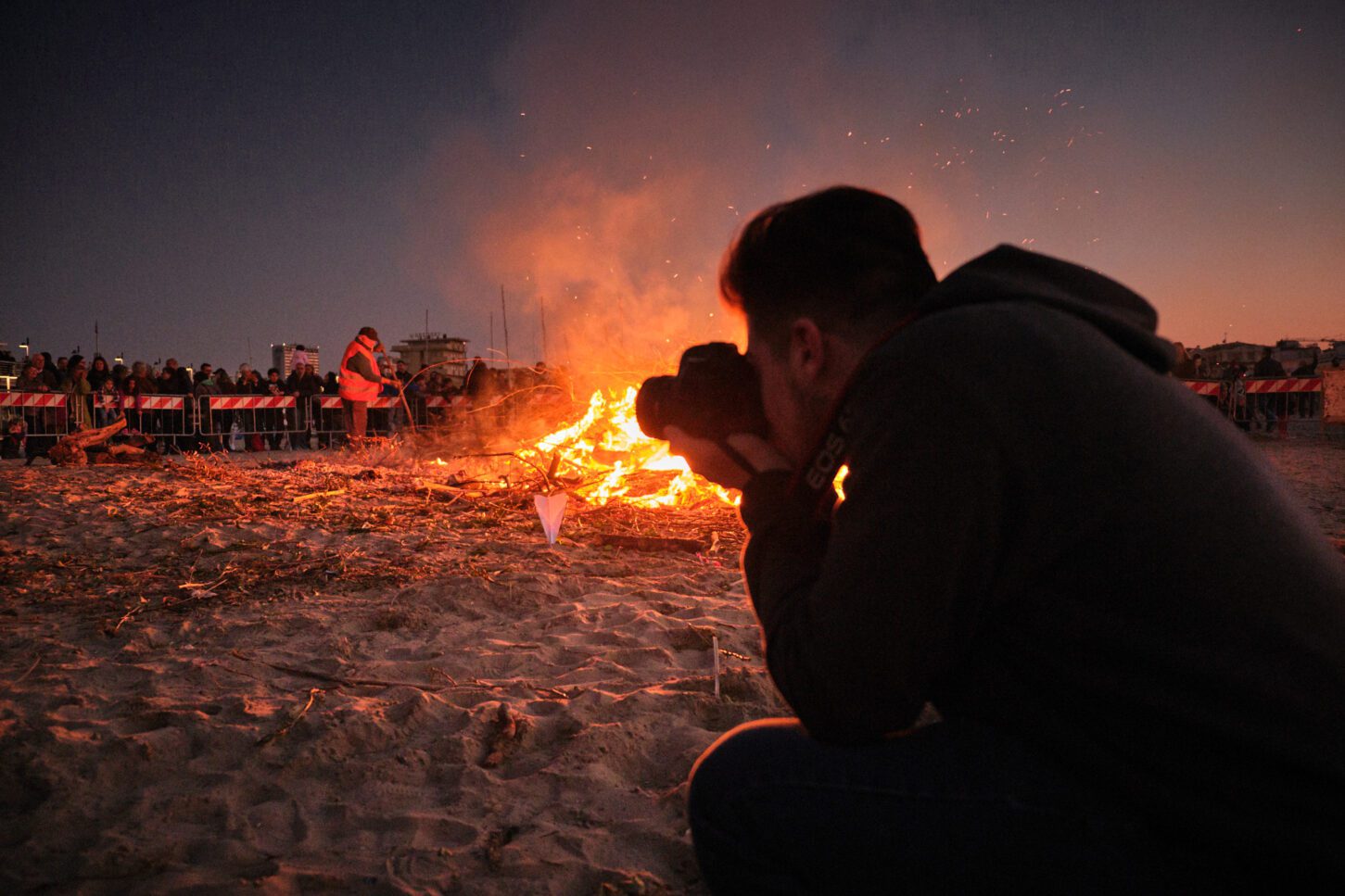
In this setting, Ayzoh!’s workshop introduced a different form of participation: documentary observation. The students of the Einstein High School were guided to approach the event not only as participants, but as attentive witnesses. With cameras and phones in hand, they explored how to frame gestures, light, faces, and atmosphere — asking not only what is happening?, but also what does it mean to those who are here?

Through photography and video, they discovered how rituals carry layered meanings — personal, historical, symbolic — and how documenting them is not just about recording, but about understanding.

Why It Matters

At Ayzoh!, we believe that photography is not only a tool to tell stories from distant places, but also a way to see the familiar differently. The fire of La Fogheraccia — though local and seasonal — contains echoes of rituals found from the Andes to the Sahel. It reminds us that every community has its own ceremonies to face change, to honor life, to seek protection.

By involving young people in this process, we hope to foster a deeper awareness of what surrounds them — not just as tradition, but as living heritage.
Stories from the magazine

CML 5703
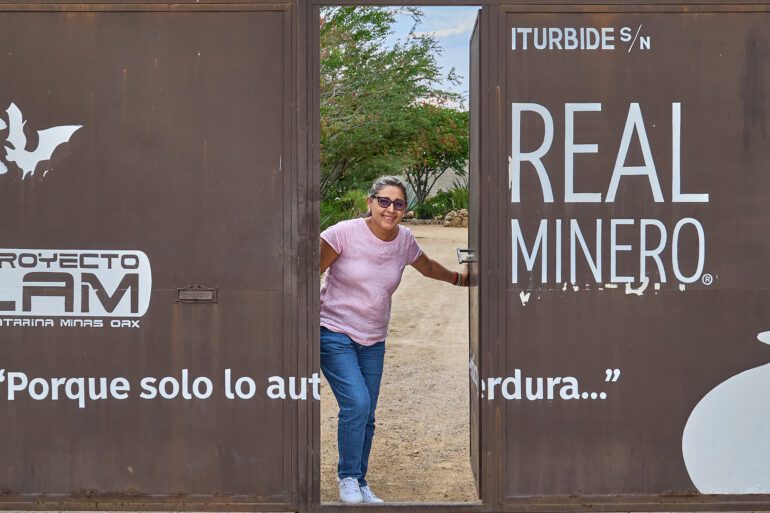
Real Minero: because only the authentic endures
In Santa Catarina Minas, Real Minero keeps a family practice of agave distillation alive and helps sustain Biblioteca El Rosario, a community space where knowledge returns to the town. In Santa Catarina Minas, Oaxaca, mezcal begins before the bottle....
CML 7527
The Tianguis de Domingo de Ramos
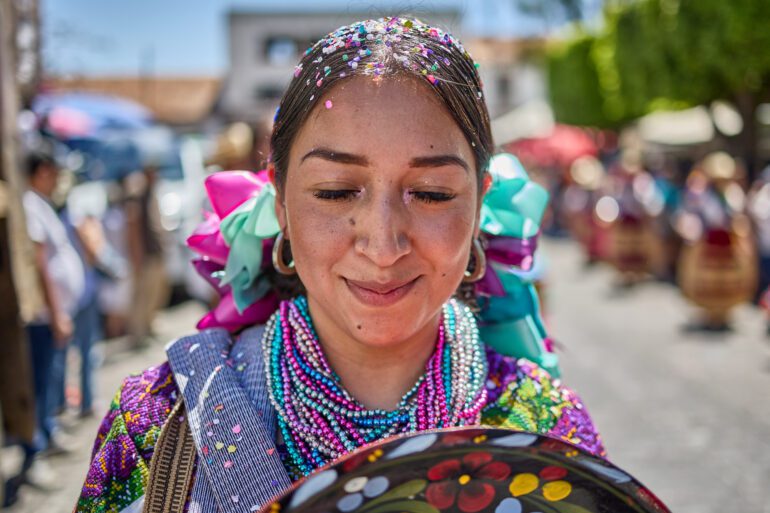
Every Holy Week, Uruapan becomes a meeting place for the artisans of Michoacán: clay, copper, lacquer, textiles, wood, fiber, food, music, and memory gathered in the streets. The Tianguis Artesanal de Domingo de Ramos takes place every year in Uruapan,...
Tetff Flour Arba Minch007
Teff: what the flour carries
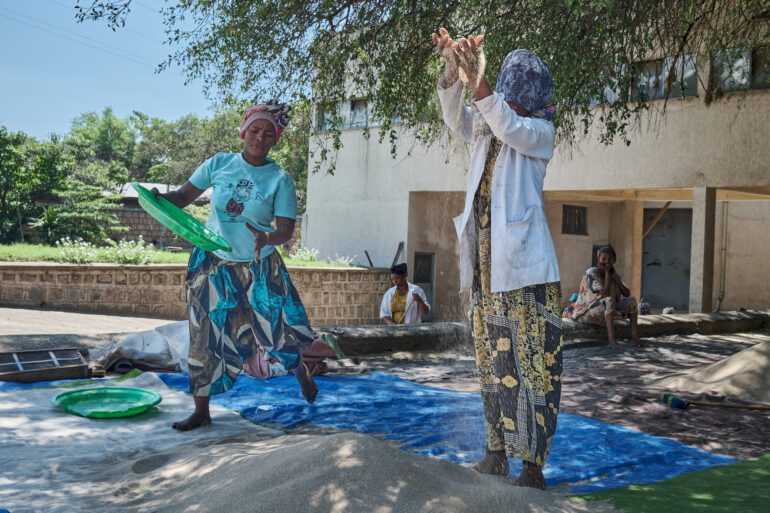
Originally published in A Bag of Stories, the magazine produced and curated by Ayzoh! for Afar Textiles / African Cottons, this story begins in Arba Minch, where teff moves through hands, wooden sieves, plastic trays, shade, dust, and morning light. In...
CML 9996
Niñas Sabias, San Miguel de Allende, Mexico
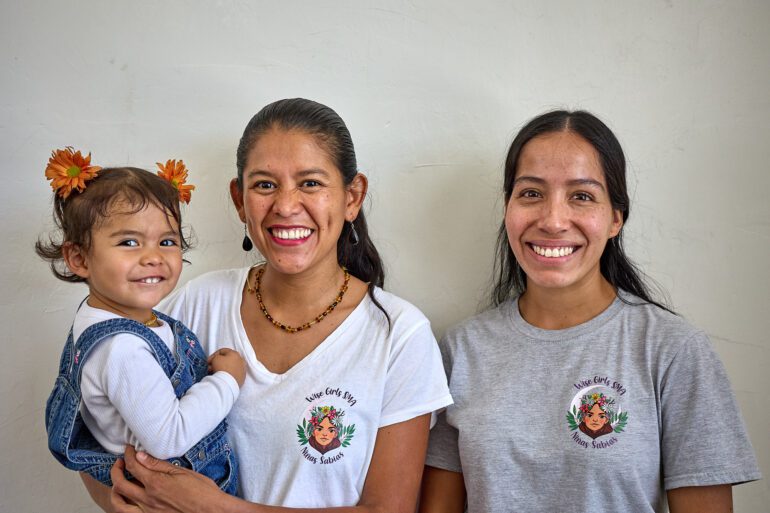
Niñas Sabias, also known as Wise Girls, is a nonprofit organization working with girls, women teachers, schools, and local communities in Mexico and Costa Rica. Its work begins with a simple fact that still shapes the lives of many girls: menstruation...
CML 1100
Biblioteca Pública de San Miguel de Allende, Mexico
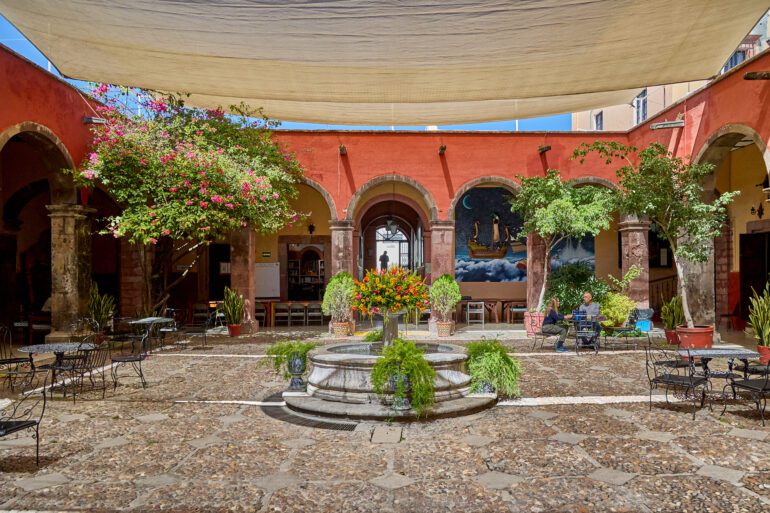
In San Miguel de Allende, the Biblioteca Pública brings books, scholarships, performances, workshops, and daily encounters into one shared civic space. The Biblioteca Pública de San Miguel de Allende is one of the city’s most active cultural institutions....
Land Grabbing A 0001
This is colonization by invitation
Text by Fikre Tolossa / In the un-glorious past, European colonizers grabbed by force any African lands they had their eyes set on and did whatever they desired to do with the lands. Not only did they exploit the lands, but also the natives by paying...

Latest Publications

Presa Allende 005 0101
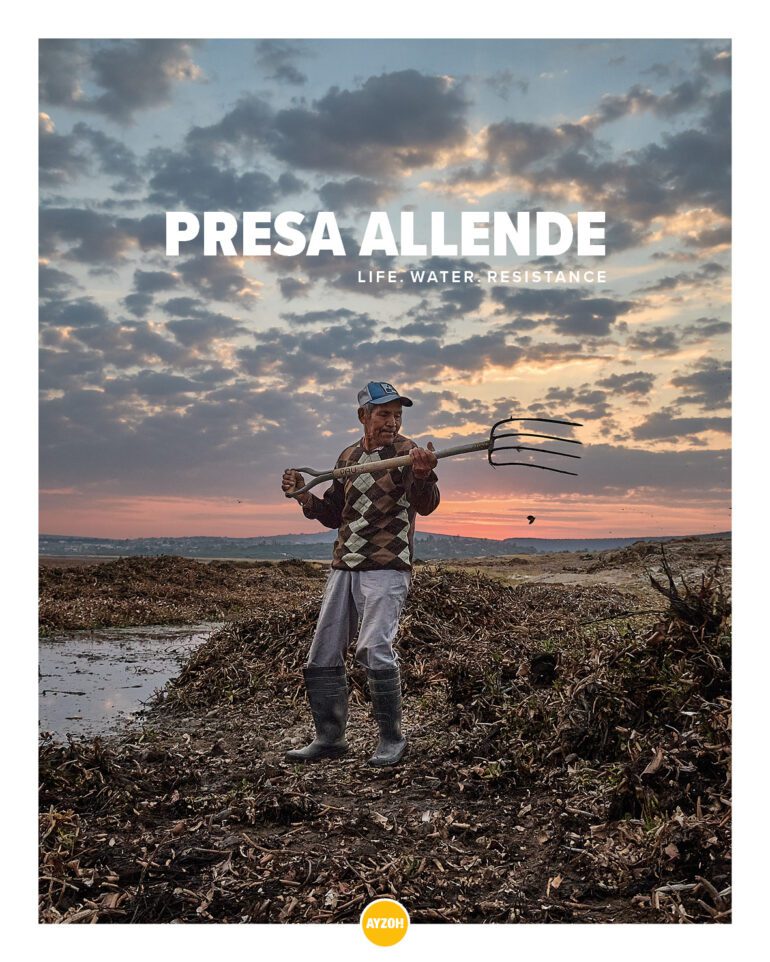
Presa Allende
Presa Allende is a reservoir, a landscape and a community under pressure. You see contamination, invasive plants, lost jobs and migration. You also see dignity, responsibility and a long tradition of people who act when institutions fail. This book shows...
Somos Guatemala 01
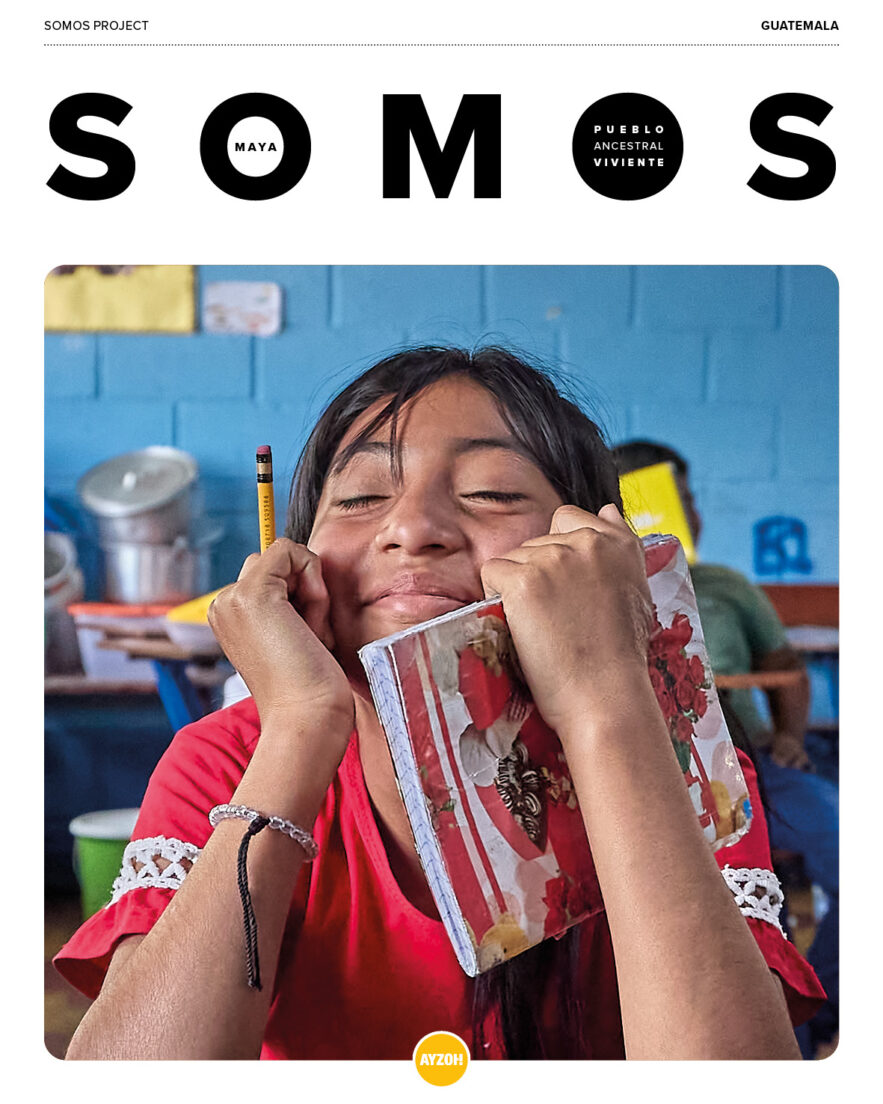
Somos / Pueblo Ancestral Viviente
"Somos" is a call to listen, to witness, and to act. Created in deep collaboration with Maya communities across Guatemala, this project amplifies ancestral voices that have long been silenced, distorted, or ignored. At its heart lies the Popol Wuj, the...
El Rosario 001 01
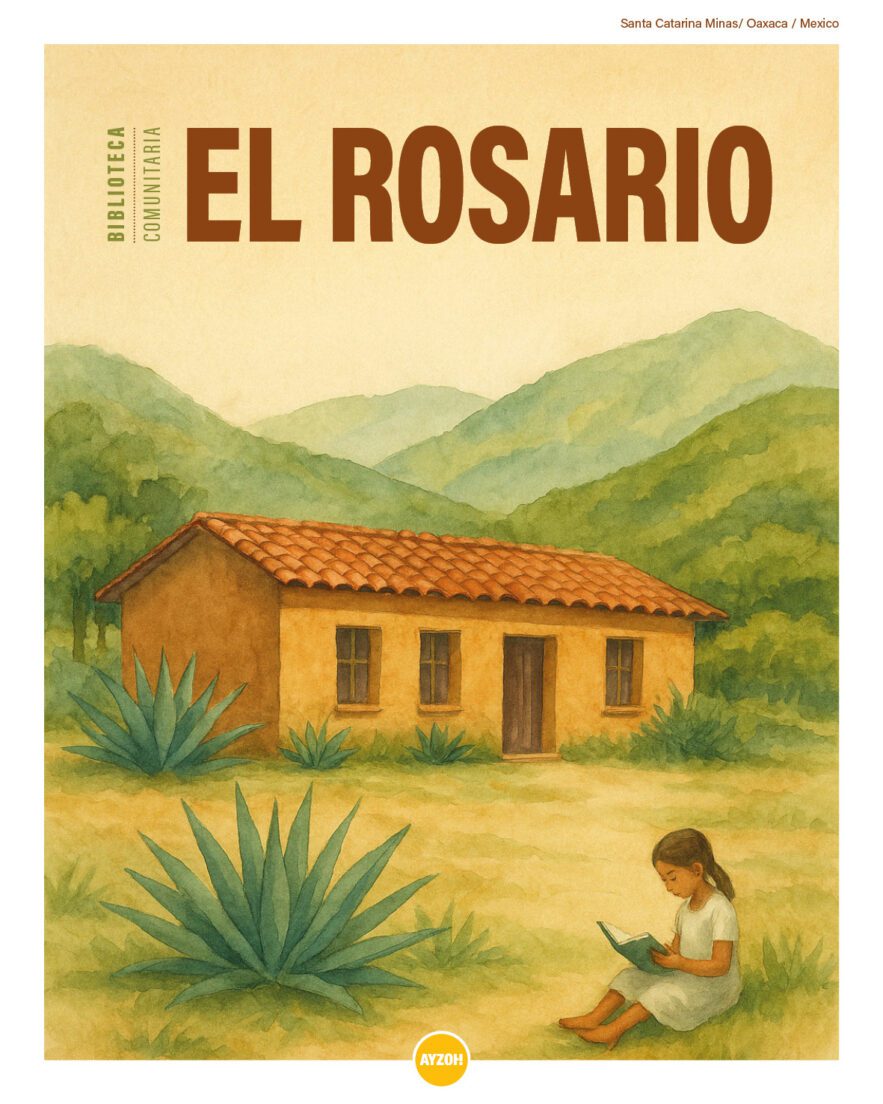
Biblioteca Comunitaria El Rosario
El Rosario is a photo book and a tribute to a grassroots library in Oaxaca, Mexico. Created with the community of Santa Catarina Minas, it celebrates literacy, biodiversity, and collective imagination. All proceeds support the library and its partner...
Je-suis-la-rue-0001-b-01
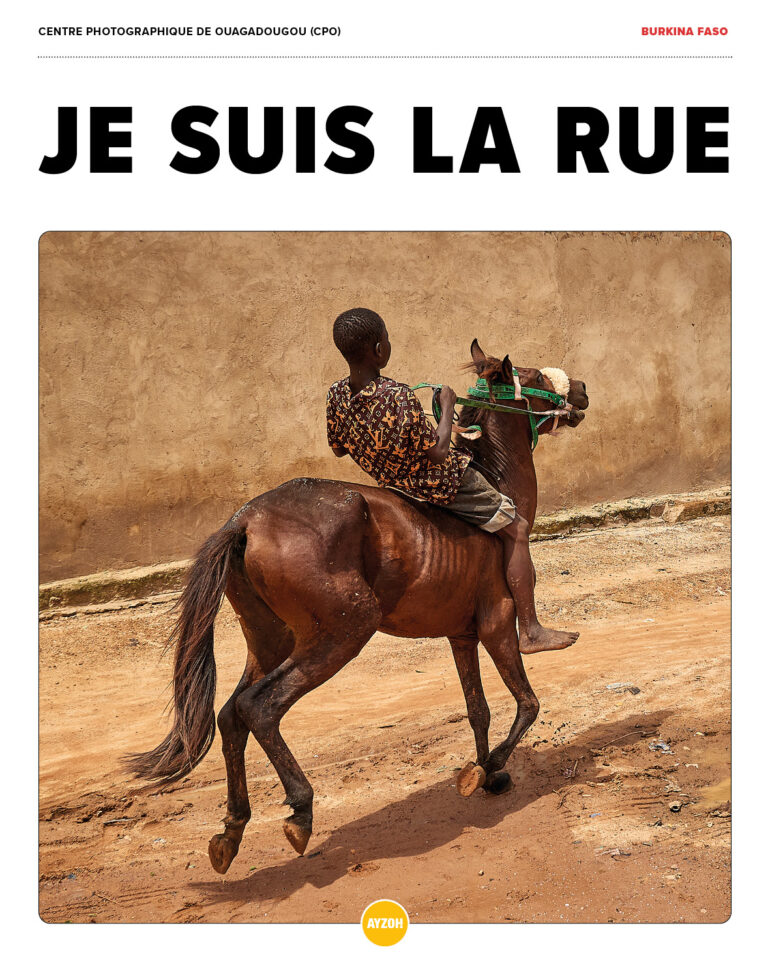
Je Suis la Rue
Discover the vibrant streets of Ouagadougou, Burkina Faso, through the eyes of talented youth who transform urban spaces into creative playgrounds. Ayzoh! established the Centre Photographique de Ouagadougou (CPO), an inclusive photography center empowering...
Visit-Awra-Amba-_01
Visit Awra Amba
Awra Amba, a visionary community in Ethiopia, challenges conventional norms by promoting equality, peace, and sustainability. As global ambassadors, Ayzoh! shares their inspiring story through an illuminating photographic book and dedicated website, highlighting...
Isegran-01
Isegran
An intimate homage to the maritime community of Isegran, Norway, this book celebrates the profound connection between humans and the sea. Explore themes of love, tradition, craftsmanship, and passion, reflecting on the sea’s timeless ability to unite...

Stay close to the stories that matter

Once a month, we share new essays, photo reports, behind-the-scenes insights, and early access to our workshops and events. No fluff—just real voices, powerful images, and the people who move us. Join our newsletter. It’s free, and it’s made with care.

No spam. Unsubscribe anytime.