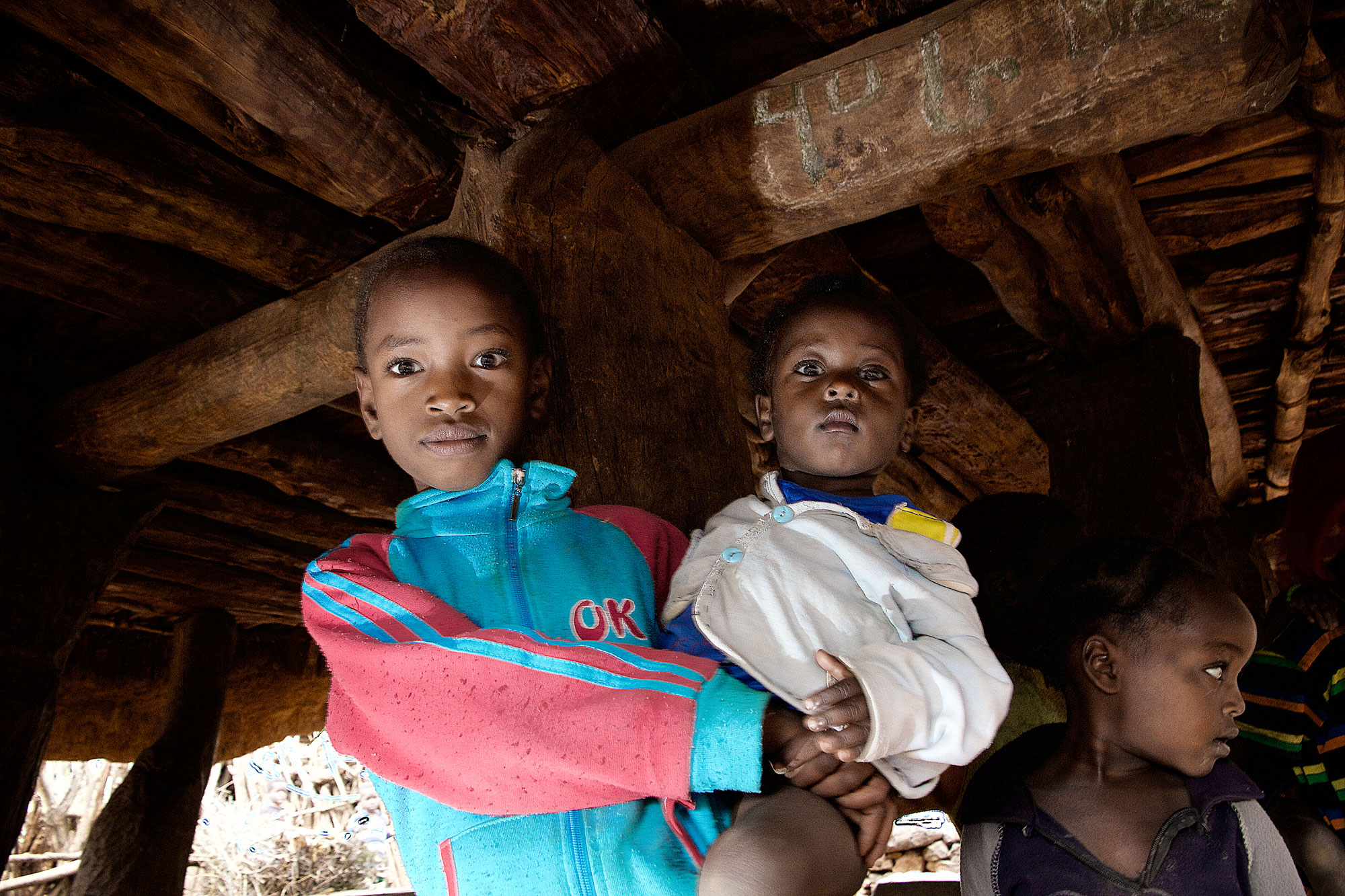
Photography and the Territories of the Other

A handbook on visual responsibility, written for the Vadoinafrica community

Members of the Vadoinafrica community know that visibility matters. Whether you’re sharing a project, promoting an initiative, or raising awareness, including one or more photographs can help slow the scroll—drawing the eye, sparking interest, anchoring attention. A good image can make a message linger /  read the handbook

But here’s the challenge: Many of the projects shared within this vibrant, 13,000-member network — whether entrepreneurial, nonprofit, or somewhere in between — are aimed at individuals facing hardship, transition, or systemic injustice. And in these situations, the pursuit of visibility can come into conflict with the ethical imperative of fair and dignified representation.

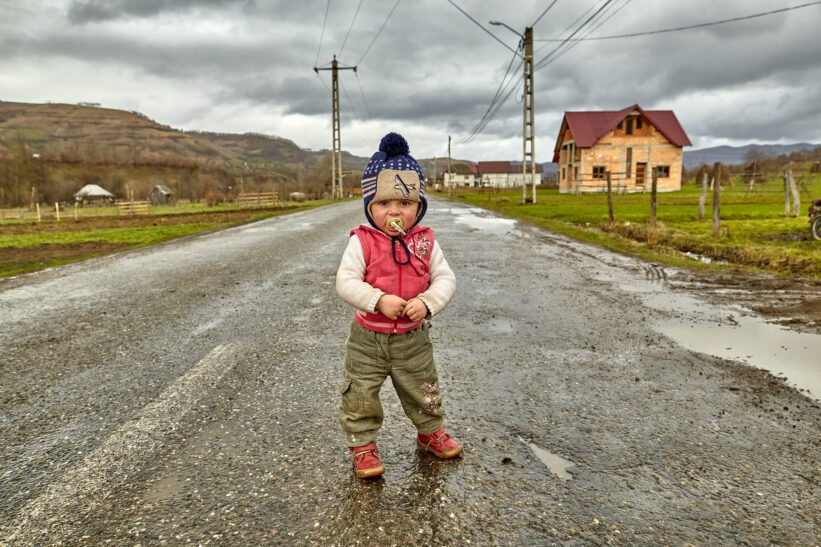
Even with the best intentions, it is never acceptable to reduce a person to a category: poor, vulnerable, sick, victim. Each of these labels, once visualized, risks turning someone’s complexity into a narrative shortcut—easier to share, but harder to correct.

Africa, the Gaze, and the Responsibility of Framing

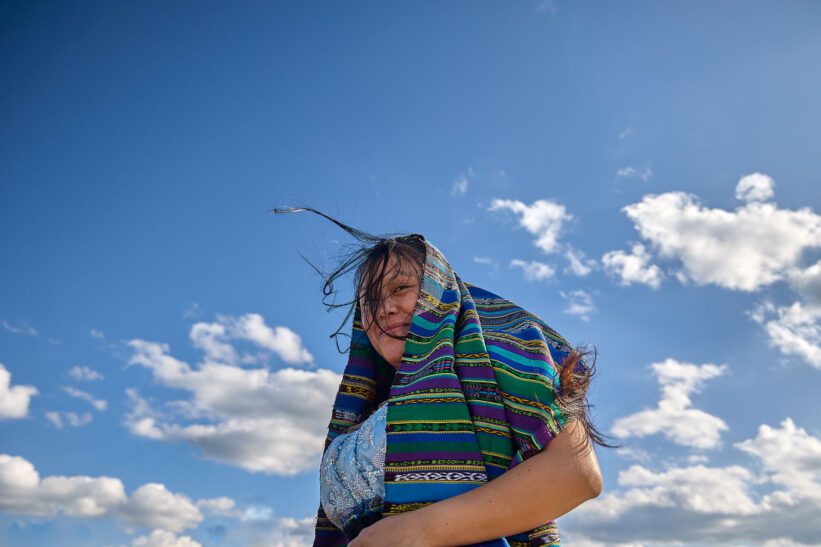
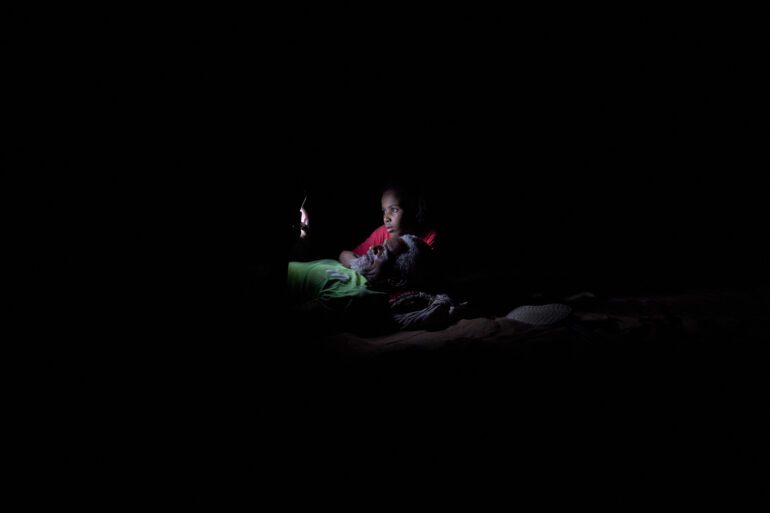
Since our shared focus is on the African continent, the risk becomes even sharper. Too often, images perpetuate the classic polarities: 1. the “suffering Africa”, in urgent need of saving; or 2. the “joyful Africa”, ever-smiling and colorful, reduced to aesthetic or emotion.

Neither tells the whole story. Both flatten lived realities. And both can be co-opted—fueling outrage, attracting pity, or serving political agendas that do not benefit the communities depicted.

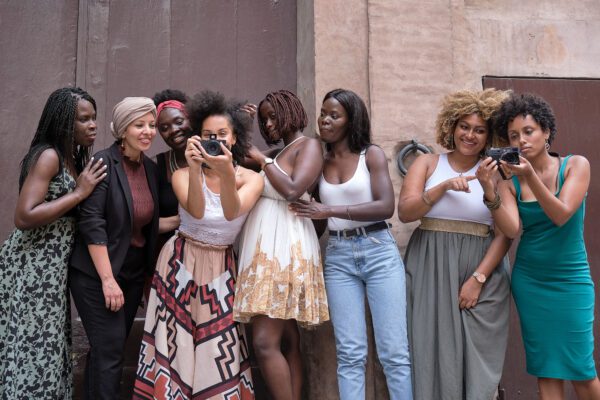
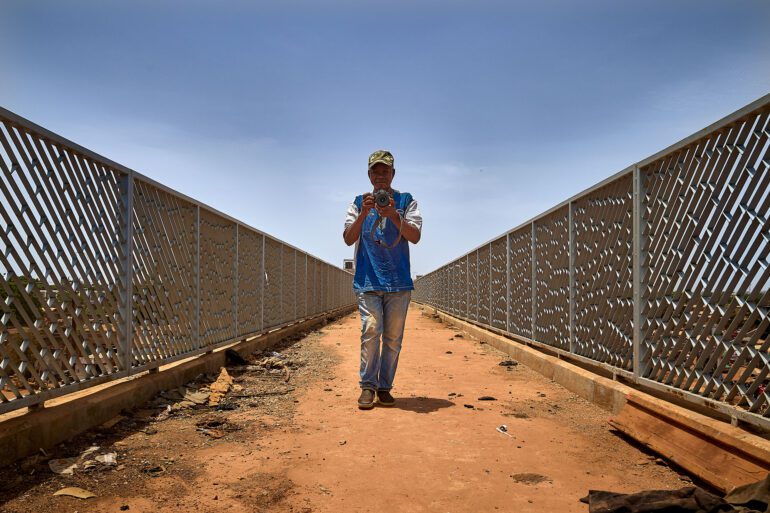
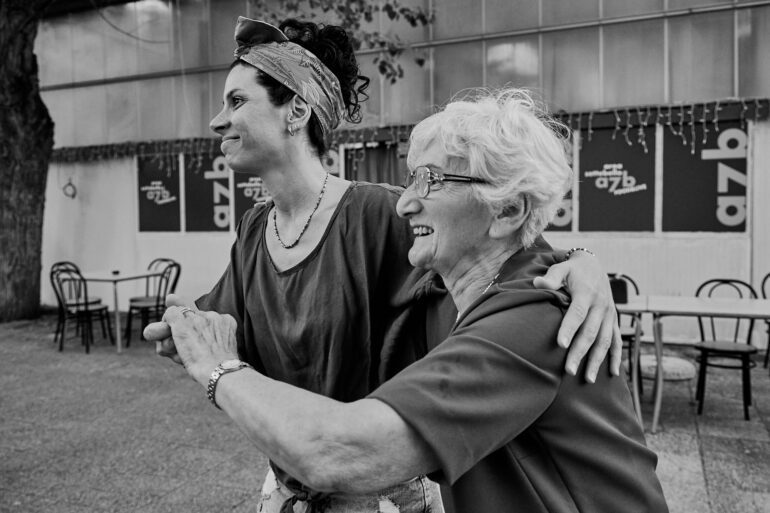
But photography can do more. It can be a tool of connection. A gesture of empathy. A mirror of shared humanity, in all its contradictions and dignity.

Why This Handbook?

Photography isn’t a central pillar of Vadoinafrica. But visual storytelling touches nearly every project within the network. That’s why we felt the need to open this space for reflection—and to do so not with theory or condemnation, but with practical tools.

This handbook offers a framework for more conscious photography:

  • real-world examples
  • short descriptions of common challenges
  • suggested solutions for more respectful and effective visual communication

It’s not a definitive guide. It’s a starting point. A way to photograph with rather than about. A way to tell stories without erasing people.
Stories from the magazine

CML 5703
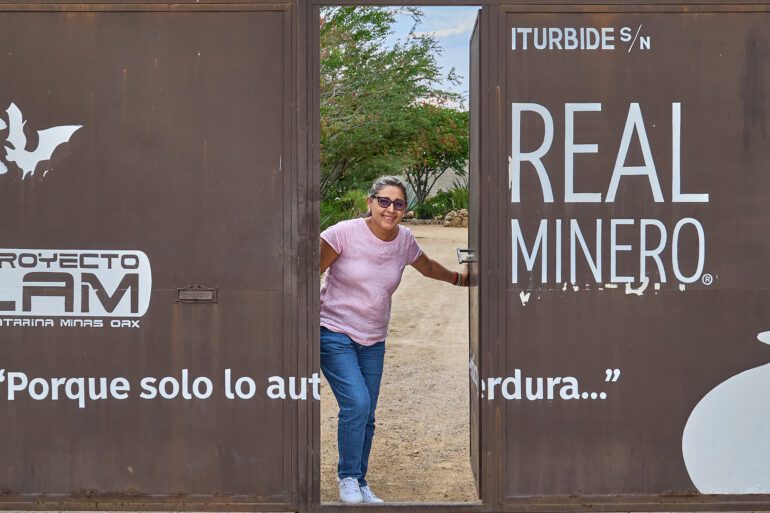
Real Minero: because only the authentic endures
In Santa Catarina Minas, Real Minero keeps a family practice of agave distillation alive and helps sustain Biblioteca El Rosario, a community space where knowledge returns to the town. In Santa Catarina Minas, Oaxaca, mezcal begins before the bottle....
CML 7527
The Tianguis de Domingo de Ramos
Every Holy Week, Uruapan becomes a meeting place for the artisans of Michoacán: clay, copper, lacquer, textiles, wood, fiber, food, music, and memory gathered in the streets. The Tianguis Artesanal de Domingo de Ramos takes place every year in Uruapan,...
Tetff Flour Arba Minch007
Teff: what the flour carries
Originally published in A Bag of Stories, the magazine produced and curated by Ayzoh! for Afar Textiles / African Cottons, this story begins in Arba Minch, where teff moves through hands, wooden sieves, plastic trays, shade, dust, and morning light. In...
CML 9996
Niñas Sabias, San Miguel de Allende, Mexico
Niñas Sabias, also known as Wise Girls, is a nonprofit organization working with girls, women teachers, schools, and local communities in Mexico and Costa Rica. Its work begins with a simple fact that still shapes the lives of many girls: menstruation...
CML 1100
Biblioteca Pública de San Miguel de Allende, Mexico
In San Miguel de Allende, the Biblioteca Pública brings books, scholarships, performances, workshops, and daily encounters into one shared civic space. The Biblioteca Pública de San Miguel de Allende is one of the city’s most active cultural institutions....
Land Grabbing A 0001
This is colonization by invitation
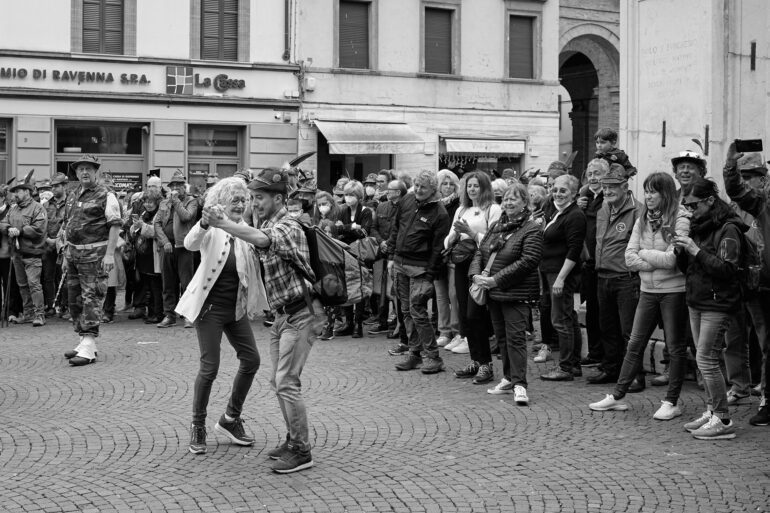
Text by Fikre Tolossa / In the un-glorious past, European colonizers grabbed by force any African lands they had their eyes set on and did whatever they desired to do with the lands. Not only did they exploit the lands, but also the natives by paying...

Latest Publications

Presa Allende 005 0101
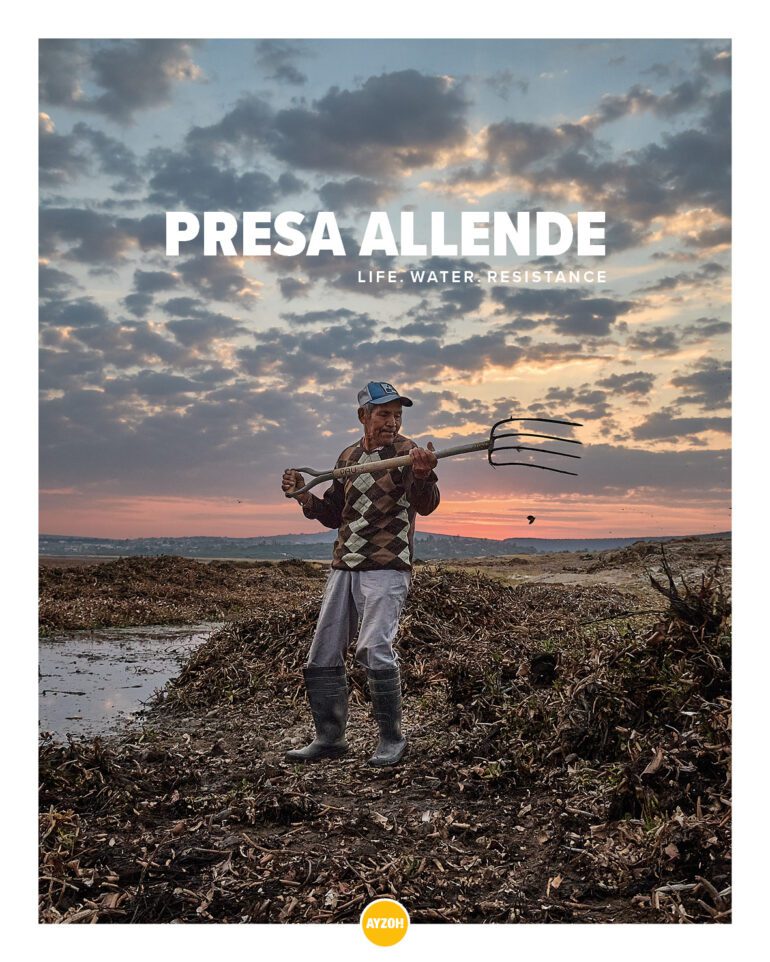
Presa Allende
Presa Allende is a reservoir, a landscape and a community under pressure. You see contamination, invasive plants, lost jobs and migration. You also see dignity, responsibility and a long tradition of people who act when institutions fail. This book shows...
Somos Guatemala 01
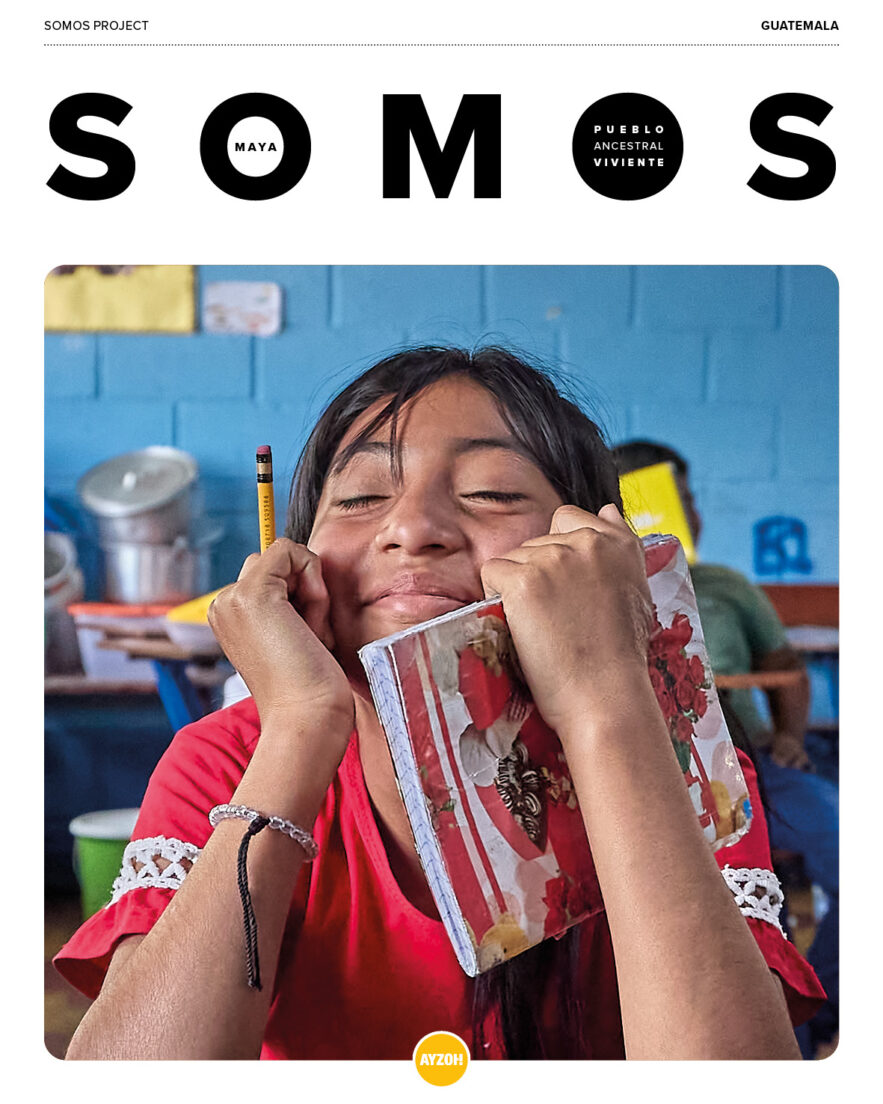
Somos / Pueblo Ancestral Viviente
"Somos" is a call to listen, to witness, and to act. Created in deep collaboration with Maya communities across Guatemala, this project amplifies ancestral voices that have long been silenced, distorted, or ignored. At its heart lies the Popol Wuj, the...
El Rosario 001 01
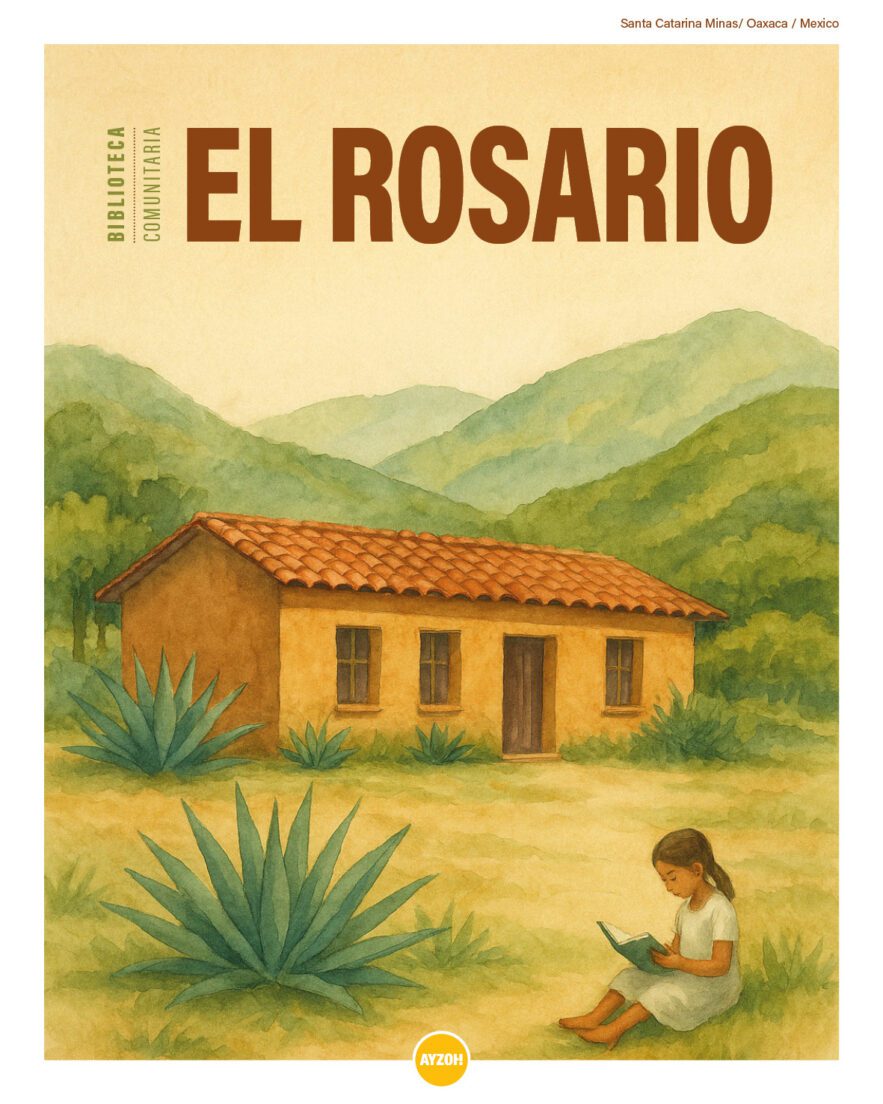
Biblioteca Comunitaria El Rosario
El Rosario is a photo book and a tribute to a grassroots library in Oaxaca, Mexico. Created with the community of Santa Catarina Minas, it celebrates literacy, biodiversity, and collective imagination. All proceeds support the library and its partner...
Je-suis-la-rue-0001-b-01
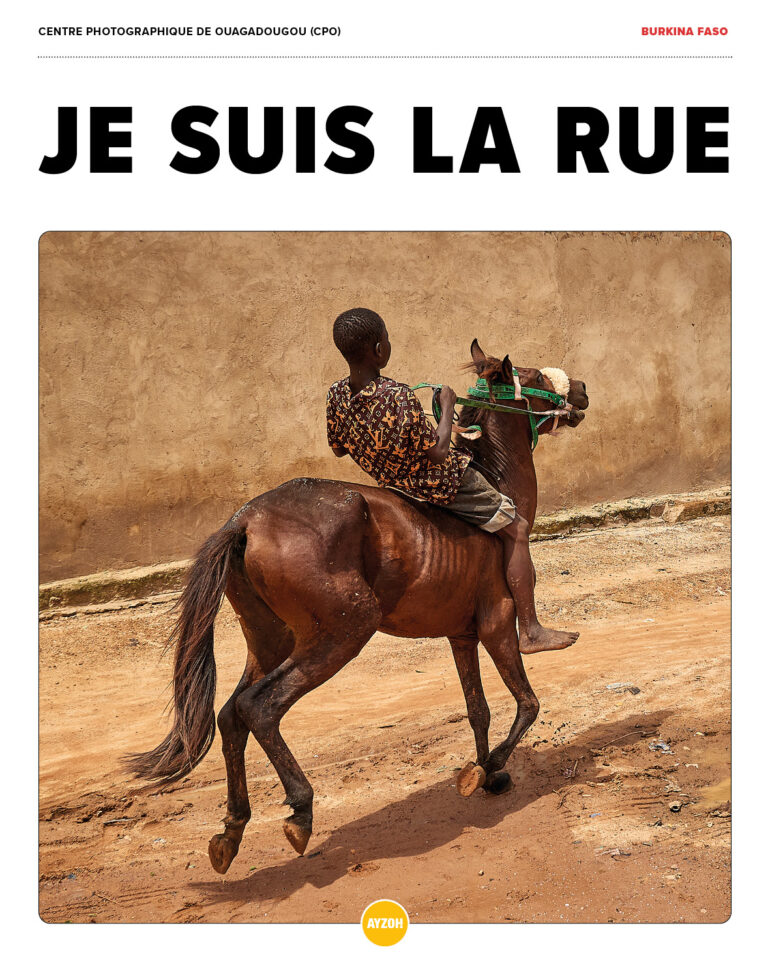
Je Suis la Rue
Discover the vibrant streets of Ouagadougou, Burkina Faso, through the eyes of talented youth who transform urban spaces into creative playgrounds. Ayzoh! established the Centre Photographique de Ouagadougou (CPO), an inclusive photography center empowering...
Visit-Awra-Amba-_01
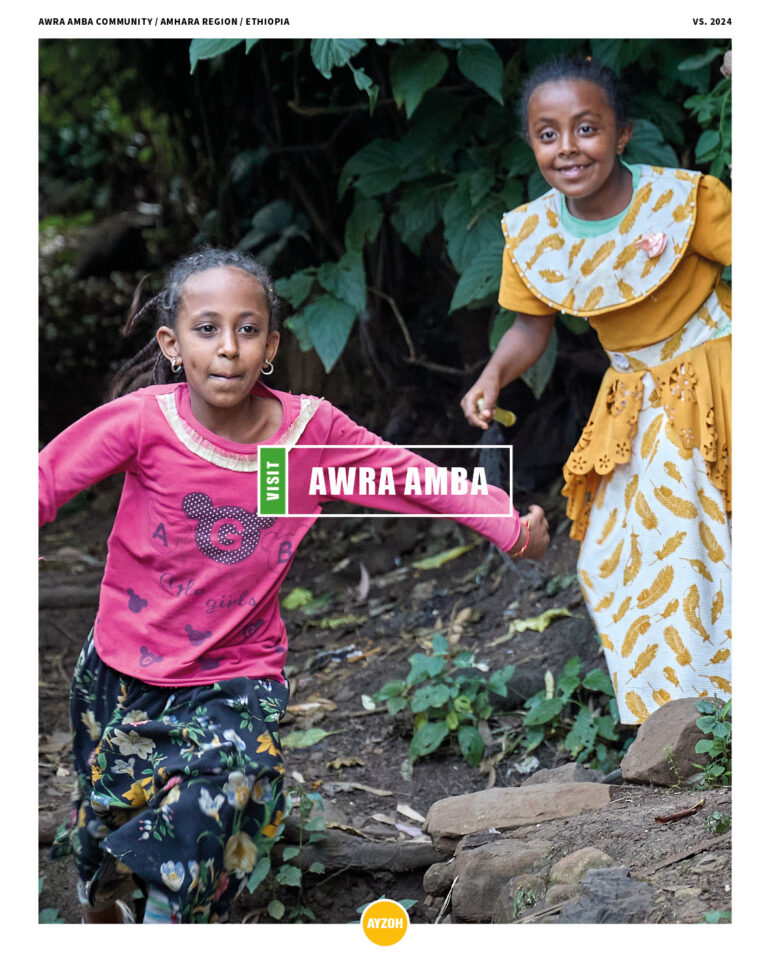
Visit Awra Amba
Awra Amba, a visionary community in Ethiopia, challenges conventional norms by promoting equality, peace, and sustainability. As global ambassadors, Ayzoh! shares their inspiring story through an illuminating photographic book and dedicated website, highlighting...
Isegran-01
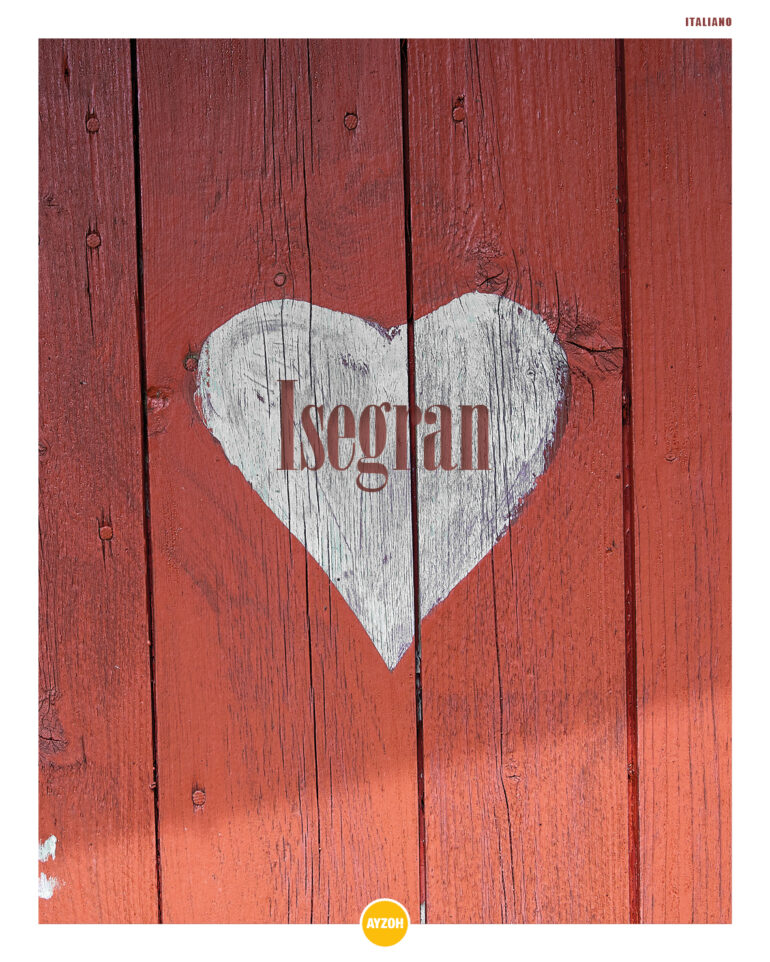
Isegran
An intimate homage to the maritime community of Isegran, Norway, this book celebrates the profound connection between humans and the sea. Explore themes of love, tradition, craftsmanship, and passion, reflecting on the sea’s timeless ability to unite...

Stay close to the stories that matter

Once a month, we share new essays, photo reports, behind-the-scenes insights, and early access to our workshops and events. No fluff—just real voices, powerful images, and the people who move us. Join our newsletter. It’s free, and it’s made with care.

No spam. Unsubscribe anytime.