Baregota: the taboo

A story of living and dying

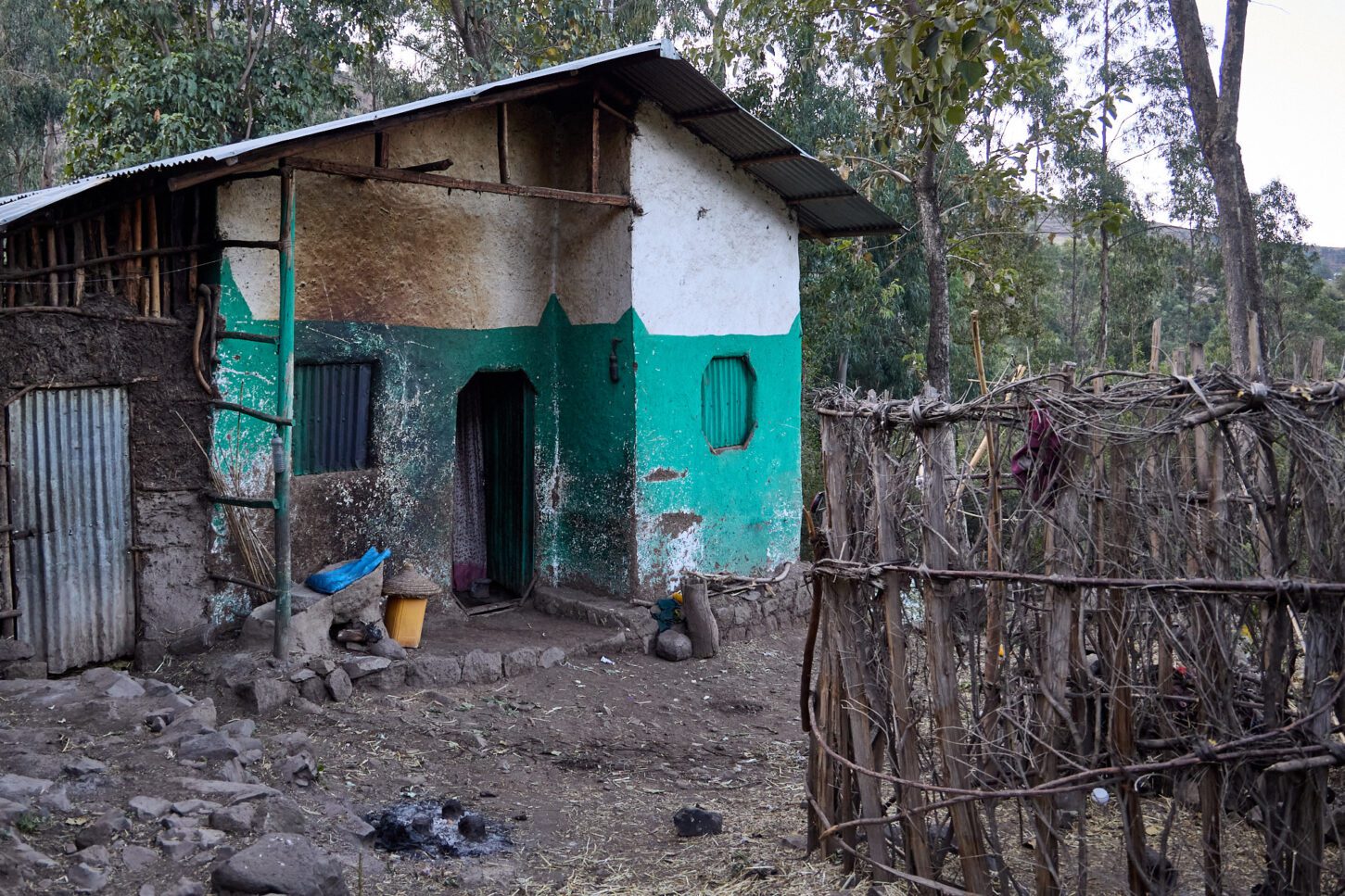
We find ourselves in Baregota, a small village 8 km from Lalibela, where we are set to build a school for 254 children, using photography among other methods (but that’s a story for another time).

After surveying the land granted by the community, we begin the descent into the valley. Like the climb, it’s not easy: there are no roads, just steep, rocky paths clinging to the cliffs.

We are happy. Every humble dwelling we encounter offers us an invitation to step inside, share injera, or sip the local honey-based birra.

Laughter fills the air, and there are many embraces. But at the fifth house, despite children playing outside, the mood shifts. It turns somber.

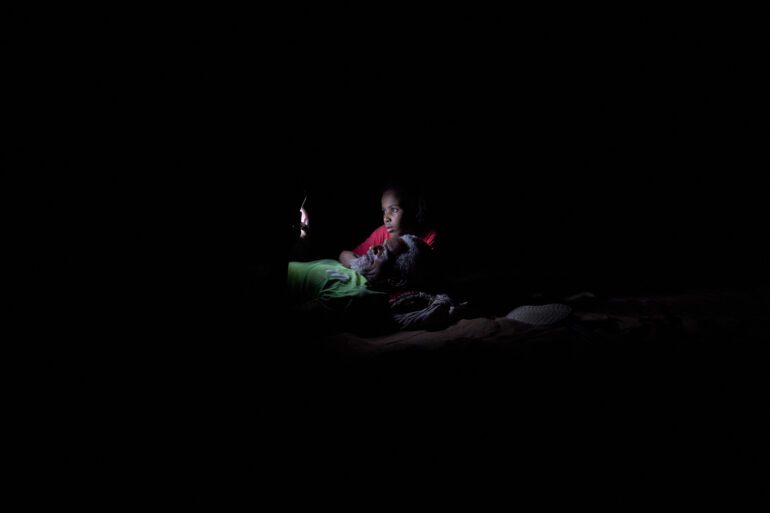
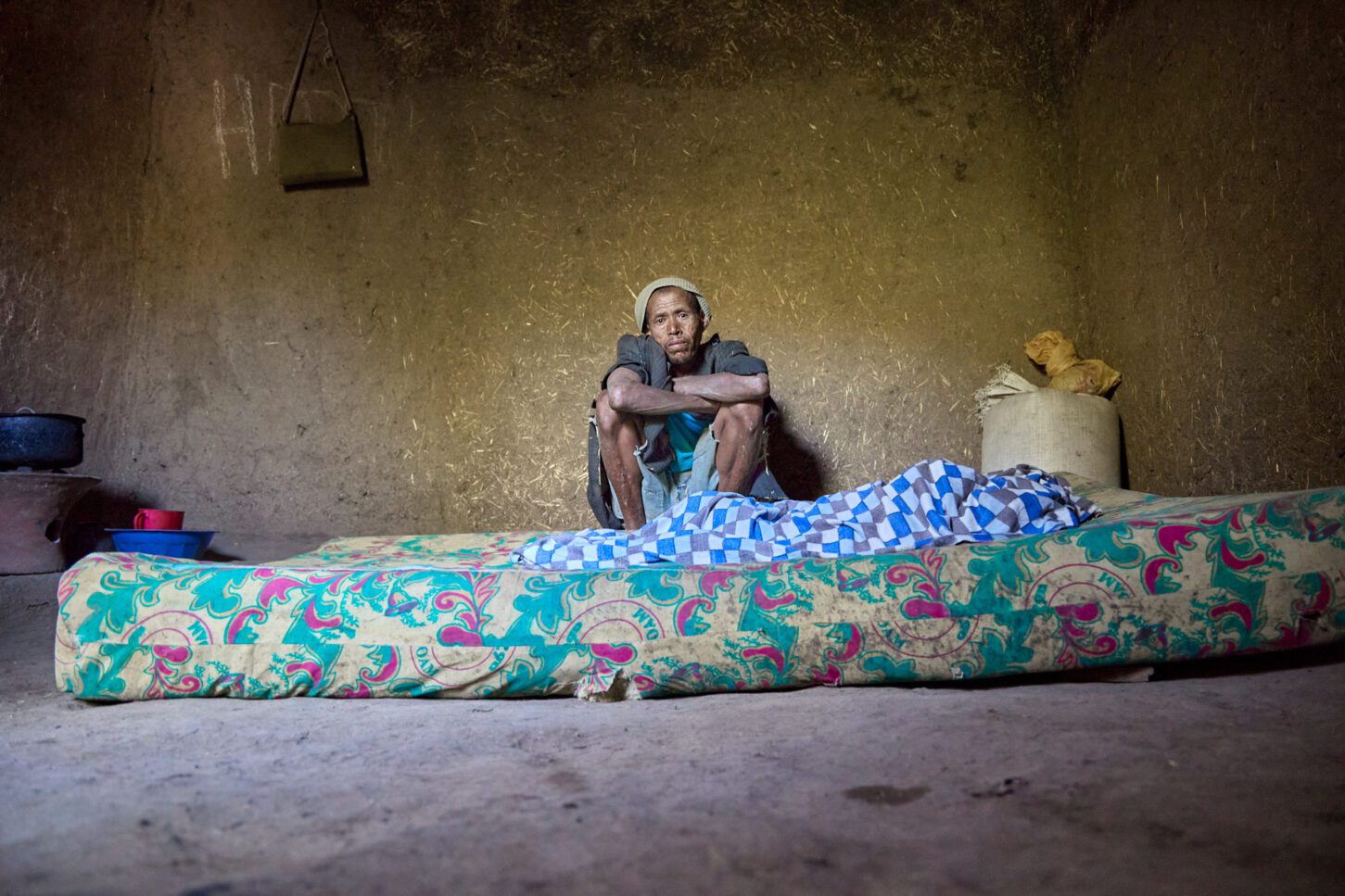
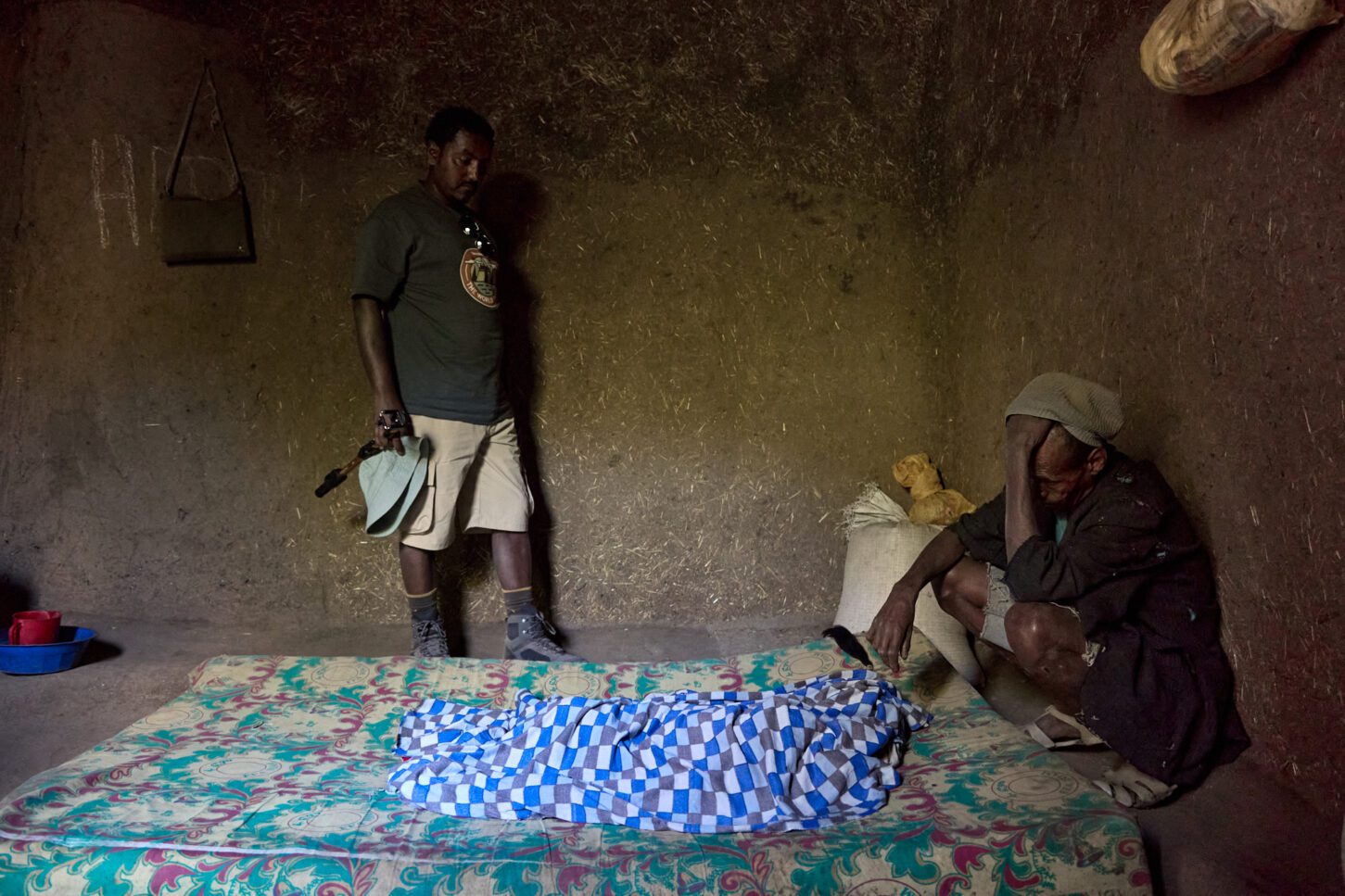
We enter. On a mattress, wrapped in a blue blanket, lies a woman. No one knows her exact age… 95, maybe 100. With no living relatives, this family has taken her in.

She’s been ill for a long time, confined to that mattress for weeks. She’s frail, a shadow of her former self, though they tell me she was once a tall, strong woman. She is delirious. They ask me:

“Could you take her to the hospital?”

I approach her, look closely, and say, “No, it’s not necessary. She’s at the end.”

“How do you know?”

“She reminds me of my mother: reduced to a skeleton, no longer recognizing anyone, speaking only to her deceased — asking them to come for her. She had that breath, but her heart was still strong, so she held on.”

“And what did you do?”

“My mother was in a hospital where machines, if the heart is still strong, can keep you alive for a very long time, even if you don’t want it. So, I asked the nurses to do something… or perhaps stop doing something.”

“And what did they do?”

“I’m not sure, but I believe they granted my wish. She passed away a few hours later.”

“We could never do that. For us, it’s a taboo: life belongs only to God.”

“Then ask your God if He can come for her. Asking isn’t a sin.”

Amlaku translates. I leave. They talk among themselves for a while, and then they do it: they pray and ask God to take her, to end her suffering. It works; within two hours, the woman passes away.

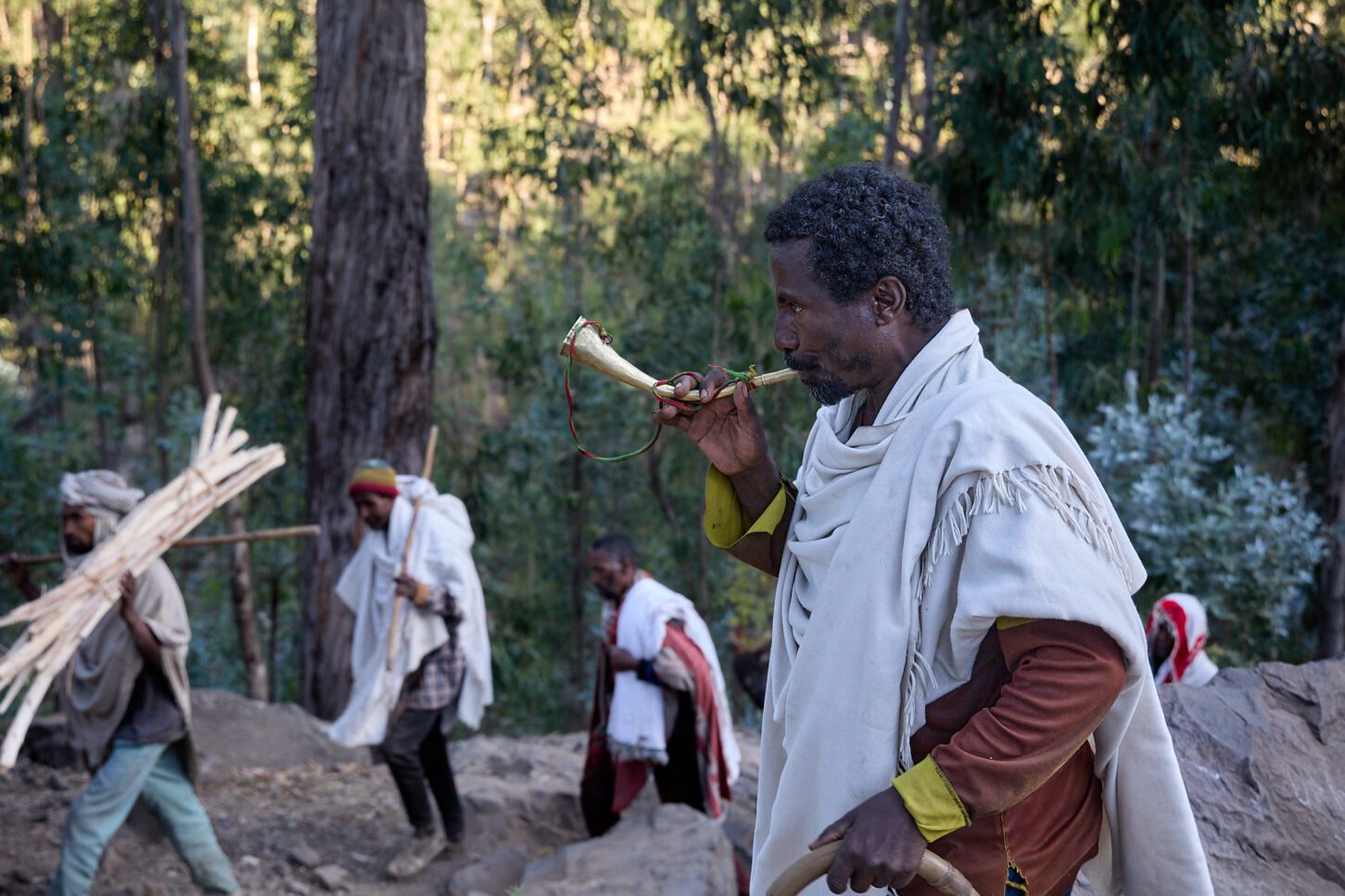
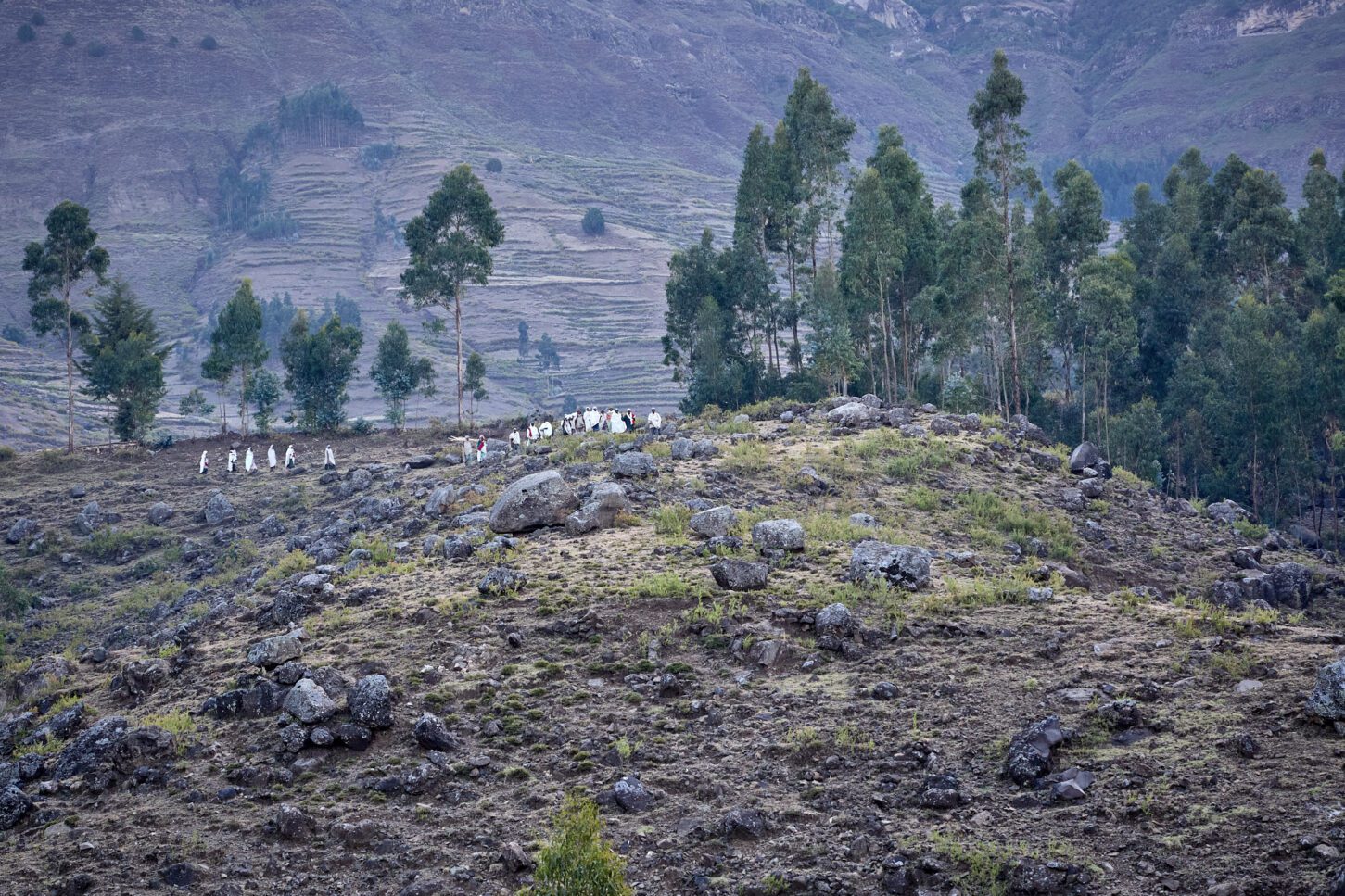
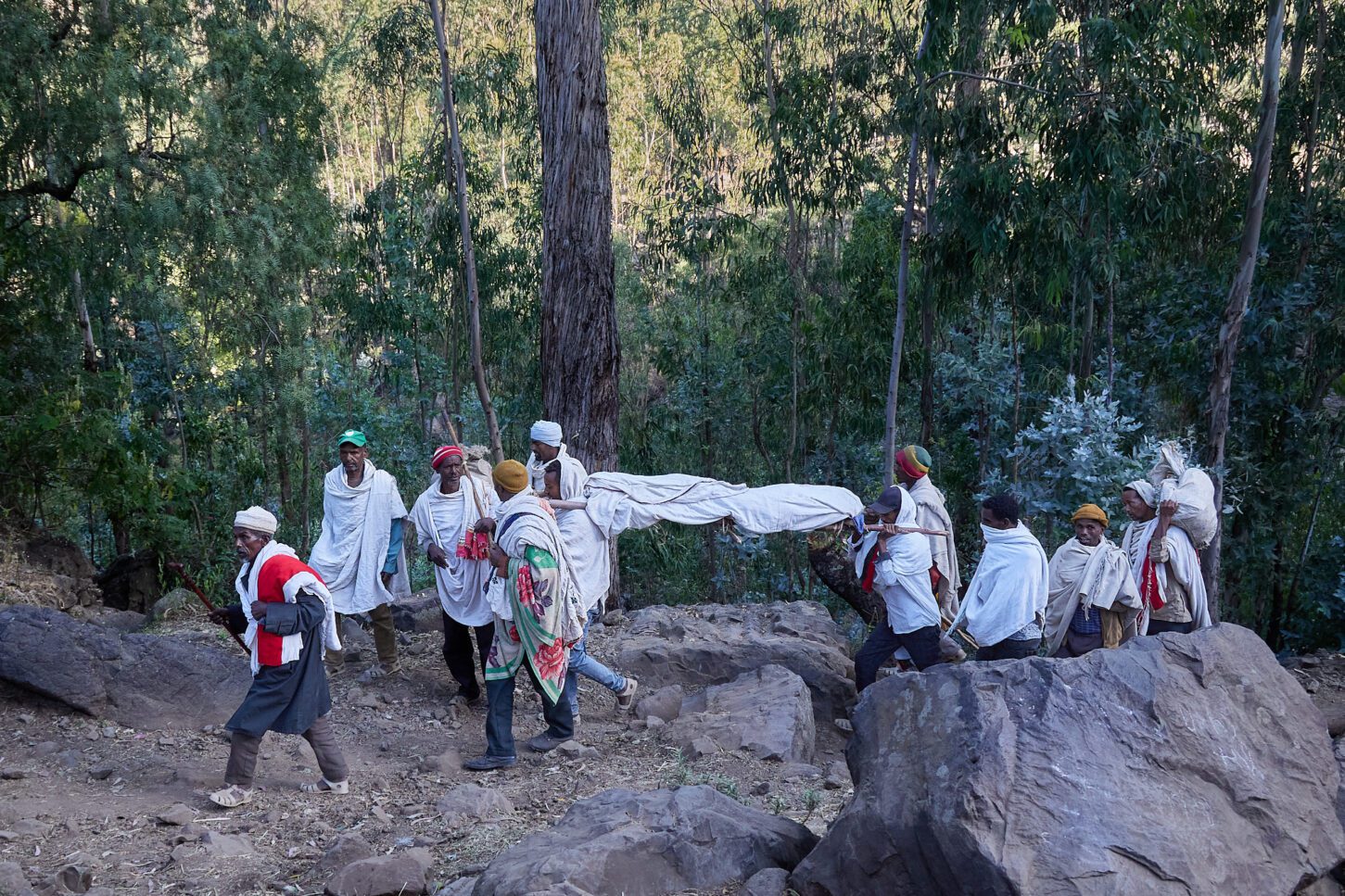
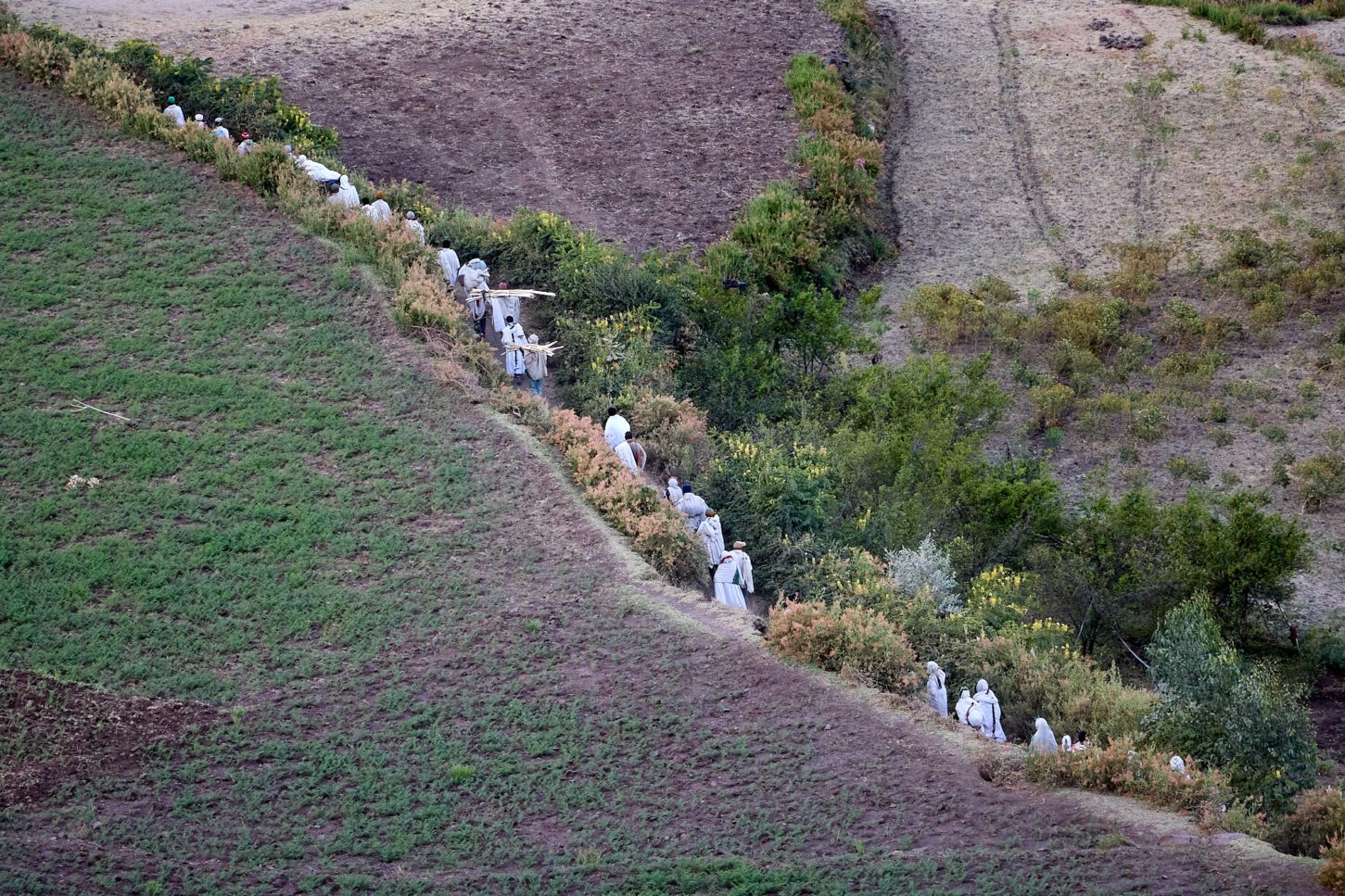
After a few hours of prayer, they wrap her in a white shroud, blow a horn to gather the entire village, and set out in a procession—along those rocky paths and extraordinary landscapes—heading to Lalibela to bury her.

I followed them for a while, but they were too fast for me. I was always searching for the perfect shot, mindful of not tumbling down a precipice.

So I stopped. It saddened me a little, but it felt right. Sometimes, even in photography, you have to know when to stop and let go.
Stories from the magazine

CML 5703
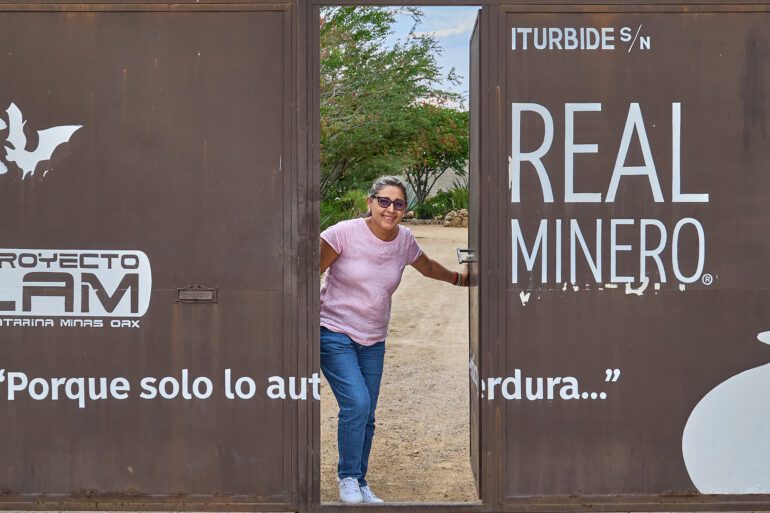
Real Minero: because only the authentic endures
In Santa Catarina Minas, Real Minero keeps a family practice of agave distillation alive and helps sustain Biblioteca El Rosario, a community space where knowledge returns to the town. In Santa Catarina Minas, Oaxaca, mezcal begins before the bottle....
CML 7527
The Tianguis de Domingo de Ramos
Every Holy Week, Uruapan becomes a meeting place for the artisans of Michoacán: clay, copper, lacquer, textiles, wood, fiber, food, music, and memory gathered in the streets. The Tianguis Artesanal de Domingo de Ramos takes place every year in Uruapan,...
Tetff Flour Arba Minch007
Teff: what the flour carries
Originally published in A Bag of Stories, the magazine produced and curated by Ayzoh! for Afar Textiles / African Cottons, this story begins in Arba Minch, where teff moves through hands, wooden sieves, plastic trays, shade, dust, and morning light. In...
CML 9996
Niñas Sabias, San Miguel de Allende, Mexico
Niñas Sabias, also known as Wise Girls, is a nonprofit organization working with girls, women teachers, schools, and local communities in Mexico and Costa Rica. Its work begins with a simple fact that still shapes the lives of many girls: menstruation...
CML 1100
Biblioteca Pública de San Miguel de Allende, Mexico
In San Miguel de Allende, the Biblioteca Pública brings books, scholarships, performances, workshops, and daily encounters into one shared civic space. The Biblioteca Pública de San Miguel de Allende is one of the city’s most active cultural institutions....
Land Grabbing A 0001
This is colonization by invitation
Text by Fikre Tolossa / In the un-glorious past, European colonizers grabbed by force any African lands they had their eyes set on and did whatever they desired to do with the lands. Not only did they exploit the lands, but also the natives by paying...

Latest Publications

Presa Allende 005 0101
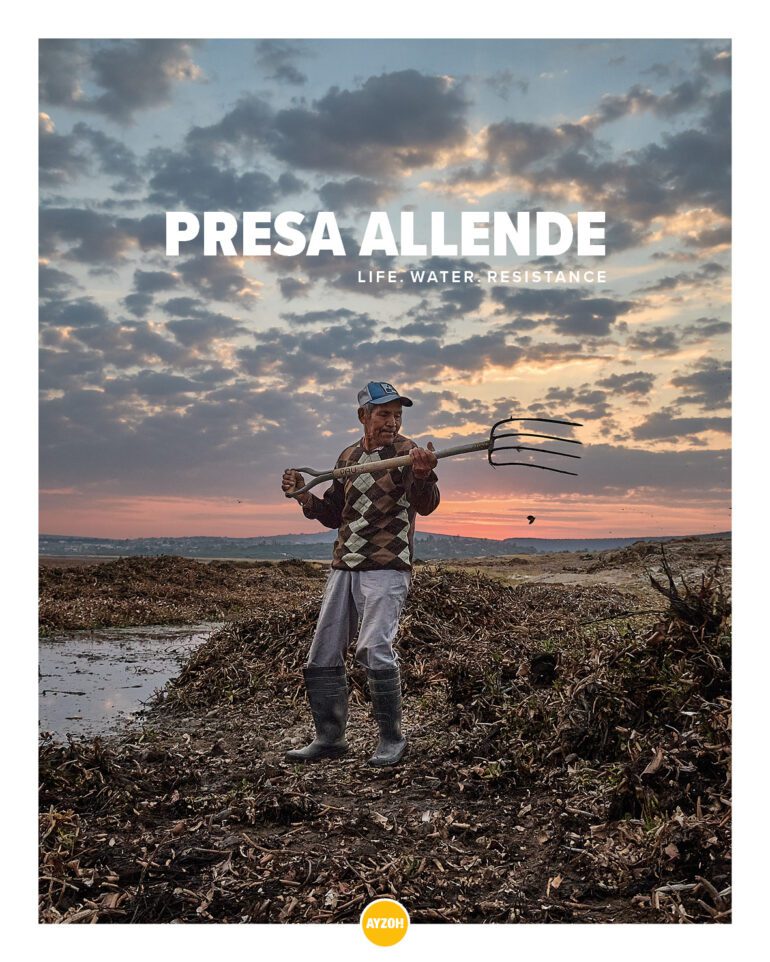
Presa Allende
Presa Allende is a reservoir, a landscape and a community under pressure. You see contamination, invasive plants, lost jobs and migration. You also see dignity, responsibility and a long tradition of people who act when institutions fail. This book shows...
Somos Guatemala 01
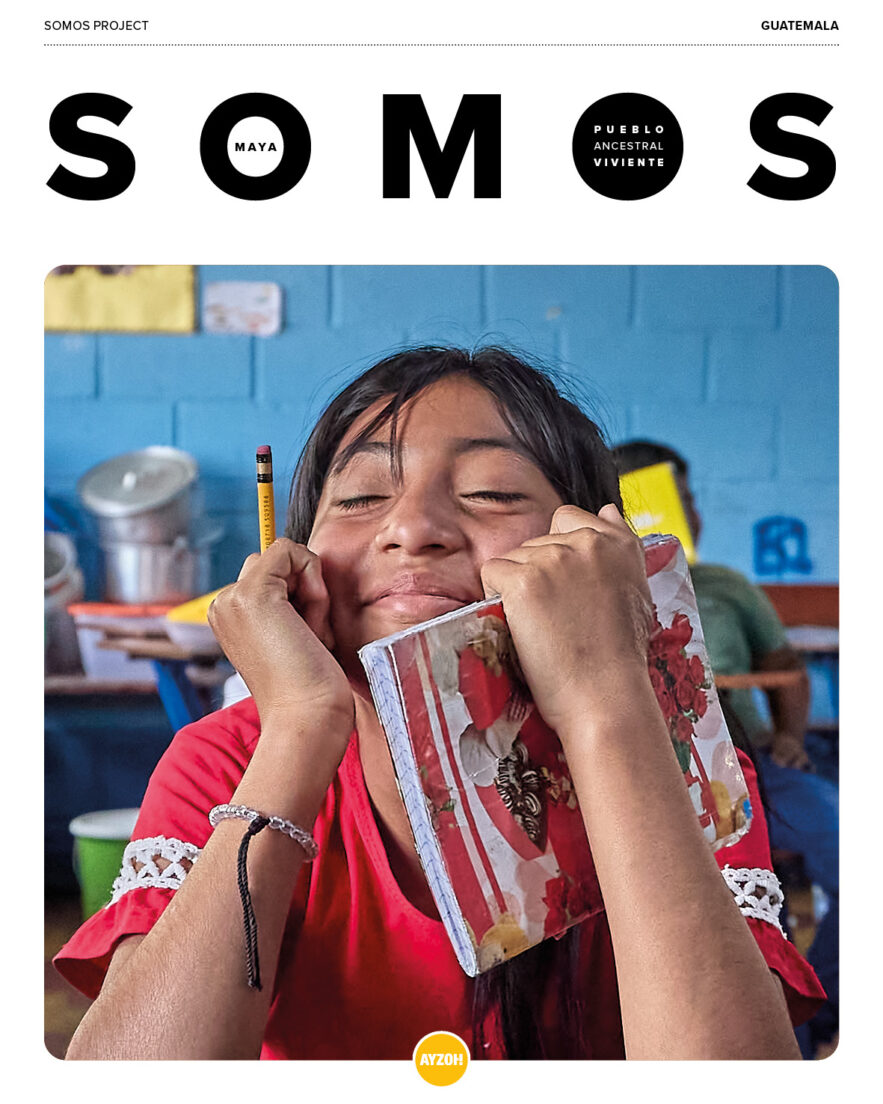
Somos / Pueblo Ancestral Viviente
"Somos" is a call to listen, to witness, and to act. Created in deep collaboration with Maya communities across Guatemala, this project amplifies ancestral voices that have long been silenced, distorted, or ignored. At its heart lies the Popol Wuj, the...
El Rosario 001 01
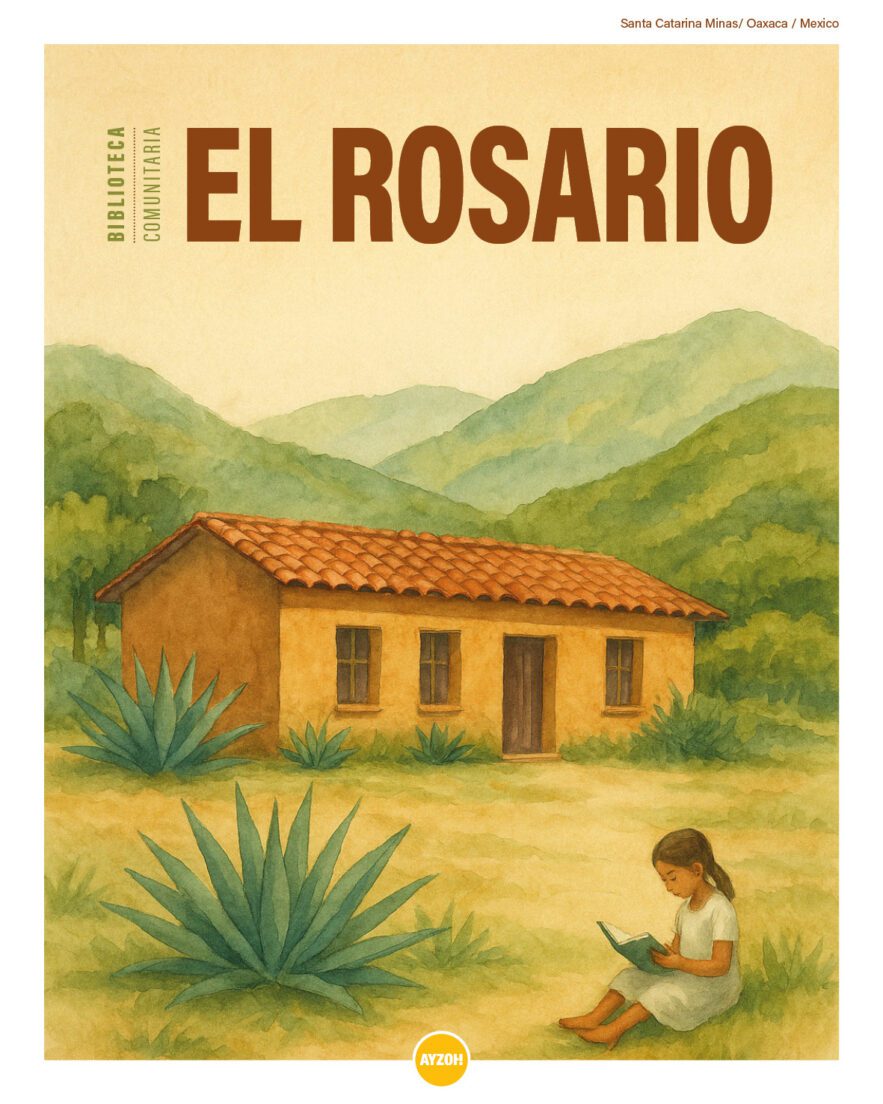
Biblioteca Comunitaria El Rosario
El Rosario is a photo book and a tribute to a grassroots library in Oaxaca, Mexico. Created with the community of Santa Catarina Minas, it celebrates literacy, biodiversity, and collective imagination. All proceeds support the library and its partner...
Je-suis-la-rue-0001-b-01
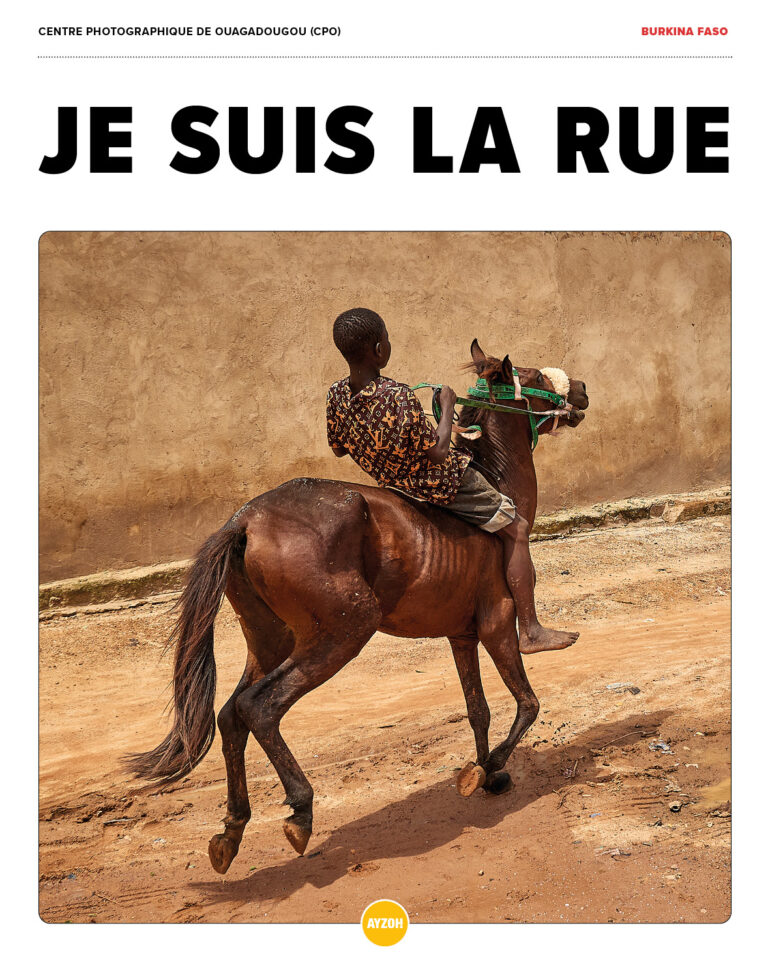
Je Suis la Rue
Discover the vibrant streets of Ouagadougou, Burkina Faso, through the eyes of talented youth who transform urban spaces into creative playgrounds. Ayzoh! established the Centre Photographique de Ouagadougou (CPO), an inclusive photography center empowering...
Visit-Awra-Amba-_01
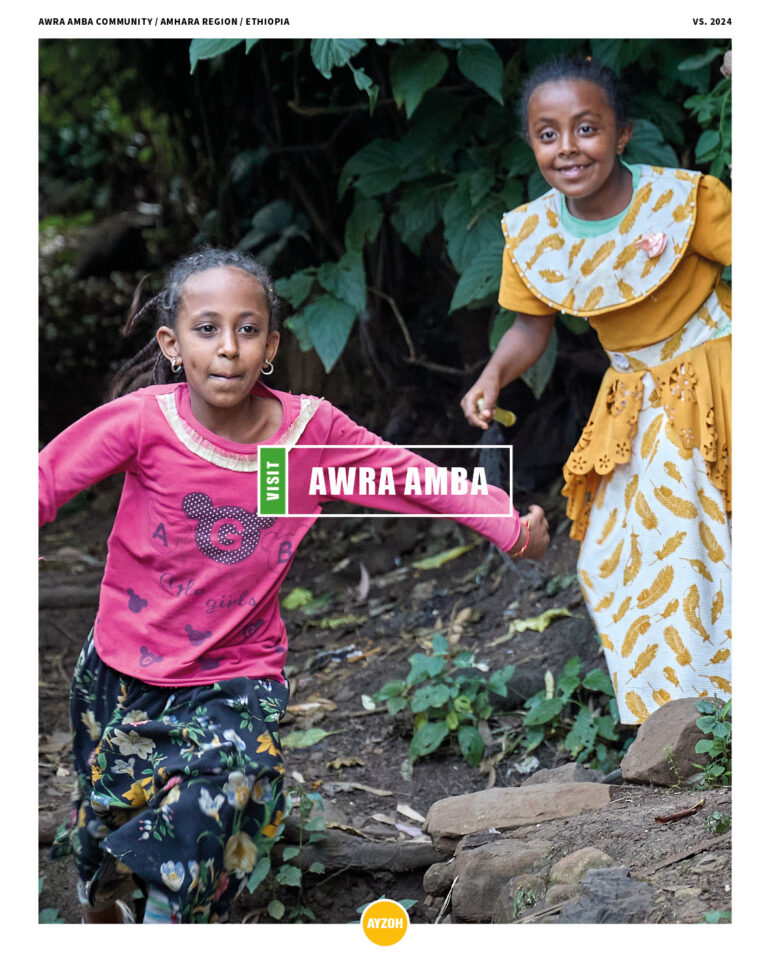
Visit Awra Amba
Awra Amba, a visionary community in Ethiopia, challenges conventional norms by promoting equality, peace, and sustainability. As global ambassadors, Ayzoh! shares their inspiring story through an illuminating photographic book and dedicated website, highlighting...
Isegran-01
Isegran
An intimate homage to the maritime community of Isegran, Norway, this book celebrates the profound connection between humans and the sea. Explore themes of love, tradition, craftsmanship, and passion, reflecting on the sea’s timeless ability to unite...

Stay close to the stories that matter

Once a month, we share new essays, photo reports, behind-the-scenes insights, and early access to our workshops and events. No fluff—just real voices, powerful images, and the people who move us. Join our newsletter. It’s free, and it’s made with care.

No spam. Unsubscribe anytime.