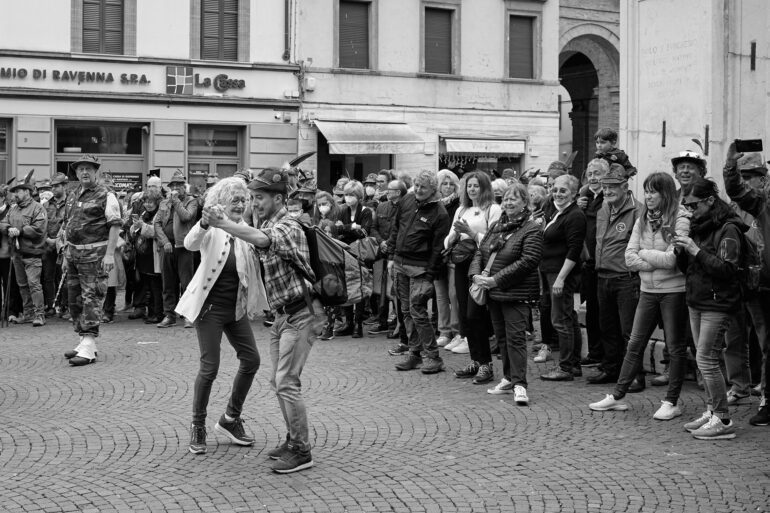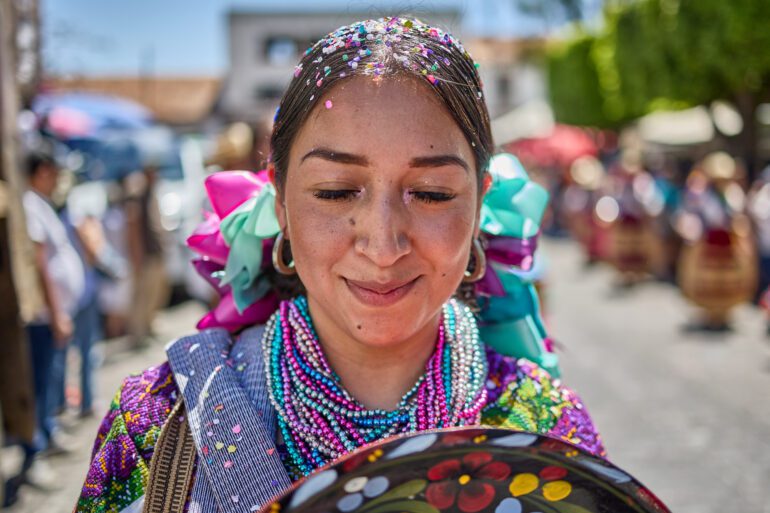

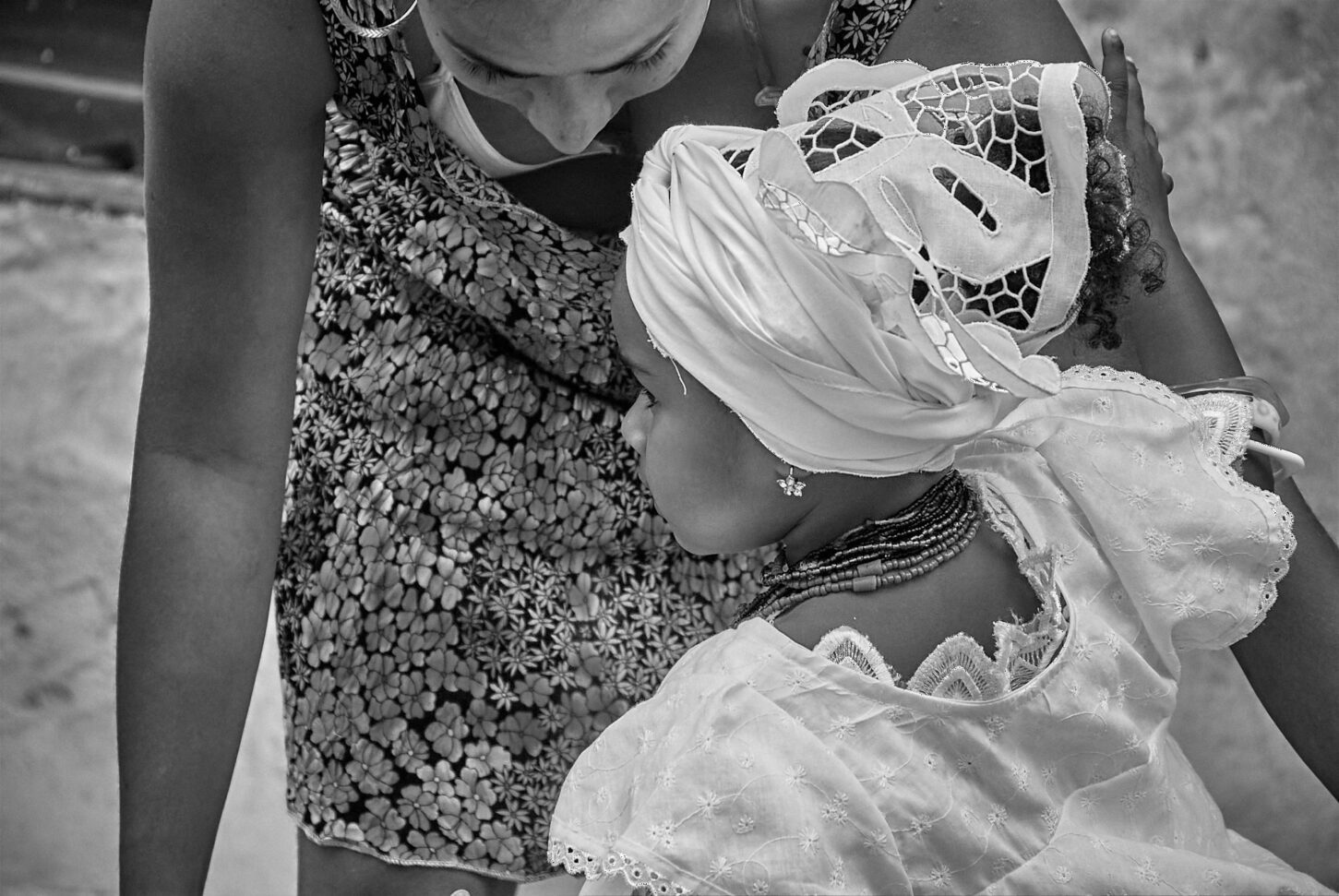

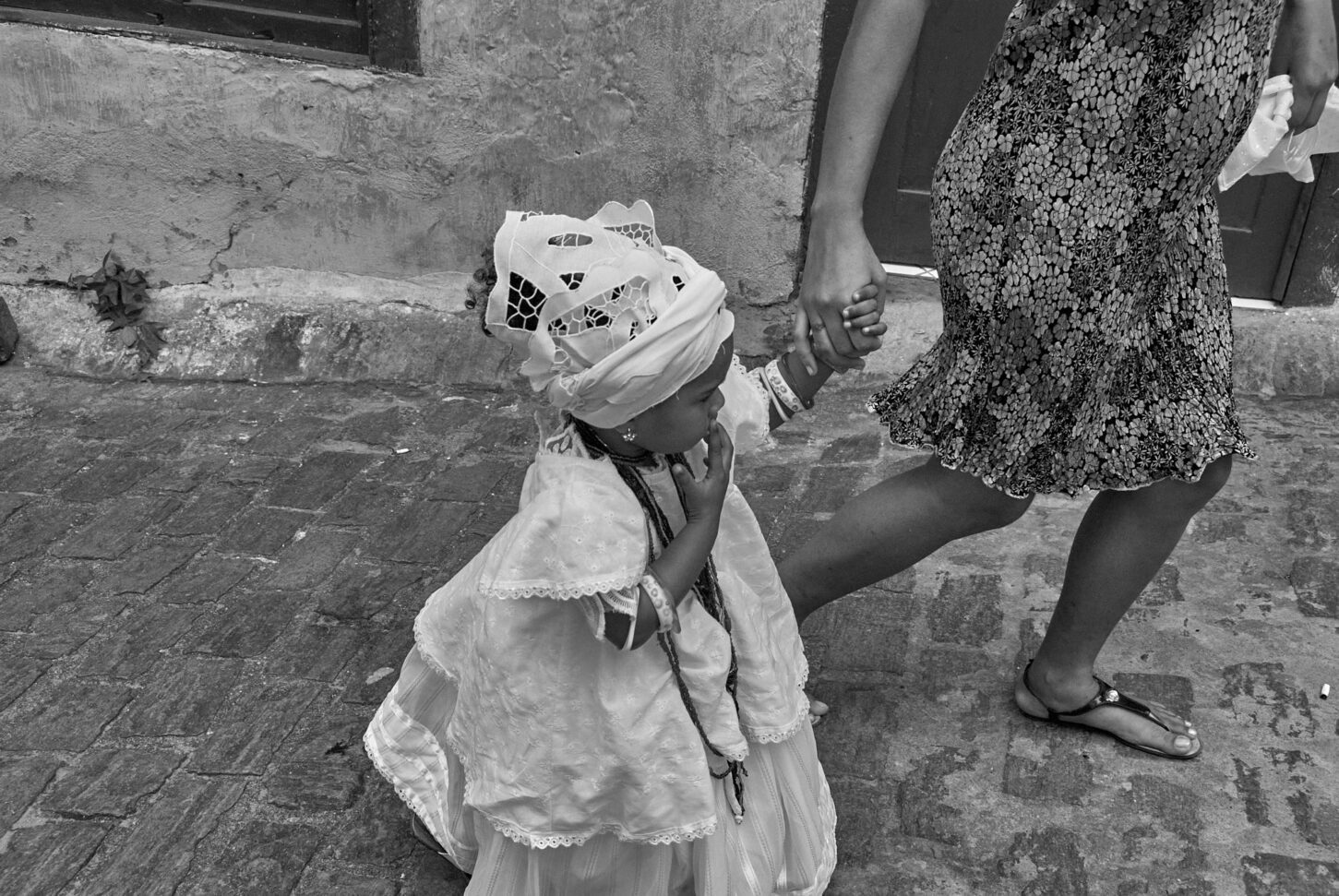


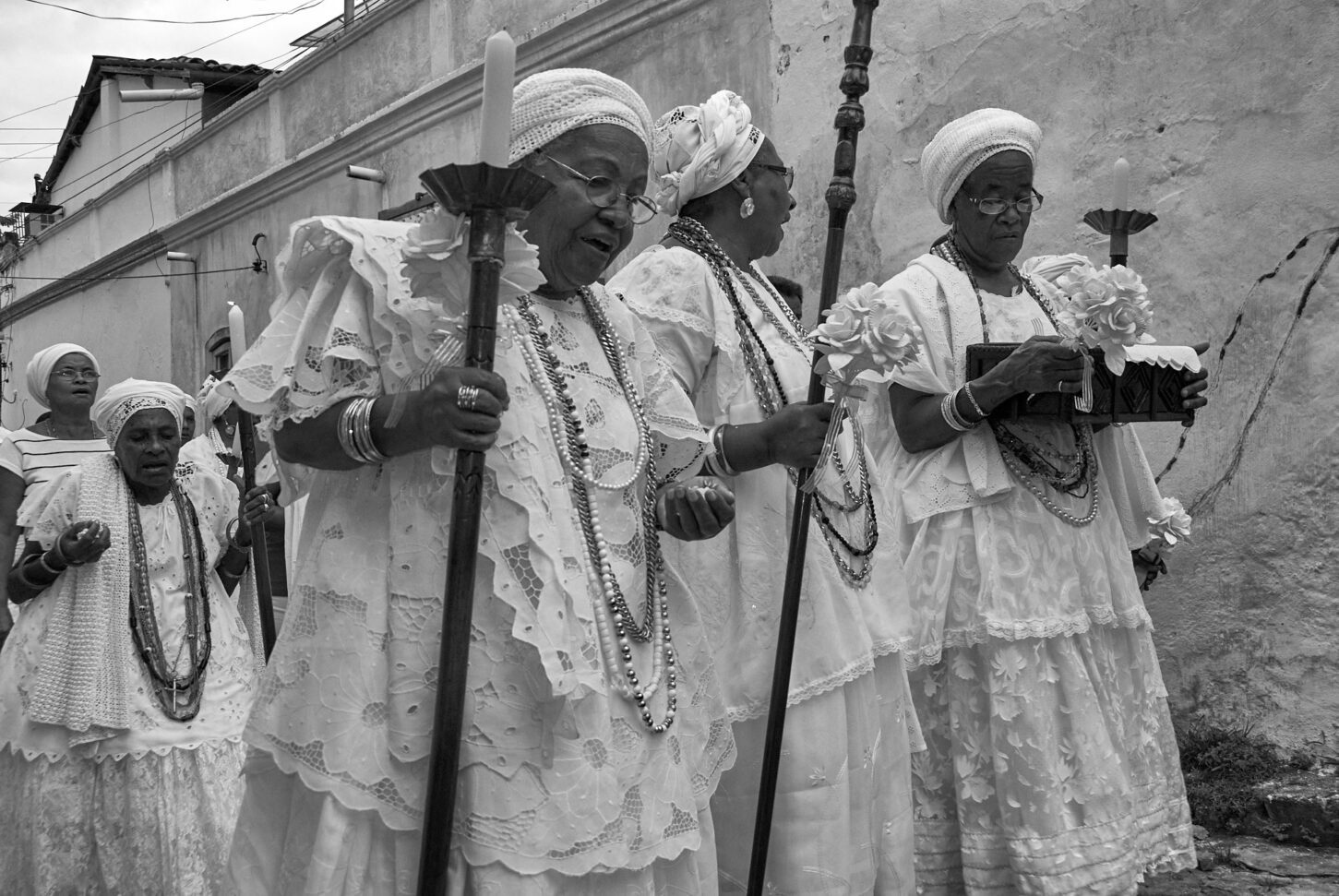









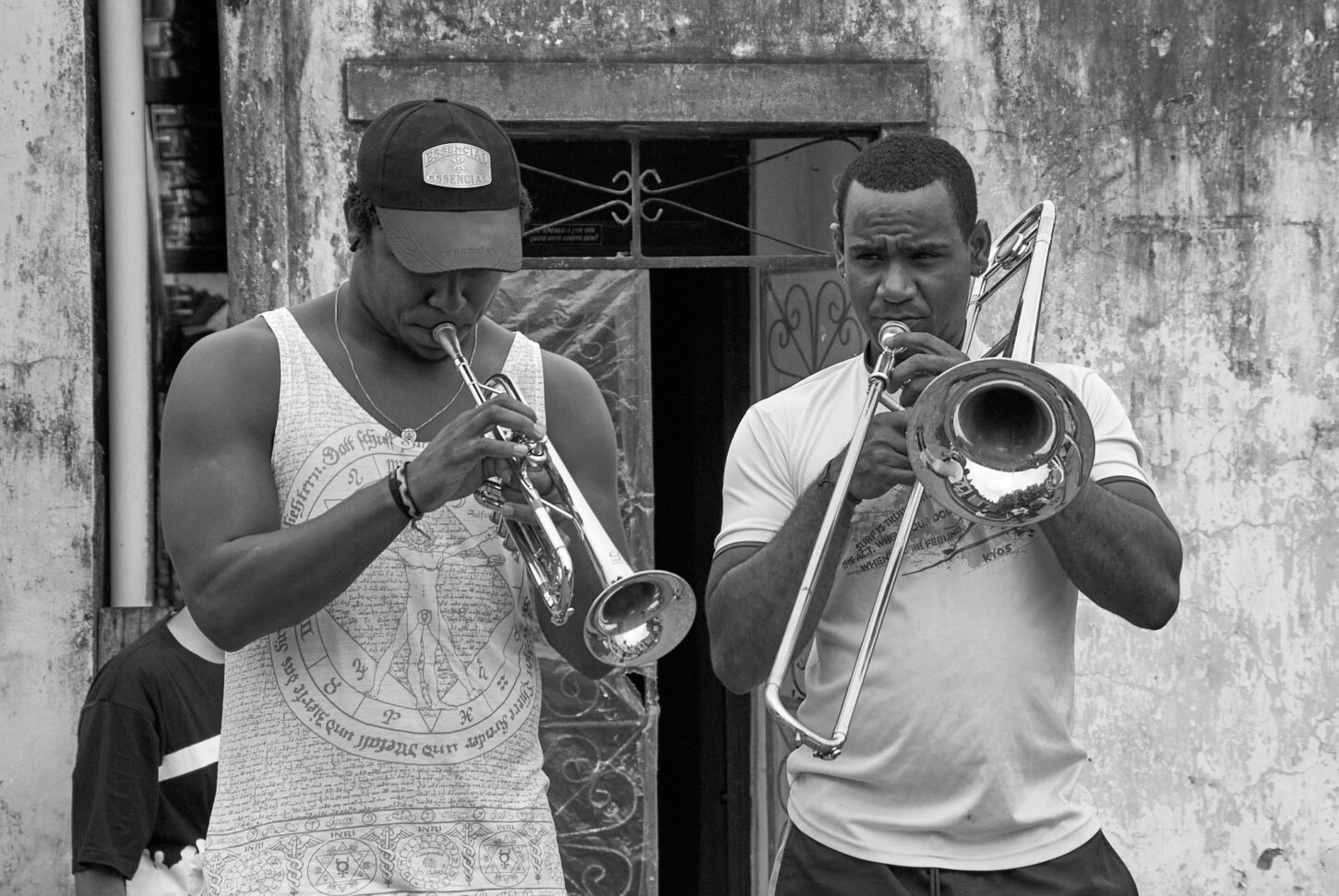


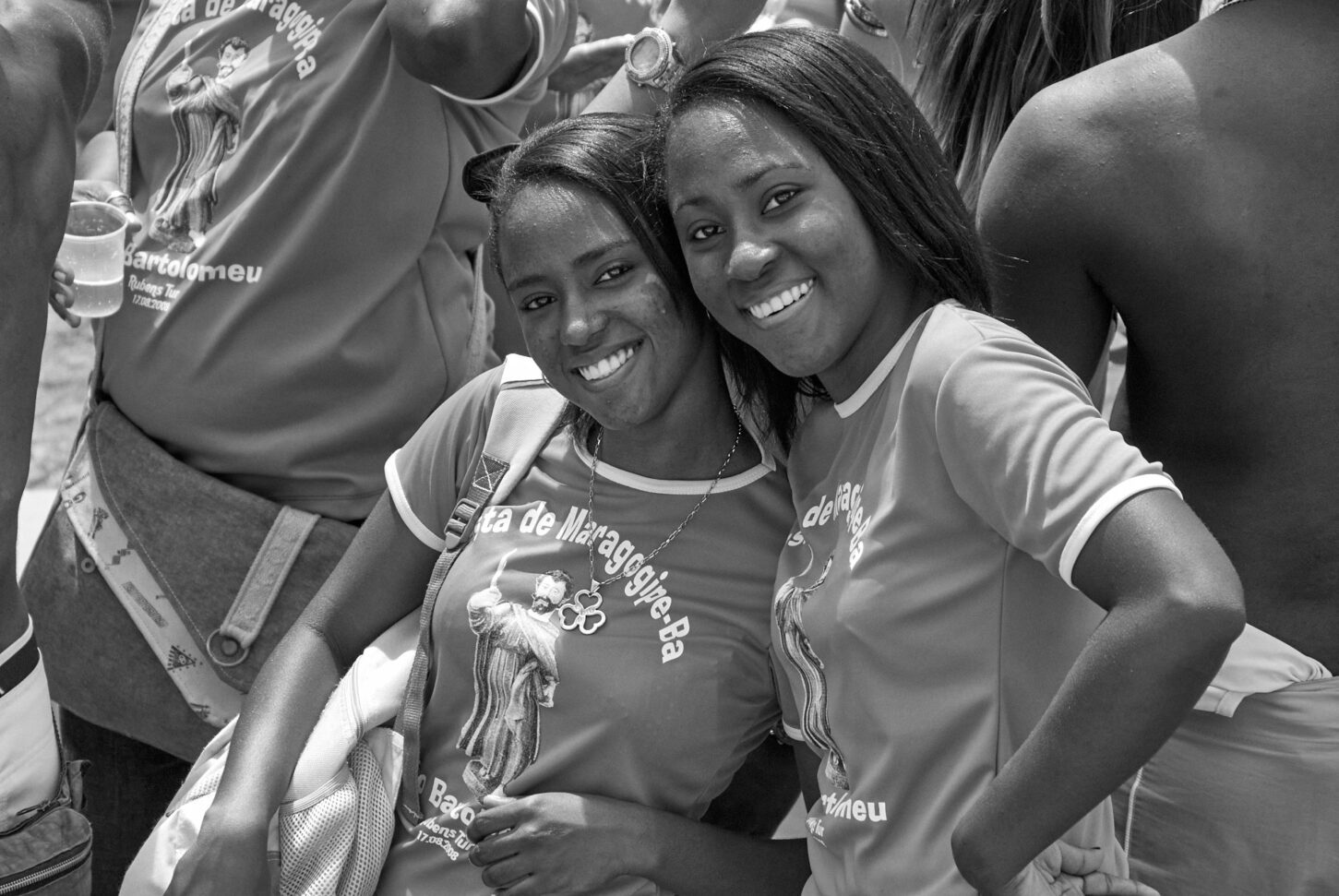

The Festival of Boa Morte (or “Good Death”) is a unique religious and cultural celebration linked to the Irmandade da Nossa Senhora da Boa Morte (Brotherhood of Our Lady of Good Death) in Brazil, a brotherhood of Afro-Brazilian women who venerate the Virgin Mary as “Nossa Senhora da Boa Morte.”
The name refers to a proper passage from the material to the spiritual world) is perhaps the most important festival in the African Heritage calendar in Bahia and is a living document of African culture and Diaspora to the New World.
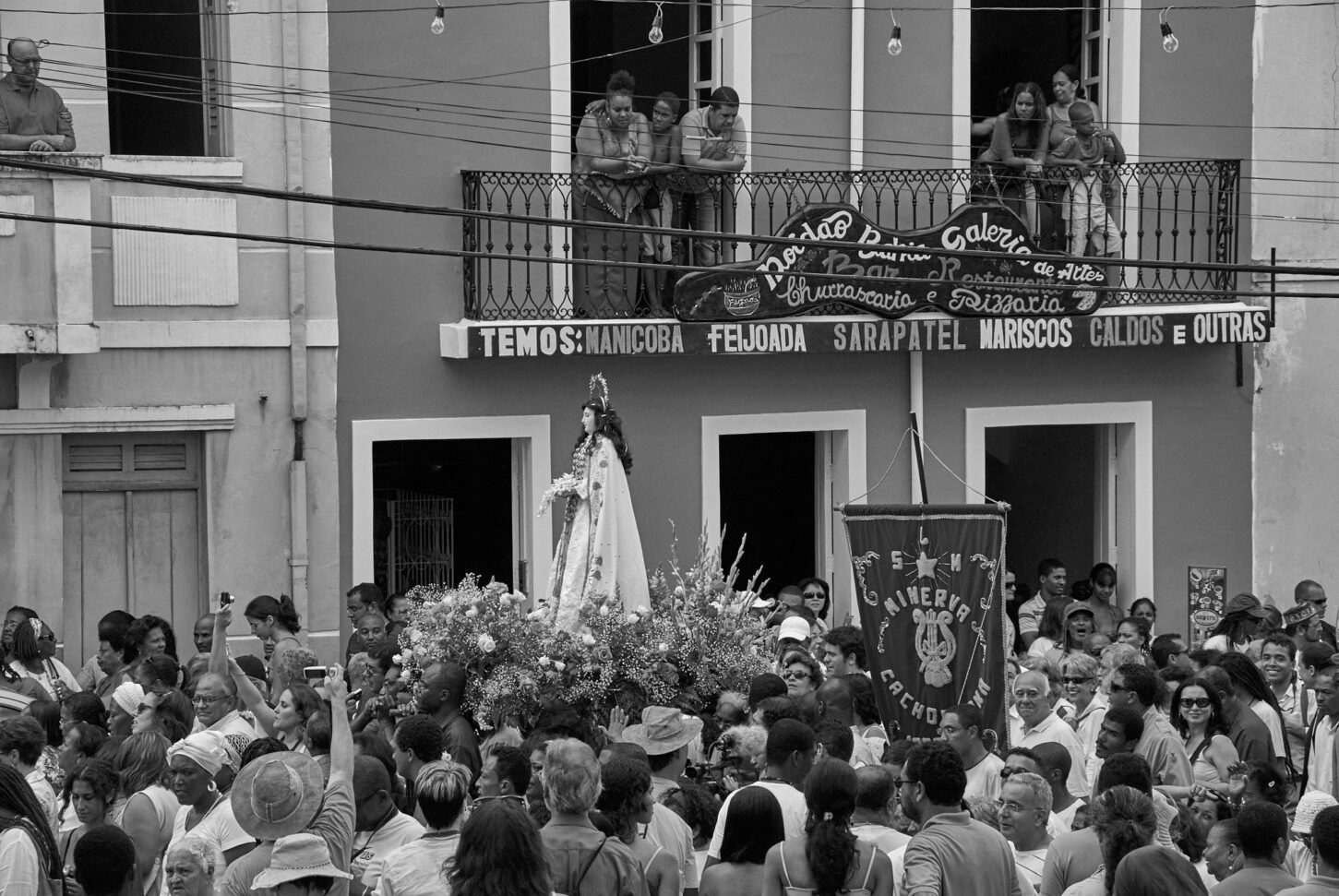
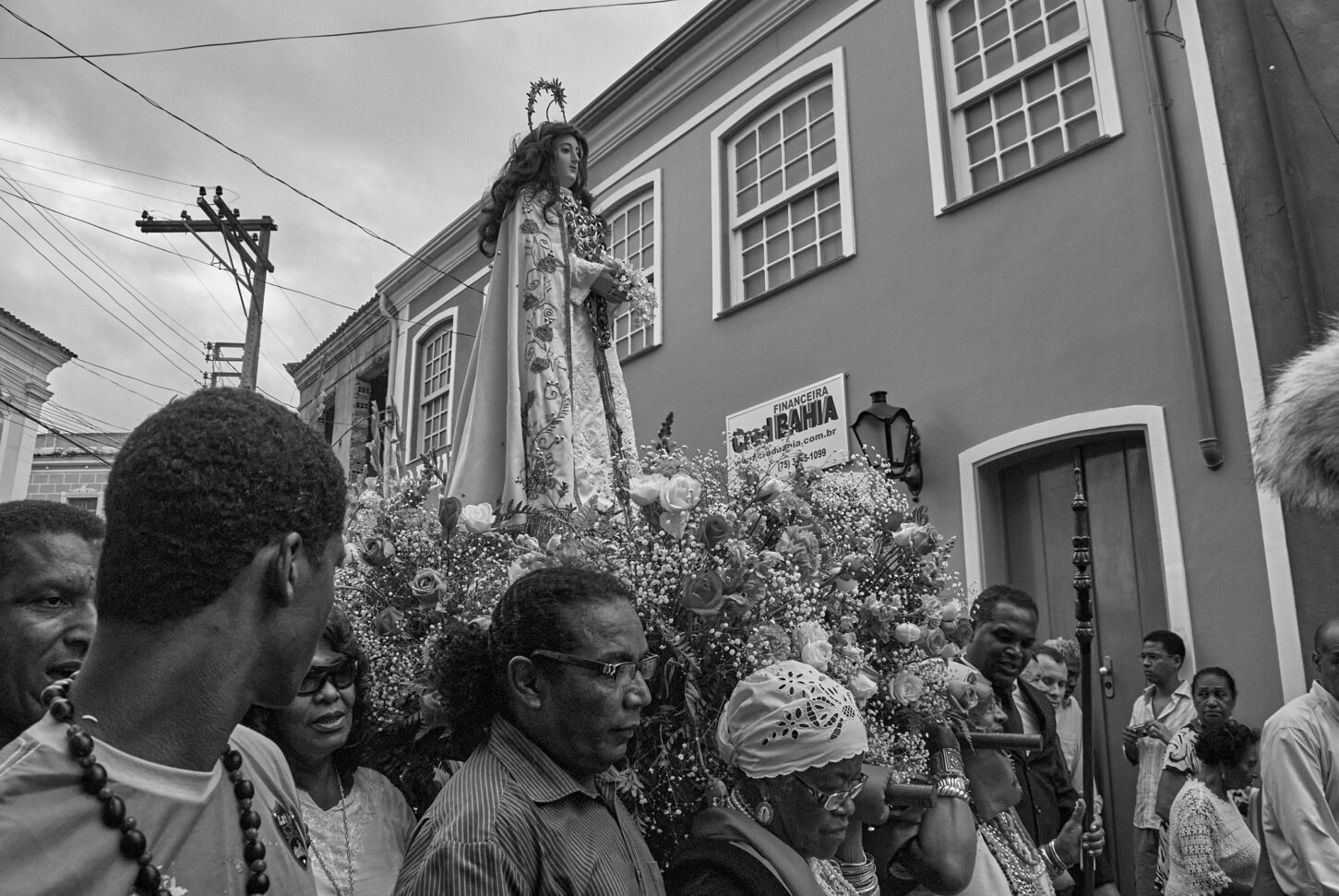
It celebrates Mary’s bodily assumption into heaven, a moment that unites Catholic faith and African traditions, culminating in processions, songs, and celebrations honoring life, death, and rebirth, especially in Cachoeira, Bahia.
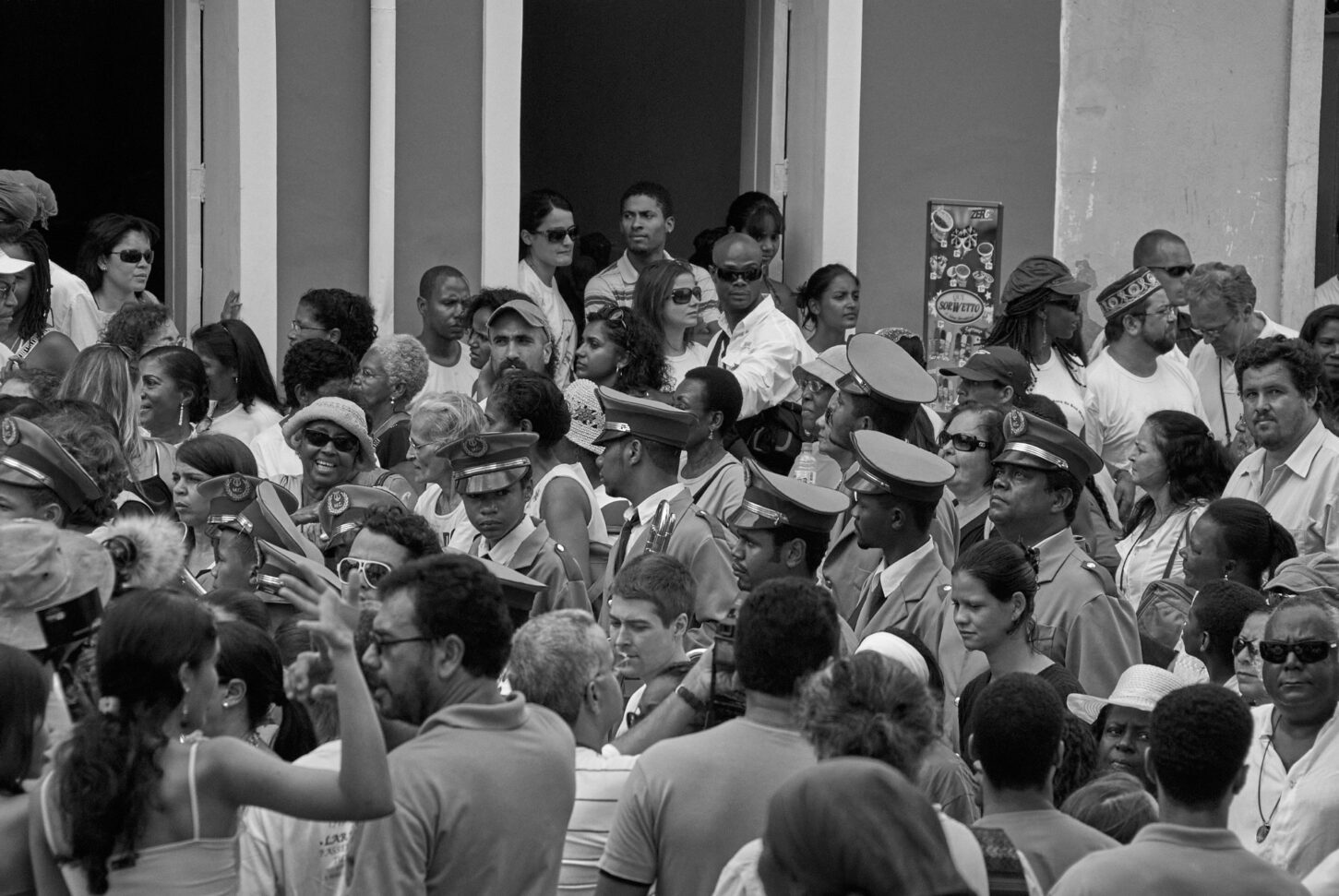
Over time the Festival has grown in popularity, and today it is covered by national television channels. It is also a trendy tourist attraction for people from Brazil and from all over the world.
Cachoeira
The Festival takes place in the pretty Bahian town of Cachoeira, in the Recôncavo Baiano, one of Brazil’s most fertile and productive land.
Five hundred years ago, the Portuguese colonists cleared the land to grow sugar cane and, later, tobacco on these rolling hills. After an unsuccessful attempt at enslaving the local Indians, they imported vast numbers of enslaved people from Africa to work their fields.
Cachoeira flourished as a river port, linking inland agriculture to the ships waiting 70 miles southeast in the Salvador harbor. By 1878, the town’s population was 7,000, and 2,000 were slaves.
A decade later, Brazil’s monopoly of the world’s sugar production had ended, and new roads were replacing river transport. The town stopped in its tracks, and its colonial architecture was left to crumble.
The Festival
On the surface — being deeply syncretized with the Fest of the Assumption of the Virgin Mary — the Festival is purely and ardently Catholic. Still, the reality is more complicated as there are other religious, social, and political subtexts.
References are constantly made to the Candomble deities, part of an African religion that achieves its spirituality through religious fervor and trances.
The enslaved Africans could practice their religion in secret gatherings disguising much of their practices as Catholicism.
That’s why the name of the Festival refers not only to the good death of Mary — who, according to scripture, ascended into heaven — but to the enslaved people who managed to become free during their lifetimes.
The Irmandade da Boa Morte
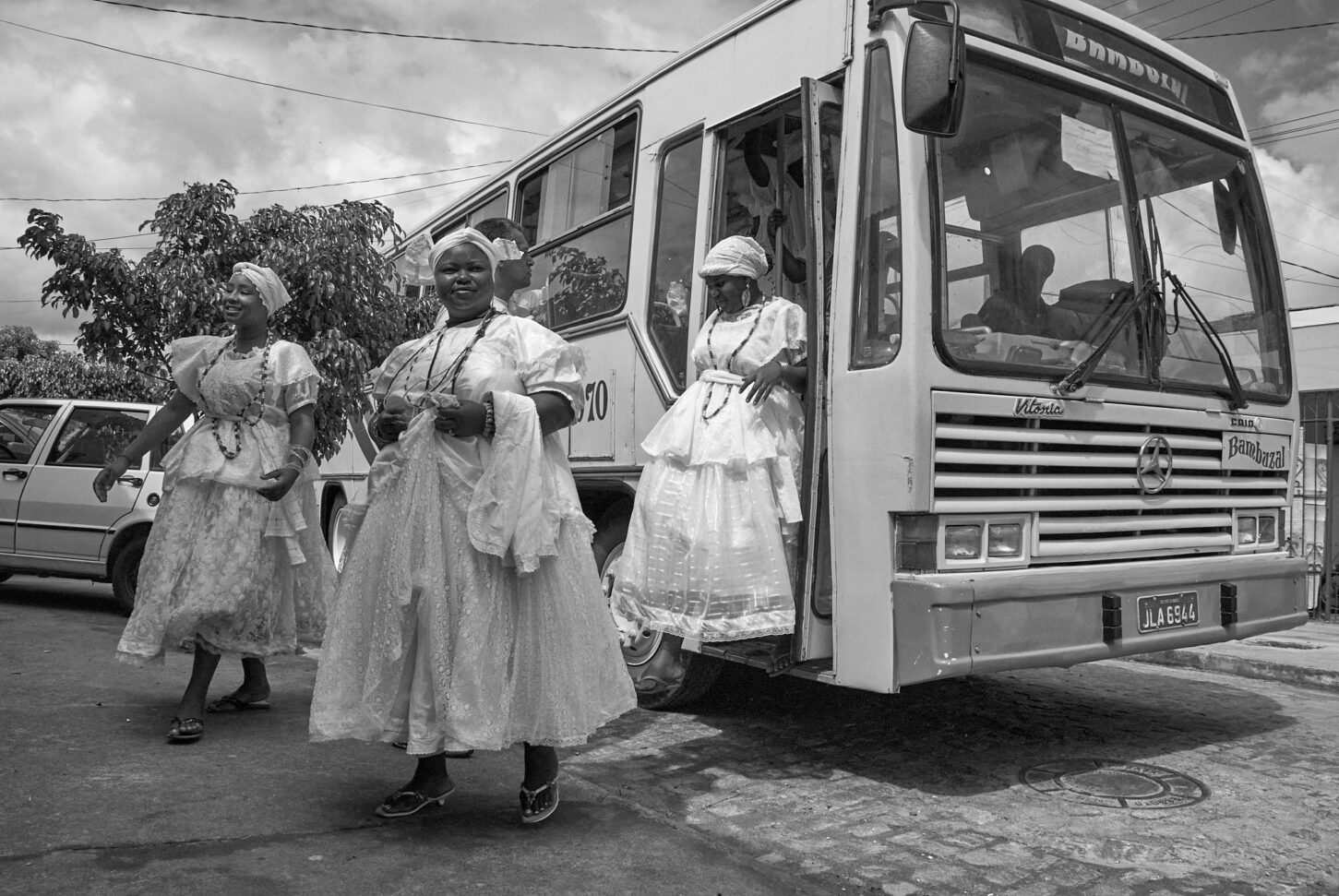
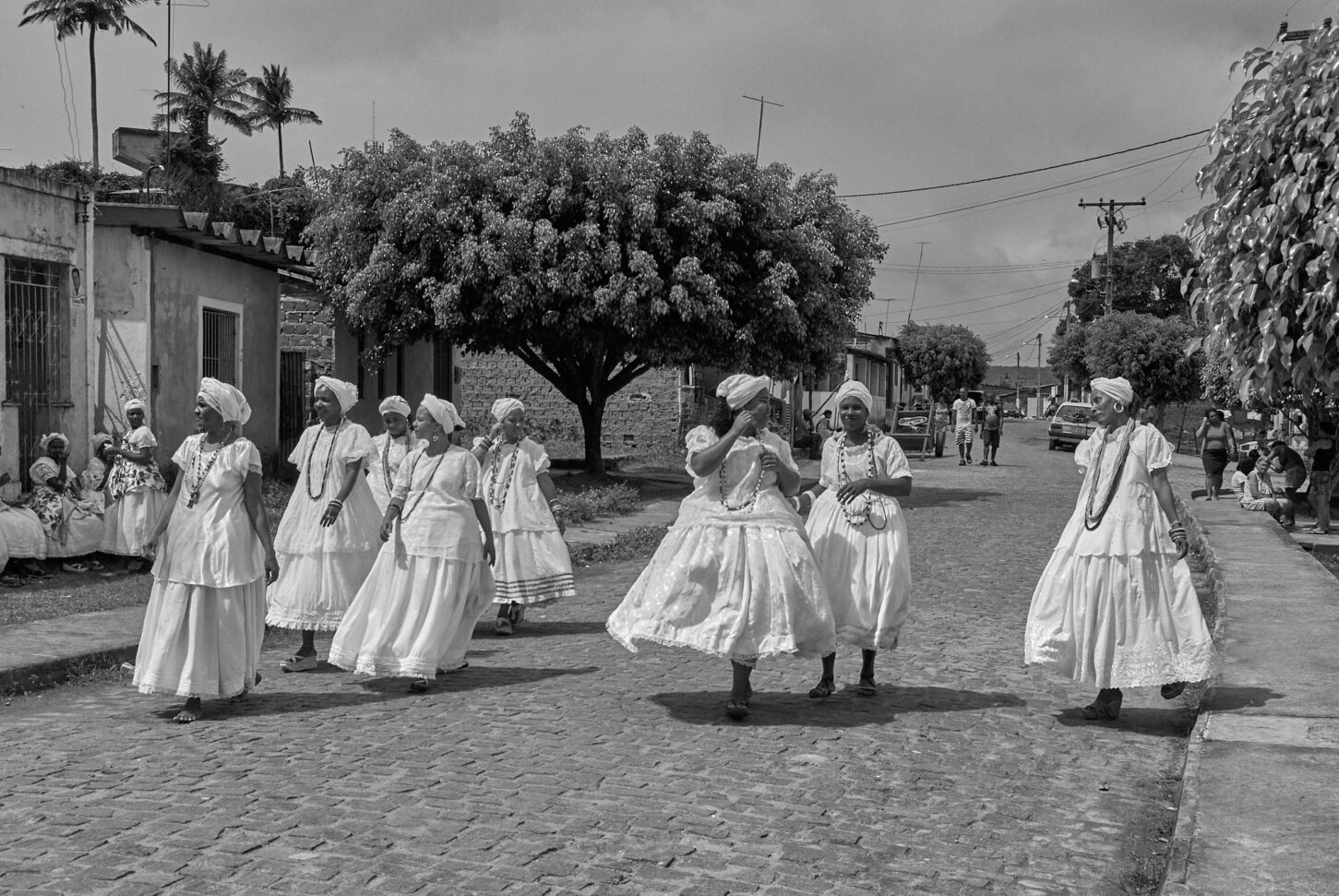
Founded in the early 19th century, the Irmandade da Boa Morte (Sisterhood of the Good Death) is a religious confraternity devoted to the Assumption of the Virgin and made of African-Brazilian women, all descendants of enslaved Africans.
Reminiscent of secret female societies in Africa, the Sisterhood of the Boa Morte worships the Iyá’s — the female spirits of the dead — and their history is part of the history of mass importation of blacks from the African coast to the cane-growing Recôncavo region of Bahia.
In fact, although it was created with purely religious intentions — to pray for the dead and provide decent funerals for its members — the confraternity also had an important role in freeing enslaved people, either by helping them escape or by earning money to buy their freedom.
In a patriarchal society marked by racial and ethnic differences, the confraternity is exclusive to black women, which gives this Afro-Catholic manifestation — as some consider it — a significant role in the annals of African Diaspora history.
Besides the gender and race of the confraternity’s members, their status as formerly enslaved people and descendants of enslaved people is an essential social characteristic, without which it would be difficult to understand many aspects of the confraternity’s religious commitments.
The formerly enslaved people have demonstrated enormous adroitness in worshipping the religion of those in power without letting go of their ancestral beliefs, as well as in the ways they defend the interests of their followers and represent them socially and politically.
Although the group was the female equivalent of Catholic lay brotherhoods, the Boa Morte’s relationship with the church was never formalized.
In 1980 a priest in Cachoeira confiscated the Sisterhood’s property, including precious jewelry, religious statues, and a sandal bearing the image of the Virgin.
A young lawyer, Celina Maria Sala, came to their aid, pursuing the case through several appeals and finally finding 19th-century paperwork proving that the sisters, not the church, owned the items.
The case was resolved in 1998, but Ms. Celina Maria Sala continues to take a lively interest in the Boa Morte Sisterhood that now — as a society — intends to preserve African traditions and celebrate the life and death of the Virgin Mary.
Attending the Festival
Organized by the Boa Morte Sisterhood, the Festival is celebrated from Aug. 13–15. The dates for the Boa Morte Festival are always the weekend, the Feast of the Assumption of the Virgin. If August 15 falls on a Friday, Saturday, or Sunday, the celebration will be on the following weekend.
These dates are confirmed three months before the celebrations begin when the Sisters consult with the Orixás for their permission to proceed.