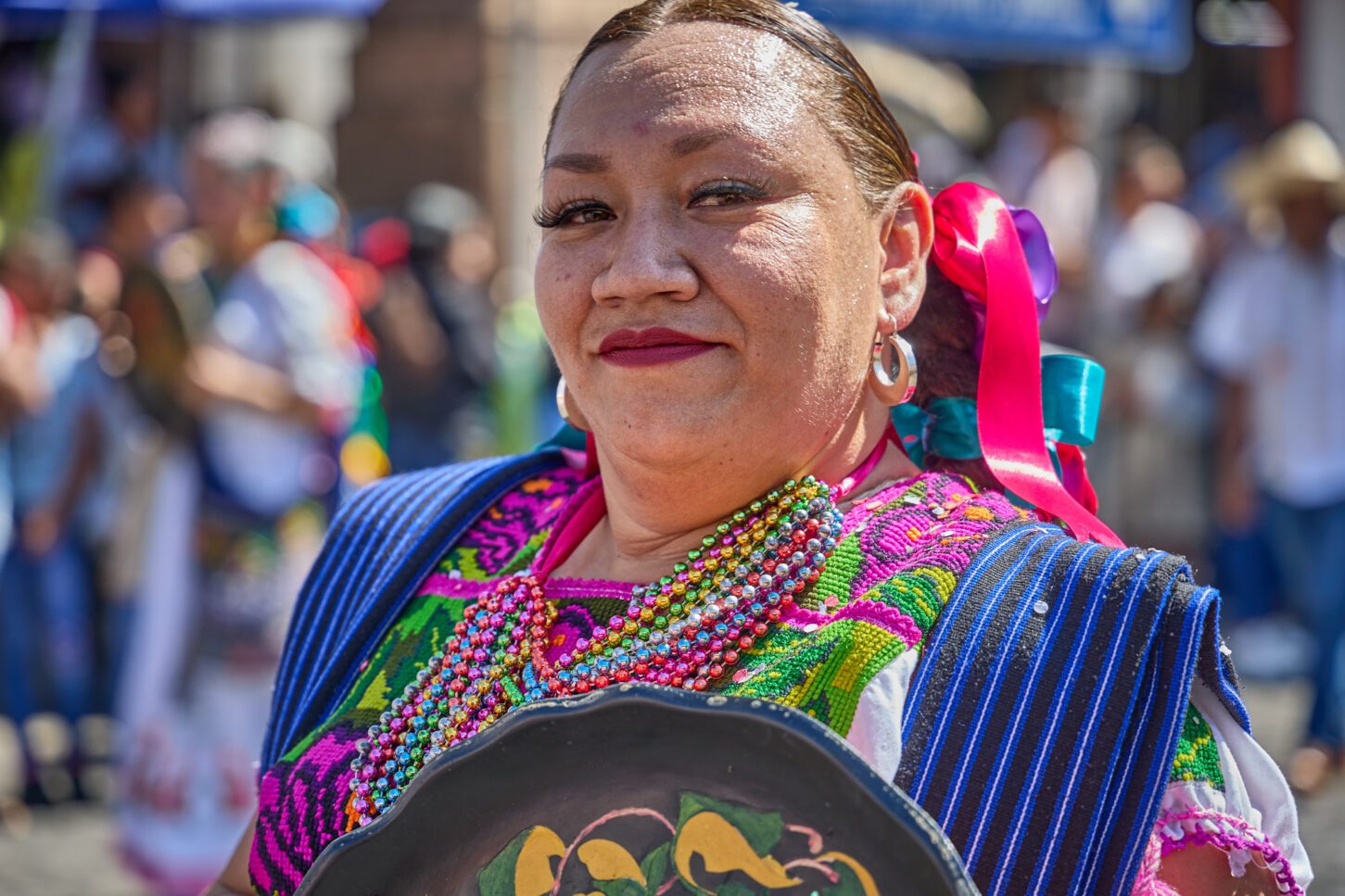
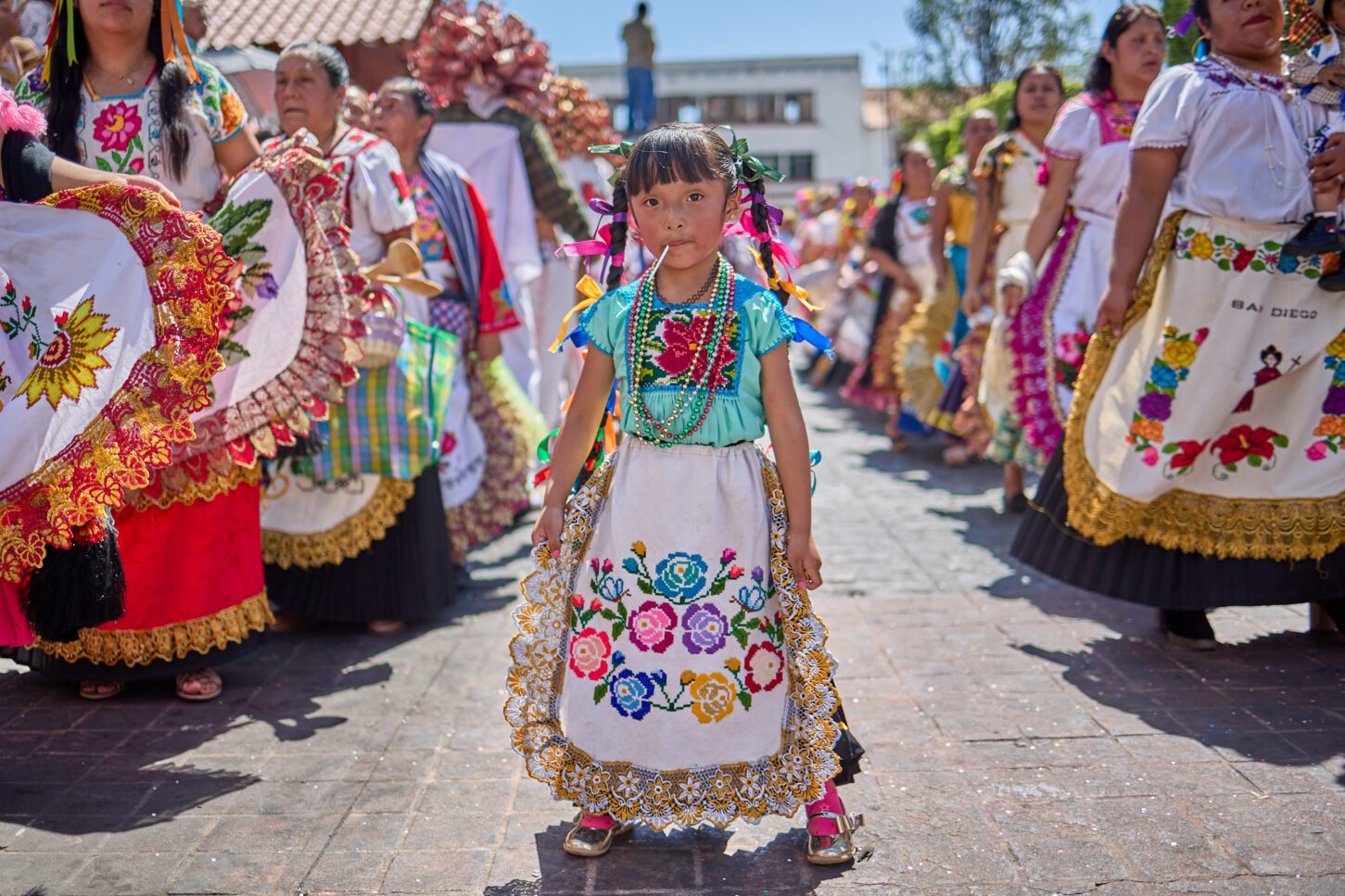
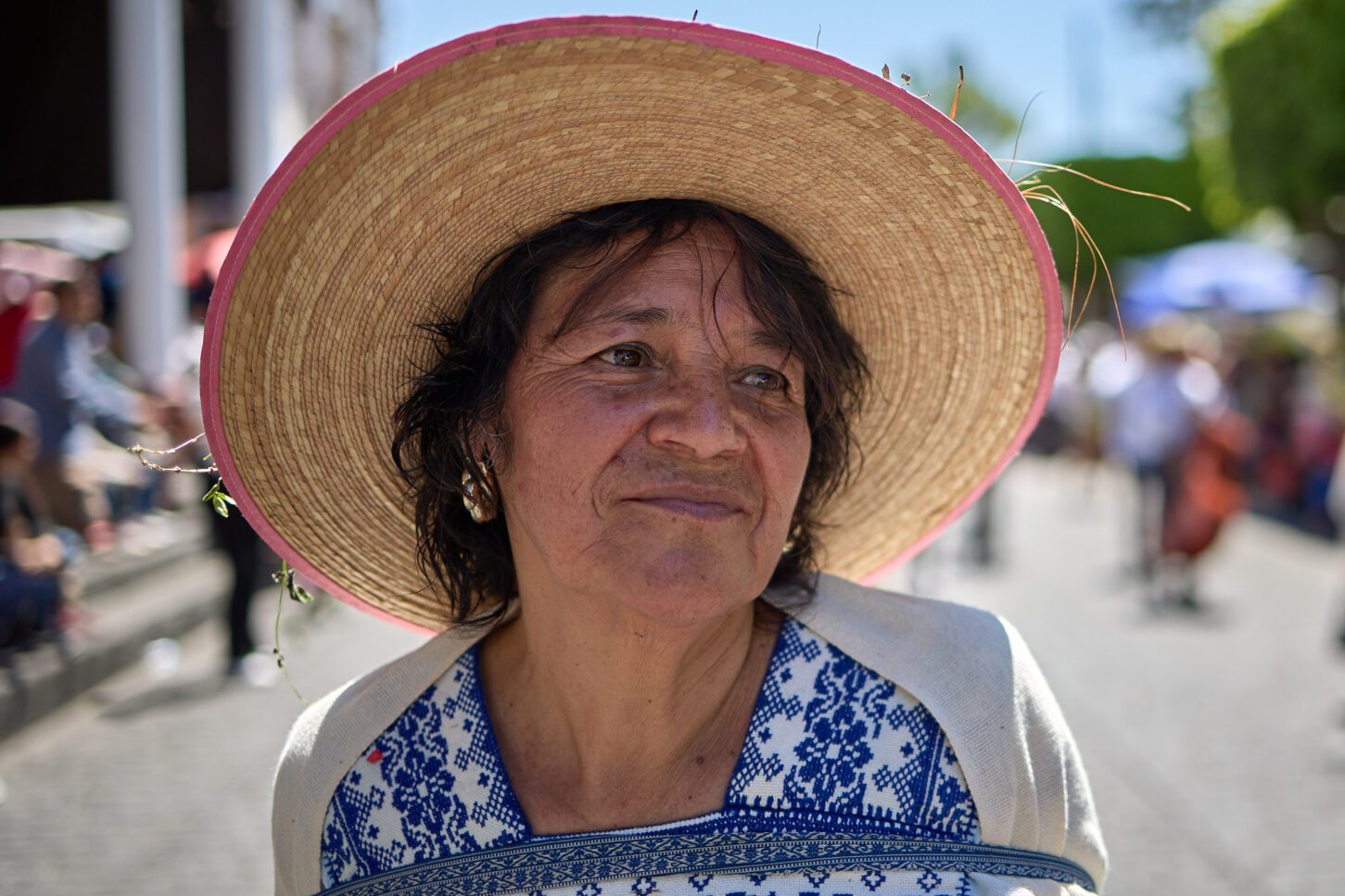
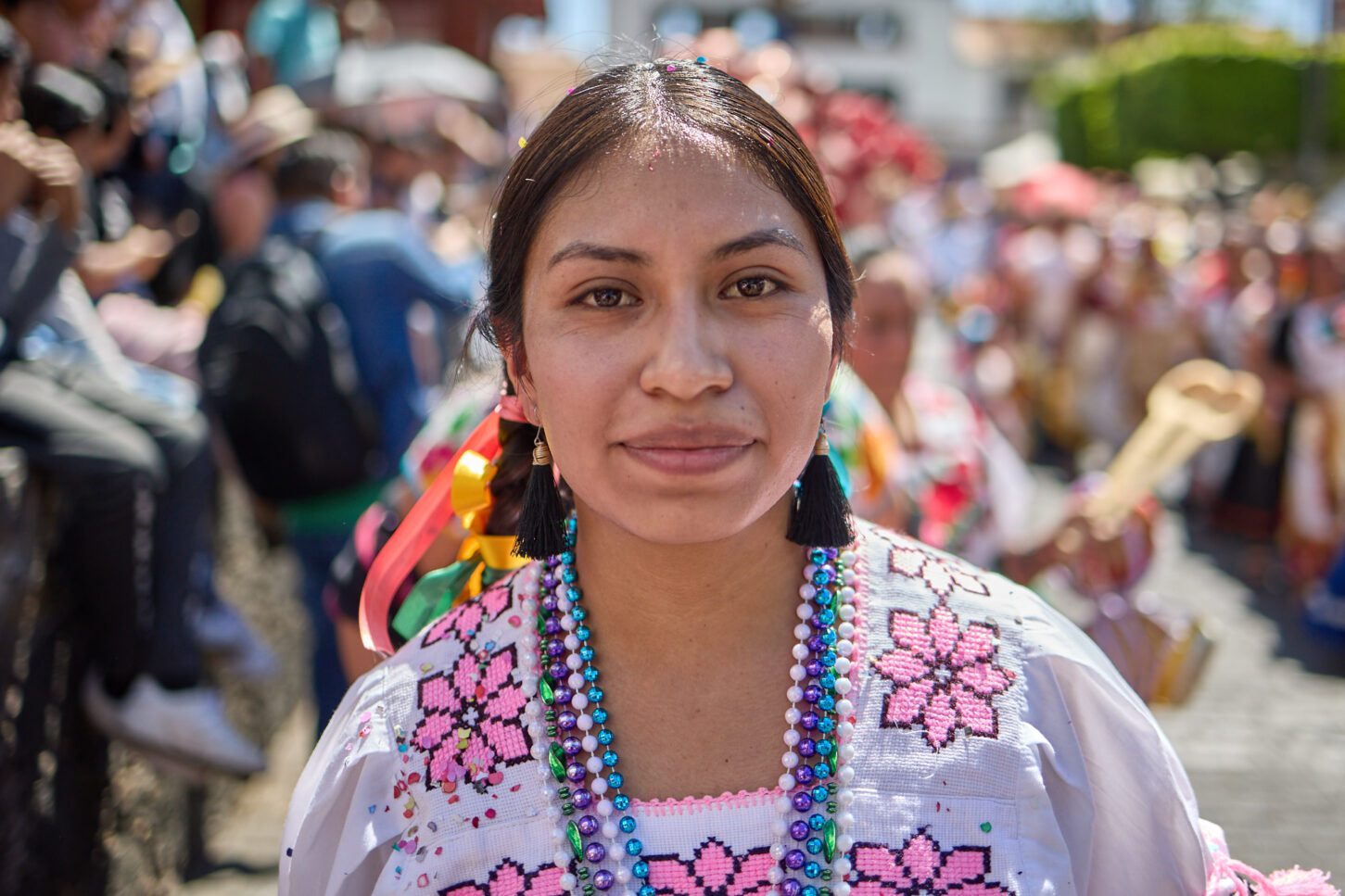
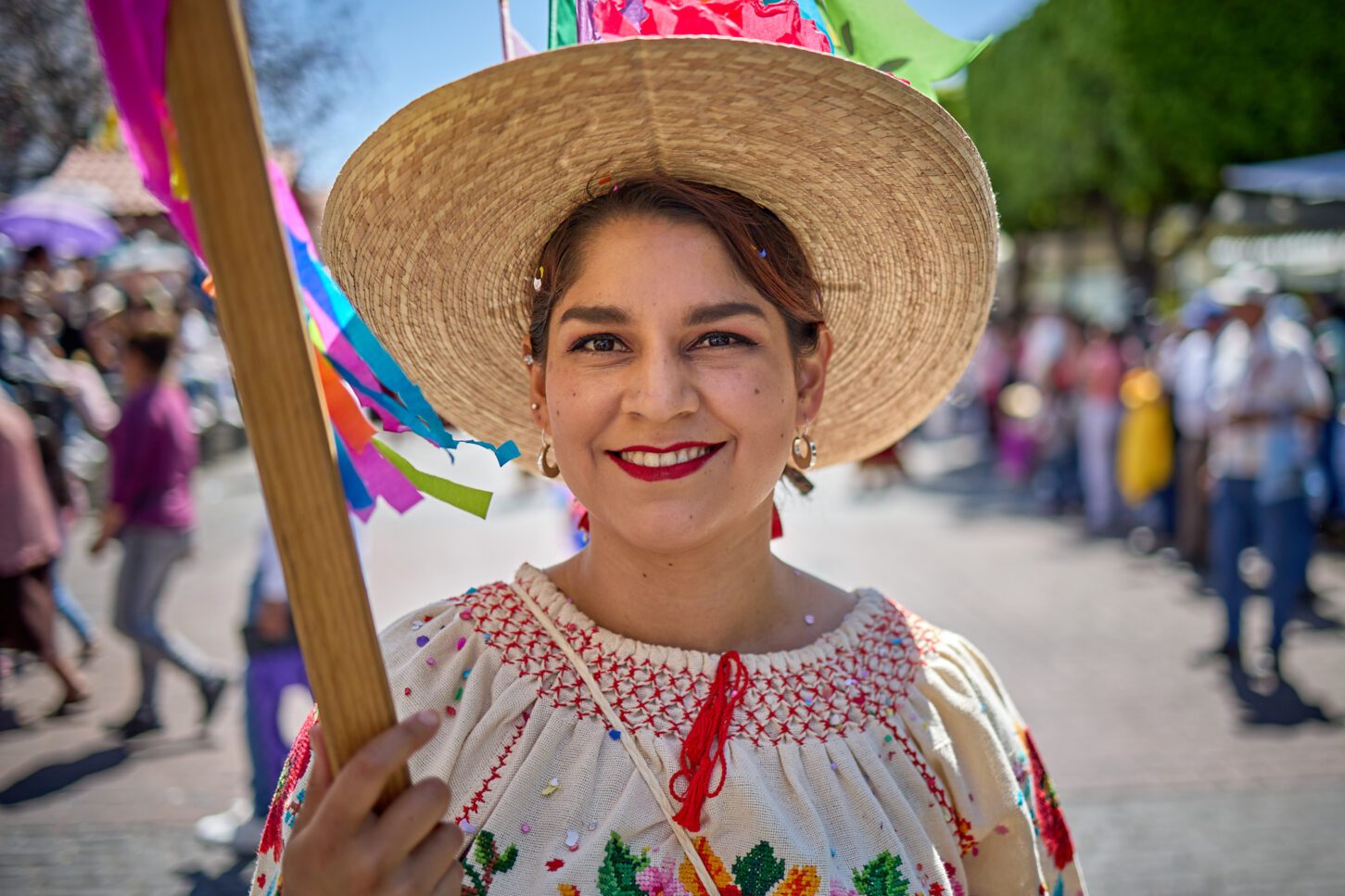
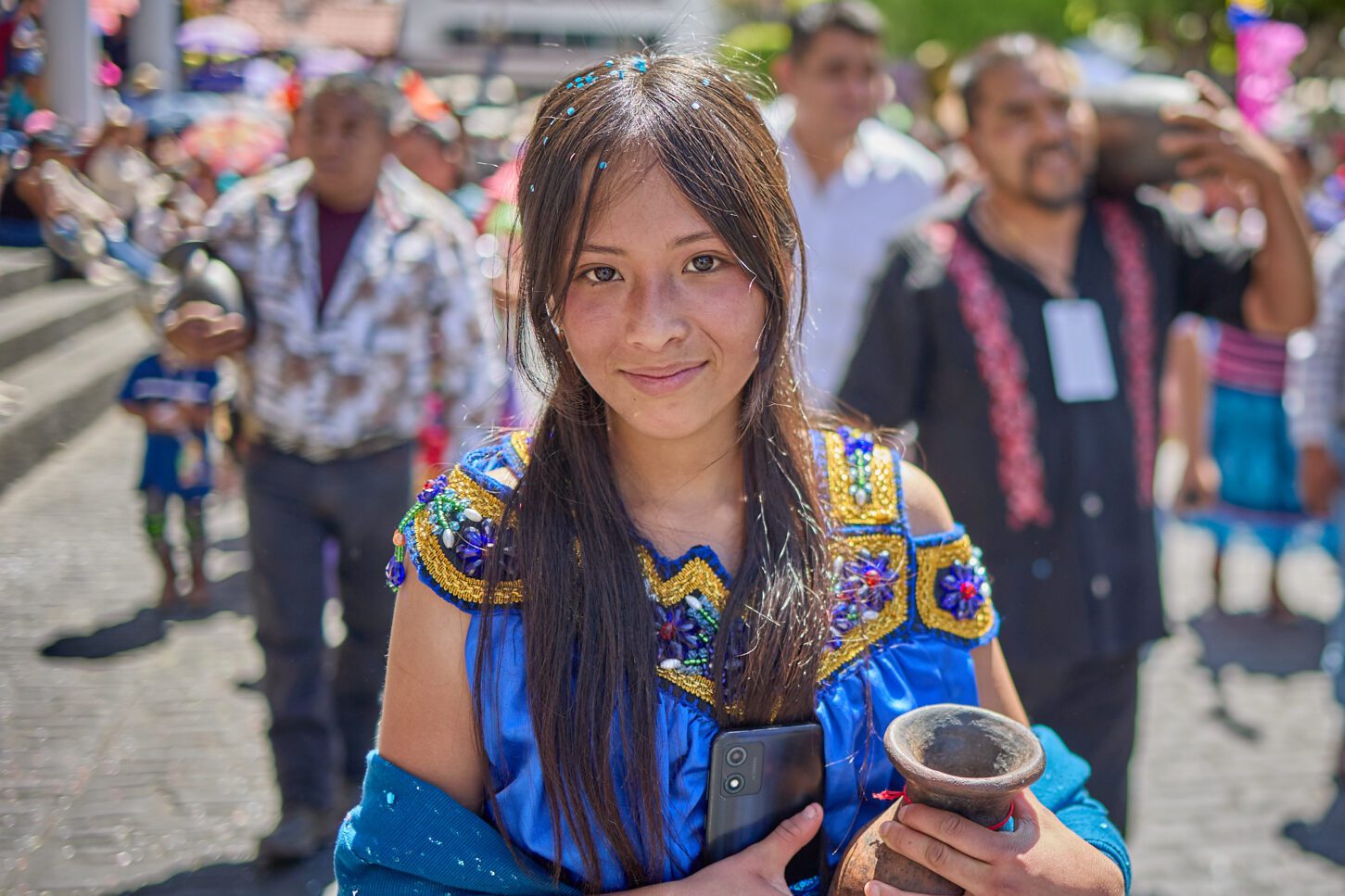
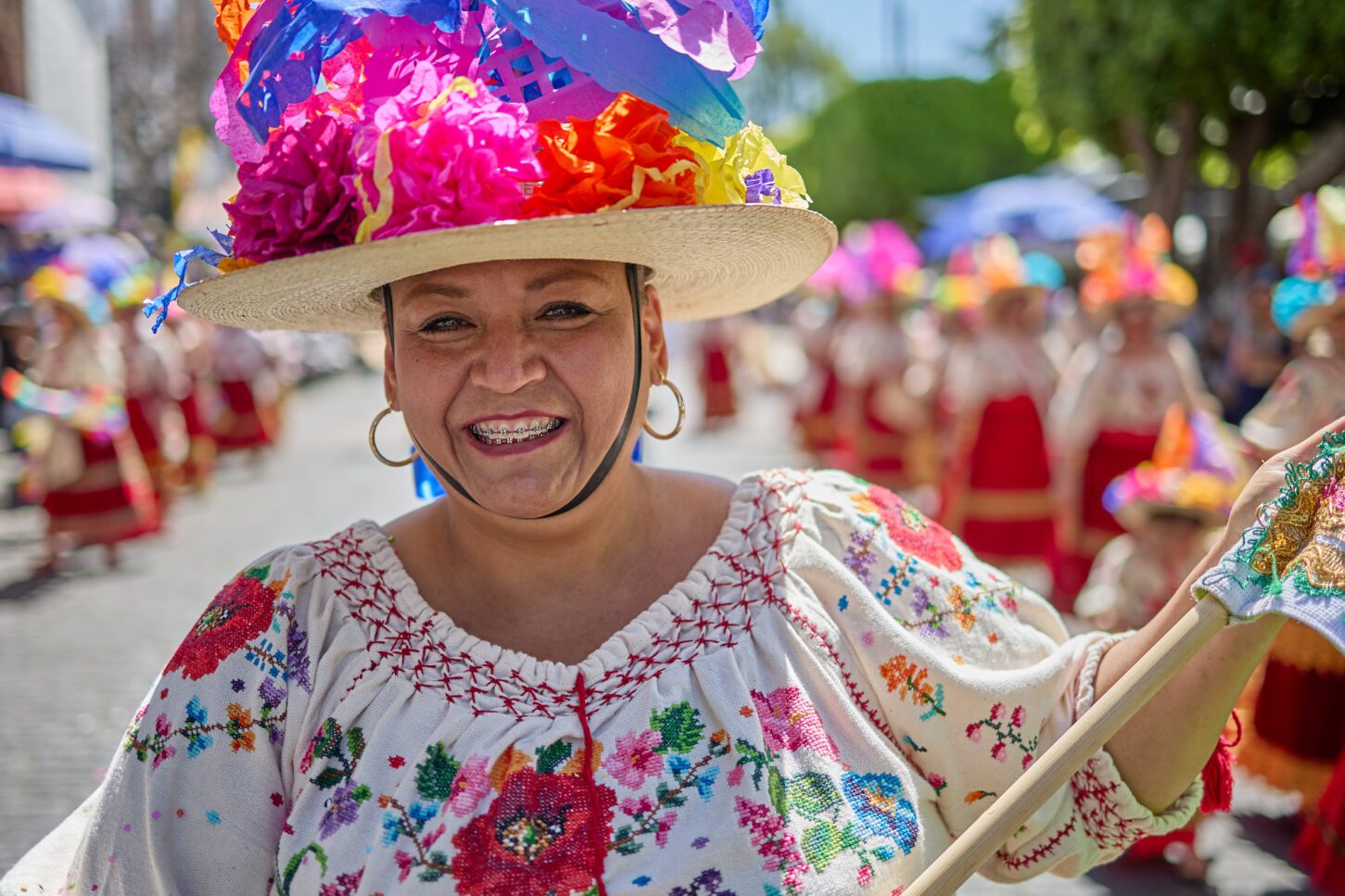
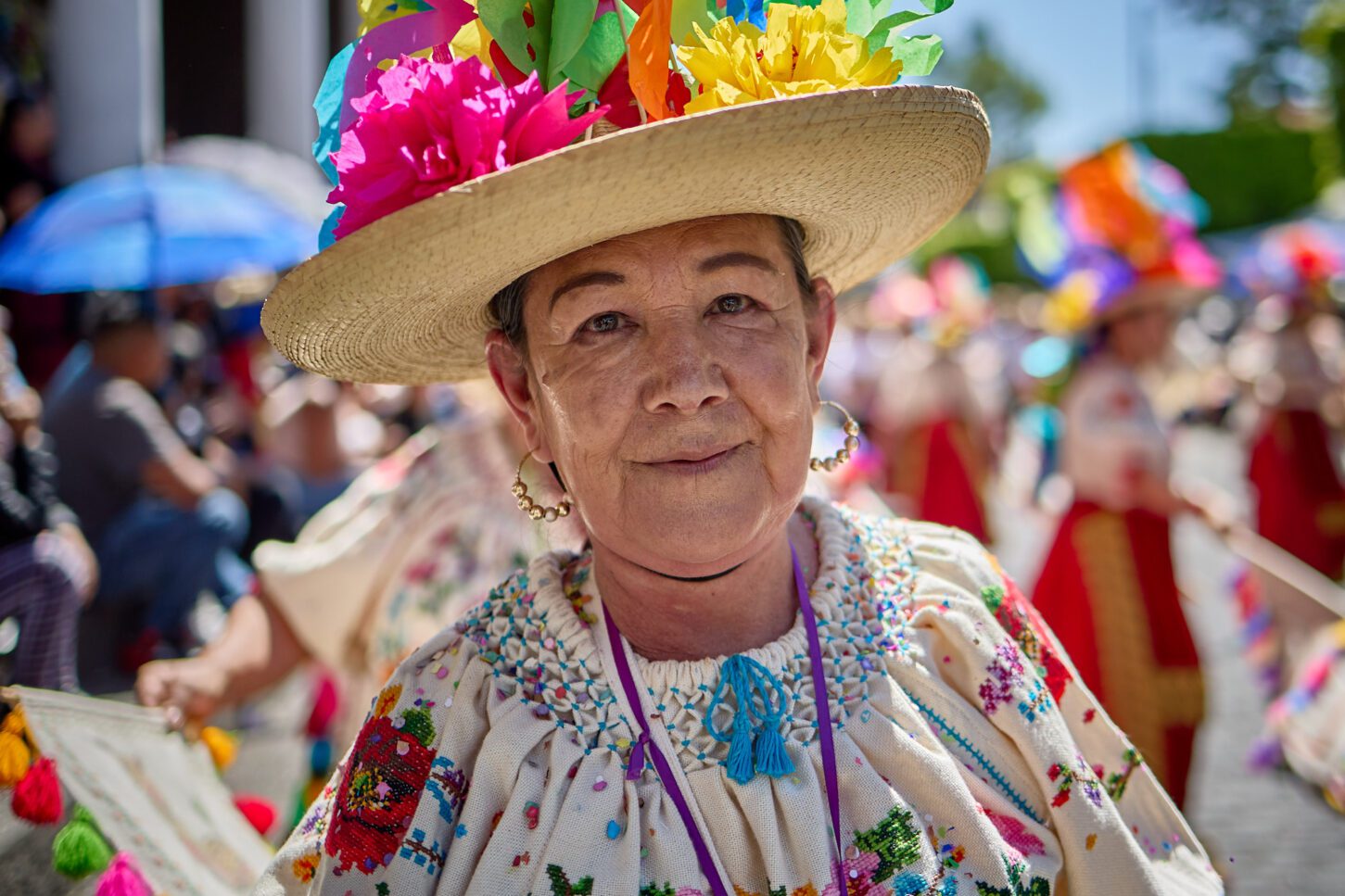
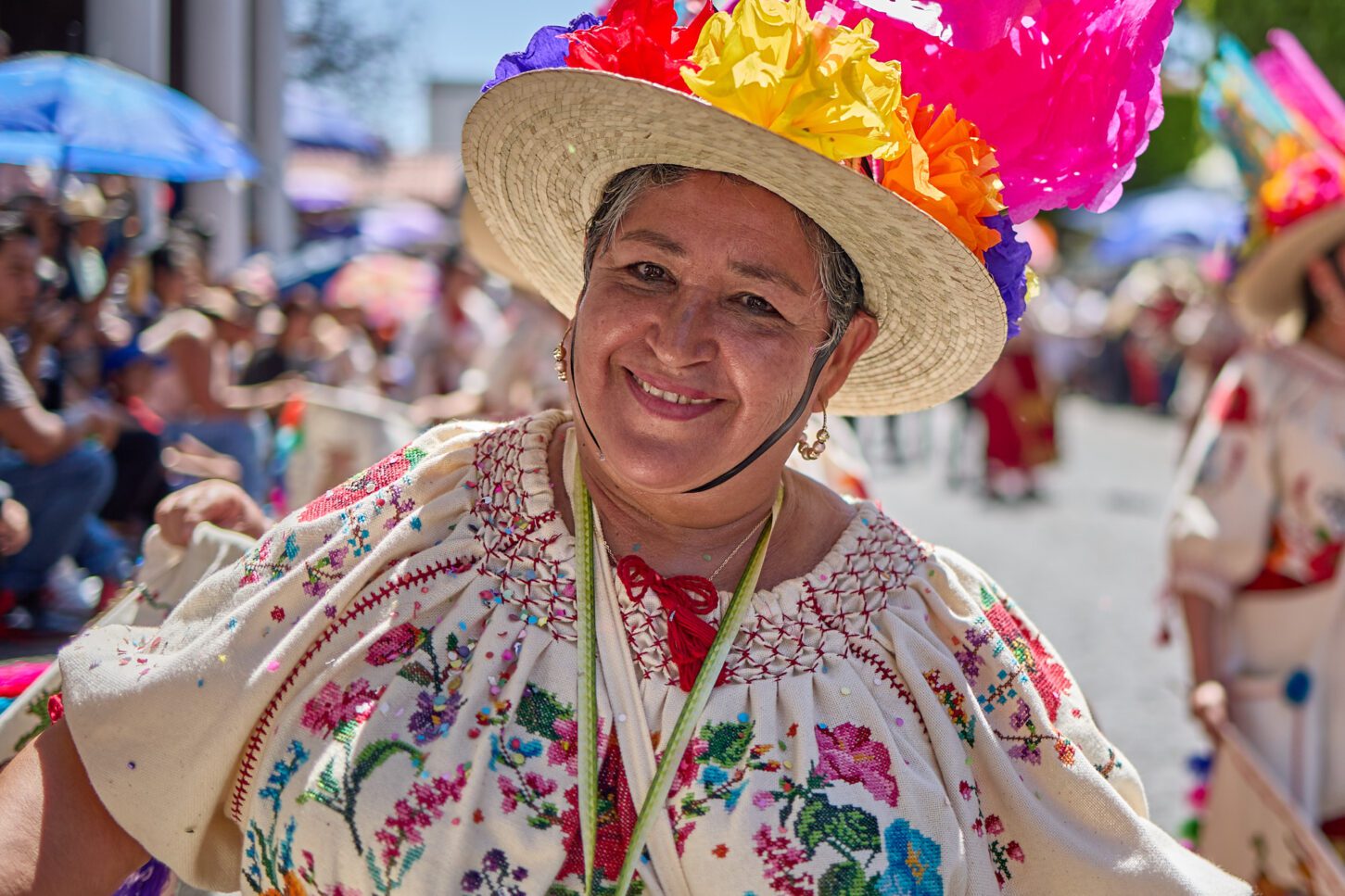
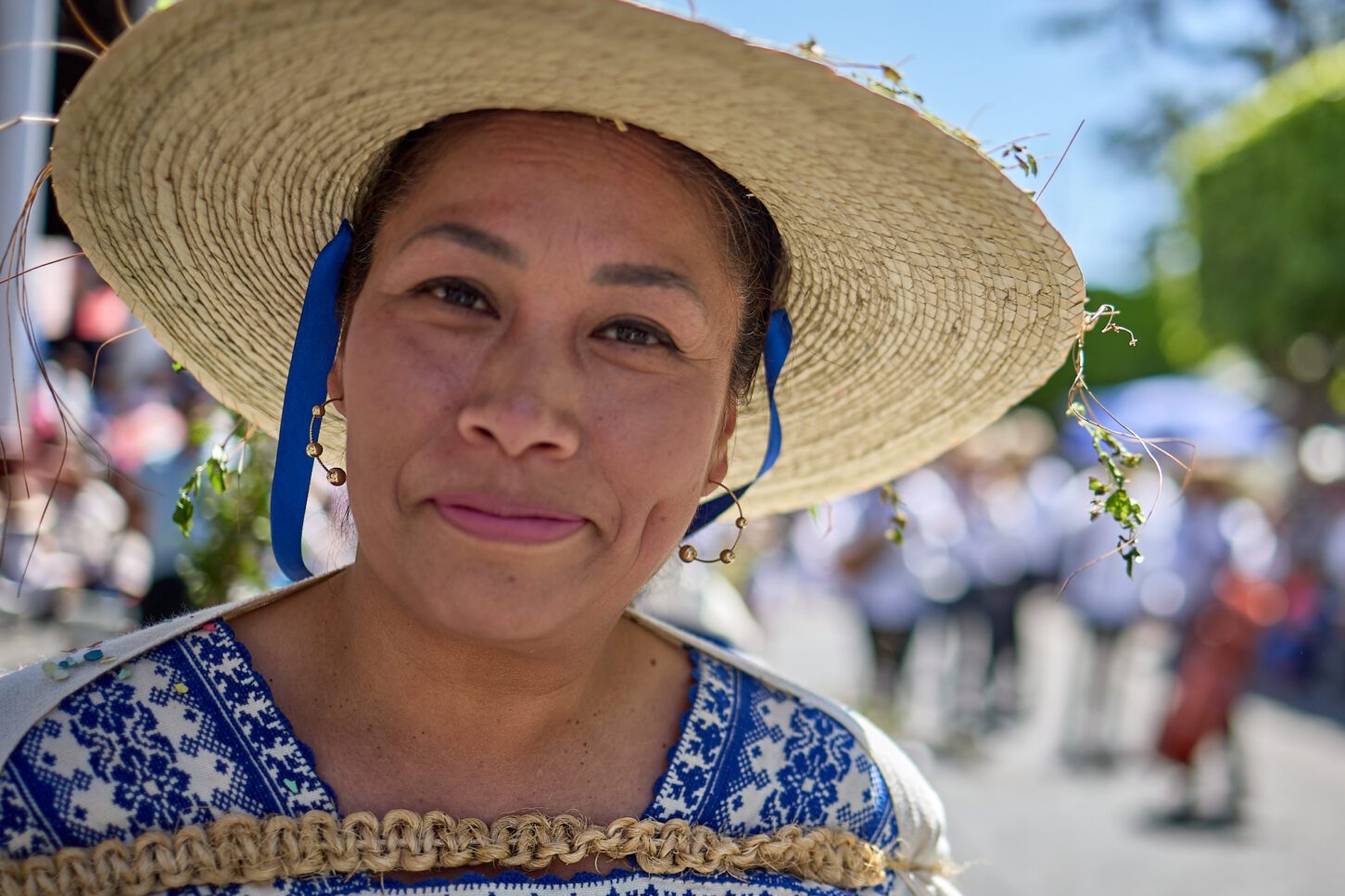
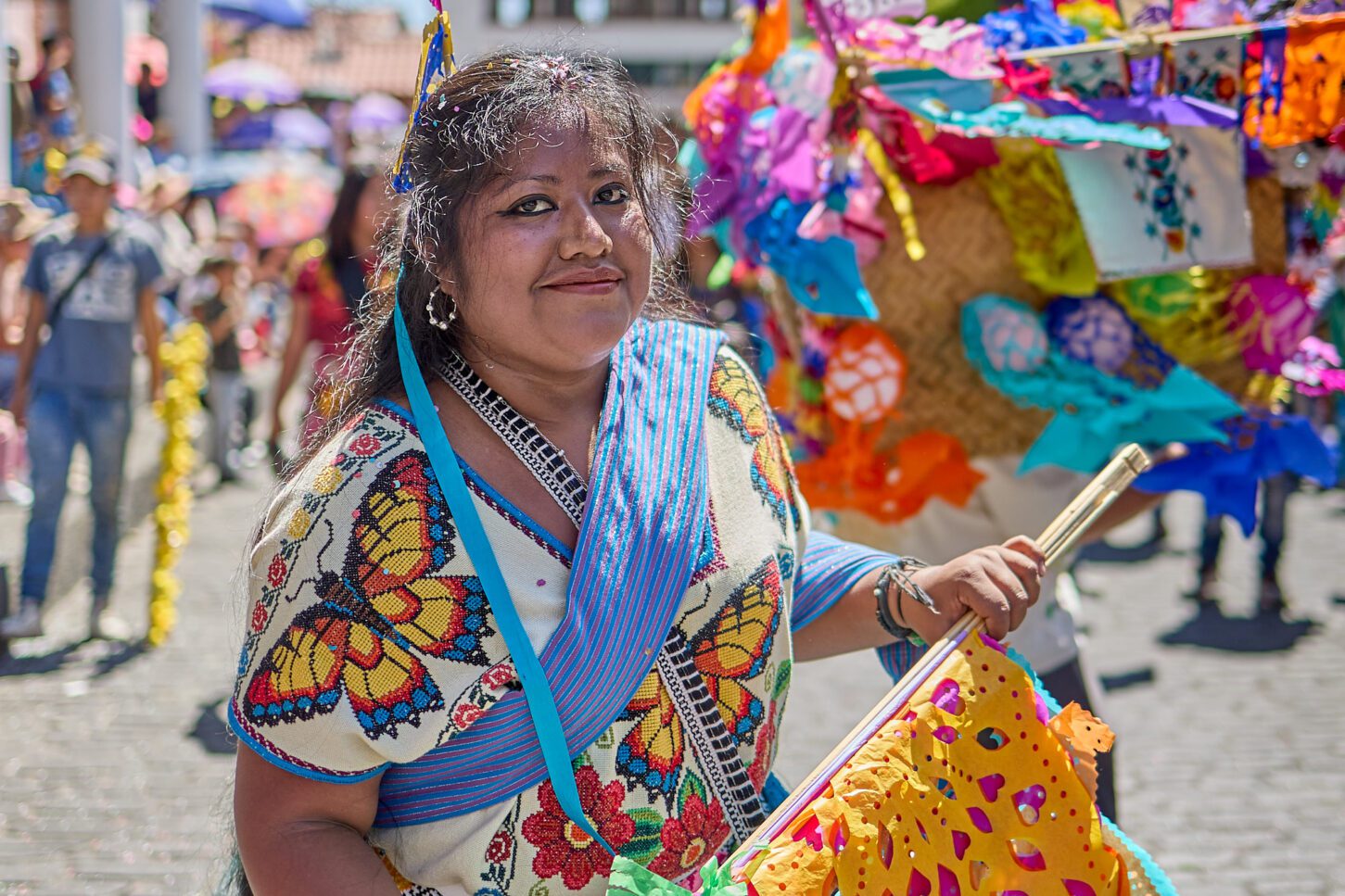
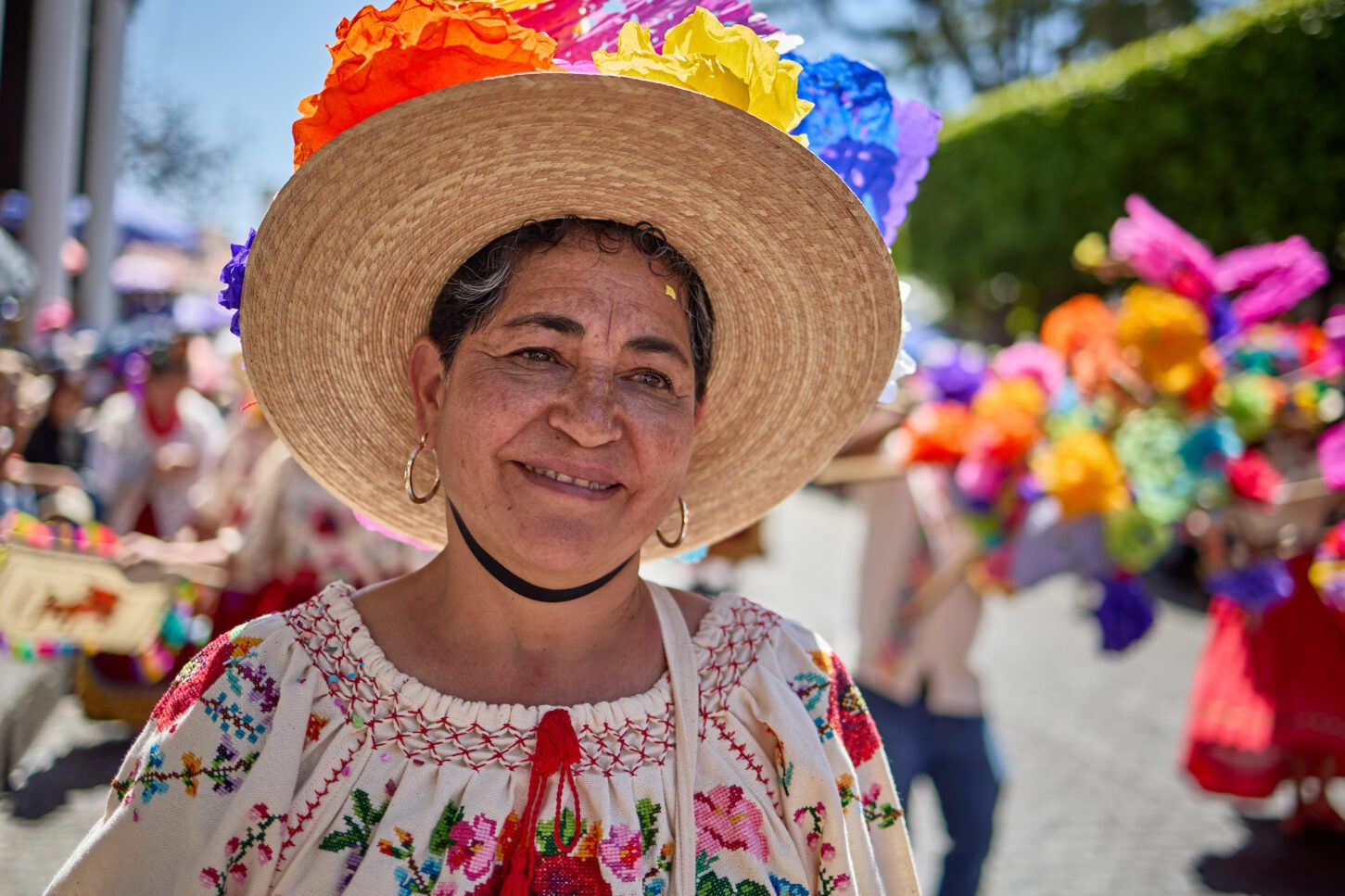
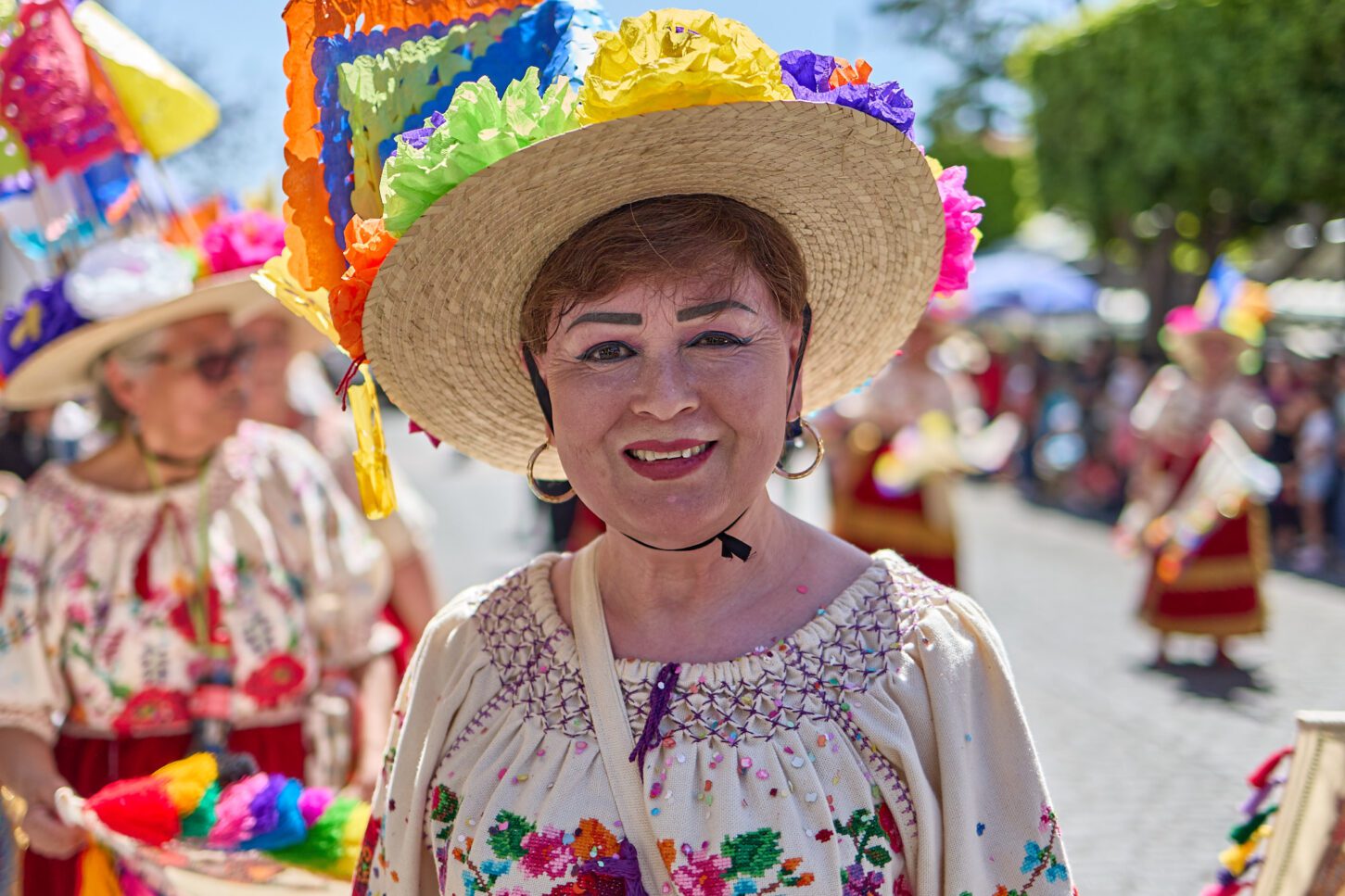
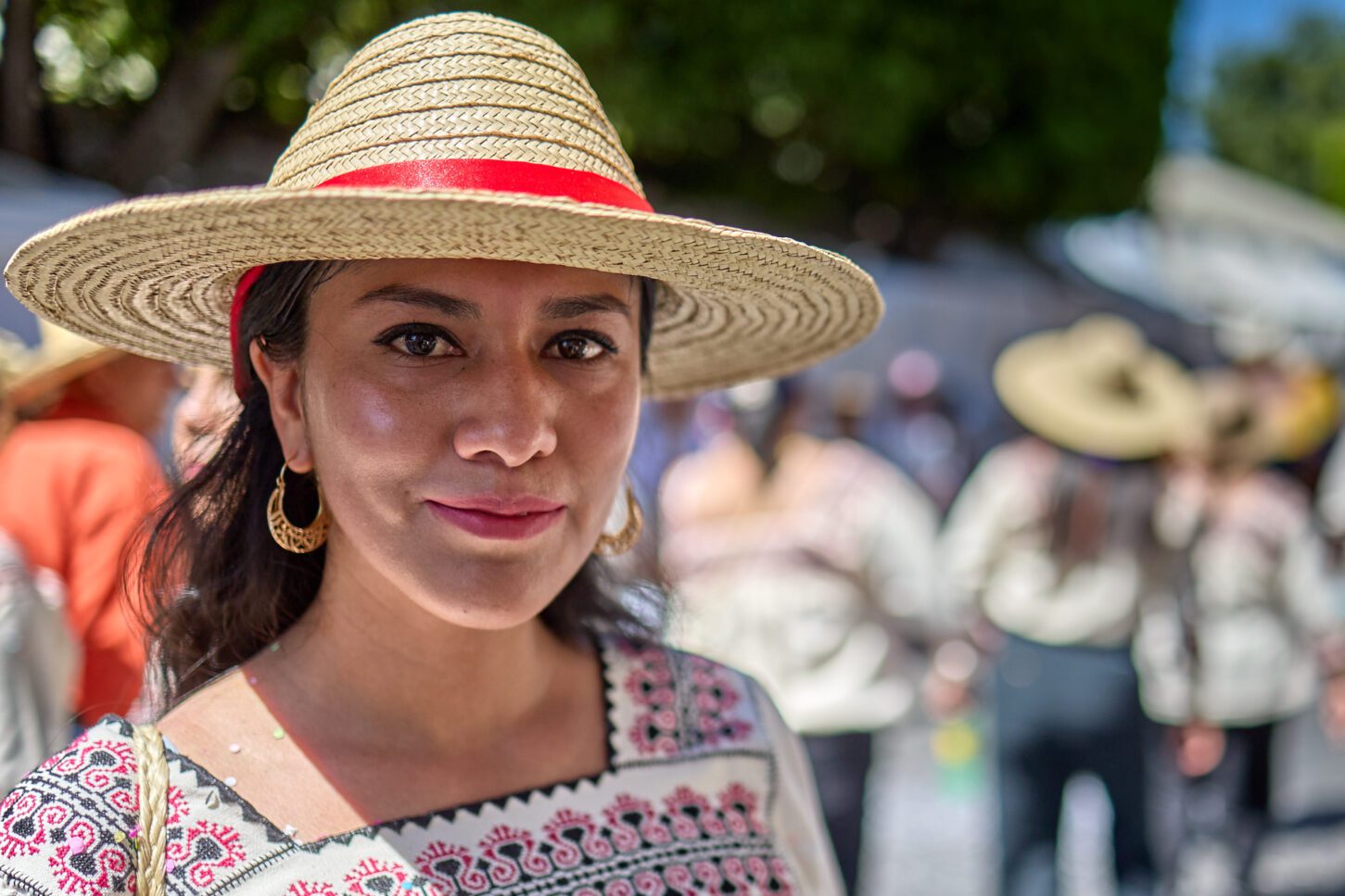
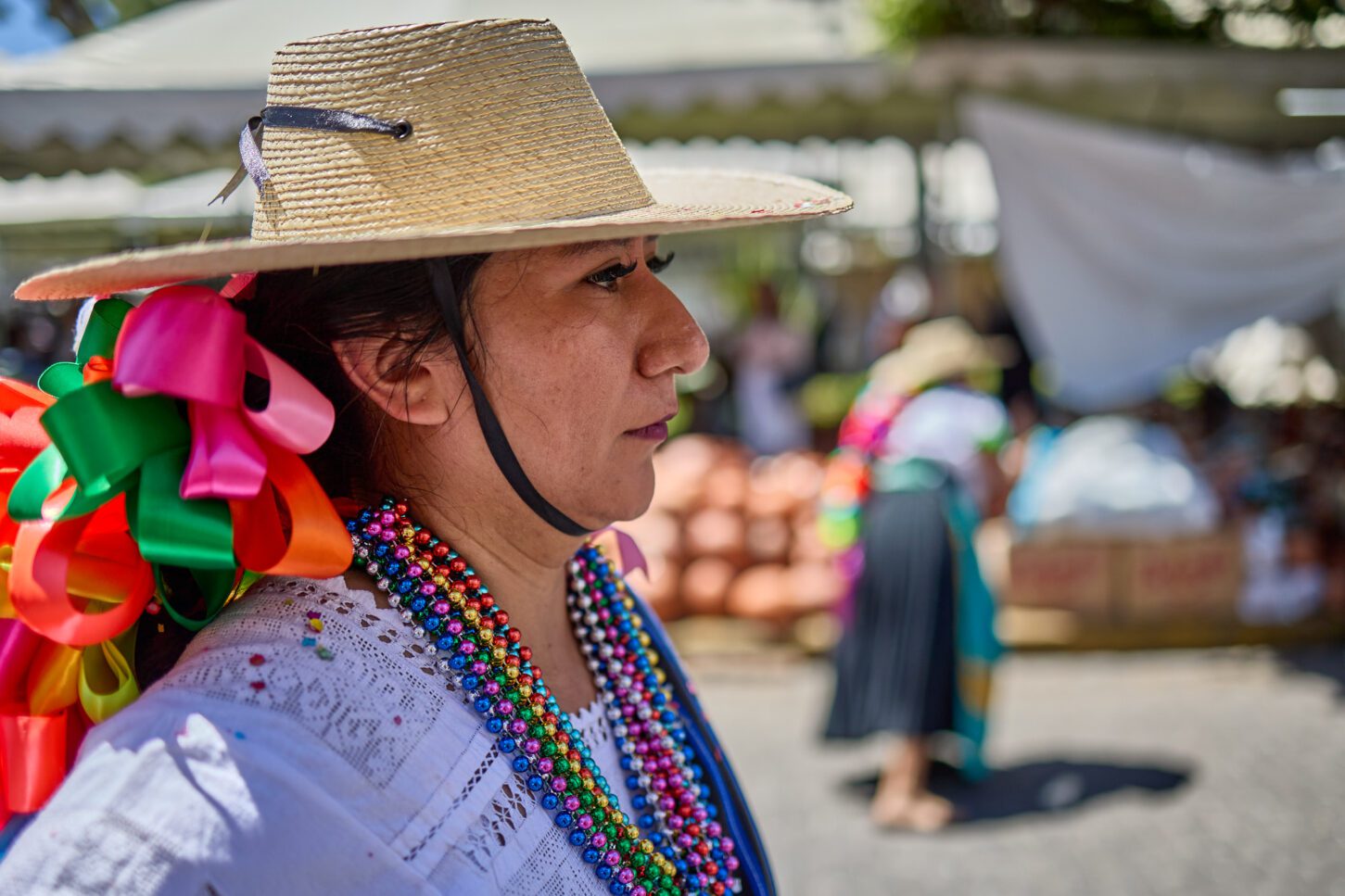
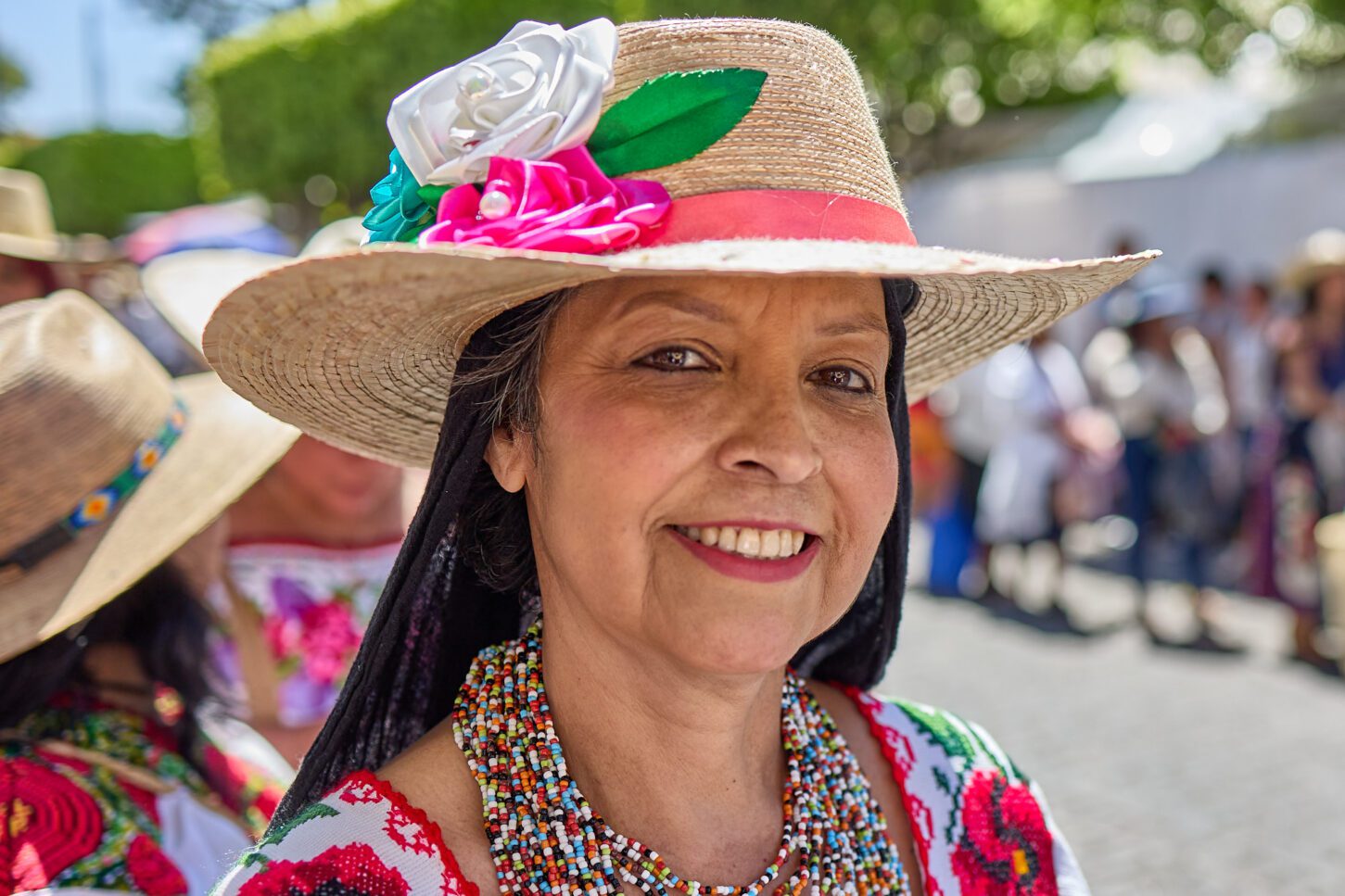
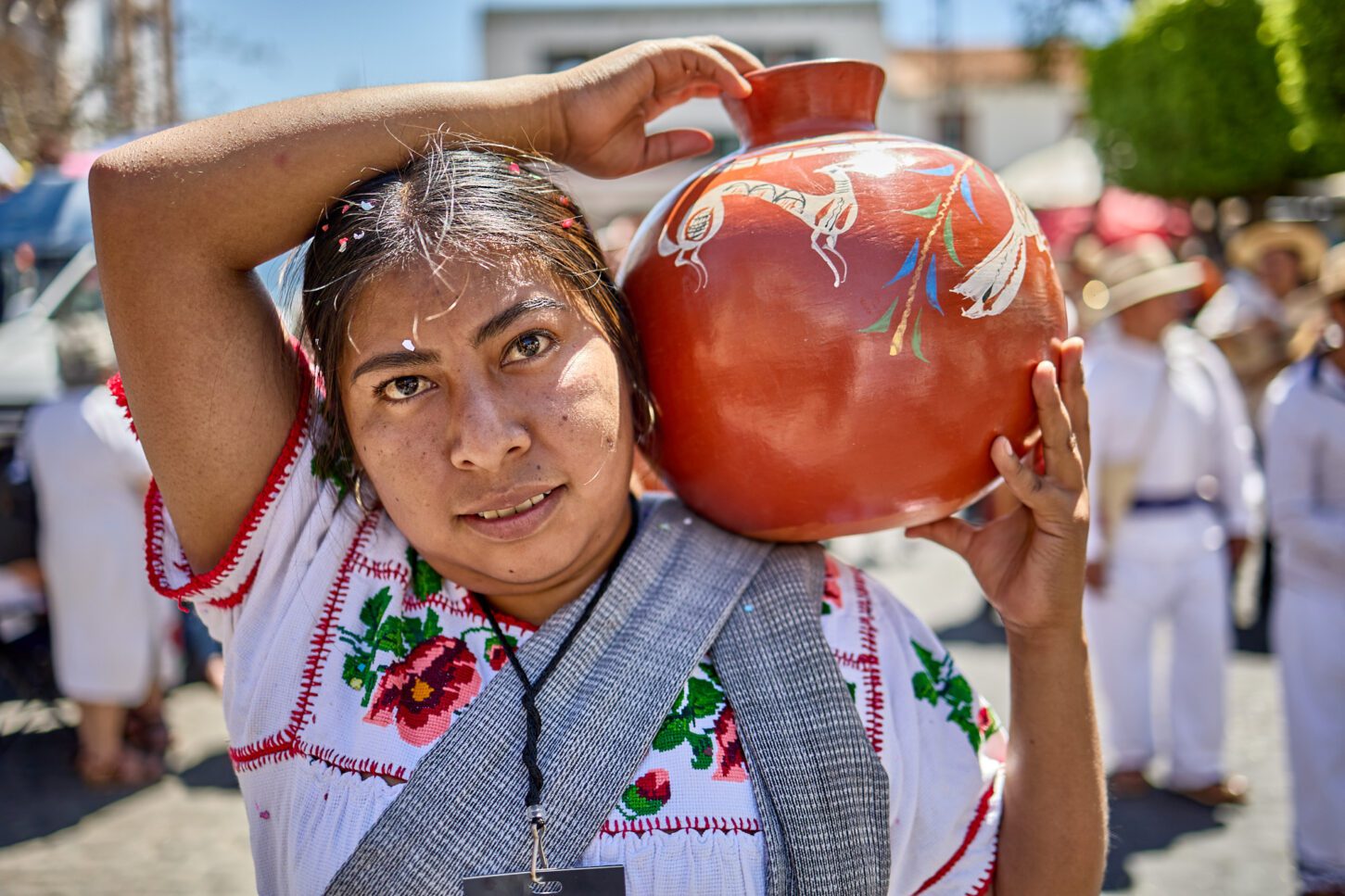
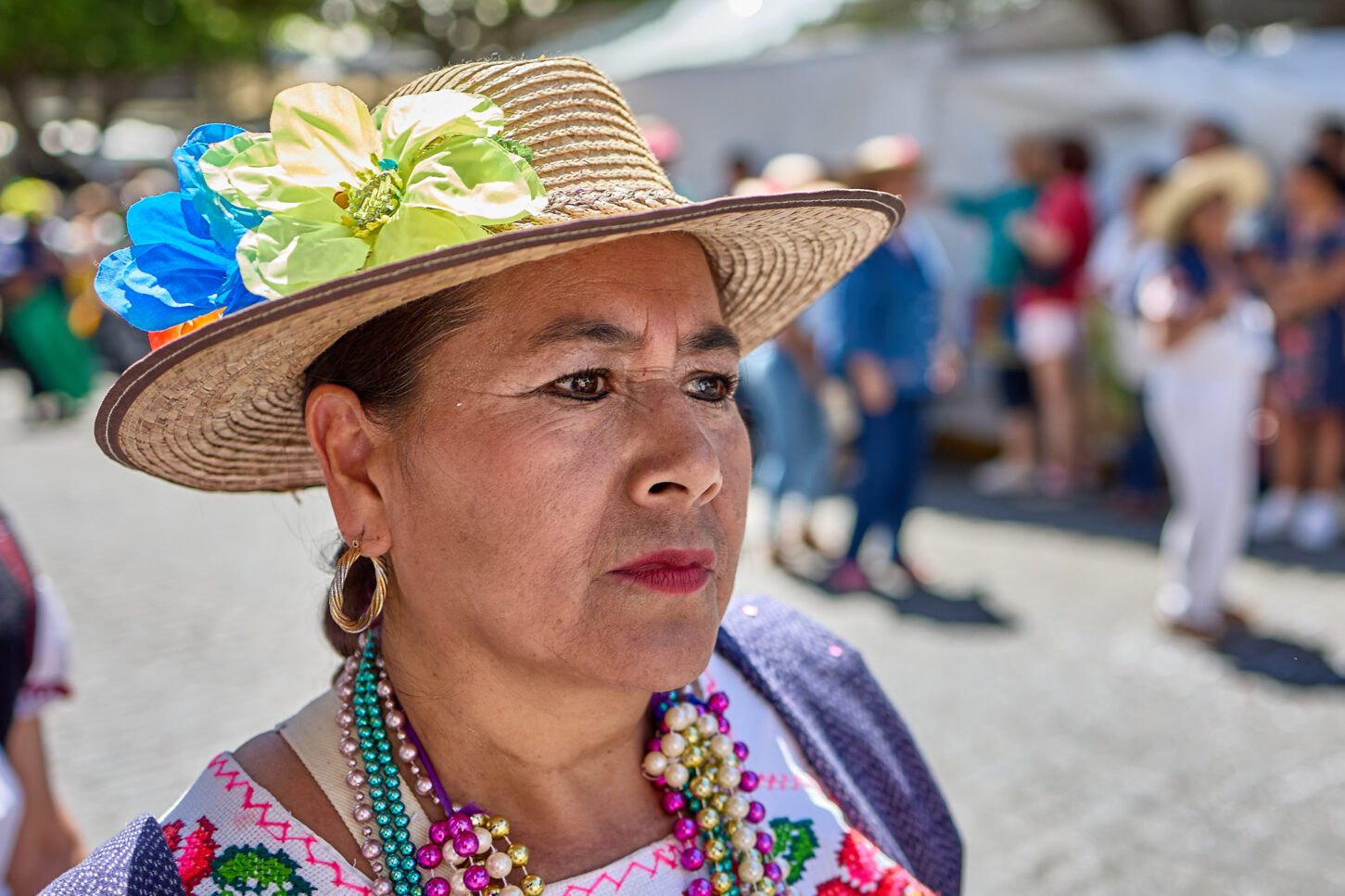
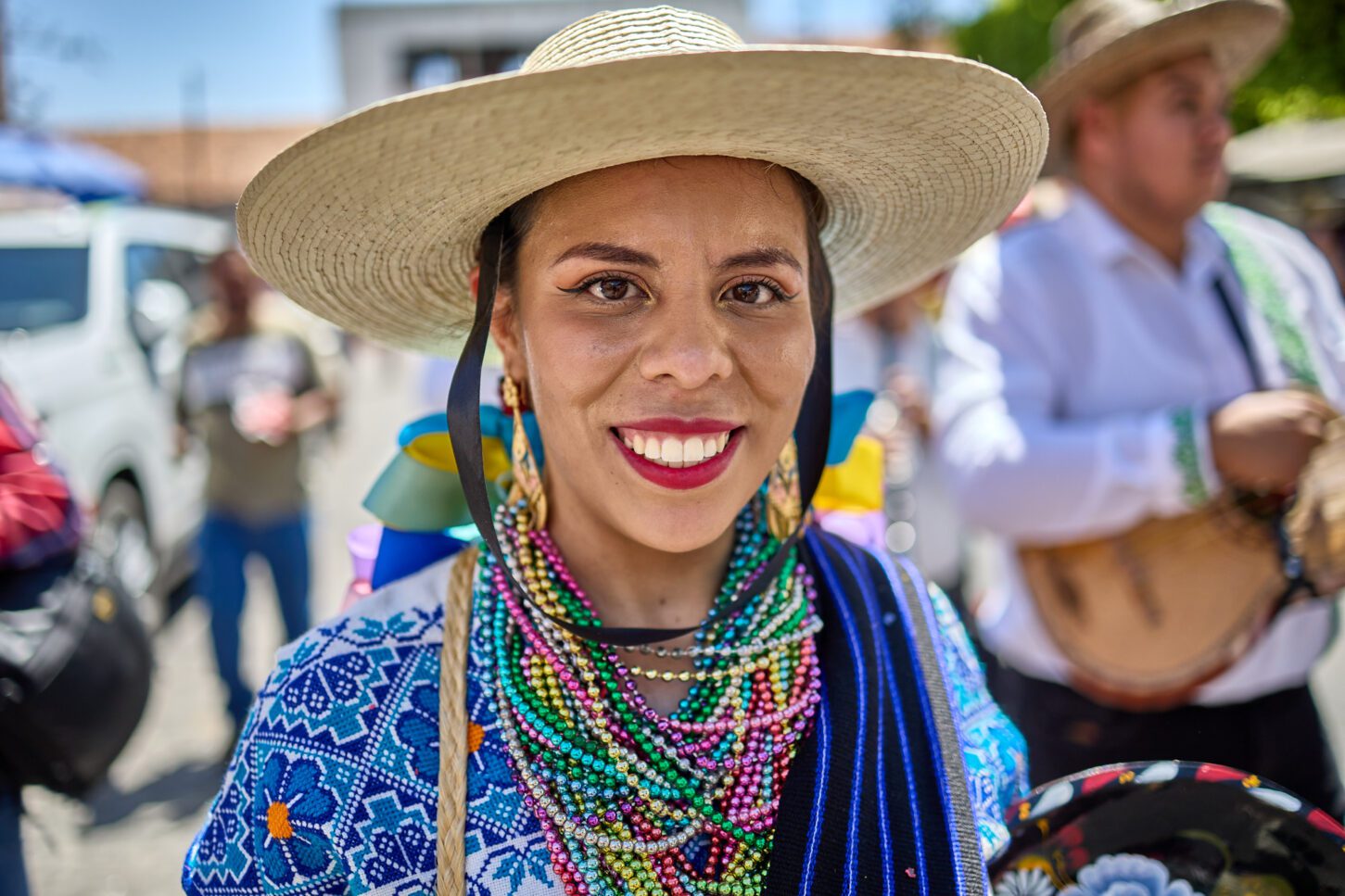
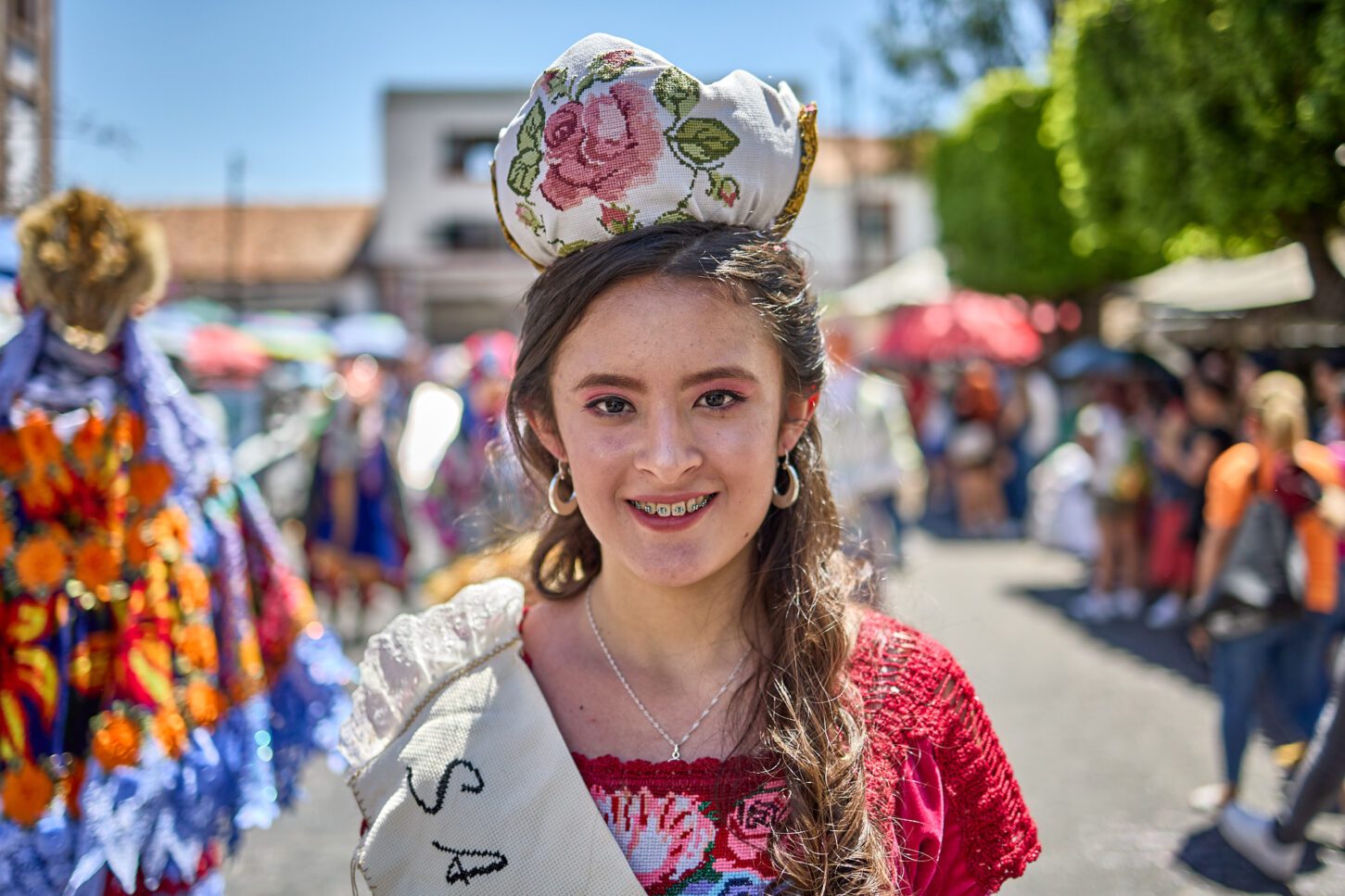
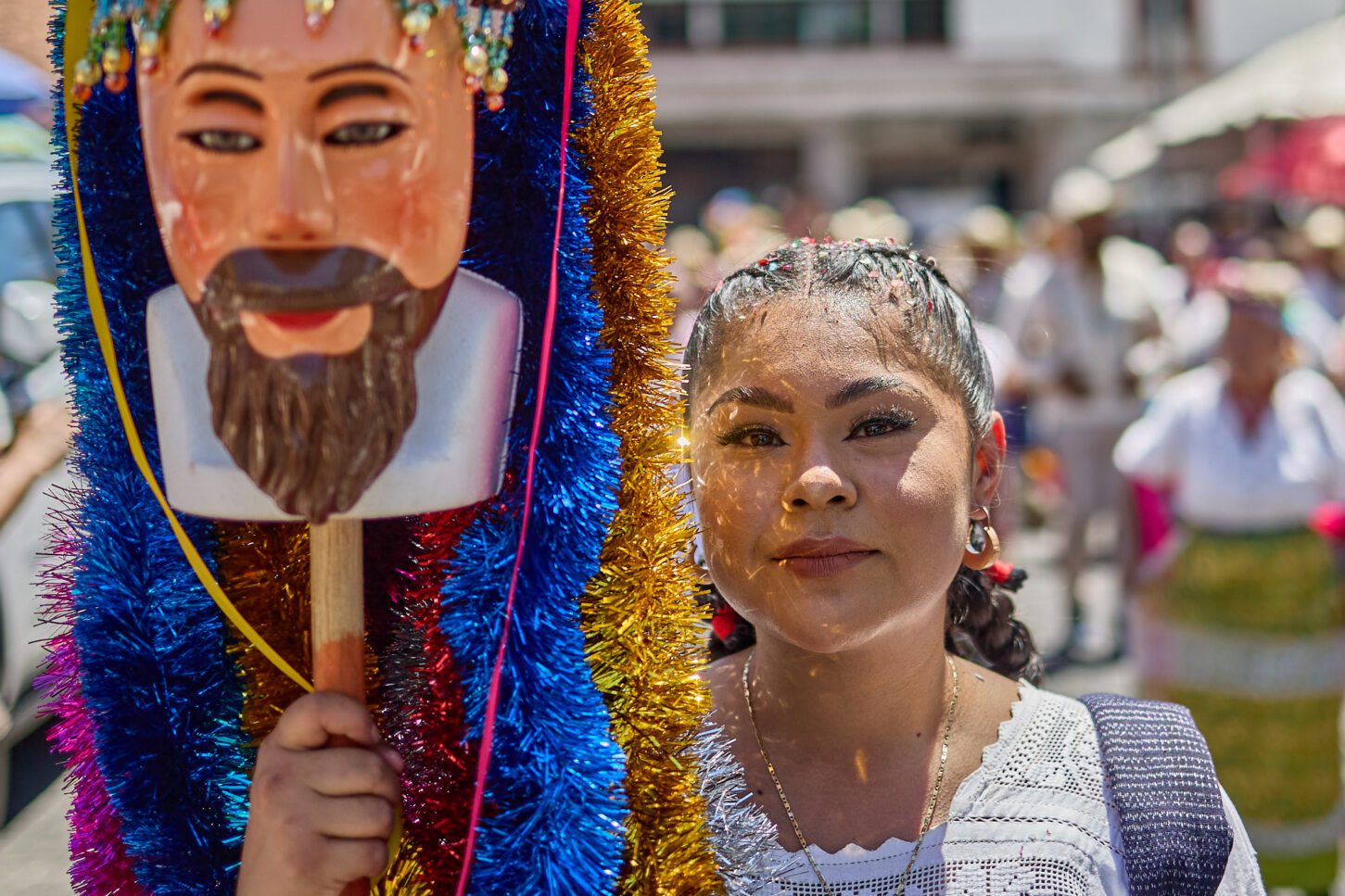
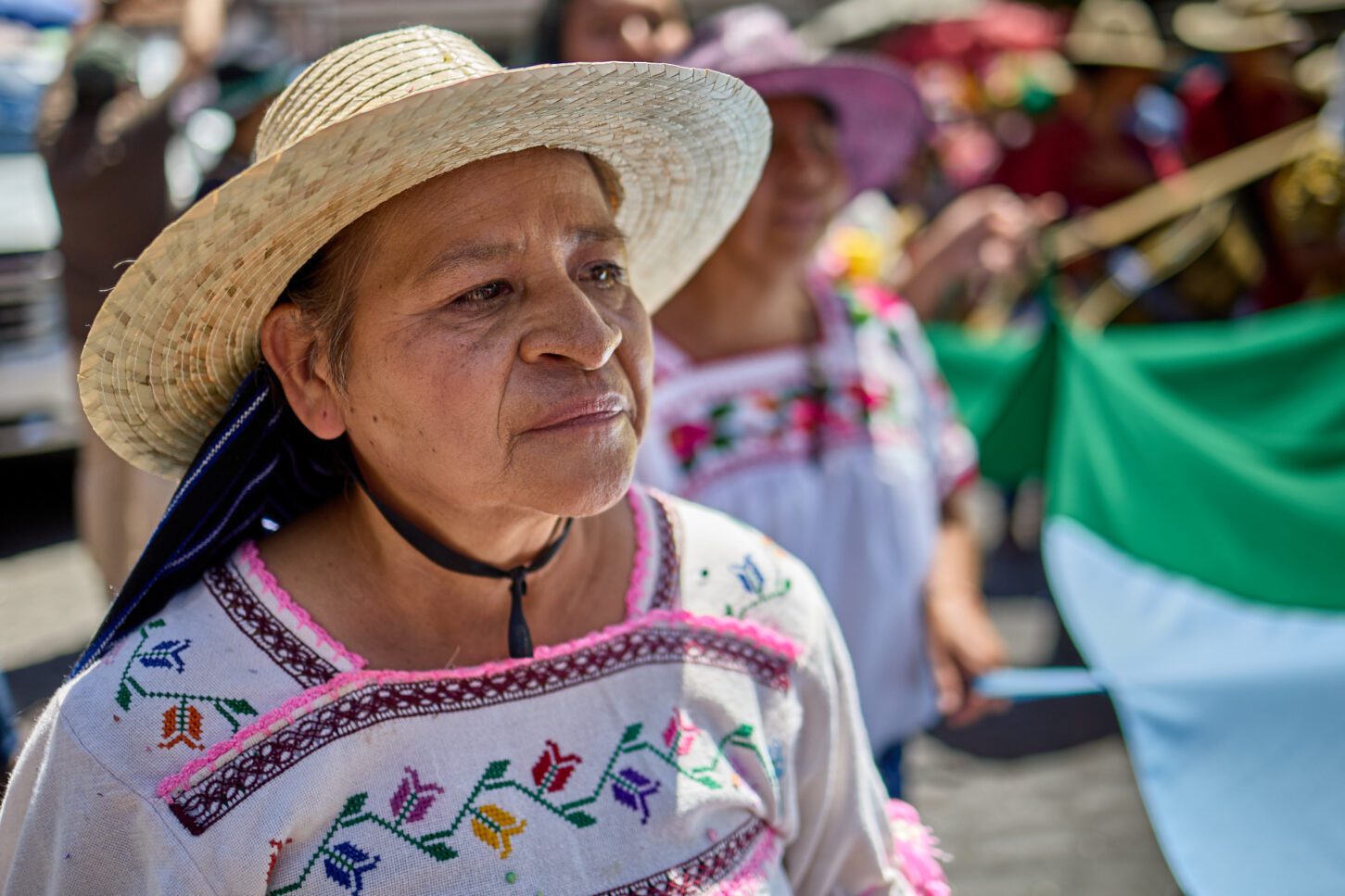
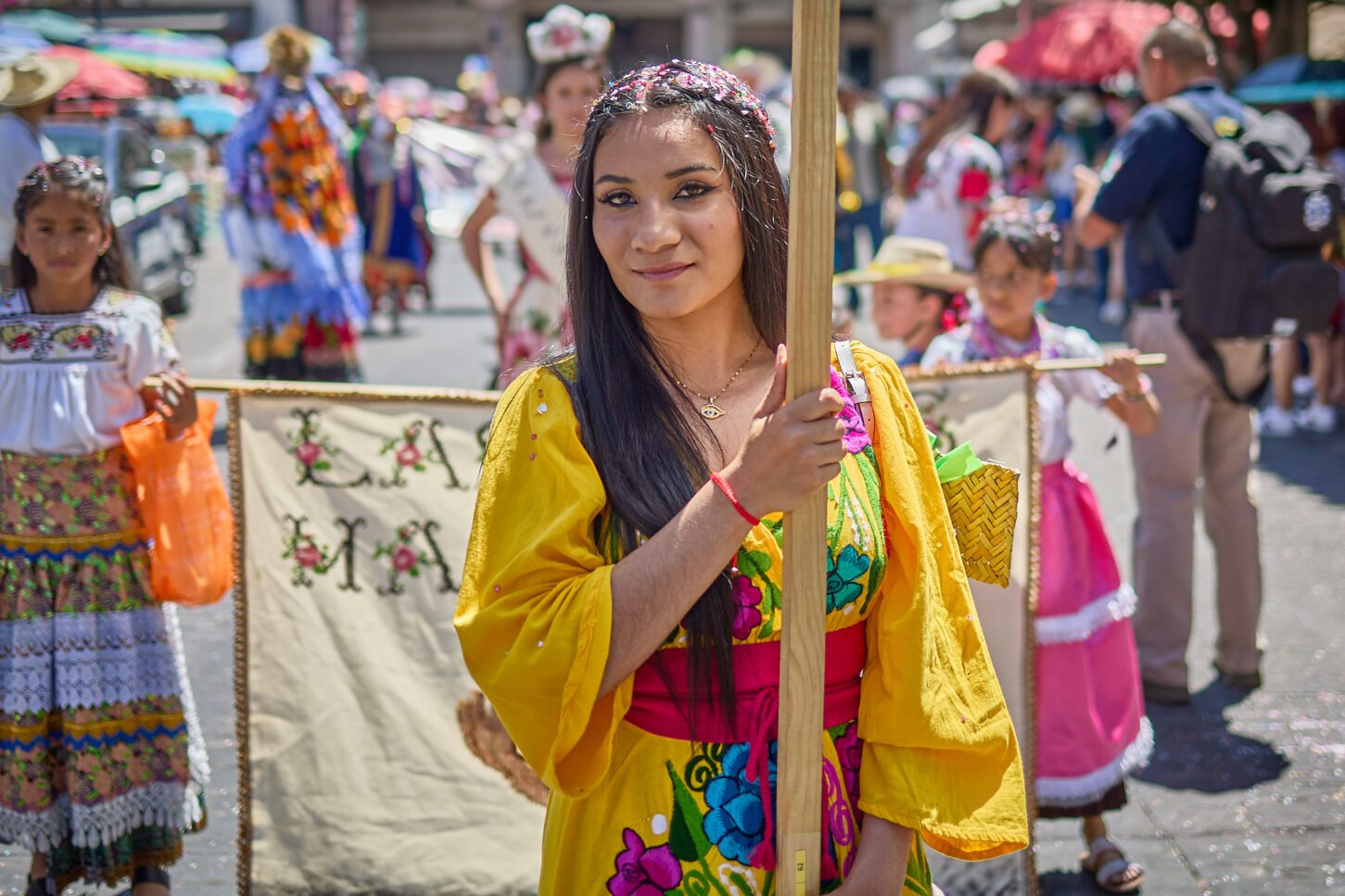
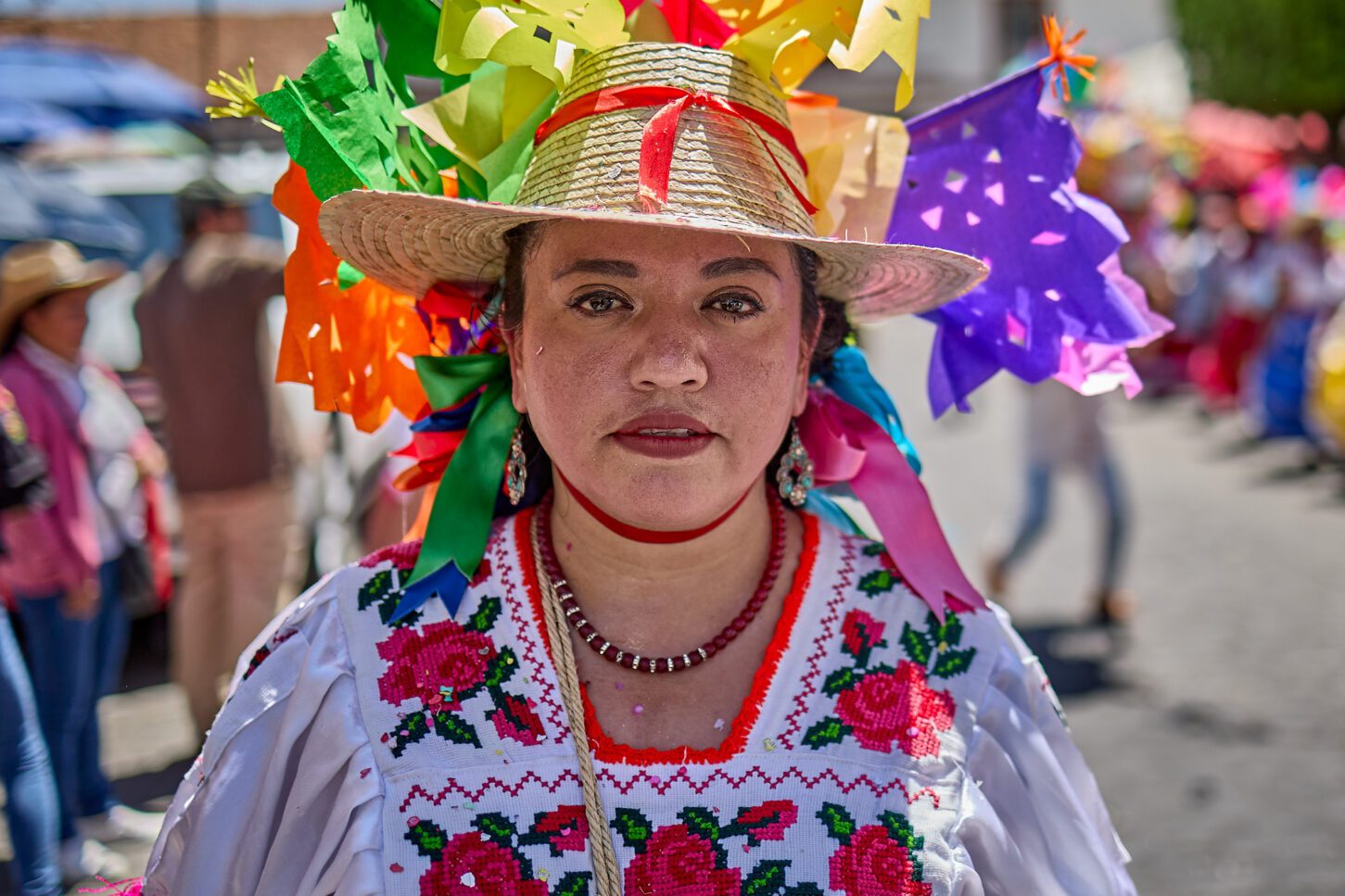
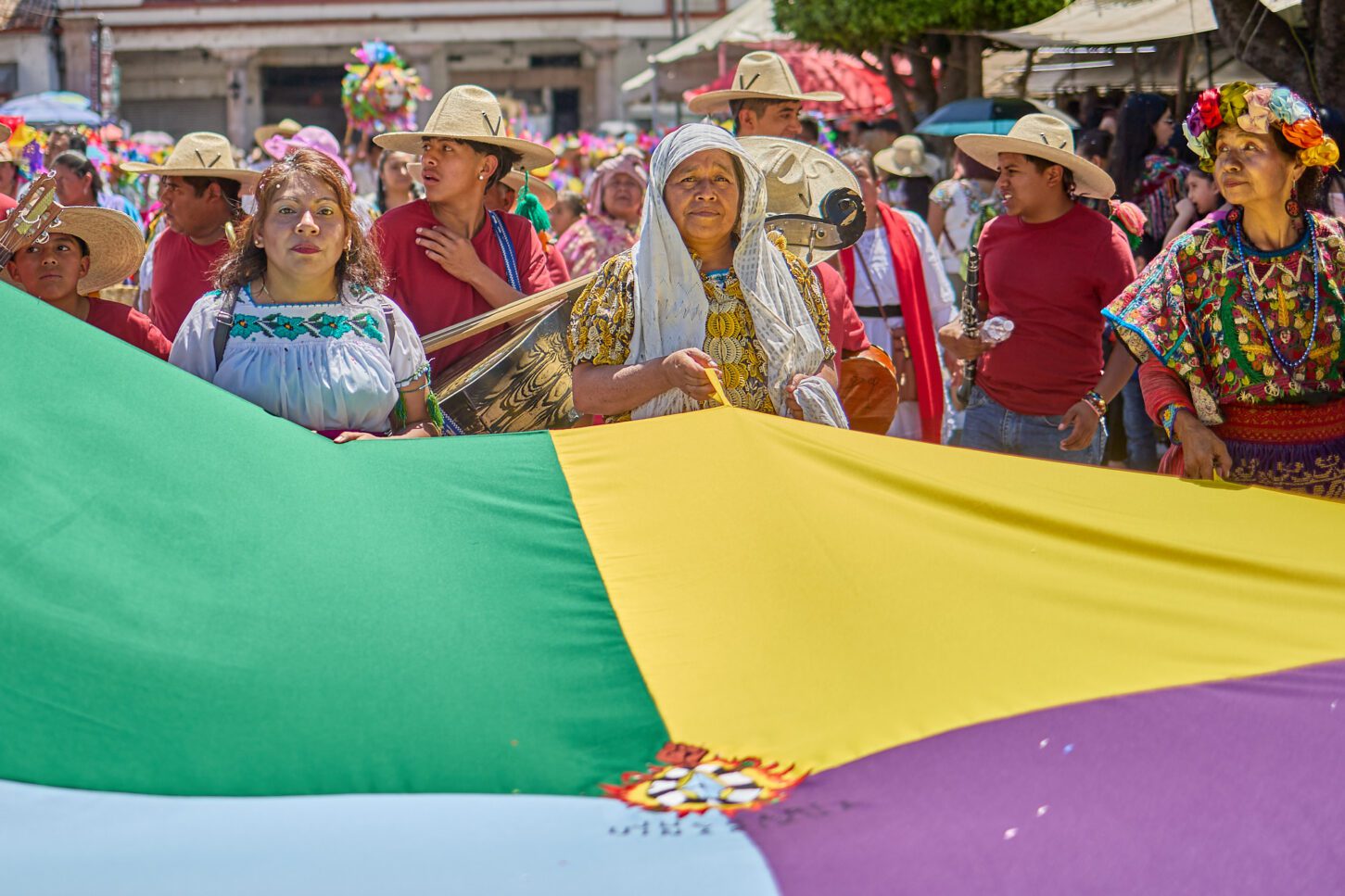
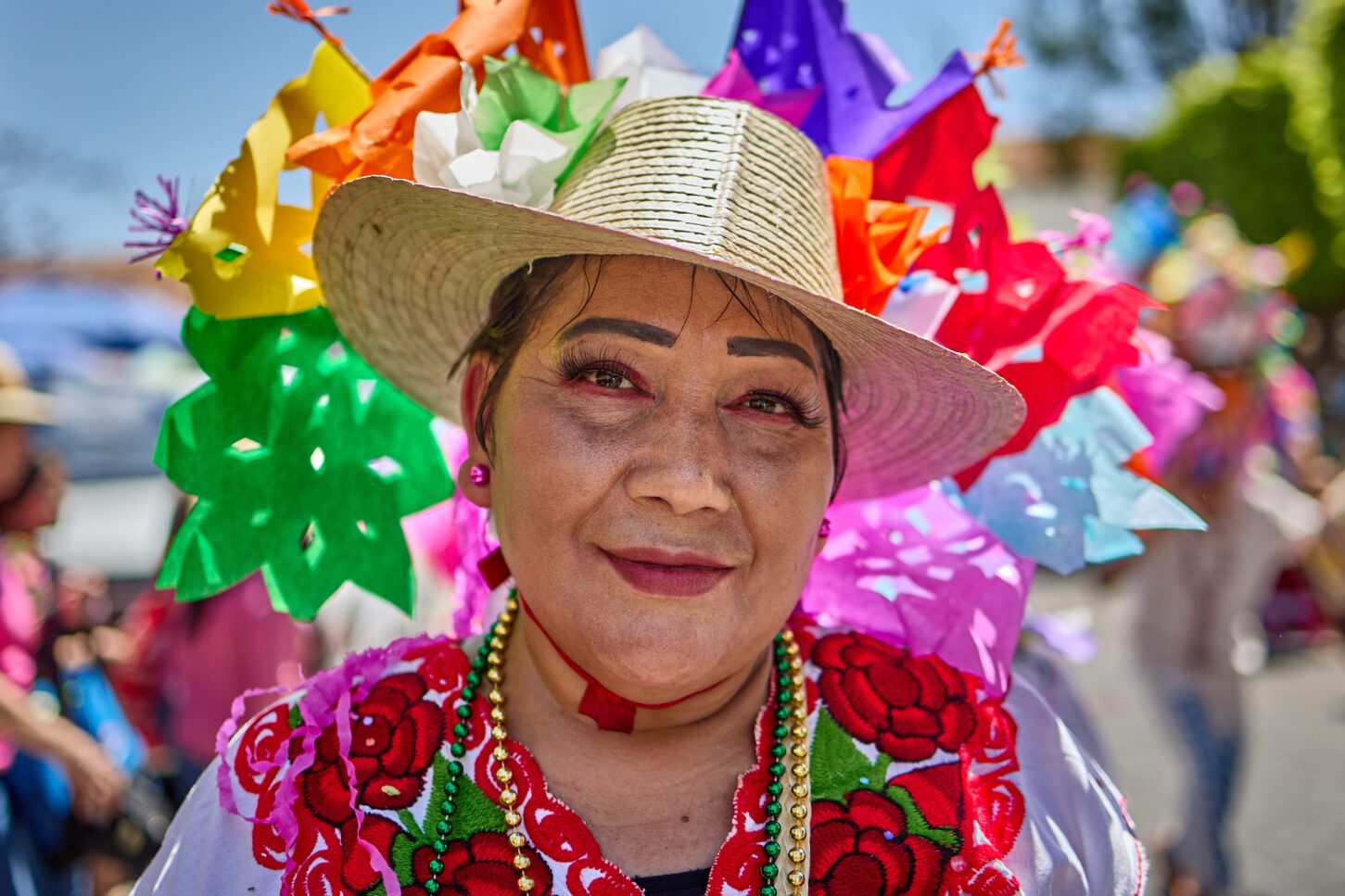
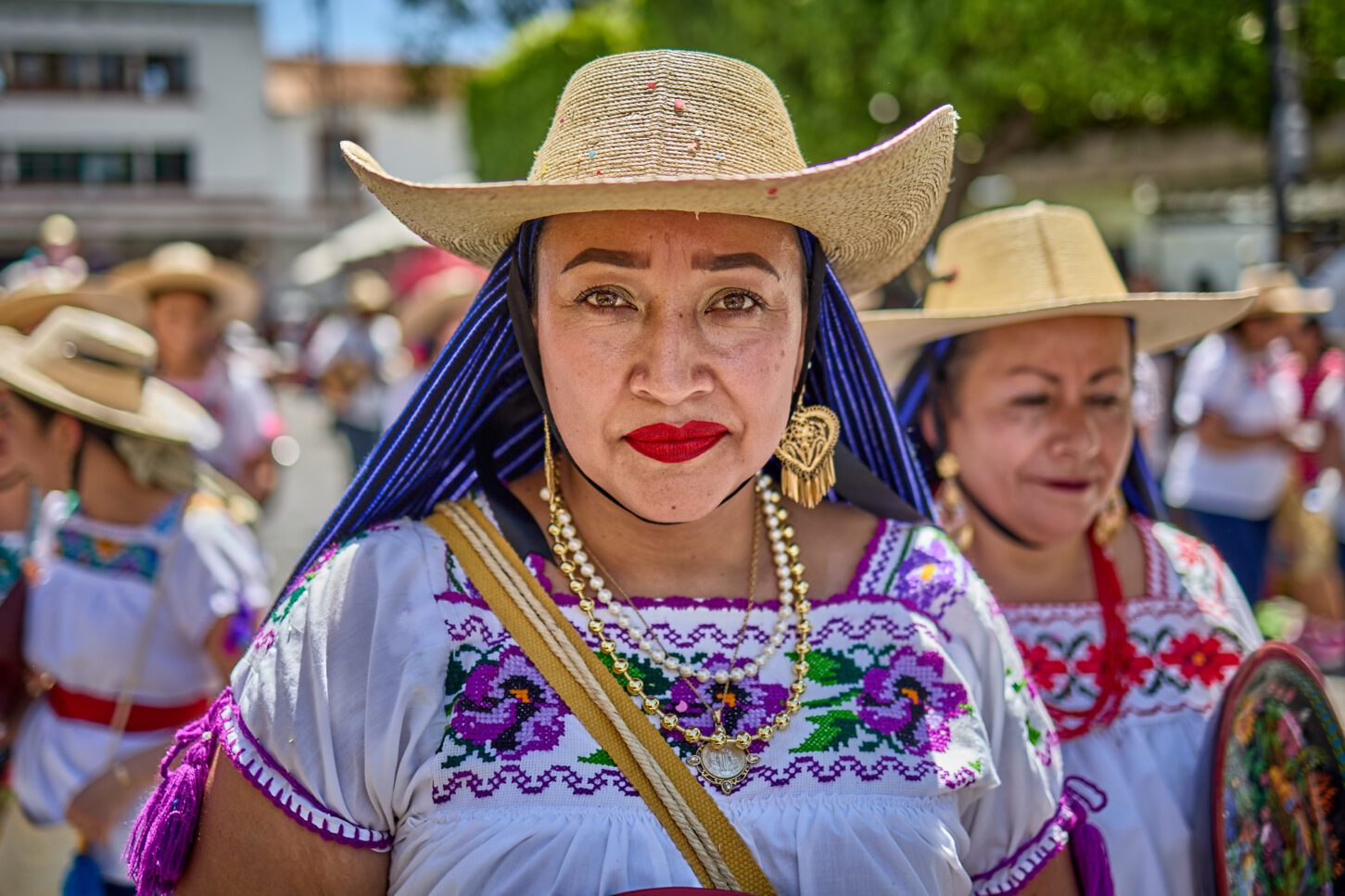
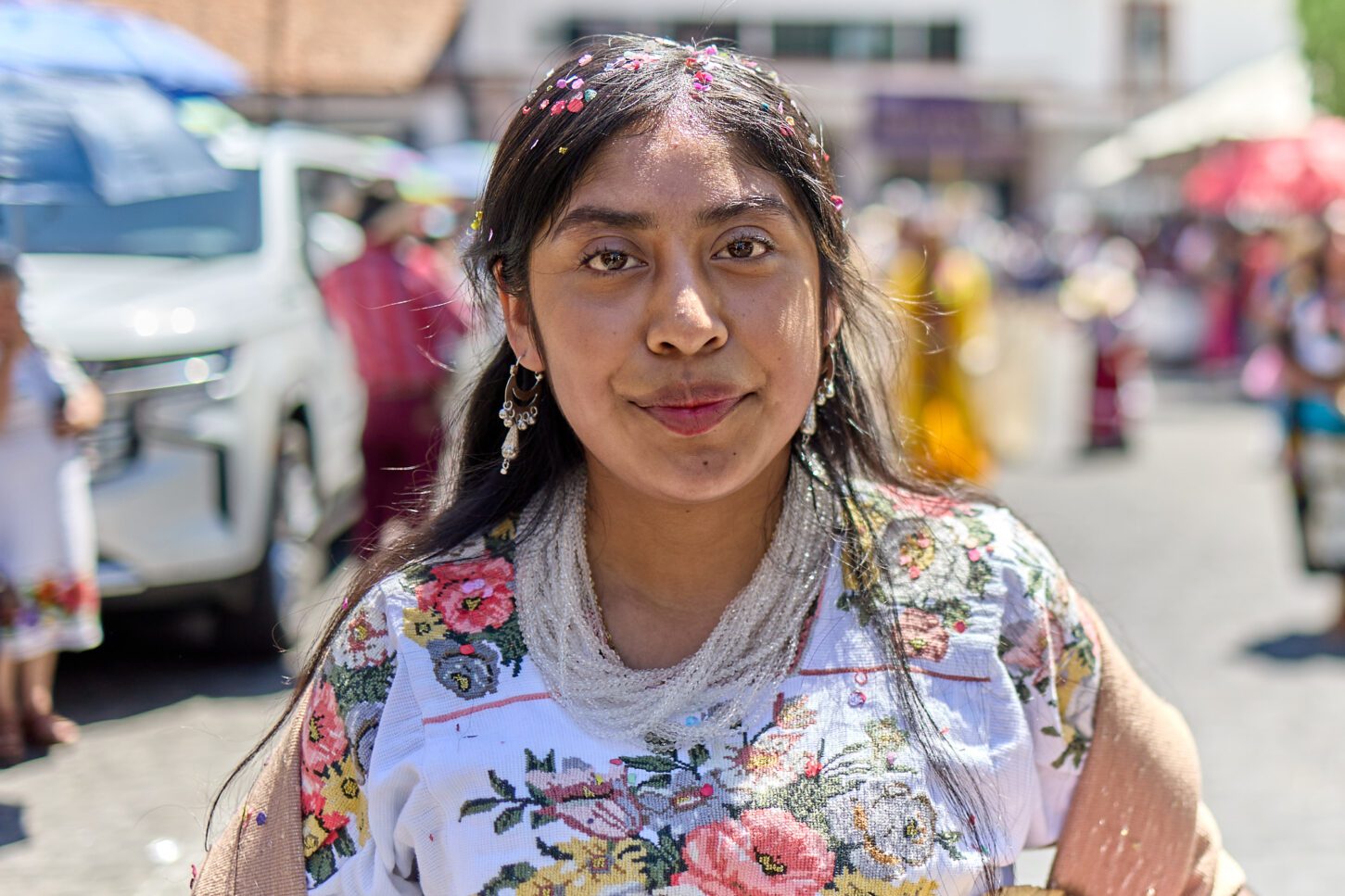
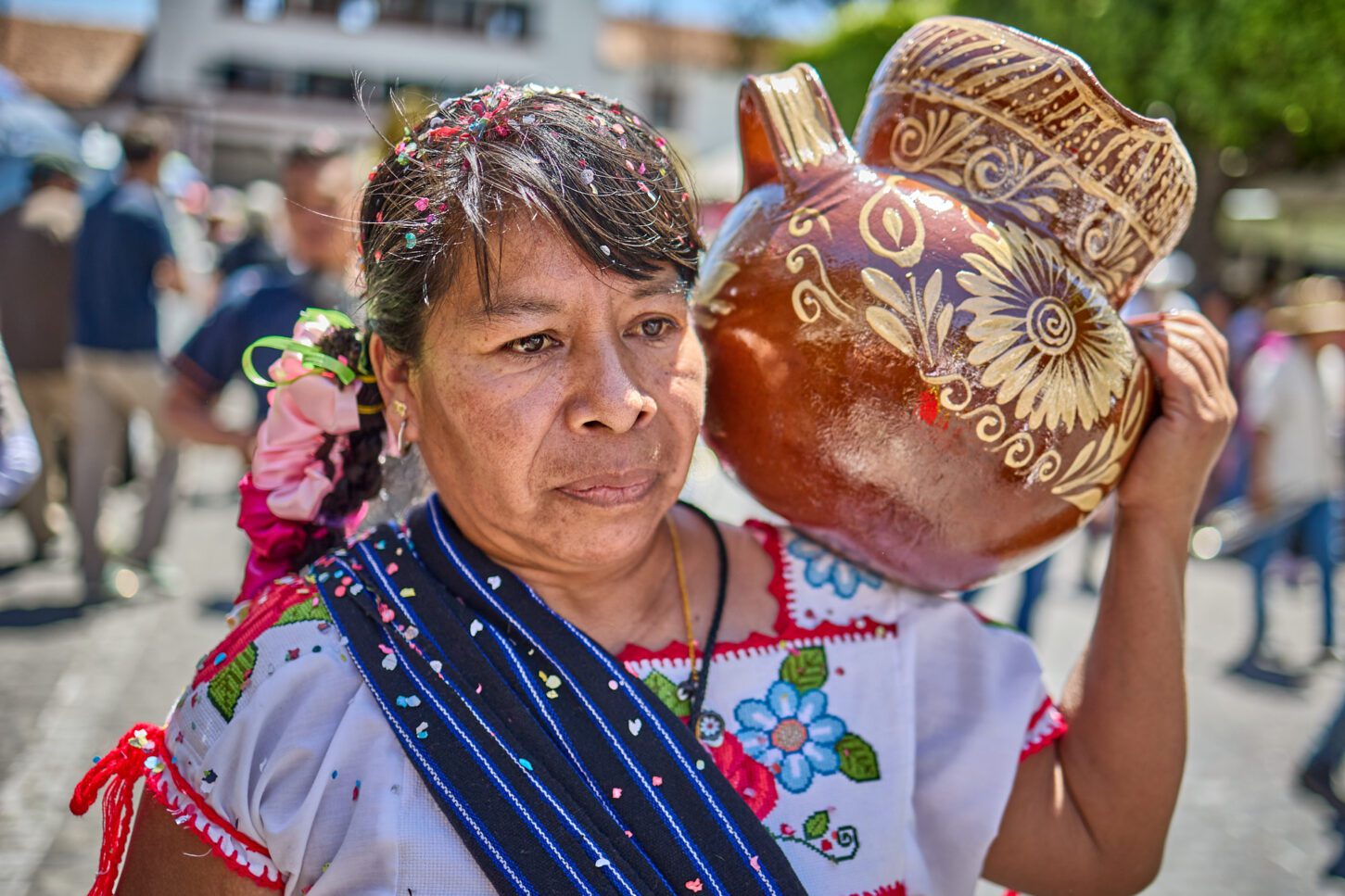
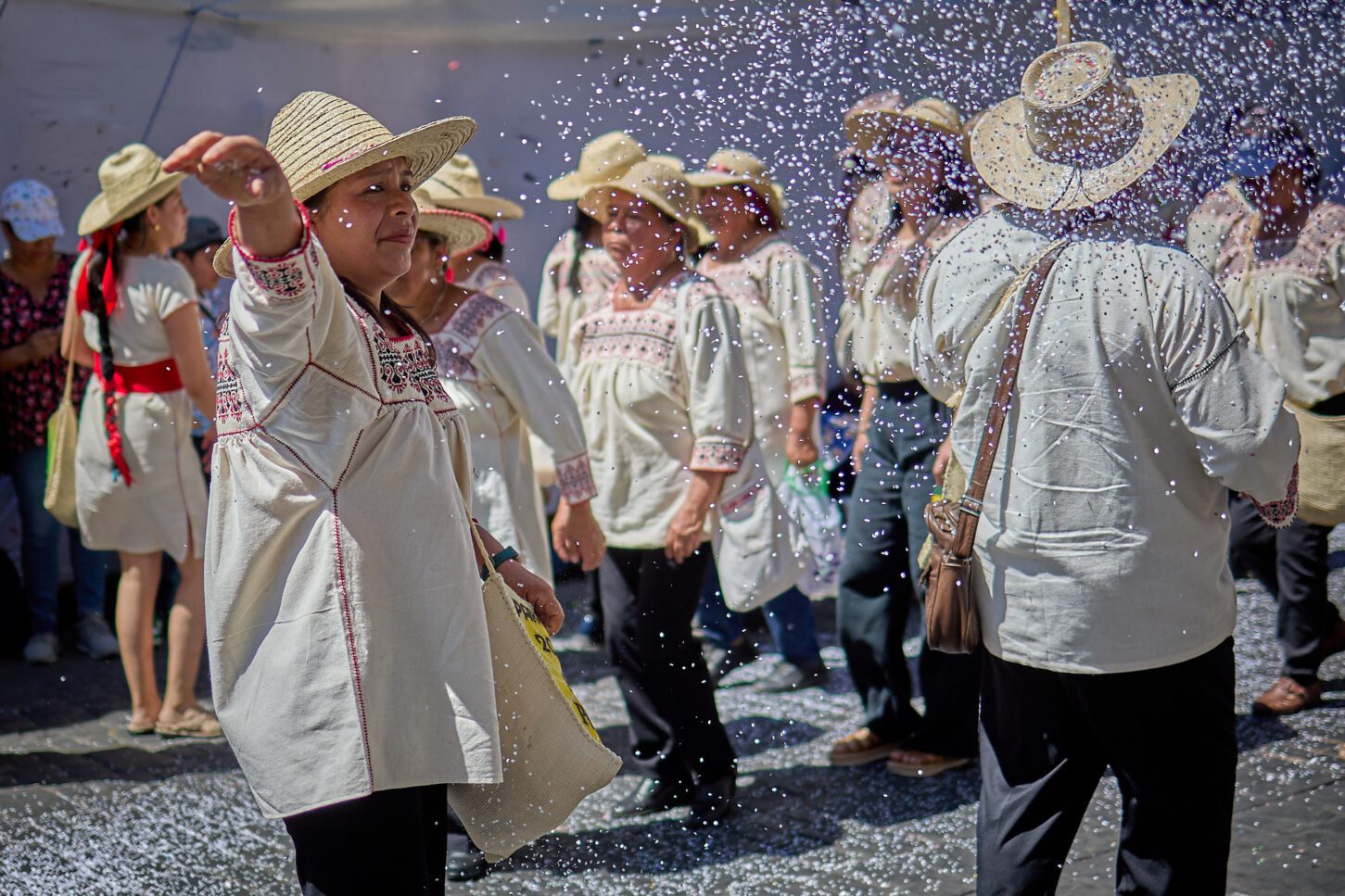
Every Holy Week, Uruapan becomes a meeting place for the artisans of Michoacán: clay, copper, lacquer, textiles, wood, fiber, food, music, and memory gathered in the streets.
The Tianguis Artesanal de Domingo de Ramos takes place every year in Uruapan, Michoacán, during Holy Week. For days, the city center fills with artisans from across the state. Stalls spread through the main plazas and neighboring streets. Tables carry clay pots, lacquered gourds, embroidered blouses, rebozos, carved masks, copper pieces, toys, baskets, wooden objects, musical instruments, and many other forms of work shaped by hand.
The scale is large, but the strength of the tianguis lies in the presence of people who arrive with knowledge learned at home, in workshops, in community life, and across generations. Michoacán’s Purépecha, Nahua, Otomí, and Mazahua communities are part of this living geography of craft. Their work belongs to families, towns, languages, materials, and ways of seeing the world that have survived through use.
Craft in Michoacán carries practical intelligence
A vessel holds water or food. A rebozo covers, carries, protects, marks belonging. A carved mask enters dance and ceremony. A copper pot gathers heat. A lacquered gourd reflects patience, repetition, and control of surface. These objects live between daily use and cultural memory. Their beauty comes from function, technique, and the hand that knows when to press, cut, polish, stitch, fire, or stop.
The tianguis also makes visible the economy behind the work. For many artisans, these days in Uruapan are a crucial moment in the year: a chance to sell directly, meet buyers, receive recognition, and compare their work with that of other communities. The market becomes a place of income, but also of exchange. Techniques circulate. Families reconnect. Young people watch how elders speak about materials, prices, origins, and time.
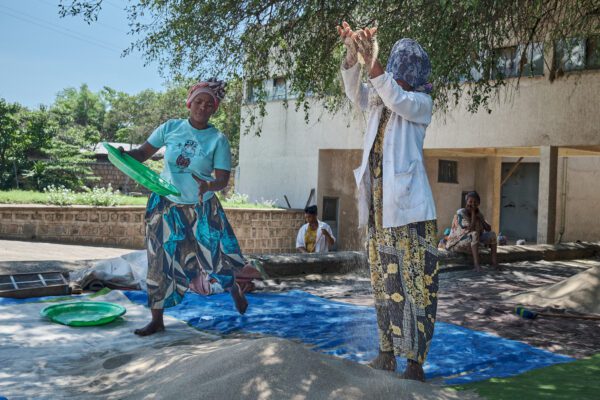
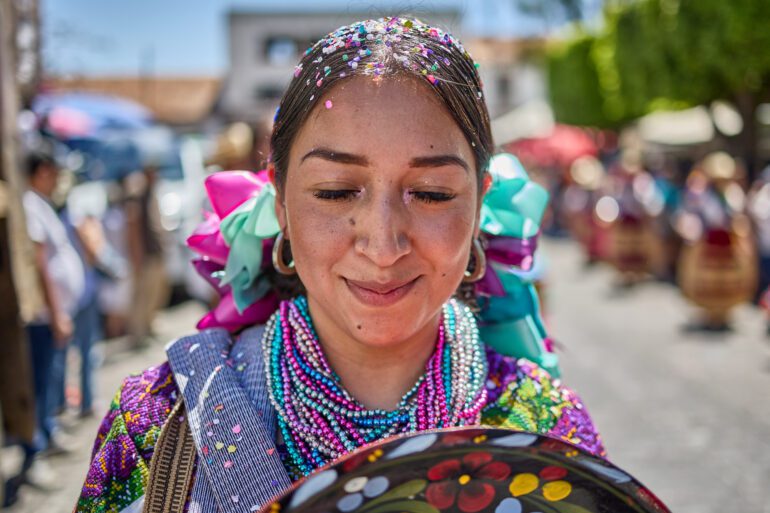
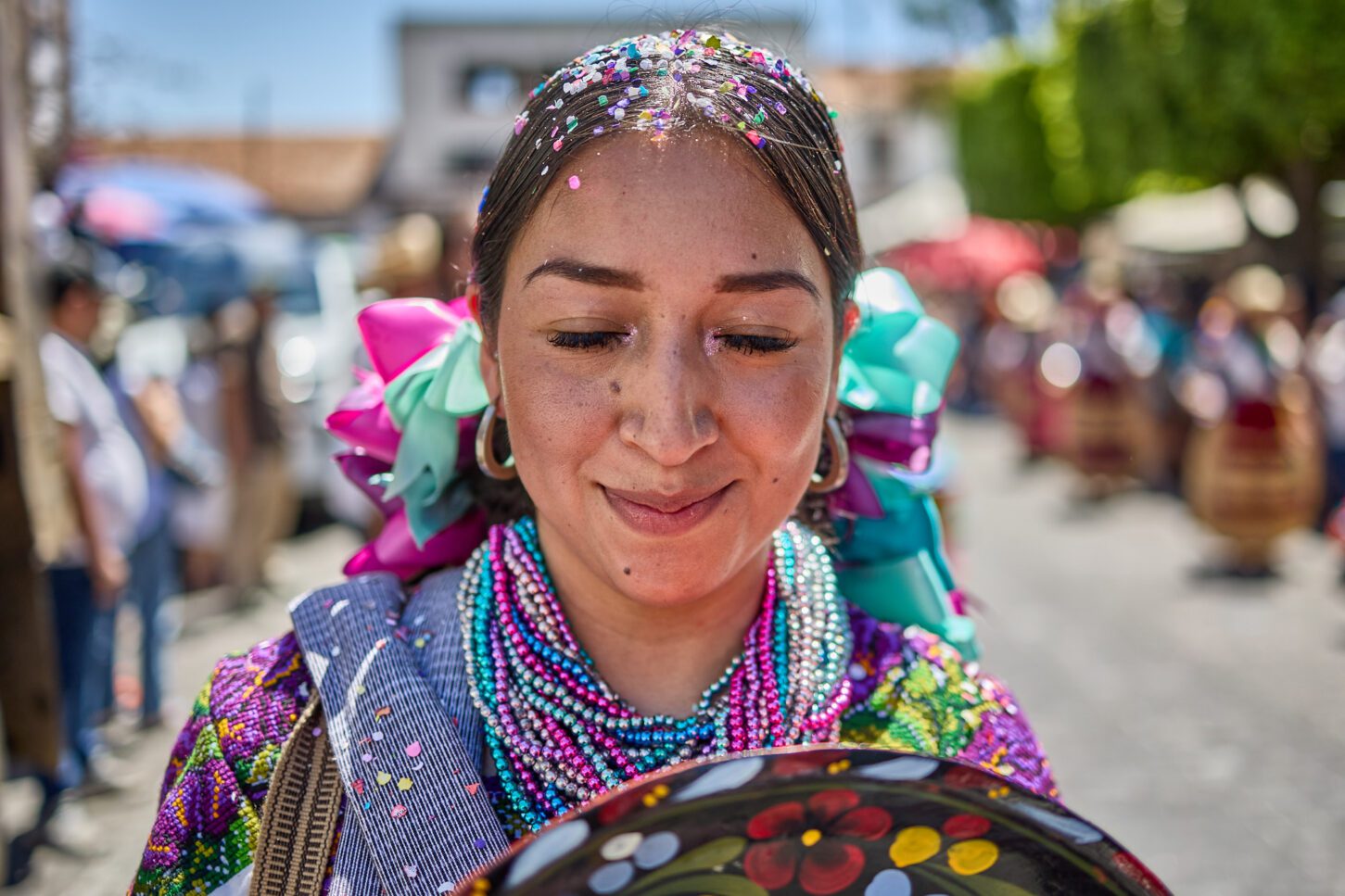
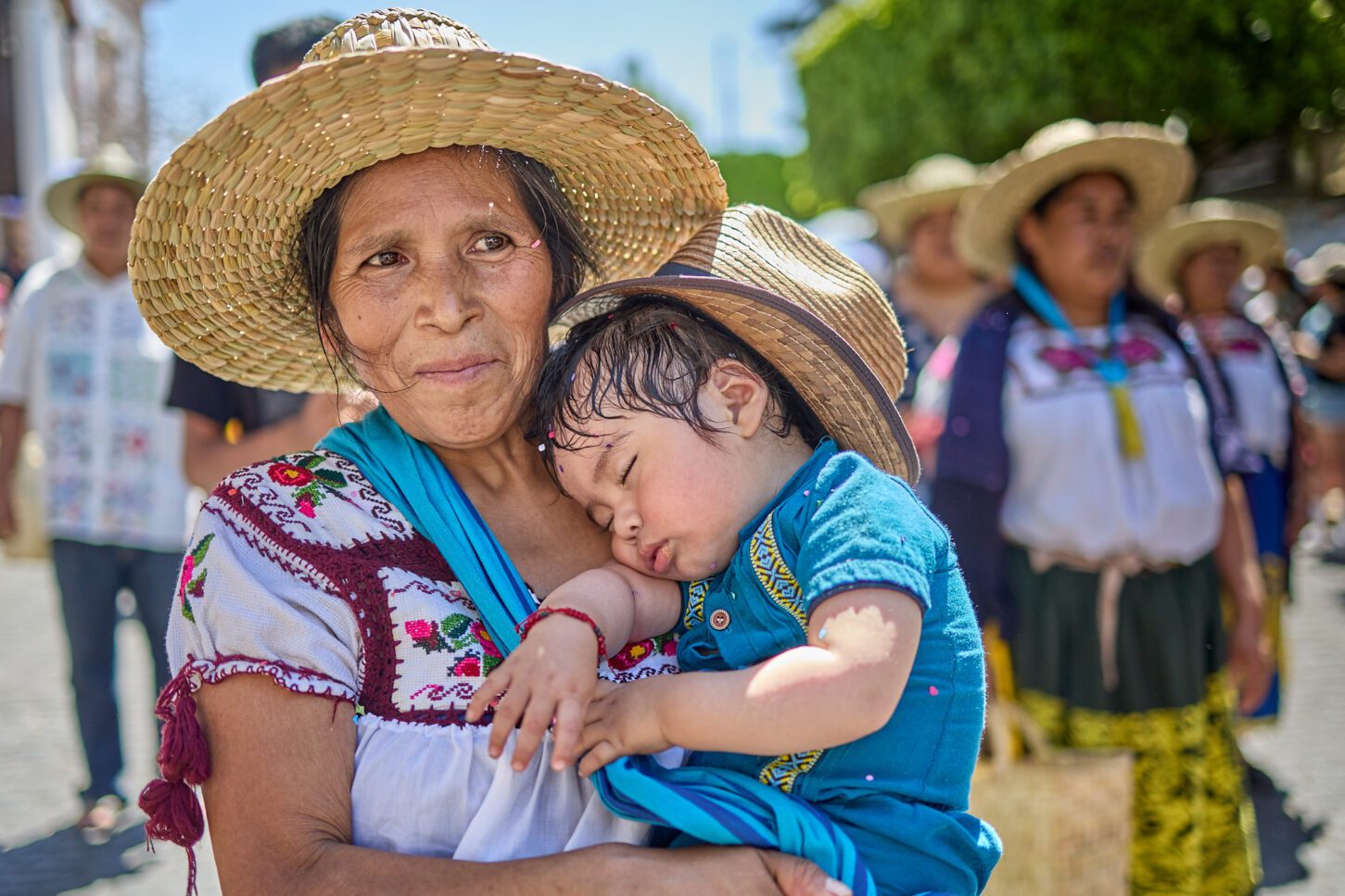
Women are central to this continuity. They appear throughout the market as makers, sellers, organizers, mothers, daughters, and guardians of techniques carried through the household and the community. Embroidery, weaving, sewing, food, and traditional dress are also forms of knowledge. A blouse, a skirt, a rebozo, or a woven band can hold local identity with great precision: color, pattern, use, and gesture become a language.
The Tianguis de Domingo de Ramos also shows how culture changes while remaining recognizable. Indigenous, colonial, religious, rural, and contemporary elements meet in the same public space. Crosses, flowers, animals, saints, masks, instruments, kitchen objects, and ceremonial pieces appear side by side. The result is a visual archive in motion, shaped by history and adjusted by each generation.
This process deserves careful attention
Handmade work often moves through difficult conditions: unstable markets, low prices, imitation, tourism that extracts style, and the pressure of mass-produced objects. At the tianguis, those pressures are present, but they share space with another force: the decision to continue making. Each piece carries hours of labor, a local material chain, and a relationship between maker and community.
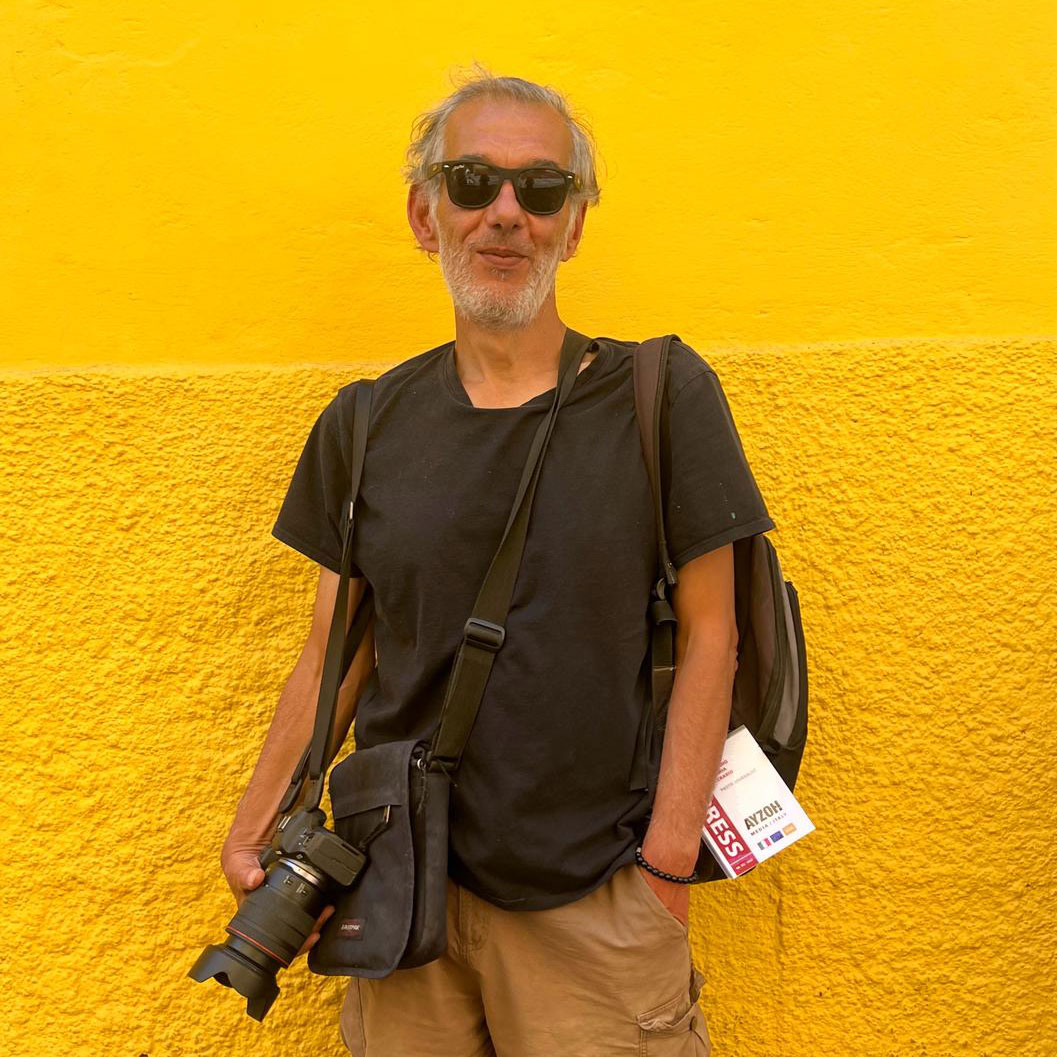
For Ayzoh!, the Tianguis Artesanal de Domingo de Ramos is a place to work with attention. Photography and writing can help document the artisans, their tools, their gestures, and the social fabric that surrounds their work. The task is to look closely, listen well, and avoid turning craft into folklore from a distance.
Ayzoh!’s work begins with the people who make these objects and with the communities that keep them alive. The goal is to create visual and editorial tools that support memory, dignity, and local voice. In Uruapan, this means following the life of craft beyond the object on display: the family workshop, the journey to the market, the conversation with buyers, the transfer of skill, the place of women, and the question every artisan faces today: how to keep working without losing the meaning of the work.
The tianguis offers a dense image of Michoacán. A state gathered by hand. A public space where objects speak of land, labor, ancestry, invention, and survival. In the streets of Uruapan, craft becomes a way to remain visible.