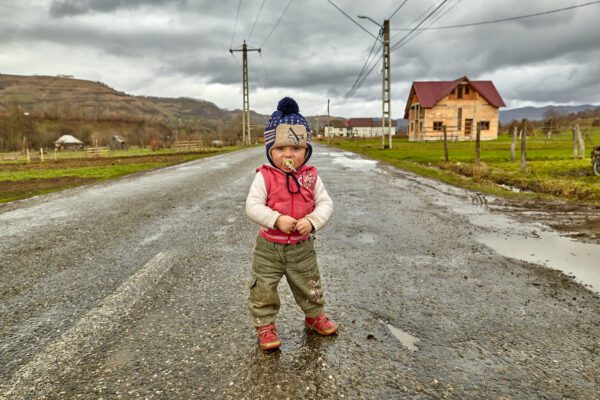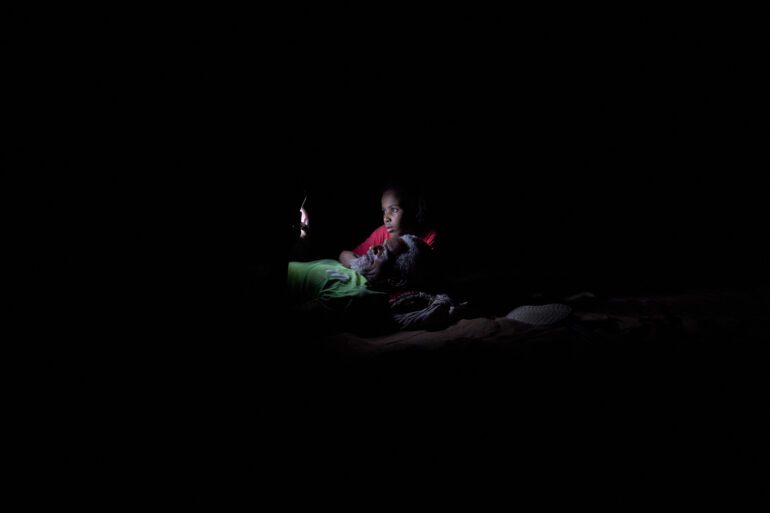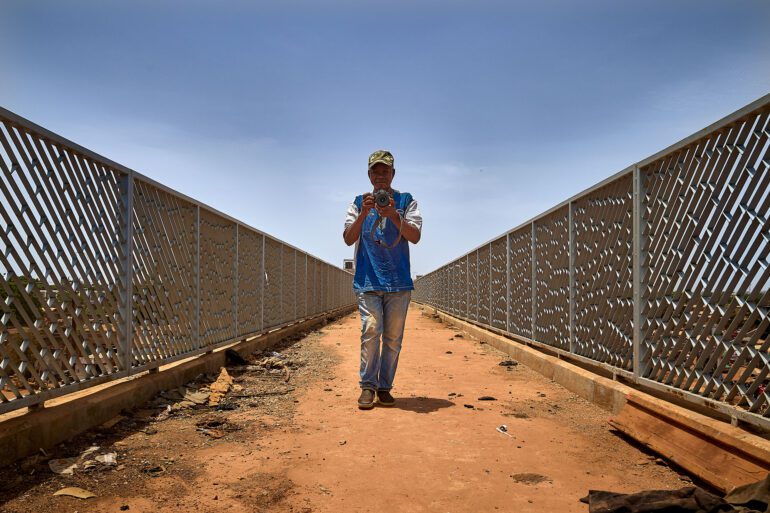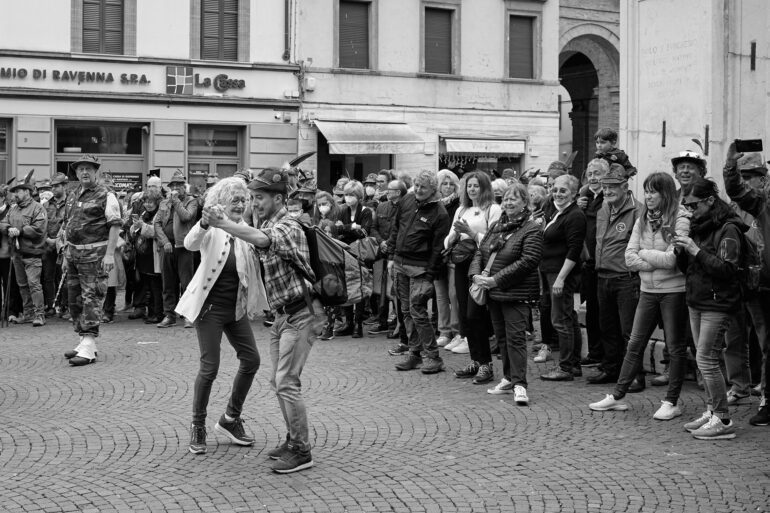
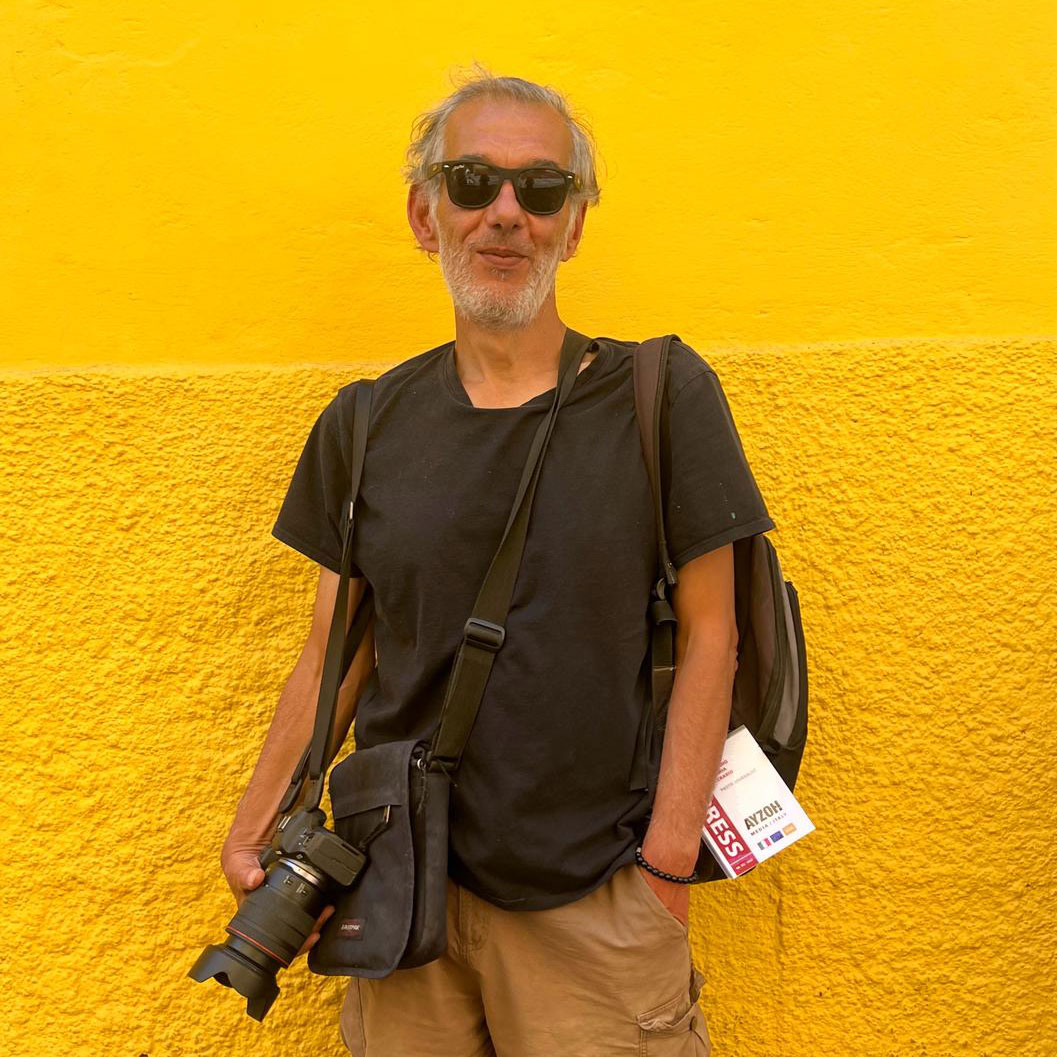
At Ayzoh!, we don’t choose sponsors based on money. We choose them based on values. AFAR Textiles is not just a supporter of our work — it’s a company that reflects the principles we try to live by every day: dignity in labor, beauty rooted in the real world, and a quiet resistance to speed, waste, and spectacle.
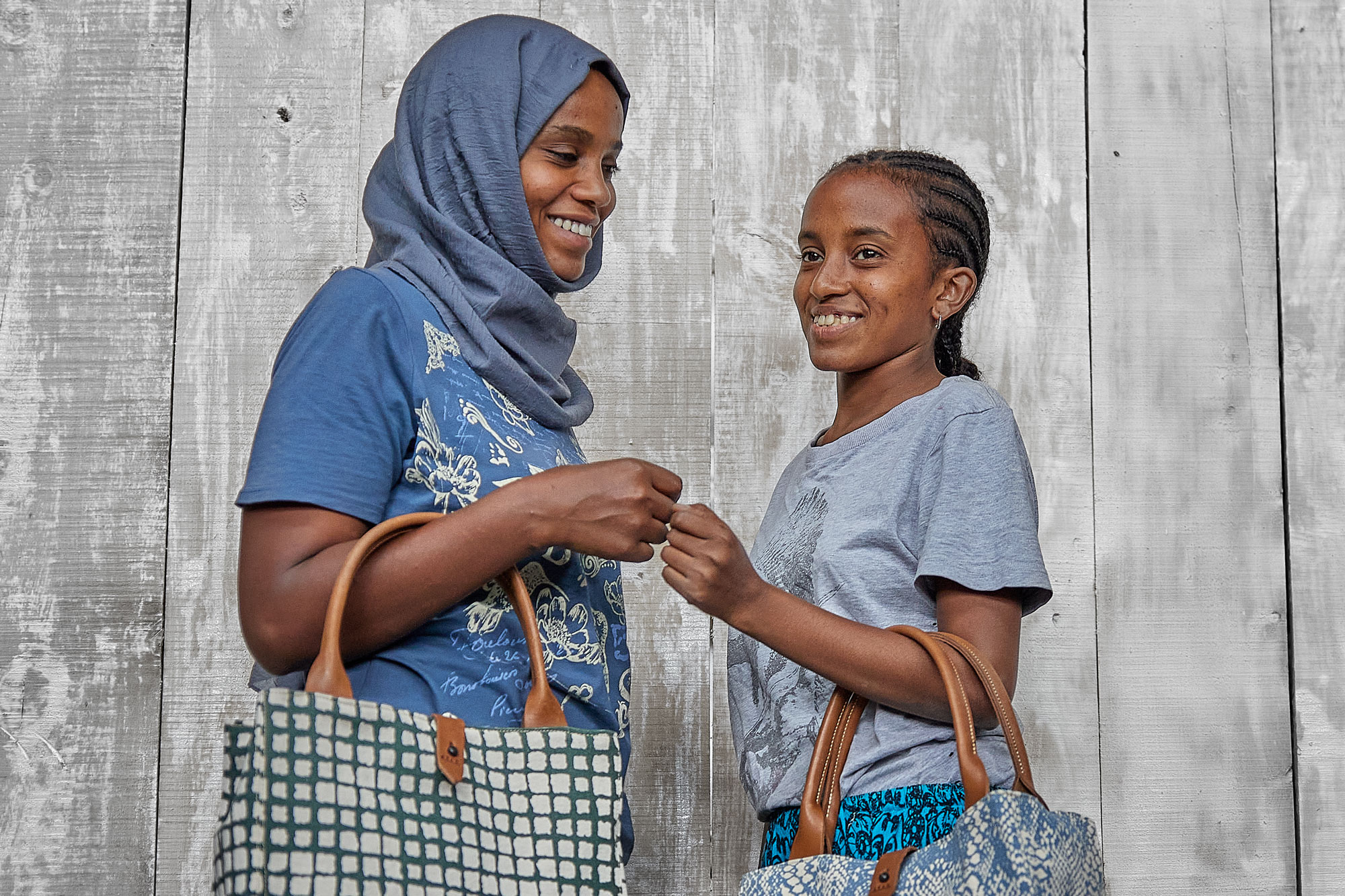
With AFAR, we’ve shared more than a collaboration. We’ve shared a vision. Over time, we’ve produced multiple photographic reportages, a photo book titled Travel With Afar, and a short documentary by the same name. We also created the “Who Makes Afar Bags” campaign, using the company’s own employees as models to honor the hands behind every product.
A Story That Begins Far from Fashion
AFAR was born in Addis Ababa, in a workshop where a small group of artisans work by hand — shaping bags, accessories and materials with patience and care. But its roots go much deeper, all the way back to 1878, when the Calamai family in Prato, Italy, pioneered mechanical spinning powered by hydroelectric turbines.
Over generations, they built an industry of recycled textiles, workwear, and technical fabrics. And then something unusual happened: their legacy merged with the energy of a young Ethiopian team.
That’s how AFAR began — not as a startup, not as a brand concept, but as an encounter. A bridge between histories, crafts, and futures.
Travel Bags for Harsh Landscapes
AFAR bags are designed to be used — in dust, rain, heat, time. They were born in Ethiopia, a land where travel still means movement by necessity, not leisure. In the Afar region, one of the harshest inhabited places on Earth, nomads still adapt gear to survive. This was the original inspiration for AFAR’s rugged, minimalist designs.
Every decision in the making of these bags reflects this logic: simplicity, strength, and ecological integrity.
Materials That Matter
Zebu Leather. AFAR uses leather from Zebu cattle, raised in the Ethiopian highlands. These animals live outdoors and help plow the fields. The leather is thick, marked by life, and tanned using vegetable methods that make it durable and environmentally safe.
Horn and Titanium. Zebu horn — veined, strong, and endlessly unique — is used for closures and details. Titanium, chosen for its lightness and resistance, replaces industrial metals and is crafted by hand in the workshop.
Soil-Dyed Cotton Canvas. Cotton comes from traditional cooperatives in northwestern Ethiopia, grown without pesticides, herbicides, or fossil fuels. Even the weeds are pulled out by hand. The fabric is water-repellent, tough, and colored using pigments extracted from local soils and plants. No oil. No shortcuts. Just time.
No Fossil Fuels, No Greenwashing. In Ethiopia, energy is generated mostly from hydroelectric, solar, wind, and geothermal sources. The machines at AFAR’s workshop have been adapted to run on clean electricity. Every step, from weaving to cutting to printing, is done with the minimum impact and the maximum skill.
Printing is manual, using wooden screens and water-based inks. No synthetic dyes, no mass production — just craft.
Fair Trade That Means Something
AFAR is one of the few WFTO-certified companies in Ethiopia. This is not a marketing label — it’s a framework of transparency, equity, and responsibility. It means the people who grow, tan, cut, stitch, and finish the products are part of the company’s mission, not just its labor force.
Each bag is made to last a lifetime. And to sustain lives.
Time as a Material
In many African dialects, there is no word for “future.” Life happens in the present — deeply and deliberately. That’s the rhythm you feel in every AFAR product. Each bag is slow by design. Not in production speed, but in attention. Not in price, but in respect.
And that’s what makes AFAR important to us.
They don’t just make bags. They hold the memory of a world where objects were made with meaning. And they show us, again and again, that another way of creating is possible — one that doesn’t exploit time, people, or place.
A Sponsor We’re Proud to Walk With
In an industry filled with shortcuts, slogans, and empty claims, AFAR stands out.
It stands with the workers. With the materials. With the Earth.,And it stands with us. At Ayzoh!, we walk light — but we walk far. We’re proud to do it with AFAR on our side.
Travel With Afar – A Book and a Film
If you want to learn more, visit our dedicated page on the Travel With Afar book and documentary. And don’t miss the Who Makes Afar Bags photo series — where the people who make the products also become the story.