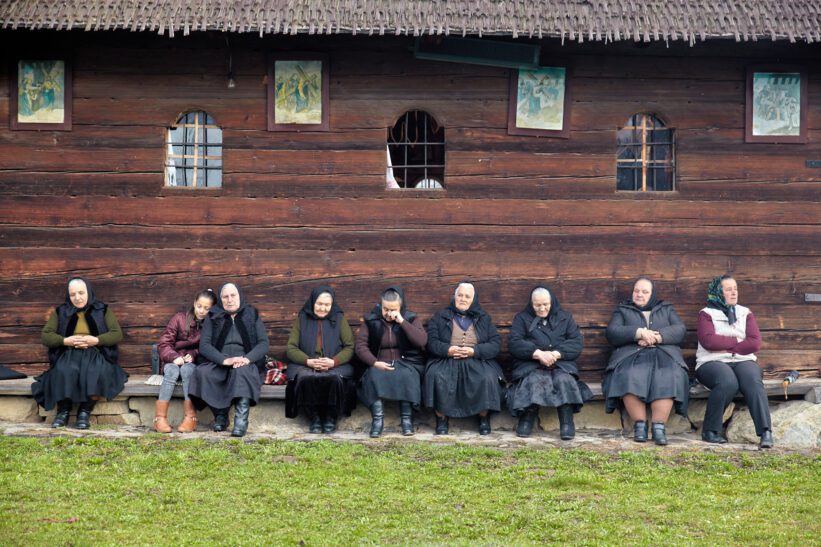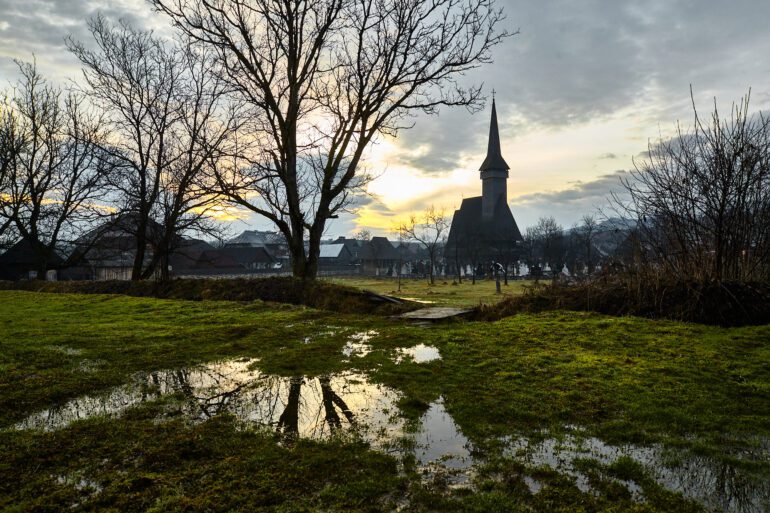
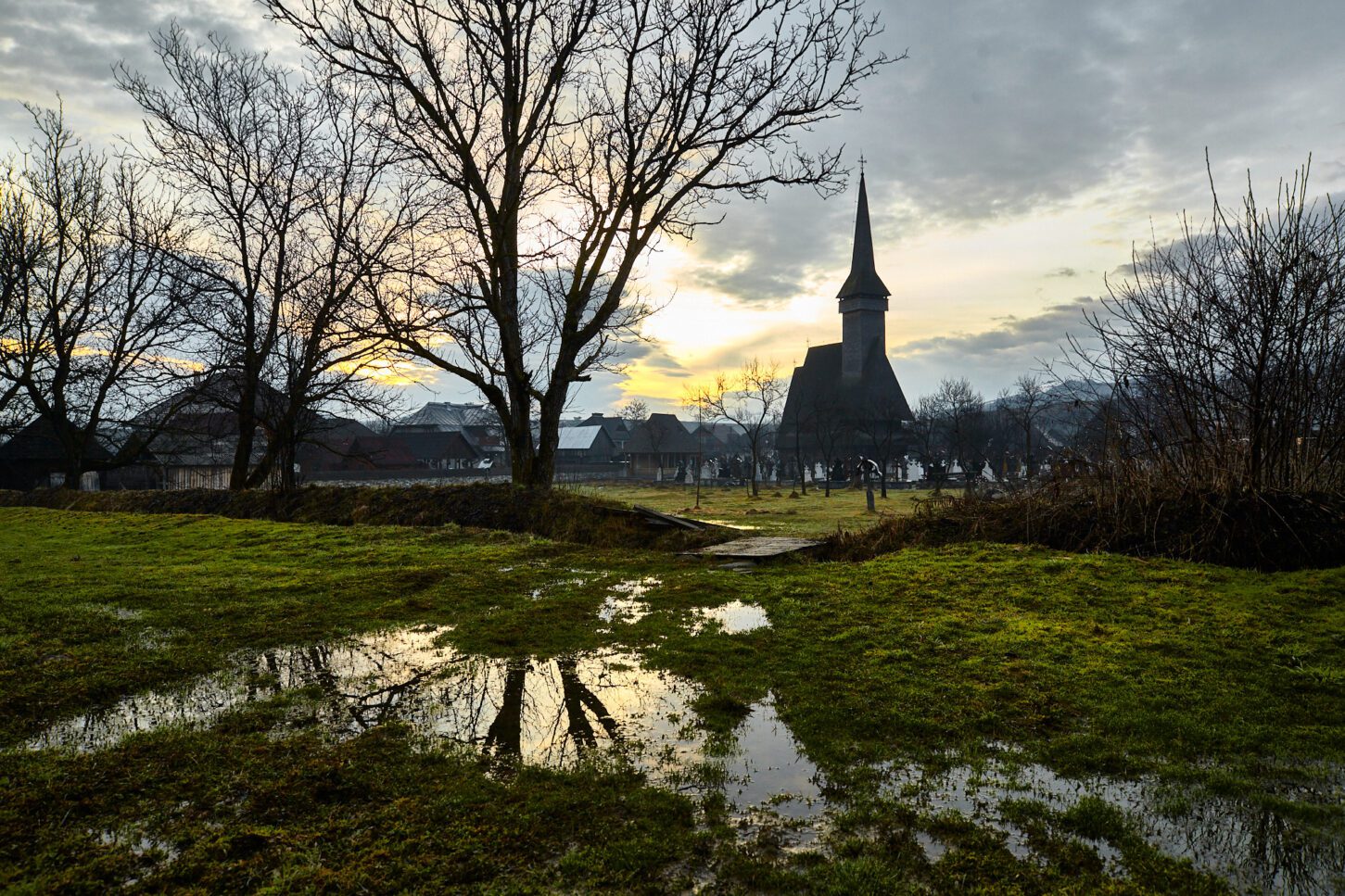
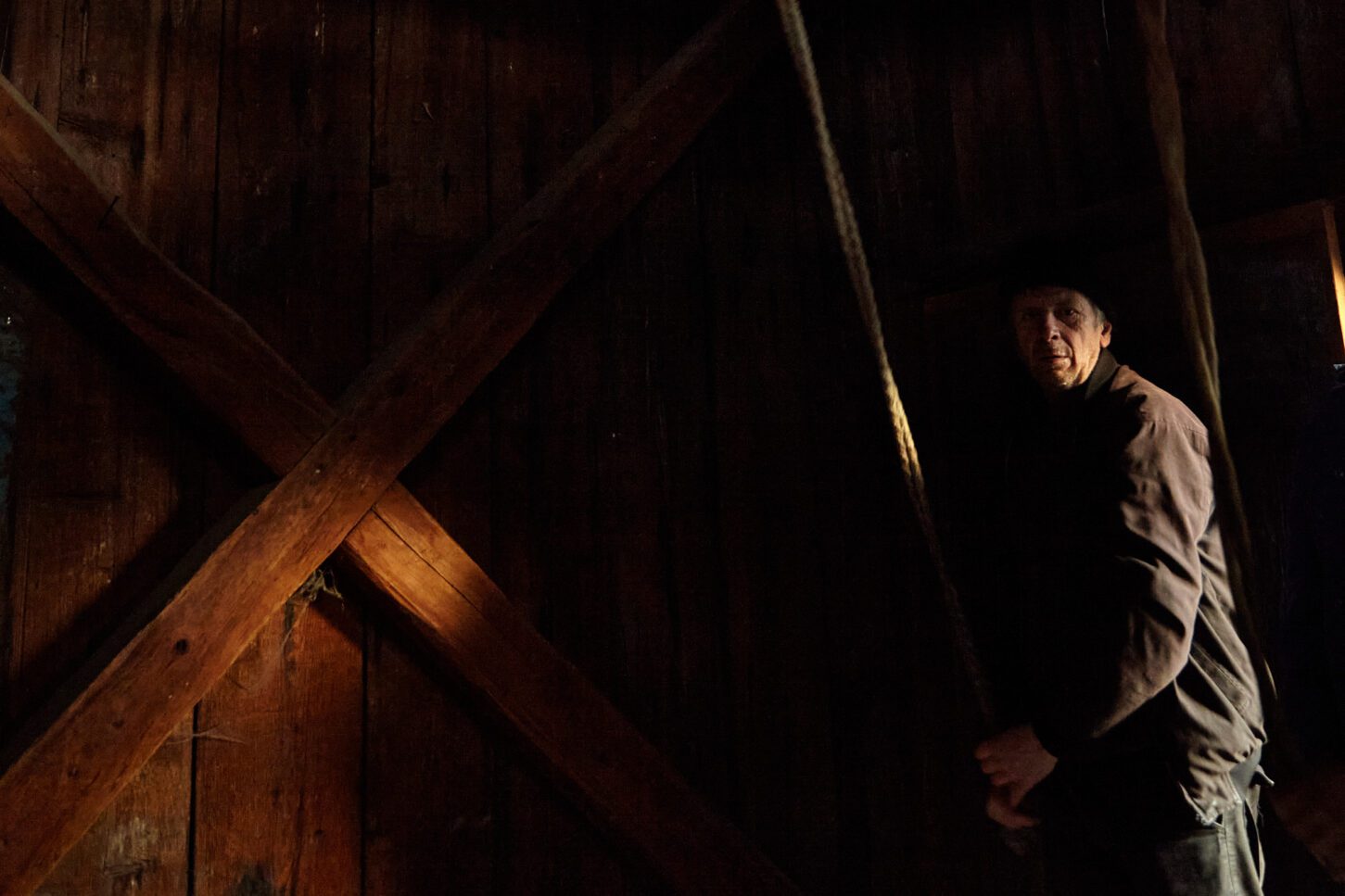
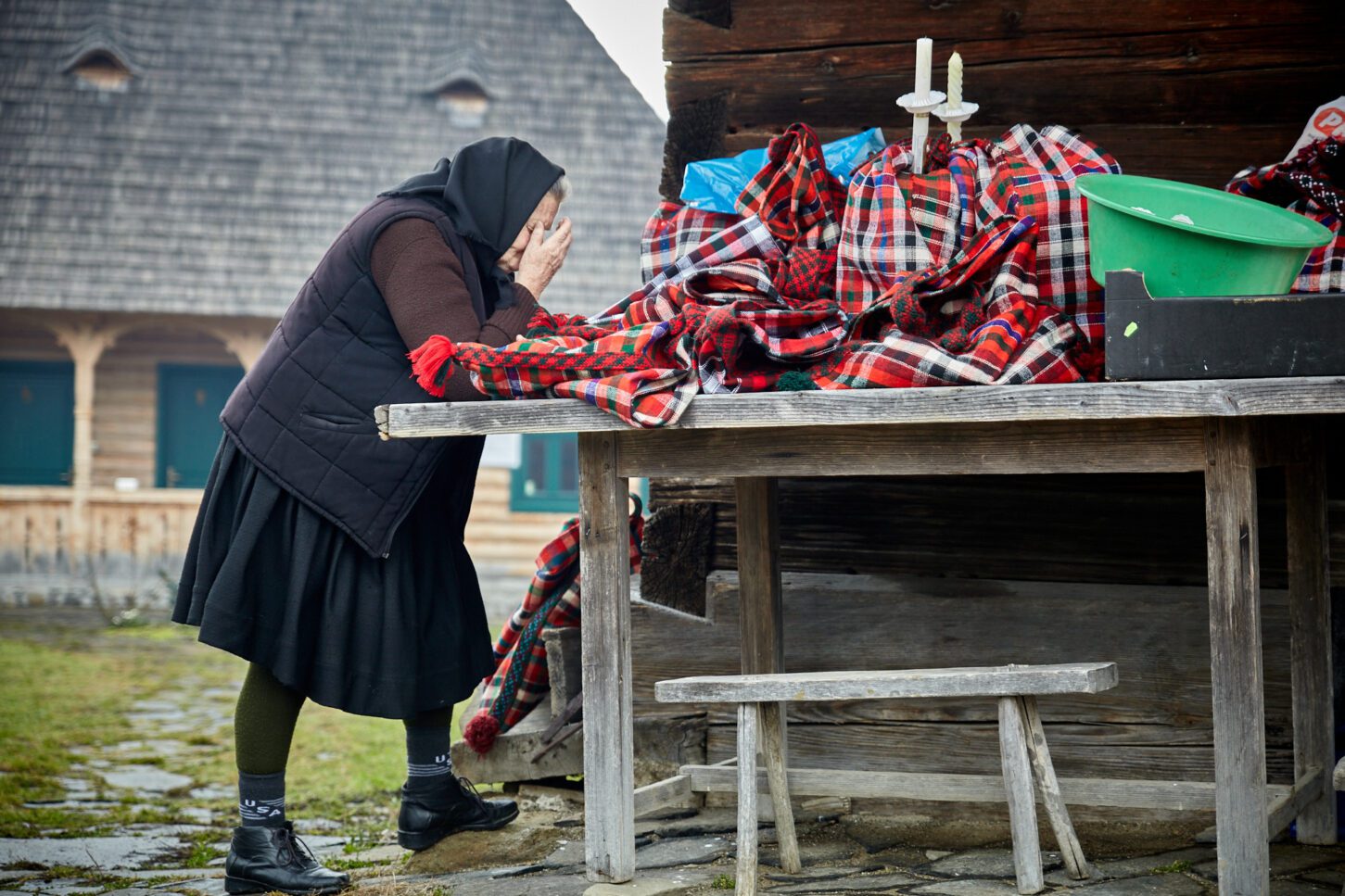
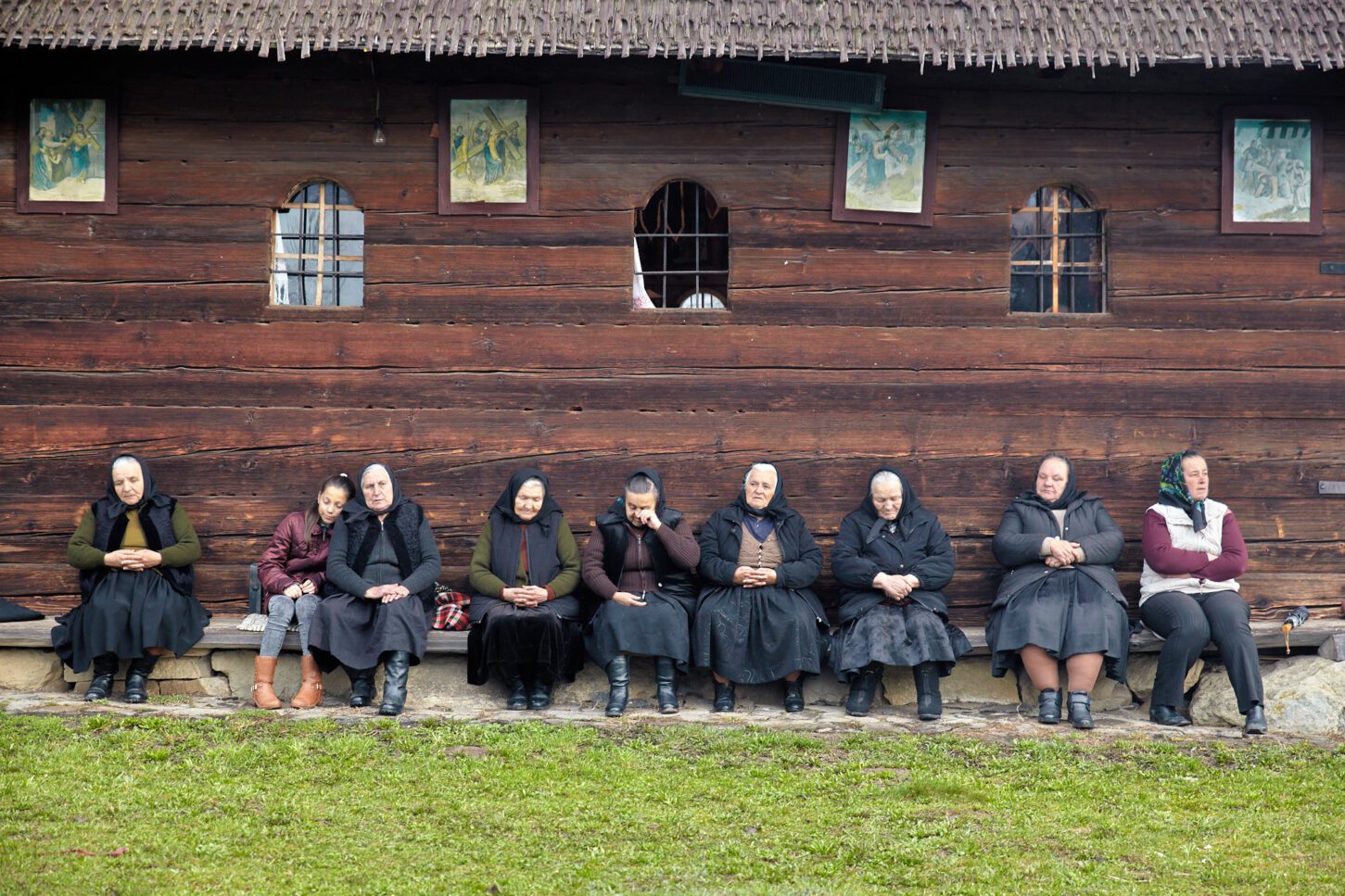
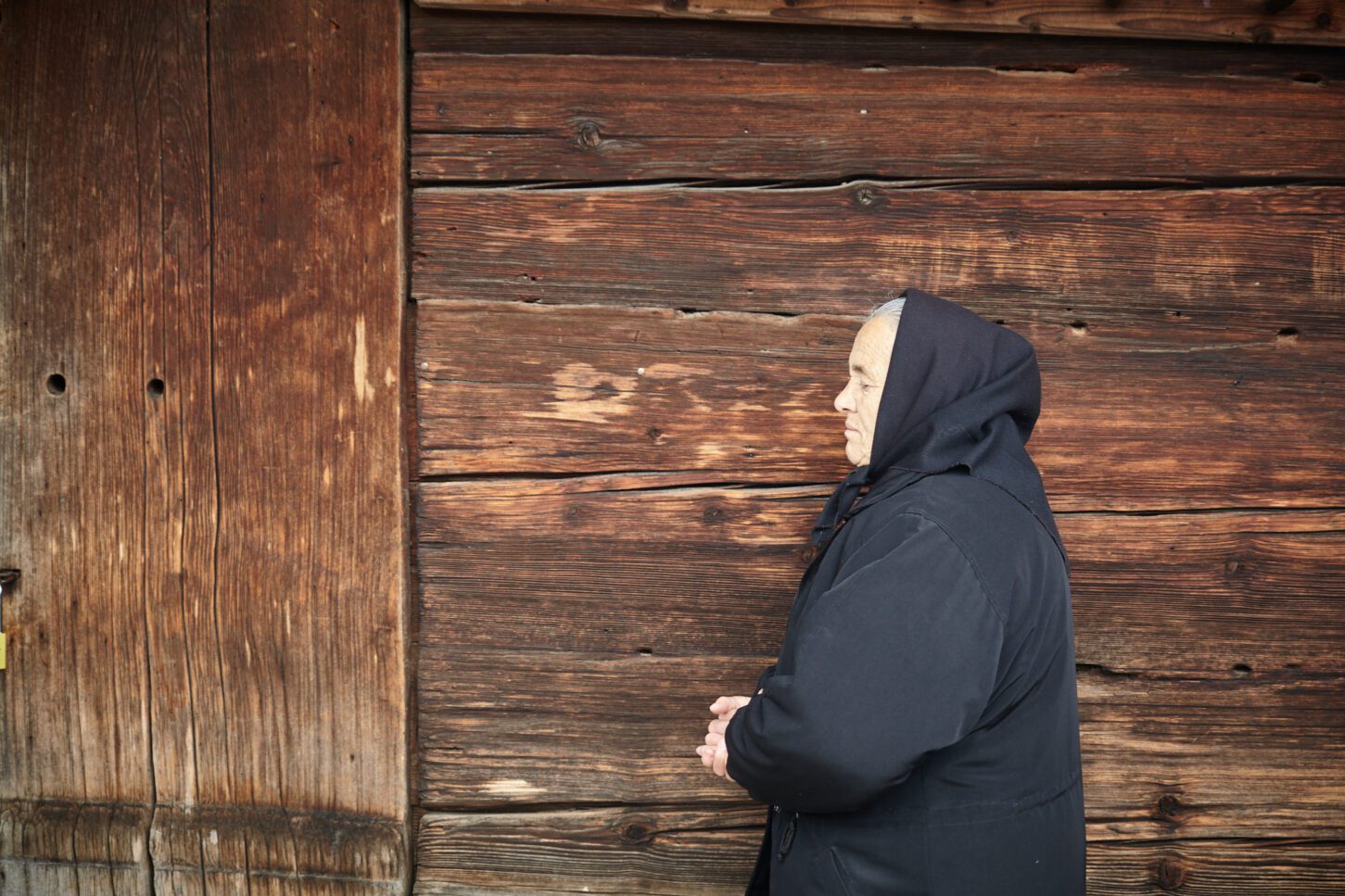
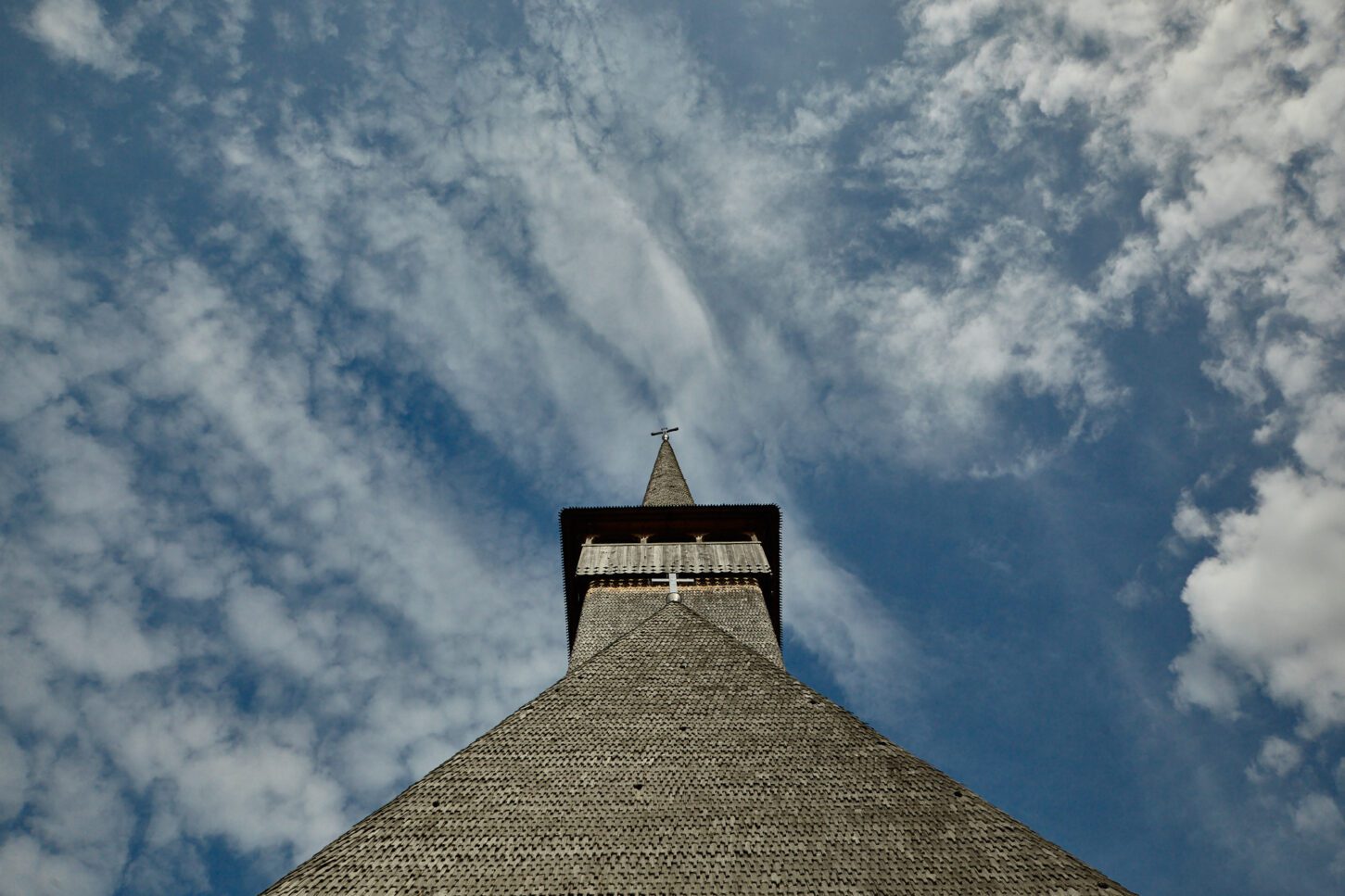
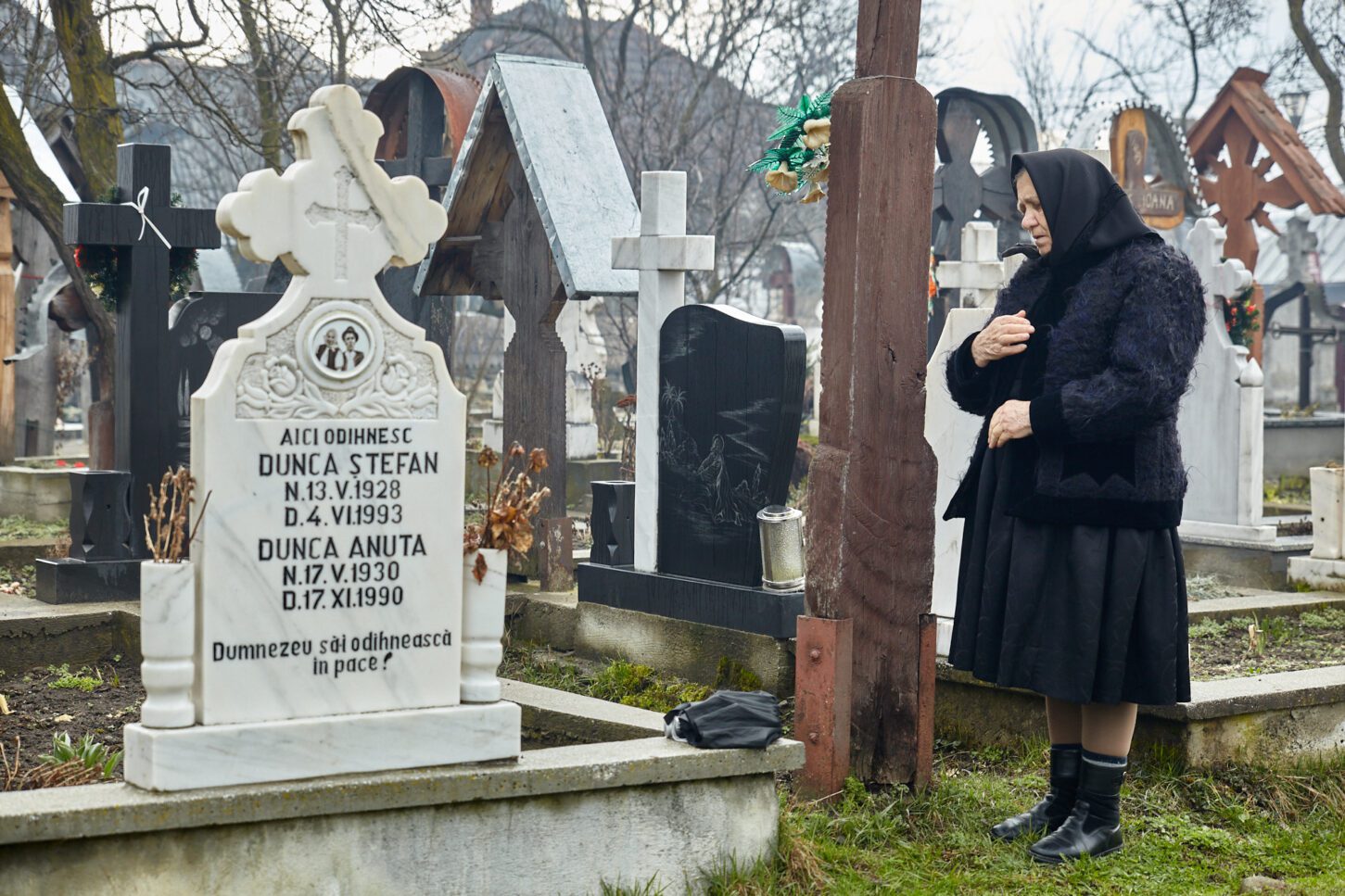
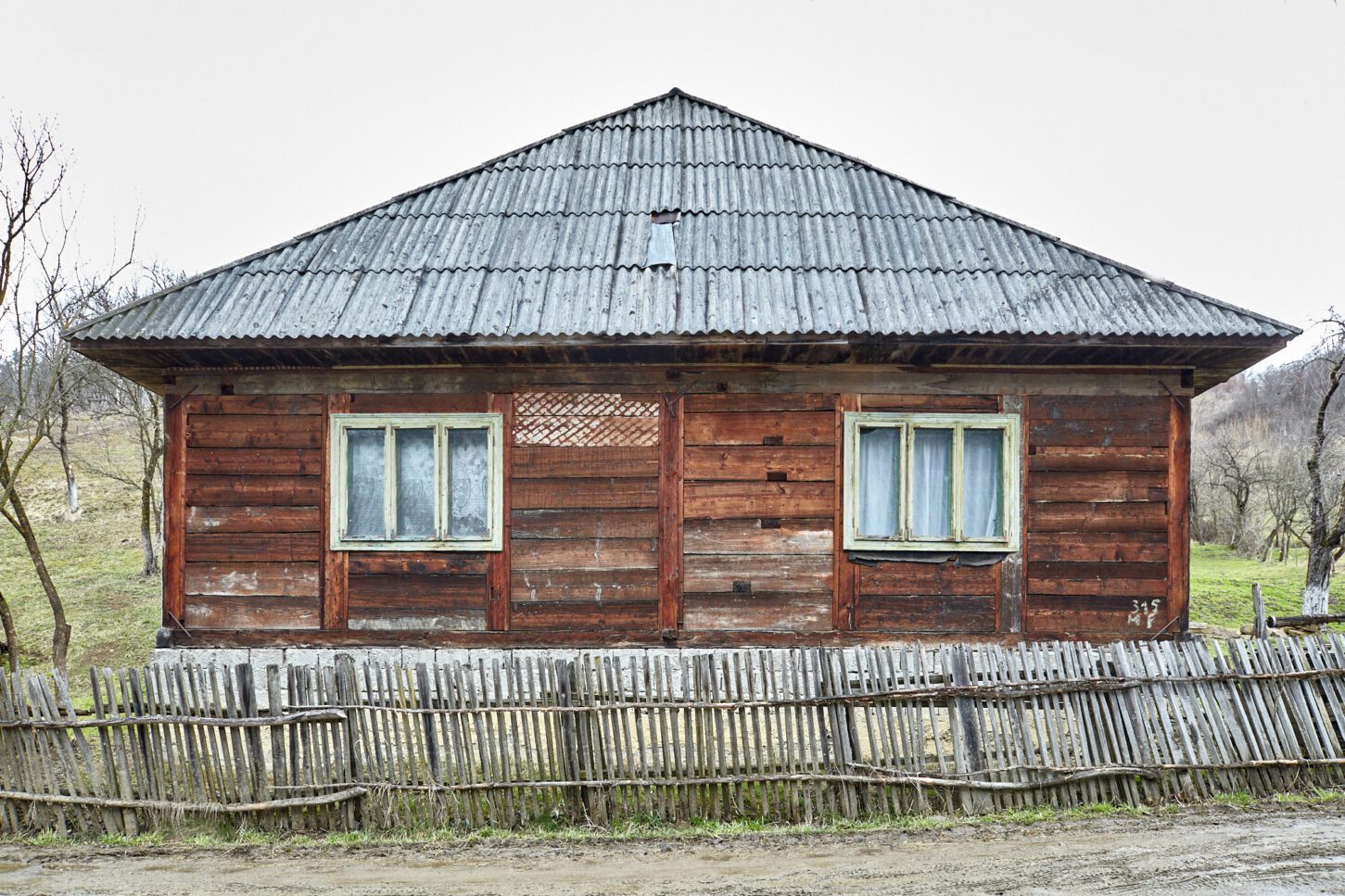
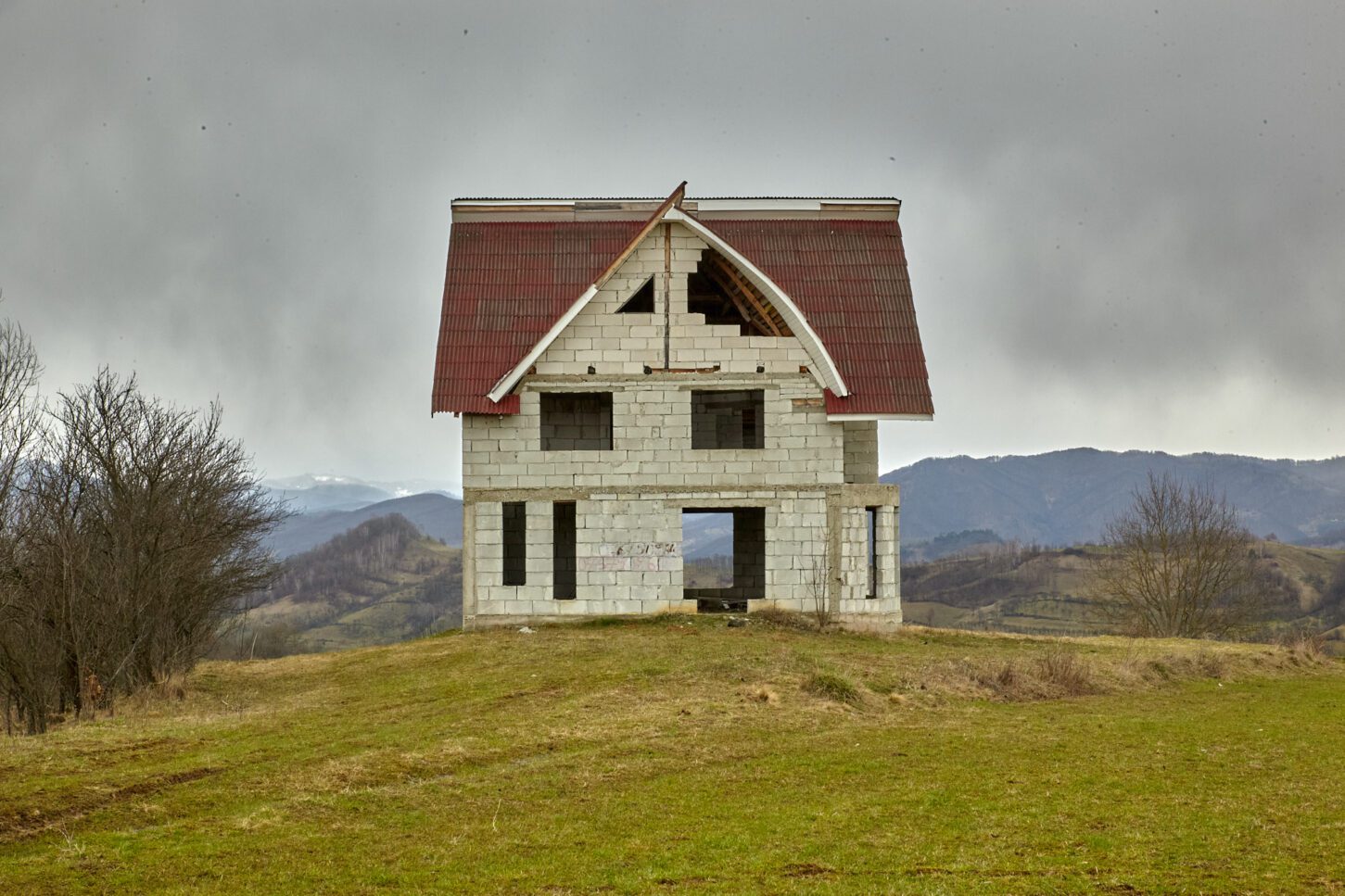
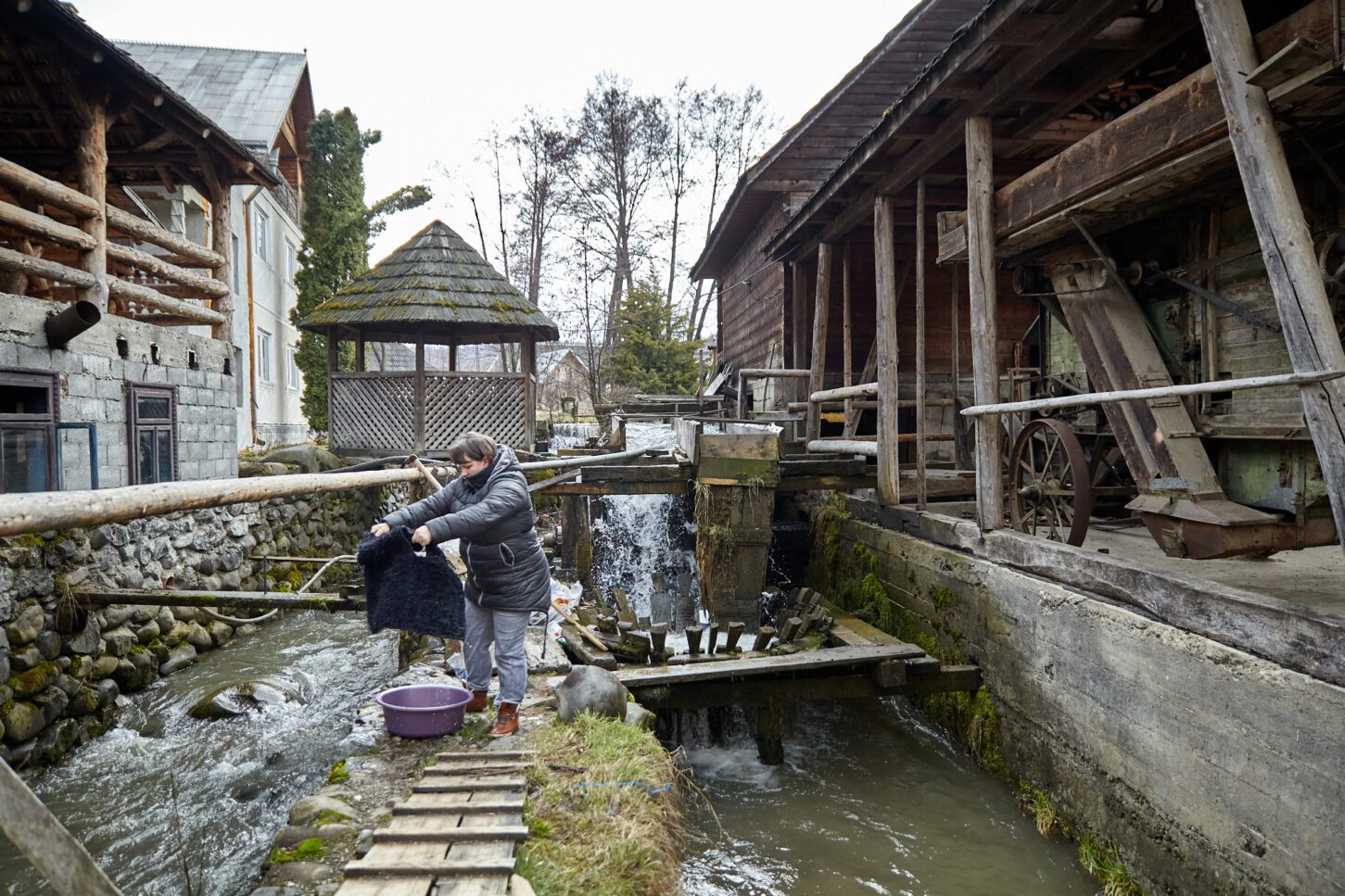
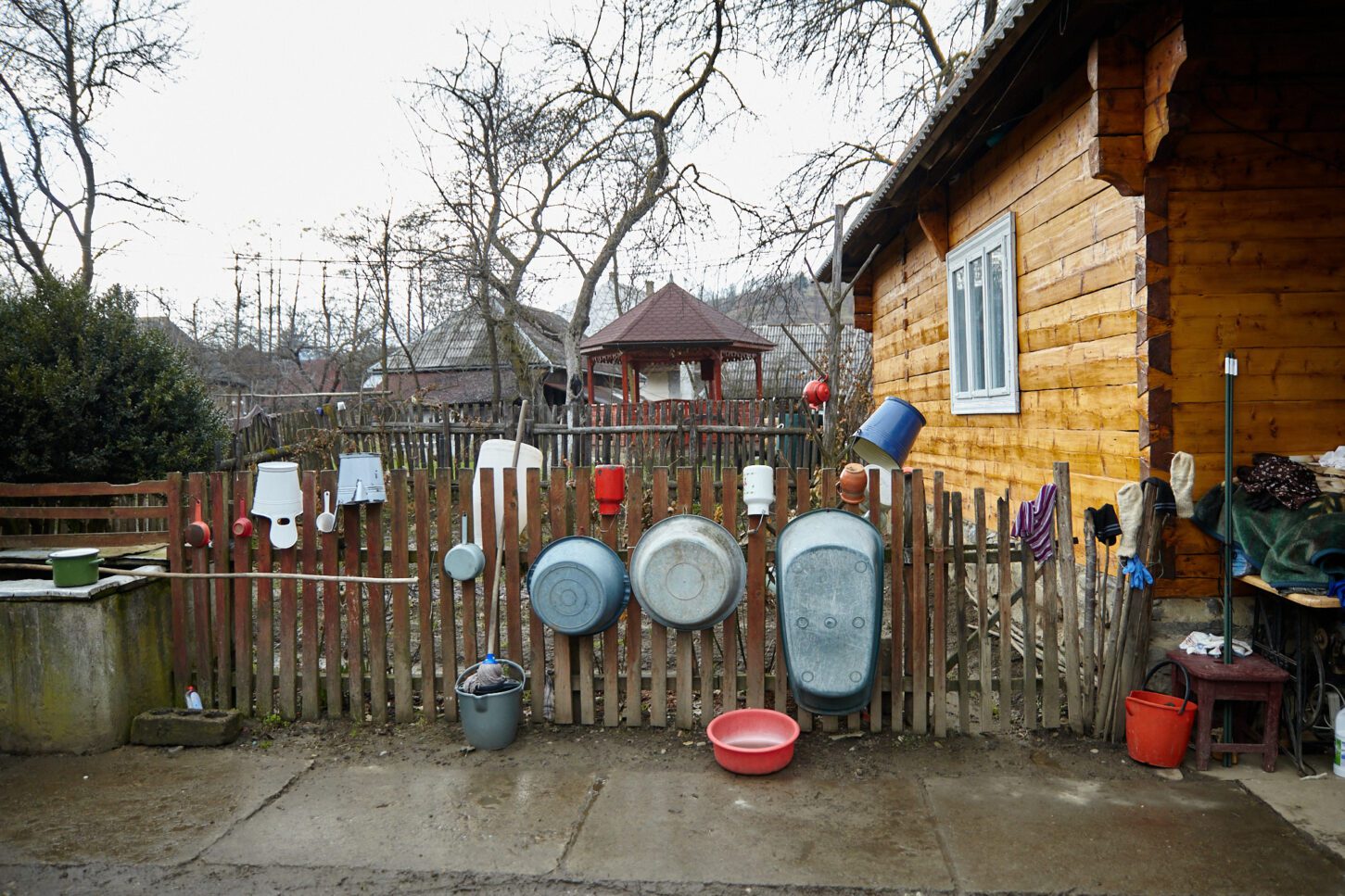
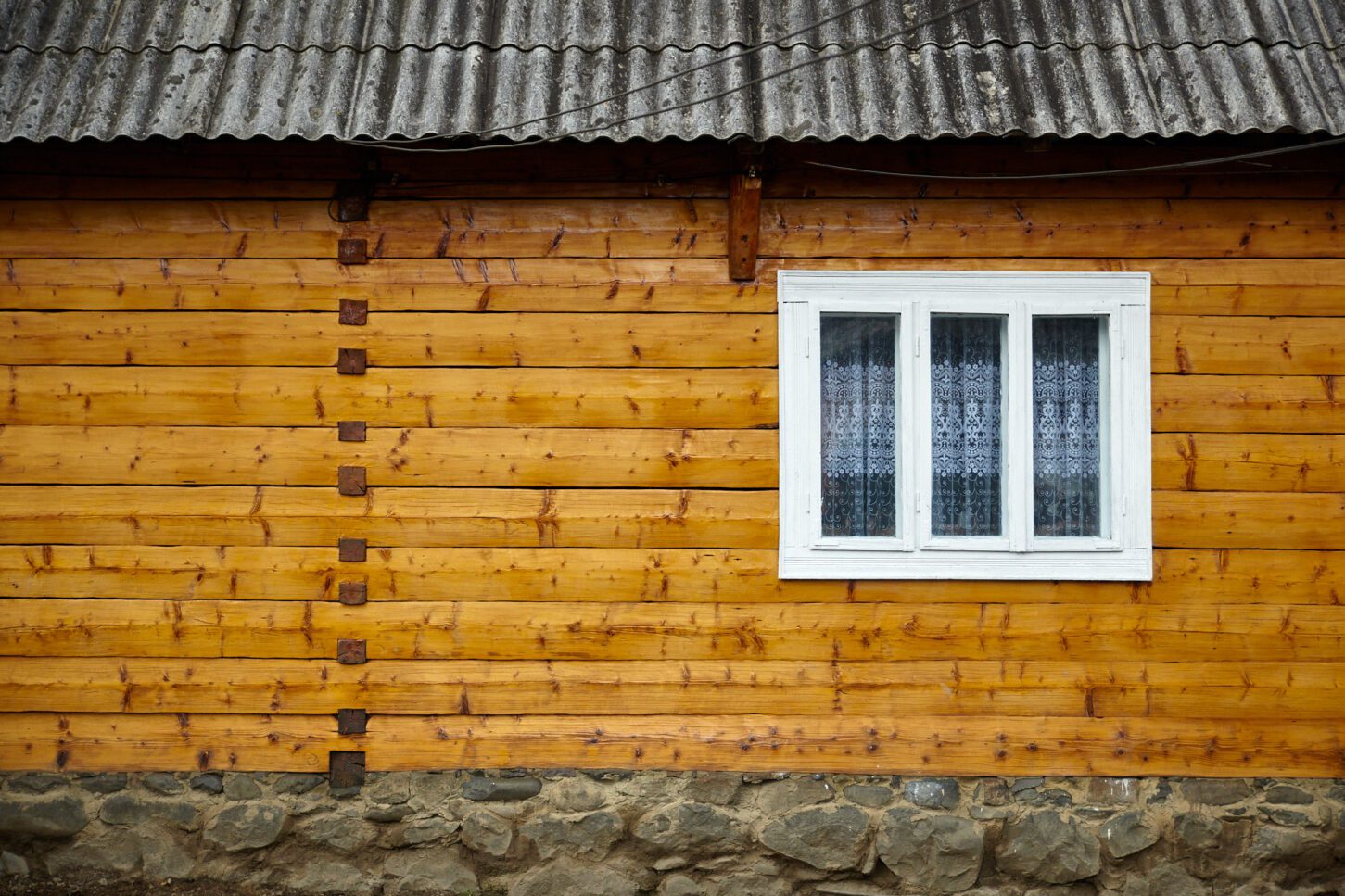
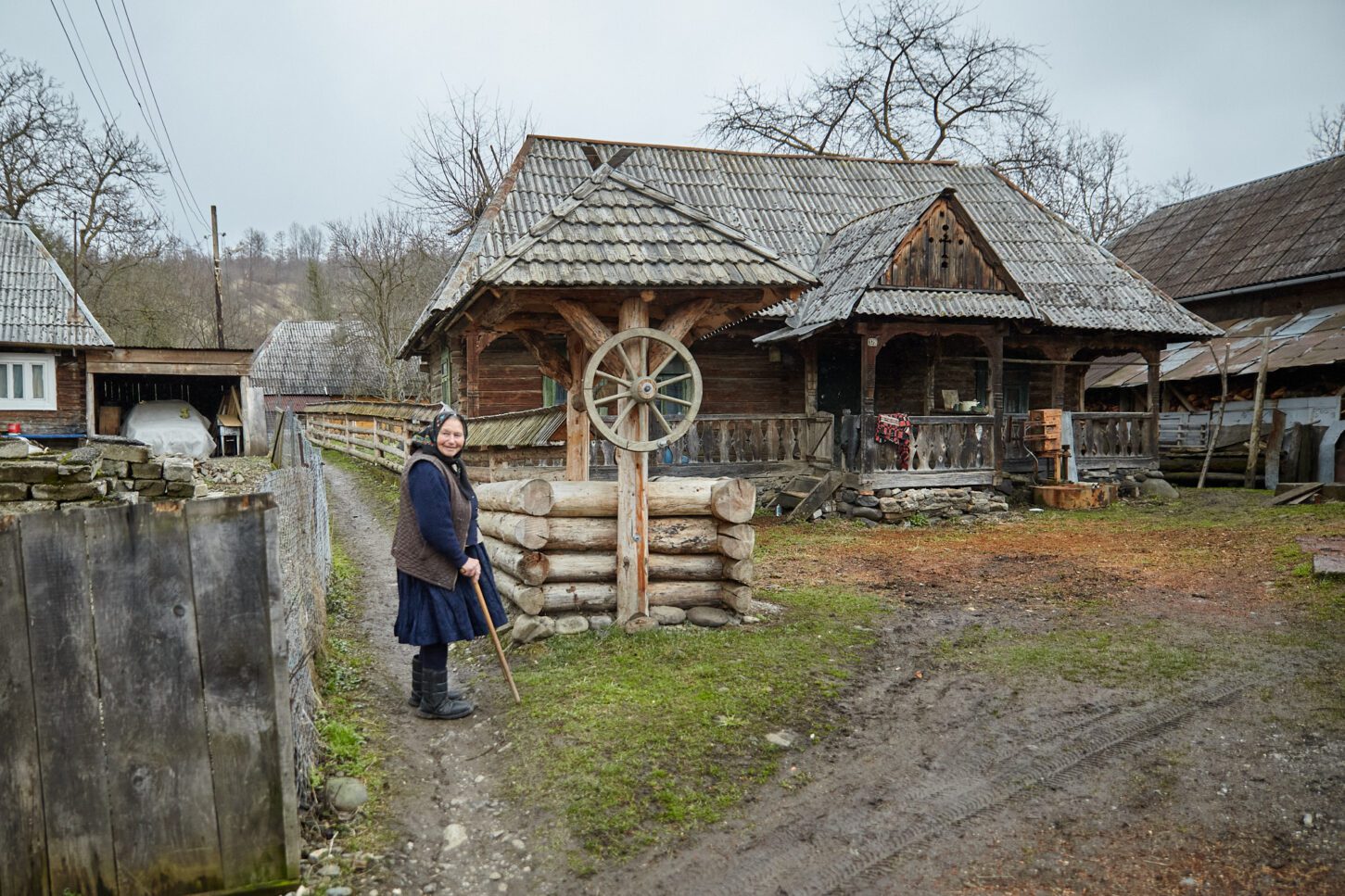
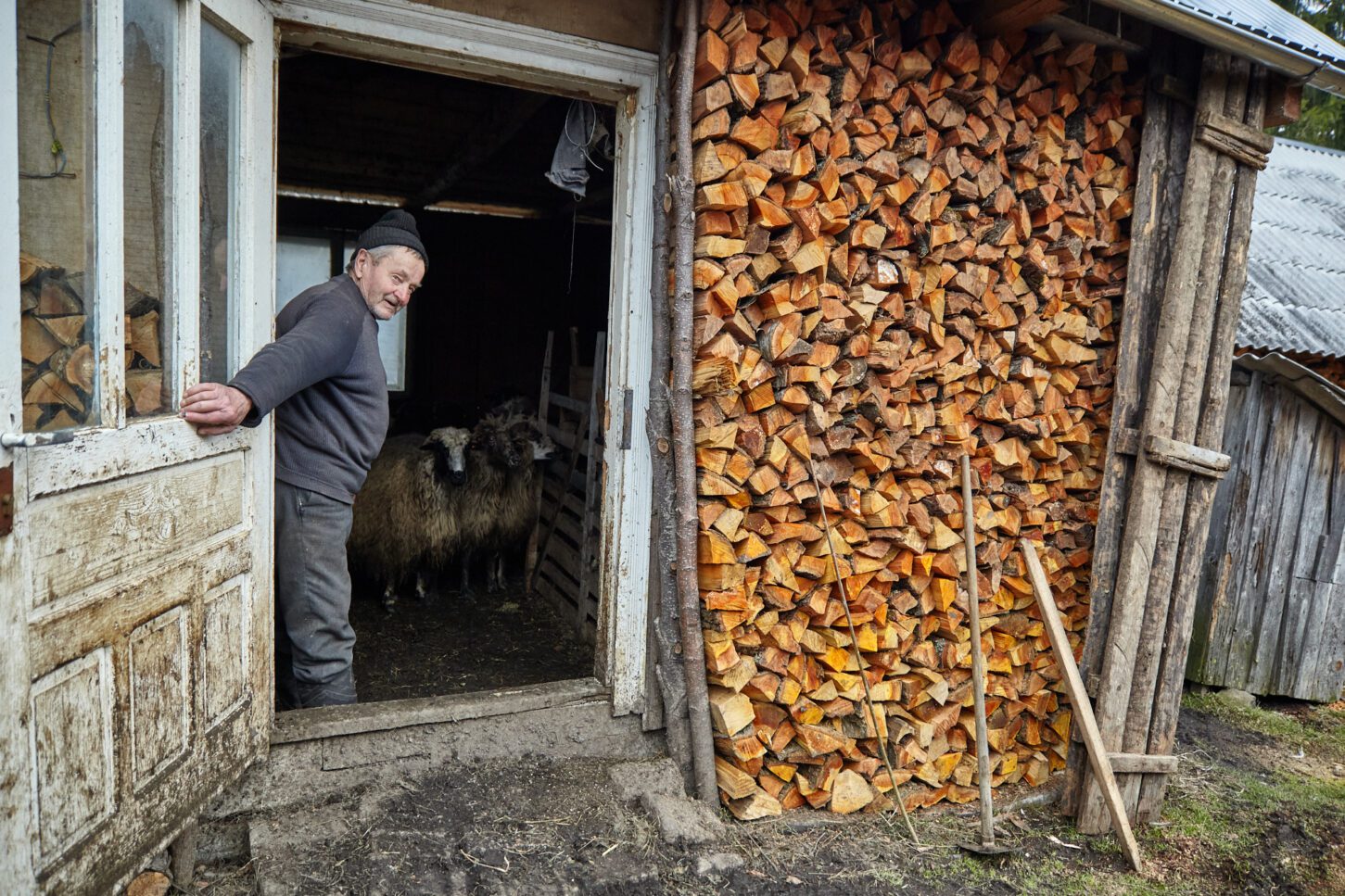
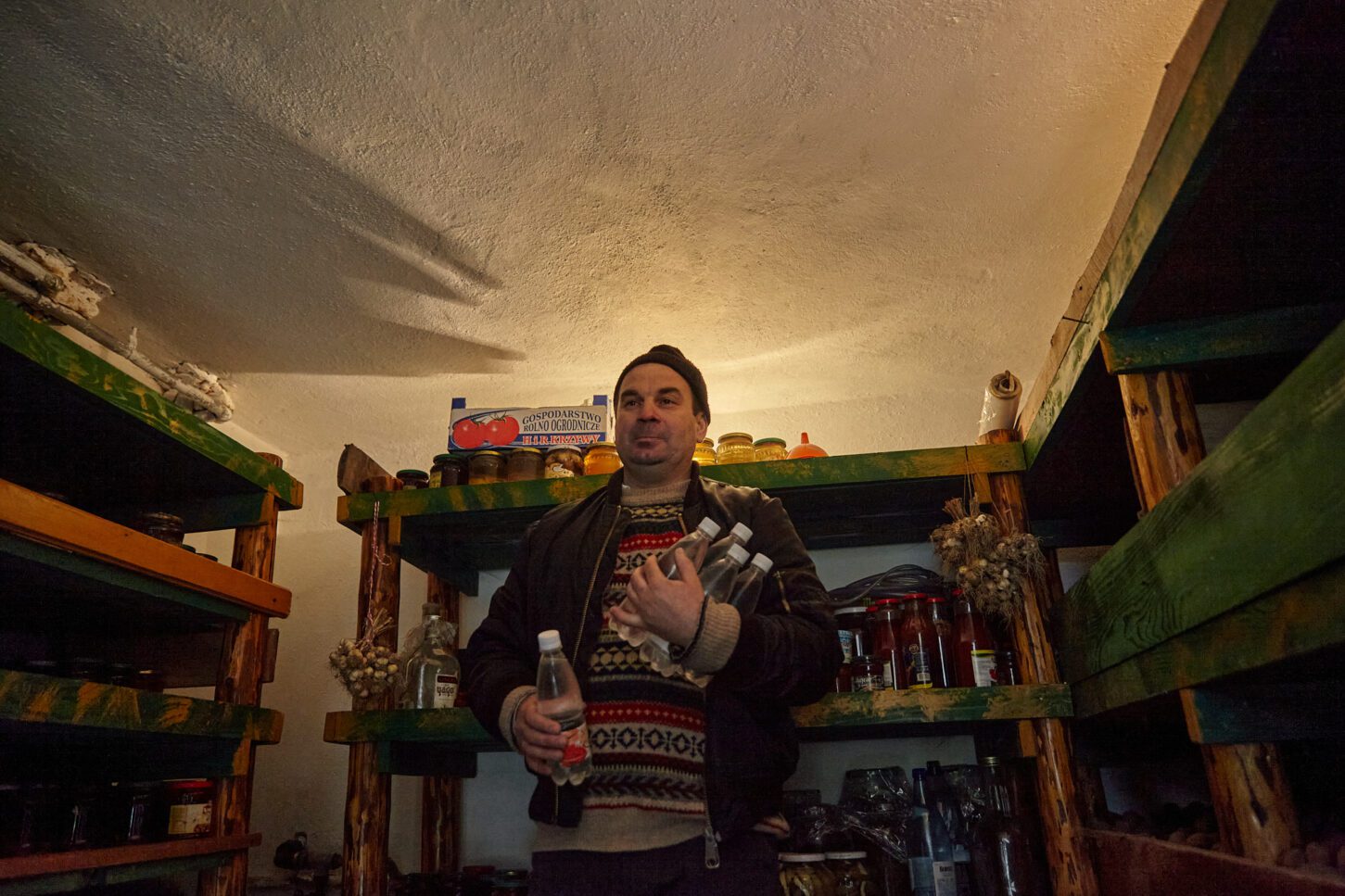
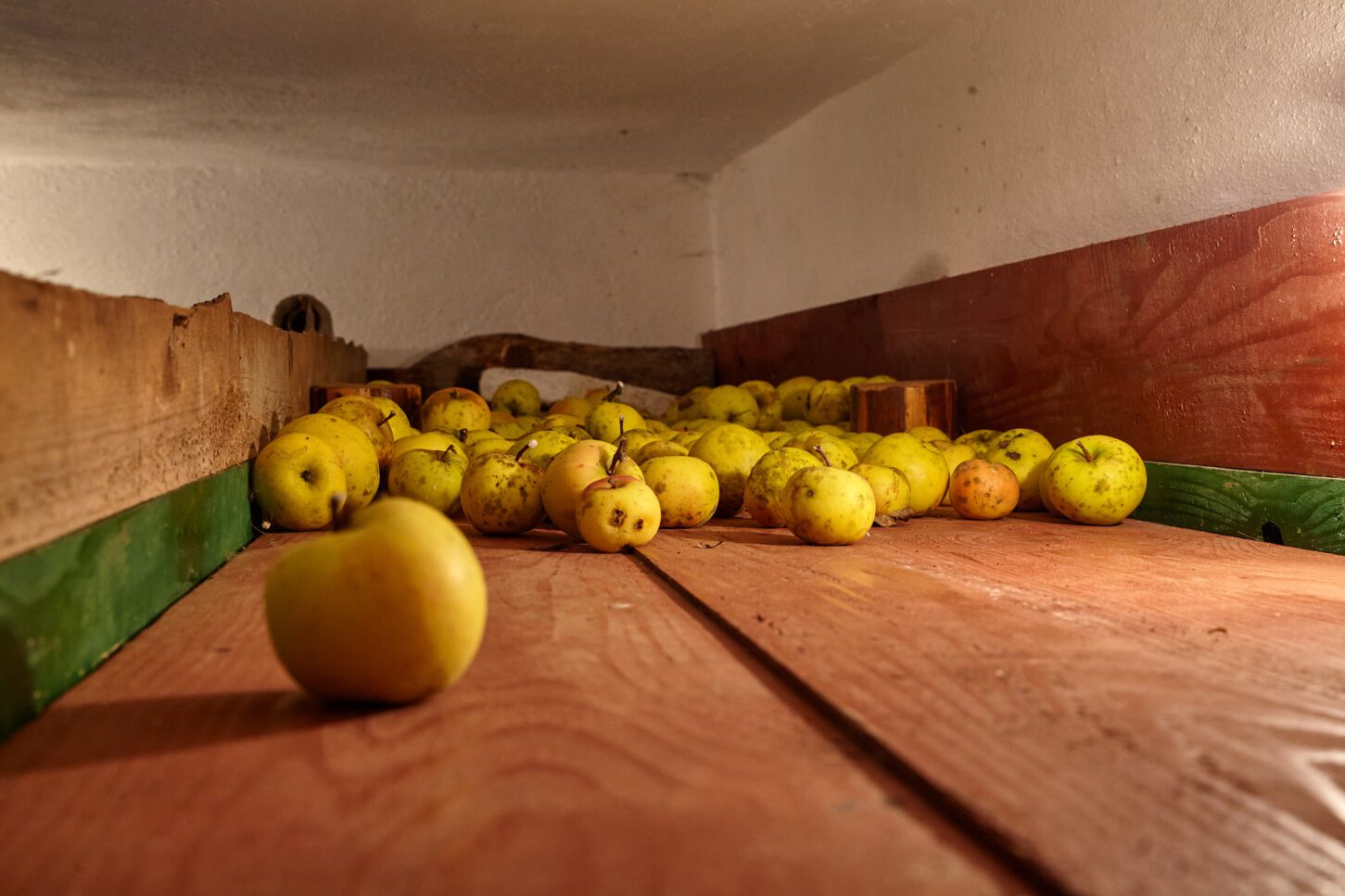

The Region of Maramures, in Romania, is located in the north of Transilvania, on the border with Ukraine, and is a very mountainous area, rich in forests and valleys. Here, among rolling hills, wooden churches with towering spires, and villages woven into the landscape like ancient tapestries, we embark on a journey of exploration—a journey not just of sight, but of understanding, guided by the poetic and philosophical vision of Lucian Blaga.
Many of these treasures are well known; some have been recognized as UNESCO World Heritage Sites. Yet countless others lie undiscovered, waiting for the curious eye of the traveler, the patient gaze of the photographer, and the thoughtful reflection of the storyteller. In this workshop—which blends documentary photography with the creation of a visual publication—we seek the deeper meaning of the Romanian village.
The Romanian Village: A Sacred Cosmos
For centuries, the Romanian village has been a microcosm of spiritual and cultural identity. It exists within a defined space, separated from the outside world by its hotar, a boundary that once protected against external threats and now serves as a symbolic frontier between tradition and modernity.
Unlike the anonymity of the city, the village is deeply personal. Its people know each other by name, its rhythms follow the cycle of nature, and its customs preserve an ancient wisdom that modern life often forgets.
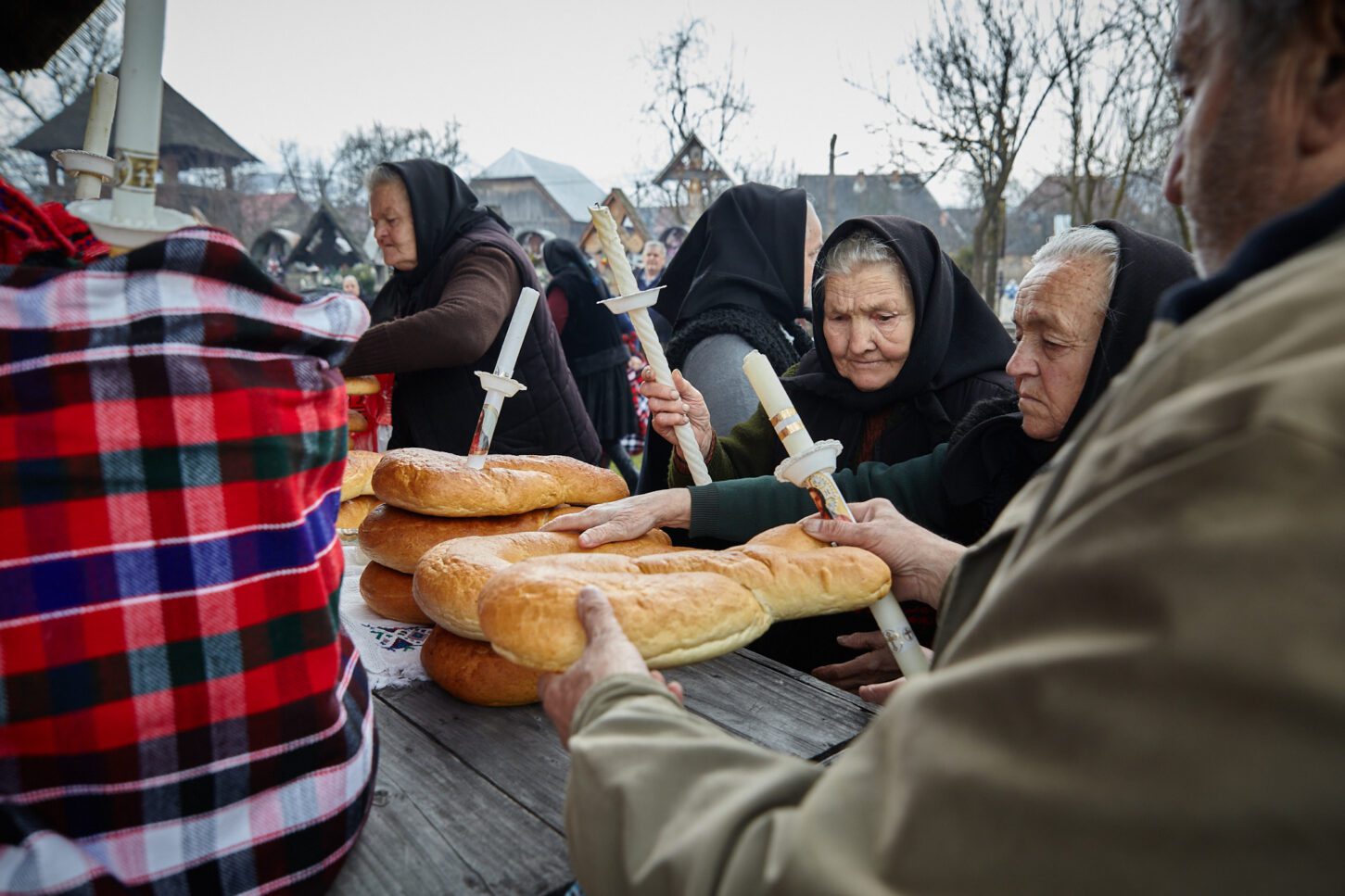
Here, the passing of the seasons dictates not just agriculture but social and religious rituals, from the harvesting of wheat to the weaving of intricate carpets, from the Easter procession to the Christmas carols sung from door to door.
In Maramureș, Tradition is not Nostalgia; it is a Living Practice
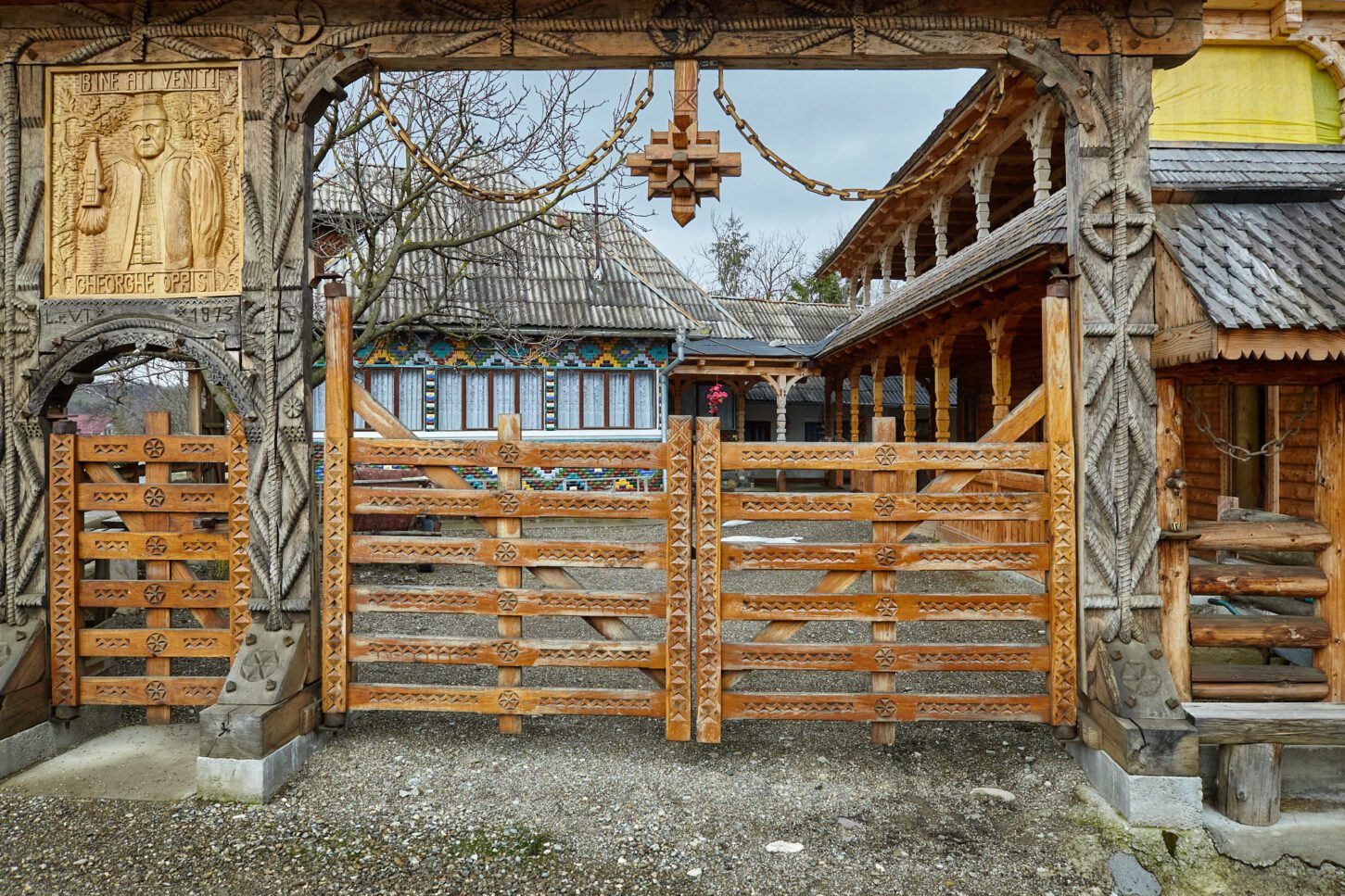
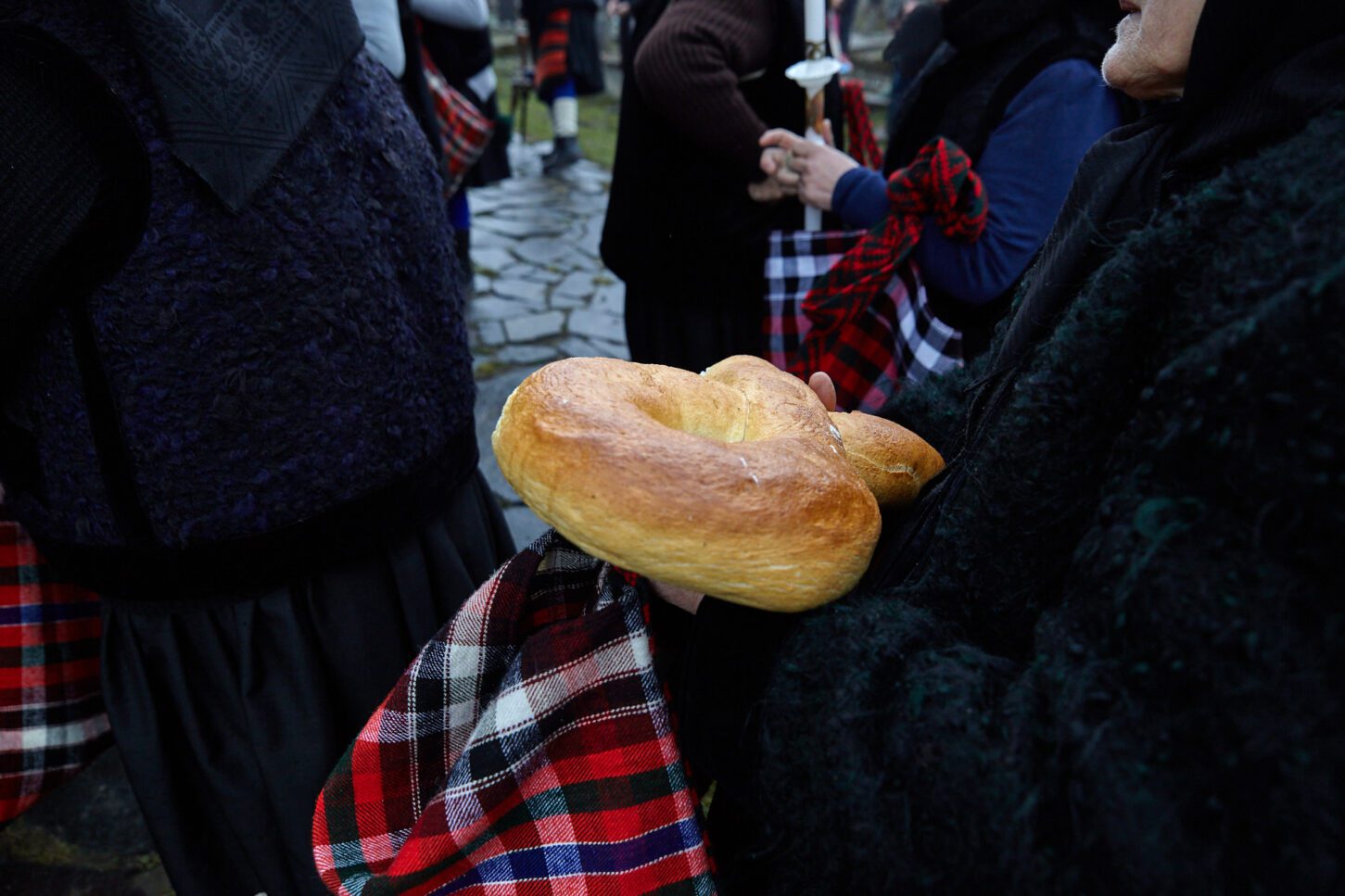
The villagers still wear embroidered clothing with pride on Sundays and holidays, their garments bearing the symbols of their heritage. The bread they bake is more than sustenance; it is a gesture of hospitality, a link to ancestors who kneaded the same dough with the same hands. The wooden gates at the entrance to each household are carved not just for decoration, but as a testimony to craftsmanship and belief.
Yet, as the world outside accelerates, questions arise: Can these villages retain their identity without becoming isolated? Can they embrace progress without erasing their past? Can they remain a refuge for those seeking a different way of life?
Lucian Blaga: Our Guide into the Village Soul
No one captured the essence of the Romanian village like Lucian Blaga, one of Romania’s greatest philosophers, poets, and cultural theorists. In his 1938 essay Elogiul Satului Românesc (In Praise of the Romanian Village), Blaga describes the village not just as a geographical entity, but as a metaphysical space, an axis where human existence aligns with a cosmic destiny.
Blaga’s philosophy revolved around the idea that folklore, myths, and traditional beliefs were not mere relics of the past but vital elements in shaping the consciousness of a people. For him, the village was the cornerstone of national identity, a place where the past and present coexisted in harmony.
As we journey through Maramureș, Blaga’s words will guide us. His poetry speaks of mist-covered hills, of ancient superstitions, of the silent dialogue between humanity and the divine. His philosophy invites us to see beyond the visible—to capture not just images, but the unseen threads that connect people to their land, their ancestors, and their destiny.
Here is an excerpt from Blaga’s In Praise of the Romanian Village:
“The Romanian village is not merely a settlement; it is a total way of life. It is a cosmos, complete in itself, where every gesture, every custom, every belief is imbued with meaning. To step beyond its boundaries is to enter the profane world; within its confines, time slows, and existence unfolds in a sacred rhythm.”
Blaga reminds us that the village is not simply a place; it is a philosophy, a way of being in the world.
Join Us on This Journey
Through this workshop, we invite you to travel with us into the depths of Maramureș, to step into villages where history is still alive, where the past is not a shadow but a presence.
We will document these places through photography, engage with the local communities, and reflect on whether Blaga’s vision still holds true today or if it remains only a poetic ideal.
Together, we will create a body of work that is more than just images—a visual and textual tribute to a world that persists in defiance of time.
For details on available dates, costs, participating communities, and project goals, reach out to us at info@ayzoh.org.