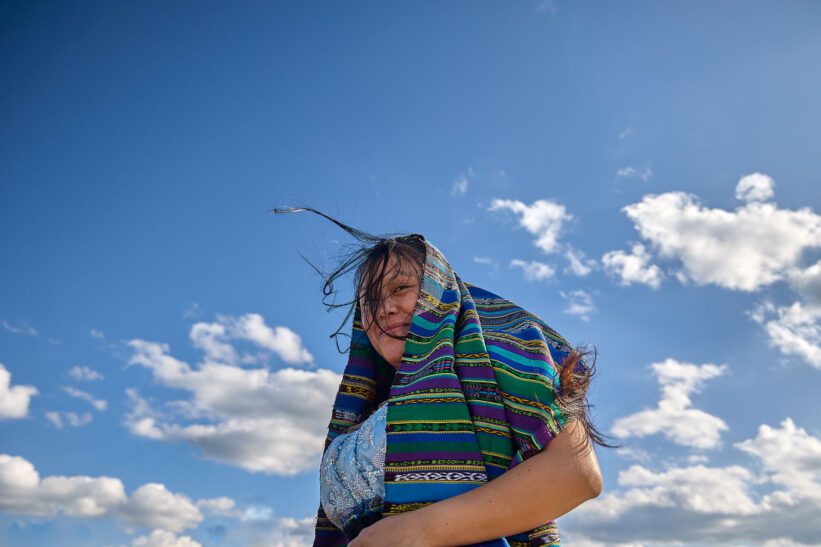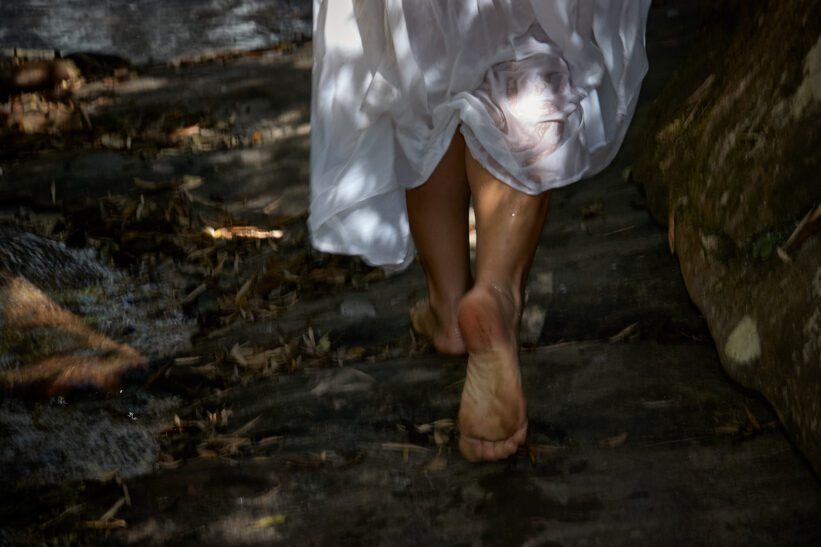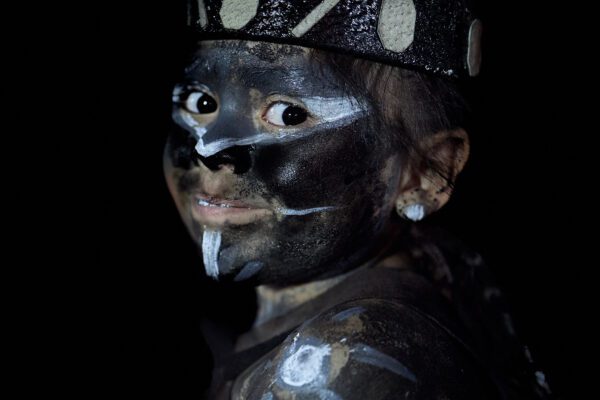


Why do we bring instant prints to the field? You let someone into your frame. You take time, space, and attention. You also take an image. Most people we photograph never receive a photo back. Projects end. Links expire. Hard drives fail. Phones break. Passwords get lost. A face, a house, a gesture, all vanish behind a screen. So we bring prints.
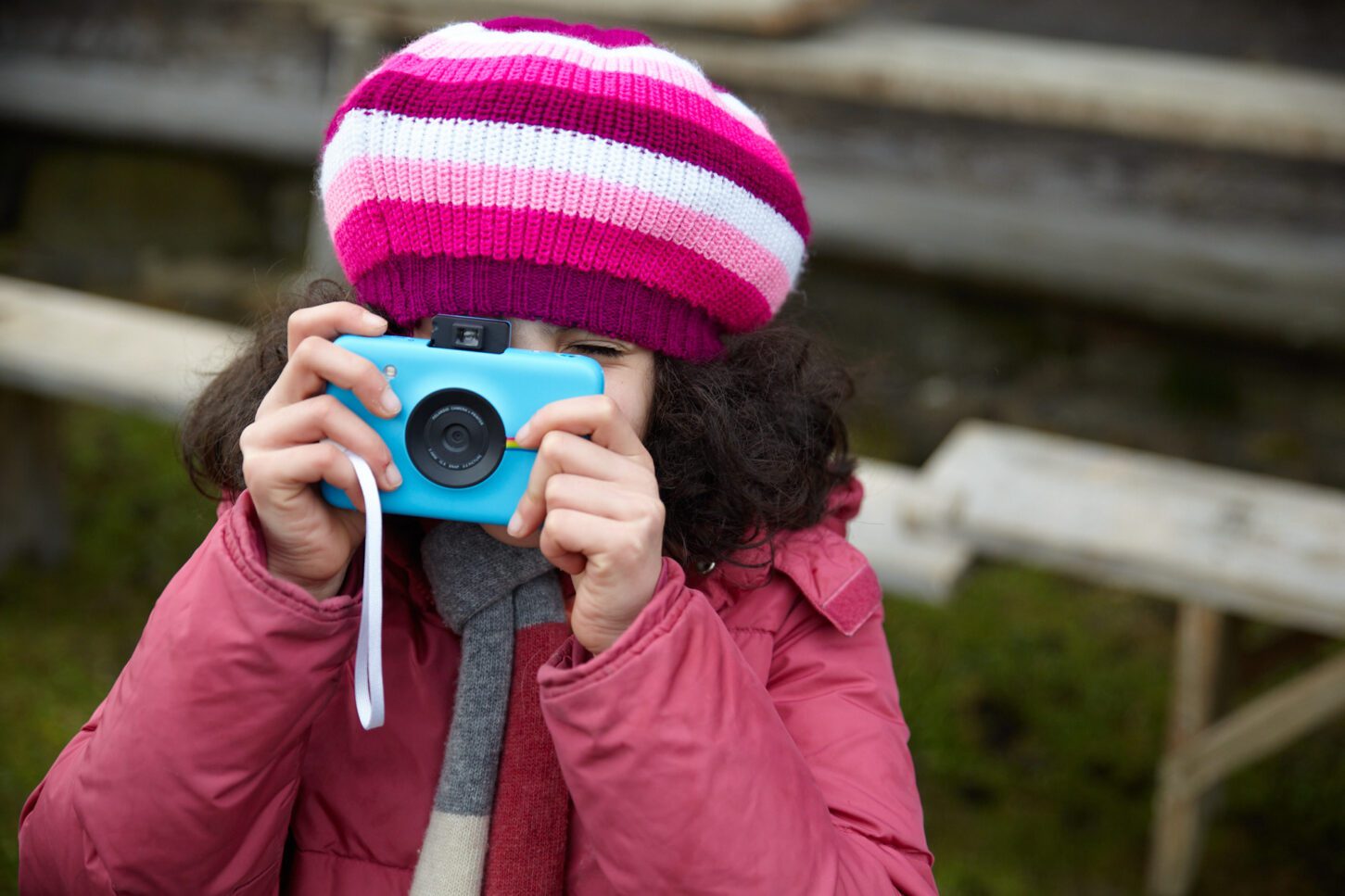
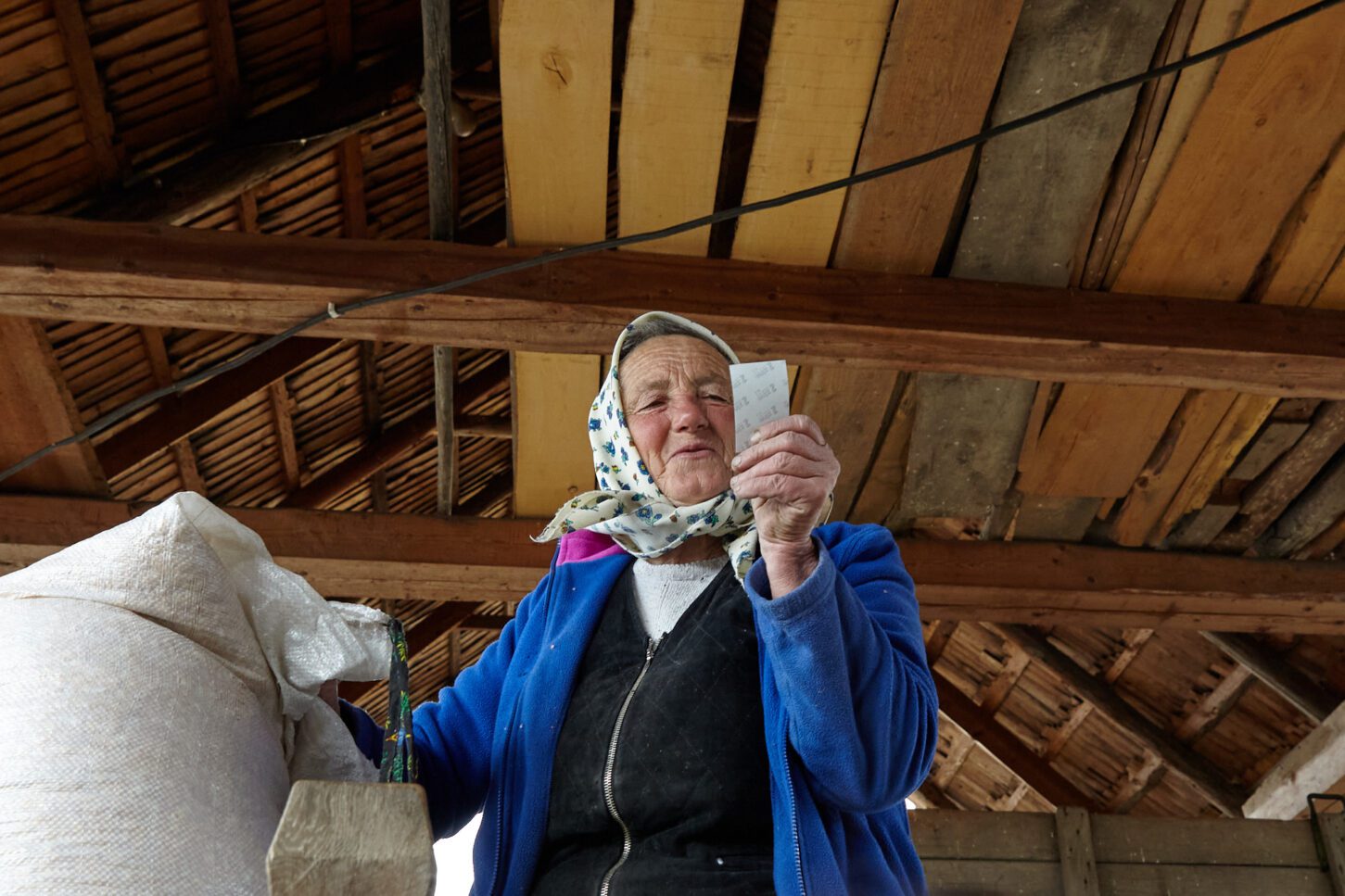
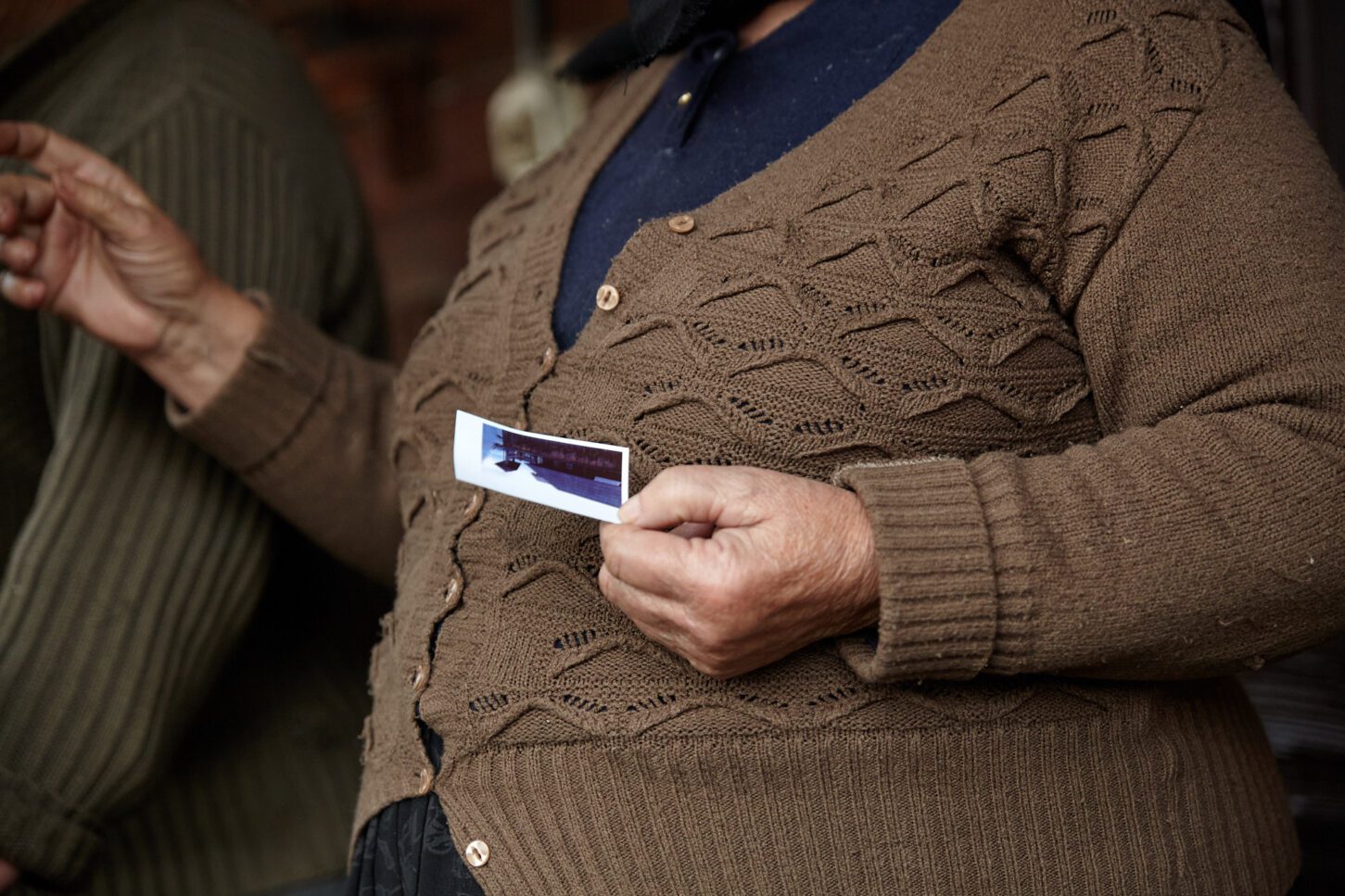
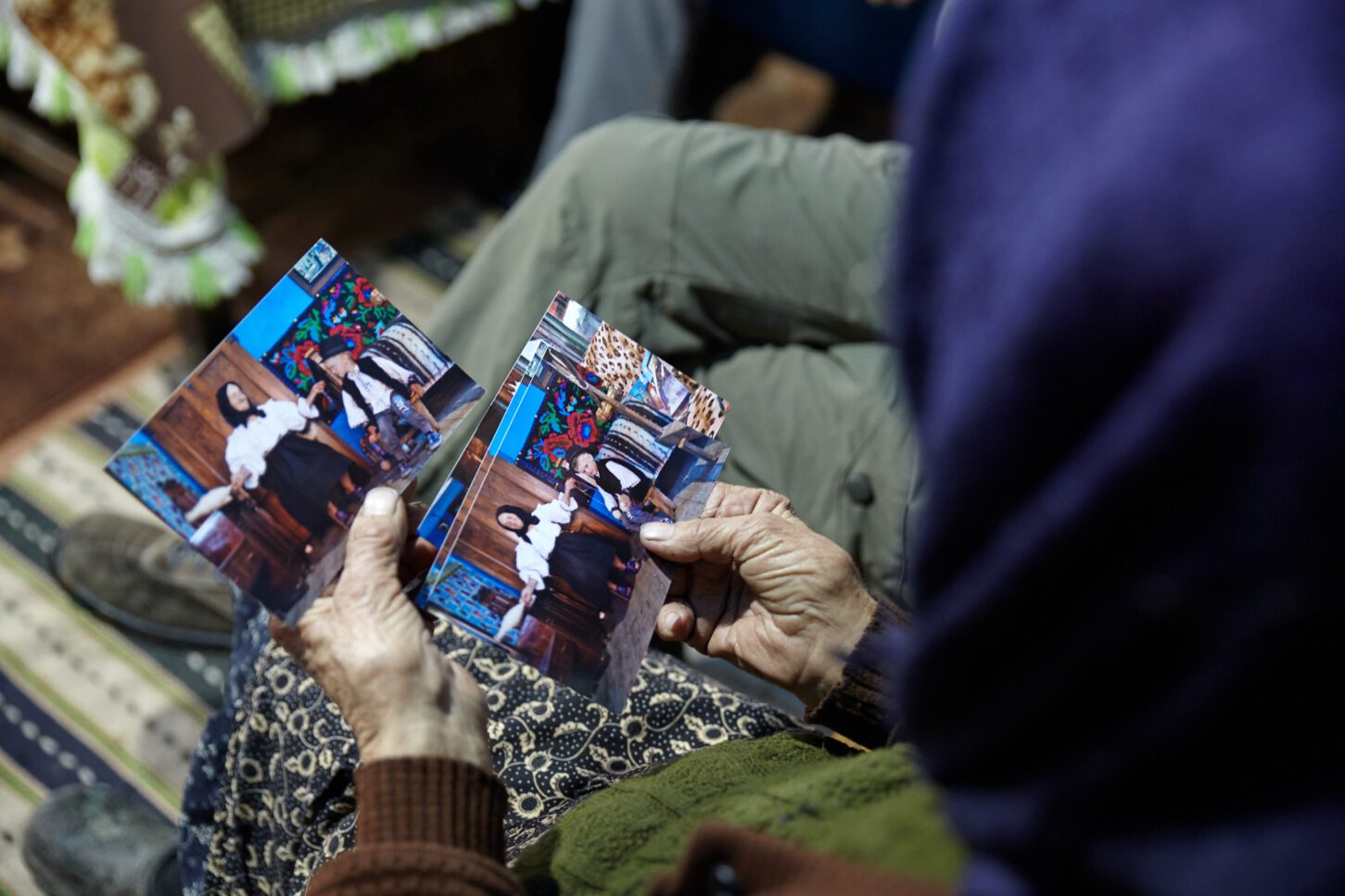
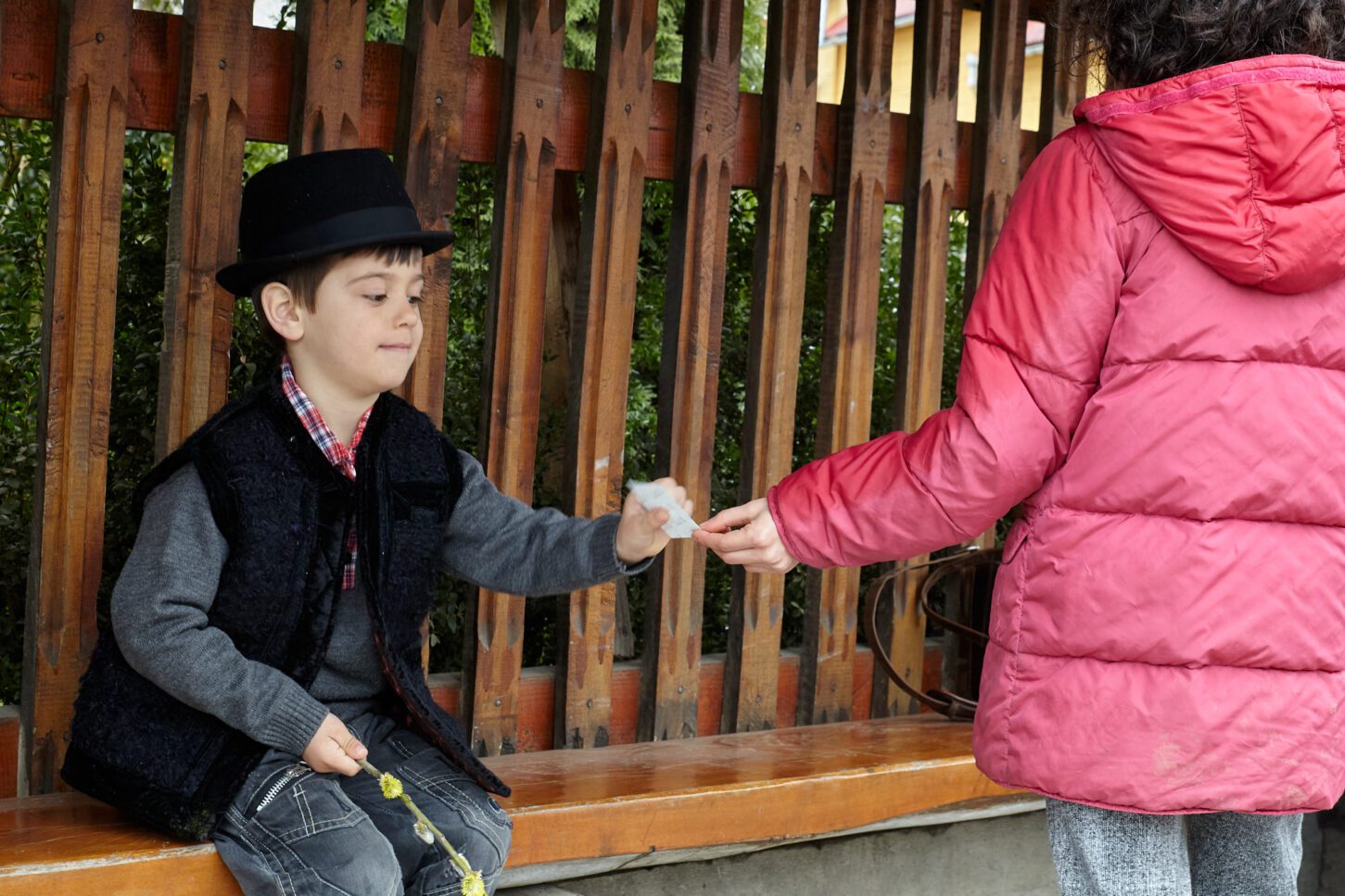
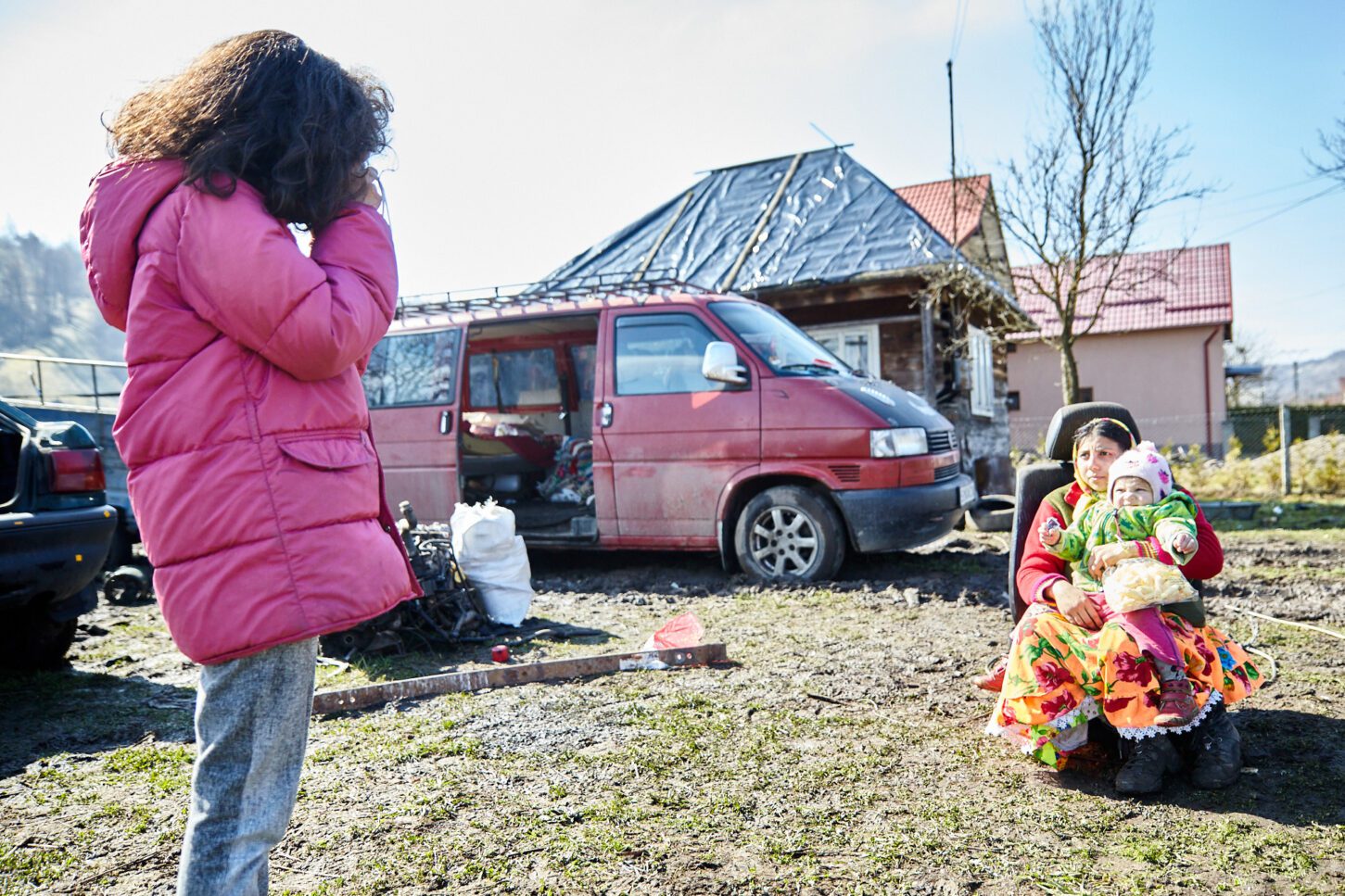
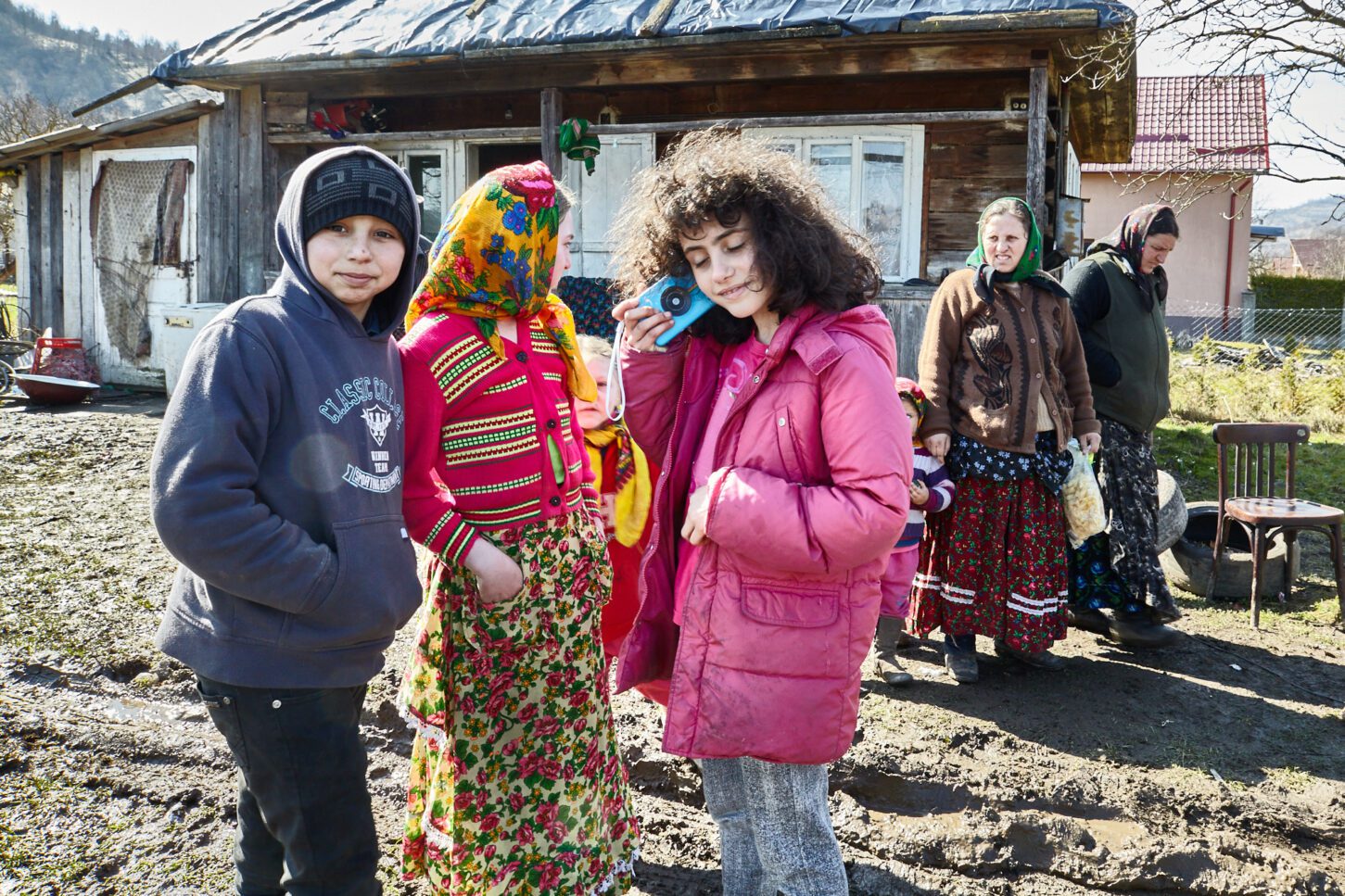
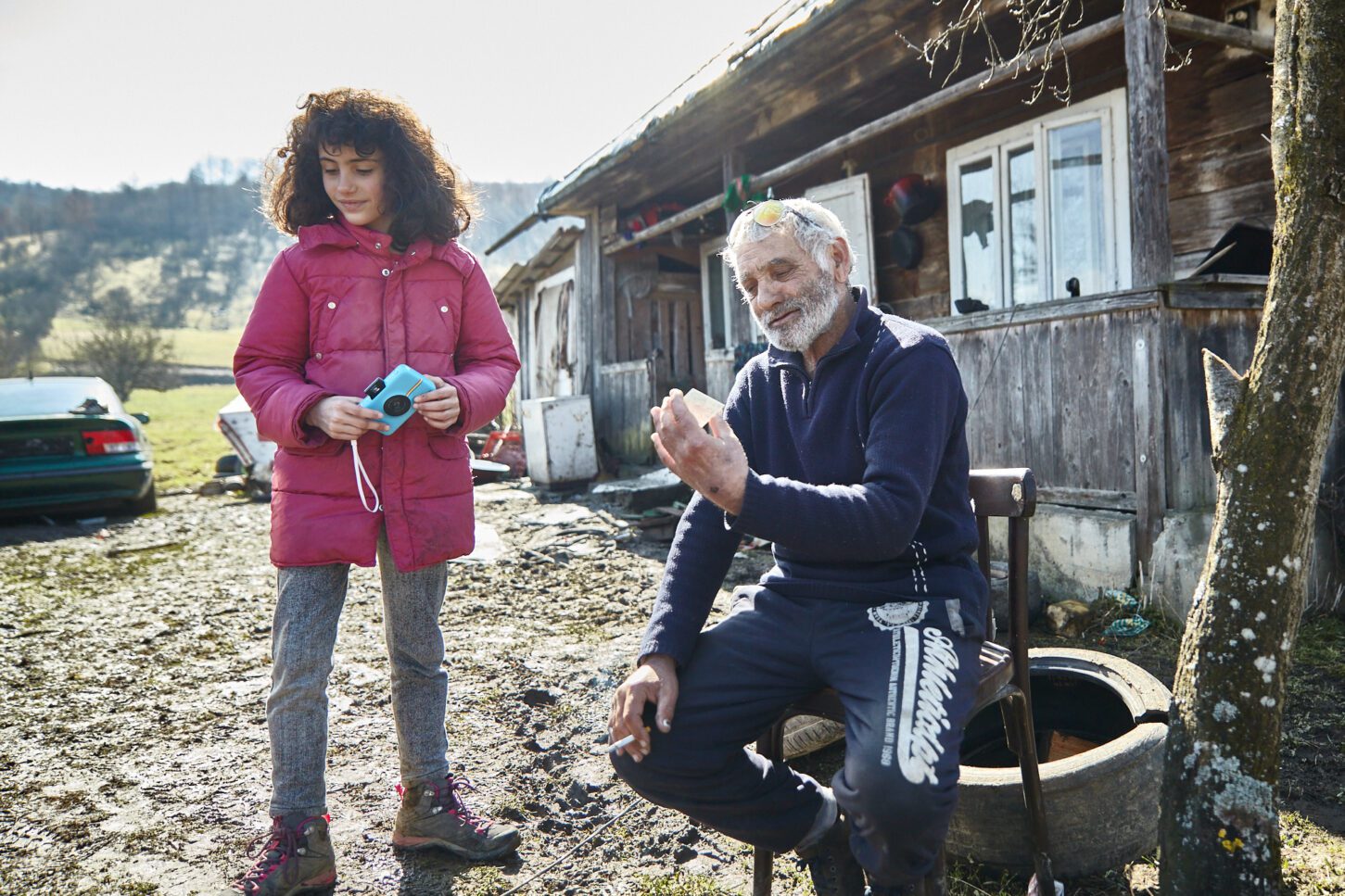
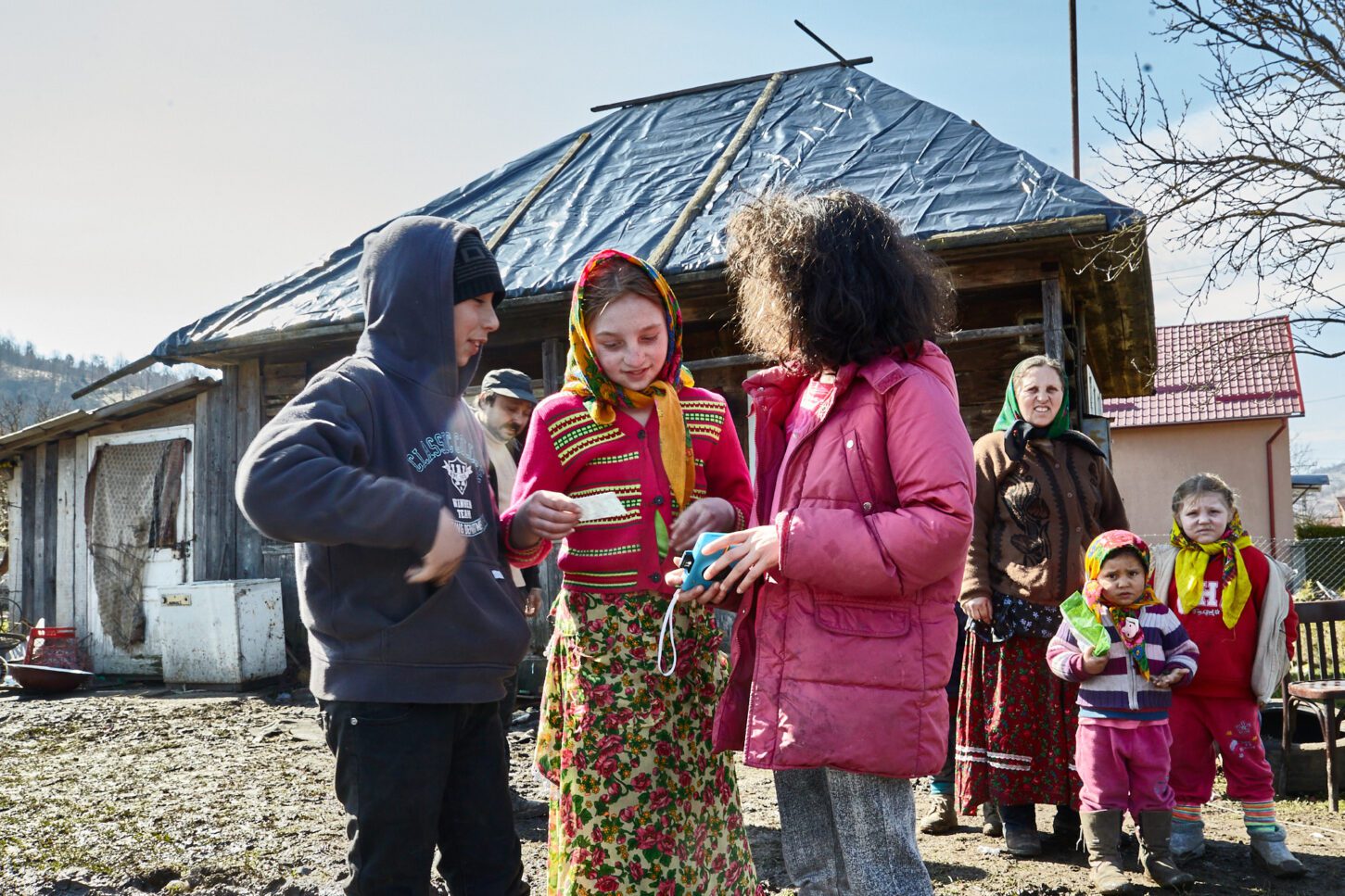
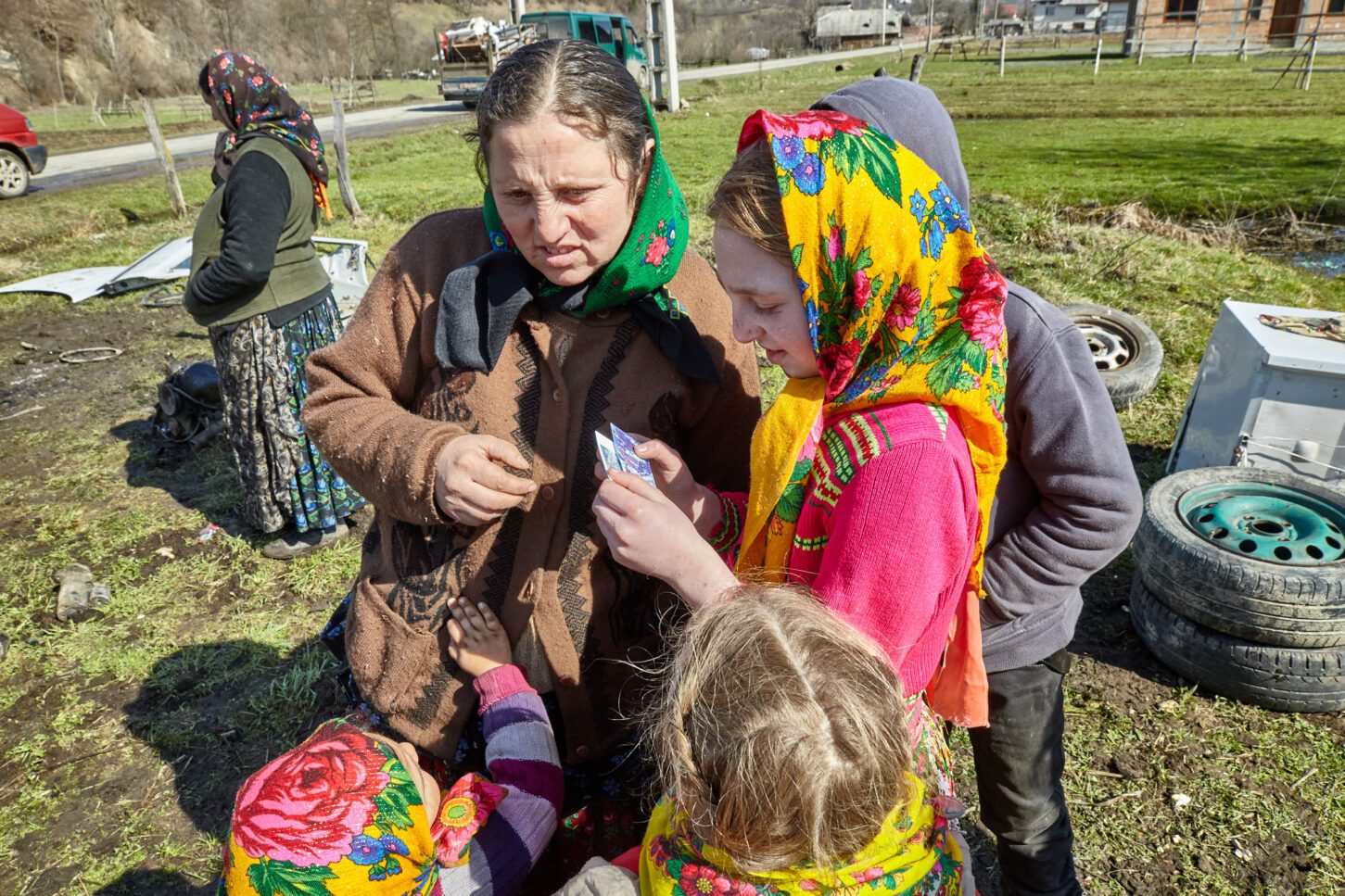
In Maramureș, Romania, a child lifts a small camera and photographs her friends. Minutes later, an older woman turns a fresh print in her hands, checks the light, then smiles. A group leans in, shoulder to shoulder, to read a picture like a letter. Those moments explain our choice better than any statement.
A print changes the relationship
A small photo does three simple things. First, a print returns something on the same day. Second, a print gives the photographed person control. A print stays with them, not with us. Third, a print creates a new conversation. People point, correct, laugh, and remember. You feel the shift fast. A portrait session turns into a shared act. Trust rises because the exchange stays visible.
Memory needs objects
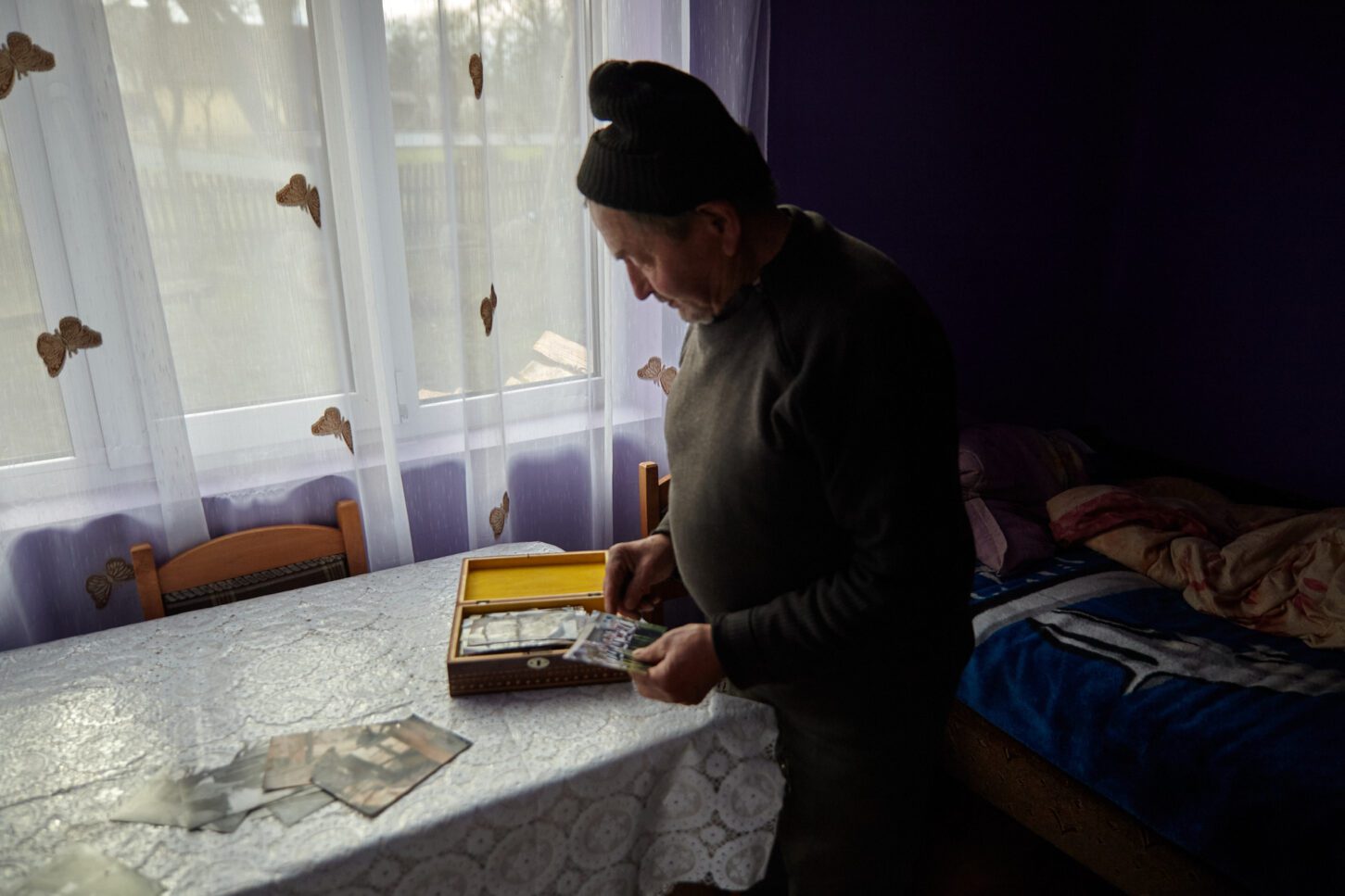
Digital archives offer scale. Digital archives also depend on power, software, accounts, and paid storage. Many families we meet live with fragile access to all of that. Even in Europe, people swap phones often, lose data, and rely on messaging apps as a photo album. A print asks for no login. A print lives on a shelf, inside a Bible, under a tablecloth, taped near a mirror. A print survives a dead battery.
Anthropology pays attention to objects for one reason. Objects hold social life. A photo on paper becomes a token of presence. People pull a photo from a drawer when someone dies, migrates, marries, or returns. The paper marks time. The paper carries fingerprints, folds, smoke, and kitchen light. A print also holds dignity. You do not leave someone only as a file name.
Two tools, one ethic
We use two families of tools, Polaroid or Instax instant film, and small portable printers. Both tools serve the same ethic. Give the image back.
Instant film
• No phone, no laptop, no apps.
• One print, one moment.
• Cost per frame stays higher, but the gesture stays direct.
Portable printers
• A small printer plus a phone gives more control over selection.
• You print duplicates for a family, or for elders who live in different houses.
• You keep a digital file for the archive, while the family keeps the paper.
What happens inside the print
Instant film carries chemistry inside each frame. Rollers spread a reagent across layers. The image appears in minutes. Many pocket printers use dye sublimation. Heat moves dye from a ribbon into paper, then a clear layer seals the surface. Other models use ZINK paper, where heat activates color crystals inside the sheet. All these systems share one limit. Sun fades color. Heat and humidity warp paper. Care decides the lifespan.
Technical notes that matter in the field
The workflow stays physical, so small details matter.
Light and handling
• Fresh instant prints need shade for the first minutes.
• Ask children to hold prints by the edges.
• Keep prints flat while drying.
Writing on the back
• Write names, place, and date.
• Add a short line from the person, in their words.
• Use a soft pen, avoid sharp pressure.
Storage
• Suggest a dry place, away from direct sun.
• Offer an envelope, or a simple paper sleeve.
• For workshops, bring a small box or album pages, so families leave with order, not a loose stack.
Power and logistics
• Bring spare batteries or a power bank for printers.
• Carry extra film or paper, plus a simple trash bag for weather.
• Plan a budget. Ten instant frames disappear fast when a house fills with laughter.
A workshop tool, not a souvenir
In Maramureș, the prints moved from hand to hand. Adults compared versions. Kids traded photos like cards. Someone walked home with a portrait of a friend. Another person placed a print next to older family photos on a table.
This exchange also teaches photography.
• You see the result fast.
• You learn framing through repetition.
• You connect image making with responsibility, because each photo ends in someone else’s hands.
Ethics, consent, and respect
A print never replaces consent. A print supports consent. We ask before photographing. We show the image. We ask again before printing and gifting. We listen when someone refuses, or when someone asks for a different pose, a different room, a different distance. We avoid promises. We do not offer prints as payment. We offer prints as a return of memory and as a sign of care.
Prints slow photography down
A fast digital workflow pushes you toward volume. Prints push you toward selection. You choose one frame, then you face the person again. You explain why you chose that frame. You watch how the person reacts. This slower rhythm keeps photography honest.
If you work with people, print for people
You do not need a big budget. You need a small printer or an instant camera, a steady routine, and respect. Give people a photo to hold. Give people a photo to keep. Give people a photo that stays when your project ends.