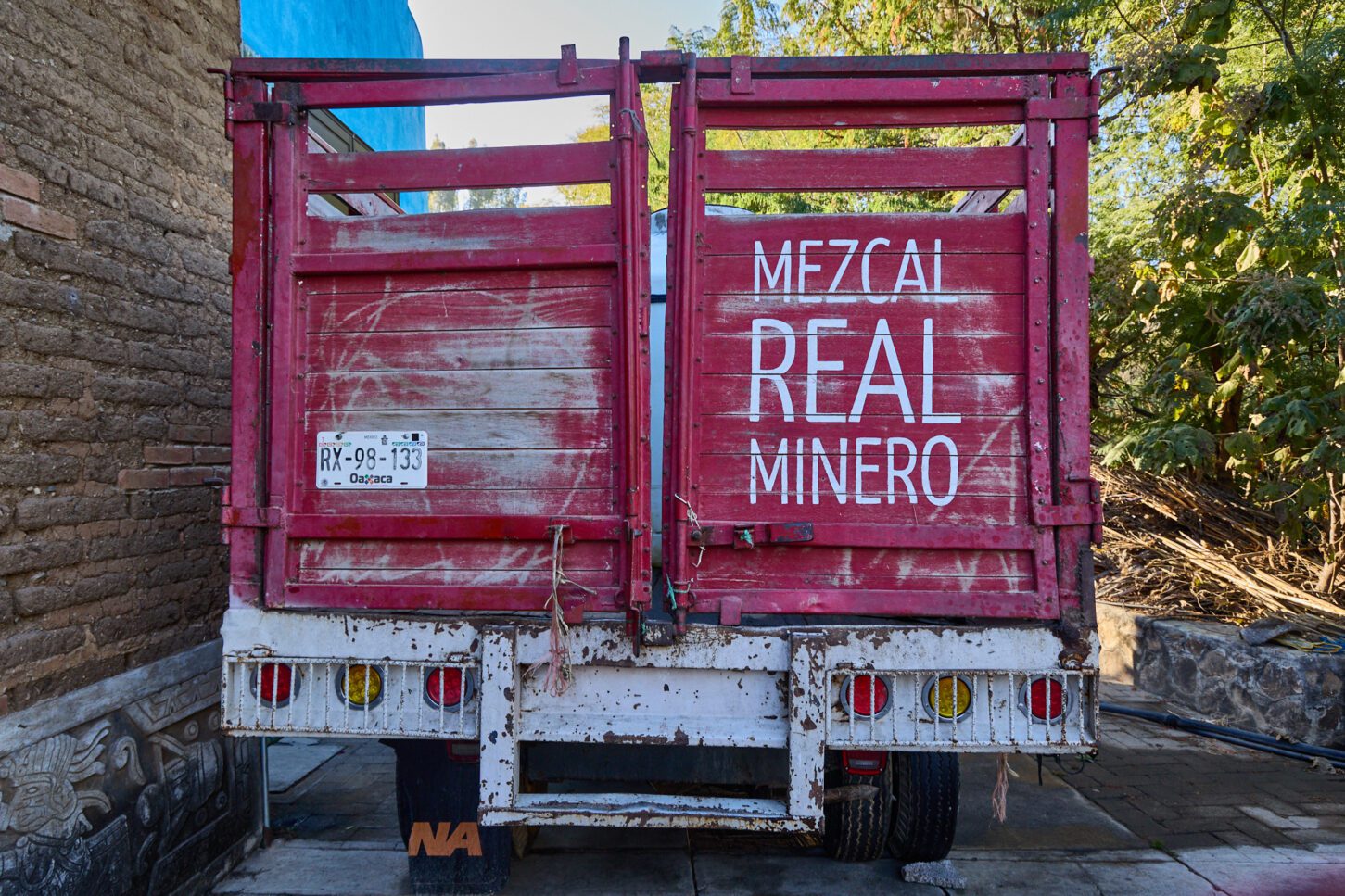
In Santa Catarina Minas, Real Minero keeps a family practice of agave distillation alive and helps sustain Biblioteca El Rosario, a community space where knowledge returns to the town.
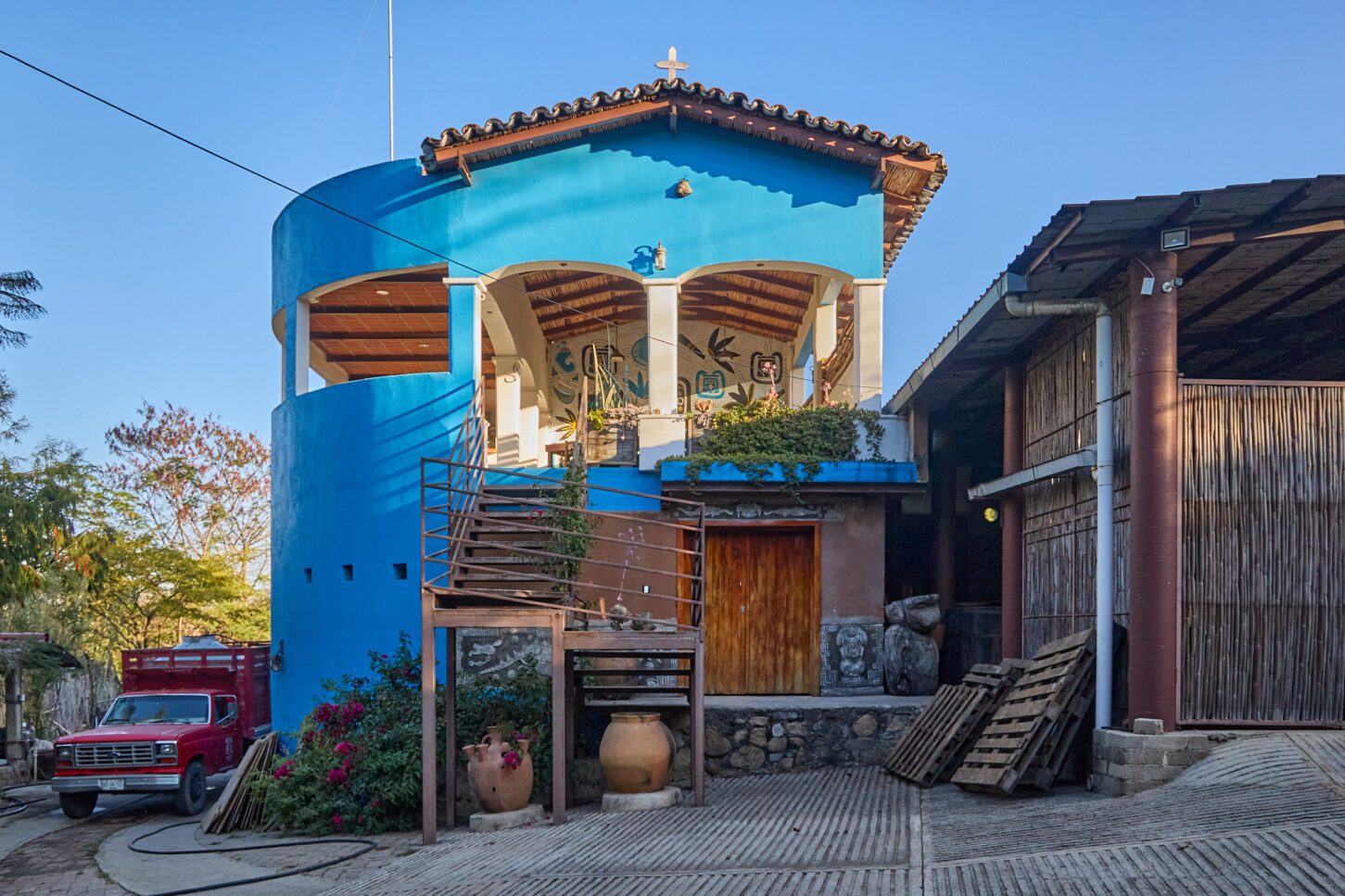
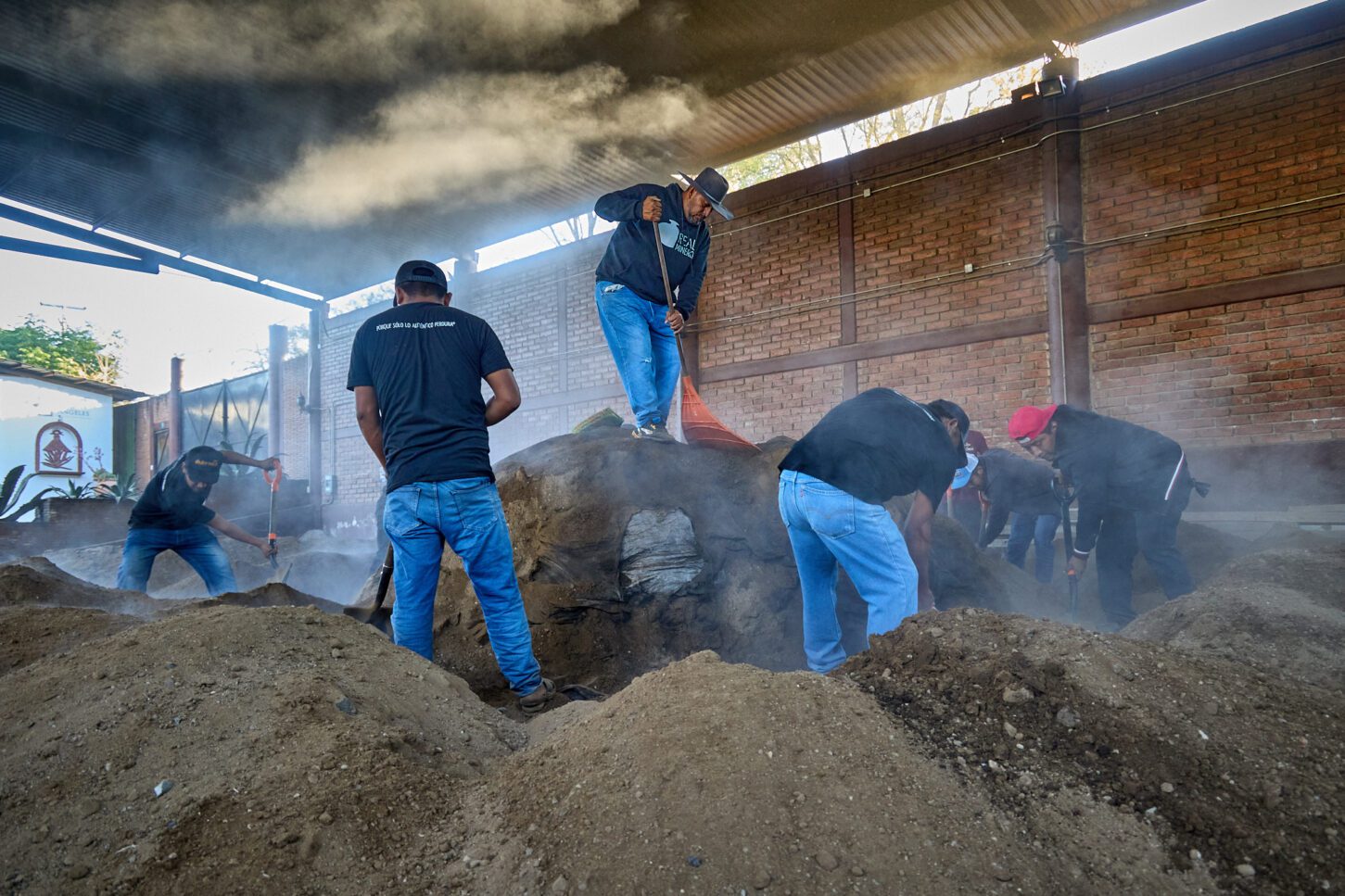
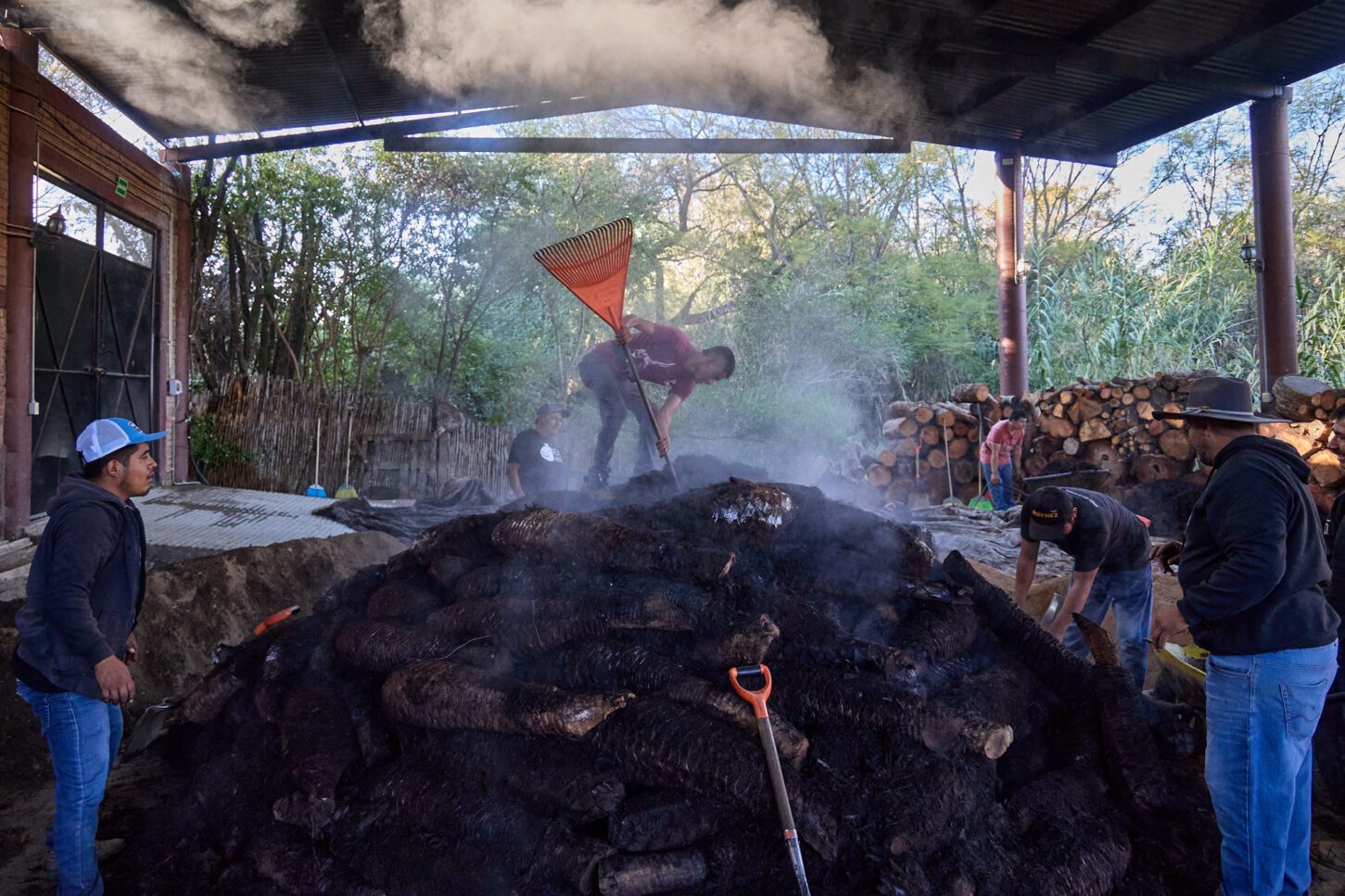
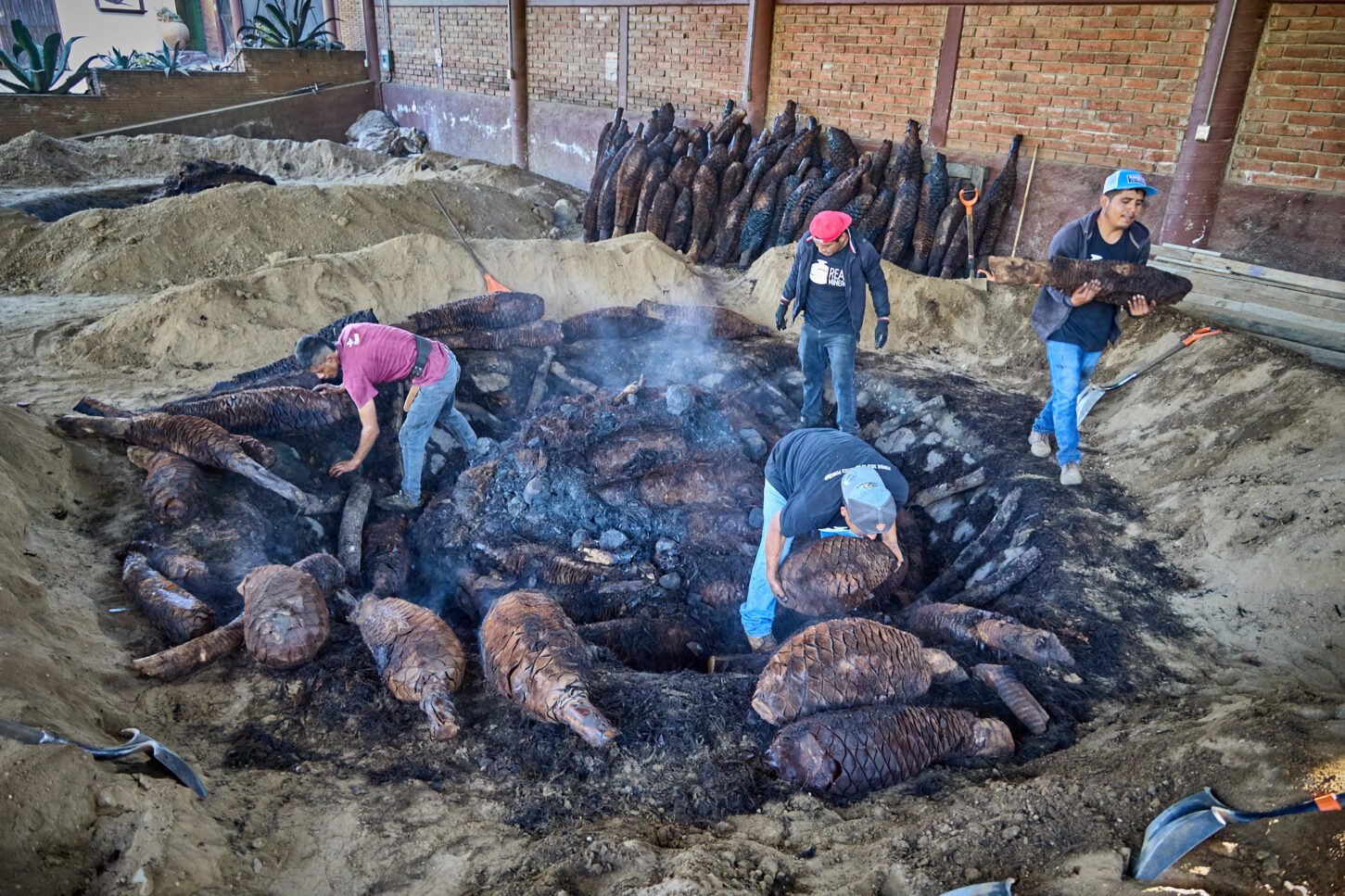
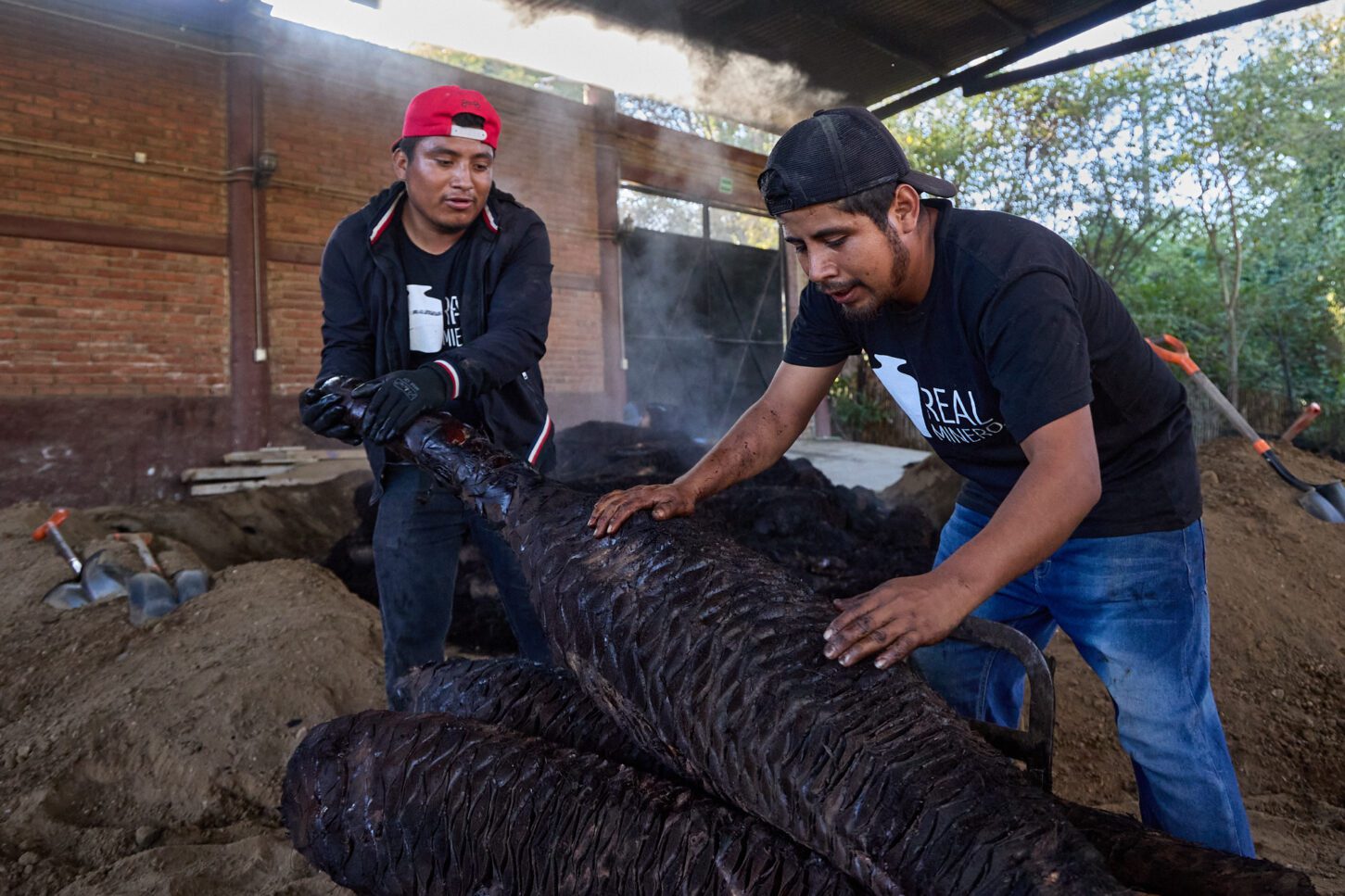
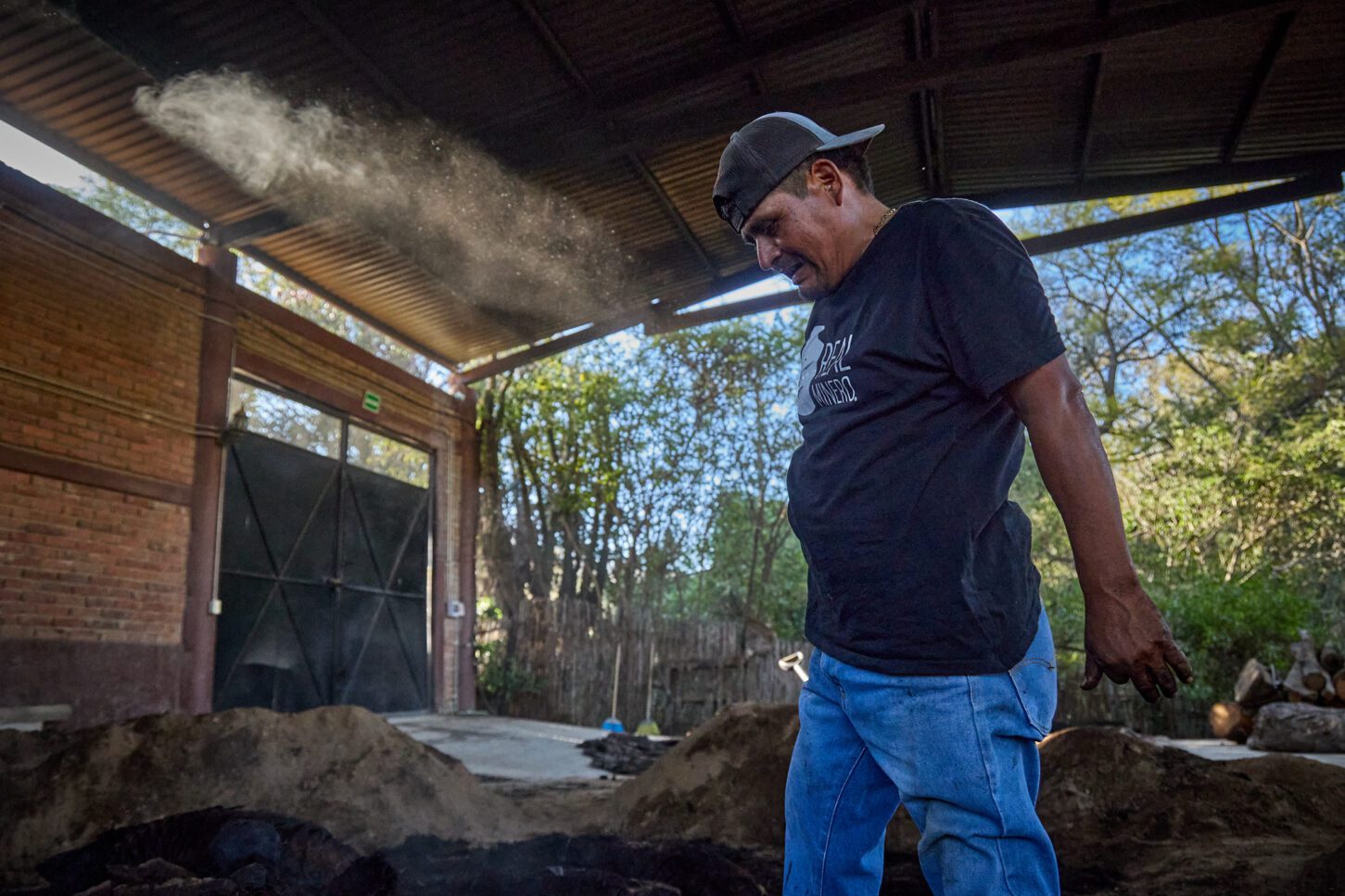
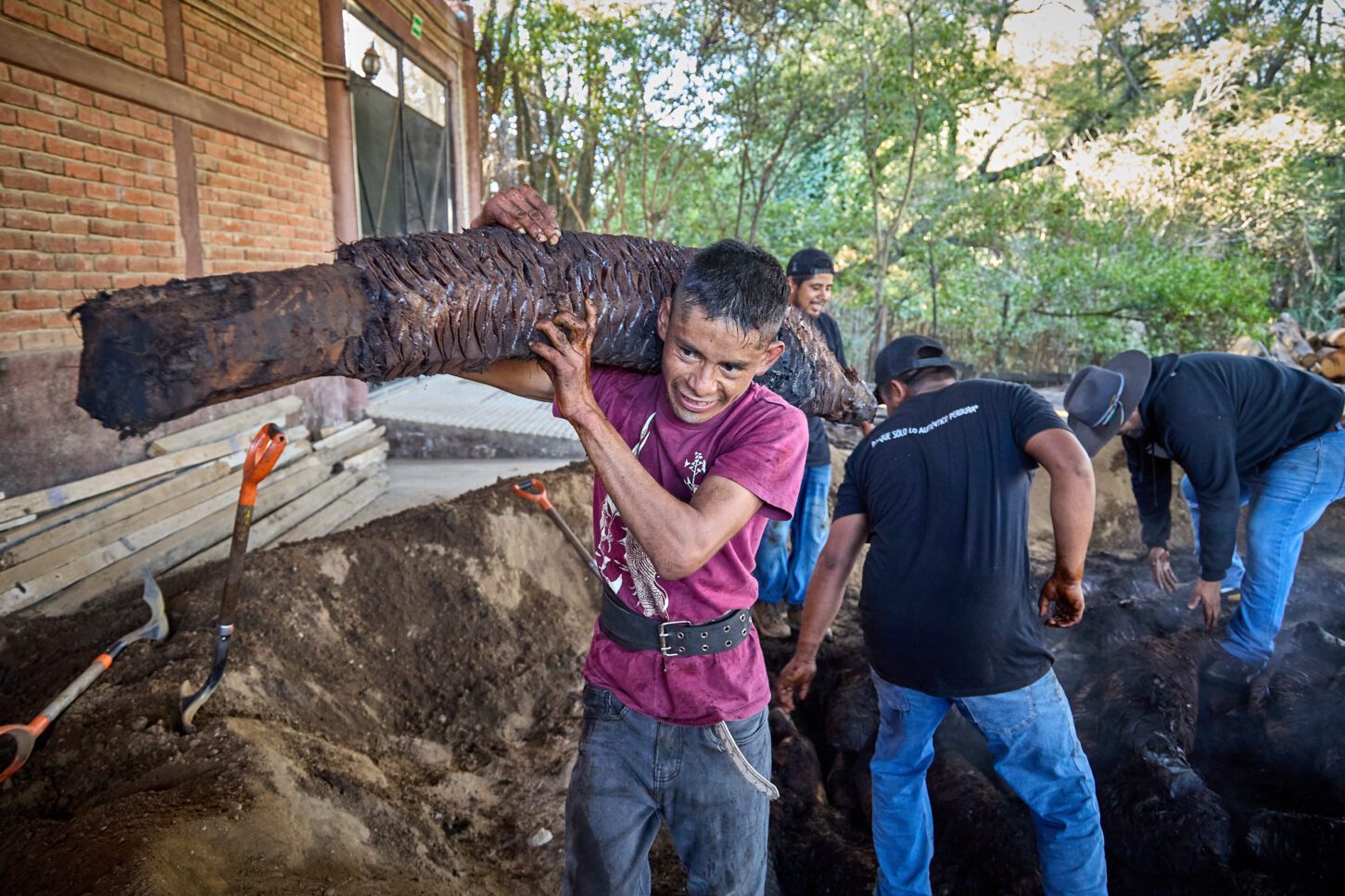
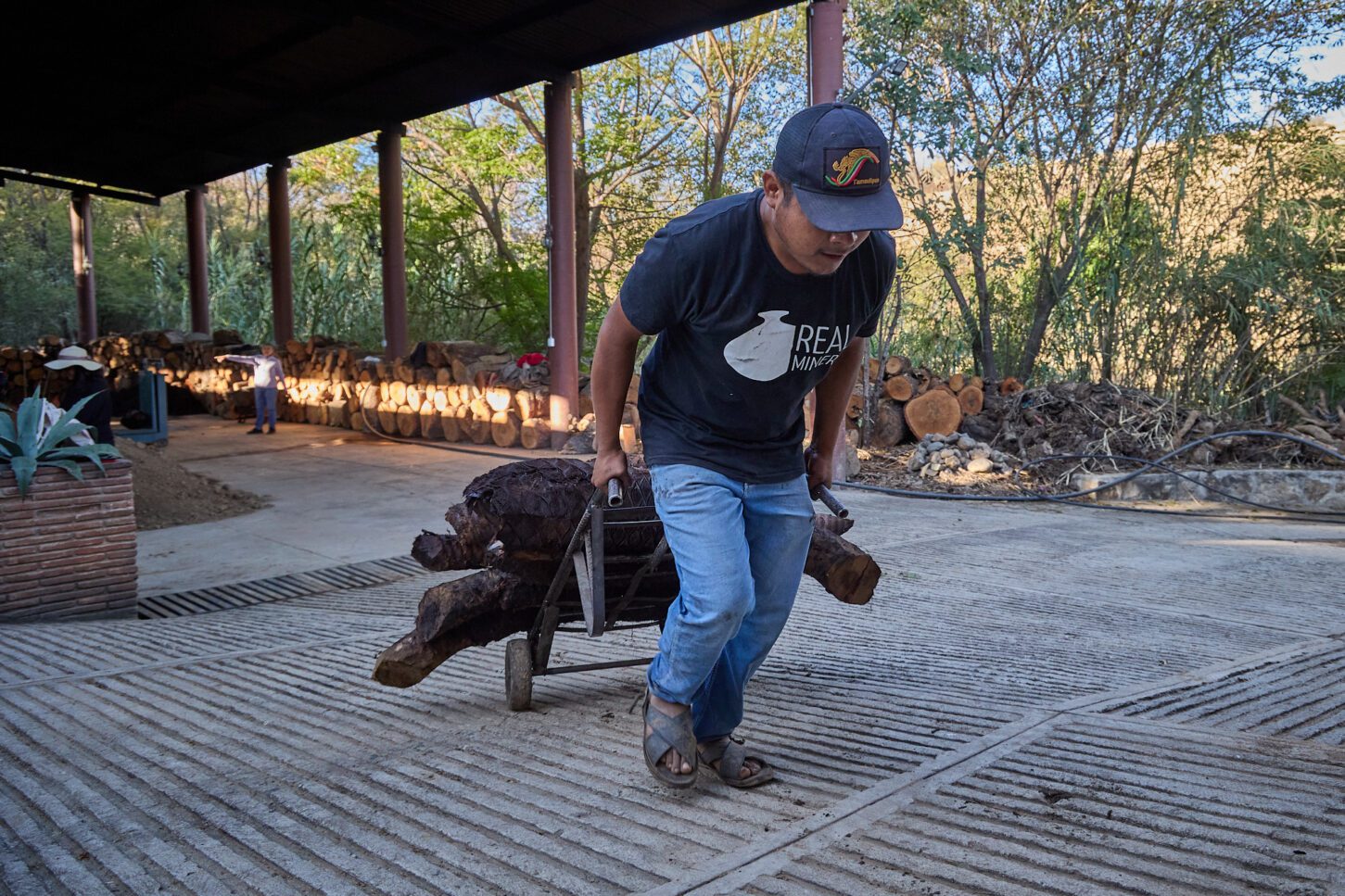
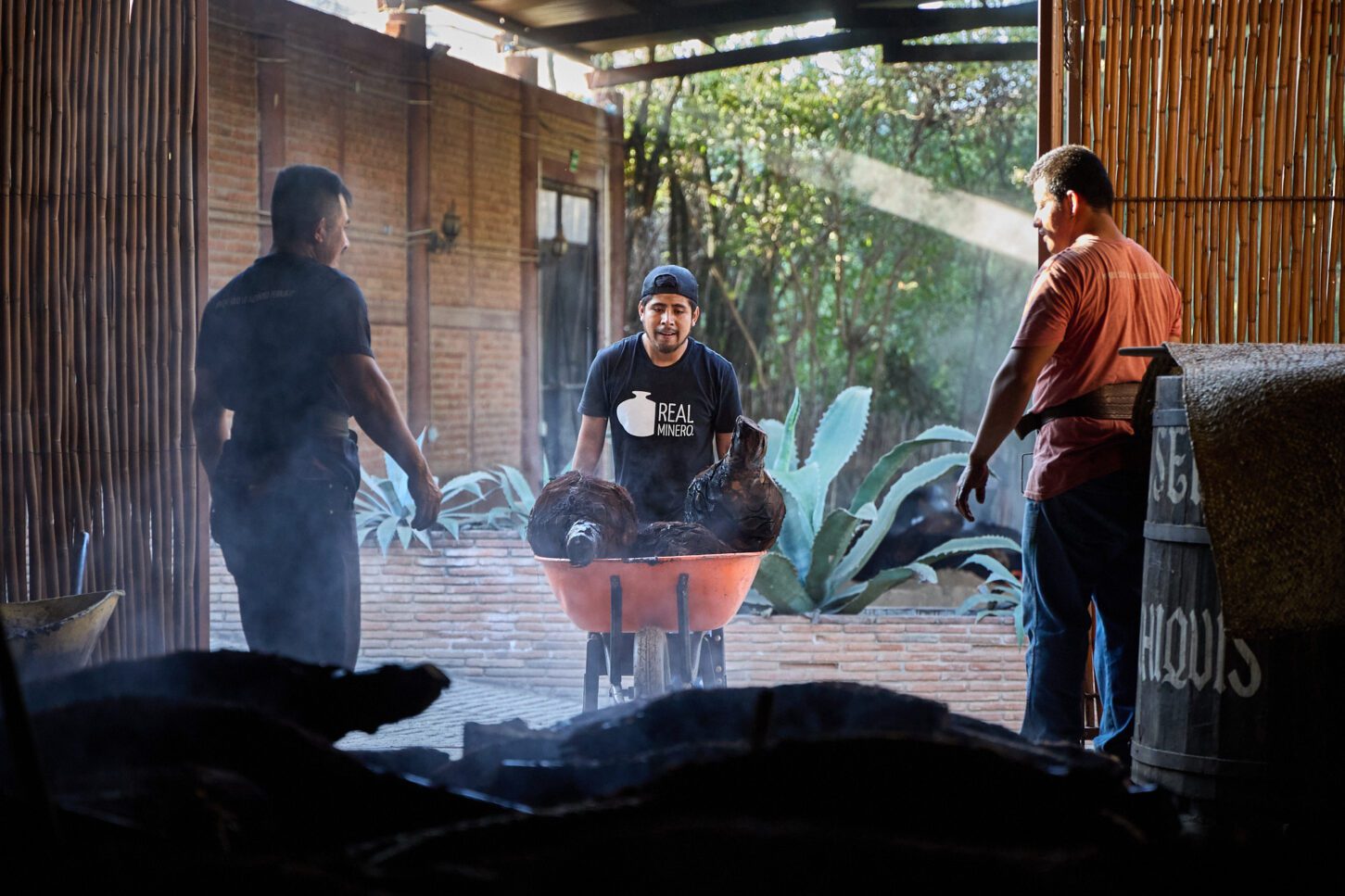
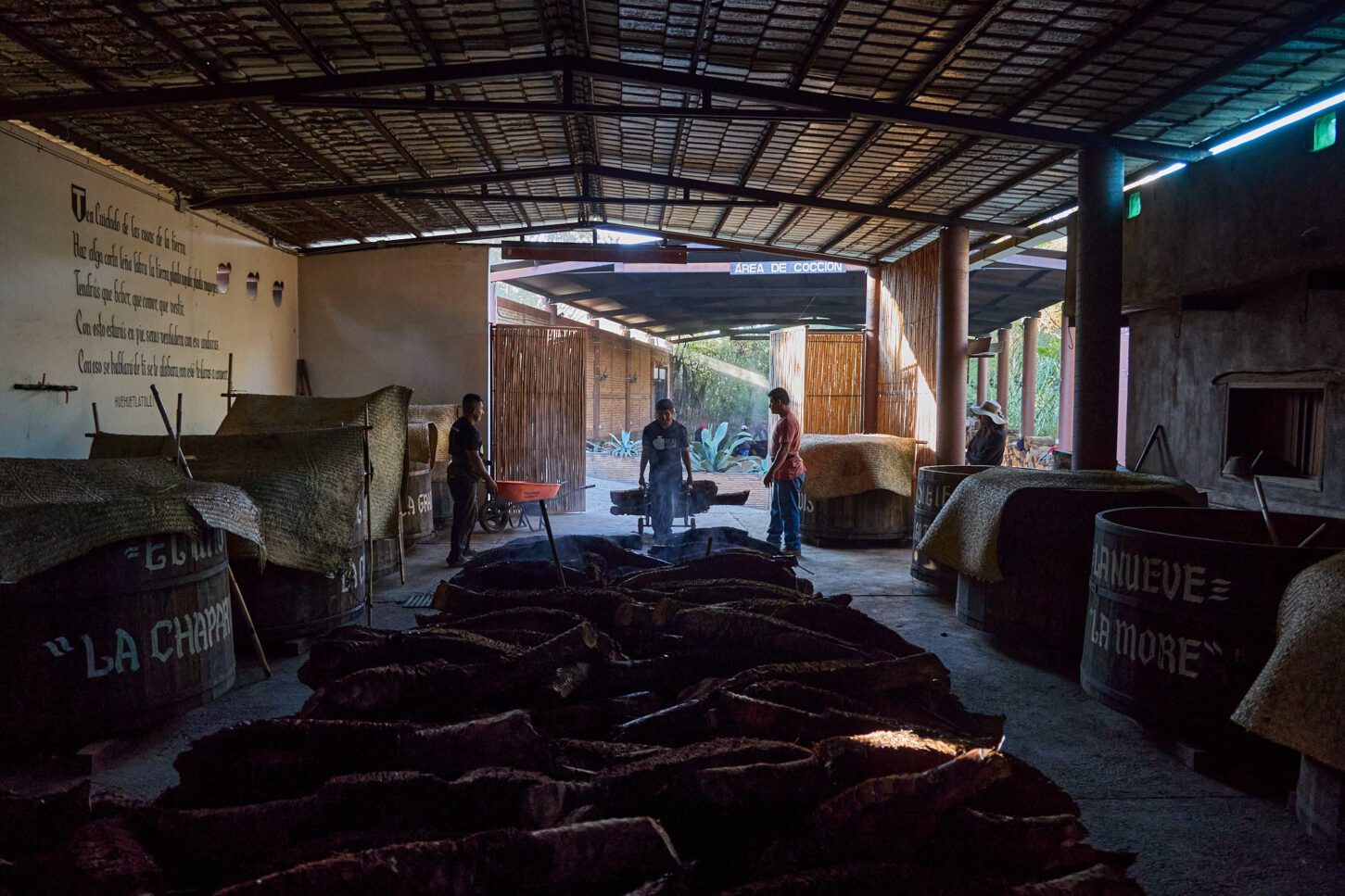
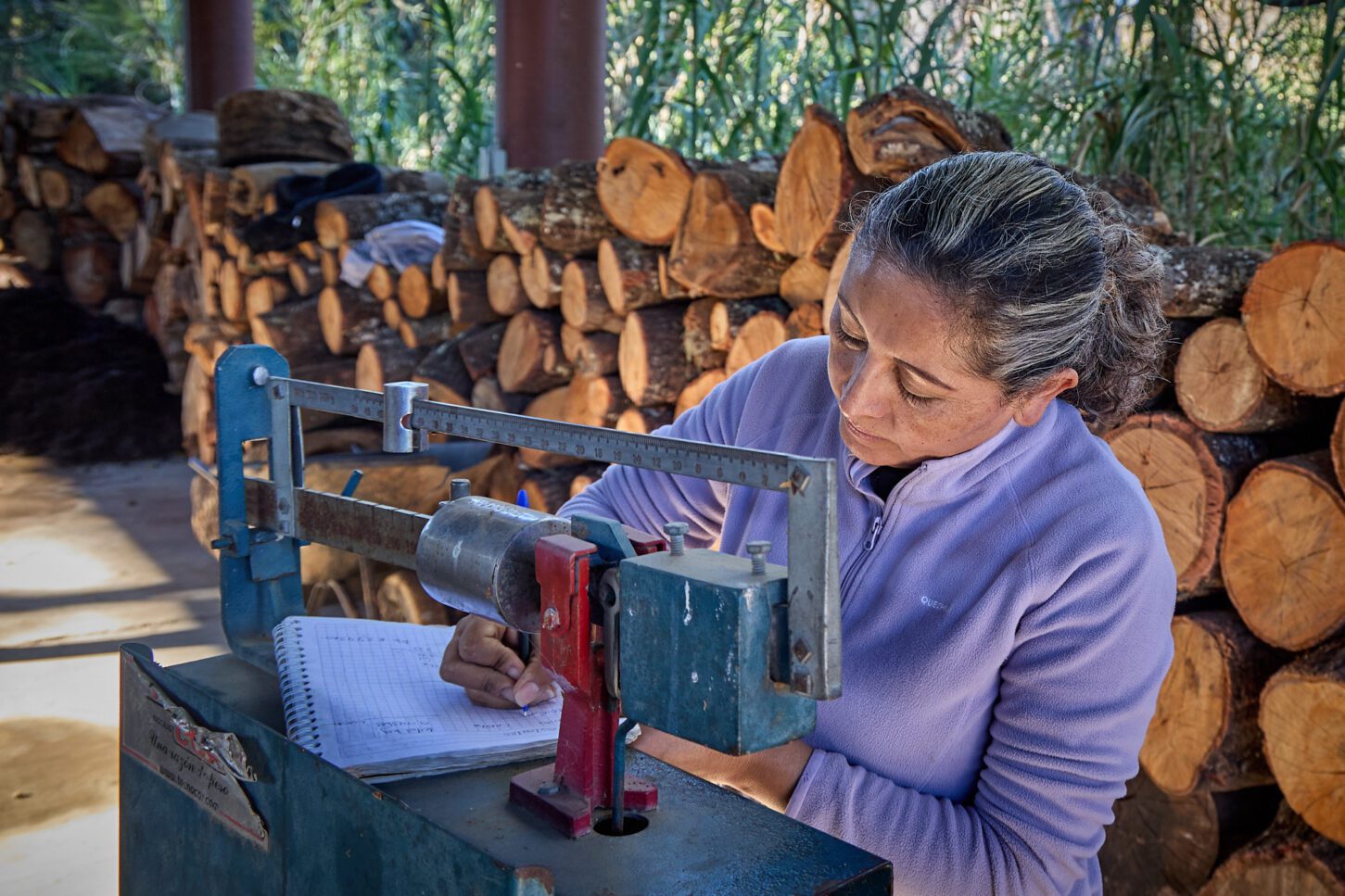
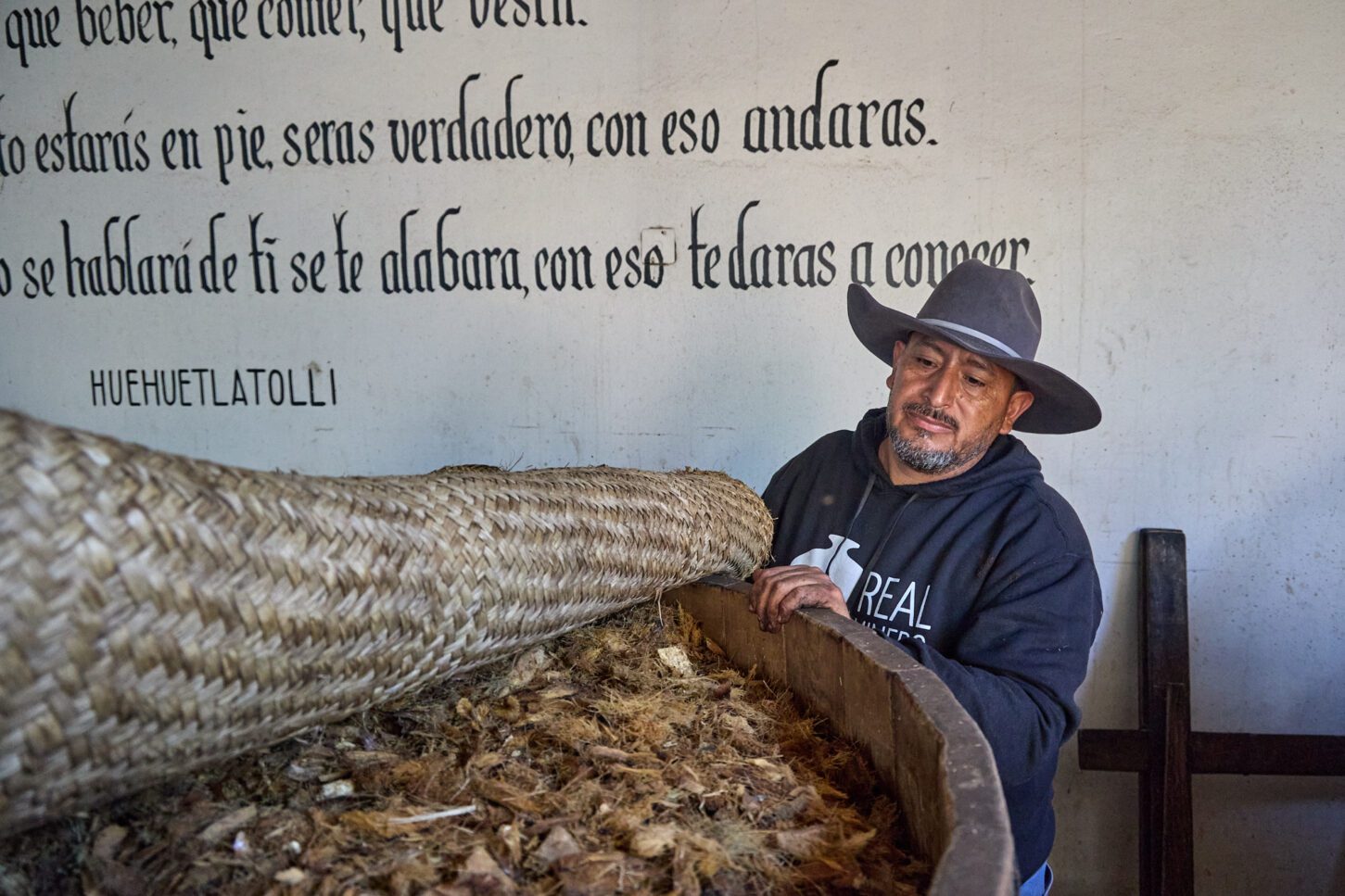
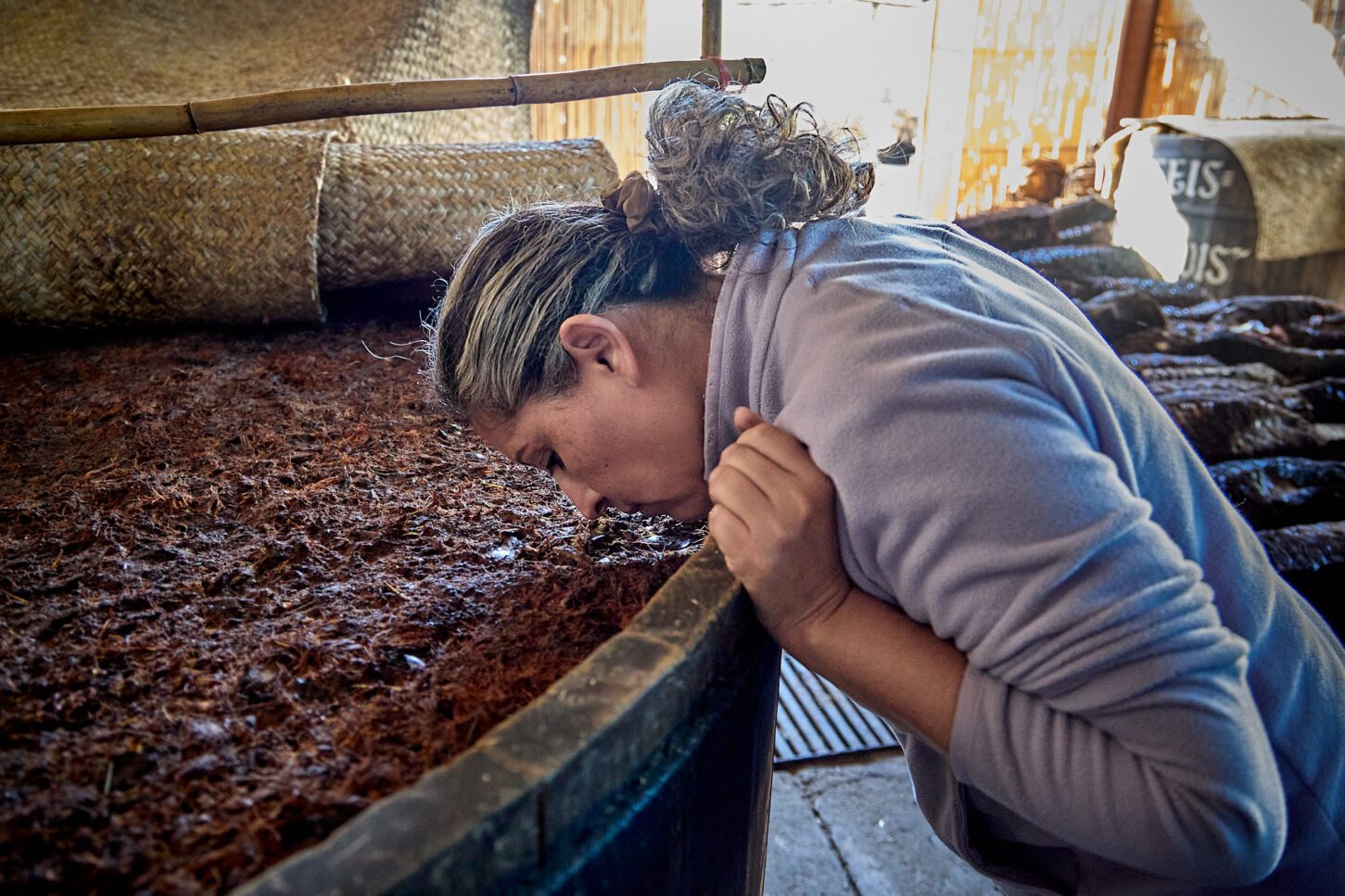
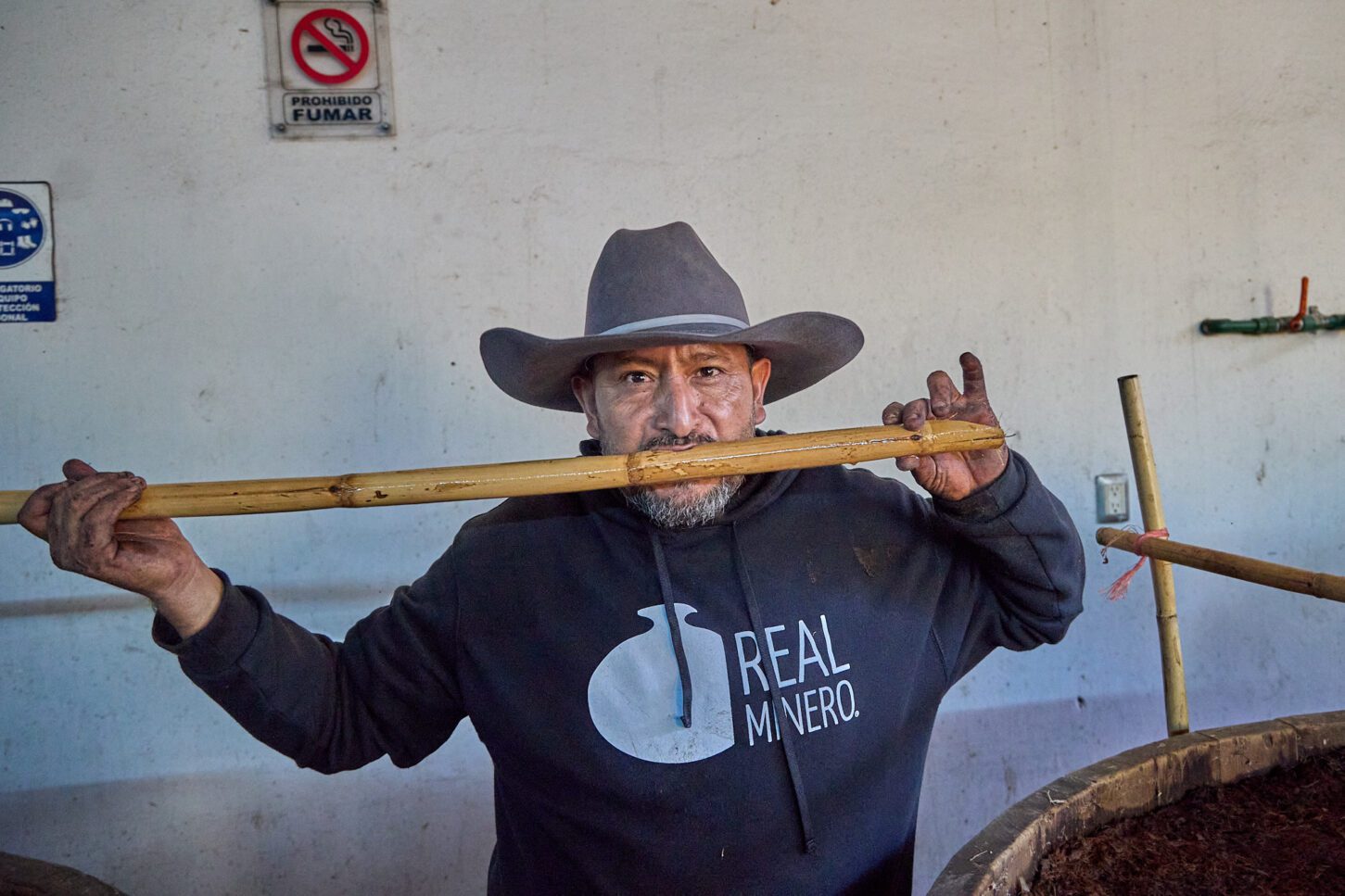
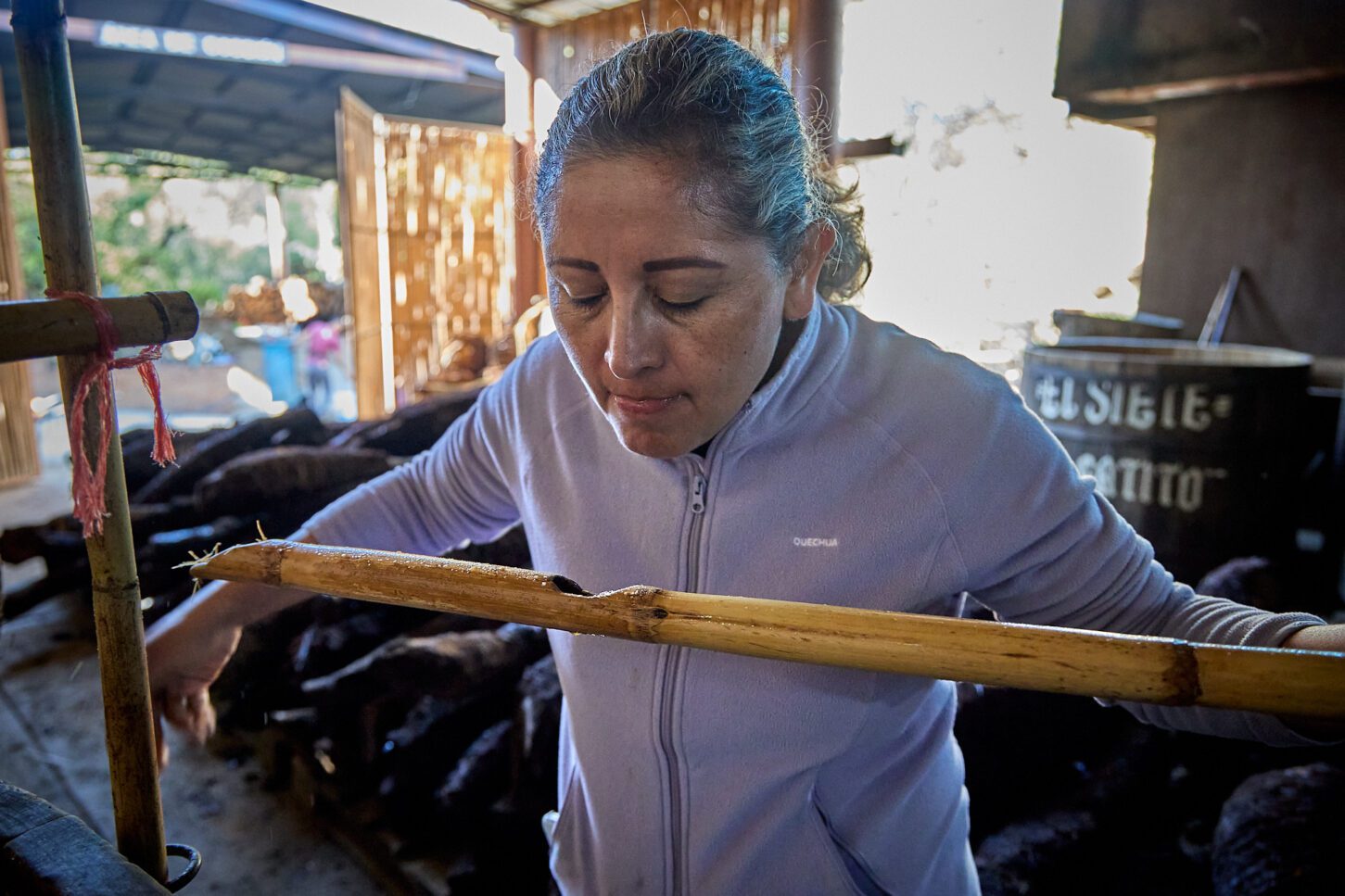
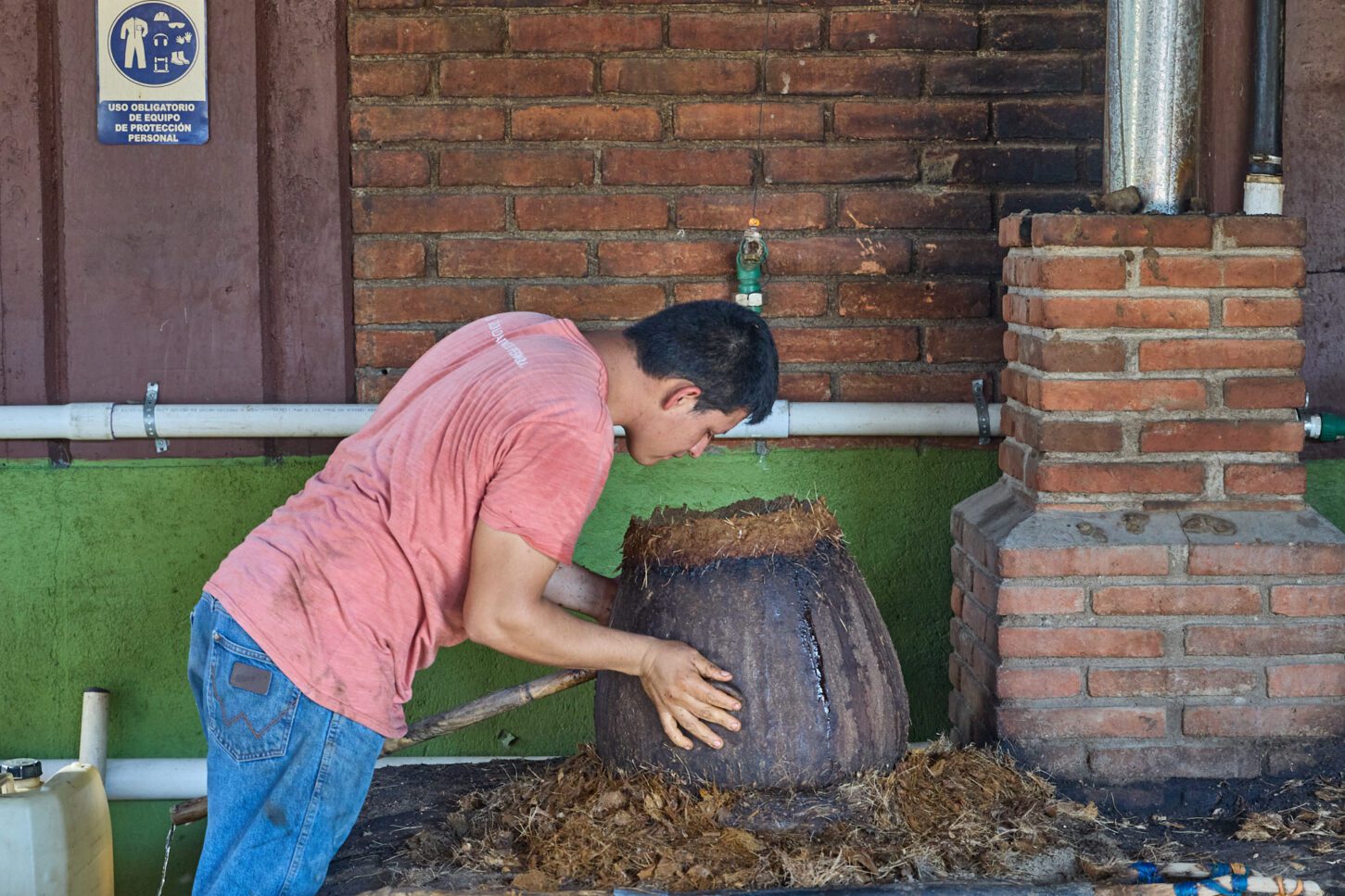
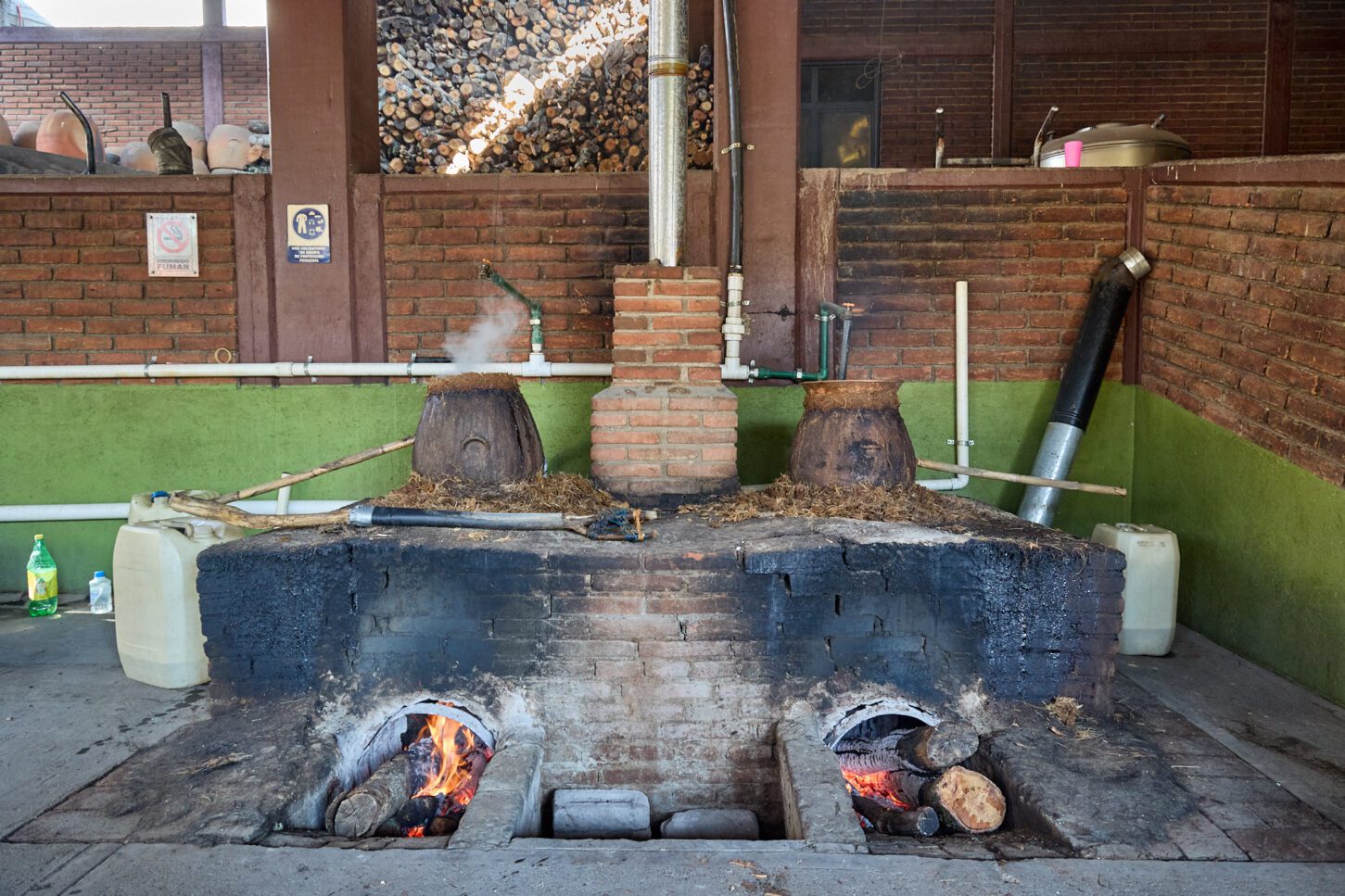
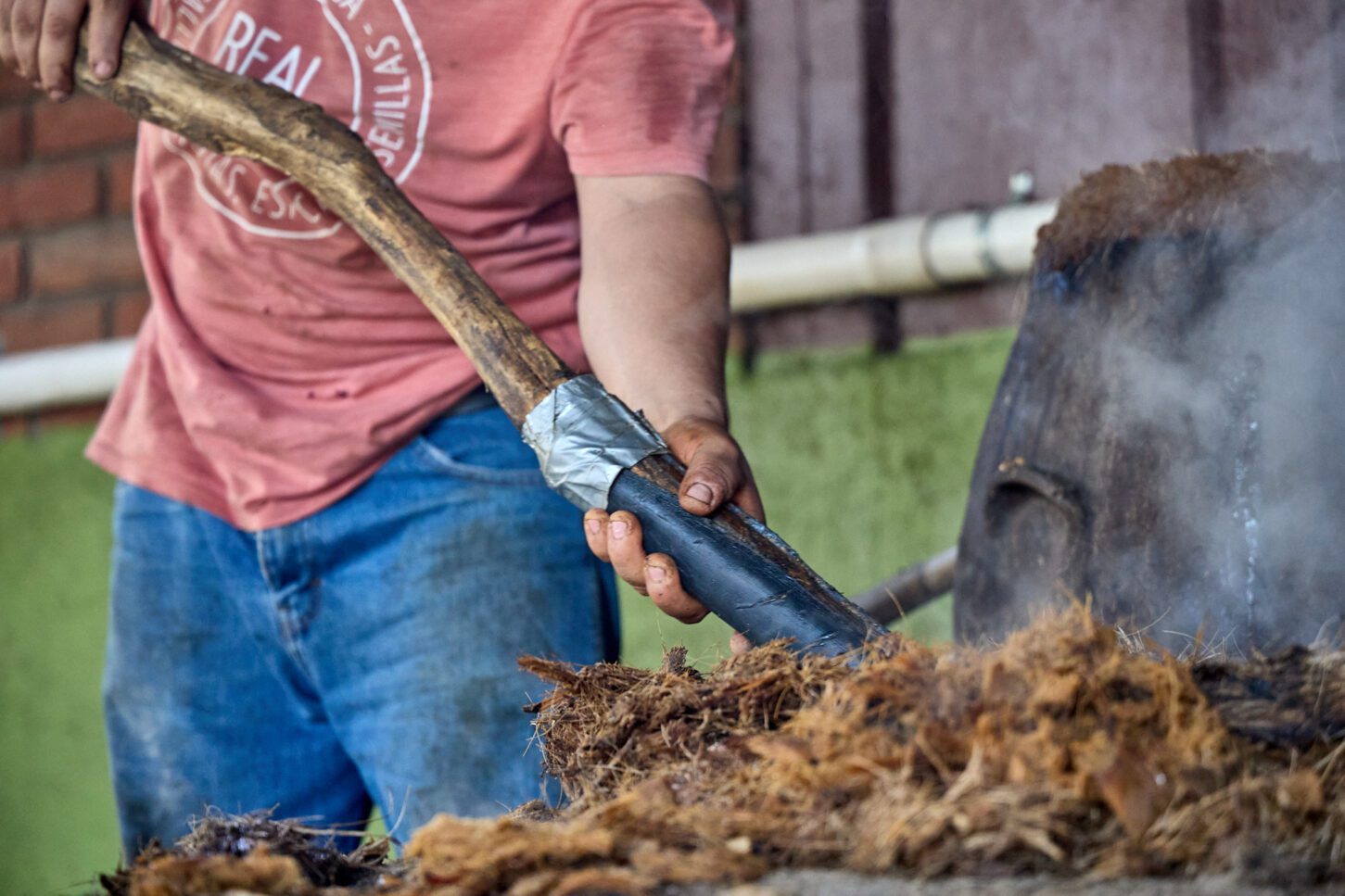
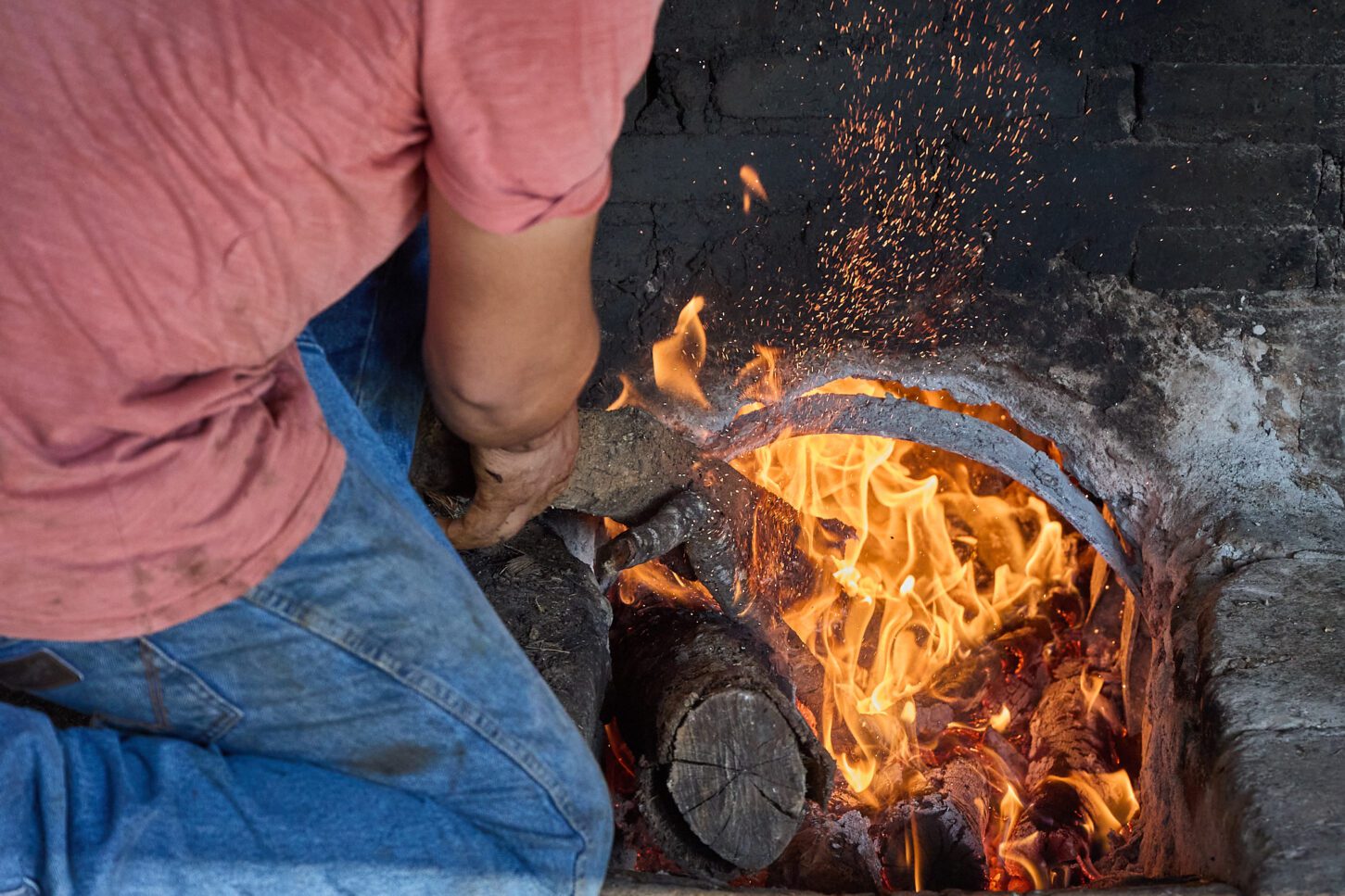
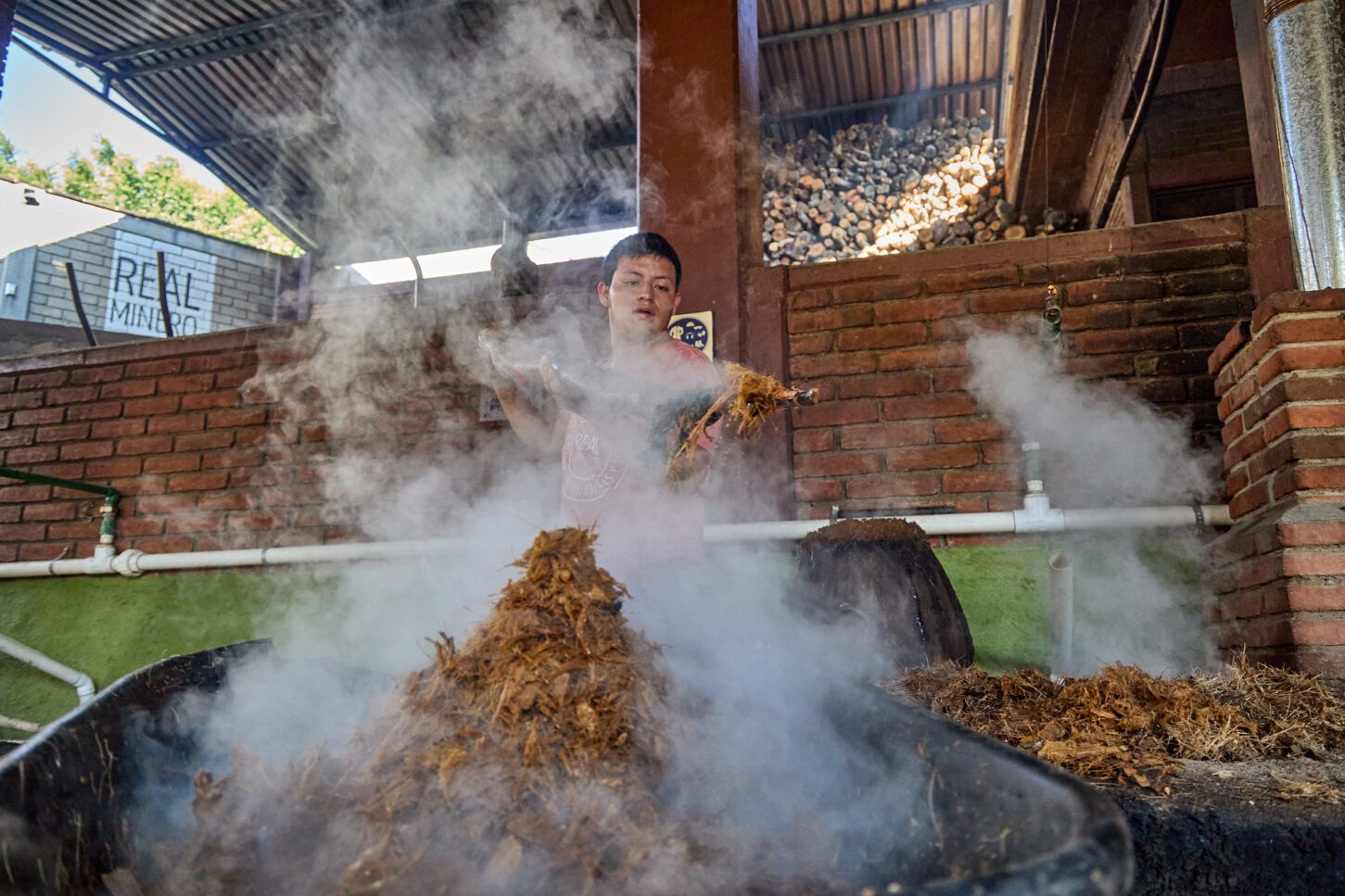
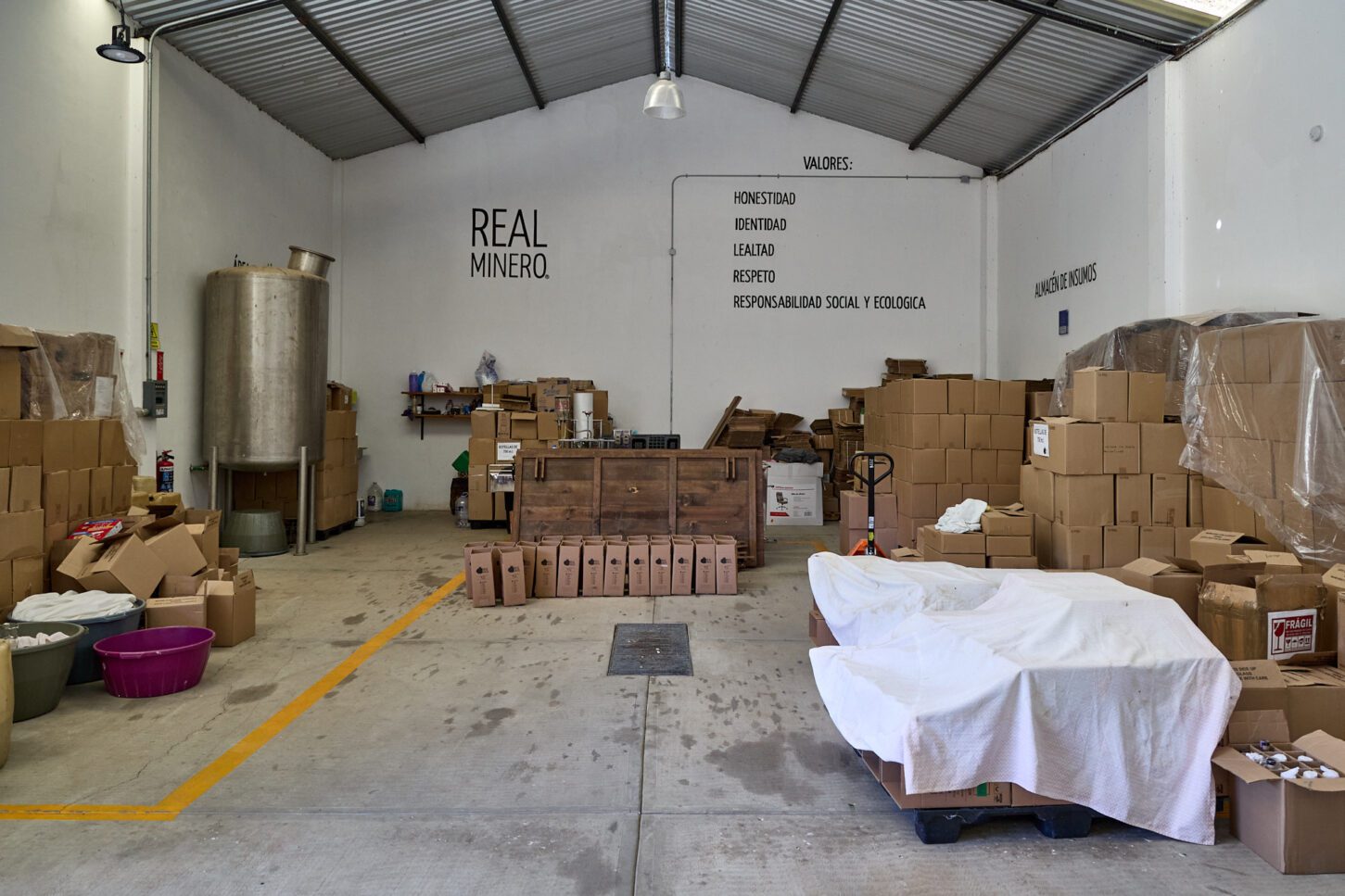
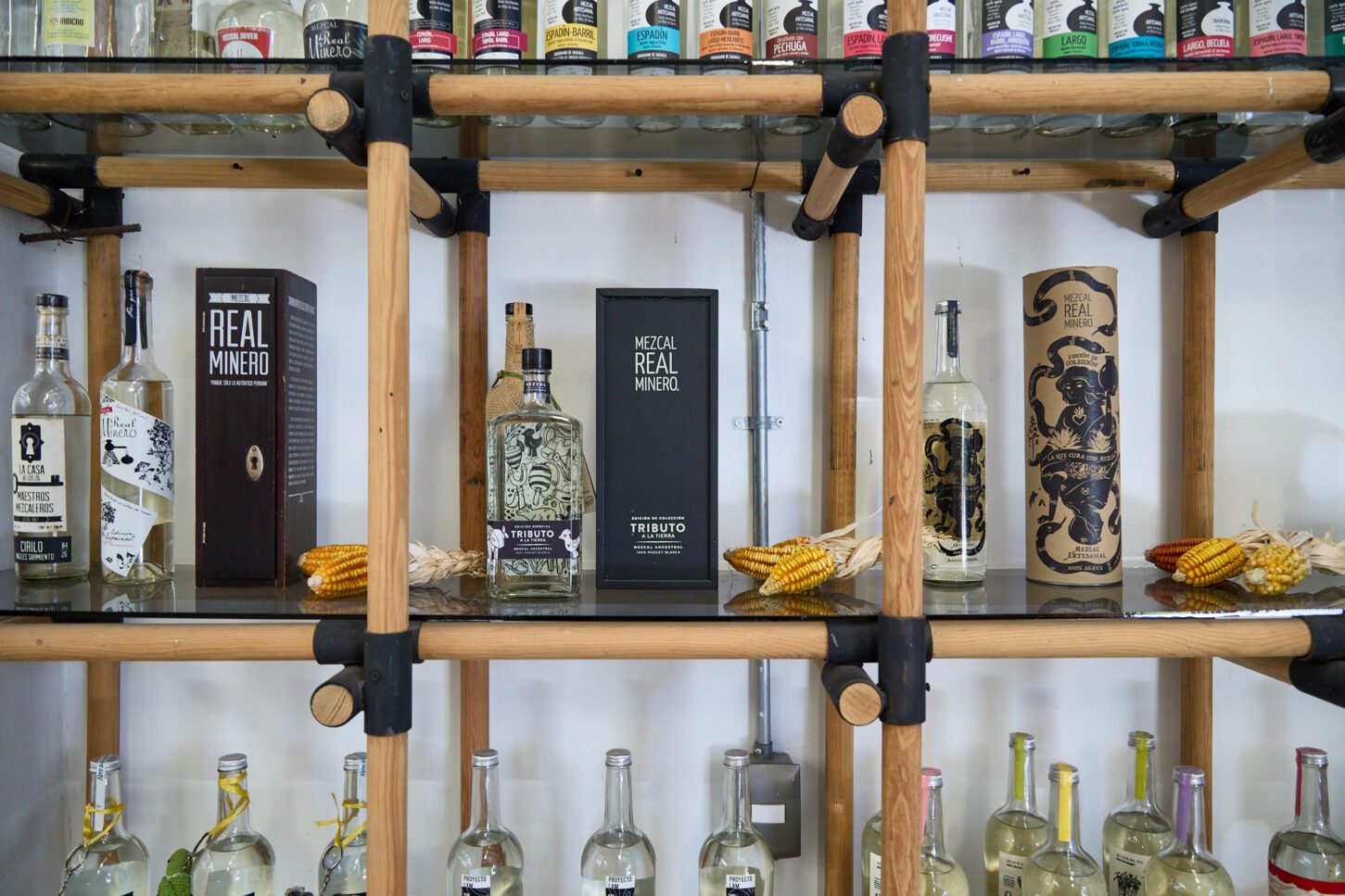
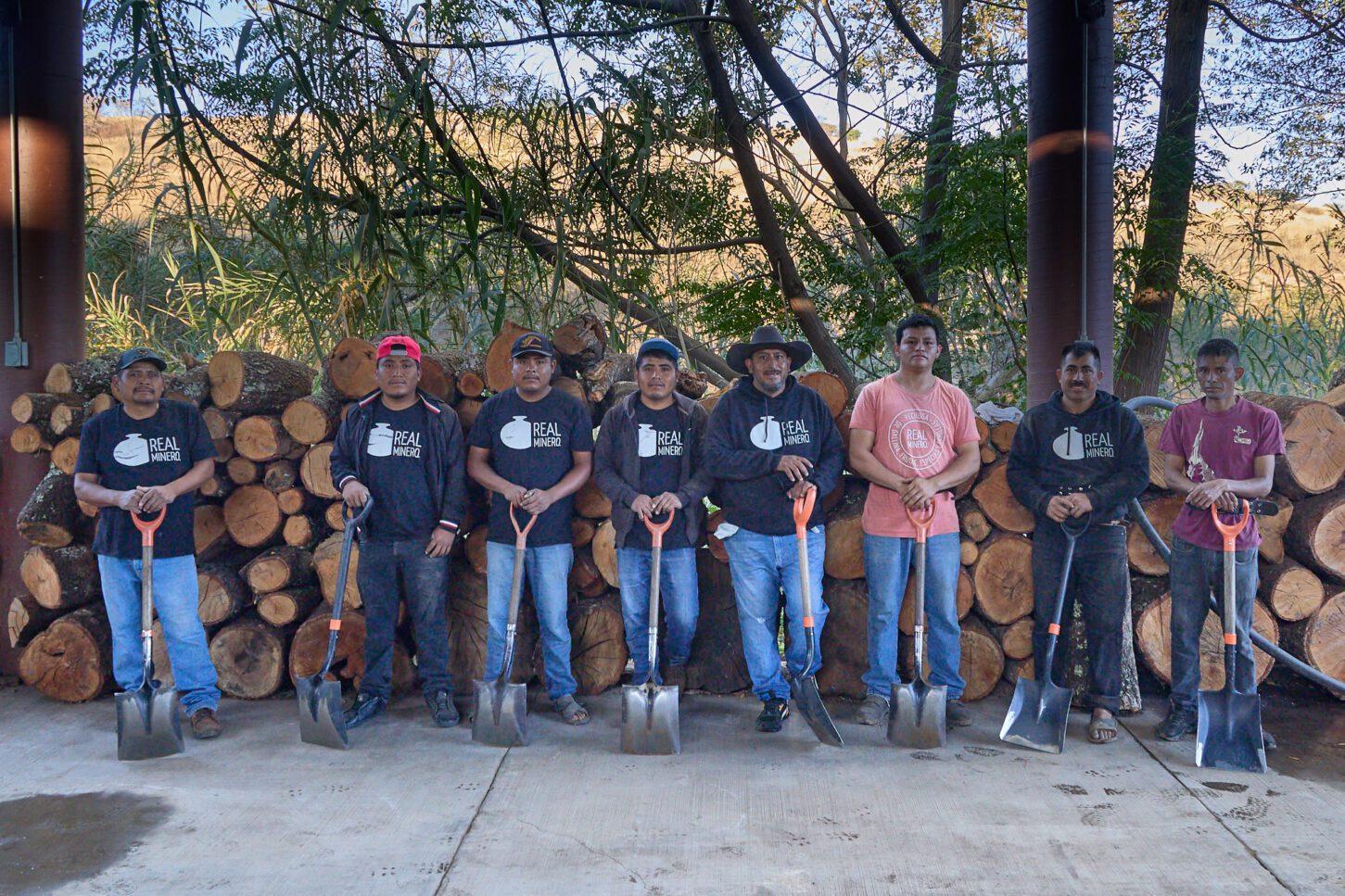
In Santa Catarina Minas, Oaxaca, mezcal begins before the bottle. It begins with maguey, stone, clay, wood, fire, patience, and the inherited intelligence of hands. The photographs that accompany this story follow some of the phases of Real Minero’s work: the agave in the field, the cooked piñas, the fibers opened and crushed, the slow fermentation, the clay pots used for distillation, the attention given to each batch.
Nothing in this process moves quickly. Agave asks for years. Fire asks for control. Fermentation asks for listening. Clay asks for a kind of respect that metal rarely demands.
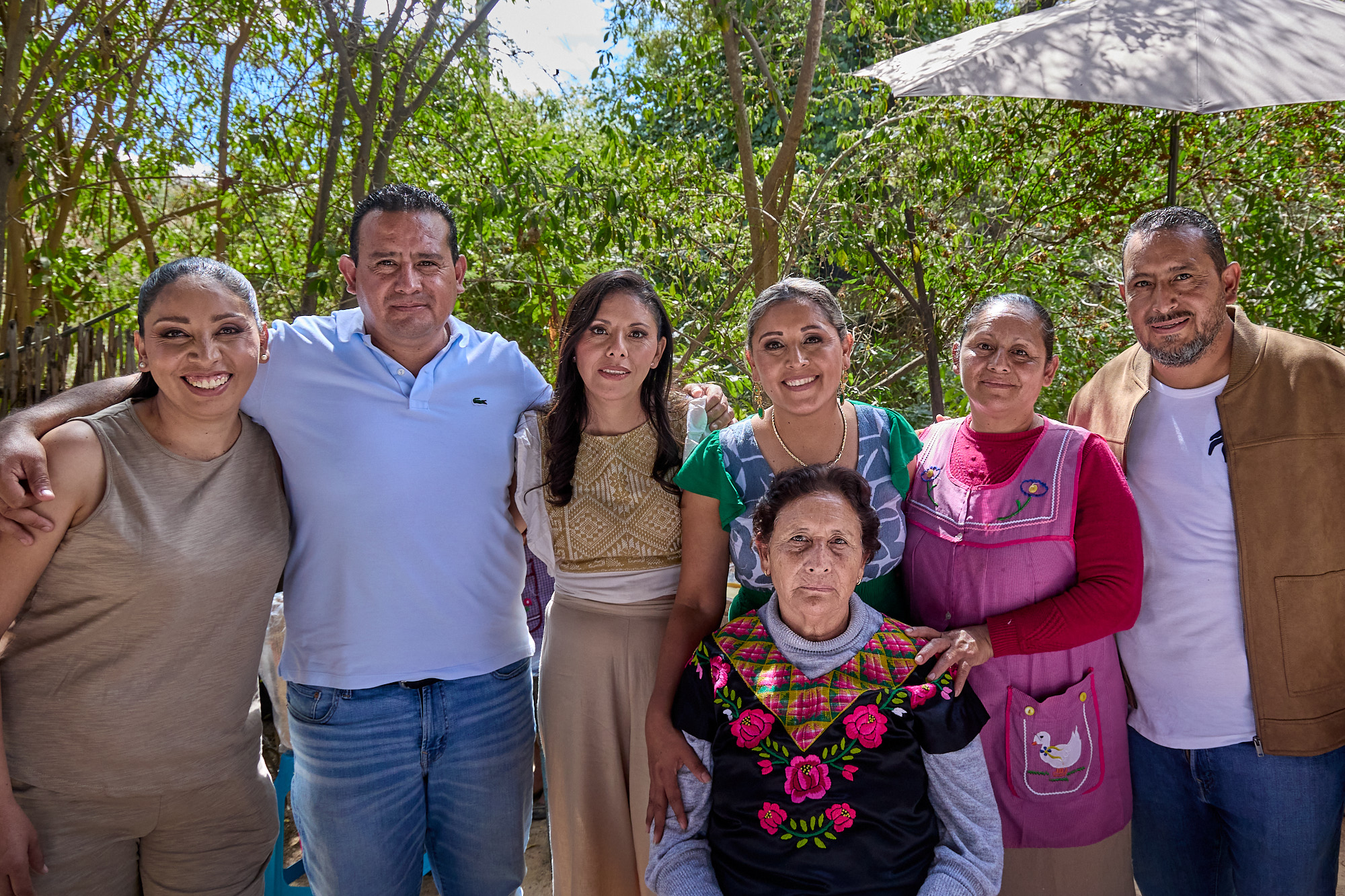 The Ángeles Carreño family
Real Minero belongs to the Ángeles Carreño family: Graciela, Adriana, Miriam, and Édgar. Their story reaches back to the end of the nineteenth century, when mezcal in Santa Catarina Minas belonged to necessity before it became recognized as heritage.
The family remembers Don Francisco Ángeles, known in the town as “Papá Chico,” as the root of their mezcal lineage. He was one of the old palanqueros, the men who knew how to “sacar mezcal” in difficult conditions, often working outdoors and at times under the risk attached to an activity that lived outside official acceptance.
The word “minero” carries the geography of the place. Santa Catarina Minas is a town in the Central Valleys of Oaxaca, shaped by mineral abundance, colonial extraction, Indigenous history, and rural labor.
Real Minero itself describes the community as originally Indigenous, within a wider Zapotec-speaking region, even though today the town is largely mestizo and has no Zapotec-speaking population. This layered history matters. Mezcal here comes from land marked by both knowledge and dispossession.
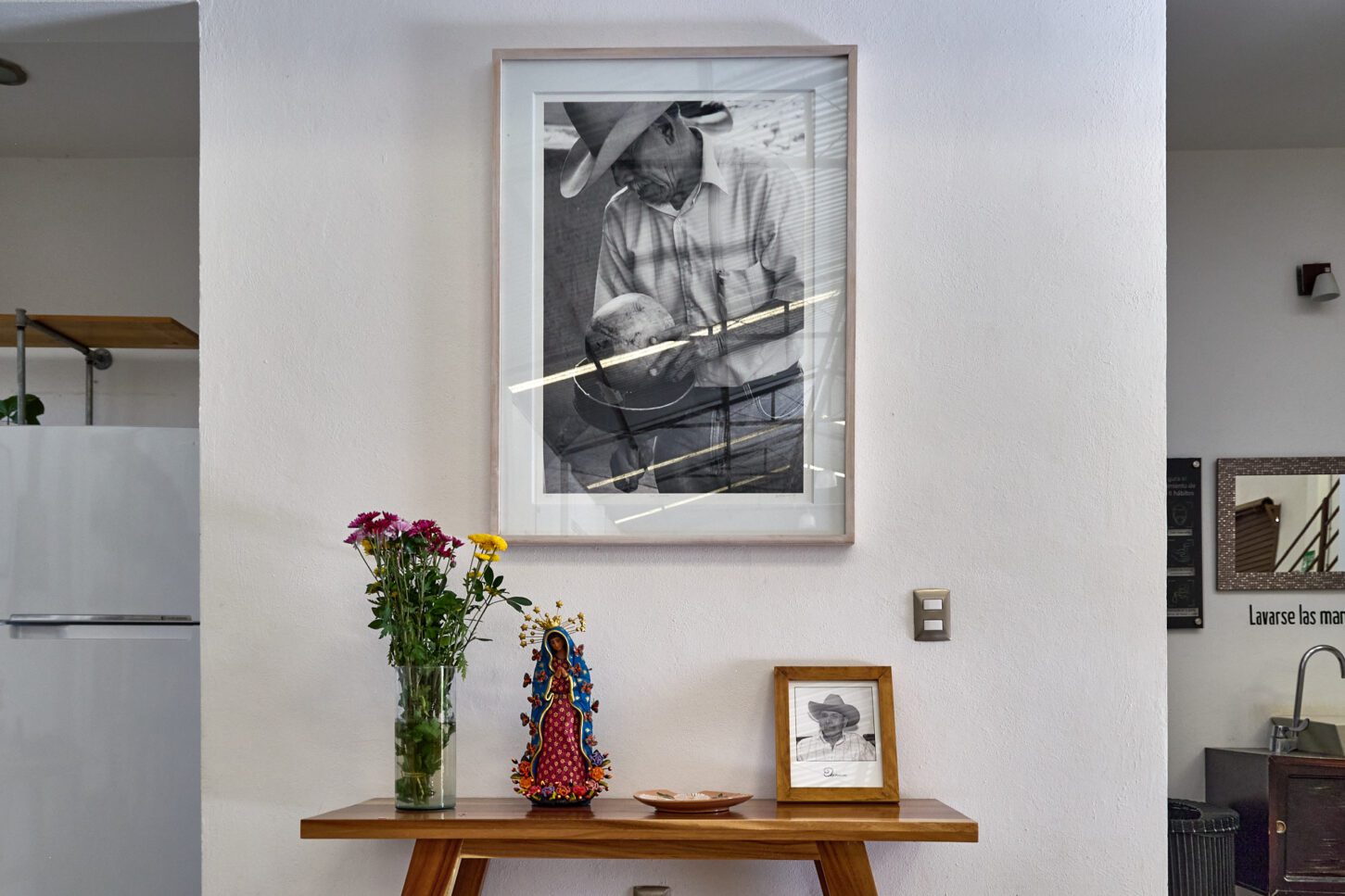
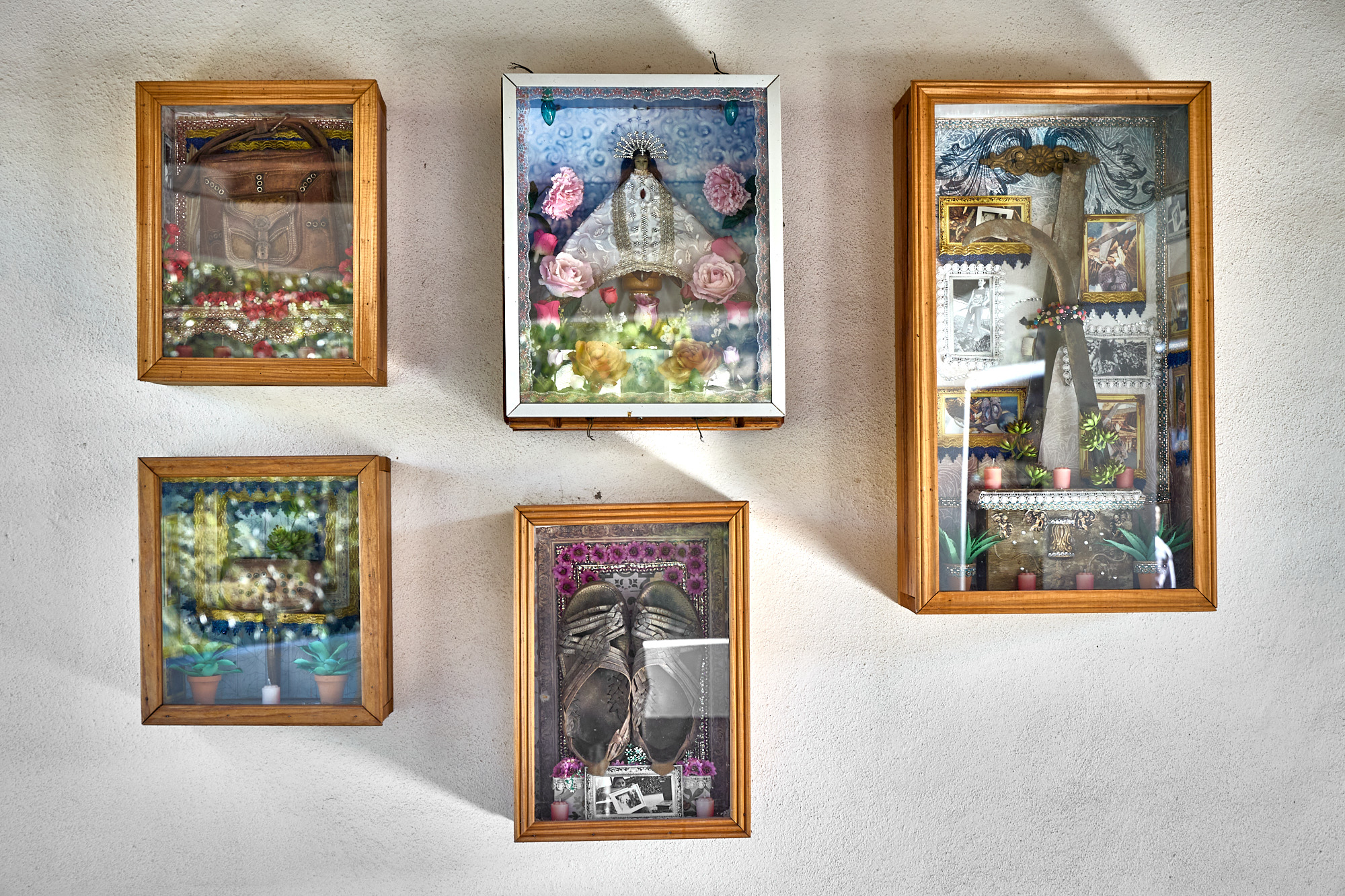 Objects that belonged to Don Francisco Ángeles, “Papá Chico,” preserved at Real Minero. For the Ángeles Carreño family, they mark the beginning of a mezcal lineage built on labor, memory, and devotion.
A family practice
Lorenzo Ángeles Mendoza learned the work from Papá Chico. As a young man, he entered the palenque through rigor rather than romance. The labor was hard. The field, the maguey, the oven, the mash, and the still demanded the body before they gave anything back.
In 1978, Lorenzo Ángeles Mendoza and Don Nicolás Arellanes acquired the family’s first palenque in Santa Catarina Minas. That place, Palenque La Concepción, became central to the present history of Real Minero. For years, the mezcal moved in simple containers, with modest labels and local circulation. The brand came later. The practice came first.
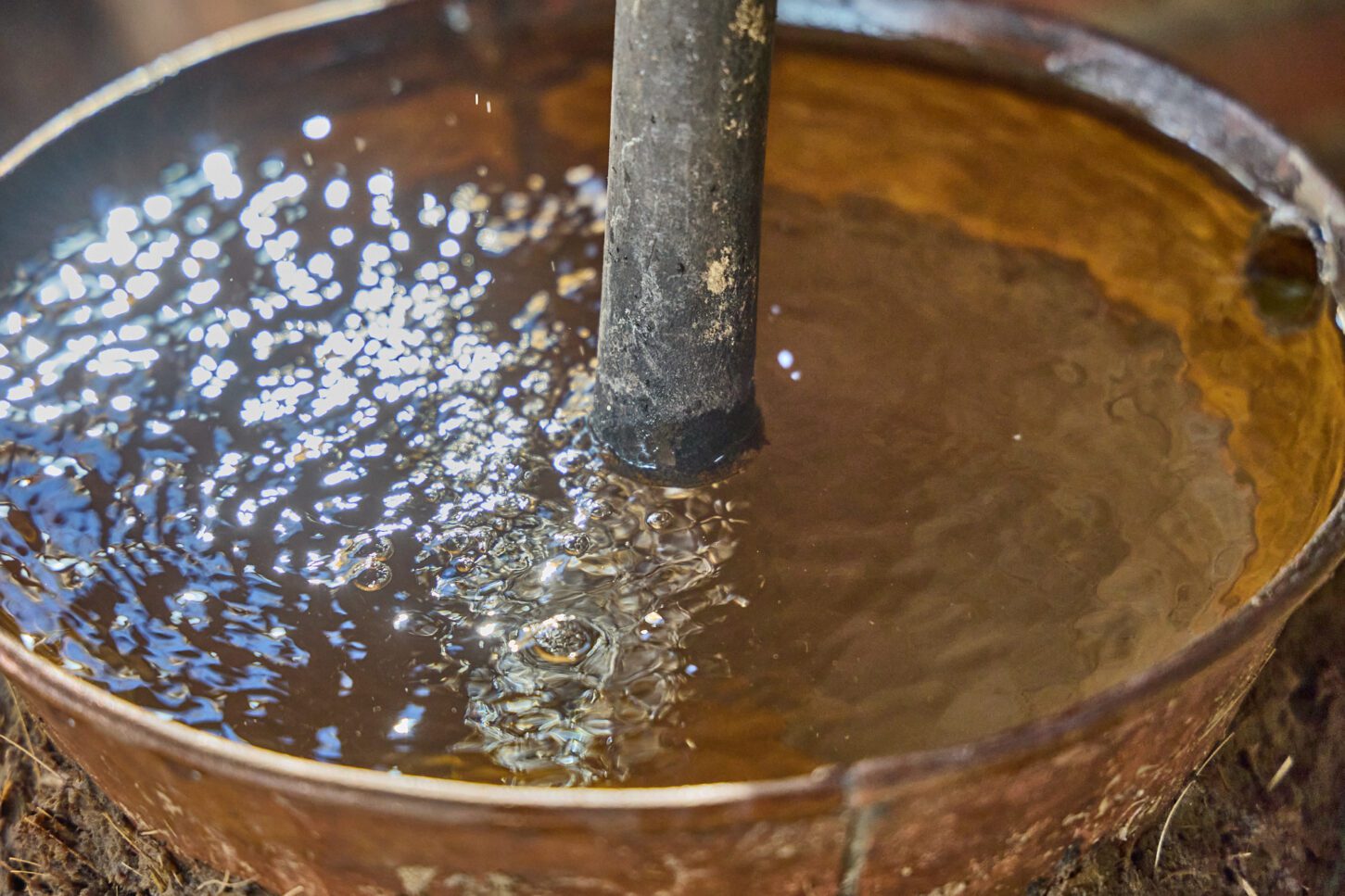
This order defines the work. Real Minero’s mezcal is made through methods associated with Santa Catarina Minas: cooking in a conical earth oven, crushing by hand with a mallet and wooden canoe when the batch requires it, fermenting with native yeasts, and distilling in clay pots. The clay still gives the distillate a particular relation to heat, vapor, texture, and mineral memory. It is a technology of place, built from materials that belong to the region.
The result is measured in small quantities, but also in continuity. Each batch carries decisions that begin long before distillation: which agave to plant, which plant to harvest, how long to cook, how to read the fibers, when fermentation has reached its point, how the clay behaves, how the spirit moves through the hand and nose of the palenquero.
Agave as memory
Mezcal is often consumed far from the places that make it possible. Real Minero asks for a slower attention. Behind each glass there is a plant that may have taken ten, fifteen, or twenty years to mature. There is land under pressure. There are families deciding whether a tradition can survive the market built around it.
This is why Real Minero’s work extends into the field through Proyecto LAM, named in honor of Lorenzo Ángeles Mendoza. The project focuses on agave conservation, seed propagation, and the protection of local plant knowledge. Growing agave from seed takes longer than cloning plants through hijuelos, but it protects genetic diversity. It also keeps the mezcalero connected to the land, instead of reducing the craft to distillation alone.
The choice is practical and cultural. Mezcal depends on biodiversity, water, pollinators, firewood, soil, and time. A serious mezcal project has to think beyond the next batch. Real Minero’s nursery and seed work speak to that responsibility: the future of mezcal begins with plants that the present generation may never bottle.
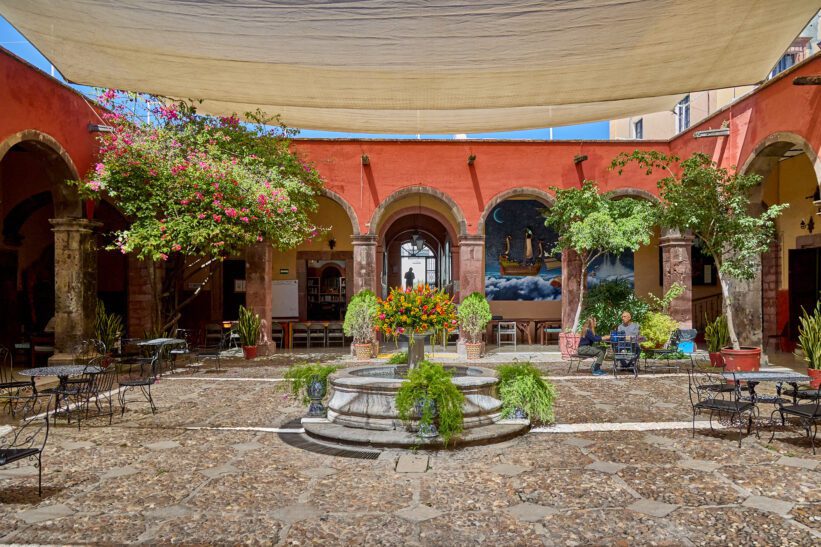
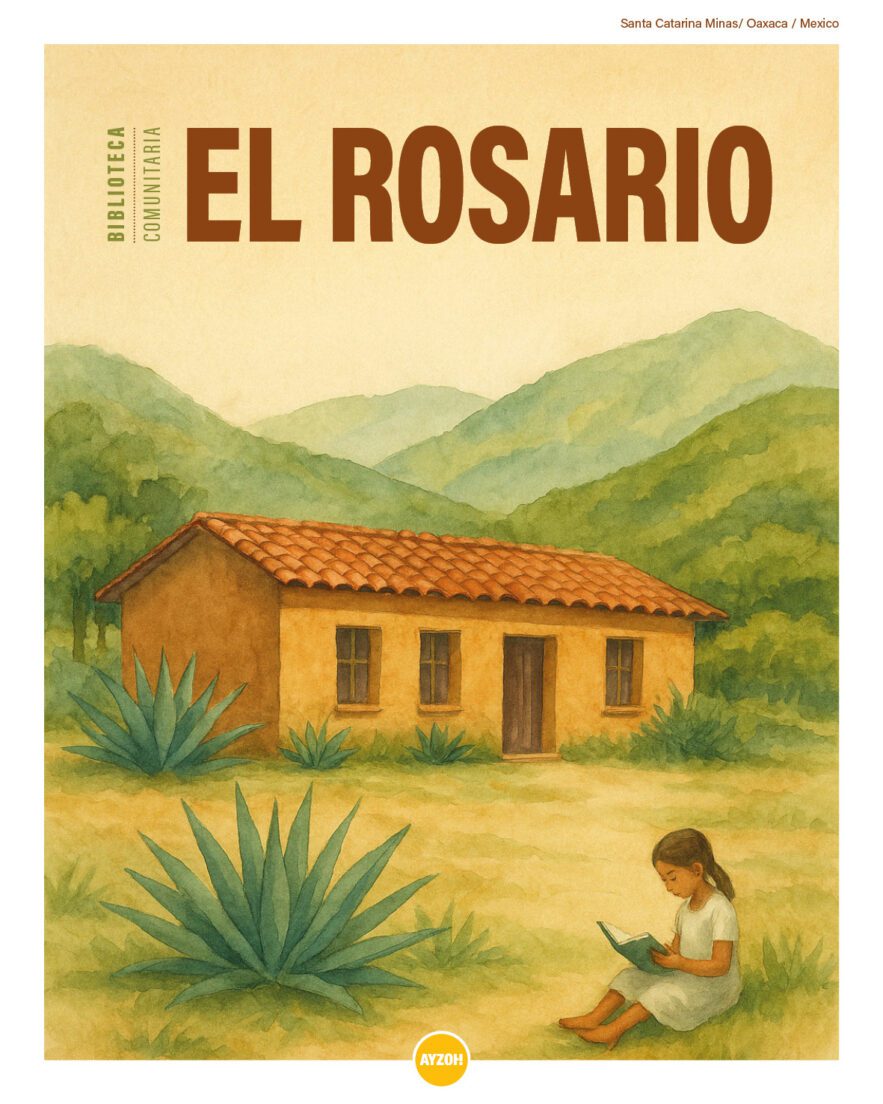
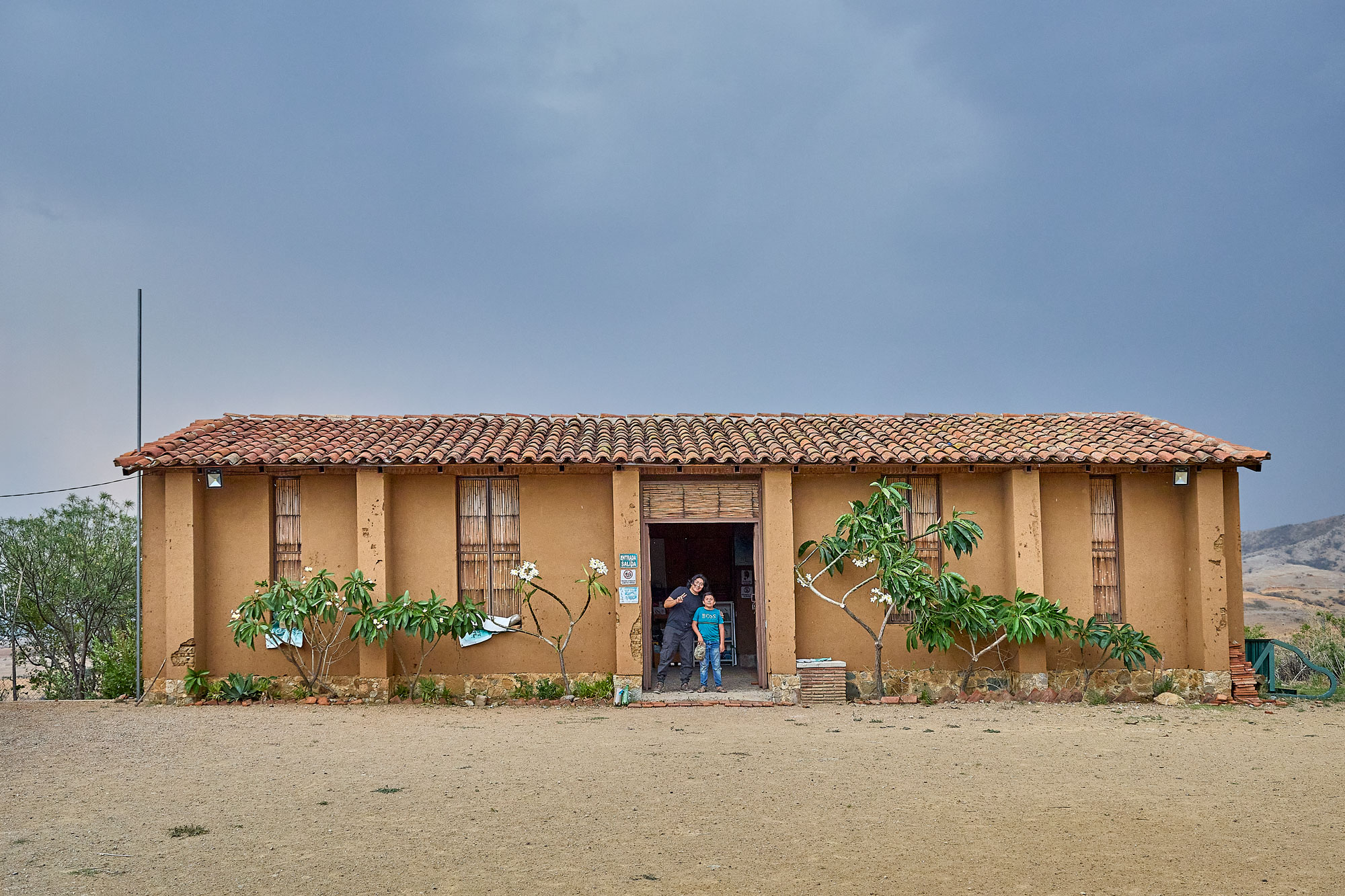 Biblioteca El Rosario stands in Santa Catarina Minas, Oaxaca, between dry hills, agave fields, and family palenques. Supported by Real Minero, it turns a rural building into a place for reading, workshops, internet access, and community life.
The town around the palenque
Real Minero’s work also moves through Santa Catarina Minas in another form: education. The family has been one of the principal forces behind Biblioteca El Rosario, part of a broader idea called “Bibliotecas para pueblos mezcaleros.” The library was conceived as a place where children and young people could find books, tools for study, internet access, and support for learning beyond the limits of the local school system.
Over time, Biblioteca El Rosario has grown into a cultural space. It serves the community through reading, workshops, public activities, and a magazine that records local life: animals, drought, transportation, books, school, childhood, celebrations, and everyday forms of mutual help. Ayzoh! supports this work because the library shares a core principle with our own practice: communities need tools to tell their stories in their own voice.
The connection between Real Minero and the library is direct. A palenque produces mezcal. A library produces access. Both require patience, maintenance, and trust. Both are built through collective work. Both belong to a town where knowledge has always moved through families, fields, kitchens, workshops, and shared spaces.
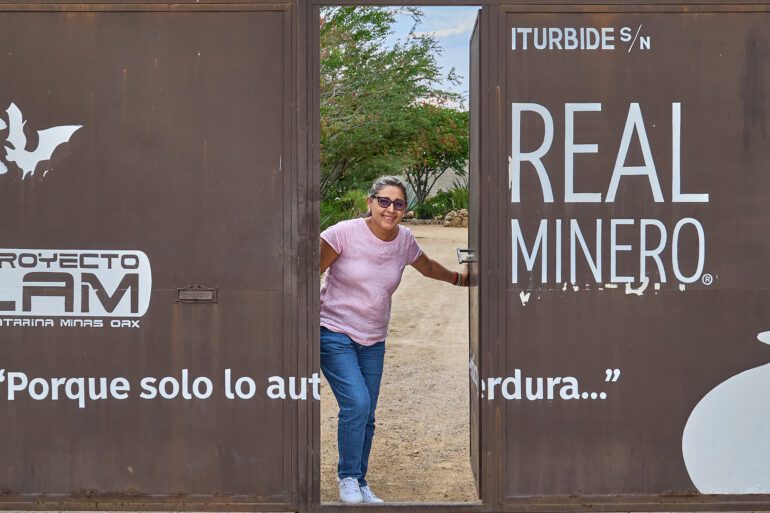
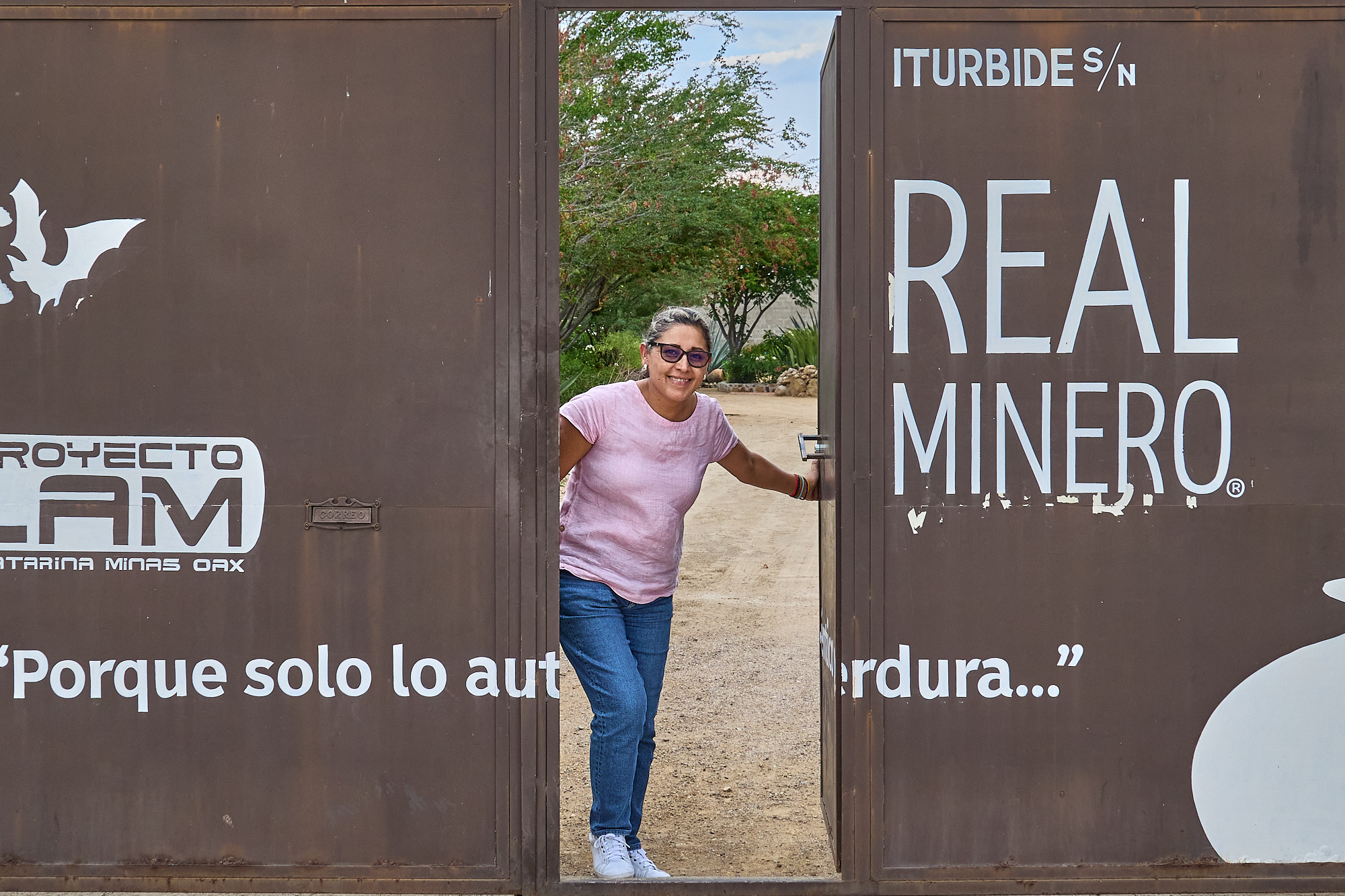 Graciela Ángeles Carreño at Real Minero, in Santa Catarina Minas. Her work carries the family’s mezcal tradition forward while supporting agave conservation and community education through Biblioteca El Rosario.
What remains
Real Minero’s motto says: “Because only the authentic endures.” The phrase holds weight because the work behind it is visible. Authenticity here has little to do with nostalgia. It lives in decisions: to keep clay distillation alive, to care for agave diversity, to honor family knowledge, to question industry norms, to support a library, to invest in a town’s children.
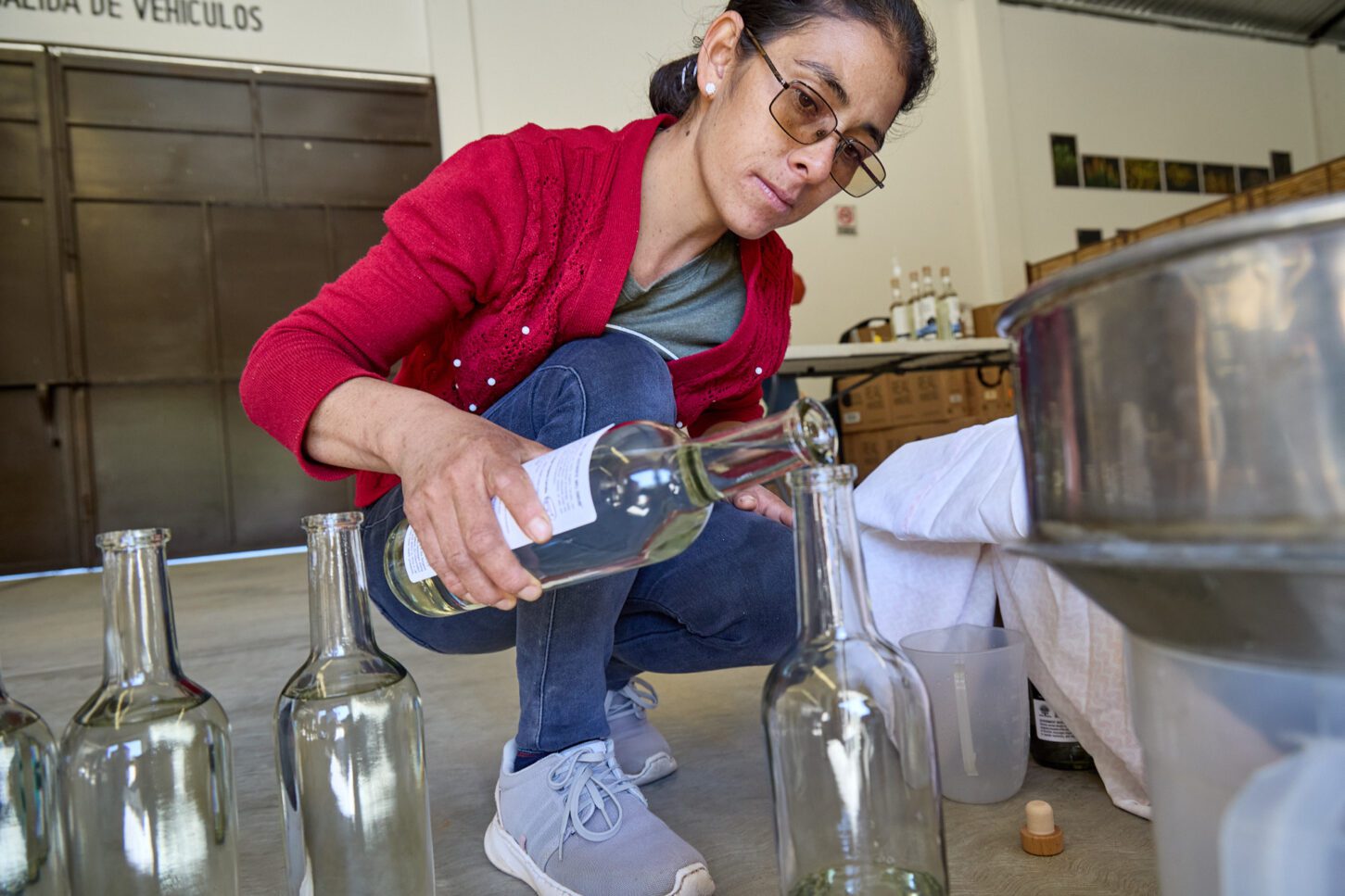
The photographs show the production of mezcal, but they also point toward a wider system of life. A hand cuts agave. A fire softens the piñas. A wooden tool breaks the fibers. Fermentation begins. Vapor rises through clay. A bottle is filled. Nearby, a library opens its doors.
In Santa Catarina Minas, Real Minero keeps one story in the palenque and helps another grow on the shelves of El Rosario. One belongs to agave. One belongs to books. Both are forms of memory made useful.